Nail In Car Tire — Can You Still Drive It? Safe Or Not?
When a nail punctures your tire, it creates a small hole. This hole lets air escape from inside the tire. The rate of air loss depends on the size and type of nail.
It also depends on where the nail is located. A small nail might let air out slowly. A bigger one can cause a rapid drop in pressure.
This loss of air is called a flat tire.
Tires need a specific amount of air pressure to work right. This pressure helps them hold up the car. It also helps them grip the road.
When the pressure drops, the tire can’t do its job well. The car might pull to one side. The steering could feel loose.
The tire itself can start to get very hot.
The part of the tire the nail is in matters a lot. The tread is the thick rubber part on the bottom. This part is designed to be tough.
Most nails that get stuck in the tread can sometimes be fixed. But if the nail is in the sidewall, that’s a different story. The sidewall is the thinner, flexible side of the tire.
It’s not built to handle punctures or repairs. A nail in the sidewall usually means the tire needs to be replaced.
The nail itself can also cause damage. While it’s in the tire, it might help seal the hole a little. But when you drive, the tire flexes.
This flexing can make the hole bigger. It can also damage the internal structure of the tire. This internal damage is often not visible from the outside.
It can make the tire unsafe even if it looks okay at first.
So, even if you don’t see a lot of air leaking right away, the nail is still a problem. It’s like a ticking clock. The longer you wait, the worse the damage can get.
And the risk of a sudden blowout increases. It’s always best to deal with it quickly.
My Nail in the Tire Story: A Close Call
I remember one time, I was driving home from a friend’s place. It was late. The road was dark.
I heard that awful sound. Thump-thump-thump. My stomach dropped.
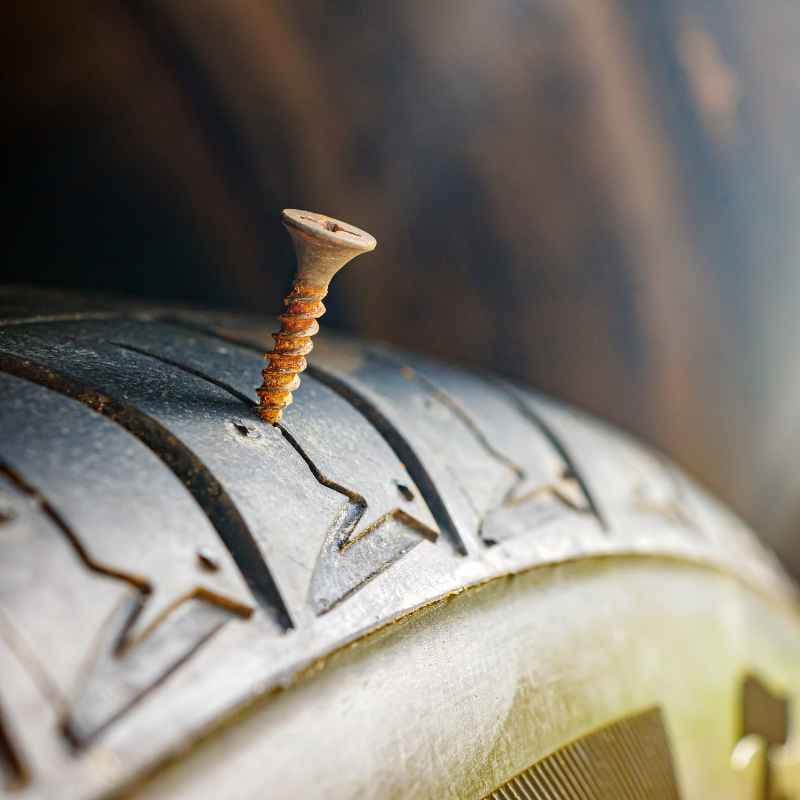
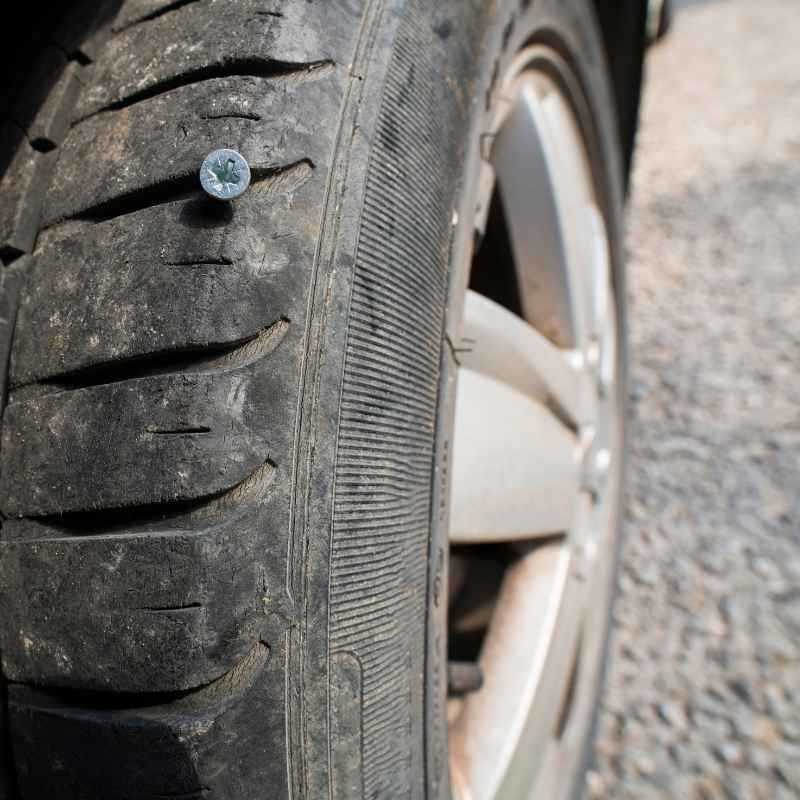
I pulled over onto the shoulder. I looked down and saw it. A big, rusty screw sticking out of my front tire.
Ugh.
My first thought was panic. I had a meeting early the next morning. I couldn’t afford to be without my car.
I didn’t know much about tires back then. I just knew it looked bad. I saw the air slowly start to leak.
It was a slow leak, thankfully. I thought maybe I could just drive home very slowly. Maybe I could ignore it until morning.
That feeling of dread washed over me. I pictured the tire blowing out on the highway. That thought alone made me shiver.
It felt like a small thing, a screw, but it held the weight of my whole car. It felt like a big decision. What was the right thing to do?
I sat there for a few minutes, just staring at the tire. It felt like an eternity.
After a bit of thought, I knew I couldn’t risk it. I called a tow truck. It was an expense I hadn’t planned for.
But the tow truck driver assured me I made the right call. He said driving on a damaged tire, even with a slow leak, is never a good idea. It can ruin the tire completely and be very dangerous.
That night taught me a valuable lesson about safety and quick decisions.
Tire Nail: Quick Facts
What to look for: Hear a thumping sound? See a nail or screw in the tread?
Where it matters: Nails in the tread are sometimes fixable. Nails in the sidewall usually mean replacement.
What to do next: Slow down. Avoid sharp turns. Don’t drive far.
Call for help if needed.
Can You Still Drive With a Nail in Your Tire?
This is the million-dollar question. The answer is complicated. It’s not a simple yes or no.
It really depends on a few things. How much air is leaking? Where is the nail?
And how far do you need to go?
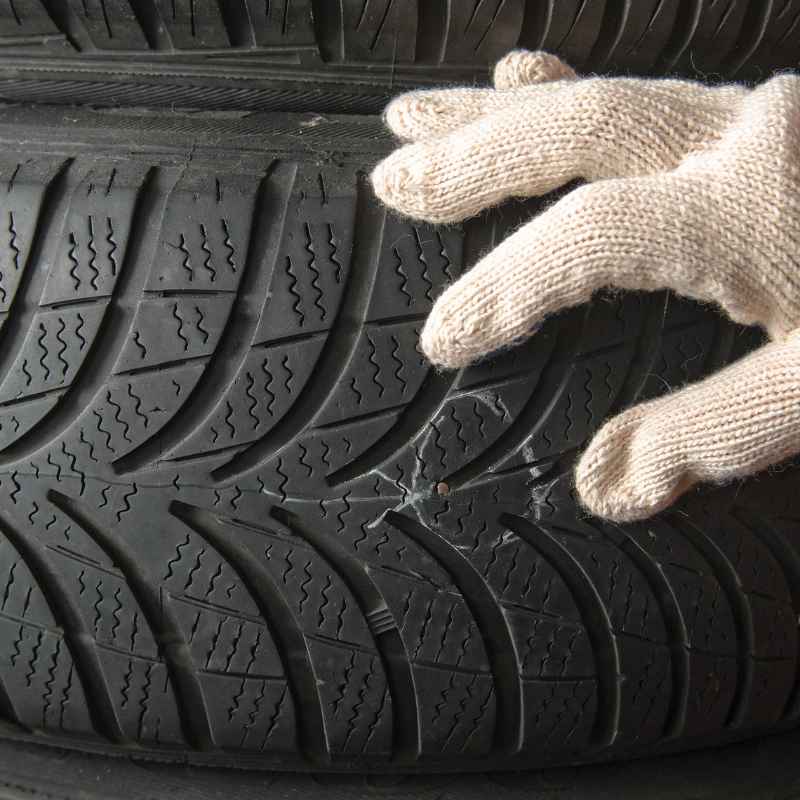
If the nail is in the tread area, and it’s a slow leak, you might be able to drive a short distance. This is for emergencies only. Think driving a mile or two to a safe parking spot.
Or driving directly to a tire shop that is very close by. You should drive very slowly. Avoid hard braking or fast turns.
Keep your speed down to 30 mph or less.
However, even a slow leak is a risk. The tire is compromised. Driving on it can make the damage worse.
It can cause internal damage that you can’t see. This damage can lead to a blowout later. A blowout is when the tire suddenly bursts.
This can cause you to lose control of your car.
If the nail is in the sidewall, do NOT drive on it. The sidewall is weak. It flexes a lot when you drive.
A nail there means the tire is unsafe. Any attempt to drive on it could cause a sudden failure. This is extremely dangerous.
You need to call for roadside assistance immediately.
What if the nail isn’t leaking much air? It might seem okay. But the nail itself can weaken the tire structure.
The constant flexing of the tire while you drive can put stress on the puncture. This stress can lead to problems down the road. It’s like having a small cut that gets infected.
It might not seem like a big deal at first.
So, while you might be able to drive a very short distance in some cases, it’s generally not recommended. The safest bet is always to stop driving as soon as you can. Assess the situation.
And then make a plan. This plan usually involves getting the tire inspected or replaced.
The goal is always safety. Driving on a damaged tire is a gamble. And it’s a gamble you don’t want to lose.
It’s better to be safe than sorry. Especially when it comes to your car and your life.
Driving With a Nail: Know the Risks
- Slow Leak (Tread): Short, slow drives might be possible. Risk of internal damage.
- Fast Leak (Tread): Do not drive. Call for help.
- Any Leak (Sidewall): Do NOT drive. Call for help immediately.
- Unseen Damage: Even slow leaks can weaken the tire structure.
Signs Your Tire Needs Immediate Attention
Not all nail punctures are obvious. Sometimes, you might not hear that classic thumping sound right away. Or you might not see the nail sticking out.
But there are other signs that tell you something is wrong with your tire. Paying attention to these signs can save you from a dangerous situation.
The most obvious sign is a change in tire pressure. Your car likely has a tire pressure monitoring system (TPMS). If a light comes on your dashboard, it means one or more tires are low on air.
This could be due to a puncture. Check your tires when it’s safe to do so. Look for any foreign objects.
You might notice the car pulling to one side. This happens when one tire has less air than the others. The car will naturally drift towards the side with the softer tire.
This can make steering feel weird. It’s harder to keep the car going straight.
Another sign is a bulge or bubble on the sidewall of your tire. This is a serious warning. It means the internal structure of the tire is damaged.
This damage makes the tire very weak. It could blow out at any moment, especially at higher speeds.
Sometimes, you might feel a vibration or wobbling when you drive. This can be caused by uneven tire wear. Or it can be a sign that the tire is not balanced properly.
But it can also be a symptom of internal tire damage from a puncture.
Listen for any unusual sounds. Besides the thumping, sometimes you might hear a hissing sound. This could be air escaping slowly.
You might also notice a “squishy” feeling when you drive over the tire. This is often due to a very soft tire.
Finally, and this is the most direct sign, you might actually see the nail or screw. Take a good look at your tires regularly. Walk around your car.
Check the tread for any sharp objects. A quick visual inspection can catch problems before they become big ones.
If you see any of these signs, it’s time to stop driving. Pull over to a safe place. Turn on your hazard lights.
And assess the situation. Don’t try to ignore these warnings. They are your car’s way of telling you it needs help.
And it needs it now.
Checklist: Is Your Tire Okay?
Tire Pressure Light: Is it on? Check all tires.
Car Pulling: Does your car drift to one side?
Vibrations: Do you feel wobbles or strange shakes?
Visual Inspection: Do you see any nails, screws, bulges, or cuts?
Unusual Sounds: Hissing, thumping, or squishing noises?
Tire Repair: When Is It Possible?
Okay, so you found a nail. Can it be fixed? In many cases, yes.
But there are rules. Tire repair is only safe for certain types of punctures. And it must be done correctly.
A quick patch job done by someone who doesn’t know what they’re doing can be dangerous.
The most important rule is the location of the puncture. For a repair to be safe, the nail must be in the tread area. The tread is the thick rubber part that touches the road.
It’s a sturdy part of the tire. A repair here can be strong and reliable.
Repairs are generally not possible if the nail is in the sidewall. The sidewall is the thinner part of the tire on the sides. It’s designed to flex.
Trying to patch or plug a sidewall puncture is risky. The flexing can cause the repair to fail. This can lead to a sudden blowout.
The size of the puncture also matters. Small punctures, like from a nail or screw, are usually repairable. But if the hole is large, or if multiple punctures are present, a repair might not be safe.
Most repair shops will not fix tires with large gashes or more than one puncture in the tread.
The type of repair also matters. The best and safest way to repair a punctured tire is using a plug-patch combination. This is done from the inside of the tire.
The tire is removed from the wheel. The hole is cleaned and sealed from the inside. Then a patch is applied.
This ensures a strong, long-lasting seal.
You might see “tire plugs” or “tire plugs and kits” sold at auto parts stores. These are designed for temporary fixes. They are meant to get you to a professional repair shop.
They are not a permanent solution. Driving long distances or at high speeds on a plug alone is not recommended.
When in doubt, always ask a professional. A qualified tire technician can inspect the damage. They will tell you if the tire is repairable.
Or if it needs to be replaced. Don’t try to guess. Your safety is too important.
A good repair shop will:
- Check the entire tire for other damage.
- Ensure the puncture is in the tread area.
- Use proper tools and materials for an internal plug-patch.
- Advise you if the tire is not safe to repair.
Remember, a faulty repair is worse than no repair. It can give you a false sense of security. And then lead to a dangerous failure when you least expect it.
Tire Repair Guidelines
Safe for: Punctures in the tread area only.
Not Safe for: Punctures in the sidewall or shoulder.
Size Matters: Small nail or screw holes are usually okay. Large cuts or multiple holes are not.
Best Method: Internal plug-patch done by a professional.
Temporary Fixes: External plugs are for short trips to a shop only.
When Do You Need to Replace the Tire?
Sometimes, a nail is just the start of a bigger problem. There are several reasons why a tire needs to be replaced, even if it has a nail in it. Knowing these reasons helps you make the right decision for your safety.
As mentioned before, if the nail is in the sidewall, you must replace the tire. The sidewall is a critical part of the tire’s structure. It’s not designed to be repaired.
Any damage here weakens the entire tire. It’s a ticking time bomb.
What about the tread? Even if the nail is in the tread, there are limits. If the puncture is too large, it cannot be safely repaired.
If there are multiple puncture marks in the tread, it might also be too much damage. The tire’s integrity can be compromised.
Age is another factor. Tires don’t last forever. They degrade over time, even if they don’t get much use.
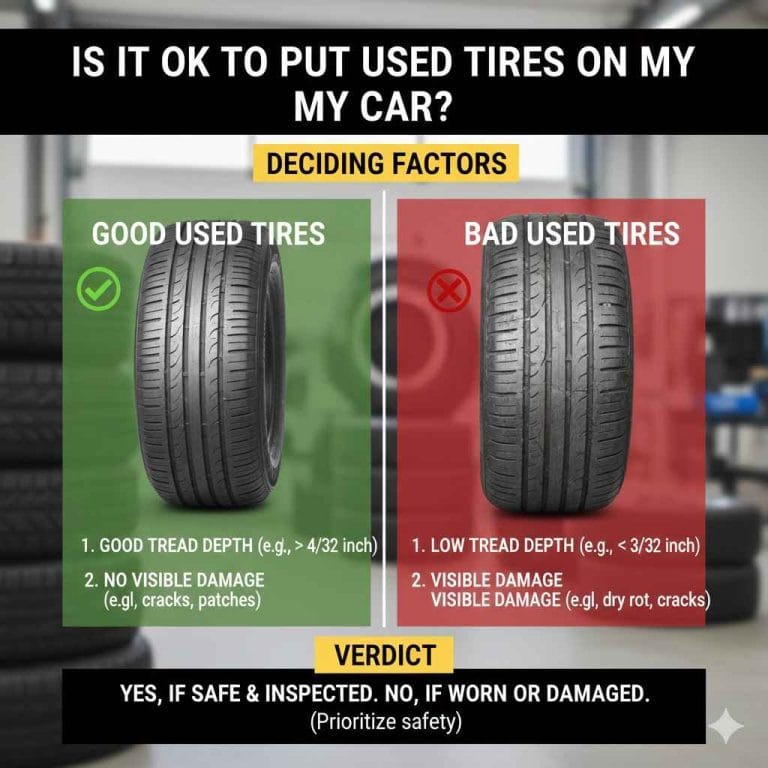
The rubber can become dry and brittle. This makes them more prone to cracking and failure. Most tire manufacturers recommend replacing tires after 6 to 10 years.
Check for a DOT code on the tire’s sidewall. This code tells you the week and year the tire was made. Even if the tread looks good, an old tire can be unsafe.
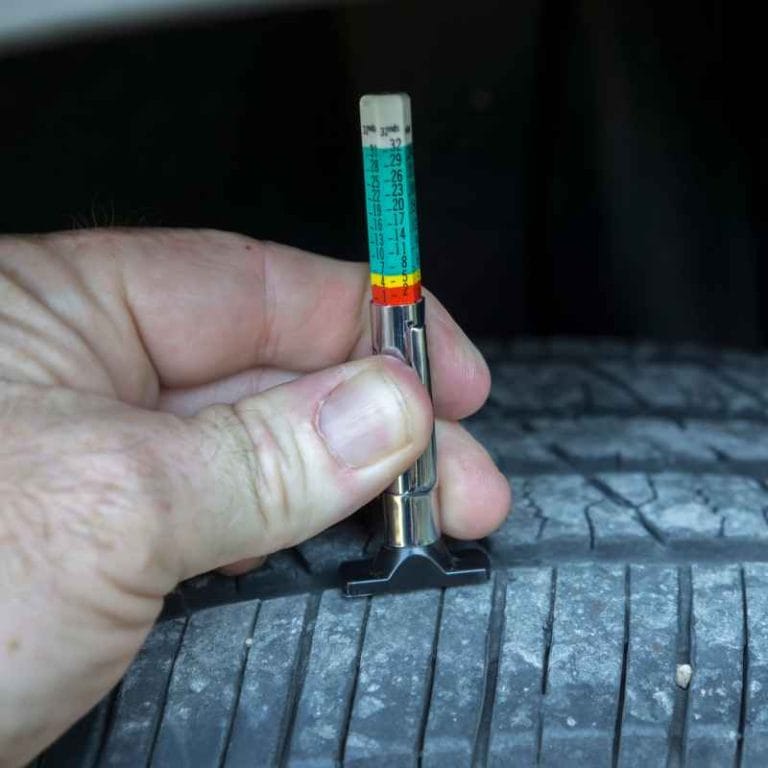
Tire wear is also important. If your tire tread is worn down too much, it needs to be replaced. Worn tires have less grip.
They are more likely to hydroplane in wet conditions. They also don’t offer as much protection against punctures. Most tires have wear indicators.
These are small bars in the grooves. When the tread wears down to the level of these bars, it’s time for new tires.
Any visible damage other than a small nail puncture can also mean
If you’re unsure, always consult a tire professional. They have the expertise to assess tire condition. They can tell you if a repair is safe or if replacement is necessary.
Don’t compromise on your tires. They are your most important safety feature.
Think of it this way: you wouldn’t drive a car with faulty brakes. Your tires are just as crucial for safe driving. A damaged tire can lead to accidents.
It’s worth the investment to replace a tire that is no longer safe. Especially if it’s an old tire or has significant damage.
When to Say Goodbye to Your Tire
- Sidewall Damage: Any puncture or cut on the sidewall.
- Major Tread Damage: Large holes, multiple punctures, or deep gashes in the tread.
- Tire Age: Typically over 6-10 years old, even if tread looks okay.
- Worn Tread: When tread wear indicators are visible.
- Other Damage: Bulges, cracks, or severe uneven wear.
Real-World Scenarios: Nail Situations
Let’s look at a few common situations. These can help you understand what to do. They cover different types of nail problems you might face.
Scenario 1: The Highway Nail. You’re on the highway. You hear the thump. You see the nail.
The tire is losing air fast. What do you do? The answer is simple: pull over immediately.
Find the safest spot possible. Turn on your hazard lights. Do not try to drive further.
Call roadside assistance. This is not a situation for a quick fix or a short drive.
Scenario 2: The Slow Leak in the Driveway. You notice your tire looks a bit low. You check and find a small nail. It’s not leaking much.
You’re home. What’s the plan? You can leave the nail in for now.
But do not drive the car until it’s fixed. You need to get it to a tire shop. Or use a temporary plug from a repair kit to drive it there.
But a professional repair is needed soon.
Scenario 3: The Sidewall Nightmare. You’re parking your car. You notice a sharp screw digging into the side of your tire. There’s no apparent air loss yet.
But you know the sidewall is critical. Do not drive the car. Even a short distance can be dangerous.
Call for a tow truck. You will need a new tire.
Scenario 4: The Re-Inspect. You had a nail removed and the tire repaired. A few days later, you notice the tire pressure is low again. What now?
It’s possible the repair didn’t hold. Or the nail caused internal damage that is now showing. You need to get the tire re-inspected by a professional.
It might need a new repair or a full replacement.
These scenarios show that every nail situation is a little different. But the core advice remains the same: prioritize safety. Assess the damage.
Understand the risks. And act accordingly.
Common Nail Scenarios
Highway Emergency: Fast leak, high speed. Pull over, call for help.
Home Base Fix: Slow leak, home location. Don’t drive, get professional repair.
Sidewall Danger: Any puncture on the side. Do not drive, replace tire.
Follow-Up Issue: Low pressure after repair. Re-inspect, may need replacement.
What This Means For You: When It’s Normal vs. When to Worry
Having a nail in your tire can be alarming. But not all nail situations are emergencies. Understanding the difference between normal and concerning helps you react appropriately.
When It’s Often Normal (but still needs attention):
- A small nail or screw lodged in the center of the tire tread.
- A slow leak where the tire pressure drops by only a few PSI over many hours or a day.
- Finding the nail when you’re parked and have plenty of time to deal with it.
In these cases, the tire can often be safely repaired by a professional. The key is to get it to a shop promptly. Don’t ignore it.
Even slow leaks can worsen.
When You Should Worry (and act fast):
- The nail is in the sidewall of the tire.
- The tire is losing air rapidly, and the pressure is dropping quickly.
- You hear a loud hissing or popping sound.
- You see a bulge or bubble on the tire’s surface.
- The nail is large, or there are multiple nails/punctures.
- You are driving at high speeds when you discover the nail.
- The tire has been driven on for a significant distance after being punctured.
These situations are serious. They pose an immediate risk. You should stop driving as soon as it’s safe to do so.
Your priority should be to get the vehicle secured. Then, call for roadside assistance. Do not attempt to drive further.
It’s also worth noting that some nails are not fixable. Even if they are in the tread. A tire shop will refuse to repair a tire if the puncture is too close to the sidewall (the shoulder area).
Or if the hole is too large. They will tell you if a repair is unsafe. Trust their professional judgment.
The bottom line is this: a nail in your tire is never ideal. It always requires attention. But knowing the severity of the situation helps you make the right choices.
It helps you avoid unnecessary panic. And it helps you prioritize your safety and the safety of others on the road.
Quick Tips for Nail-Related Tire Issues
Dealing with a nail in your tire can be stressful. Here are some quick tips to help you through it. They focus on immediate actions and best practices.
1. Don’t Panic: Take a deep breath. Most nail punctures can be handled.
Stay calm to think clearly.
2. Assess the Location: Is it in the tread or the sidewall? This is the most important first step.
Sidewall damage means replacement, no exceptions.
3. Check Air Pressure: Look at your TPMS light. If it’s on, check the pressure.
Even a slow leak needs attention.
4. Drive Slowly and Briefly (If Tread Puncture): If it’s a slow leak in the tread and you must move, drive slowly. Avoid highways if possible.
Head straight for a tire shop or safe location.
5. Use a Temporary Plug Kit (With Caution): If you have a tire plug kit, you can use it for a temporary fix. This is to get you to a repair shop.
Drive slowly and cautiously after using one.
6. Call for Help: If you’re unsure, if the leak is fast, or if it’s in the sidewall, call roadside assistance. It’s better to be safe.
7. Visit a Tire Professional: Get a professional inspection. They will tell you if a repair is possible or if you need a new tire.
8. Understand Tire Repair Limits: Repairs are only for the tread area. Sidewall damage requires a new tire.
Some tread damage is also too severe for repair.
9. Don’t Delay: Even a small nail can cause big problems if left untreated. Address the issue as soon as possible.
These tips are meant to guide you. They are not a substitute for professional advice. Always prioritize safety.
And when in doubt, call an expert.
Frequently Asked Questions About Nails in Tires
Can I just pull the nail out myself?
Generally, no. While you might be tempted to pull the nail out, it’s often better not to. The nail might be acting as a temporary plug.
Removing it could cause a sudden loss of air. If you do remove it, be prepared for the air to escape quickly. It’s best to let a professional assess the situation and perform the repair if possible.
How long can I drive with a nail in my tire?
It’s not recommended to drive on a tire with a nail in it for any significant distance. If the nail is in the tread and it’s a slow leak, you might be able to drive a very short distance (a mile or two) at a very slow speed to a repair shop. However, if the leak is fast or the nail is in the sidewall, you should not drive at all.
Call for roadside assistance.
Will insurance cover tire repair or replacement for a nail?
This depends on your insurance policy. Some comprehensive auto insurance policies may cover tire damage from road hazards like nails. However, many standard policies do not.
It’s best to check with your insurance provider. Some tire retailers also offer road hazard warranties that might cover these issues.
What’s the difference between a tire plug and a patch?
A tire plug is a temporary fix, usually inserted from the outside. A tire patch is a more permanent solution, applied from the inside of the tire after proper inspection and preparation. The safest and most recommended repair is an internal plug-patch combination performed by a tire professional.
My tire pressure light is on, but I don’t see a nail. What could it be?
If your tire pressure light is on, it indicates low air pressure in one or more tires. While a nail is a common cause, other issues could be at play. This includes slow leaks around the valve stem, damage to the wheel rim, or even temperature changes affecting air pressure.
It’s important to check all your tires and have them inspected if you can’t find an obvious cause.
Can I repair a nail puncture if it’s close to the edge of the tread?
Punctures near the edge of the tread (the shoulder area) are generally considered unrepairable. This is because this area flexes more than the center of the tread. A repair in this zone is more likely to fail.
Tire shops have specific guidelines for where repairs are considered safe.
Final Thoughts on Tire Nails
Finding a nail in your tire is a common but often unsettling experience. It’s easy to feel stressed. But by understanding what’s happening and knowing your options, you can handle it.
Remember that safety comes first. Assess the nail’s location and the rate of air loss. When in doubt, always choose the safest path, which often means calling for professional help.
See also should you rotate car tires here’s what experts say.