Where Does The Transmission Control Module Go In Your Car?
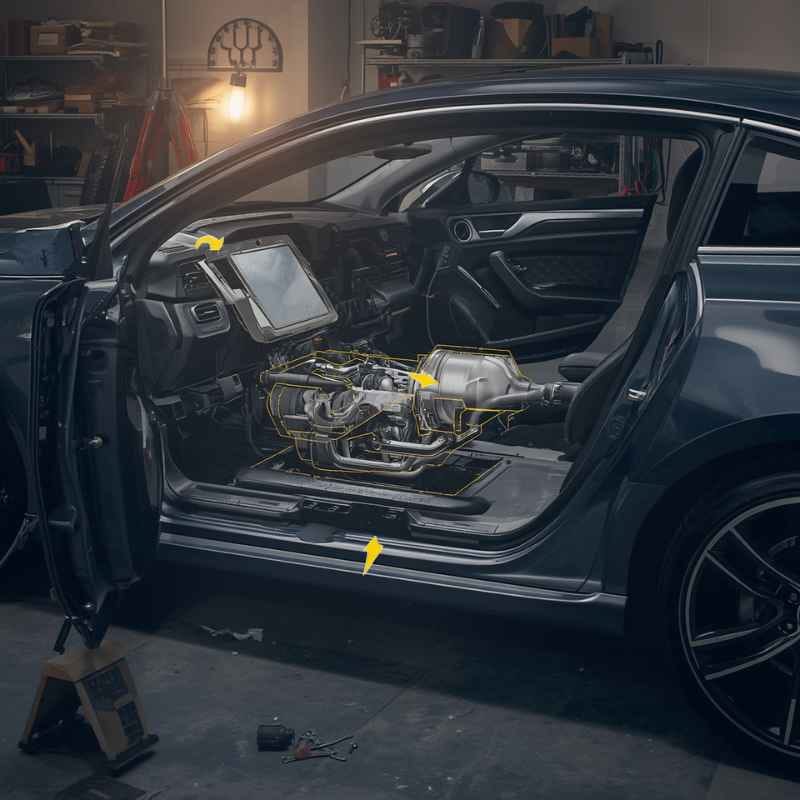
The Transmission Control Module (TCM) is typically located within or attached to the transmission assembly itself, or sometimes in the engine bay, often near the powertrain control module (PCM). Its exact placement varies by car make, model, and year, but it’s always positioned to receive necessary data and control transmission functions.
This module is like the brain for your car’s transmission. It tells your transmission when to shift gears. It uses data from various sensors to do its job.
Things like how fast you’re going and how hard you’re pressing the gas pedal are important. When it works right, you barely notice your car changing gears. But when it doesn’t, oh boy, do you notice!
Understanding the Transmission Control Module (TCM)
So, what exactly is this TCM? Think of it as a mini-computer. Its main job is to manage your car’s automatic transmission.

Manymiba
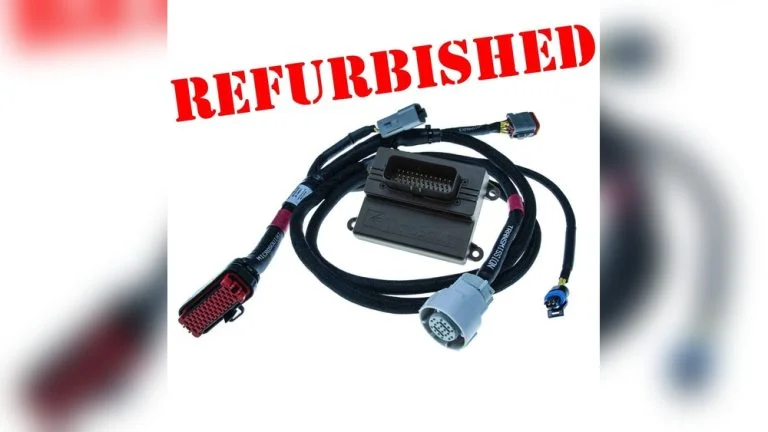
Manymiba Programmed TCM TCU Transmission Control Module…
- 【𝗙𝗮𝗰𝘁𝗼𝗿𝘆-𝗣𝗿𝗼𝗴𝗿𝗮𝗺𝗺𝗲𝗱 𝗳𝗼𝗿 𝗜𝗻𝘀𝘁𝗮𝗻𝘁 𝗨𝘀𝗲】Pre-programmed specifically for 2011-2022 Ford Focus 2.0L models with DPS6 transmissions. This…
- 【𝗚𝗲𝗻𝘂𝗶𝗻𝗲 𝗢𝗘𝗠-𝗟𝗲𝘃𝗲𝗹 𝗥𝗲𝗽𝗹𝗮𝗰𝗲𝗺𝗲𝗻𝘁】Engineered as a direct replacement for multiple OEM part numbers (including A2C53377498, AE8Z-7Z369…
- 【𝗦𝘁𝗿𝗮𝗶𝗴𝗵𝘁𝗳𝗼𝗿𝘄𝗮𝗿𝗱 𝗜𝗻𝘀𝘁𝗮𝗹𝗹𝗮𝘁𝗶𝗼𝗻】The module comes pre-loaded with the correct Ford software. Simply install it and perform the final…
As an Amazon Associate I earn from qualifying purchases.
It takes in information from different parts of your car. These include speed sensors, engine load sensors, and even your brake pedal position. Then, it uses this information to decide the best time to shift gears.
This decision-making process is quite complex. The TCM needs to ensure shifts are smooth and efficient. It also helps with things like fuel economy.
A well-functioning TCM can make a big difference in how your car feels to drive. It’s a key player in the whole transmission system.
The Role of Sensors and Data
To make smart decisions, the TCM relies heavily on sensor data. Your car has many sensors. Some measure the speed of the vehicle.
Others measure the engine’s speed. The throttle position sensor tells the TCM how much power you are asking for. The brake pedal position sensor is also important.
This helps the TCM know when you might be slowing down.
All this data streams into the TCM. The module then analyzes it very quickly. It compares the real-time data to pre-programmed shift patterns.
These patterns are designed for optimal performance and efficiency. The TCM then sends electrical signals. These signals activate solenoids within the transmission.
These solenoids are what actually make the gears engage or disengage.
How the TCM Controls Shifting
When the TCM decides it’s time to shift, it’s not just a simple on or off switch. It’s a carefully orchestrated sequence of events. The TCM tells specific solenoids to activate.
This releases hydraulic pressure in certain circuits. At the same time, other solenoids might be activated to build pressure elsewhere. This precise control allows for smooth transitions between gears.
Modern TCMs are incredibly sophisticated. They can adapt to your driving style over time. For example, if you tend to drive aggressively, the TCM might hold gears longer.
If you drive gently, it will shift up sooner. This makes the driving experience more personalized. It also helps with fuel efficiency.
The TCM is always working to find the best balance.

Where is the Transmission Control Module Located?
This is the big question, right? The location of the TCM can be a bit tricky to pin down because it varies so much. There isn’t one single spot where it always is.
However, there are common areas where mechanics and car owners usually find it.
Most often, the TCM is located directly inside the transmission housing. This is because it needs to be close to the internal components it controls. Being inside the transmission means it’s protected from the elements.
It also means it can directly control the solenoids and sensors within the gearbox. Think of it as being right in the thick of things.
Inside the Transmission Housing
In many vehicles, especially older ones with separate engine and transmission computers, the TCM is an integral part of the transmission itself. It might be bolted directly onto the valve body, which is a complex hydraulic control unit inside the transmission. This placement offers the shortest possible wire runs to the solenoids.
This helps minimize signal interference and response time.
When the TCM is located inside the transmission, it’s often sealed very well. This is crucial because transmissions operate with fluids. The module needs to be waterproof and resistant to heat.
Mechanics usually have to drop the transmission pan to access it. This can be a bit of a messy job. It involves draining the transmission fluid first.
In the Engine Bay
In some newer cars, the TCM might be located outside the transmission. It could be mounted in the engine bay. In these cases, it’s often paired with, or even integrated into, the Powertrain Control Module (PCM).
The PCM is the main computer for the engine and transmission. Having them together can streamline data processing and control.
When the TCM is in the engine bay, it’s typically in a protective housing. This housing shields it from harsh engine heat and moisture. It will still have a wiring harness that runs to the transmission.
This harness carries all the signals between the TCM and the transmission’s internal components. This setup allows for easier access for diagnosis and replacement.
Near the Powertrain Control Module (PCM)
Sometimes, the TCM isn’t physically inside the transmission, nor is it always within the main engine bay computer. It might be a separate module mounted nearby. This is often the case in vehicles where the transmission is complex or has many specific control functions.
It could be located under the dashboard, near the firewall, or in a dedicated electronics module bay.
The key is that the TCM needs to be connected to the rest of the car’s computer network. It communicates with the PCM and other modules via the vehicle’s CAN bus system. This allows it to share information and receive commands from other parts of the car, like the anti-lock braking system or the instrument cluster.
Identifying Your Car’s TCM Location
Finding your specific TCM can feel like a treasure hunt. The best way to be sure is to consult your car’s service manual. This manual is written by the manufacturer.
It will have detailed diagrams and descriptions. It will show you exactly where all the computer modules are. It will also explain how to access them.
If you don’t have a service manual, you can also try looking online. Many auto parts websites have diagrams. You can also search forums dedicated to your car model.
Other owners may have already figured this out and shared their knowledge. Sometimes, just knowing the general area is enough to start a more focused search.
Consulting the Service Manual
A factory service manual is your best friend for this kind of task. It’s the most accurate source of information. It will have specific instructions for your year, make, and model.
It will show you where the TCM is. It will also tell you if it’s inside the transmission, in the engine bay, or elsewhere. This is critical if you plan on doing any work yourself.
These manuals often include step-by-step guides. They show you how to remove components to get to the TCM. They also list the tools you’ll need.
For many car owners, this is the most reliable way to get the information they need without guesswork.
Online Resources and Forums
The internet is a vast library of car knowledge. If you’re stuck, try a quick search for ” TCM location.” You’ll likely find discussions on car forums. Enthusiasts often share their experiences.
They post pictures or even short videos. These can be incredibly helpful. You might see someone showing exactly where they found the module on their car.
Be aware that information from forums isn’t always official. But it can give you a very good idea. Cross-reference what you find with other sources if possible.
Reputable automotive repair websites also often provide this kind of information.
Quick Check: Is it the TCM?
Symptoms of a failing TCM:
- Check Engine Light is on.
- Transmission won’t shift gears.
- Harsh or jerky shifting.
- Transmission slips out of gear.
- Car goes into “limp mode” (limited speed/gear).
- Overheating transmission fluid.
If you experience these, it might be time to investigate your TCM.
Common Signs of TCM Problems
When your TCM starts to go bad, it won’t be subtle. You’ll notice changes in how your car drives. These issues can range from minor annoyances to serious problems that make your car undrivable.
Recognizing these signs early can save you a lot of trouble and expense.
The most common sign is a problem with shifting. This can manifest in several ways. Your car might refuse to shift into a particular gear.
Or it might shift very roughly. Sometimes, the transmission might just feel “stuck.” It won’t change out of a low gear, making it hard to drive at speed.
Illuminated Check Engine Light
The Check Engine Light (CEL) is your car’s way of telling you something is wrong. When the TCM malfunctions, it will often trigger a diagnostic trouble code (DTC). This code is then reported to the car’s computer.
The computer will then illuminate the CEL on your dashboard. This is one of the first indicators that a problem exists.
A mechanic can read these DTCs with a scan tool. The code will often point directly to the TCM or a related transmission sensor. This makes diagnosis much easier.
Don’t ignore this light. It’s your car asking for attention.
Transmission Shifting Issues
This is perhaps the most telling sign. A faulty TCM can cause all sorts of shifting woes. You might experience delayed shifts, where the transmission waits too long to change gears.
Or you might get harsh shifts, where the car lurches forward with each gear change. In some cases, the transmission might refuse to shift at all.
Sometimes, the transmission might slip. This means it feels like it’s not fully engaged in a gear. You might hear the engine revving higher than it should.
This can happen when going uphill or accelerating. It’s a very unnerving sensation. This symptom often points directly to a control issue, which is the TCM’s domain.
“Limp Mode” Activation
Many modern cars have a safety feature called “limp mode” or “fail-safe mode.” If the car’s computer detects a serious problem, it will put the transmission into limp mode. This is designed to protect the transmission from further damage. When in limp mode, the transmission will usually stay in a single gear, typically second or third.
The car’s speed will be limited. You won’t be able to accelerate much. This allows you to drive slowly to a safe place or a repair shop.
If your car suddenly feels sluggish and won’t shift past a certain speed, it might be in limp mode due to a TCM issue.
Common TCM Failure Points
What makes a TCM fail?
- Heat: Excessive heat, especially from a failing transmission, can cook the electronics.
- Fluid Contamination: Dirty or burnt transmission fluid can corrode internal components.
- Voltage Spikes: Electrical surges can fry the sensitive circuitry.
- Vibration: Constant vibrations can lead to loose connections or internal damage over time.
- Manufacturing Defects: Though rare, some modules may have factory flaws.
Troubleshooting and Repairing TCM Issues
If you suspect your TCM is causing problems, the first step is usually to get it diagnosed. This often involves connecting a diagnostic scanner to your car’s OBD-II port. This port is usually located under the dashboard.
The scanner reads the DTCs stored in the car’s computer.
A mechanic will interpret these codes. They will then perform further tests. These tests might involve checking sensor readings.
They might also check the wiring harness for continuity. The goal is to confirm that the TCM is indeed the faulty component. Sometimes, a problem might seem like a TCM issue but is actually caused by a sensor or wiring problem.
Diagnostic Procedures
Mechanics use specialized tools to diagnose TCMs. A basic OBD-II scanner is a starting point. More advanced tools can communicate directly with the TCM.
They can test its functions. They can also monitor live data streams from the transmission. This includes things like gear position, solenoid command, and fluid temperature.
They will look for abnormal readings. They will compare these readings to the manufacturer’s specifications. This helps them pinpoint the exact cause of the problem.
It’s important to have a qualified technician do this. Transmission systems are complex. Incorrect diagnosis can lead to unnecessary repairs.
Replacing the TCM
Replacing a TCM can be a straightforward job, or it can be quite involved. It depends on where the TCM is located. If it’s in the engine bay, it might be easily accessible.
If it’s inside the transmission, it will require dropping the transmission pan and potentially removing other components.
Once the old TCM is removed, the new one is installed. Many TCMs need to be programmed or flashed after installation. This means the car’s computer needs to learn the new module.
It also needs to have the correct software loaded onto it. This programming is usually done by a dealership or a specialized repair shop.
It’s crucial to use the correct part number for the
When to Seek Professional Help
Transmission issues can be intimidating. If you’re not comfortable working with automotive electronics or transmissions, it’s best to seek professional help. A qualified mechanic specializing in transmissions can properly diagnose the problem.
They have the tools and expertise to repair it correctly.
Attempting complex repairs without the right knowledge can lead to more damage. It can also be dangerous. For example, working under a car without proper support can lead to serious injury.
Trusting a professional ensures the job is done right. It also often comes with a warranty on the repair work.
TCM vs. PCM: What’s the Difference?
Transmission Control Module (TCM): Focuses specifically on managing the automatic transmission’s shifting and operation.
Powertrain Control Module (PCM): A broader computer that manages both the engine and the transmission. In some vehicles, the PCM incorporates the TCM’s functions.
In summary: TCM is transmission-specific; PCM covers both engine and transmission (sometimes including TCM functions).
Real-World Scenarios and Experiences
I remember one particular instance vividly. I was helping a friend with her older SUV. She complained about her car acting funny.
The “Check Engine” light was on, and the transmission was shifting really hard. It felt like the car was struggling. We checked the basics – fluid levels were fine.
But the symptoms persisted.
We took it to a local shop. The mechanic hooked up his scanner. He found codes related to the transmission solenoids and the TCM.
After some further testing, he confirmed it was the TCM. It was located inside the transmission housing, so it was a bit of a job. He had to drain the fluid, drop the pan, and replace the module.
Once he programmed the new TCM, the SUV drove like a dream again. It was a great example of how critical that small computer is.
A Stalled Road Trip
Picture this: you’re on a long road trip. Miles from anywhere, you’re cruising along, and suddenly your car starts acting up. This happened to a client of mine, Sarah.
Her car lost power. The transmission wouldn’t shift past second gear. She was stuck on the side of a rural highway.
The “Check Engine” light was blinking angrily.
She managed to get it towed to a mechanic. He diagnosed a faulty TCM. The module had failed completely.
It couldn’t communicate with the transmission anymore. Sarah had to wait a day for the new TCM to arrive. Then, she had to wait for it to be programmed.
Her trip was delayed by nearly two days. It highlighted how a single component can halt everything. This is why understanding where it is and its importance matters.
The Unexpected “Limp Mode” Incident
Another story comes to mind. Mark was driving his daily commute. He noticed his car felt sluggish.
Then, suddenly, it felt like it was stuck in a low gear. He could barely get over 30 miles per hour. He looked at his dashboard and saw the “Check Engine” light.
He knew something was seriously wrong.
He managed to drive it slowly to his trusted mechanic. The mechanic explained that the TCM had likely detected a critical fault. It put the car into “limp mode” to prevent damage.
The TCM was located in the engine bay on his model, making access a bit easier. But it still required specific programming. Mark learned that day how vital the TCM is for normal driving.
He also learned that limp mode is a warning, not a solution.
Protecting Your Transmission Control Module
While you can’t directly “maintain” a TCM like you would an oil filter, there are things you can do. These actions help prevent premature failure. They also ensure the entire transmission system works as it should.
The goal is to keep the TCM in a stable environment.
The most important thing is regular transmission maintenance. This includes checking the transmission fluid level and condition. It also means changing the fluid at the recommended intervals.
Clean, fresh fluid is crucial for both the transmission’s operation and the TCM’s longevity.
Regular Transmission Fluid Changes
Transmission fluid does more than just lubricate. It also cools the transmission. It acts as a hydraulic fluid to engage gears.
Over time, this fluid breaks down. It can become contaminated with small metal particles from wear. Dirty or burnt fluid can overheat the transmission.
This heat can damage the TCM’s internal electronics.
Follow your car manufacturer’s recommendations for transmission fluid changes. This is usually listed in your owner’s manual. Using the correct type of transmission fluid is also vital.
Automatic transmissions require specific types of fluid. Using the wrong fluid can cause serious damage.
Avoiding Overheating
Transmissions generate a lot of heat. This is normal. However, extreme heat can be detrimental to electronic components like the TCM.
Factors that can lead to overheating include heavy towing, driving in very hot weather, or a transmission that is not functioning correctly.
If you frequently tow heavy loads, consider an auxiliary transmission cooler. This can help dissipate excess heat. If you notice your transmission fluid temperature getting too high, have it checked.
Addressing the cause of the overheating promptly can save your TCM and transmission.
Electrical System Maintenance
The TCM is an electronic component. It’s sensitive to voltage fluctuations. Ensuring your car’s battery is in good condition is important.
A weak battery can cause voltage drops. A faulty alternator can cause voltage spikes. Both can potentially harm sensitive electronics.
Keep your battery terminals clean and free of corrosion. Have your charging system checked regularly. These simple steps help maintain a stable electrical supply.
This stability is essential for all your car’s electronic modules, including the TCM.
TCM Location by Vehicle Type (General)
Passenger Cars & Sedans: Often inside the transmission housing, sometimes attached to the valve body.
SUVs & Trucks: Similar to sedans, but may also be found in the engine bay, near the PCM.
Performance/Luxury Vehicles: Can have more complex setups, sometimes a separate module in the passenger compartment or engine bay.
Important Note: Always verify with your specific vehicle’s service manual.
When is TCM Replacement Necessary?
Replacing a TCM is usually a last resort. It’s done when all other diagnostic possibilities have been ruled out. If a mechanic has checked sensors, wiring, and transmission fluid, and the problem persists, the TCM becomes the prime suspect.
The decision to replace a TCM is made after careful diagnosis. It’s not something to do on a hunch. The cost of a new TCM and the programming labor can be significant.
So, it’s important to be sure the TCM is the actual problem.
Confirming a Faulty TCM
The confirmation of a faulty TCM comes from a combination of factors. First, diagnostic trouble codes will point towards TCM or transmission control circuit faults. Second, live data monitoring will show erratic or absent signals from the TCM.
Third, testing the TCM itself, if possible, will reveal internal failures.
Sometimes, a TCM might fail intermittently. This means it works sometimes and not others. These issues can be harder to diagnose.
They often require the mechanic to drive the car and monitor the data when the problem occurs. This is where experience and good diagnostic tools are invaluable.
Cost of Replacement
The cost to replace a TCM can vary widely. It depends on the car’s make and model. It also depends on whether the TCM is an integrated unit or a separate module.
The cost of the part itself can range from a few hundred dollars to over a thousand dollars.
Then there’s the labor cost. If the TCM is inside the transmission, labor can be several hours. Programming the new TCM also adds to the cost.
It’s essential to get a detailed quote from the repair shop. This quote should include the part, labor, and programming fees. Always ask if the part comes with a warranty.
DIY vs. Professional Repair
For most car owners, replacing a TCM is not a DIY job. While accessing an external TCM might seem manageable, the programming aspect is critical. Without the right equipment and software, you can’t program a new TCM correctly.
This programming ensures it communicates with your car’s other modules.
If the TCM is inside the transmission, the job becomes even more complex. It involves handling transmission fluid and internal components. This requires specialized tools and knowledge.
For these reasons, it’s generally recommended to have TCM replacement and programming done by a professional mechanic. They have the expertise and equipment to do it right.

Frequently Asked Questions
Can a bad TCM cause a car not to start?
While a bad TCM is primarily related to transmission function, in some vehicles, a critical TCM failure could prevent the engine from starting. This is because the transmission control system needs to be in a certain state (like “Park” or “Neutral”) for the starter to engage. If the TCM isn’t communicating this properly, the car might not crank.
How long does it take to program a new TCM?
Programming a new TCM typically takes about 30 minutes to an hour. This process involves connecting a diagnostic tool to the car’s OBD-II port. The tool then uploads the correct software and calibration data to the module.
The exact time can depend on the vehicle manufacturer and the specific tool used.
Is it better to get a new or used TCM?
It’s generally recommended to get a new TCM. Used modules might seem cheaper, but they could have underlying issues or a shortened lifespan. New TCMs come with a warranty, offering peace of mind.
If you do opt for used, ensure it’s from a reputable seller and compatible with your exact vehicle model.
What happens if I ignore a failing TCM?
Ignoring a failing TCM can lead to significant problems. Initially, you might experience rough shifting or limp mode. Over time, the transmission could suffer severe internal damage.
This damage might require a complete transmission rebuild or replacement, which is far more expensive than replacing just the TCM.
Can a TCM be repaired, or does it always need replacement?
In some cases, minor internal issues within a TCM might be repairable. However, many TCMs are sealed units. Repairing them is often not cost-effective or feasible.
For most common failures,
Does the TCM control the transmission fluid level?
No, the TCM does not directly control the transmission fluid level. It relies on sensors to read the fluid level and temperature. If the fluid is too low or too high, it can affect the TCM’s ability to control the transmission properly.
However, the fluid level itself is a mechanical/hydraulic aspect, not an electronic control function of the TCM.
Final Thoughts on Your Car’s Transmission Brain
Understanding where your car’s Transmission Control Module goes is key. It’s a vital piece of technology. It makes your automatic transmission shift smoothly.
Knowing its potential locations helps in diagnosis. Paying attention to the signs of a failing TCM is important. Regular maintenance of your transmission fluid is crucial.
Don’t let transmission trouble catch you off guard. A little knowledge goes a long way. If you experience odd shifting or warning lights, investigate.
It might just be your TCM asking for a little attention. Keep your car running smoothly!
See also best transmission controller for 4l60e expert picks 2026.
Related pick: Check today's price on Amazon