What To Do If Your Car Tire Blows Out At Speed Safely
It’s a sound no driver ever wants to hear. That sudden, violent POP, followed by a lurching of your vehicle. A tire blowout at speed is scary.
It can make you feel completely out of control. Your heart races. You might panic.
But knowing what to do can make all the difference. It can help keep you and others safe. This guide is here to walk you through it.
We’ll cover what happens, why it’s so jarring, and the steps to take. You’ll learn how to react calmly. This is about regaining control.
It’s about getting yourself and your car to safety. Let’s break down this stressful event so you feel ready.
If your car tire blows out at speed, stay calm. Keep your steering wheel straight. Do NOT slam on the brakes.
Ease off the gas pedal. Let the car slow down naturally. Gently guide the vehicle to the side of the road as soon as it’s safe.
Turn on your hazard lights.
Understanding a Tire Blowout
A tire blowout happens when a tire suddenly loses all its air. This can be caused by a few things. A sharp object like glass or a nail can puncture the tire.
This puncture can lead to a rapid loss of air. Sometimes, old or damaged tires can fail. A weak sidewall might tear.
Over-inflation or under-inflation can also stress a tire. Driving at high speeds puts extra pressure on your tires. Heat builds up.
This heat can weaken the rubber. When a tire fails at speed, it’s dramatic. The sudden deflation causes the car to pull sharply.
This pull is to the side of the blown tire. It’s a strong force. Your steering wheel can feel like it’s trying to wrench itself from your hands.
This makes it hard to steer.
The sound itself is a big clue. It’s loud. It’s a sudden pop or bang.
It’s not like a slow leak. A blowout is instant. The car feels unstable.
It can shake or vibrate. The steering becomes heavy. It feels sluggish.
This is why staying calm is so vital. Reacting with fear can lead to bad decisions. Those bad decisions can make the situation worse.
Understanding that this pull is normal helps. Knowing it’s the tire failing helps you focus on control. It’s about fighting that pull.
It’s about guiding the car safely. This knowledge empowers you. It takes some of the shock out of the event.
Think about it like a balloon. If you pop a small balloon, it just deflates. If you pop a huge, overfilled balloon, it makes a big noise.
It bursts with force. A tire is similar. When it blows out at speed, that stored air escapes very fast.
This rapid escape creates a shockwave. It also changes the tire’s shape instantly. One side of your car is suddenly running on a flat, flapping piece of rubber.
The other three tires are still working. This unevenness is the cause of the pull. The car wants to go where there’s more grip.
That’s usually the side with the good tires. But the drag from the flat tire also pulls it sideways. It’s a battle for control.
My Own Scary Moment on I-95
I’ll never forget the time I was driving on I-95 in South Carolina. It was late afternoon. The sun was starting to dip.
I was heading home after a long day. Suddenly, I heard it. A loud BANG!
It sounded like a gunshot. My little sedan lurched violently to the right. The steering wheel twisted in my hands.
My first thought was pure panic. I saw the car weaving slightly. My mind raced.
Was I going to crash? Would I hit another car? I instinctively wanted to slam on the brakes.
It felt like the only way to stop.
But then, something clicked. Years ago, my dad had drilled into me what to do for a blowout. “Don’t touch the brake,” he’d said.
“Ease off the gas. Hold the wheel steady.” It was like his voice was in my ear. I took a deep breath.
My knuckles were white on the steering wheel. I eased my foot off the gas. I didn’t stomp.
I just lifted it gently. The car started to slow down. The violent shaking lessened.
The pull to the right was still there. It was strong. But by not fighting it too hard, and just keeping the wheel as straight as I could, I was able to guide it.
I kept my eyes on the road ahead. I looked for a safe spot to pull over. I saw an exit ramp about a quarter mile up.
Slowly, inch by inch, I steered the car towards it. The tire was flapping like crazy. It sounded awful.
But I was still in control. Getting off that highway felt like winning the lottery. I finally pulled onto the shoulder of the ramp, the car trembling.
My hands were shaking. But we were safe.
That experience taught me a lot. It showed me how much training and instinct matter. The sound was terrifying.
The physical force of the car pulling was intense. But remembering the simple steps saved me. It wasn’t about being a hero.
It was about following advice. It was about not making the situation worse with a panicked reaction. The sound of that tire shredding against the asphalt still echoes sometimes.
But so does the feeling of relief when I finally stopped. It was a powerful lesson in car control and staying calm under pressure. It’s something I hope others never have to experience, but if they do, I hope they remember to breathe and ease off the gas.
Blowout Survival Checklist
- Immediate Action: Hold the steering wheel firmly.
- Gas Pedal: Lift your foot slowly from the gas.
- Brakes: DO NOT stomp on the brake pedal.
- Steering: Gently guide the car. Don’t fight the pull too hard.
- Slowing Down: Let the car slow naturally.
- Finding a Spot: Look for a safe place to pull over.
- Hazard Lights: Turn them on as soon as you can.
Why the Steering Wheel Jerks So Much
The steering wheel jerks because of physics. When one tire suddenly loses air, its shape changes drastically. It goes from a round, firm shape to a flattened, floppy one.
This flat tire has much less grip than the other three. It also creates a lot of drag. The car’s weight is now unevenly distributed.
Most of the car’s weight on that side is supported by a compromised tire. This causes the vehicle to instantly pull towards the side with the blown tire. Imagine pushing a shopping cart.
If one wheel is wobbly or broken, it won’t go straight. It will pull to that side.
Your hands on the steering wheel feel this pull directly. The steering system connects your hands to the front wheels. So, when the car wants to turn sharply due to the blown tire, you feel it as a strong tug on the wheel.
It’s fighting your attempt to keep the car going straight. The faster you are going, the stronger this force is. At highway speeds, this force can be very hard to counteract.
It feels like the car has a mind of its own. The difference in grip between the good tires and the flat tire is huge. The flat tire’s rubber is flapping.
It’s scraping. It offers almost no stable support.
This is why you must hold the wheel steady. You can’t just let go. If you do, the car will swerve violently.
It might even spin out. The goal is to keep the car moving in as straight a line as possible. This gives you time to slow down.
It also gives you a chance to find a safe place to stop. Your muscles will tense up. You’ll feel a strong resistance.
Your instinct might be to overcorrect. You might yank the wheel the other way. This is dangerous.
It can cause the car to swerve across lanes. It’s a controlled, gentle correction that’s needed. You’re guiding, not fighting.
Consider the forces at play. When a tire blows, the sudden loss of pressure means the tire no longer acts like a solid, round object. It becomes a flexible, deformed mass.
This mass drags against the road surface. The friction is much higher. Also, the suspension on that side of the car behaves differently.
It’s not getting the support it’s used to. All these factors combine to create an uneven pull. It’s a sudden imbalance.
Your steering wheel is the front line for feeling this imbalance. It’s why it feels so dramatic.
Why Brakes Make it Worse
Myth: Slamming the brakes will stop the car fast.
Reality: Applying brakes hard during a blowout is dangerous. The car is already unstable. Braking unevenly can cause a skid or a spin.
The flat tire has poor grip. Braking only on the good tires will make the car pull even more severely. You’ll lose directional control.
It’s better to let the car slow down naturally by lifting off the gas. This maintains better stability.
The Sound and Feel of a Blowout
The sound of a blowout is distinct. It’s usually a loud, sharp report. Some people describe it like a gunshot.
Others say it sounds like a firecracker going off right next to them. It’s sudden. It’s not a gradual hiss.
This sudden noise is the tire casing rupturing. It’s the rubber and cords breaking apart quickly. The sound happens in an instant.
It’s often followed by a flapping or thumping sound as the deflated tire carcass hits the road. This flapping noise can be quite loud and unnerving.
The feel is just as dramatic. The car will drop suddenly on one side. It will feel like you’ve hit a giant pothole, but the effect is continuous.
The steering wheel will feel heavy. It will pull strongly to one side. It might vibrate.
You’ll feel a loss of stability. The whole car might feel wobbly. It’s a very unsettling sensation.
You might feel your stomach drop. Your hands will likely grip the wheel tighter. You might tense up your whole body.
This physical reaction is normal. But it’s important to try and relax your grip slightly so you can steer effectively.
The combination of sound and feel is what makes a blowout so frightening. Your senses are overloaded. Your brain is trying to process a sudden, dangerous event.
The loud bang startles you. The violent pull on the car makes you fear a crash. It’s a lot to handle.
Many people have never experienced anything like it before. This lack of experience makes it harder to know how to react. But if you can mentally prepare for these sensations, you’ll be better equipped.
You’ll know that the loud noise and the strong pull are part of the blowout. They are not necessarily signs of an immediate crash.
Some people describe it as the car trying to escape. The forces are that strong. The whole chassis of the car is being yanked sideways.
It’s a physical fight to keep it going straight. The feeling can be amplified by your own tension. If you tense up, your steering inputs might become jerky.
This makes the car more unstable. So, while the car itself is unstable, your input needs to be smooth. Think of it like trying to walk a tightrope.
You need to be balanced and make small, precise movements. Not big, sweeping ones.
Factors That Lead to Tire Blowouts
Several things can cause a tire blowout. One common cause is under-inflation. When a tire doesn’t have enough air, its sidewalls flex more than they should.
This causes friction. Heat builds up inside the tire. This heat weakens the rubber and the internal cords.
Eventually, the tire can fail. Driving on an under-inflated tire at high speeds is a recipe for disaster. It’s like overworking a muscle that isn’t properly supported.
On the flip side, over-inflation can also be a problem. While less common as a direct cause of a sudden blowout, it can make a tire more vulnerable. An over-inflated tire has less contact with the road.
This means less grip. It also means the tire is harder. It’s more likely to be damaged by road hazards like potholes or sharp objects.
The ride will also be much harsher, putting more stress on the tire structure.
Old age and wear are significant factors. Tires have a lifespan. Rubber degrades over time, even if the tire looks okay.
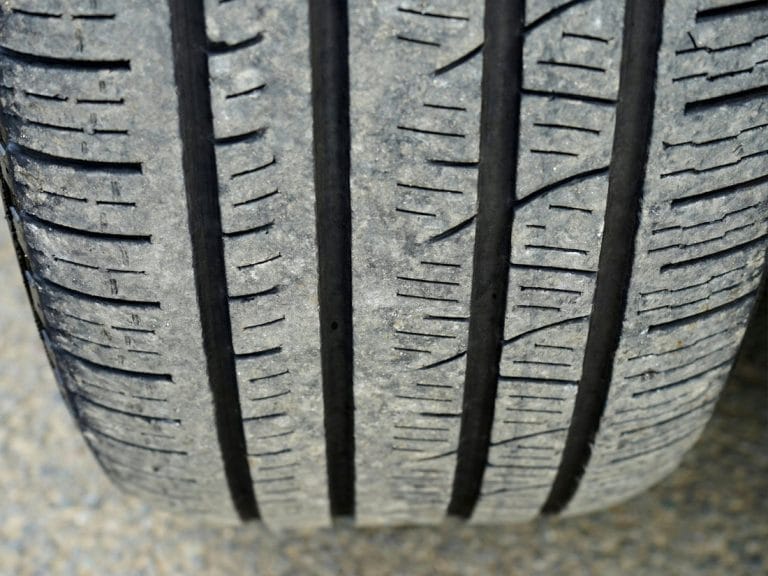
Cracks can appear in the sidewalls. The tread can become worn down. A worn tire has less grip.
It’s also more prone to punctures. If the internal structure of the tire is compromised, a blowout is more likely. Think of an old rubber band.
It’s brittle. It snaps easily. Old tires are similar.
Road hazards are another big culprit. Driving over sharp objects like nails, screws, glass, or metal debris can cause a puncture. If the puncture is large or in a weak part of the tire (like the sidewall), it can lead to a rapid loss of air – a blowout.
Even hitting a deep pothole with force can damage a tire’s internal structure. This damage might not cause an immediate blowout but can weaken the tire. It makes it more likely to fail later.
Lastly, manufacturing defects can happen. While rare, a tire might have a flaw from the factory. This could be in the rubber compound or how it was put together.
These defects can lead to premature failure. It’s always a good idea to check your tires periodically. Look for any bulges, cracks, or uneven wear.
These are signs that a tire might be unsafe. Also, check the tire pressure regularly. A simple tire pressure gauge is a cheap safety tool.
Tire Maintenance Quick Tips
- Check Pressure Monthly: Use a reliable gauge.
- Inspect for Damage: Look for cuts, bulges, or embedded objects.
- Rotate Tires: Follow your car manufacturer’s recommendations.
- Replace Worn Tires: Check tread depth.
- Don’t Ignore Warnings: If a tire feels or sounds off, get it checked.
What to Do the Moment It Happens
The very first thing is stay calm. I know, I know, easier said than done. But panicking will make you react impulsively.
Your goal is to maintain control of the vehicle. So, take a breath. Focus.
The car will pull sharply. Hold the steering wheel firmly. You need to counteract this pull.
But don’t yank the wheel. Use smooth, steady movements. Keep both hands on the wheel.
Imagine you are gently guiding the car, not wrestling it.
Next, ease off the gas. Do not slam on the brakes. Lifting your foot off the accelerator will allow the car to start slowing down on its own.
This gradual deceleration is crucial for maintaining stability. The car will still be moving, but it will be losing speed. This gives you more time to react and guide the car safely.
The sensation might be scary as the car slows unevenly, but this is the safest way to begin reducing speed.
As the car slows, look for a safe place to pull over. Scan the road ahead. Are there shoulders?
Are there emergency pull-off areas? Is there a ramp or a wide, flat area? Avoid pulling over into traffic or a blind curve.
Aim for a spot that is well off the travel lanes. The further you can get your car from moving traffic, the safer you will be. Make sure there’s enough space for you to exit the vehicle safely later.
Once you have a destination in mind, gently steer the car towards it. Continue to make small, smooth adjustments to the steering wheel. You will feel the car fighting you.
Just guide it. Don’t overcorrect. The car is likely to vibrate or feel rough.
This is normal. The goal is to get the vehicle to a complete stop in a safe location. As you get closer to your stopping spot, you can start thinking about applying the brakes.
But only do so gently, and only when the car is nearly stopped and stable.
As you are pulling over, turn on your hazard lights. This warns other drivers that you are experiencing a problem. It signals that your vehicle is moving slower than normal or is stopped.
This is especially important if you are on a highway or a busy road. Even before you are fully stopped, get those hazards on. It’s a vital safety signal.
Once you are stopped, leave them on.
Guiding the Vehicle Safely to a Stop
Guiding the car requires focus. Your eyes should be on the road ahead, not on the flat tire. You need to anticipate the car’s movement.
The car will want to drift. You need to make small, consistent corrections. Think of it like keeping a boat on a straight course in choppy water.
You make small rudder adjustments. You don’t just jam the rudder hard over.
The pulling sensation will be strong. Resist the urge to fight it with all your might. Instead, lean into it slightly, just enough to keep the car going where you want it.
If the car pulls right, you gently turn the wheel slightly right. If it tries to veer left, you gently turn left. The key is smoothness.
Jerky movements can upset the car’s balance. This is especially true at higher speeds.
As the car slows down, the pull will lessen. This is good. It means you are gaining more control.
However, it also means you need to be more careful with your steering. A slower car can still swerve if you overcorrect. You are aiming for a controlled stop.
You want the car to come to a halt without further drama. Don’t try to rush the process. Patience is key here.
Let the car’s momentum do most of the slowing for you.
When the car is almost stopped, you can then apply the brakes more firmly, but still smoothly. You want to bring the vehicle to a gentle stop. Avoid locking up the brakes, which could cause you to skid, especially on a compromised tire.
If you’re on a shoulder, try to get as far off the road as possible. If you’re on a side street, find a driveway or a wide area. The goal is to get your car completely out of the path of other vehicles.
Once stopped, engage the parking brake. Turn off the engine. Make sure your hazard lights are still flashing.
Now, assess your situation. Are you in a safe location? Is it safe to exit the vehicle?
Only exit if you are sure it is safe to do so. If you are on a busy highway shoulder, it might be safer to stay in your car with your seatbelt on and call for roadside assistance. Your personal safety is the top priority.
Steering Technique: Gentle vs. Forceful
- Gentle: Use small, smooth movements. Think “nudging” the wheel.
- Forceful: Jerking or yanking the wheel. This is dangerous.
- Grip: Firm, but not white-knuckled. Relax your shoulders.
- Focus: Keep eyes up and looking ahead.
After Stopping: Safety First
Once your vehicle is safely stopped, the immediate danger of driving has passed. However, you are now in a vulnerable position. Your priority is to ensure your own safety and the safety of any passengers.
Stay in your car if you are on a busy road or highway shoulder. The area next to moving traffic is extremely dangerous. Get out only if you are absolutely certain it is safe.
If you are in a well-lit parking lot or a quiet side street, exiting might be okay, but still be aware of your surroundings.
If you are staying in the car, keep your seatbelt on. Ensure your hazard lights are still flashing. They are your most important signal to other drivers.
Do not attempt to change the tire immediately if you are on a busy road. The risk of being hit by another vehicle is too high. Your car is a more visible and protected space in that situation.
If you need to exit your vehicle, do so cautiously. Exit from the side away from traffic, if possible. Be aware of passing cars.
If you have reflective triangles or flares, deploy them if it is safe to do so. Place them behind your vehicle to warn oncoming traffic. The goal is to make your stopped vehicle as visible as possible.
But do not put yourself in danger to do this.
Your next step is to call for help. This could be roadside assistance through your insurance, a towing service, or even a trusted friend or family member. Have your location ready.
Many smartphones have a GPS feature that can give you precise coordinates. Explain the situation clearly: you have had a tire blowout and need assistance. Be ready to describe your vehicle.
While waiting for help, do not stand directly behind or in front of your vehicle. Stay to the side, preferably away from traffic. If you have passengers, ensure they also understand the safety protocols.
Keep children inside the car if possible. The waiting period can feel long, but staying aware and in a safe position is key. Your well-being is more important than the car.
When is it Safe to Exit the Vehicle?
- Quiet Roads: If you are on a very low-traffic street.
- Safe Shoulder: If there’s a wide, stable shoulder far from moving lanes.
- Parking Lots: Always safer than the side of a road.
- Visibility: When you can clearly see and hear traffic and have space.
- Never: If traffic is fast, visibility is poor, or you feel unsafe.
Assessing the Damage and Replacing the Tire
Once you are in a safe location, you can begin to assess the damage. If you are at a service station or a safe area where you can work on your car, you might consider changing the tire yourself. However, if you are unsure or in an unsafe spot, it’s always better to wait for professional help.
A blown tire is usually beyond repair. It will need to be replaced. Even if there isn’t a visible hole, the internal structure is compromised.
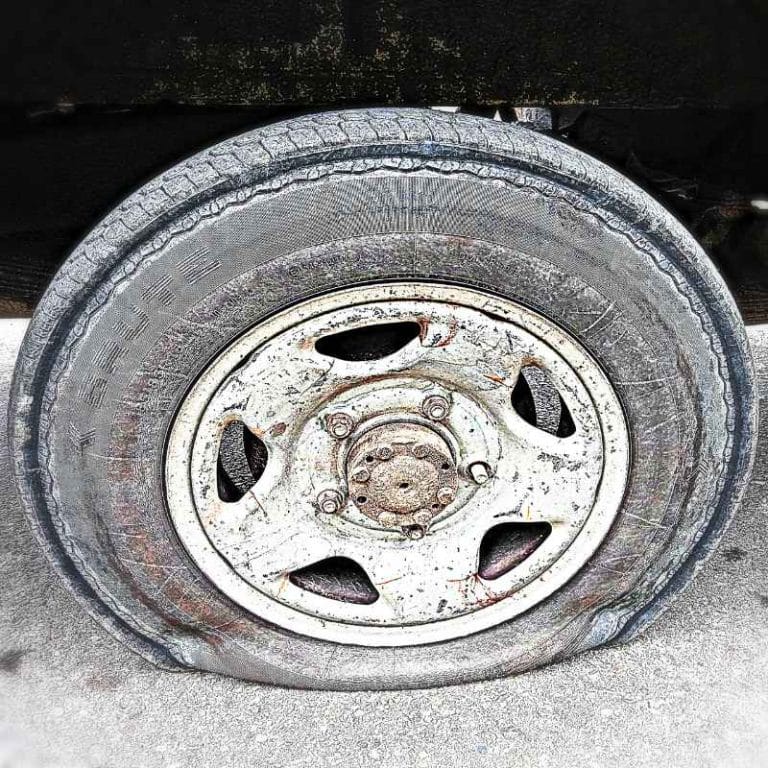
Look at the tire that blew out. You will likely see significant damage. It might be shredded, torn, or have a large gash.
The wheel rim might also have some damage, especially if you drove on the flat tire for any distance. Check the other tires as well. Sometimes, a blowout can be caused by a more systemic issue, like hitting a large object that could have damaged other tires.
Inspect the treads and sidewalls of the remaining tires.
If you decide to change the tire yourself, make sure you have a spare tire. Check that the spare tire is properly inflated. You will also need a jack and a lug wrench.
These are usually found in your trunk. Consult your car’s owner’s manual for specific instructions on how to change a tire. It’s a skill worth knowing, but practice it in a safe environment first, like your driveway, not on the side of the road.
If you call for roadside assistance, they will typically either
Remember, a spare tire is often a temporary solution. Many spares are smaller “donut” spares. They are not designed for high speeds or long distances.
Check the speed and distance limitations for your spare tire. Usually, it’s around 50 mph for a limited distance. Get your regular tire replaced as soon as possible.
Driving on a donut spare for too long can be unsafe and can also affect your car’s alignment and braking. It’s also a good time to think about getting your tires balanced and aligned.
When to Call for Professional Help
- Unsafe Location: If you are on a busy road or highway.
- Lack of Tools: If you don’t have a spare, jack, or wrench.
- Unfamiliarity: If you’ve never changed a tire before.
- Visible Damage: If the rim or other car parts look damaged.
- Uncertainty: If you feel uncomfortable or unsafe doing it yourself.
Preventing Future Tire Blowouts
The best way to deal with a tire blowout is to prevent it from happening in the first place. Regular tire maintenance is your best defense. Check your tire pressure at least once a month.
Use a good quality tire pressure gauge. The correct pressure for your tires is usually found on a sticker inside the driver’s side door jamb or in your owner’s manual. Never use the maximum pressure listed on the tire sidewall as your regular inflation level.
Inspect your tires regularly for wear and damage. Look for any cuts, cracks, bulges, or embedded objects like nails. Pay attention to the tread depth.
If the tread is worn down, your tires have less grip and are more susceptible to punctures. Tires with less than 2/32nds of an inch of tread are generally considered unsafe and should be replaced. You can use a penny to check tread depth.
If you can see the top of Lincoln’s head when inserted upside down into the tread, it’s time for new tires.
Rotate your tires regularly. Most manufacturers recommend rotating tires every 5,000 to 7,500 miles. This helps ensure that all tires wear evenly.
Uneven wear can lead to weak spots and make a tire more likely to fail. Proper rotation helps to maximize the life of your tires and promotes even wear patterns.
Avoid overloading your vehicle. Check your car’s load capacity. Overloading puts excessive stress on your tires.
This can cause them to overheat, increasing the risk of a blowout. Make sure that the weight is distributed evenly when loading your car.
Drive defensively. Be aware of the road surface. Try to avoid driving over debris, potholes, or other hazards whenever possible.
If you see something on the road that looks sharp or dangerous, try to steer around it. A little extra caution can go a long way in protecting your tires. Also, pay attention to how your tires feel and sound.
Any new vibrations or unusual noises could be a sign of a problem.
Finally, replace old tires. Tires have a shelf life. Rubber degrades over time, even if the tires haven’t been used much.
Most tire manufacturers recommend replacing tires that are 6 to 10 years old, regardless of tread wear. Check the tire’s DOT code to determine its manufacturing date. This is usually a series of numbers and letters on the sidewall.
The last four digits indicate the week and year of manufacture (e.g., 3221 means the 32nd week of 2021).
Tire Age Matters
Rule of Thumb: Replace tires older than 6-10 years.
How to Check: Look for the DOT code on the sidewall. The last four digits are the date (WWYY). Example: 3518 = 35th week of 2018.
Why? Rubber degrades over time, becoming brittle and less safe, even with good tread.
Frequently Asked Questions
What is the first thing I should do if my tire blows out at high speed?
The very first thing to do is stay calm. Keep both hands firmly on the steering wheel. Do not slam on the brakes.
Instead, gently ease your foot off the gas pedal. This will allow the car to start slowing down gradually.
Can I safely stop a car after a tire blowout without losing control?
Yes, it is possible to stop safely, but it requires staying calm and making controlled steering inputs. The key is to avoid sudden reactions. Gently guide the car, let it slow down, and look for a safe place to pull over.
Smoothness is essential.
Why is it so dangerous to brake hard after a tire blowout?
Braking hard makes the car unstable. The blown tire has very little grip. The brakes on the good tires will work, but the blown tire won’t help.
This uneven braking can cause the car to swerve violently or even spin out of control. Gentle deceleration is much safer.
How do I know if my tire has a slow leak or is about to blowout?
A slow leak will cause your tire pressure to drop gradually over time. You might notice the tire looks a bit low. A blowout is a sudden, violent loss of air.
You will hear a loud pop and feel an immediate, strong pull on the steering wheel. If you notice a tire consistently losing air, get it checked immediately.
Should I try to change a tire on the side of a busy highway?
Generally, it is not recommended to change a tire on the side of a busy highway. The risk of being hit by a passing vehicle is very high. It is safer to stay in your car with your seatbelt on, hazard lights flashing, and call for professional roadside assistance.
How often should I check my car’s tire pressure?
You should check your car’s tire pressure at least once a month. It’s also a good idea to check them before long road trips. Tire pressure can change with temperature, so checking them regularly ensures they are at the correct level for safety and fuel efficiency.
Final Thoughts
A tire blowout is a frightening event. It can happen to anyone, anywhere. But by understanding what causes them and knowing the correct steps to take, you can significantly increase your safety.
Remember to stay calm, ease off the gas, and gently steer your vehicle to a safe stop. Regular tire maintenance is your best tool for prevention. Checking your tire pressure and inspecting for wear can save you from a dangerous situation.
Keep these tips in mind. They might just be what you need if the unexpected happens on the road.
},
},
},
},
},
}
]
}
See also how to take care of your tires and make them last longer.