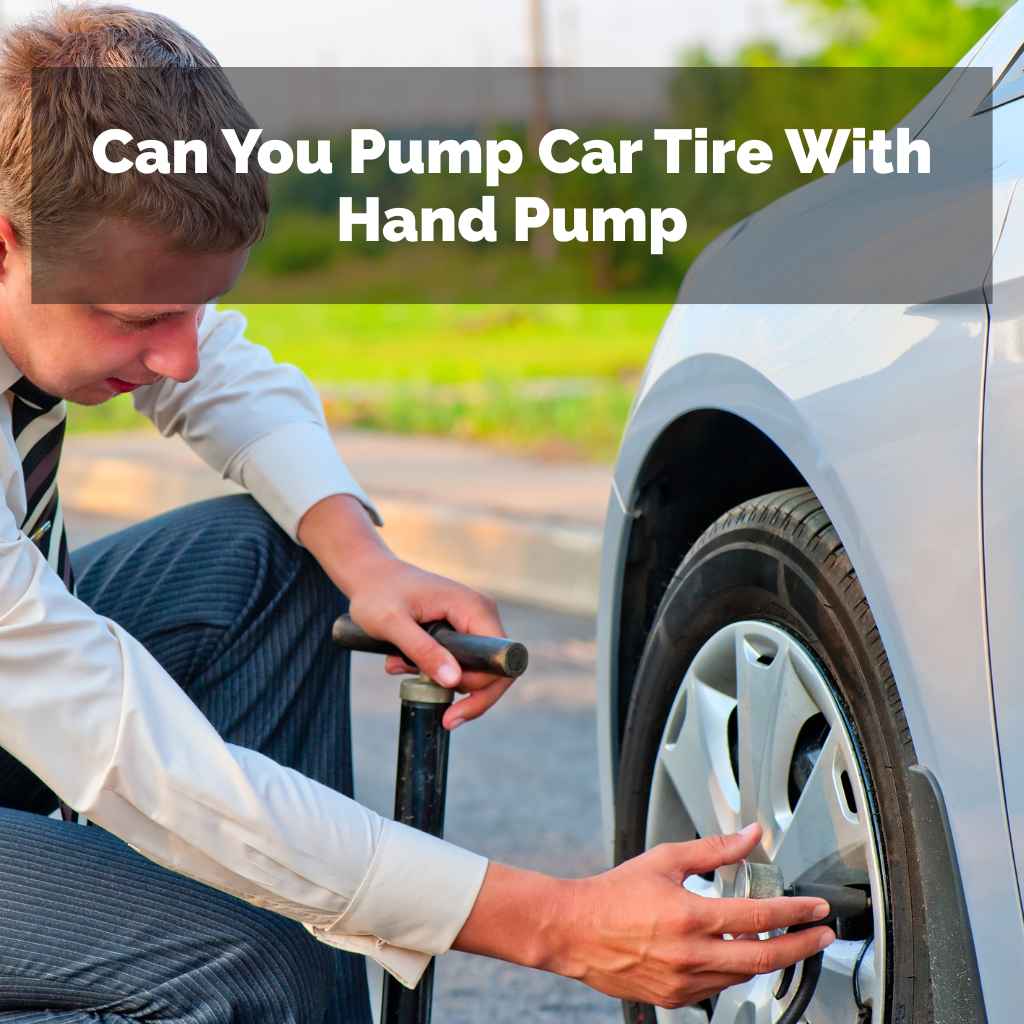
Can You Pump Car Tire With Hand Pump
Yes, you can often pump a car tire with a hand pump, especially for small leaks or to temporarily top off pressure. It requires effort and time. It’s best for minor adjustments, not for fully inflating a flat tire. Always check your tire pressure with a gauge.
Understanding the Hand Pump Method
So, what’s the deal with using a hand pump for your car tires? Think of it like this: your car tires need a certain amount of air. This air pushes the tire out.
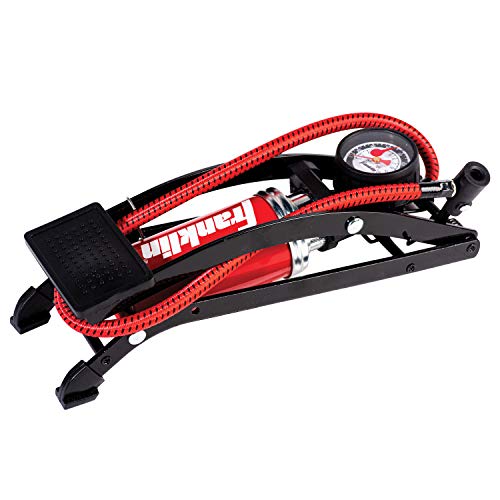
Franklin Sports
Franklin Sports High Pressure Foot Pump
- MULTI-USE: This pump is perfect for inflating sports ball, bike tires, car tires, and other inflatables with ease
- HEAVY DUTY: Durable iron construction allows this pump to inflate objects up to 100 PSI and ensures long term performance
- FOOT OPERATED: The foot pump design makes it easy to inflate anything you need without all the physical labor of a hand pump
As an Amazon Associate I earn from qualifying purchases.
It keeps the tire firm. This firmness helps your car ride smoothly. It also helps your tires last longer.
A hand pump works by you moving a handle. This pushes air into the tire. It’s like blowing up a balloon, but much harder.
The main thing to know is that car tires are quite large. They hold a lot of air. They also need a specific air pressure, usually measured in pounds per square inch (PSI).
A small hand pump might not be able to create enough air pressure quickly. It also takes a lot of physical work. Imagine trying to fill a giant beach ball with a tiny straw.
That’s a bit like the challenge.
However, if your tire is just a little low, or if you have a very slow leak, a hand pump can be a lifesaver. It’s good for a quick boost. It helps you get to a gas station.
There, you can use a more powerful air compressor. Many people keep a small hand pump in their car. This is for these kinds of situations.
It’s a good backup plan.
My Own “Oh No!” Tire Moment
I remember one cold morning. I was rushing to get to an important meeting. I noticed one of my tires looked a bit sad.
It was sagging more than usual. My heart sank. I didn’t have time to go to the tire shop.
And the gas station was a few miles away. Panic started to set in. I thought about calling a tow truck, which would be expensive and slow.
Then, I remembered the little hand pump I’d tossed in my trunk months ago. It was a basic model, nothing fancy. I pulled it out.
The metal was cold to the touch. I attached it to the tire valve. The first few pumps were easy.
But then, it got harder. My arms started to feel it. Sweat began to form, even though it was chilly outside.
I kept pumping. It felt like forever. The tire slowly started to firm up.
I checked the pressure with a small gauge I also had. It wasn’t perfect, but it was much better. Enough to drive slowly and carefully to the nearest gas station.
That little pump saved me time and a lot of money that day. It wasn’t ideal, but it worked. It taught me that sometimes, the simplest tools can really help.
Quick Check: Is Your Tire Low or Flat?
Tire is low: Looks a bit squishy, but still holds its shape. Driving feels mostly normal.
Tire is flat: Looks very saggy, almost touching the ground. Driving feels very off, or impossible.
A hand pump is best for a low tire. A flat tire usually needs more help.
When a Hand Pump Actually Works Best
Let’s talk about the times a hand pump is actually a good idea. It’s not about replacing your main air source. It’s about helping out when things are a bit off.
Think of it as a small boost. It’s for when your tire pressure is just a little bit down.
One common time is after you fix a slow leak. Maybe you found a nail. You patched it up.
But the tire lost some air. You can use the hand pump to get it back to the right level. Another time is when you notice your tire looks low after a cold snap.
Temperatures dropping can lower tire pressure. A few minutes with a hand pump can fix this. It brings the pressure back up safely.
It’s also great for checking your spare tire. Many people forget to check their spare. It sits there for months.
When you need it, it might be low. A hand pump lets you add a little air. This makes sure it’s ready when you really need it.
It’s a small step for big peace of mind.
What to Look For in a Hand Pump
If you’re thinking about getting a hand pump, there are a few things to consider. Not all pumps are made the same. Some are better for bike tires.
Others are designed for car tires. You want one that feels sturdy. It should have a good, long hose.
This hose connects to your tire valve.
Look for a pump with a built-in pressure gauge. This is super helpful. It tells you how much air you’re putting in.
This helps you reach the correct PSI. Without a gauge, it’s just guessing. And guessing with tire pressure isn’t safe.
You want a pump that’s easy to use. The handle should be comfortable to grip. The pumping action should feel smooth.
There are different types. Some are single-action. You pump up and down.
Some are double-action. They add air on both the up and down strokes. Double-action pumps are faster.
They require less effort per stroke. But they can be more expensive. For occasional use, a good single-action pump is often enough.
Just make sure it feels robust. You don’t want it to break halfway through.
Choosing Your Hand Pump: Key Features
- Sturdy Build: Metal parts are often better than plastic.
- Long Hose: Makes it easier to reach the valve.
- Built-in Gauge: Essential for accurate pressure.
- Comfortable Handle: For easier pumping.
- Dual Head/Hose: Some pumps fit multiple valve types.
The Real Effort Involved
Now, let’s be honest. Pumping a car tire by hand is work. It’s a workout!
Car tires are big. They need a lot of air. You’re pushing against that air pressure with every pump.
This means your muscles will get a good test. It’s not like pumping up a bicycle tire. Those are much smaller.
In my experience, it takes a good 10-15 minutes of solid pumping. And that’s if the tire isn’t completely flat. If it is flat, it could take much longer.
You might need to take breaks. Your arms will get tired. Your shoulders might ache.
It’s important to remember this. Don’t expect it to be a quick fix.
This is why hand pumps are usually best for topping off. They aren’t meant for rapid inflation. They’re for small adjustments.
If you have a nail in your tire and it’s slowly losing air, the pump can help. It keeps the pressure up until you can get to a shop. It’s a temporary solution.
It requires patience and some physical effort.
Understanding Tire Pressure (PSI)
Let’s talk about PSI. This stands for pounds per square inch. It’s how we measure the air pressure inside your tires.
Your car has a recommended PSI. You can find this information on a sticker. It’s usually on the driver’s side doorjamb.
It’s also in your car’s owner’s manual. It’s NOT the number on the tire’s sidewall. That number is the maximum pressure the tire can hold.
Getting the PSI right is crucial for safety and efficiency. Too low pressure can make your tires wear out faster. It can also affect how your car handles.
It might feel sluggish. Too high pressure can make your ride bumpy. It can also make your tires wear unevenly.
It’s a balancing act.
A hand pump with a gauge helps you hit that target PSI. You pump until the gauge shows the right number. Remember to check all your tires regularly.
It’s a good habit. This helps you catch issues early. It keeps your car running smoothly.
And it makes your tires last longer. Most experts say check them at least once a month.
Why Correct Tire Pressure Matters
- Safety: Prevents blowouts and improves handling.
- Fuel Economy: Properly inflated tires use less gas.
- Tire Life: Reduces wear and tear, making tires last longer.
- Ride Comfort: A smoother, more comfortable drive.
When a Hand Pump Is NOT Enough
There are definitely times when a hand pump just won’t cut it. The biggest one is a completely flat tire. If your tire has a large gash or a blowout, a hand pump is useless.
You need to change the tire. You’ll need your spare tire for this.
Also, if you have a very rapid leak, the hand pump can’t keep up. Imagine a large nail. Air is escaping quickly.
You pump air in. But it just rushes out. In these cases, you need immediate professional help.
You might need to put on your spare tire. Then, drive to a tire shop right away. Don’t try to push it.
Remember, hand pumps are for small adjustments. They are not a substitute for proper tire maintenance. If you’re unsure about your tire’s condition, it’s always best to err on the side of caution.
Get it checked by a professional. They have the right tools. They can diagnose the problem accurately.
They can fix it safely.
Real-World Scenarios and Usage
Let’s look at some everyday situations where a hand pump might be useful. Imagine you’re on a long road trip. You stop for gas.
You notice your tires look a little soft. You’ve been driving on highways. This can cause tires to lose some pressure.
You can use your hand pump to bring them up to the recommended PSI.
Another scenario: winter weather. Cold air makes tires deflate. You wake up one morning, and all your tires are lower than usual.
You don’t need a full inflation. You just need a little top-up. A hand pump is perfect for this.
It’s a quick way to adjust them for the cold. It ensures safe driving.
Think about your camping trips. Sometimes, you might need to adjust tire pressure for different terrains. While a dedicated tire inflator is better, a hand pump can help you make small changes.
It’s about having options. It’s about being prepared for different situations. It’s a small tool with big potential if used correctly.
What This Means for Your Car Care
Having a hand pump in your car means you have a backup. It’s a tool for self-reliance. It means you can handle minor tire issues yourself.
You don’t always have to wait for help. This can save you time and money.
It also encourages you to be more aware of your tires. When you have the tool, you’re more likely to check the pressure. You’ll notice when a tire is a bit low.
You can fix it before it becomes a bigger problem. This proactive approach is good for your car. It’s good for your safety.
However, it’s important not to rely on it too heavily. It’s a tool for emergencies or minor adjustments. For regular maintenance, use a reliable air compressor.
These are found at gas stations or can be bought for home use. They are faster and more efficient. The hand pump is your trusty sidekick, not your main mechanic.
Simple Checks and When to Worry
How do you know if your tire just needs a little air or if there’s a bigger issue? First, look at the tire. Does it look visibly low, or is it almost flat on the ground?
If it’s the latter, stop driving. That’s a serious problem.
Next, use a tire pressure gauge. This is a small, inexpensive tool. It’s more accurate than the gauge on some hand pumps.
Check the PSI against the recommended level on your car’s doorjamb sticker. If it’s 5 PSI or more below the recommended level, you might have a leak. If it’s 10 PSI or more lower, it could be a faster leak or a more serious issue.
You should also listen for hissing sounds. This indicates air escaping. If you hear this, or if the pressure drops quickly, get it checked by a professional.
Don’t ignore these signs. A slow leak can become a fast leak. A small problem can turn into a dangerous one.
Quick Tips for Using Your Hand Pump
Here are some easy tips for making hand pumping easier. First, make sure your tires are cold. Check the pressure in the morning.
It’s more accurate this way. Cold tires mean the pressure is at its lowest. This gives you a good baseline.
When you connect the pump, make sure it’s sealed tight. You don’t want air to escape from the connection. If it’s loose, you’ll be pumping air into the atmosphere, not your tire.
Most pumps have a lever to lock them onto the valve. Use it!
Pump in a steady rhythm. Don’t try to pump too fast. This can make it harder and wear you out quicker.
Take short breaks if you need them. And remember to check the pressure often with your gauge. Don’t just keep pumping until you feel tired.
Aim for the recommended PSI. It’s worth the effort to do it right.
Frequently Asked Questions
Can I use a hand pump to inflate a completely flat car tire?
While technically you can try, it’s very difficult and time-consuming. A completely flat tire needs a lot of air. A hand pump is usually not powerful enough to get it to the correct pressure quickly.
It’s best for topping off tires that are only slightly low.
How long does it take to pump a car tire with a hand pump?
It can take anywhere from 10 to 30 minutes or more, depending on the pump’s efficiency, the tire’s size, and how low the pressure is. It also depends on your own strength and endurance. It’s definitely a workout!
Is a hand pump accurate enough for tire pressure?
Some hand pumps come with built-in gauges that are reasonably accurate for small adjustments. However, for precise and reliable readings, it’s best to use a separate, quality tire pressure gauge. These gauges are inexpensive and much more trustworthy.
What is the recommended tire pressure for my car?
The recommended tire pressure (PSI) is usually found on a sticker inside the driver’s side doorjamb or in your car’s owner’s manual. It is NOT the maximum pressure listed on the tire sidewall. Always use the vehicle manufacturer’s recommended PSI.
When should I use a hand pump versus a gas station air compressor?
Use a hand pump for minor top-ups or in emergencies when no air compressor is available. Use a gas station air compressor for topping off, or for inflating tires that are significantly low or flat, as they are much faster and more powerful.
Can a hand pump damage my tire?
A hand pump itself won’t damage your tire unless you over-inflate it significantly. The real risk comes from driving on under-inflated tires, which can cause overheating and blowouts. Always use a pressure gauge to avoid over- or under-inflation.
Final Thoughts on Hand Pumps for Your Car
So, can you pump a car tire with a hand pump? Yes, you can, but with important limitations. It’s a great tool for small fixes.
It’s a good backup for low pressure. It won’t replace your main air source. It requires effort.
But it offers peace of mind. It keeps you moving in a pinch. Always be prepared and know its limits.
Related pick: Check today's price on Amazon