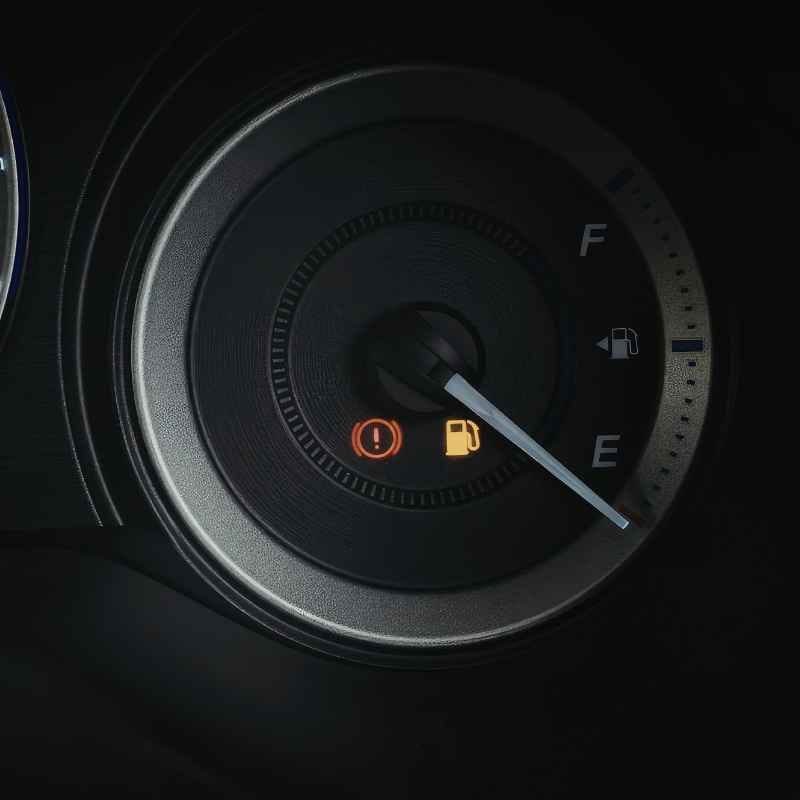
What Is The Car Light With An Exclamation Point? Explained
The car light with an exclamation point usually signals a problem with your tire pressure monitoring system (TPMS), brake system, or a general warning indicator. It prompts you to check your tires for low pressure or to have your brakes inspected.
Understanding the Exclamation Point Light
That little light on your dashboard with an exclamation point is your car trying to tell you something important. It’s not always a dire emergency, but it’s a signal you shouldn’t ignore. Think of it as your car’s way of tapping you on the shoulder.
This symbol can appear in a few different ways. Sometimes it’s a circle with an exclamation point inside. Other times, it’s inside a triangle or even looks like an exclamation mark within parentheses.
Each variation can point to a slightly different issue. But at its core, it means ‘pay attention.’
The main reason this light turns on is often related to safety. Your car’s computer is checking critical systems. It wants to make sure you’re driving safely.
The most common culprit is related to your tires. Underinflated tires can cause problems.
It can also be a warning about your braking system. Your brakes are super important for stopping. If the car notices something off with them, it will let you know.
So, that exclamation point is a signal to be aware.
What Does the Tire Pressure Light Mean?
The most frequent reason you’ll see an exclamation point light is related to your tires. It’s usually the TPMS light. This stands for Tire Pressure Monitoring System.
Most cars made after 2008 have this system. It’s designed to keep you safe by alerting you to low tire pressure.
Low tire pressure is a big deal. It can affect how your car handles. It makes steering harder.
It can also lead to tires wearing out faster. Even worse, it can increase your risk of a tire blowout. That’s a sudden and dangerous tire failure.
When your TPMS light comes on, the first thing to do is check your tires. Find a safe place to pull over. Look at all four tires.
Do any of them look flat or low on air? You can also use a tire pressure gauge. This tool will tell you the exact pressure in each tire.
The recommended tire pressure is usually on a sticker inside your driver’s side door jamb. It will also be in your car’s owner’s manual. If one or more tires are below the recommended level, you need to add air.
Once you add air and the pressure is correct, the light should turn off. Sometimes it takes a few minutes or a short drive for the system to reset.
What if all your tires look fine? There are a few other possibilities. Sometimes the TPMS light can come on because of extreme temperature changes.
Colder weather can cause tire pressure to drop. So, on a cold morning, the light might appear.
Another reason is a faulty TPMS sensor. Each tire has a sensor that measures its pressure. If one of these sensors isn’t working right, it can send a bad signal.
This can make the light turn on, even if your tires are fine. You might also have a low battery in one of the sensors.
Sometimes, the light might be on because a tire has a slow leak. Even if it doesn’t look completely flat, it might be losing air over time. It’s a good idea to check your tires regularly, not just when the light comes on.
This helps you catch problems early.
Another common cause for the TPMS light is after a tire rotation or replacement. If the sensors weren’t reset properly, the system might not recognize them. This can trigger the warning light.
A good mechanic can usually fix this quickly.
Remember, the TPMS light often looks like a flat tire with an exclamation point inside. It’s usually amber or yellow in color. It’s a crucial safety feature, so never ignore it.
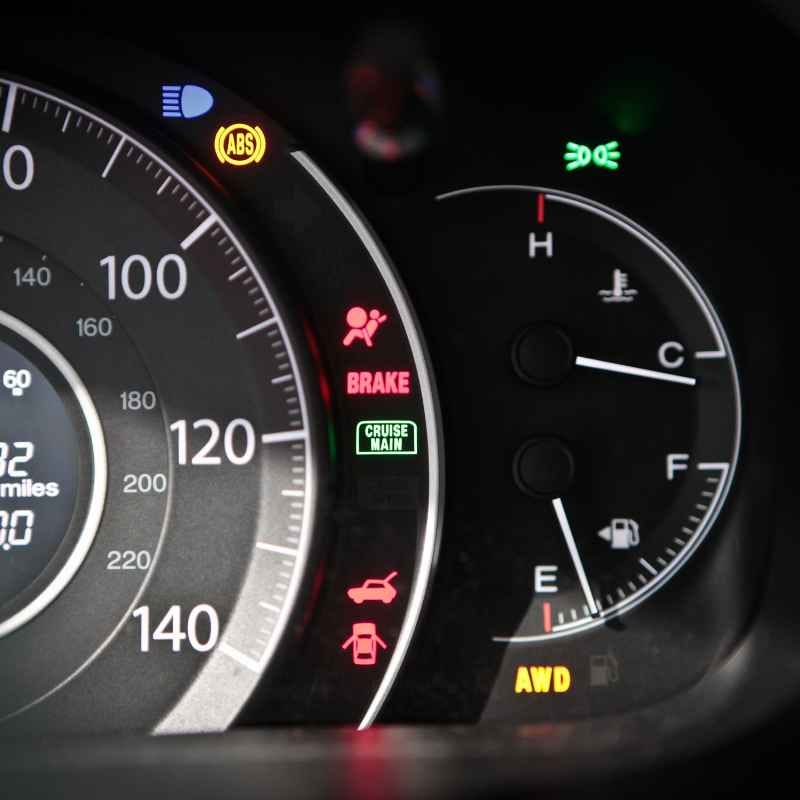
The Brake System Warning Light
Sometimes, the exclamation point light is linked to your car’s brake system. This is a much more serious warning. Your brakes are essential for your safety.
If this light is on, you need to be extra careful.
The brake system warning light can have different appearances. It might be the word “BRAKE” in red. Or it could be an exclamation point inside a circle.
Sometimes it looks like an exclamation point within parentheses. The exact symbol can vary by car model.
If the brake warning light comes on while you’re driving, it could mean a few things. One common reason is that your parking brake is still engaged. This is the lever or pedal you use to keep the car from rolling when parked.
Make sure it’s fully released.
If the parking brake is off and the light stays on, it could mean there’s a problem with your brake fluid level. Brake fluid is what allows your brakes to work. If the fluid is low, your brakes might not function properly.
This could be due to a leak in the brake lines or a worn-out brake pad.
Low brake fluid is a serious issue. You should stop driving as soon as it’s safe to do so. You’ll want to have your car towed to a mechanic.
They can check for leaks and refill the brake fluid. They’ll also inspect your brake system for any damage or wear.
Another possibility is that there’s an issue with your anti-lock braking system (ABS). Many cars have ABS, which helps prevent your wheels from locking up during hard braking. If the ABS light comes on, it might be accompanied by the general brake warning light.
This doesn’t necessarily mean your brakes won’t work at all, but the ABS feature might be disabled.
If both the brake warning light and the ABS light are on, it’s a strong indicator that you need to get your brakes checked immediately. Driving with compromised brakes is very dangerous. It’s best to err on the side of caution and avoid driving the car until it’s been inspected by a professional.
I remember a time when this happened to me. I was driving home late one evening. The road was a bit wet from rain.
Suddenly, the red brake light came on, and it was accompanied by a dinging sound. My heart just dropped. I immediately eased off the gas and looked around for a safe place to pull over.
It turned out my brake fluid was very low. A small leak had developed in one of the lines. The mechanic fixed it, but it was a scary reminder of how important those brakes are.
If the brake light is on, pay attention to how your brakes feel. Do they seem softer than usual? Does the pedal go down further?
These are all signs that something is wrong. Never take chances with your brakes. If the brake warning light is on, it’s time for professional help.
Quick Brake System Check (If Safe)
Check Parking Brake: Ensure it’s fully disengaged.
Look for Leaks: If you can safely look under your car without moving it, check for any puddles of fluid. Brake fluid is usually clear or slightly yellowish.
Listen for Sounds: Any grinding or squealing when you brake? That’s a bad sign.
Feel the Pedal: Does it feel mushy or sink to the floor?
Other Possible Meanings of the Exclamation Point Light
While tire pressure and brakes are the most common reasons, the exclamation point light can sometimes mean other things. Your car’s dashboard can have a general warning light that uses this symbol. It’s often paired with another symbol or a message on the car’s information display.
In some vehicles, an exclamation point inside a circle might refer to the electronic stability control (ESC) system. This system helps you maintain control of your car during sharp turns or when driving on slippery surfaces. If the ESC light flashes, it means the system is actively working.
If it stays on solid, there might be a problem with the ESC system itself.
The ESC light often looks like a car with wavy lines behind it. However, in some cars, a general exclamation point symbol might cover this. If you see it flashing, it’s normal behavior for the system to be active.
If it stays on, you might want to have it checked.
Another possibility is a general vehicle malfunction. Some cars use a generic warning light for various issues. This is where checking the owner’s manual is crucial.
It will tell you exactly what that specific symbol means for your car.
Sometimes, this light can be related to a general electrical issue. Or it might indicate a problem with one of the car’s many sensors. These systems are complex, and any small glitch can trigger a warning.
I recall a friend whose car had an exclamation point light come on. She immediately thought it was her tires or brakes. But when she checked, her tire pressure was fine, and her brakes felt normal.
She looked in her manual and found out it was related to her traction control system. It was a minor issue that didn’t affect driving, but the light still came on. The mechanic reset a sensor, and it was good as new.
It’s also important to consider that some cars might use the exclamation point symbol as part of a larger warning icon. For instance, it could be part of a warning for a malfunctioning bulb or a faulty sensor in another system.
Don’t forget about the possibility of a faulty light bulb itself. While less common for this specific symbol, sometimes warning lights can behave strangely if there’s an issue with the dashboard itself. This is usually rare, but worth keeping in mind if all other checks fail.
The key is to have a system for checking. When a light comes on, don’t panic. First, check the most common causes.
Then, consult your owner’s manual. If you’re still unsure, a mechanic can help diagnose the problem.
Common Dash Light Meanings (Exclamation Point Variations)
- Tire Pressure Light (TPMS): Often looks like a tire cross-section with an exclamation point inside. Means low tire pressure.
- Brake System Light: Can be “BRAKE” or an exclamation point in a circle/parentheses. Indicates parking brake on or brake fluid issue.
- Electronic Stability Control (ESC): Often flashes when active, stays on if there’s a fault. May use a general exclamation point symbol.
- General Vehicle Warning: Some cars use this for various system alerts. Check your manual.
When Is It a Real Problem?
Not every light means you need to stop driving immediately. But some definitely do. Understanding the difference is key to staying safe and avoiding costly repairs.
If the light is red, it’s generally a more serious warning. Red lights often indicate an issue that requires immediate attention. This is especially true for the brake warning light.
If your brake light is red and stays on, pull over safely as soon as possible.
Amber or yellow lights are typically cautionary. They suggest that something needs to be checked soon. The TPMS light is usually amber.
While it’s important to address low tire pressure, it doesn’t usually mean you need to stop driving right away. However, you shouldn’t ignore it for too long.
Consider the behavior of the light. Does it come on briefly and then go off? Or does it stay on solid?
Is it flashing continuously? A flashing light often indicates a more urgent problem than a solid light. For example, a flashing brake light is more concerning than a solid one.
I’ve learned over the years to trust my car’s signals. One time, my TPMS light came on during a long road trip. The tires looked fine, but I decided to stop at a gas station and check them.
Sure enough, one tire was a few PSI lower than the others. I added air, and the light eventually turned off. It was a good reminder that even small pressure differences matter.
Another time, the brake light came on. I was in a parking lot. I checked the parking brake, and it was off.
I also noticed a faint burning smell. That’s when I knew it was serious. I didn’t drive the car.
I had it towed. It turned out there was a problem with a brake caliper sticking. If I had driven it, it could have caused much more damage, or worse, led to an accident.
When in doubt, think about the context. Are you driving on rough roads? Is it extremely hot or cold outside?
Are you carrying a heavy load? These conditions can sometimes affect tire pressure or other systems.
If the exclamation point light is accompanied by other warning lights, pay close attention. Multiple warning lights can signal a more complex or serious issue. Always consult your car’s owner’s manual for specific explanations related to your vehicle’s make and model.
What to Do When the Light Appears
Seeing that light can be a bit startling, but don’t panic. Here’s a step-by-step guide on what to do:
Your Action Plan for the Exclamation Point Light
- Stay Calm: Take a deep breath. Not all lights mean disaster.
- Check Your Tires: This is the most common cause. Look for obviously flat tires. Use a tire pressure gauge if you have one. Check all four tires and the spare if you can.
- Check the Parking Brake: Make sure it’s fully released.
- Note the Light’s Color and Behavior: Is it red or amber? Is it solid or flashing? This gives clues about urgency.
- Check Your Owner’s Manual: This is your car’s instruction book. It will tell you exactly what the symbol means for your specific car. It’s the best resource.
- Observe Driving Feel: Does the car feel different? Any strange noises? Does the steering feel off? Does braking feel weird?
- If Driving a Brake Warning: If the brake light is on and feels wrong, pull over safely immediately. Do not drive the car. Call for a tow.
- If Driving a TPMS Light: If it’s just the tire pressure light and tires look okay, try adding air. If it stays on, get it checked soon. You can drive, but be mindful of your tires.
- Consult a Mechanic: If you’re unsure, or if the light indicates a serious problem, call a trusted mechanic. They can properly diagnose and fix the issue.
When I first got my license, I saw the TPMS light come on. I was so worried! I thought I’d damaged the car.
My dad calmly told me to check the tires. We added air, and the light went off. It was a simple fix that made me feel much more confident about understanding my car.
It’s also a good idea to have a reliable tire pressure gauge in your car. They are inexpensive and can save you a lot of worry. Checking your tire pressure once a month is a good habit to get into, even when no lights are on.
Don’t forget that some cars have a “reset” button for the TPMS system. This is usually found on the dashboard or under the steering wheel. You might need to press and hold it after adjusting tire pressure.
Your owner’s manual will explain if your car has one and how to use it.
If your TPMS light stays on after you’ve added air and driven for a bit, it might indicate a sensor issue or a slow leak. A slow leak can be hard to spot visually. A mechanic can use special equipment to find it.
Real-World Scenarios
Let’s look at a few common situations where that exclamation point light might appear and what it typically means:
Scenario Spotlights
Scenario 1: Cold Morning Drive
You start your car on a chilly morning, and the tire pressure light comes on. Your tires look fine. As the car warms up and you drive, the light goes off.
Meaning: Temperature drop likely caused tire pressure to decrease slightly. Normal behavior for TPMS.
Scenario 2: After a Tire Change
You just had new tires put on. The TPMS light is on. The tires are inflated correctly.
Meaning: The TPMS sensors may need to be reset or relearned by the car’s system. A mechanic can usually do this quickly.
Scenario 3: Sudden Braking
You brake hard to avoid an obstacle, and the brake warning light comes on briefly. It doesn’t stay on. Meaning: This could be a normal indication that the ABS system activated briefly.
If it doesn’t stay on, and brakes feel normal, it might be fine. But monitor closely.
Scenario 4: Parking Brake Engaged
You drive off, and the exclamation point light (or “BRAKE” light) is on. You realize you forgot to release the parking brake. Meaning: The parking brake is still on.
Release it fully, and the light should turn off.
I remember a situation where I hit a rather large pothole on the highway. It was unavoidable. A few miles later, the TPMS light came on.
I was worried about the tire, but it looked okay from the outside. I pulled over at the next exit. I checked it with my gauge, and it was a little low.
I added air, and the light went off. That pothole probably just knocked some air out.
Another time, my friend’s car had the brake light on. He checked the parking brake, and it was off. He also noticed his brakes felt a bit spongy.
He called me, and I told him to pull over safely and call for a tow. It turned out to be a significant brake fluid leak. The mechanic said driving it could have been very dangerous.
These real-world examples highlight how important it is to pay attention to your car’s signals. What might seem like a minor issue could be a warning of something that needs fixing before it becomes a bigger problem.
Maintaining Your Tire Pressure
Keeping your tires properly inflated is one of the easiest ways to ensure safety and efficiency. Here’s why it’s so important and how to do it:
Why Proper Tire Pressure Matters:
- Safety: Properly inflated tires provide the best grip and handling. This is crucial for braking and steering, especially in emergencies. Underinflated tires can overheat and lead to blowouts.
- Fuel Efficiency: When tires are underinflated, they create more friction with the road. This makes your engine work harder, burning more fuel. You can save money by keeping your tires properly inflated.
- Tire Life: Tires wear out faster when they are not at the correct pressure. Uneven wear can occur, reducing the lifespan of your tires.
- Ride Comfort: Tires act as part of your car’s suspension. The right pressure helps absorb shocks and provides a smoother ride.
How to Check and Adjust Tire Pressure:
- Find the Recommended Pressure: This is usually on a sticker located on the driver’s side doorjamb. It’s also in your owner’s manual. Do NOT use the pressure listed on the tire’s sidewall; that’s the maximum pressure the tire can hold, not the recommended operating pressure.
- Get a Tire Pressure Gauge: You can find digital or analog gauges at auto parts stores. Keep one in your glove compartment.
- Check When Tires Are Cold: The best time to check pressure is before you drive the car or after it has been sitting for at least three hours. Driving heats up the tires, making the pressure reading higher and less accurate.
- Unscrew the Valve Cap: Each tire has a small cap on its valve stem. Unscrew this cap.
- Attach the Gauge: Firmly press the tire pressure gauge onto the valve stem. You might hear a brief hiss of air.
- Read the Pressure: The gauge will show the current air pressure in pounds per square inch (PSI).
- Add or Release Air: If the pressure is too low, use an air compressor (found at most gas stations or at home) to add air. If it’s too high, press the small pin in the center of the valve stem with the back of the gauge or a small tool to release air slowly.
- Replace the Valve Cap: Always put the valve cap back on to keep dirt and moisture out of the valve stem.
- Repeat for All Tires: Don’t forget your spare tire, if you have one.
I always check my tire pressure at least once a month. It’s a habit I picked up after a close call where I noticed my car was handling a bit sluggishly. Turns out, my rear tires were significantly underinflated.
It made a huge difference to my car’s performance once I corrected it.
Many people forget about the spare tire. If you get a flat, you rely on that spare. Make sure it’s properly inflated and ready to go.
It’s a lifesaver when you need it most.
TPMS Light Reset Tip
After adjusting tire pressure: If your TPMS light stays on after inflating tires, you might need to reset the system. Consult your owner’s manual for specific instructions. Some cars have a reset button, while others reset automatically after a short drive.
Frequently Asked Questions (FAQs)
What is the most common reason for the exclamation point car light?
The most common reason is low tire pressure, which triggers the Tire Pressure Monitoring System (TPMS) light. This usually looks like a flat tire with an exclamation point inside.
Should I worry if my brake warning light comes on with an exclamation point?
Yes, a brake warning light, especially one with an exclamation point, is serious. It could mean your parking brake is on, your brake fluid is low, or there’s an issue with your brake system. Pull over safely and have it checked immediately.
How do I know if my exclamation point light is for tires or brakes?
Look at the symbol. If it resembles a tire with an exclamation point, it’s likely TPMS. If it’s the word “BRAKE” or a general exclamation point in a circle/parentheses, it’s usually related to the brake system.
Your owner’s manual will have the exact symbol for your car.
My TPMS light came on after driving on a bumpy road. What happened?
Bumpy roads can sometimes cause a slight loss of tire pressure, or a sensor might have been jostled. It’s a good idea to check your tire pressure with a gauge. If it’s low, add air.
If the light stays on, get it checked.
How long can I drive if my TPMS light is on?
You can generally drive with the TPMS light on, but it’s not recommended for long periods. Driving with underinflated tires reduces fuel efficiency, increases tire wear, and can be a safety hazard. Address it as soon as possible by checking and adjusting tire pressure.
Can a simple fix resolve the exclamation point warning light?
Often, yes. If it’s low tire pressure, adding air is a simple fix. If the parking brake is on, releasing it resolves the issue.
However, if it’s related to brake system faults or faulty sensors, it might require professional repair.
Conclusion
That exclamation point light on your dashboard is your car’s way of communicating. Whether it’s a gentle nudge about your tires or a more urgent call about your brakes, it’s important to listen. By understanding the common causes and knowing what steps to take, you can keep yourself safe and your car running smoothly.
Always refer to your owner’s manual for the most accurate information for your specific vehicle.
See also when to put car lights on rules every driver must know. See also when to use what lights while driving complete guide.
Products related to this article
Sponsored / affiliate links. As an Amazon Associate I earn from qualifying purchases. I may earn additional commission from eligible campaigns.