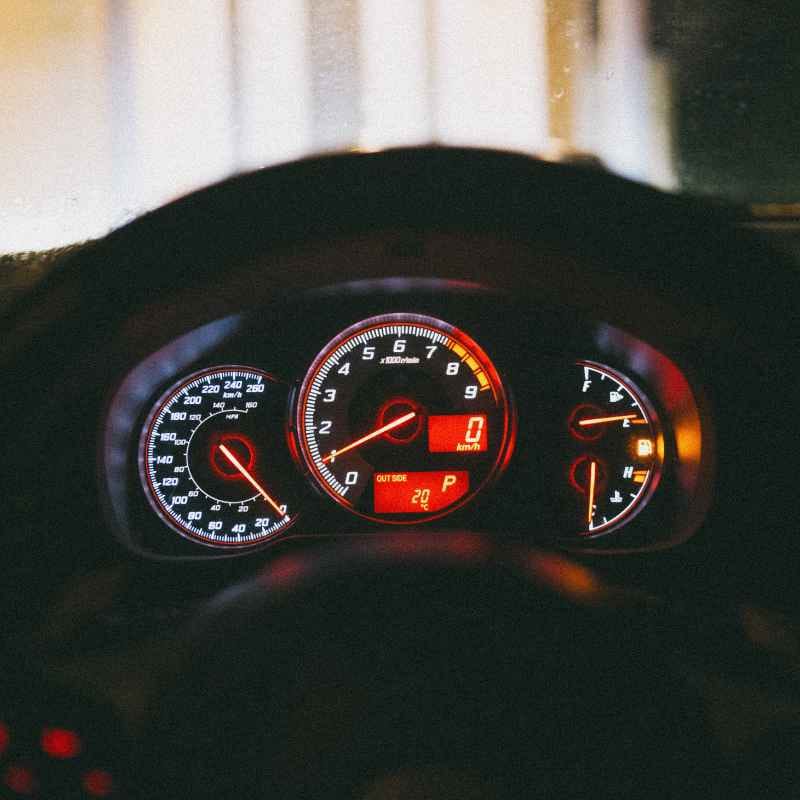
Can An Epc Light Cause A Car Not To Start? Real Answer
An EPC light, which stands for Electronic Power Control, is a warning indicator for your car’s engine management system. While it doesn’t directly start or stop your engine, a problem triggering the EPC light can absolutely prevent your car from starting or cause it to stall. This usually happens because critical systems controlled by the EPC are malfunctioning.
What Is the EPC Light?
The EPC light is like your car’s way of saying, “Hey, something’s not quite right with how the engine is getting power or responding.” It’s part of your car’s sophisticated electronic system. This system manages many things. It helps control your engine’s throttle response.

Yiwview
Yiwview Camshaft Position Sensor, OEM F01R00B003 Plug…
- FAULT CODE FIX: Replaces a failing cam position sensor to clear EPC warning lights and restore cold-start reliability. A worn sens…
- OEM-MATCHED SIGNAL: Direct swap for F01R00B003 with factory-matched electrical output. The camshaft sensor sends precise timing da…
- DIY GARAGE REPAIR: Connect the wiring clip by hand in your driveway, no scanner needed. Get back on the road in 10 minutes instead…
As an Amazon Associate I earn from qualifying purchases.
It also oversees the cruise control. Even the anti-lock braking system (ABS) and traction control can be linked to it. So, when this light pops on, it’s telling you that one or more of these electronic controls aren’t working as they should.
It’s not just a minor glitch. It often signals a more serious issue. This issue can impact how your car drives or even if it starts at all.
Think of it this way: your car has many electronic brains working together. The EPC system is one of those brains. It’s constantly talking to other parts of your car.
It tells the engine how much gas to give it. It tells the wheels how much grip they have. If this communication breaks down, the EPC light turns on.
This warning is important because these systems affect your car’s performance and safety. Ignoring it could lead to bigger problems down the road.
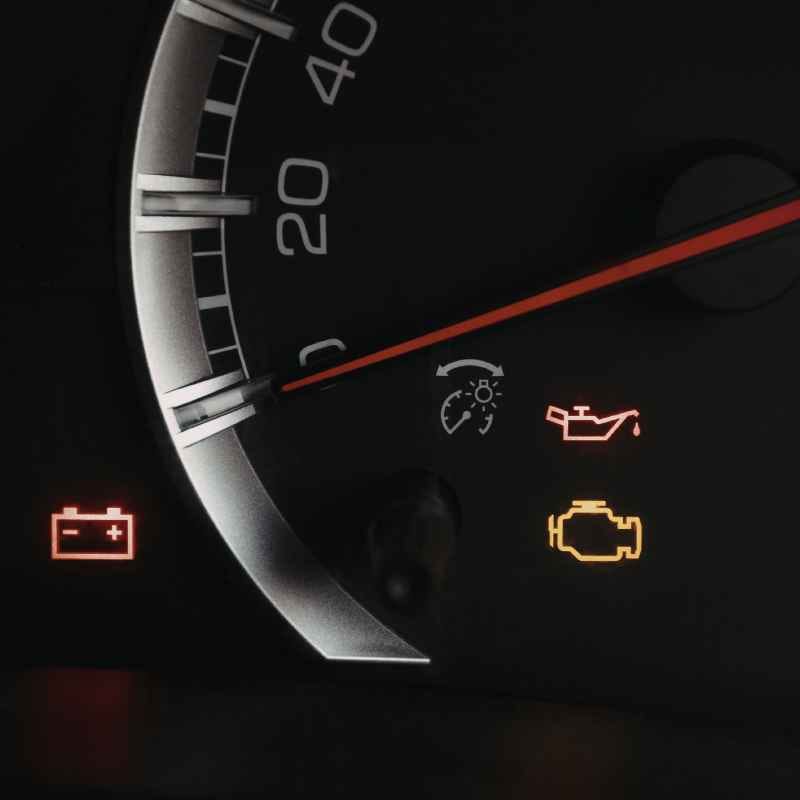
Can an EPC Light Cause a Car Not to Start?
Yes, absolutely. While the EPC light itself isn’t the ‘start’ button, the underlying problem that triggers it often is. If the electronic power control system detects a fault, it can enter a ‘limp mode’.
This mode severely limits engine power to protect it. In some cases, this protection can be so strong that the engine won’t start at all. It’s like the car is saying, “I can’t run safely like this, so I’m shutting down completely.”
What usually happens is that a sensor or a component related to the EPC system fails. This failure sends bad information to the car’s computer. The computer then turns on the EPC light.
It might also tell the engine not to start. This is a safety feature. It prevents damage or dangerous driving situations.
You might hear the engine crank but not catch. Or, you might get nothing when you turn the key.
Common Causes for the EPC Light and Starting Issues
There are several common reasons why your EPC light might be on and your car won’t start. These issues are often related to the electronic systems that the EPC oversees. Understanding these can help you or your mechanic pinpoint the problem faster.
Faulty Throttle Position Sensor
This sensor tells the car’s computer how far you’ve pressed the gas pedal. If it’s not working right, the computer doesn’t know how much fuel to send. This can make the car stall or refuse to start.
It’s a very common trigger for the EPC light.
Issues with the Accelerator Pedal
Modern cars have electronic accelerator pedals. They have sensors too. If these sensors fail, the computer gets confused.
It might think the pedal is stuck or not pressed. This can prevent the engine from starting. It’s directly linked to the EPC system.
Problems with the Brake Light Switch
Yes, your brake lights are connected! The car needs to know if you are pressing the brake pedal. This is important for systems like cruise control and even for starting your car in some models.
A faulty brake light switch can confuse the EPC system.
Defective Mass Airflow (MAF) Sensor
The MAF sensor measures how much air is entering the engine. This is vital for calculating the right fuel mixture. A bad MAF sensor can cause poor engine performance.
It can also trigger the EPC light and make starting difficult.
Faulty Ignition Coil or Spark Plugs
These parts are crucial for igniting the fuel in your engine. If they fail, the engine won’t run properly. In some cases, a complete ignition system failure can cause the EPC light to come on and prevent starting.
Engine Control Unit (ECU) Problems
The ECU is the car’s main computer. If it has a fault, it can cause all sorts of issues. This includes triggering the EPC light and preventing the engine from starting.
This is less common but more serious.
My Own EPC Light Scare
I remember one time, a few years back, I was heading out for a weekend camping trip. Packed the car, ready to hit the road. I turned the key, and the engine just coughed.
It sputtered for a second, then died. My heart sank. I tried again.
Same thing. Then, I saw it glowing on the dashboard: the dreaded EPC light. Panic set in.
Was my whole trip ruined? I stood there for a minute, just staring at it, feeling completely stuck. I thought for sure I’d need an expensive tow truck.
It felt like the car was just mocking me.
I popped the hood, even though I’m not much of a mechanic. I checked the obvious things. No loose wires, no strange smells.
I then remembered reading about how sometimes the brake pedal needs to be in just the right spot for certain cars to start. I pressed the brake pedal firmly and tried again. Nothing.
Then, I noticed something odd. My floor mat seemed a bit bunched up near the pedals. I straightened it out.
It made me realize how a simple thing could cause a big problem. I took a deep breath, re-centered myself, and turned the key one more time, really focusing. And then, it purred to life.
The EPC light went off. It turned out the bunched-up floor mat was slightly pressing on the brake pedal sensor. This confused the car’s computer enough to trigger the EPC light and prevent starting.
I felt so silly but incredibly relieved!
Understanding the Symptoms
When the EPC light comes on, it’s usually not alone. Other symptoms often appear. These help you understand the seriousness of the issue.
They also help your mechanic diagnose the problem more quickly.
Engine Cranking but Not Starting
This is a classic sign. You turn the key, and the starter motor spins. You can hear the engine trying to catch.
But it just won’t fire up and run on its own. This indicates a problem with fuel delivery, spark, or air intake. The EPC light suggests the issue is electronically controlled.
Engine Stalling
If your car suddenly loses power and shuts off while you’re driving, that’s a big red flag. The EPC light may come on at the same time. This often happens when you’re stopped or slowing down.
It means the engine control system can’t maintain the engine’s operation.
Rough Idling
When your car is stopped but the engine is running, it should run smoothly. If the engine is shaking or vibrating more than usual, or if the RPMs are unsteady, it’s a sign of trouble. The EPC light might be on during these rough idle moments.
Loss of Power
You might notice your car feels sluggish. It struggles to accelerate or maintain speed, especially on hills. This lack of power is often due to the car’s computer limiting the engine’s performance.
The EPC light is usually active when this happens.
Difficulty Accelerating
Pressing the gas pedal might feel unresponsive. The car might hesitate or sputter before it picks up speed. This delay in acceleration is another common symptom.
It points to a problem with the electronic throttle control or fuel delivery.
When the EPC Light Appears with Other Warning Lights
Sometimes, the EPC light doesn’t appear by itself. It might show up alongside other warning lights. This can provide even more clues about the problem.
For example:
EPC Light and Check Engine Light
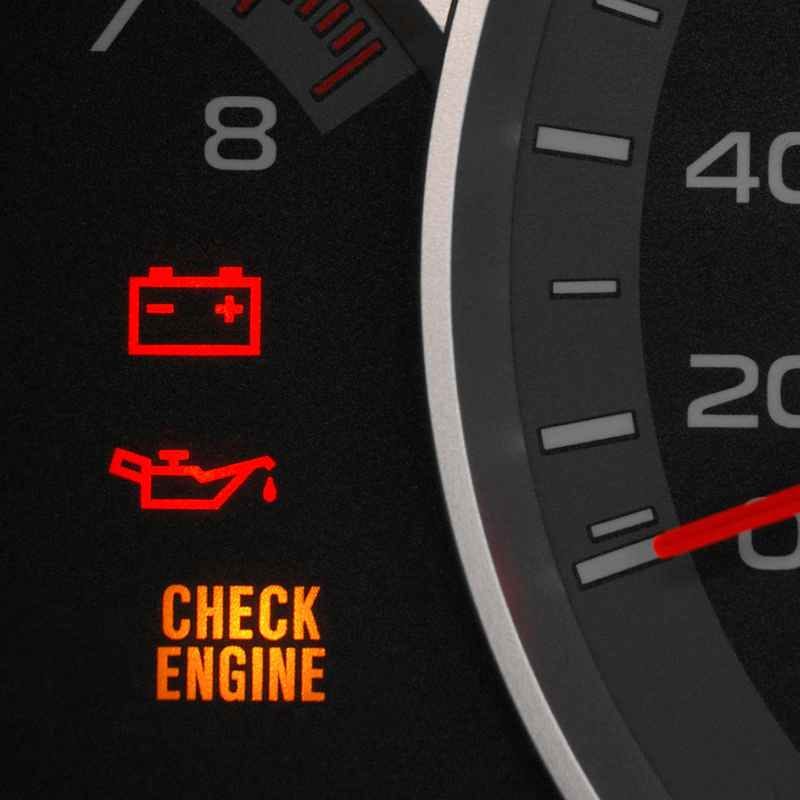
This combination is very common. The Check Engine Light (CEL) is a general indicator of a powertrain issue. When it’s on with the EPC light, it means the fault is likely related to engine performance or emissions control.
A mechanic will need to read the diagnostic trouble codes (DTCs) to understand the specific fault.
EPC Light and Battery Light
If you see both the EPC and battery lights, it suggests a problem with your car’s electrical system. This could be a failing alternator, a bad battery, or wiring issues. A weak electrical supply can affect all the car’s electronic modules, including the EPC system.
EPC Light and ABS Light
The ABS light indicates a problem with your anti-lock braking system. Since the EPC system can monitor and interact with ABS, seeing both lights might mean a shared electrical fault or a problem in one system affecting the other. This is less common but possible.
What to Do When Your EPC Light Is On and Car Won’t Start
It’s a stressful situation. The key is to stay calm and follow a few steps. Your goal is to avoid further damage and get professional help.
Don’t Force It
If your car isn’t starting, don’t keep cranking the engine over and over. This can drain the battery further or even damage the starter motor. Listen to your car.
If it’s not starting after a couple of attempts, stop and assess.
Check Basic Things (If Safe)
If you’re in a safe location, you can check a few simple things. Make sure your gear shifter is firmly in Park (P) or Neutral (N). Check that your battery terminals are clean and tight.
Ensure your gas tank isn’t completely empty. Sometimes, a very low fuel level can cause starting issues. As I learned, check for anything obstructing the pedals.
Consult Your Owner’s Manual
Your car’s owner’s manual is a valuable resource. It will explain what the EPC light means specifically for your vehicle make and model. It may also offer basic troubleshooting steps.
Call for Professional Help
If basic checks don’t resolve the issue, it’s time to call a tow truck. Have your car taken to a reputable mechanic. They have the specialized tools and knowledge to diagnose electronic system faults.
They can read the car’s computer codes and identify the exact problem.
The Role of Sensors in EPC System Failures
Modern cars rely heavily on sensors. These tiny devices are the eyes and ears of your car’s computer. They constantly send data about everything happening with the engine and other systems.
When a sensor fails or sends inaccurate data, it can confuse the computer. This confusion is often what triggers the EPC light.
For the EPC light, sensors related to throttle control are very common culprits. This includes the throttle position sensor (TPS) on the throttle body and the accelerator pedal position sensor (APPS). If either of these sends wrong signals, the computer doesn’t know how much throttle you’re requesting.
It might limit fuel or spark. This can lead to a no-start condition. Other sensors like the Mass Airflow (MAF) sensor, crankshaft position sensor, and camshaft position sensor are also critical.
A failure in any of these can prevent the engine from starting and illuminate the EPC light.
When is an EPC Light Normal?
The EPC light is rarely considered ‘normal’ when it illuminates. It’s a warning. However, some situations might make you think it is.
For instance, some cars briefly illuminate all dashboard lights, including the EPC light, when you first turn the ignition key. This is a self-test. The lights should turn off after a few seconds if everything is functioning correctly.
If the EPC light stays on after starting the engine, it indicates a fault.
Another point to consider is that while the EPC light signifies a problem within its related systems, not every problem it flags will prevent your car from starting. Sometimes, the car might run poorly, have reduced power, or show other drivability issues. The starting issue is a more severe symptom.
It suggests the fault is directly impacting the engine’s ability to ignite and run.
What Does the EPC Light Mean for Engine Performance?
Even if your car does start with the EPC light on, its performance will likely be affected. The car’s computer tries to protect the engine. It will often reduce power output.
This is known as ‘limp mode’ or ‘safe mode’.
You might notice:
- Reduced acceleration: The car will feel much slower to respond when you press the gas pedal.
- Higher fuel consumption: The engine management might become less efficient, using more fuel than usual.
- Engine misfires: You might feel jerking or stuttering as the engine struggles to run smoothly.
- Engine sputtering: The engine may make inconsistent noises or run unevenly.
- Inability to exceed a certain speed: Some cars will limit your top speed significantly in limp mode.
These performance issues are not just inconvenient; they can be dangerous. If the EPC light is on and your car is running poorly, avoid driving it if possible, especially on highways or in heavy traffic. You don’t want the car to stall unexpectedly.
Understanding Your Car’s Electronic Systems
The EPC system is part of a larger network in your car. This network is often called the Engine Management System or Powertrain Control Module (PCM). It’s a complex web of sensors, actuators, and a central computer (ECU/PCM).
This system manages:
- Fuel Injection: Precisely controlling how much fuel is injected into the engine.
- Ignition Timing: Determining exactly when the spark plugs fire to ignite the fuel.
- Throttle Control: Regulating how much air enters the engine based on your pedal input.
- Emission Controls: Managing systems like the catalytic converter to reduce pollution.
- Vehicle Dynamics: Sometimes interacting with ABS, traction control, and stability control.
The EPC light specifically highlights issues within the electronic throttle control and related power management functions. It’s not just about the gas pedal; it’s about how the car electronically manages engine power delivery.
Is It Safe to Drive with an EPC Light On?
This is a crucial question, and the answer is generally: proceed with extreme caution, if at all. If your car starts and the EPC light is on, it means there’s a fault in a system that affects your car’s performance and safety. Driving with an active EPC light can be risky for several reasons:
- Unpredictable Performance: Your car might lose power suddenly. It could stall at any moment, which is dangerous if you’re in traffic.
- Compromised Safety Systems: Since EPC can interface with ABS and traction control, these systems might not function correctly either.
- Potential for Further Damage: Driving with a known fault could potentially worsen the problem or cause damage to other components.
If your car refuses to start at all due to the EPC light, then driving is not an option. If it starts but runs poorly or the light remains on, the safest course of action is to get it checked by a mechanic as soon as possible. Short trips to a nearby repair shop might be acceptable if absolutely necessary, but long journeys or driving in challenging conditions should be avoided.
When to Worry: Signs of a Serious EPC Issue
While any EPC light is a cause for concern, some signs indicate a more urgent need for attention. You should worry more if you experience:
- The EPC light is accompanied by other critical warning lights (like the battery light or oil pressure light).
- The engine refuses to start at all, or cranks but doesn’t catch.
- The car stalls repeatedly, even at low speeds or when stopped.
- There’s a significant and sudden loss of power, making the car difficult to control.
- You hear unusual noises from the engine, such as grinding, knocking, or loud hissing.
- There’s a burning smell coming from under the hood.
These symptoms suggest a fault that could lead to significant engine damage or pose an immediate safety risk. Don’t delay in seeking professional help if you notice any of these.
Common Misconceptions About the EPC Light
There are a few common misunderstandings about what the EPC light means. Clearing these up can help you react appropriately.
Myth: The EPC light is just for minor issues.
Reality: While some EPC triggers might be minor, many can cause serious drivability problems or prevent the car from starting. It’s always best to treat it as a significant warning.
Myth: If the car starts, it’s okay to drive.
Reality: The car starting doesn’t mean the underlying problem is resolved. It might be running in a reduced power mode, and the issue could worsen.
Myth: The EPC light is the same as the Check Engine light.
Reality: They are different. The Check Engine Light (CEL) is a broader indicator of engine or emission problems. The EPC light is more specific to electronic power control systems, often related to throttle and power management.
What Mechanics Do to Diagnose EPC Light Issues
When you take your car to a mechanic for an EPC light issue, they will typically follow a systematic diagnostic process. This ensures they find the root cause and don’t just treat the symptoms.
Scan for Diagnostic Trouble Codes (DTCs)
Using an OBD-II scanner, the mechanic will connect to your car’s computer. They will retrieve any stored DTCs. These codes provide specific information about which sensor or system is reporting a fault.
For EPC issues, codes related to throttle position, pedal position, mass airflow, or engine speed are common.
Check Live Data
After identifying codes, mechanics look at live data from the sensors. They can see real-time readings from the throttle position sensor, MAF sensor, etc. This helps them determine if a sensor is sending erratic or incorrect values.
They can also see if the car’s computer is commanding certain actions correctly.
Perform Physical Inspections
They will visually inspect relevant components. This includes looking for damaged wiring, loose connections, vacuum leaks, or physical damage to sensors and actuators. For example, they’ll check the accelerator pedal assembly and the throttle body.
Test Components
If a specific component is suspected, the mechanic might test it directly. This could involve using a multimeter to check electrical resistance or voltage. For example, they might test the resistance of a throttle position sensor.
Can an EPC Light Be Fixed Without a Mechanic?
For many EPC light issues, especially those involving sensors or electronic components, it’s best to rely on a professional mechanic. These systems are complex, and misdiagnosing them can lead to wasted money and further problems. However, in some very rare and simple cases, a DIY fix might be possible:
Resetting the System
Sometimes, a simple battery disconnect (for about 15-30 minutes) can reset the car’s computer. This might clear a temporary glitch. However, if the underlying problem remains, the light will likely come back on.
This should only be tried if you’re comfortable with basic car maintenance and understand the risks.
Checking Pedal Position Sensor (As in My Story)
If you suspect something simple like an obstruction near the pedals, carefully checking and clearing it might resolve the issue. This was my personal experience! It’s essential to be very careful not to damage anything while doing this.
For anything beyond these very basic checks, like replacing sensors, repairing wiring harnesses, or dealing with ECU issues, professional help is almost always required. The advanced diagnostic tools and expertise of a mechanic are usually necessary to correctly identify and fix the problem.
The Cost of EPC Light Repairs
The cost to fix an EPC light issue can vary widely. It depends heavily on the specific problem and the parts needed. Simple fixes, like replacing a brake light switch or cleaning a throttle body, might be relatively inexpensive.
They could cost a couple of hundred dollars.
More complex issues, such as replacing a throttle position sensor, accelerator pedal assembly, or a mass airflow sensor, can cost more. These parts themselves can range from $100 to $500, plus labor. If the issue turns out to be with the Engine Control Unit (ECU) or a complex wiring harness problem, the cost can jump significantly, sometimes into the thousands of dollars.
Always get an estimate from your mechanic before authorizing repairs. Ask them to explain the problem and the proposed solution. This helps you understand what you’re paying for and ensures you’re not being overcharged.
Preventative Maintenance for EPC System Health
While you can’t always prevent electronic faults, good preventative maintenance can help keep your car’s systems running smoothly. This can reduce the likelihood of an EPC light triggering unexpectedly.
- Regular Servicing: Follow your car manufacturer’s recommended service schedule. This includes oil changes, filter replacements, and general checks.
- Keep the Engine Bay Clean: A clean engine bay makes it easier to spot leaks or damaged wiring. It also prevents dirt and debris from affecting sensitive components.
- Address Minor Issues Promptly: If you notice any small performance issues or odd noises, get them checked out. Small problems can sometimes lead to larger, more expensive ones.
- Use Quality Parts: When parts need replacing, opt for reputable brands. Cheap, low-quality parts can fail prematurely and cause other issues.
- Be Gentle with Pedals: Avoid excessive force when pressing the accelerator or brake pedals. While designed to be robust, consistent harsh use can potentially wear components faster.
Taking good care of your car is the best way to ensure its electronic systems, including the EPC, function as intended for as long as possible.
Frequently Asked Questions About EPC Lights and Starting Issues
What does EPC stand for on a car dashboard?
EPC stands for Electronic Power Control. It’s a warning light that indicates a problem with your car’s engine management system, specifically related to how the engine receives and responds to power.
If the EPC light is on, will my car always refuse to start?
Not always. Some problems that trigger the EPC light can cause your car to run poorly or stall, but not necessarily prevent it from starting altogether. However, a severe fault can absolutely cause a no-start condition.
Can I just ignore the EPC light if the car starts?
No, it’s not advisable. The EPC light signals a fault that could affect your car’s performance, safety, and potentially lead to more serious damage if left unaddressed.
How long does it take to fix an EPC light issue?
The repair time varies greatly. A simple fix like a sensor replacement might take an hour or two. However, complex wiring issues or ECU problems could take much longer, possibly a full day or more.
Are EPC light problems common on specific car brands?
EPC lights are more commonly associated with German car manufacturers like Volkswagen, Audi, Skoda, and SEAT. However, similar warning lights for electronic power control issues can appear on other brands too.
Is it safe to drive my car if the EPC light is on but the engine starts?
It is not recommended to drive extensively. If the car starts but the EPC light is on, the car may be in ‘limp mode’ with reduced power or unpredictable performance. This can be dangerous.
Drive only if absolutely necessary for a very short distance to a repair shop.
Final Thoughts on Your EPC Light
Seeing that EPC light pop on, especially when your car won’t start, is a moment of worry. But now you know it’s a signal from your car’s advanced electronic brain. It’s telling you something important is not working quite right in the systems that control how your engine gets power.
While the light itself doesn’t stop the engine, the problem causing it often does. Staying calm, understanding the common causes, and seeking professional help are your best steps. You can get your car back to running smoothly.
See also can you tint car headlights laws and safety facts explained.
Related pick: Check today's price on Amazon See also how to stop auto light on iphone quick settings guide .
Products related to this article
Sponsored / affiliate links. As an Amazon Associate I earn from qualifying purchases. I may earn additional commission from eligible campaigns.