What Is The Car Light That Looks Like A Clock? Find Out Now
The car light that looks like a clock is most often the “Tire Pressure Monitoring System” (TPMS) warning light. It indicates that one or more of your tires has low air pressure. It could also sometimes relate to a system or maintenance reminder, depending on the vehicle.
Understanding Your Car’s Clock-Like Light
That symbol that looks a bit like a clock face with an exclamation mark inside is a very common sight for car owners. In most modern cars, this is the Tire Pressure Monitoring System (TPMS) light. It’s designed to alert you when your tire pressure is too low.

Generic
Solar Predator Eye LED Window Lights, Waterproof…
- 【Glow Effect】Features a unique demon eye design with animated breathing light animation, turning your rear or side window into a b…
- 【Solar & USB Charging】Built-in 150mAh battery supports solar panel and Type-C port charging, keeping this light powered for extend…
- 【Three Smart Modes】Offers easy operation via physical button, vibration sensor, or ambient light , allowing you to change light st…
As an Amazon Associate I earn from qualifying purchases.
This is super important for safety. Low tire pressure can affect how your car handles. It can also make your tires wear out faster.
Why does it look like a clock? Well, it’s not a clock. It’s actually a stylized image of a tire cross-section.
The “air” inside the tire is often shown as a wavy line. The exclamation mark in the middle signals a problem or a warning. Think of it as a visual alert.
It’s trying to get your attention quickly. It wants you to check something important. That something is your tires.
This system helps you keep your tires at the right level of air. This is key for a safe and smooth ride. It also helps save fuel.
When your tires are properly inflated, your car uses less gas. That’s good for your wallet and the environment. So, that little clock-looking light is actually a helpful friend, even if it can be a little startling at first.
My Own Dashboard Surprise
I remember the first time I saw that light. I was driving home one evening after a long day at work. The sky was dark, and I was just trying to get settled.
Suddenly, this little symbol lit up on my dashboard. It looked exactly like a clock with a little exclamation mark. My first thought was pure panic.
“What broke now?” I asked myself. My mind raced through all the expensive repairs I’d heard about.
I immediately pulled over, heart pounding a little. I looked around my dashboard again. Was there anything else showing?
No, just that one symbol. It sat there, glowing steadily. I remembered reading about car lights in my owner’s manual once, but in that moment, nothing came to mind.
I felt a bit silly, standing on the side of the road, staring at my dashboard. I took a deep breath. Then, I decided to just try driving again, very slowly.
The light stayed on. That’s when I remembered a friend mentioning something about tire pressure. I made a mental note to check my tires first thing in the morning.
What Does the TPMS Light Mean?
Meaning: Your car’s Tire Pressure Monitoring System has detected low air pressure in one or more tires.
Why it’s important: Proper tire inflation is crucial for:
- Safety: Affects steering and braking.
- Fuel Economy: Underinflated tires use more gas.
- Tire Lifespan: Prevents uneven wear.
- Ride Comfort: Ensures a smoother drive.
Why Your Tires Need the Right Air
Tires are the only part of your car touching the road. Think about that. They have a huge job.
They carry the entire weight of your vehicle. They also help you steer, stop, and go. Because of this, the air inside them is really important.
It’s like the bones and muscles for your tires.
When the air is just right, your tires can do their best work. They grip the road well. This helps you stop safely.
They also roll smoothly. This means your engine doesn’t have to work as hard. Less work for the engine means better gas mileage.
So, you save money at the pump.
If your tires have too little air, they sag. The sides of the tire can get hot. This is because they bend more.
Too much heat can damage your tires. It can even cause a tire to blow out. This is very dangerous while driving.
It’s why the TPMS light is such a good safety feature.
On the flip side, having too much air can also be bad. Your ride will feel bumpy. The tires might not grip the road as well.
This can make stopping harder. It can also make your tires wear out faster in the center.
The Science Behind the Symbol
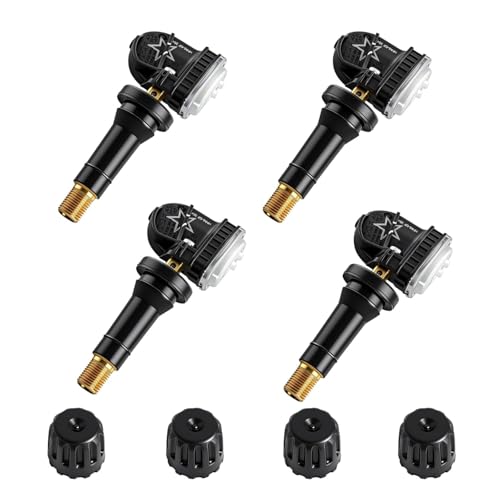
Your car’s TPMS uses sensors. These sensors are usually inside each wheel. They measure the air pressure.
They also measure the temperature. They send this information to your car’s computer. The computer looks at the data.
It compares it to the safe pressure levels set by the car maker.
If the pressure in any tire drops too much, the computer sees it. It then tells the dashboard to light up that clock-like symbol. This usually happens if the tire pressure drops by about 25% or more.
It’s a smart system designed to catch problems early.
Some cars have direct TPMS. This means each wheel has its own sensor. Other cars have indirect TPMS.
These systems use your car’s anti-lock braking system (ABS) sensors. They infer tire pressure by how fast the wheels are spinning. A low tire will spin faster than one with proper air.
Direct systems are generally more accurate.
The light typically stays on as long as the low pressure continues. Once you add enough air, the light should go off. Sometimes, it takes a few minutes of driving for the system to reset.
If the light blinks when you start your car, it might mean there’s a problem with the TPMS itself. This could be a sensor issue.
TPMS Warning Light Scenarios
Scenario 1: Steady Light
- What it means: One or more tires are significantly underinflated.
- Action: Check tire pressure immediately and inflate to the recommended PSI (found on the driver’s side doorjamb sticker).
Scenario 2: Flashing Light
- What it means: There might be an issue with the TPMS system itself.
- Action: Drive carefully and get the system checked by a mechanic.
Checking Your Tire Pressure: A Simple Task
Knowing how to check your tire pressure is a really useful skill. It doesn’t take long. You’ll need a tire pressure gauge.
You can buy these at any auto parts store or even some supermarkets. They are usually inexpensive.
First, find the recommended tire pressure for your car. This is called the “PSI” or “pounds per square inch.” You can find this information on a sticker. It’s usually on the driver’s side doorjamb.
It might also be in your car’s owner’s manual. The number on the tire’s sidewall is the maximum pressure the tire can hold. That’s not what you want to use for regular checks.
When your tires are cold, meaning you haven’t driven on them for a few hours, unscrew the cap from one of your tire’s valve stems. Press the tire pressure gauge firmly onto the valve stem. It should click or hiss.
The gauge will show you the current pressure. Compare this to the recommended PSI. If it’s low, add more air.
If it’s high, let some air out.
Repeat this for all four tires. Don’t forget your spare tire if your car has one! Many people forget the spare.
It needs to be ready too. Once you’ve adjusted the pressure, screw the valve caps back on tightly. Driving with properly inflated tires makes a big difference.
It feels safer and smoother.
When is the Light Just a Reminder?
While the TPMS light is usually about tire pressure, some cars use a similar symbol for other reminders. This is less common but worth knowing. For example, on some vehicles, a very similar icon might appear for a tire rotation reminder.
Tire rotations help your tires wear evenly. They prolong the life of your tires.
Sometimes, the light might come on if there’s a problem with the car’s overall maintenance schedule. Modern cars have complex computers. They track all sorts of things.
They might alert you when it’s time for an oil change. Or maybe it’s time for a filter to be replaced. The exact symbol can vary between car brands.
However, the overwhelming majority of the time, that clock-like symbol with the exclamation mark means low tire pressure. If you’re unsure, your car’s owner’s manual is your best friend. It will explain every single symbol on your dashboard.
It’s printed in plain English, or at least it should be!
Common Causes for the TPMS Light
1. Low Tire Pressure: The most frequent reason. Caused by slow leaks, temperature changes, or simply not enough air.
2. Recent Tire Change: Sometimes, after new tires are installed, the system needs to be reset.
3. Temperature Fluctuations: Cold weather causes air to contract, lowering tire pressure. Warm weather causes it to expand.
4. Valve Stem Issues: A damaged or leaky valve stem can cause slow air loss.
5. TPMS Sensor Malfunction: The sensors themselves can fail or have battery issues.
6. Spare Tire Issues: If your spare tire has a sensor and is low on air.
Real-World Scenarios and What They Mean
Let’s look at a few real-life situations where this light might appear and what you should do.
Scenario A: The Sudden Appearance
You’re driving along, and the light suddenly comes on. You haven’t hit any potholes or anything unusual. This often happens when the outside temperature drops.
For example, if it was 70 degrees yesterday and is 30 degrees today, the air in your tires will contract. This can lower the pressure enough to trigger the TPMS light. Your first step is still to check the tire pressure.
You might just need to add some air.
Scenario B: After a Long Drive
You’ve been on a long road trip. You get to your destination, and the light is on. Driving for a long time can cause tires to heat up.
When tires heat up, the air inside expands. This can sometimes increase the pressure. However, if you started with tires that were already a bit low, the increased pressure might not be enough to get them into the safe range.
Or, if there’s a slow leak, the heat might make the leak worse.
Scenario C: The Persistent Flashing Light
You start your car, and the light flashes for about 60 seconds before staying on steadily. This usually indicates a problem with the TPMS system itself. It could be a faulty sensor, a dead sensor battery, or an issue with the car’s receiver.
In this case, the system might not be accurately reporting your tire pressure. You should get this checked out by a mechanic soon.
Scenario D: The Light Comes On After Filling Tires
You just filled your tires with air, but the light stayed on. This can happen. Sometimes, the system needs a little time to recalibrate.
Driving at a moderate speed for a few miles can help. If it doesn’t turn off after that, it’s possible one or more tires are still not at the correct pressure. Double-check them.
Or, there might be an issue with the sensor.
Quick Scan: Normal vs. Concerning
| Normal Behavior | Steady light comes on briefly when starting car, then turns off. |
| Normal Behavior | Steady light illuminates and stays on if a tire is low. Light goes off after adding air and driving a bit. |
| Concerning Behavior | Light flashes upon starting car and stays on. |
| Concerning Behavior | Light stays on even after adding air to all tires. |
What This Means for Your Driving
Seeing that light doesn’t mean you need to panic and call for a tow truck. It’s a warning, not an immediate emergency. However, you shouldn’t ignore it.
Driving on underinflated tires is not safe. It can lead to:
- Reduced Control: Your car might not steer as sharply. Braking distances can increase.
- Tire Damage: The sides of the tire can overheat and fail. This is a serious risk.
- Poor Fuel Economy: Your car will use more gas.
- Uneven Tire Wear: Your tires will wear out faster and unevenly.
The best thing to do is to check your tires as soon as you can. If you’re at home, check them when the car is cold. If you’re out and about, and the light comes on, find a safe place to pull over.
Look for a gas station with an air pump. Most have them. Use your gauge to check the pressure before adding air.
If your TPMS light is on, but all your tires seem to have enough air, it could be a faulty sensor. Some newer cars have sensors that require a specific process to reset after filling tires or changing them. You might need to visit a tire shop or dealership for this.
Simple Steps to Take When the Light Appears
So, what exactly should you do? Here’s a simple guide:
- Don’t Panic: The light is a warning, not a disaster.
- Find the Recommended Pressure: Look for the sticker on your driver’s side doorjamb or in your owner’s manual.
- Check All Tires: When tires are cold, use a reliable tire pressure gauge. Check each tire, including the spare.
- Add Air if Needed: Use an air pump to bring tires up to the recommended PSI.
- Drive a Short Distance: After adding air, drive for a few minutes. The light should turn off.
- If the Light Stays On: Double-check the pressure again. If it’s correct, the issue might be with the TPMS system itself.
- Consult Your Manual: If you’re still unsure, your owner’s manual is the definitive guide for your specific car.
- Seek Professional Help: If the light flashes, or if it stays on after addressing tire pressure, it’s time to visit a mechanic.
When to Worry About the TPMS Light
You should worry if:
- The light flashes upon starting your car and stays on. This signals a system malfunction.
- The light remains on even after you’ve confirmed all tires are properly inflated.
- You notice strange handling, noises, or vibrations from your tires.
- You’ve had recent tire work done and the light won’t go off.
In these cases, it’s best to have a qualified technician inspect your vehicle.
Frequently Asked Questions About Your Car’s Clock Light
Is the clock light a sign of engine trouble?
No, typically the light that looks like a clock is related to your tires. It’s the Tire Pressure Monitoring System (TPMS) warning light. It’s very unlikely to be related to your engine.
If you see other warning lights like the check engine light, that’s a different issue.
How long can I drive with the TPMS light on?
You can drive with the light on, but it’s not recommended for long periods. Driving with low tire pressure can be unsafe and can damage your tires. It’s best to check your tire pressure and add air as soon as possible.
Why did my TPMS light come on when it got cold?
Air contracts when it gets cold. This means the air pressure inside your tires will drop. Even a few degrees can make a difference.
If the pressure drops enough, it can trigger the TPMS light. This is very common in the fall and winter months.
Do all cars have a TPMS light?
In the United States, all vehicles manufactured after September 1, 2007, are required to have a TPMS. So, if your car is newer than that, it almost certainly has this system and the warning light.
Can I reset the TPMS light myself?
For a low tire pressure warning, the light usually resets automatically after you add air and drive a bit. If the light is flashing, or stays on despite correct tire pressure, it may require a special tool or procedure to reset, which is best done by a mechanic.
What is the correct tire pressure for my car?
The correct tire pressure is not listed on the tire itself. It’s listed on a sticker located on the driver’s side doorjamb. It’s also found in your car’s owner’s manual.
This recommended pressure is for cold tires.
Final Thoughts on Dashboard Clues
That little clock-like symbol on your dashboard is more than just a confusing light. It’s your car’s way of looking out for you. It’s a simple reminder to check on your tires.
Proper tire care is a big part of safe driving. It helps your car run better too. Next time you see it, don’t stress.
Just take a moment to check your tires. You’ll be glad you did.
See also which car headlight bulb is best top options compared. See also what is better a car or suv honest pros and cons guide.
Related pick: Check today's price on Amazon
Products related to this article
Sponsored / affiliate links. As an Amazon Associate I earn from qualifying purchases. I may earn additional commission from eligible campaigns.