Cheapest Place To Buy Car Headlight Bulbs Without Compromise
This guide is here to help you navigate that. We’ll break down where to look, what makes a good bulb, and how to get a great price. You don’t need to spend a fortune to see clearly on the road.
Finding the cheapest place to buy car headlight bulbs means balancing cost with crucial factors like brightness, lifespan, and safety standards. You can often find great deals online or at large auto parts retailers, but always check reviews and specifications to ensure you aren’t sacrificing visibility or durability for a lower price.
Understanding Car Headlight Bulbs
Car headlight bulbs seem simple, right? You screw them in, and light comes out. But there’s more to it than you might think.
Different types of bulbs exist, and they all have unique characteristics. Knowing these helps you pick the right one and understand why prices vary.
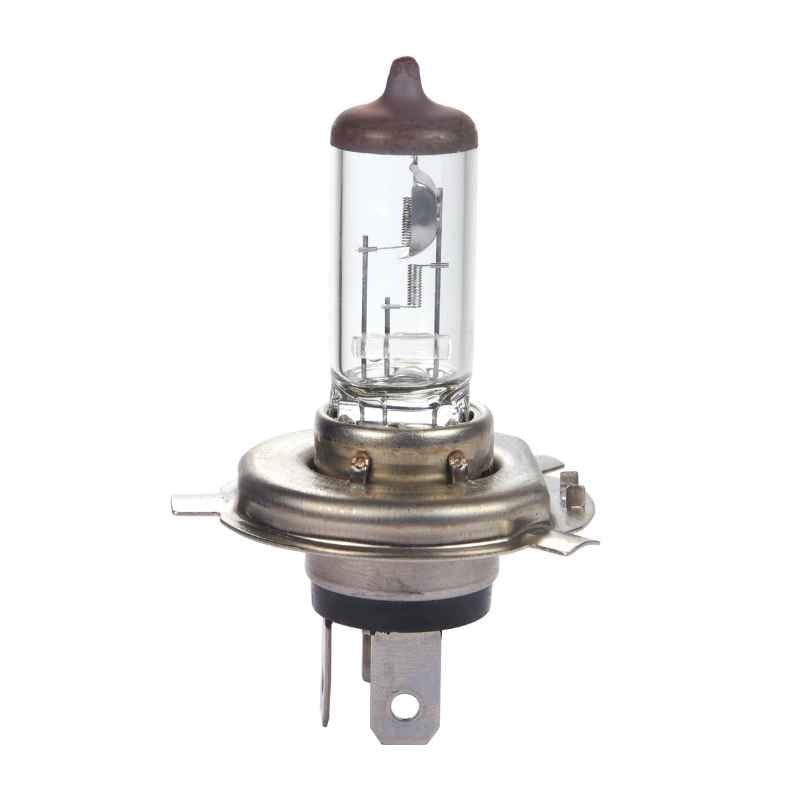
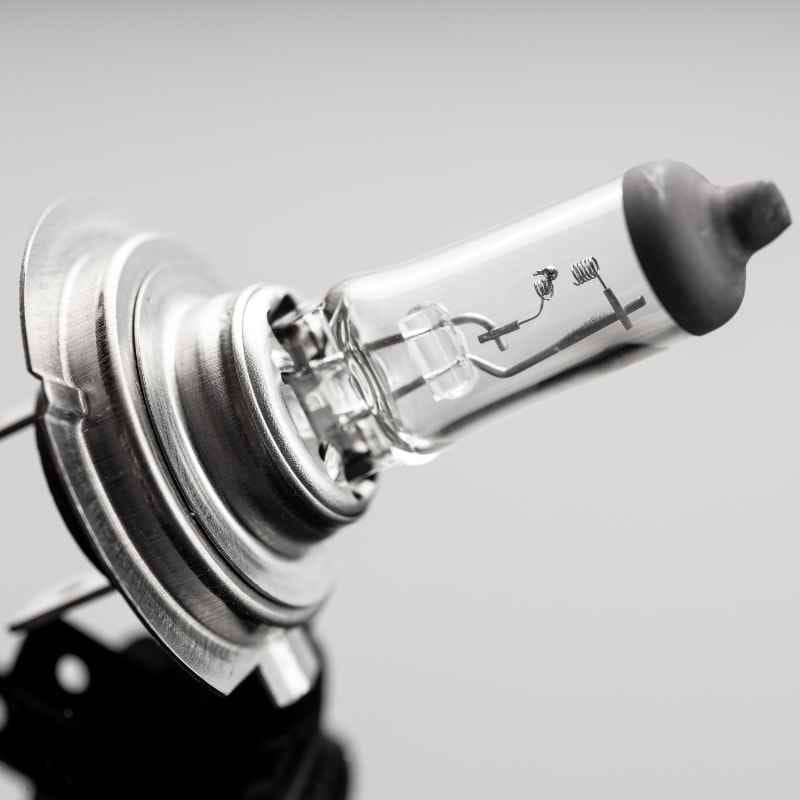
The most common types of bulbs you’ll find are halogen, high-intensity discharge (HID), and light-emitting diode (LED). Halogen bulbs are the old standby. They work by heating a filament inside a glass bulb filled with gas.
They’re generally the most affordable upfront. HID bulbs use electricity to create an arc between two electrodes, which ignites gas and produces a brighter light. They’re more energy-efficient than halogens but cost more.
LED bulbs are the newest technology for many cars. They use semiconductors to produce light. LEDs are super energy-efficient, last a very long time, and provide excellent brightness.
They tend to be the most expensive option, especially if they come as a factory upgrade.
When you’re looking to buy, you’ll see numbers and codes on the packaging. These refer to the bulb type (like H4, H7, 9005, or H11), its wattage, and its color temperature. Wattage affects brightness, but you generally can’t (and shouldn’t) change your bulb’s wattage from what the car manufacturer recommends.
Using a higher wattage bulb can damage your wiring or reflector housing. Color temperature, measured in Kelvin (K), affects the light’s hue. Lower Kelvin numbers (around 3000K) produce a warmer, yellowish light, while higher numbers (5000K-6000K) give you a cooler, whiter light, often mistaken for blue.
For safety and legality, it’s usually best to stick to the color temperature recommended by your car maker or a natural, white light.
Many bulbs also offer “performance” or “long-life” versions. Performance bulbs aim for brighter light or a longer beam. Long-life bulbs are designed to last longer, which can save you hassle.
However, there’s often a trade-off. Brighter bulbs might not last as long. Long-life bulbs might not be as bright.
It’s a balance. Reading reviews can tell you if a specific bulb lives up to its claims. For example, I once bought a “super bright” halogen bulb.
It was indeed brighter, but it burned out within six months, and I had to
Understanding these basics helps you avoid paying for features you don’t need or, worse, buying a bulb that isn’t right for your car. It also prepares you to spot a good deal when you see one, especially when shopping for the cheapest place to buy car headlight bulbs.
Where to Find the Cheapest Car Headlight Bulbs
The quest for the cheapest headlight bulbs often leads you to a few key places. Each has its pros and cons, and the “best” spot can change depending on sales and your specific needs. I’ve bought bulbs from nearly all of these, and my experience tells me that timing and brand reputation matter a lot.
Online retailers are a huge player. Think of giants like Amazon, eBay, and dedicated auto parts sites. The sheer volume of sellers means you can often find very competitive prices.
You can compare prices from many different brands easily. However, you need to be careful. Make sure you’re buying from reputable sellers.
Read customer reviews closely. Some low-priced bulbs might be cheap for a reason – they could be poor quality or knock-offs. I always check the seller’s rating and the number of reviews.
Seeing thousands of positive reviews for a bulb from a well-known brand gives me confidence, even if the price is slightly higher than an unbranded option.
Large auto parts chains are another common place. Stores like AutoZone, O’Reilly Auto Parts, Advance Auto Parts, and Pep Boys have a wide selection. Their advantage is that you can often get the bulb the same day.
Some even offer free installation if you buy the bulb in-store, which can be a lifesaver if you’re not comfortable doing it yourself. Their prices might be a bit higher than online, but they often run sales and promotions. Loyalty programs can also offer discounts.
I’ve found good deals at these stores during holiday sales or by signing up for their email lists.
Warehouse clubs such as Costco or Sam’s Club sometimes carry car parts, including headlight bulbs. Their pricing is usually very aggressive, but their selection can be limited and might change seasonally. If you’re already a member, it’s worth checking them out, as they often carry reputable brands at a discount.
Discount stores or general merchandise retailers like Walmart or Target might also have automotive sections. Their prices can be very low, but again, the selection might be basic, and the brands might be less known. It’s a viable option for standard halogen bulbs if you’re on a tight budget, but double-check the quality and brand.
I’ve bought basic replacement bulbs from Walmart when I needed something fast and cheap for an older car, and they worked fine, though they didn’t last as long as premium brands.
What about the dealership? While they’ll have the exact OEM (Original Equipment Manufacturer) parts for your car, they are almost always the most expensive option. You’re paying for convenience and guaranteed compatibility, but rarely for the best price.
I only consider the dealership if I’ve exhausted all other options and absolutely need a specific, hard-to-find part immediately.
My personal strategy often involves starting online to see the widest range of prices and brands, then checking my local auto parts stores for immediate availability or special in-store deals. Combining an online sale price with a coupon from a local store is sometimes possible, or at least gives you a good benchmark.
Quick Price Comparison Guide
Online Retailers (Amazon, eBay, etc.)
- Pros: Widest selection, competitive prices, easy comparison.
- Cons: Risk of fakes, shipping times, need to research sellers.
Auto Parts Chains (AutoZone, O’Reilly, etc.)
- Pros: Immediate availability, in-store expertise, potential installation services.
- Cons: Prices can be higher than online, selection may be curated.
Warehouse Clubs (Costco, Sam’s Club)
- Pros: Aggressive pricing, good brands when available.
- Cons: Limited selection, stock changes frequently.
Discount Stores (Walmart, Target)
- Pros: Very low prices, accessible.
- Cons: Basic selection, potentially lower quality brands.
What Makes a “Good” Headlight Bulb? (Beyond Price)
It’s tempting to just grab the cheapest bulb you see. But when it comes to headlights, “cheap” can quickly become expensive if it means poor performance or a short lifespan. We’re talking about safety here, so it’s worth understanding what separates a truly good bulb from a dud, even when you’re hunting for the cheapest place to buy car headlight bulbs.
Brightness (Lumens): This is a key factor. Lumens measure the total amount of visible light emitted by the bulb. More lumens mean a brighter light.
However, you need to consider the beam pattern. A bulb that’s too bright and poorly focused can create glare for other drivers. For halogens, you can’t simply swap to a higher wattage bulb; it’s usually the bulb’s design that affects its lumen output within legal limits.
For LEDs and HIDs, the lumen output is usually stated clearly. Look for bulbs that offer a good balance of brightness and a focused beam.
Beam Pattern and Focus: This is critical for safe driving. A good headlight bulb needs to project light effectively onto the road ahead, illuminating your path without blinding oncoming traffic. This is determined by the bulb’s filament (or LED/HID element) placement and the design of the headlight housing itself.
Cheaper, poorly made bulbs might have inconsistent filaments or light sources, leading to scattered light or dark spots in your beam. This is where quality matters most. You want a crisp cutoff line at the top of the beam to avoid blinding others.
Lifespan (Hours): Headlight bulbs don’t last forever. They have a rated lifespan, usually given in hours. This can range from a few hundred hours for basic halogens to tens of thousands of hours for some LEDs.
While the cheapest bulbs might offer a tempting price, they often have a significantly shorter lifespan. Replacing bulbs frequently is an annoyance and adds up in cost over time. Consider the bulb’s rated lifespan relative to its price.
A slightly more expensive bulb that lasts twice as long can be a better deal.
Color Temperature (Kelvin): As we touched on, this affects the light’s color. While some people prefer a very white or even slightly blue light, often associated with higher Kelvin ratings (like 6000K), this isn’t always the best for visibility. White light can be great, but overly blue light can reduce visibility in fog, rain, or snow.
Yellowish light (lower Kelvin) might not look as “modern,” but it can penetrate weather better. For most drivers, a natural white light (around 4000K-5000K) offers a good compromise for clarity and visibility in various conditions. Always check local regulations, as some extreme colors can be illegal.
Brand Reputation and Quality Control: While you can find a bargain from a lesser-known brand, established brands often have better quality control. They invest more in research and development, ensuring their bulbs meet specific standards for brightness, lifespan, and beam pattern. Brands like Philips, Sylvania (Osram in Europe), and GE are generally reliable.
Even within these brands, there are different product lines. Some are basic, while others are premium performance bulbs. Reading reviews specifically about the bulb’s performance in real-world conditions, not just its price, is key.
Certifications and Standards: Look for bulbs that meet relevant safety standards, such as DOT (Department of Transportation) in the U.S. or ECE (Economic Commission for Europe). While not every bulb will explicitly state this, reputable manufacturers usually adhere to these guidelines.
This ensures the bulb is safe and legal for road use.
I remember a time when I bought a pack of ultra-cheap, no-name halogen bulbs online. They were so dim, it felt like driving with candles. I could barely see the road markings, and I got flashed by oncoming cars because the beam pattern was all over the place.
It was a terrifying drive home. That experience taught me that the cheapest option isn’t always the best value, especially when safety is on the line. Investing a little more in a reputable brand often pays off in peace of mind and actual visibility.
Quick Check for Bulb Quality
- Bright enough? Can you see road signs and markings clearly?
- Focused beam? Is there a clear cutoff line? Does it blind others?
- Long-lasting? Check reviews for typical lifespan experiences.
- Good color? Is it natural white and suitable for weather?
- Reputable brand? Is it a known name with good reviews?
- Legal? Does it meet DOT or ECE standards?
Navigating Online Deals and Avoiding Pitfalls
Online shopping offers the most potential for finding the cheapest place to buy car headlight bulbs. But it’s also a minefield if you’re not careful. I’ve learned a few tricks from my own online adventures, some good, some.
less so.
Read Reviews Religiously: This is your most powerful tool. Don’t just look at the star rating. Read the actual comments.
Look for patterns. Are multiple people saying the bulbs burned out quickly? Is the light output poor?
Are they difficult to install? Conversely, if many people praise their brightness, longevity, and value, that’s a good sign. Pay attention to reviews that mention the specific car model if possible.
I often search reviews for my car’s make and model to see real-world experience.
Check the Seller’s Reputation: On platforms like Amazon or eBay, the seller matters as much as the product. Look for sellers with high feedback scores and a good number of transactions. If a seller has tons of negative reviews or very few transactions, be wary.
Sometimes, a “fulfilled by Amazon” or “fulfilled by eBay” option means the item is stored in their warehouse, which often implies a bit more accountability.
Beware of Unbelievable Prices: If a bulb from a reputable brand is selling for half the price everywhere else, it’s a red flag. It could be a counterfeit, a used bulb being passed off as new, or a bulb that’s been sitting in a warehouse for years and is close to failing. Sometimes, a slightly lower price is a genuine sale.
A drastically lower price is usually suspicious.
Understand Bulb Types and Fitment: Make absolutely sure you are buying the correct bulb type for your car. Headlight bulbs are specific. Your car’s owner’s manual is the definitive source.
Most online retailers have a “fitment checker” where you enter your car’s year, make, and model. Use this, but still double-check the bulb number listed in your manual. I once ordered bulbs that the checker said would fit, but when they arrived, the base was slightly different, and they wouldn’t seat correctly in my housing.
That was a frustrating return process.
Look for Bundles and Sales: Many online retailers offer discounts when you buy a pair of bulbs. Since headlights are usually replaced in pairs (to ensure matched brightness and color), this is a good deal. Keep an eye out for seasonal sales, Black Friday, Cyber Monday, or special promotions.
Signing up for email newsletters from auto parts retailers can alert you to these sales.
Factor in Shipping Costs and Times: The cheapest bulb price might not be the cheapest total cost if shipping is high or takes weeks. If you need bulbs urgently, factor this in. Sometimes paying a little more for faster shipping or buying locally is worth it.
Consider “Value” Brands with Good Reviews: Not all generic or less-known brands are bad. Some offer decent quality at lower prices. The key is to find those that have earned good reviews for brightness and longevity from many users.
It’s a bit of a gamble, but often a worthwhile one if you’re on a strict budget.
I once bought a 4-pack of “super bright” LED replacement bulbs for my old truck from an eBay seller. The price was too good to pass up. They arrived, and at first, they looked amazing.
Super white, very bright. But after about three months, one started flickering. Then another.
The light output seemed to fade too. It turned out to be a classic case of paying for cheap electronics that weren’t built to last. I ended up spending more money buying a better set from a known brand to replace them.
That experience solidified my commitment to not just look at the lowest price, but the best value for money, backed by user experience.
Online Deal-Hunting Checklist
- Correct Bulb Type? Verified via manual and fitment checker.
- Seller Rating High? (e.g., 98%+ on eBay)
- Reviews Read Thoroughly? Focus on durability and brightness.
- Price Too Good to Be True? If yes, be very cautious.
- Shipping Costs Included? Is the total cost competitive?
- Return Policy Clear? What if they don’t fit or fail early?
Local Auto Parts Stores: The Convenience Factor
While online shopping often wins on sheer price, local auto parts stores offer something invaluable: convenience and immediacy. If your headlight suddenly dies on a dark evening, you can’t wait for shipping. This is where places like AutoZone, O’Reilly Auto Parts, Advance Auto Parts, and NAPA shine.
They are often the best place to buy car headlight bulbs in a pinch, and you can still find good deals.
Immediate Availability: This is their biggest selling point. Walk in, tell them your car, and they can tell you exactly which bulbs you need and if they have them in stock. You can walk out with the right part within minutes.
This is crucial for safety. Driving with one headlight is illegal and dangerous.
Expert Advice: The staff at these stores are usually knowledgeable about car parts. They can help you choose the right bulb if you’re unsure, explain the differences between brands, and even offer advice on installation. While not every employee is a master mechanic, they generally know their inventory well.
In-Store Promotions and Loyalty Programs: Auto parts stores frequently run sales. Check their weekly ads or sign up for their email lists. You might find significant discounts on popular brands.
Many also have loyalty programs where you earn points for purchases, which can be redeemed for discounts later. This is a great way to save money over time if you do a lot of your own car maintenance.
Bundled Deals and Value Packs: Like online retailers, local stores often offer discounts when you buy a pair of bulbs. They may also have “value packs” that include not just headlights but also other common bulbs like tail lights or turn signals at a reduced price.
Installation Services: Some auto parts stores offer free or low-cost installation services, especially for items like headlight bulbs. This can be a huge benefit if you’re not comfortable doing the work yourself or don’t have the right tools. The cost of installation can sometimes offset a slightly higher bulb price compared to doing it yourself after buying online and paying for shipping.
Comparing Prices: Even with local stores, it’s worth a quick check. If you have a few minutes before heading in, you can do a quick online search for your bulb type and see if any major online retailers are offering significantly lower prices. You can then use this information to negotiate or decide if the convenience is worth the extra cost.
I’ve done this, and sometimes the local store price is competitive, especially if they have a sale.
I remember one rainy Tuesday evening. My driver’s side headlight suddenly went out. It was getting dark fast, and I had to drive home.
I pulled into the nearest O’Reilly Auto Parts. The guy at the counter immediately knew the exact bulb I needed for my Subaru. He pointed me to a shelf with a couple of options.
One was a premium brand, a bit pricey. The other was a house brand that was on sale. He explained that the house brand was made by a reputable manufacturer and was a good value.
I bought the sale bulb, and he even pointed me to a YouTube video showing me how to change it myself, saving me installation costs. It was a great experience and provided the safety I needed that night.
When to Choose Local Auto Parts Stores
- Urgent Need: Headlight out, need it fixed now.
- Unsure of Bulb Type: Staff can help identify the correct part.
- DIY-Averse: Many offer installation services.
- Impulse Savings: Look for weekly flyers or in-store sales.
- Loyalty Program Member: Leverage earned rewards.
The Rise of LED and HID Replacements
While halogen bulbs remain the workhorse for many vehicles, LED and HID technologies are becoming increasingly popular, both as original equipment and as aftermarket upgrades. This brings new options and sometimes new challenges when looking for the cheapest place to buy car headlight bulbs.
LED Headlight Bulbs: LEDs are known for their incredible lifespan, energy efficiency, and bright, crisp light. They turn on instantly, providing full brightness immediately, unlike halogens that need a moment to warm up. Many modern cars come with LED headlights from the factory.
For older cars, aftermarket LED bulb kits are available that are designed to replace your existing halogen bulbs. When buying LED kits, quality varies wildly. Cheaper kits might claim high lumen output but can have poor beam control, leading to glare or dark spots.
Look for kits from reputable brands that specifically mention CANbus compatibility if your car has a computer system that monitors bulb function; otherwise, you might get a “bulb out” warning. The cheapest LED kits are often the riskiest purchase.
HID (Xenon) Headlight Kits: HIDs produce a very bright, white light by creating an electrical arc through a gas. They are very efficient and offer excellent visibility. Factory-installed HID systems are common on luxury and performance vehicles.
Aftermarket HID conversion kits are also available for cars that came with halogens. These kits typically include bulbs, ballasts (which regulate the electrical current), and ignitors. Installing HID kits can be more complex than swapping out a halogen bulb.
Like LEDs, the quality of HID kits varies dramatically. Cheap kits might have unreliable ballasts that fail quickly, or bulbs that produce a harsh, blinding light. They also need to be aimed correctly to avoid blinding other drivers.
Many regions have regulations about retrofitting HID lights into housings designed for halogens, as the beam pattern can be problematic.
Cost Considerations: Generally, LED and HID bulbs are more expensive upfront than halogen bulbs. However, their longer lifespan can make them more cost-effective over the long run. For example, if an LED bulb lasts 50,000 hours compared to a halogen’s 500 hours, you’d go through 100 halogen bulbs for every one LED.
If the LED bulb costs $50 and the halogen costs $10, the LED is still cheaper over its lifespan, not to mention the convenience of fewer replacements.
Finding Deals on LEDs/HIDs: For these technologies, I tend to trust established brands that specialize in automotive lighting more than the absolute cheapest options. Sites like Philips, Sylvania (Zevo), and specialized LED/HID manufacturers often have good sales. Reading detailed reviews on automotive forums and enthusiast sites can be incredibly helpful, as people often test these products rigorously.
Some online retailers that focus specifically on automotive lighting may offer better quality and support for these advanced bulbs.
Legality and Safety: It’s crucial to remember that not all LED or HID aftermarket kits are legal for road use in all areas. Always check your local regulations. Even if legal, improper installation or poor-quality bulbs can create safety hazards for yourself and others.
I’ve encountered many cars with aftermarket HIDs that were blindingly bright and scattered, with no proper cutoff. It’s a common frustration for drivers.
A friend of mine decided to go with a super cheap LED conversion kit for his older sedan. The light was indeed bright, almost blindingly so. But he quickly discovered that the beam pattern was terrible.
He had massive dark spots directly in front of his car and bright patches far off to the sides, with no clear cutoff. He said it made night driving more stressful, not less. He ended up swapping back to good quality halogen bulbs.
That taught him (and me) that when it comes to LED and HID, quality and proper design are paramount, often trumping the absolute lowest price.
LED vs. HID vs. Halogen at a Glance
Halogen:
- Pros: Cheapest upfront, widely available, simple to replace.
- Cons: Shortest lifespan, least bright, less energy-efficient.
HID (Xenon):
- Pros: Very bright, good lifespan, efficient.
- Cons: More expensive, complex installation, potential glare issues if not quality/aimed.
LED:
- Pros: Longest lifespan, very bright, energy-efficient, instant on.
- Cons: Most expensive upfront, quality varies greatly, CANbus issues possible.
When to Be Wary of “Too Cheap to Be True” Deals
We all love a bargain. But when it comes to car parts, especially something as critical as headlights, an unbelievably low price can be a warning sign. Finding the cheapest place to buy car headlight bulbs is about smart savings, not just rock-bottom prices that compromise safety or performance.
Counterfeit Products: This is a huge problem, especially online. Brands like Philips and Sylvania are frequently counterfeited. These fake bulbs might look similar, but they often use inferior materials, have poorly manufactured filaments or LEDs, and lack proper quality control.
They might be dimmer, fail quickly, or have dangerous beam patterns. You might think you’re buying a Philips bulb for a great price, but you’re actually getting a knock-off that’s unsafe.
Poor Quality Materials and Manufacturing: Even if a bulb isn’t a direct counterfeit, very cheap bulbs might be made with lower-grade plastics, less durable filaments, or less robust electronic components (for LEDs/HIDs). This leads to premature failure, whether it’s the bulb burning out, the glass cracking, or internal connections failing.
Inconsistent Brightness or Color: Cheap bulbs can have variations in their light output or color. You might notice one bulb is noticeably dimmer or has a different hue than the other. This isn’t just an aesthetic issue; it can affect your ability to see the road properly and can be a safety hazard.
Incorrect Beam Pattern: This is one of the most dangerous issues with cheap bulbs. The filament in a halogen bulb, or the light source in an LED/HID, needs to be positioned precisely within the headlight housing. If the bulb is manufactured poorly, the light won’t be projected correctly.
This can create dark spots where you can’t see, or it can scatter light upwards, blinding oncoming drivers. I’ve experienced this firsthand, and it’s terrifying. You can’t see the road ahead properly, and you risk causing accidents.
Short Lifespan: The cheapest bulbs often burn out much faster than advertised or expected. While the initial cost is low, you’ll be replacing them frequently, which adds up in cost and inconvenience. I’ve had bulbs fail within weeks or months, meaning I had to buy another set sooner than anticipated.
Lack of Safety Certifications: Reputable bulbs sold in the U.S. should meet DOT standards. If a bulb doesn’t mention this or any other relevant safety standards (like ECE), it’s a sign that it might not have undergone rigorous testing for safety and performance.
I recall a time I was trying to save money on my old car and bought a pack of “super bright” bulbs from an unverified online seller. They were incredibly cheap. When I installed them, they were indeed bright, but the light beam was awful.
It was like a flashlight beam that just hit the road right in front of me, with huge dark areas further down. Worse, the light scattered everywhere, making it hard for me to judge distances, and I kept getting flashed by other drivers. It felt like I was driving blindfolded.
I ended up replacing them with a mid-range brand from a local auto parts store, and the difference was night and day – literally. The cheap bulbs were not worth the risk.
Red Flags for “Too Cheap” Bulbs
- Unverified Online Seller: Low ratings, few reviews, or unclear origin.
- No Brand Name or Obscure Brand: Unknown companies with no reputation.
- Price Significantly Lower Than Competitors: If it’s an outlier, be suspicious.
- Vague or Missing Specifications: No mention of lumens, Kelvin, or lifespan.
- Claims of “Illegal” Brightness: Be wary of bulbs that boast illegal levels of light output.
Real-World Scenarios: When and How to Buy
The best place to buy car headlight bulbs isn’t always the same. It depends on your situation, your car, and how quickly you need them. Here are a few common scenarios and how I’d approach them.
Scenario 1: Your Headlight Dies Suddenly on a Trip
Your Need: Immediate replacement for safety and legality.
Best Option: Local auto parts store. You need the bulb now. Drive to the nearest AutoZone, O’Reilly, Advance Auto Parts, or NAPA.
They’ll have the correct bulb in stock, and you can get it replaced in minutes. It might cost a little more than online, but safety comes first. Ask about their house brand or any current sales to get the best deal possible under the circumstances.
Scenario 2: You’re Doing Routine Maintenance and Notice Dimming
Your Need: Replacing bulbs proactively, time is not critical.
Best Option: Online retailers or a combination. Start by checking reputable online sites like Amazon or dedicated auto parts e-commerce stores. Compare prices for well-regarded brands like Philips, Sylvania, or GE.
Look for multi-packs if you want matched replacements for both headlights. You can often find good deals on these, especially if you have a week or two for shipping. You can also check prices at your local auto parts store to see if they have a competitive sale, which might let you buy locally and still get a good price.
Scenario 3: You Want an Upgrade (Brighter or Longer Lasting)
Your Need: Improved performance or durability, not just a basic replacement.
Best Option: Specialized online automotive lighting retailers or reputable brand websites. For performance halogens, premium LEDs, or HID kits, it’s often best to buy from sources that specialize in these products. Look for brands that are known for quality and innovation.
Read in-depth reviews on car enthusiast forums. While these bulbs might be more expensive, they offer tangible improvements. Beware of “cheap” upgrade kits; they often perform worse than good quality standard bulbs.
Scenario 4: You Have a Very Old Car with Obscure Bulbs
Your Need: Finding a specific, sometimes hard-to-find bulb.
Best Option: Online marketplaces (eBay, Amazon) or specialized classic car parts suppliers. For older vehicles, finding the exact correct bulb can be tricky. Online marketplaces are often the best bet for obscure or discontinued bulb types.
Ensure the seller provides clear specifications and pictures. If it’s a classic car, a specialist supplier might have exact reproductions or compatible upgrades.
Scenario 5: Budget is the Absolute Top Priority
Your Need: Cheapest possible solution that still functions.
Best Option: Discount retailers (Walmart, Target) or budget online sellers. If you absolutely must spend the least amount of money, these are your options. However, be prepared for potential compromises in brightness, lifespan, and beam quality.
Stick to well-known basic bulb types (like standard halogens) rather than performance or LED upgrades. Read reviews very carefully to find the least problematic option in the ultra-budget category. Accept that you may need to replace them sooner.
My approach is usually a hybrid. I’ll often start online to research the best brands and models for my car and compare prices. If I find a great deal on a reputable brand online, I’ll order it and wait for shipping.
If I need them immediately or find a surprisingly good sale locally, I’ll head to the auto parts store. For upgrades, I’m more inclined to buy from trusted brands directly or from specialized retailers after extensive research.
Scenario-Based Buying Guide
Immediate Need: Local Auto Parts Store (e.g., AutoZone)
Routine Replacement: Online Retailers (e.g., Amazon) or Local Store Sales
Performance Upgrade: Specialized Online Retailers or Brand Websites
Obscure Bulbs: Online Marketplaces (e.g., eBay) or Specialty Suppliers
Extreme Budget: Discount Stores (e.g., Walmart) or Budget Online Sellers
Installation Tips and Considerations
Once you’ve found the cheapest place to buy car headlight bulbs and brought them home, the next step is installation. While some bulbs are simple to swap, others can be tricky. Knowing a few things beforehand can save you frustration.
Always Replace in Pairs: This is crucial for consistent visibility. If one headlight bulb is new and bright, and the other is older and dimmer, you have uneven lighting. This can make it harder to judge distances and can also be a safety hazard.
Replace both bulbs at the same time, even if only one has failed.
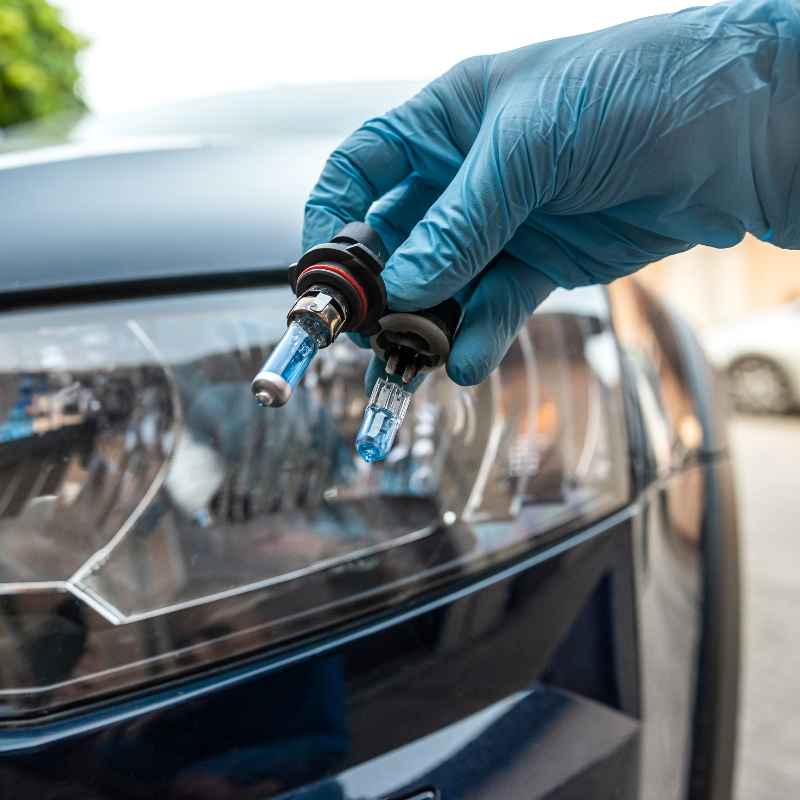
Handle New Bulbs Carefully: For halogen bulbs, avoid touching the glass with your bare fingers. Skin oils can create hot spots on the filament and cause the bulb to burn out prematurely. If you do touch the glass, wipe it clean with rubbing alcohol and a lint-free cloth.
Most LED and HID bulbs don’t have this issue, but it’s good practice to be gentle.
Consult Your Owner’s Manual: Your car’s owner’s manual is your best friend for installation. It will show you the location of the headlight bulb access panel and often provide step-by-step instructions for removing and replacing the bulbs. This is especially important for cars with complex headlight assemblies.
Tools You Might Need: Depending on your car, you might need a Phillips head screwdriver, a socket wrench set, or even trim removal tools to access the headlight housing. Some cars require removing the entire headlight assembly, which can be more involved.
LED and HID Kits May Be More Complex: If you’re installing an LED or HID conversion kit, it’s usually more complicated than a simple halogen bulb swap. These kits often involve mounting ballasts, connecting wiring harnesses, and ensuring proper polarity. If you’re not comfortable with automotive electrical systems, it’s best to have a professional install these.
Always follow the manufacturer’s installation guide precisely.
Aiming the Headlights: After replacing your bulbs, especially if you upgraded to a different type or if the old ones were significantly off, you may need to aim your headlights. Most cars have adjustment screws on the headlight assembly. There are specific procedures for aiming headlights to ensure they illuminate the road correctly without blinding others.
Many auto parts stores or repair shops can do this for you if you can’t do it yourself. Driving with misaligned headlights is unsafe.
Test Them Out: Once installed, turn on your headlights in a safe area, like your driveway or an empty parking lot at night. Check that both bulbs are working and that the beams appear to be properly aimed and have a clear cutoff line. Drive around a bit to see how they perform.
I once tried to change a headlight bulb on a newer model car that required removing the front bumper cover. I watched a YouTube video, and it looked straightforward. But when I started, I realized one of the clips was stuck, and I was worried about breaking something.
I ended up taking it to a local auto parts store that offered installation. They had it done in 10 minutes for a small fee. It was well worth avoiding the stress and potential damage.
So, don’t be afraid to seek professional help if a job seems too daunting.
Installation Checklist
- Safety First: Turn off the engine, engage the parking brake, and ensure the bulbs are cool.
- Consult Manual: Follow your car’s specific instructions.
- Handle Glass Carefully: Avoid touching halogen bulb glass.
- Replace as a Pair: Always change both bulbs at once.
- Correct Bulb Type: Double-check you have the right fit.
- Test Thoroughly: Verify function and aim after installation.
- Seek Help if Needed: Don’t risk damage if you’re unsure.
Frequently Asked Questions
Can I use any brand of headlight bulb?
While you can technically use many brands, it’s best to stick to reputable manufacturers like Philips, Sylvania, GE, or brands with consistently good reviews. Cheap, unbranded bulbs often compromise on brightness, lifespan, and safety standards, making them a poor value in the long run.
How often should I replace my headlight bulbs?
Halogen bulbs typically last between 400 and 1,000 hours of use. Depending on your driving habits, this can mean replacing them every 1 to 3 years. LED and HID bulbs last significantly longer, often tens of thousands of hours, so they usually don’t need regular replacement unless they fail.
What is the difference between a “performance” bulb and a standard one?
Performance bulbs are designed for enhanced brightness, a longer beam, or a whiter light output. They often achieve this through different filament designs or gas mixtures. However, they may have a shorter lifespan and can be more expensive than standard bulbs.
Is it legal to put LED headlights in a car that came with halogens?
This varies greatly by location and the specific type of LED kit. Many jurisdictions have regulations against retrofitting LED or HID bulbs into housings not designed for them, as beam patterns can be compromised. Always check your local laws and ensure any aftermarket kit is DOT-approved.
How can I tell if my headlight bulb is going bad?
Signs include a dimming beam, flickering light, a change in the light’s color (often turning yellowish or brownish), or the bulb completely failing. It’s also common to notice one headlight is noticeably brighter or whiter than the other.
Why are headlight bulbs so expensive at the dealership?
Dealerships typically sell Original Equipment Manufacturer (OEM) parts, which are guaranteed to be an exact fit and meet the car manufacturer’s specifications. They also have higher overhead costs. While you get certainty, you usually pay a premium compared to aftermarket options.
Can I buy just one headlight bulb, or do I need a pair?
It’s highly recommended to always replace headlight bulbs in pairs. Even if only one bulb has failed, the other is likely nearing the end of its lifespan. Replacing them as a pair ensures consistent brightness and color, which is crucial for safe driving.
Conclusion
Finding the cheapest place to buy car headlight bulbs doesn’t mean settling for less. It’s about being a smart shopper. Whether you prioritize immediate availability from a local store or hunt for the best online deal, always remember that safety and visibility are paramount.
Compare prices, read reviews, and choose reputable brands. Your wallet, and your drive, will thank you.
See also how to fix a car light bulb yourself step-by-step guide . See also car lights not working on one side here’s what to check.
Products related to this article
Sponsored / affiliate links. As an Amazon Associate I earn from qualifying purchases. I may earn additional commission from eligible campaigns.
 DARKBEAM LED Headlamp COB Floodlight Rechargeable with Red Light 2000 Lumen | Bright Head Lamps Headlight, Headlamps Head Flash Lights for Adults
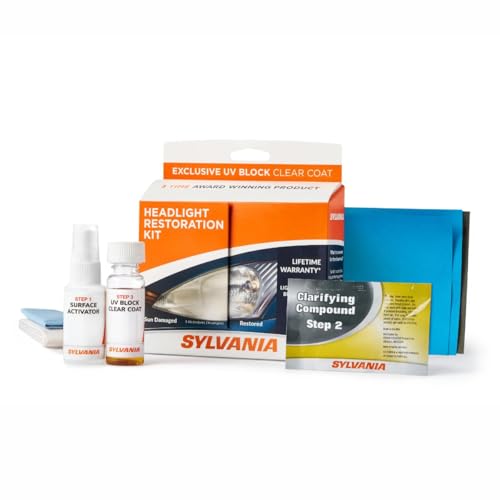 SYLVANIA Headlight Restoration Kit, Restores to Like-New Condition | Keeps Headlights Clear and Like-New with a Durable, Long-Lasting UV-Protective Coating for Easy At-Home Use