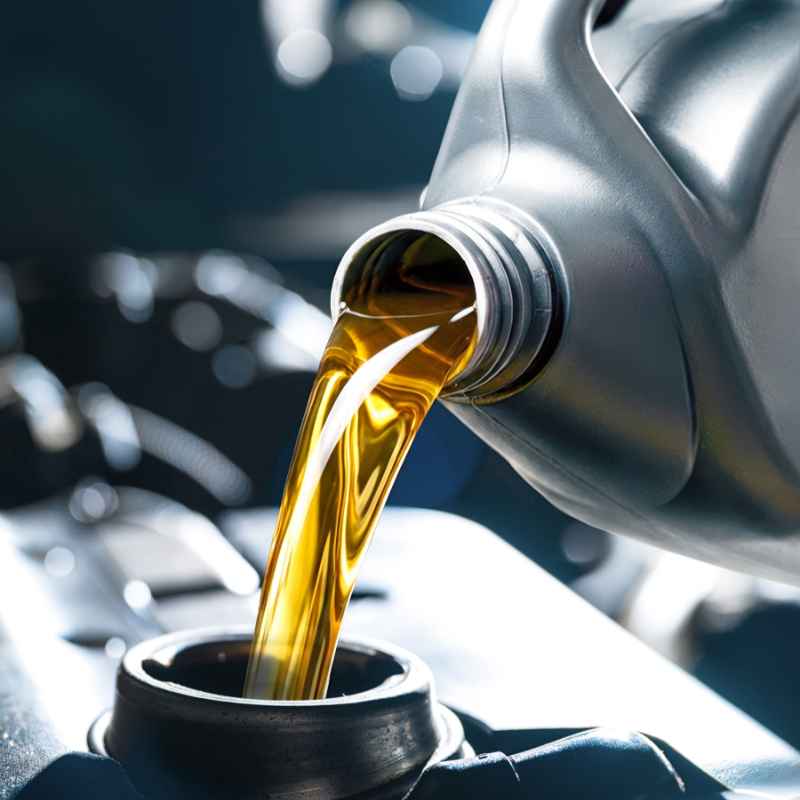
Why Does The Oil In My Car Keep Disappearing? Real Causes
Your car’s oil disappearing is often due to it burning off or leaking out. Common culprits include worn engine parts, faulty seals, or an old oil filter. Regularly checking your oil level and looking for signs like smoke or puddles can help you catch problems early.
Understanding these causes helps you keep your car running smoothly.
Understanding Oil Loss in Your Vehicle
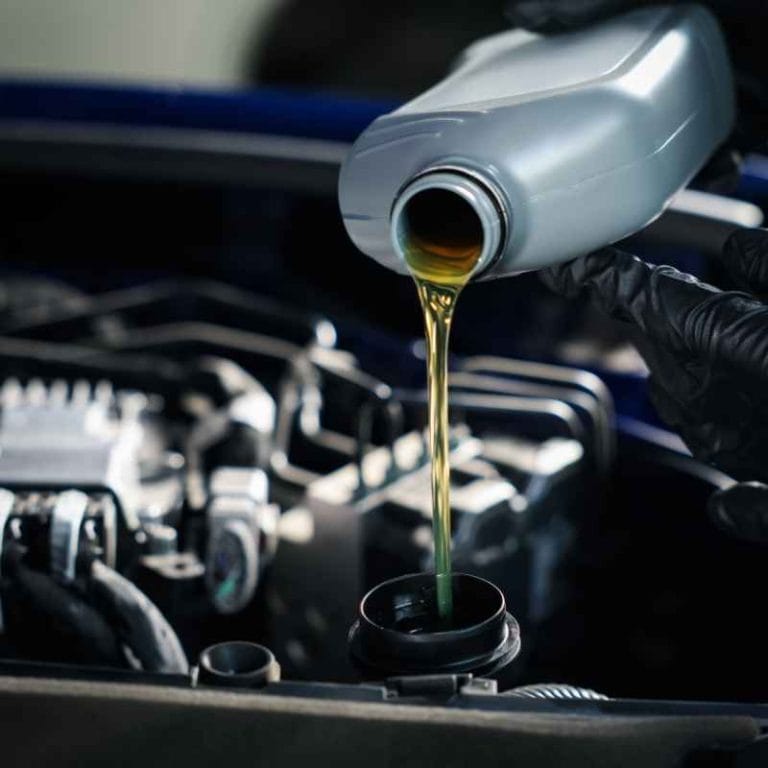
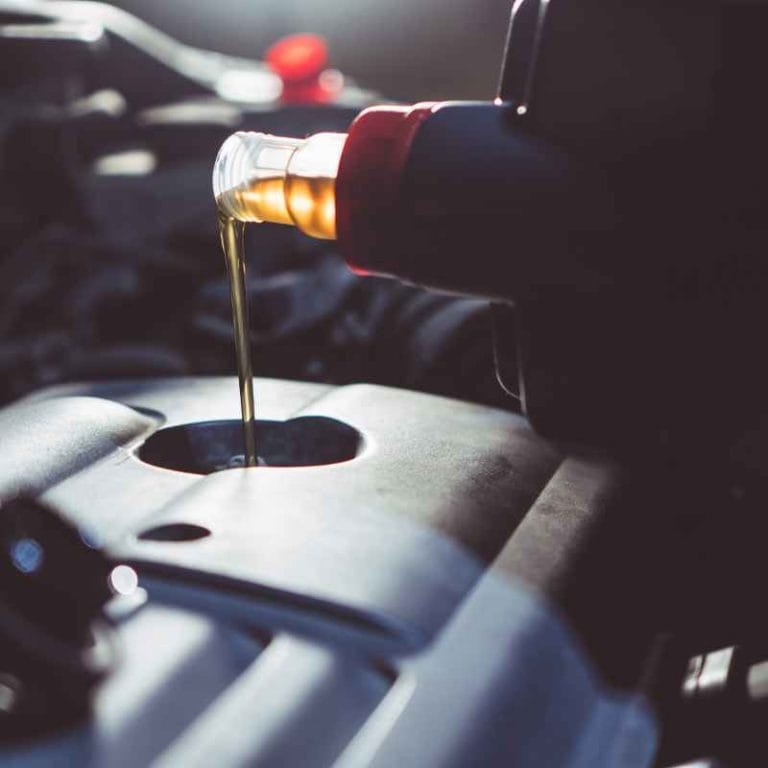
Motor oil is the lifeblood of your engine. It keeps things moving smoothly, reduces friction, and cools down hot parts. When oil levels drop unexpectedly, it means the oil isn’t where it’s supposed to be.
It’s either being used up by the engine itself or escaping from the system.
Think of your engine like a complex machine with many moving parts. These parts need constant lubrication. If the oil isn’t circulating properly, or if it finds a way out, the engine can overheat and suffer serious damage.
That’s why it’s so important to understand why your oil might be vanishing.
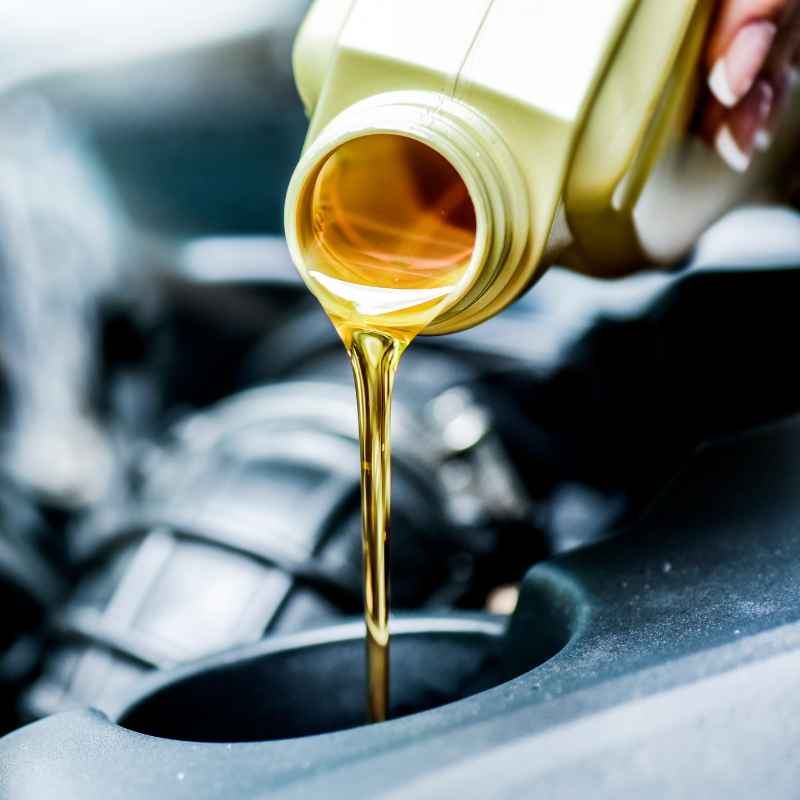
My Own Engine Oil Mystery: A Story of Smoke and Panic
I remember one particularly stressful evening. I was driving home from a friend’s house, miles from anywhere. The dashboard light, the dreaded oil pressure warning, flickered on.
My heart sank. I immediately pulled over, turned off the engine, and waited a few minutes before checking the dipstick. It was bone dry.
Not just low, but completely empty. Panic set in. I pictured a blown engine, a tow truck, and a huge repair bill.
The air smelled faintly acrid, like burnt toast, and a thin wisp of blue smoke curled from under the hood. I felt a knot of pure dread tighten in my stomach. That night, I learned a lot about how quickly things can go wrong.
Common Oil Loss Scenarios
Scenario 1: The Slow Burner
You notice the oil level drops gradually over weeks. This often means your engine is burning oil.
Scenario 2: The Sudden Drip
You find puddles of oil under your car. This points to a leak.
Scenario 3: The Mysterious Vanishing Act
Oil level drops quickly, but you see no leaks and no smoke. This can be trickier to diagnose.
When Your Engine Starts Burning Oil
One of the most common reasons oil levels drop is because the engine is actually burning it. This happens when oil gets past seals and into the combustion chambers. Once there, it mixes with the fuel and air and gets burned along with them.
When oil burns, it produces smoke. You might see this smoke coming from your exhaust pipe. The color of the smoke can tell you a lot.
Blue or bluish-grey smoke usually means oil is burning. This is different from white smoke (coolant) or black smoke (fuel). You might also notice a persistent smell of burning oil when the car is running.
What Causes Oil Burning?
Several internal engine components can wear out and cause oil to enter the combustion chamber. These include:
- Piston Rings: These are small metal rings that seal the gap between the pistons and the cylinder walls. If they become worn or stuck, oil can seep past them.
- Valve Seals: These rubber seals prevent oil from leaking down the valve stems into the combustion area. When they get old and brittle, they can fail.
- Cylinder Walls: Over time, the walls of the engine cylinders can become scored or worn, allowing oil to pass.
Sometimes, even a cracked engine block or a blown head gasket can allow oil into the combustion process. These are more serious issues that require immediate attention.
Quick Check: Spotting Oil Burning
What to look for:
- Blue or grey smoke from the exhaust pipe, especially when accelerating.
- A noticeable smell of burning oil.
- Frequent need to add oil between scheduled changes.
When it’s more likely:
- Older vehicles with high mileage.
- Engines that have experienced overheating.
Leaking Oil: The Visible Signs
Another major reason for disappearing oil is leaks. Oil can escape from your engine through various points. These leaks can be minor, a slow drip, or significant, a gushing flow.
The most obvious sign of an oil leak is finding oil spots or puddles under your car. If you park in the same spot regularly, you’ll start to notice them. They usually appear as dark brown or black stains on the pavement or your driveway.
Where Do Oil Leaks Happen?
Oil can leak from many places on an engine. Some common leak points include:
- Oil Pan Gasket: This seals the oil pan to the bottom of the engine. It can wear out or get damaged.
- Valve Cover Gasket: This seals the valve cover to the top of the engine. It’s a frequent source of leaks.
- Oil Filter: A faulty or loose oil filter can allow oil to escape. Even a damaged gasket on the filter can cause a leak.
- Drain Plug: This plug at the bottom of the oil pan is removed for oil changes. If it’s loose or the washer is damaged, it can leak.
- Oil Cooler Lines: Some cars have oil coolers with lines that can develop cracks or loose fittings.
- Crankshaft Seals / Camshaft Seals: These seals prevent oil from leaking out where the crankshaft and camshaft exit the engine block. They can become brittle with age.
Sometimes, a leak might not be obvious from underneath the car. Oil can leak onto hot engine parts and burn off, creating smoke and a smell without leaving a visible puddle.
Contrast: Normal vs. Concerning Oil Loss
Normal Oil Loss (Very Minor):
- A very slight drop on the dipstick over several thousand miles.
- Not noticeable between regular oil changes (e.g., 5,000-7,500 miles).
Concerning Oil Loss:
- Significant drop on the dipstick within a few weeks or months.
- Visible oil spots or puddles under the car.
- Blue smoke from the exhaust.
- Constant need to top off oil.
- Oil pressure warning light comes on.
External Factors Affecting Oil Level
It’s not always an internal engine problem. Sometimes, external factors can contribute to oil level changes or the perception of oil loss.
Incorrect Oil Level Reading: How you check your oil matters. The car needs to be on a level surface. If it’s on a slope, the reading can be inaccurate.
Also, checking the oil too soon after turning off the engine might mean some oil is still in the upper parts of the engine. It needs a few minutes to settle back into the pan.
Faulty Oil Filter or Cap: A loose oil filter or a loose oil filler cap is a surprisingly common issue. These can vibrate loose over time, allowing oil to seep out. A damaged seal on the filler cap can also lead to minor leaks.
Extreme Temperatures: In very cold weather, oil can become thicker. This might temporarily affect how it flows, but it doesn’t typically cause oil to disappear. In very hot weather, oil might expand slightly, but again, this doesn’t mean it’s gone.
Quick-Scan Table: Identifying Oil Issues
| Symptom | Possible Cause | Action Needed |
|---|---|---|
| Blue smoke from exhaust | Engine burning oil (piston rings, valve seals) | Check oil level, consult mechanic. |
| Oil spots under car | Oil leak (gaskets, seals, drain plug) | Inspect for leaks, check oil level. |
| Burning oil smell | Oil leak hitting hot engine parts, or burning oil | Check for leaks and smoke. |
| Oil pressure light | Critically low oil level or pressure issue | STOP driving immediately, check oil, call for tow. |
| No visible issue, but oil low | Internal leak, slow leak, or burning oil | Monitor closely, get professional inspection. |
The Role of Engine Wear and Age
As cars get older and accumulate more miles, engine parts naturally wear down. This wear is a primary driver behind both oil burning and leaks.
Think of it like the seals in your house. Over many years, they can dry out, crack, and lose their flexibility. The same happens inside an engine.
Rubber seals and gaskets become hardened and brittle. Metal parts that once fit snugly together develop tiny gaps. These gaps are where oil can start to escape or where it can be drawn into the combustion chamber.
An engine that has seen many miles, perhaps over 100,000 or more, is more prone to these issues. This doesn’t mean an older car is doomed, but it does mean being more vigilant about oil checks and maintenance.
When to Worry: Signs of Serious Problems
While minor oil loss can sometimes be managed, certain signs indicate a more serious underlying problem that needs immediate attention.
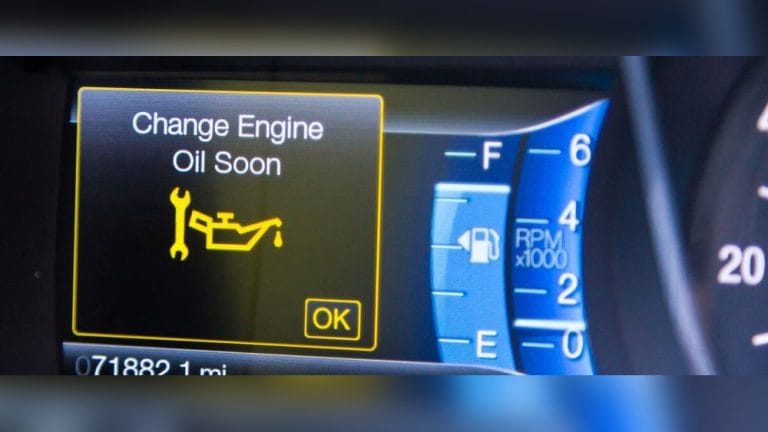
The most critical warning sign is the oil pressure warning light on your dashboard. This light doesn’t just mean your oil level is low; it means the engine isn’t getting enough oil pressure to lubricate its vital parts. Driving with low oil pressure can cause catastrophic engine damage very quickly.
If this light comes on, pull over safely and turn off the engine immediately. Do not restart it until the issue is diagnosed.
Other signs of serious trouble include:
- A significant and sudden drop in oil level, like my own scary experience.
- Visible clouds of blue smoke, especially if it’s consistent.
- A loud knocking or pinging sound from the engine.
- Overheating that persists even after addressing the oil level.
These symptoms suggest that the engine is either severely lacking lubrication or that a major component has failed.
My Experience: The Real Cost of Ignoring Oil
After that night, I had my car towed. The mechanic showed me the piston rings. They were worn down to almost nothing.
He said I was lucky the engine hadn’t seized up completely. The repair cost was substantial, easily over $3,000. If I had just checked my oil regularly and addressed the slight smoking I’d noticed earlier (but dismissed), I could have saved myself a lot of money and stress.
It was a harsh lesson in preventative maintenance and paying attention to the warning signs.
Simple Checks You Can Do at Home
Thankfully, you don’t need to be a mechanic to keep an eye on your oil level. Regular checks are your first line of defense.
1. Check Oil Level:
- Park your car on a flat, level surface.
- Wait at least 10-15 minutes after turning off the engine.
- Open the hood and find the oil dipstick. It usually has a bright-colored handle (often yellow or orange).
- Pull out the dipstick, wipe it clean with a rag or paper towel.
- Reinsert the dipstick fully, then pull it out again.
- Look at the end of the dipstick. You’ll see markings for “Add” or “Low” and “Full” or “Max”. Your oil level should be between these marks.
2. Look for Leaks:
- When you check your oil, also glance under the car for any fresh oil spots.
- Open the hood and look around the engine. Can you see any wet, oily residue on the engine block, valve cover, or oil pan?
3. Watch for Smoke:
- Pay attention to the exhaust. Do you see any unusual colored smoke?
- Listen for any strange engine noises.
Making these checks a habit, perhaps once a month or before a long trip, can help you catch issues early.
How To Check Your Oil Like a Pro (It’s Easy!)
- Find a Level Spot: This is crucial for an accurate reading.
- Let it Cool: Wait for the engine to cool down.
- Locate the Dipstick: It’s usually bright and easy to spot.
- Wipe, Insert, Pull: The simple three-step check.
- Observe the Level: Note where the oil mark is.
- Look for Contamination: Does the oil look milky or have debris?
When It’s Time to Call the Mechanic
While home checks are great, some problems require professional expertise. If you notice any of the following, it’s time to schedule a visit to your trusted mechanic:
- The oil pressure warning light comes on.
- You see significant oil spots under your car that weren’t there before.
- You notice persistent blue smoke from your exhaust.
- Your car is consuming an unusually large amount of oil, requiring frequent top-ups.
- You hear new, concerning noises from the engine.
- You’ve checked your oil and it’s consistently below the “Add” mark.
Mechanics have special tools and expertise to pinpoint the exact source of leaks or diagnose internal engine issues. They can also recommend the best course of action, whether it’s a simple gasket replacement or a more involved engine repair.
Professional Inspection Points
What a Mechanic Looks For:
- Leak Detection: Using UV dye and blacklights to find even the smallest leaks.
- Compression Test: To check the health of piston rings and valves.
- Oil Pressure Test: To confirm if the oil pump and pressure are within spec.
- Visual Inspection: Thorough examination of all seals, gaskets, and engine components.
Preventative Maintenance: Your Best Defense
The best way to deal with disappearing oil is to prevent it from happening in the first place. Regular maintenance is key.
1. Follow Your Car’s Maintenance Schedule: Your owner’s manual has a recommended schedule for oil changes, filter replacements, and other services. Sticking to this schedule is vital.
2. Use the Right Oil: Always use the type and viscosity of oil recommended by your car manufacturer. Using the wrong oil can affect lubrication and even cause damage.
3. Change Oil Filters: The oil filter removes debris from the oil. A clogged filter can impede oil flow and put stress on the system.
Always replace the filter when you change the oil.
4. Address Small Issues Promptly: If you notice a tiny oil spot or a faint smell, don’t ignore it. Getting it checked out when it’s small can prevent it from becoming a big, expensive problem.
Think of your car like your health. Regular check-ups and healthy habits keep you running smoothly. The same goes for your vehicle and its oil.
Frequently Asked Questions About Disappearing Car Oil
Why does my car use oil even if there are no leaks?
If there are no visible leaks, your car is likely burning oil. This happens when oil gets past worn piston rings or valve seals and enters the combustion chamber, where it’s burned along with fuel. It can also be due to an internal leak within the engine that isn’t visible externally.
How much oil is too much for my car to be burning?
There’s no single answer, as it varies by car model and engine. However, if you’re adding more than a quart of oil between your scheduled oil changes (typically 5,000-7,500 miles), it’s considered excessive and warrants investigation. Some older or high-mileage vehicles might naturally burn a bit more oil, but a significant drop is always a concern.
Can a loose gas cap cause oil to disappear?
No, a loose gas cap will not cause your car’s oil to disappear. A loose gas cap typically causes issues with your emissions system and will often trigger a check engine light. Oil loss is related to the engine’s lubrication system.
What is the difference between oil loss and low oil pressure?
Oil loss refers to the physical disappearance of oil from the engine, meaning the oil level on the dipstick drops. Low oil pressure means the oil pump isn’t circulating the oil with enough force to properly lubricate the engine’s components. You can have low oil pressure because of a low oil level, but low oil pressure can also occur even if the oil level is correct due to a faulty oil pump or a blockage.
Is it safe to drive if my oil level is low but the warning light isn’t on?
It’s generally not recommended to drive for extended periods with a significantly low oil level, even if the warning light isn’t illuminated. The oil pressure warning light comes on when the pressure is critically low, but there’s a range below the ‘full’ mark where lubrication can be compromised, especially during hard acceleration, braking, or cornering. It’s best to top off the oil to the proper level immediately.
How often should I check my car’s oil level?
You should check your car’s oil level at least once a month, and ideally before any long road trips. If you notice your car is older or has a history of oil consumption, checking it more frequently, perhaps every other fuel fill-up, is a good practice. Paying attention to your car’s specific needs is key.
Conclusion: Keeping Your Engine Happy
Seeing your car’s oil level drop can be worrying. But by understanding the common causes—burning oil, leaks, or other external factors—you can be more prepared. Regular checks at home and sticking to your car’s maintenance schedule are your best tools.
Don’t ignore warning signs like smoke or dashboard lights. Addressing these issues early can save you significant money and keep your engine running smoothly for many more miles.
Products related to this article
Sponsored / affiliate links. As an Amazon Associate I earn from qualifying purchases. I may earn additional commission from eligible campaigns.