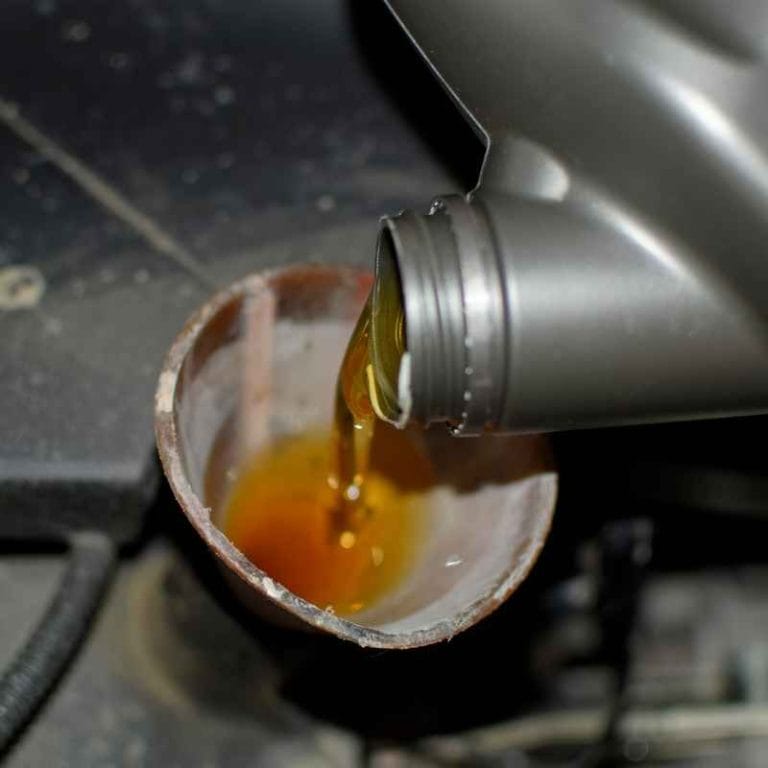
Why Is My Car Engine Oil Low? Causes & What to Do Next
Finding your car engine oil low can be alarming, especially if you just topped it off recently. This guide breaks down the most common reasons for sudden or gradual oil loss and gives you a clear action plan to protect your engine.
We will cover everything from simple external leaks to internal engine problems, how to properly check your oil level, and what steps you should take right now to avoid costly damage. Whether you drive an older vehicle or a newer model, understanding why oil disappears is the first step to keeping your car healthy.
Simply put, low engine oil usually points to either an external leak (oil dripping onto the ground), internal burning (oil entering the combustion chamber), or normal consumption in high-mileage engines. Check your dipstick first, look for puddles under your car, and monitor for blue exhaust smoke to narrow down the cause quickly.
Key Takeaways
- Low engine oil commonly results from external leaks at gaskets or seals, internal burning through piston rings, or simple age-related consumption.
- Check your dipstick regularly with the car on level ground and the engine cold for an accurate oil level reading.
- Driving with low oil can cause severe engine damage including seized bearings, scored cylinder walls, and complete engine failure.
- Oil consumption varies by make and model; some manufacturers consider 1 quart per 1,000 miles as normal.
- Fixing the root cause early saves thousands in repairs and extends engine life significantly.
What Causes Low Engine Oil Levels?
Several factors can cause your engine oil to run low between changes. Some are simple and inexpensive to fix, while others point to deeper mechanical issues. Identifying the specific cause is critical for the right repair.
External Oil Leaks
The most visible reason for low oil is a leak. Oil can escape through worn gaskets, seals, or a damaged oil pan. Common leak points include the valve cover gasket, oil pan gasket, front and rear main seals, and the oil filter housing.
- Valve cover gasket leak: oil pools on top of the engine, often smells burnt
- Oil pan gasket leak: oil drips directly under the car, especially after parking
- Rear main seal leak: oil appears between engine and transmission, harder to spot
- Oil filter housing leak: oil around the filter area, often caused by loose or double gaskets
- Oil drain plug leak: stripped threads or missing washer causes slow drip
Warning: A small drip can lose a full quart over a few hundred miles. Always park on clean cardboard to spot fresh oil drops. Ignoring a slow leak can turn into a major failure on the highway.
Internal Oil Burning
When oil enters the combustion chamber and burns with fuel, you may not see a leak but your oil level drops steadily. Blue-tinted exhaust smoke is a classic sign of burning oil. Worn piston rings, valve stem seals, or a clogged PCV (Positive Crankcase Ventilation) system are typical culprits.
| Cause | Sign | Repair Cost Range |
|---|---|---|
| Worn piston rings | Blue smoke on acceleration, high oil consumption | $1,500 – $4,000 |
| Bad valve stem seals | Blue smoke on deceleration or startup | $500 – $1,500 |
| Clogged PCV valve | Oily residue in intake, rough idle | $50 – $150 |
Internal burning is harder and more expensive to fix than external leaks. If you see blue smoke consistently, a compression test and leakdown test can confirm whether rings or valve seals are the problem.
How to Check Your Engine Oil Level Properly
Many drivers check their oil incorrectly, leading to false readings. The dipstick measurement is accurate only when done right. A wrong reading can make you think your oil is fine when it is dangerously low.
Step-by-Step Dipstick Check
- Park your car on level ground and turn off the engine. Wait 5-10 minutes for oil to settle back into the pan.
- Open the hood and locate the dipstick handle, usually bright yellow or orange.
- Pull the dipstick out completely and wipe it clean with a lint-free cloth or paper towel.
- Insert the dipstick all the way back into the tube, then pull it out again to read the level.
- Oil should be between the minimum and maximum marks. If it is at or below the low mark, you need to add oil.
- Check oil color and consistency: amber and smooth is good; dark, gritty, or milky indicates problems.
Tip: Always check your oil at the same time of day and under similar conditions for consistent readings. Cold oil is thicker, so readings may vary slightly between a hot and cold engine. For most cars, checking cold gives the most accurate baseline.
The American Automobile Association (AAA) reports that nearly 15% of drivers have never checked their oil, and another 20% do not know how to read a dipstick correctly. That lack of awareness leads to thousands of preventable engine failures every year. Make dipstick checks a monthly habit.
What Happens When You Drive with Low Oil?
Engine oil does more than lubricate; it cools, cleans, and seals internal components. Running the engine with insufficient oil creates friction, heat, and metal-on-metal contact that destroys parts quickly. Damage can occur in minutes, not hours.
- Increased friction between pistons and cylinder walls causes scoring and wear
- Bearings overheat and spin, leading to rod knock and catastrophic failure
- Oil pressure drops, triggering the low oil pressure warning light
- Engine temperature rises as oil loses its cooling ability
- Sludge and deposits form faster, clogging oil passages
| Oil Level | Risk Level | Possible Outcome |
|---|---|---|
| 1 quart low | Moderate | Increased wear over time, reduced engine life |
| 2 quarts low | High | Overheating, bearing damage, possible seizure |
| Below minimum mark | Critical | Engine seizure within 5-10 miles of driving |
According to the Automotive Service Association, low oil is a factor in roughly 20% of engine failures brought to repair shops. The average cost to replace a seized engine ranges from $4,000 to $8,000, depending on the vehicle. Compare that to the $5 it costs to add a quart of oil, and the value of regular checks becomes obvious.
Important: If your oil pressure warning light comes on while driving, pull over immediately and turn off the engine. Continuing to drive even a short distance can cause irreversible internal damage. Call a tow truck to be safe.
Why Is My Car Losing Oil Without a Leak?
If you see no puddles on the ground and the engine bay looks clean, yet the dipstick reads low, you likely have an internal consumption problem. Oil can disappear through the combustion process or through the PCV system without leaving any external trace.
Normal vs. Excessive Oil Consumption
All engines consume some oil by design. The manufacturer sets acceptable consumption limits, which vary widely. For example, BMW and Audi have historically stated that 1 quart per 1,000 miles is within spec, while Toyota and Honda typically consider 1 quart per 3,000 miles as the upper limit.
- Modern turbocharged engines tend to consume more oil than naturally aspirated ones
- High-mileage engines (over 100,000 miles) naturally burn more oil due to worn rings and seals
- Driving style matters: frequent hard acceleration and high RPMs increase oil consumption
- Oil viscosity matters: using a thinner oil than recommended can increase consumption
- Temperature and climate affect oil loss: hot weather and long highway trips increase evaporation and burn-off
If your car consumes more than 1 quart every 1,000 miles, it is worth investigating. A shop can perform an oil consumption test by measuring exact oil loss over a set distance. The test can confirm whether consumption is normal or excessive.
How Often Should You Check and Change Your Oil?
Regular oil level checks are just as important as oil changes. Many modern cars have oil life monitoring systems, but these only estimate remaining oil life, not oil level. You still need to verify the physical amount of oil in the engine.
Recommended Schedule
- Check oil level every other fuel fill-up or at least once a month
- Perform oil changes according to your owner’s manual or oil life monitor
- For older cars with known consumption, check oil every 500-1,000 miles
- After any long road trip, check oil level before the return drive
- Always check oil level after an oil change to confirm proper fill
The oil change interval has changed dramatically in recent decades. The Environmental Protection Agency (EPA) reports that modern synthetic oils can last 7,500 to 15,000 miles in many vehicles, compared to the old standard of 3,000 miles. However, severe driving conditions like frequent short trips, towing, or dusty roads may require more frequent changes.
Always follow the severe service schedule in your manual if you drive under harsh conditions.
Tip: Keep a quart of the exact oil grade your car needs in the trunk. That way you can top off immediately if you find the level low during a roadside check. Use the oil type specified in your owner’s manual or on the oil fill cap.
What to Do If Your Engine Oil Is Low
Discovering low oil does not automatically mean your engine is damaged. How you respond makes a big difference. Follow these steps in order to assess the situation and decide whether you can drive or need a tow.
Immediate Steps
- Stop driving immediately if the oil pressure light is on or if the engine sounds rough
- If you have oil with you, add enough to bring the level to the full mark on the dipstick
- If you do not have oil, get the correct viscosity from a nearby parts store or gas station
- After adding oil, start the engine and check for the oil pressure light to turn off within 2-3 seconds
- Listen for knocking, ticking, or unusual engine noise that was not there before
- Inspect under the car for fresh oil drips after adding oil and running the engine briefly
When to Drive vs. When to Tow
| Situation | Action | Reason |
|---|---|---|
| Oil level low but light off, no noises | Add oil and drive | No active damage, safe to proceed |
| Oil pressure light came on briefly then off | Add oil, drive carefully to shop | Possible minor damage, needs inspection |
| Oil pressure light stays on, engine knocking | Tow to repair shop | Active damage occurring, driving worsens it |
After you address the immediate low oil situation, schedule a diagnostic appointment with a mechanic to find the root cause. A professional can pinpoint whether you have a leak, a consumption issue, or both, and recommend the right repair.
Frequently Asked Questions
Why is my engine oil low but no leak?
If you see no puddles or drips, your engine is likely burning oil internally. Worn piston rings, bad valve stem seals, or a faulty PCV system allow oil to enter the combustion chamber and be burned with fuel. Blue exhaust smoke is a telltale sign of internal oil consumption.
How much oil loss is normal per month?
Normal oil consumption varies by vehicle. Many manufacturers consider 1 quart per 1,000 miles as acceptable. For a typical driver covering 1,000 miles per month, losing up to 1 quart in that period may be normal, especially in turbocharged or high-mileage engines.
Always check your specific owner’s manual for guidance.
Can low oil cause check engine light to come on?
Yes, low oil can trigger the check engine light indirectly. Low oil pressure can cause the camshaft phasers to malfunction, which sets camshaft timing codes. Also, low oil can lead to engine misfires due to reduced hydraulic pressure in variable valve timing systems.
Fixing the oil level and pressure often clears these codes.
Is it safe to drive with low oil if the light is off?
Not necessarily. The oil pressure light only turns on when pressure drops to a dangerous level. You can have low oil without triggering the light during gentle driving.
However, hard acceleration or uphill driving can suddenly starve the oil pickup, causing a rapid pressure drop and potential damage. Top off the oil as soon as possible.
How often should I check my engine oil?
Check your engine oil at least once a month and before any long road trip. For older vehicles or those with known consumption issues, check every 500-1,000 miles. Getting into the habit of checking oil every time you fill up with gas is the easiest way to stay on top of it.
Final Thoughts
Low engine oil is a common issue that ranges from a minor inconvenience to a major engine emergency. Checking your dipstick regularly, understanding the difference between leaks and burning, and responding quickly to warning signs can keep your car running reliably for years. A quart of oil and five minutes of your time are cheap insurance against a multi-thousand-dollar engine replacement.
Make oil checks part of your routine and address any unexplained loss without delay.