How Much Oil Does a Car Need? Here’s the Exact Amount
Knowing how much oil does a car need is crucial for proper engine maintenance. This guide reveals the exact oil capacity for most vehicles and explains why the right amount matters for engine health and longevity.
Simply put, most cars require between 4 and 8 quarts of engine oil, depending on engine size. Compact engines typically need 4-5 quarts, while larger V6 and V8 engines may need 6-8 quarts. Always check your owner’s manual for the exact manufacturer-recommended capacity.
Key Takeaways
- How much oil a car needs depends on engine size, type, and manufacturer specifications.
- Compacts and sedans usually hold 4-5 quarts; SUVs and trucks can hold 6-8 quarts or more.
- Overfilling or underfilling oil can cause serious engine damage — always use the dipstick to confirm.
- Always refer to your owner’s manual for the exact oil capacity and recommended viscosity.
- Oil quality and change intervals directly impact engine performance and fuel economy.
What Determines How Much Oil Your Car Needs?
Engine oil capacity is not a one-size-fits-all number. Several factors influence the exact amount of oil your car requires. The most significant factor is engine displacement — the total volume of all cylinders measured in liters.
Larger engines have bigger oil pans and more moving parts that need lubrication. A 2.0L four-cylinder engine will require less oil than a 5.7L V8. Other key determinants include engine design (V-configuration vs.
inline), whether the engine has a turbocharger (which may need extra oil), and the presence of an oil cooler or auxiliary systems.
Manufacturers engineer each engine with a specific oil capacity to ensure optimal circulation and cooling. Using too little oil can starve the engine of lubrication, while too much can cause foaming and increased pressure, leading to seal damage.
Engine Size and Typical Oil Capacities
| Engine Type | Typical Oil Capacity | Common Vehicles |
|---|---|---|
| 4-Cylinder (1.5L – 2.5L) | 4 – 5 quarts | Honda Civic, Toyota Corolla, Mazda3 |
| V6 (3.0L – 3.8L) | 5 – 6 quarts | Honda Accord V6, Ford Mustang V6, Jeep Grand Cherokee |
| V8 (5.0L – 6.2L) | 6 – 8 quarts | Chevrolet Silverado, Ford F-150, Dodge Charger R/T |
| Turbocharged 4-Cylinder | 5 – 6 quarts | Subaru WRX, Volkswagen Golf GTI, Hyundai Sonata N Line |
These ranges are general guidelines. Always verify your exact capacity using your vehicle’s owner’s manual or the manufacturer’s official website.
How to Find the Exact Oil Capacity for Your Car
There are three reliable ways to determine the exact amount of oil your car needs. The most authoritative source is your owner’s manual. Look for the “Specifications” or “Capacities” section, which lists engine oil capacity along with the recommended viscosity grade.
If you don’t have the manual, you can check the oil filler cap — many manufacturers stamp the correct oil type and capacity directly on the cap. Another option is to look up your vehicle’s VIN on the manufacturer’s parts portal or a trusted database like RockAuto or the OEM parts site.
Online resources such as CarCareKiosk or Edmunds also maintain oil capacity databases, but be cautious — cross-check with at least two sources.
Pro Tip: Write your car’s oil capacity and viscosity on a sticker inside the glove box. This saves time during oil changes and helps prevent using the wrong amount.
Oil Capacity vs. Oil Level: What’s the Difference?
Many drivers confuse oil capacity with the oil level shown on the dipstick. Oil capacity is the total volume the engine can hold when completely empty (after an oil change). Oil level is how much oil is actually in the pan at any given time.
When you change the oil, you drain the old oil and replace it with the full capacity amount. Between changes, oil level drops slowly due to normal consumption (especially in high-mileage engines). The dipstick tells you if the level is within the safe range — between “Low” and “Full” marks.
It’s important to note that you should never fill the engine to capacity unless you’ve completely drained the old oil. Topping off just one or two quarts is fine; adding the full capacity when the pan already has oil will cause overfilling.
Signs Your Car Has the Wrong Amount of Oil
Using the wrong amount of oil — either too little or too much — can cause noticeable symptoms. Recognizing these early can save you from expensive repairs.
Signs of Low Oil Level
- Dashboard warning light: The oil pressure or low oil level light illuminates.
- Tapping or ticking noises: The engine sounds louder, especially when cold.
- Oil smell or smoke: Burning oil may indicate a leak or excessive consumption.
- Poor performance: Noticeable drop in power and fuel economy.
- Overheating: Oil helps cool the engine; low oil can cause higher temperatures.
Signs of Overfilled Oil
- Foamy or milky oil on dipstick: Air bubbles in the oil reduce lubrication.
- Engine misfires or rough idle: Excess oil can be drawn into the combustion chamber.
- Blue smoke from exhaust: Burning oil creates blue-tinted smoke.
- Oil leaks: Too much pressure can force oil past seals and gaskets.
- Check engine light: The vehicle’s computer may detect abnormal operating conditions.
Warning: If you see any of these signs, stop driving immediately and check your oil level. Driving with incorrect oil levels can cause catastrophic engine failure.
How to Check Your Oil Level Correctly
Checking oil level is quick and essential. Follow these steps for an accurate reading:
- Park on level ground and turn off the engine. Wait 5–10 minutes for oil to settle.
- Open the hood and locate the dipstick (usually a yellow or orange loop handle).
- Pull the dipstick out and wipe it clean with a lint-free cloth.
- Insert the dipstick all the way back in, then pull it out again.
- Read the oil level: ideally between the two marks (Low and Full).
- If below the Low mark, add oil in small increments (about a half-quart at a time) and recheck.
Check your oil level at least once a month, or before long trips. Many newer vehicles have electronic oil level monitoring, but it’s still wise to verify manually.
What Happens If You Use the Wrong Oil Capacity?
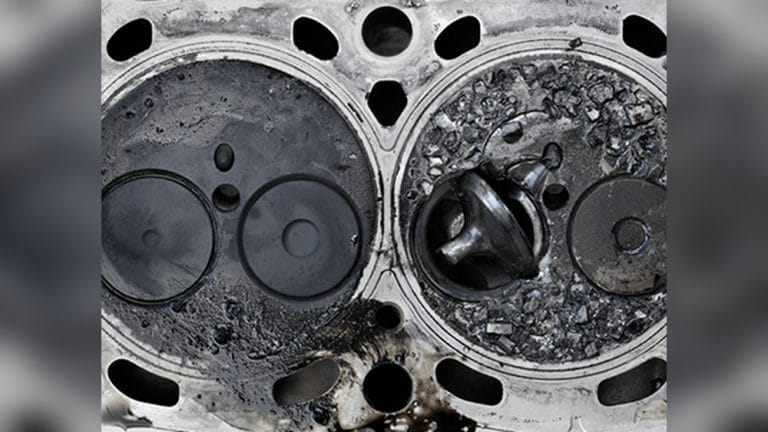
Using the wrong amount of oil, even if you use the correct viscosity, can harm your engine. Underfilling leads to insufficient lubrication, causing friction between metal parts. Over time, this wears down bearings, rings, and cylinder walls.
According to the American Automobile Association (AAA), low oil is a leading cause of engine failure in vehicles with over 100,000 miles.
Overfilling, on the other hand, can cause the oil to foam when the crankshaft churns through it. Foam contains air bubbles, which cannot lubricate effectively. The Journal of Automotive Engineering reports that overfilling by even 1 quart can increase oil pressure by 20% and risk seal rupture.
Both scenarios can trigger a check engine light and lead to costly repairs. Using the exact capacity specified by the manufacturer is the only safe approach.
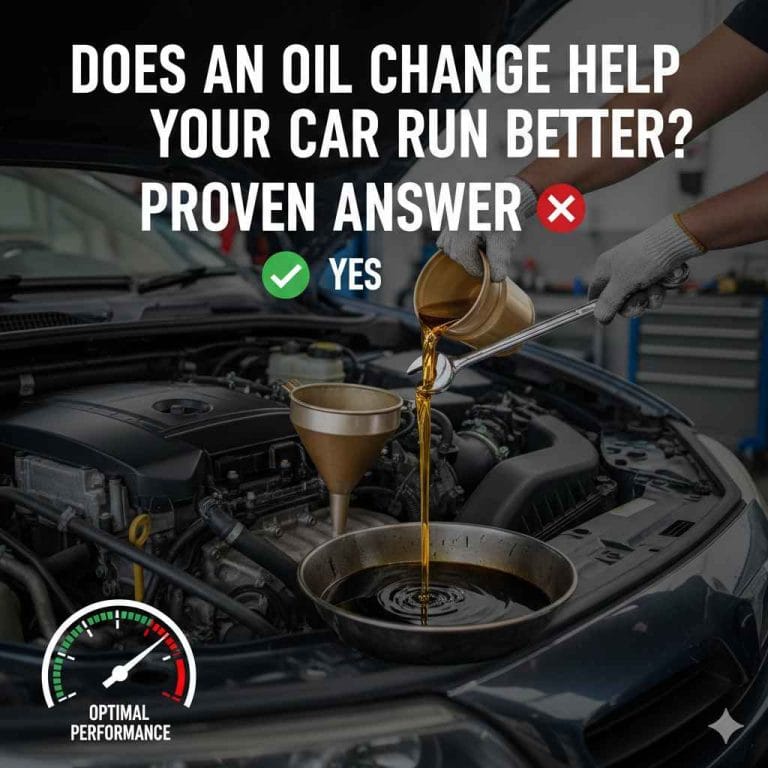
How Much Oil Does a Car Need for a Full Oil Change?
When performing a complete oil change, you need to replace the entire capacity of the engine. Here is a step-by-step breakdown:
- Drain old oil: Remove the drain plug and let all oil flow out (about 10 minutes).
- Replace filter: Change the oil filter before adding new oil.
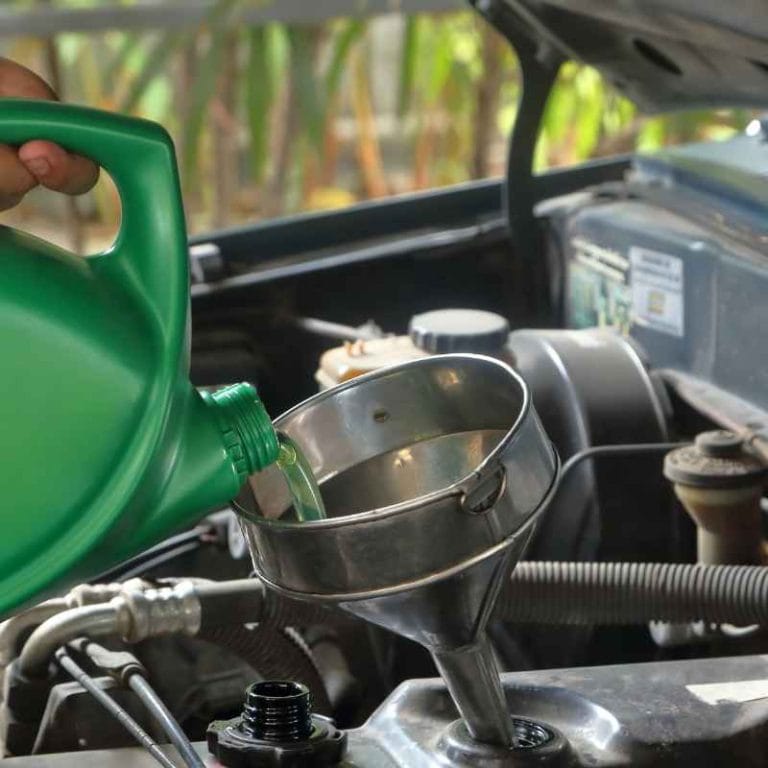
- Add new oil: Pour in the recommended amount minus half a quart.
- Check level: Run the engine for 30 seconds, then turn off and check dipstick.
- Top off: Add additional oil in small increments until the dipstick reads “Full”.
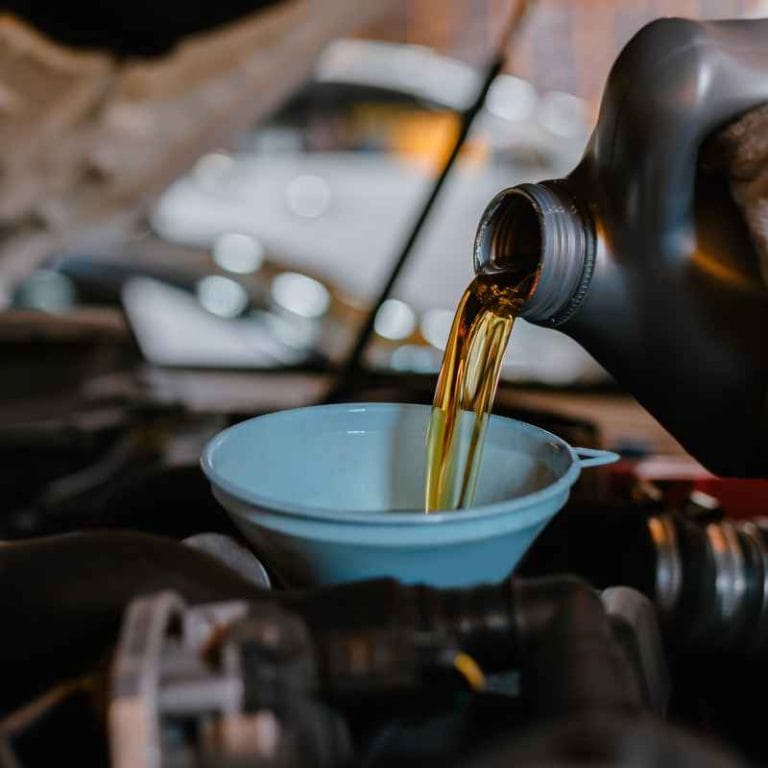
Most DIYers find that buying a 5-quart jug plus an extra quart is sufficient for most cars. For engines requiring 6+ quarts, you may need two 5-quart jugs or a combination of jugs and single quarts.
Important: Always use the oil viscosity (e.g., 5W-30, 10W-40) listed in your owner’s manual. Using different grades can affect oil pressure and fuel economy.
Oil Capacity Frequently Asked Questions
Frequently Asked Questions
How much oil does a typical car need?
A typical sedan or hatchback with a 4-cylinder engine needs about 4 to 5 quarts of oil. Larger vehicles like SUVs and trucks with V6 or V8 engines may need 6 to 8 quarts. Always verify with your owner’s manual.
Can I put too much oil in my car?
Yes, overfilling can cause serious issues. Excess oil creates foam, reduces lubrication effectiveness, and can damage seals and gaskets. If you accidentally overfill, remove the excess using a siphon or drain plug.
Do I need to check oil when the engine is hot or cold?
Manufacturers recommend checking oil when the engine is warm but turned off for 5–10 minutes. This allows oil to drain back into the pan for an accurate reading. Some newer cars have electronic sensors that work instantly.
How often should I check my oil level?
Check your oil at least once a month and before any long road trip. High-mileage vehicles or those that consume oil may need checks every fill-up. Modern cars with synthetic oil often stretch changes to 7,500–10,000 miles.
What should I do if my oil level is low?
Add the correct type and viscosity of oil slowly, checking the dipstick after each half-quart. Do not overfill. If you notice frequent low oil levels, have your vehicle inspected for leaks or excessive oil consumption by a certified mechanic.
Final Thoughts
Knowing how much oil does a car need is a simple but vital skill for any driver. The exact capacity depends on your engine size, so always rely on your owner’s manual. Check your oil level regularly and use the correct amount to avoid expensive engine damage.
With proper care, your engine will run smoothly for miles to come.