Why Do Car Brake Discs Rust And Is It a Serious Problem?
Car owners often notice a thin layer of rust forming on their brake discs, especially after a rainy night or a car wash. The sight of reddish-brown patches on what seems to be a crucial safety component can cause immediate concern. Is this rust dangerous? Does it mean your brakes are failing? Or is it just a normal part of car ownership? Understanding why brake discs rust and whether it’s a serious issue is important for every driver who values safety, performance, and the longevity of their vehicle.
Rust on brake discs is one of those quirks of automotive engineering that can spark anxiety but is rarely explained in detail at the dealership or in owner’s manuals. This article dives deep into the science of brake disc corrosion, why it happens so frequently, how it impacts your vehicle, and what you can do about it.
We’ll break down the causes, risks, and best practices for maintenance—using real-world examples, expert insights, and data to give you clear, actionable advice. By the end, you’ll know when to shrug off surface rust, when to take action, and how to keep your brakes in peak condition.
Key Takeaways
- Brake disc rust is common and typically forms quickly after exposure to moisture, but most surface rust is not dangerous.
- Material choice, environmental conditions, and driving habits all influence how quickly and severely rust appears on brake discs.
- In most cases, regular driving removes surface rust, but neglected rust can lead to pitting, reduced braking performance, and safety risks.
- Proper maintenance and storage can minimize rust, and knowing when rust is serious helps prevent costly repairs.
- Not all brake discs are created equal—coated vs. uncoated discs show different rust behaviors.
- Drivers should be aware of the signs of dangerous rust and seek professional advice when in doubt.

Credit: www.trodo.com
Why Do Brake Discs Rust? The Science Explained
The Chemistry Of Rust Formation
Rust, or iron oxide, forms when iron-containing metals react with oxygen and moisture. Brake discs, typically made from cast iron due to its excellent heat absorption and dissipation properties, are highly susceptible to this reaction. When water—be it from rain, road spray, or washing—comes into contact with the discs, a chemical reaction occurs:
- Iron (Fe) in the disc reacts with oxygen (O2) in the air, facilitated by water (H2O).
- The result is iron oxide (Fe2O3), commonly known as rust.
Even a small amount of humidity can trigger this process, especially if a car is parked overnight or left unused for days.
The process starts almost immediately when the conditions are right. In fact, laboratory studies show that flash rusting can begin within just 30 minutes after exposure to water, and visible rust is often present within a few hours. This is why you might notice rusty brake discs after leaving your car parked on a damp evening or following a car wash.
Why Are Brake Discs More Prone Than Other Parts?
Unlike body panels, brake discs are typically left unpainted and uncoated (except for specialty or high-performance discs). Any coating could reduce friction or interfere with braking efficiency. This leaves them exposed to the elements, especially compared to other car parts that are painted, galvanized, or otherwise protected.
The unique function of brake discs means that the surface must remain bare to ensure maximum grip between the disc and the brake pads. While the non-contact areas (such as the hub and edges) may sometimes receive a protective coating, the area where the pads make contact is intentionally left exposed to maintain braking performance.
By contrast, components like suspension arms, fuel tanks, and body panels are almost always treated with anti-corrosion measures, resulting in a much lower propensity for rust.
In addition, brake discs are positioned just behind the wheels, making them susceptible to road spray, salt, and debris. Open wheel designs, which are popular for their sporty looks, can further expose the discs to moisture and contaminants, hastening the rusting process.
Environmental Factors
- Climate: High humidity, coastal areas with salty air, and frequent rain accelerate rust formation. For example, cars in Florida or the UK experience faster rusting than those in arid regions such as Arizona.
- Parking location: Outdoor parking exposes discs to dew, rain, and condensation, while garages can help reduce exposure. In urban environments, where street parking is common, brake discs often rust more quickly than those of vehicles stored indoors.
- Seasonal factors: Winter brings road salt, which can exacerbate corrosion, especially in northern climates. Salt acts as an electrolyte, accelerating the electrochemical process that leads to rust. Snow and ice further increase moisture exposure, making winter a peak season for brake disc rusting.
The Role Of Driving Habits
How you drive impacts rust:
- Frequent use: Regular braking polishes away surface rust. Each time you use the brakes, the pads act like scrapers, removing any nascent rust and keeping the disc surface smooth and clean.
- Short, infrequent trips: If brakes aren’t used enough, rust can build up. Short trips may not heat the discs enough to evaporate moisture, leaving the surface damp and prone to rusting.
- Long periods of disuse: Extended parking allows moisture to sit, increasing the chance of more severe rusting. Vehicles left stationary for weeks—such as RVs, classic cars, or cars stored during vacations—often develop deep rust or pitting that cannot be easily removed by normal braking.
Additionally, certain driving patterns, such as gentle braking or heavy reliance on engine braking, may not generate enough friction to clean off the disc surface thoroughly. In hybrid and electric vehicles, regenerative braking systems can further reduce the use of traditional friction brakes, leading to more frequent rust buildup.
How Serious Is Rust On Brake Discs?
Surface Rust: Harmless Or Harmful?
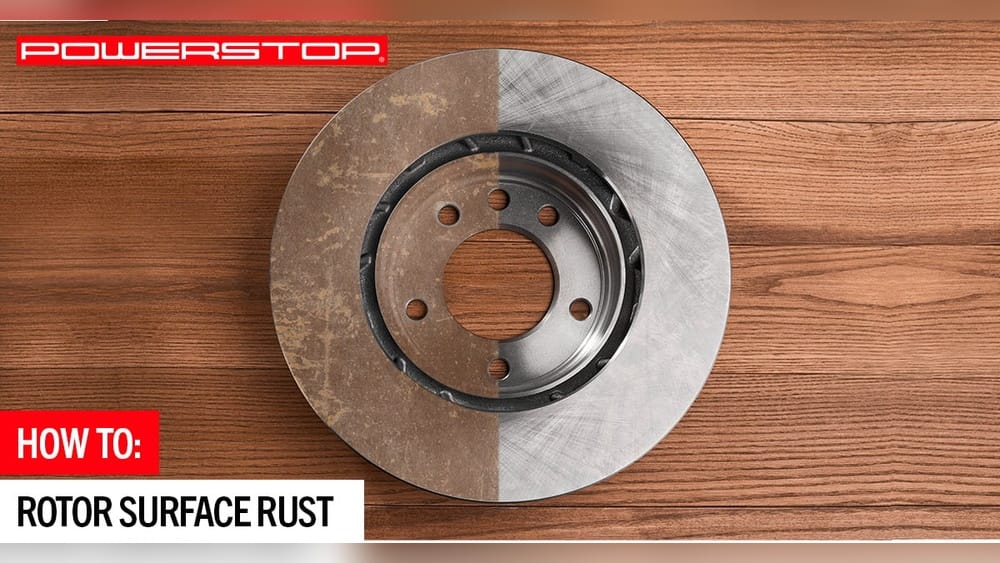
Most rust you see on brake discs after a rainy night is surface rust. This thin layer is typically scrubbed off the first time you use the brakes. The friction between the brake pad and disc cleans the surface, restoring smooth braking performance. In these cases, rust is not a significant safety or performance concern.
In fact, automakers design brake systems with the expectation that surface rust will form and be routinely removed through normal driving. The slight squeal or grinding noise you may hear during the first few stops after your car has been parked for a while is simply the pads removing the rust.
This noise usually disappears quickly, and the braking system returns to normal operation.
When Rust Becomes A Problem
However, not all rust is benign. There are situations where rust can become a serious issue:
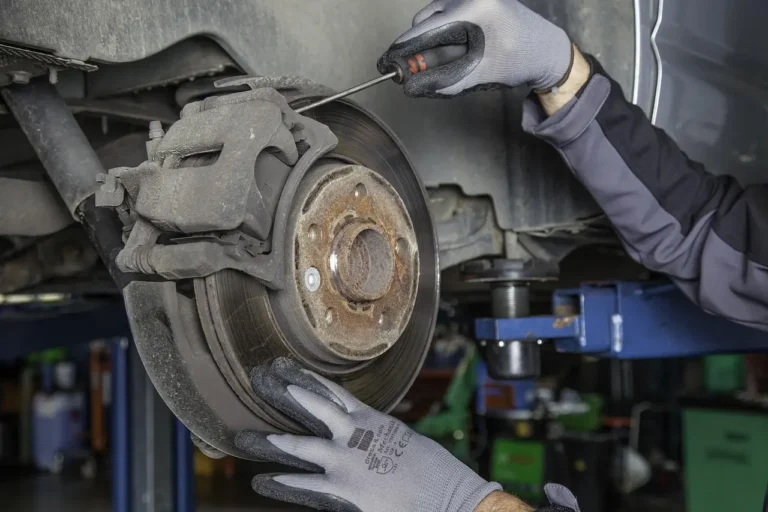
- Pitting: Over time, rust can eat into the metal, creating small craters or pits. This damages the smooth surface required for effective braking. Pitted discs lead to uneven pad contact, reducing braking efficiency and causing vibrations.
- Deep corrosion: Severe neglect can allow rust to penetrate deeply, weakening the disc and increasing the risk of cracks or failure. In extreme cases, the structural integrity of the disc may be compromised, potentially leading to catastrophic brake failure.
- Uneven braking: Pitted or heavily corroded discs can cause vibration, noise, or reduced braking efficiency. You might notice pulsating feedback through the brake pedal or hear persistent grinding or squealing noises.
Some drivers may also experience a “sticky” sensation when first applying the brakes after a period of inactivity. This can be due to rust causing the pads to temporarily adhere to the disc surface. While this usually resolves itself after a few brake applications, repeated occurrences can accelerate pad and disc wear.
Visual Guide: Types Of Rust
| Type of Rust | Appearance | Severity | Action Needed |
|---|---|---|---|
| Surface Rust | Thin, orange-brown film | Low | Normal driving removes it |
| Pitting | Small, visible craters | Medium | Professional inspection/possible disc replacement |
| Severe Corrosion | Dark, flaky rust, deep grooves | High | Immediate attention; likely disc replacement |
Real-world Example: Urban Vs. Rural Drivers
A 2026 study found that city drivers, who often brake more frequently, experience less pitting and severe corrosion than rural drivers who may leave cars idle for days. Regular use scrapes away rust, reducing long-term risks.
For example, a fleet of urban delivery vehicles in Boston reported minimal brake disc issues despite year-round exposure to road salt. Meanwhile, a rural farm vehicle parked outdoors for weeks at a time developed deep pitting and required disc replacement after just three winters.
This highlights the importance of frequent use in keeping rust at bay.
Safety Risks Of Ignoring Rust
- Reduced braking efficiency: Deep rust can prevent full pad contact, reducing stopping power. This is especially dangerous in emergency situations where every inch of stopping distance matters.
- Increased wear: Rust can damage pads, leading to premature wear and costly repairs. Rust particles act as an abrasive, grinding down both the pad and disc surfaces.
- Brake vibration and noise: Uneven surfaces cause shuddering and squealing. Persistent noise or vibration is often a sign that rust has progressed beyond the surface level and requires professional attention.
If left unattended, severe rust can also trigger dashboard warning lights, particularly on vehicles equipped with brake pad wear sensors or electronic brake monitoring systems.

Credit: www.advicsaftermarket.com
Common Causes Of Brake Disc Rust
Material Selection: Cast Iron Vs. Alternatives
Most brake discs are made from gray cast iron, valued for its cost and performance. However, cast iron is inherently prone to rust. Some premium vehicles use:
- Carbon-ceramic discs: Much more resistant to rust, but expensive and typically found in high-performance cars.
- Coated discs: Some manufacturers apply anti-corrosion coatings to non-contact areas, but the braking surface remains exposed.
The choice of material is a balance between cost, performance, and durability. While cast iron offers excellent braking characteristics and is relatively inexpensive, its tendency to rust is a well-known trade-off. Automakers have explored alternatives such as stainless steel and composite materials, but these are generally reserved for specialty applications due to their higher price.
Environmental Exposure
- Road salt: Used in winter to melt ice, salt accelerates rust formation. Salt acts as a catalyst, speeding up the electrochemical reaction that produces rust.
- Coastal air: Salt in the air can cause rapid corrosion. Vehicles in coastal regions often require more frequent brake inspections and replacements.
- Rain and humidity: Consistently wet environments lead to more frequent rusting. Even morning dew can be enough to start the rusting process on an unprotected disc.
Repeated exposure to these elements, especially when combined (as in coastal cities with snowy winters), can dramatically shorten the lifespan of brake discs.
Driving And Storage Habits
- Frequent short trips: Discs may not reach high temperatures, allowing moisture to linger. Short trips also mean the discs have less opportunity to “self-clean” through friction.
- Long-term parking: Cars left stationary for weeks often have heavily rusted discs. This is especially true if the parking area is exposed to the elements.
- Covered vs. uncovered parking: Garages reduce exposure to moisture and salt. Even a simple carport can provide enough shelter to slow the rusting process.
Vehicle Design Factors
- Open wheel designs: Alloy wheels with large openings expose discs to more water and debris. The trend toward larger, more stylish wheels has inadvertently increased the risk of brake disc rust.
- Splash shields: Some cars have shields to reduce water exposure, but these are not universal. Older vehicles or those designed for performance may lack these protective features, making them more vulnerable.
Case Study: Fleet Vehicles
A fleet of rental cars in Miami showed a 30% higher rate of disc pitting compared to a similar fleet in Phoenix. The humid, salty environment in Miami, combined with periods of inactivity, dramatically increased rust-related brake issues.
Rental car companies have responded by increasing the frequency of brake inspections and, in some cases, opting for coated discs or stainless steel components in high-risk locations. This has led to a measurable reduction in brake-related service calls and customer complaints.

Credit: www.trodo.com
How To Prevent And Remove Brake Disc Rust
Prevention Strategies
- Regular driving: Using your car daily or several times a week helps keep discs clean. Even a quick trip around the block can remove surface rust.
- Dry off after washing: Take the car for a short drive after washing to heat the brakes and evaporate moisture. This is especially important after using high-pressure washers, which can force water into hard-to-reach areas.
- Garage parking: Store your vehicle in a garage or covered area to minimize exposure. If a garage isn’t available, consider using a high-quality car cover.
- Avoid long-term inactivity: If storing a car, consider periodic short drives or moving the car to rotate the discs. For vehicles stored for months at a time, ask a friend or neighbor to occasionally drive or move the vehicle.
Other advanced prevention tips include applying a light layer of anti-corrosion spray to non-contact areas of the disc (never the braking surface) and ensuring proper tire inflation to make it easier to move the vehicle during storage.
Maintenance Best Practices
- Brake inspection: Have your brakes checked during routine service intervals. Mechanics can spot early signs of pitting or abnormal wear.
- Pad replacement: Use quality pads that make full contact with the disc, ensuring even cleaning. Cheap pads may not fit properly or may miss parts of the disc, allowing rust to accumulate.
- Anti-rust treatments: For cars stored long-term, use rust inhibitors or discuss with your mechanic about preventive options. Some products are designed to protect the hub and edges of the disc without affecting braking performance.
Regularly cleaning your wheels and undercarriage also helps remove road salt and debris that could contribute to rust. Some drivers also use compressed air to blow out water and contaminants after washing their cars.
Rust Removal Methods
| Rust Removal Method | Effectiveness | Risks | Recommended For |
|---|---|---|---|
| Normal Braking | High (for surface rust) | None | Daily drivers |
| Light Sanding | Medium | Possible disc damage if done improperly | Minor pitting |
| Professional Lathe Service | High | Removes material, reduces disc life | Moderate corrosion/pitting |
| Disc Replacement | Complete | Costly | Severe corrosion |
Diy Vs. Professional Help
For light, surface rust, simple driving is sufficient. For pitting or deep corrosion, consult a mechanic. Attempting to remove heavy rust yourself can risk uneven surfaces and brake failure.
DIY methods such as light sanding with fine-grit sandpaper can work for minor surface imperfections but must be performed with extreme care. Applying uneven pressure or using the wrong grit can create grooves, further impairing braking performance. For more severe cases, professional resurfacing (turning the disc on a lathe) can restore the surface, but this removes material and should only be done if the disc is still within the manufacturer’s minimum thickness specifications.
Real-world Example: Classic Car Storage
Owners of classic cars often face severe disc rust after winter storage. Enthusiast forums recommend storing cars with disc covers, raising tire pressure to move the car periodically, and using desiccant packs in enclosed garages to reduce humidity.
Some classic car owners go a step further, periodically spinning the wheels by hand to ensure the discs do not remain in contact with one spot on the pads. Others use sacrificial anodes (similar to those used in marine applications) in the storage area to attract and neutralize corrosion-causing ions.
Do All Brake Discs Rust The Same? Coated Vs. Uncoated Comparison
Uncoated (standard) Discs
- Most common, especially on mass-market vehicles.
- Prone to surface rust, especially after moisture exposure.
- Rely on friction from pads to clean off rust.
Uncoated discs require more frequent monitoring and maintenance, especially in harsh climates. While they are cost-effective and perform well under most conditions, owners should be prepared for routine rust removal and occasional disc replacement.
Coated Brake Discs
- Feature anti-corrosion coatings (zinc, paints, or proprietary blends) on non-contact areas.
- The braking surface is still exposed, but edge and hub corrosion is reduced.
- Often used in higher-end or premium vehicles.
Coated discs offer a significant advantage in appearance and durability. The hub and vented areas remain rust-free, maintaining a cleaner look through the wheels. This can also help prevent rust migration onto the braking surface.
Carbon-ceramic Discs
- Extremely resistant to rust.
- Found in luxury and high-performance sports cars.
- Costly to produce and replace.
Carbon-ceramic discs offer unmatched corrosion resistance and are almost entirely immune to rust. They are also lighter and can withstand higher temperatures, making them ideal for track use. However, the high cost and specialized maintenance requirements limit their use to performance and exotic vehicles.
Data Table: Disc Material And Rust Resistance
| Disc Type | Rust Resistance | Cost | Typical Use |
|---|---|---|---|
| Standard Cast Iron | Low | Low | Most vehicles |
| Coated Cast Iron | Medium | Medium | Premium models |
| Carbon-Ceramic | High | Very High | Sports/luxury cars |
Case Study: Volkswagen’s Switch To Coated Discs
In 2017, Volkswagen began using coated discs on several models in Europe. Warranty claims for brake corrosion dropped by 40%, especially in markets with high humidity or road salt usage.
Volkswagen’s adoption of coated discs was driven by customer feedback regarding unsightly rust and the perception of poor build quality. The shift to coated discs not only improved customer satisfaction but also reduced the frequency of service visits related to brake disc corrosion.
Similar trends have been observed in other brands that have adopted advanced coatings, such as BMW and Mercedes-Benz.
Choosing The Right Disc For Your Needs
Consider:
- Driving environment: Coastal or winter climates may benefit from coated discs.
- Budget: Coated and ceramic discs are more expensive but may reduce long-term maintenance.
- Performance needs: For daily commuting, standard discs are sufficient if maintained.
When upgrading or replacing your brake discs, consult with a trusted mechanic or refer to reputable sources like [Consumer Reports](https://www.consumerreports.org/cro/cars/maintenance-accessories/brake-maintenance/index.htm) to weigh the pros and cons of each option based on your driving habits and environment.
The Impact Of Rust On Braking Performance And Safety
How Rust Affects Stopping Distance
Light surface rust has minimal impact on stopping distance. However, severe pitting or flaking can:
- Reduce pad-to-disc contact area.
- Increase stopping distances by 10-20% (in severe cases).
- Cause unpredictable braking, especially in emergencies.
A study by the UK’s Transport Research Laboratory found that vehicles with deeply pitted discs required up to 15% more distance to stop from 60 mph compared to vehicles with clean discs. This difference can be critical in emergency situations.
Brake Noise And Vibration
Rust can cause squealing or grinding noises, as well as pedal pulsation. These symptoms often indicate uneven disc surfaces, requiring inspection.
Noise and vibration not only diminish driving comfort but can mask other, more serious issues. Persistent symptoms should prompt a thorough inspection by a qualified technician, as they may signal underlying damage that could compromise safety.
Case Study: Taxi Fleet Analysis
A taxi company in London found that vehicles left idle over weekends developed enough rust to cause significant vibration on Monday mornings. A policy of short, daily movements reduced complaints and brake-related downtime by 25%.
This policy involved having drivers move each vehicle just a few hundred meters each day, using the brakes lightly several times. The result was a dramatic decrease in both customer complaints about brake noise and the need for premature disc replacements.
Safety Regulations And Inspections
In many regions, brake condition is part of mandatory vehicle inspections. Discs with visible pitting, flaking, or severe rust may fail inspection and require replacement.
For example, the UK MOT test includes a visual inspection of the braking system, and excessive rust or pitting is grounds for failure. In the United States, state vehicle inspections often mandate similar checks, particularly in regions where winter salt use is common.
When Is Rust A Safety Hazard?
- Consistent noise or vibration: After several drives, these indicate deeper issues.
- Reduced braking performance: Longer stopping distances, spongy pedal feel.
- Visible damage: Cracks, deep grooves, or missing disc material.
If you notice these signs, consult a certified mechanic immediately.
Ignoring these symptoms can result in further damage, including warped discs, damaged calipers, or even brake pad separation from the backing plate, all of which severely compromise vehicle safety.
Maintenance Tips For Minimizing Brake Disc Rust
Regular Use And Cleaning
- Drive regularly: Even a short trip can clean discs. Try to avoid letting your car sit for extended periods, especially outdoors.
- Avoid letting water sit: After washing, brake gently to dry discs. This quick step can extend the life of both the pads and discs.
Safe Storage Practices
- Garage parking: Reduces exposure to rain, dew, and salt.
- Desiccant packs: Absorb moisture in enclosed spaces. Place these near the brake area for best results.
- Car covers: Offer some protection, especially for outdoor storage. Choose breathable covers to prevent condensation buildup.
Seasonal Maintenance
- Winter checks: Inspect discs after winter driving, especially in areas using road salt. Look for early signs of pitting or flaking.
- Spring cleaning: Remove accumulated debris and check for pitting. A thorough wash of the undercarriage is recommended after the last frost.
Professional Inspections
- Have brakes inspected at least once a year, or more often in harsh climates.
- Request disc cleaning or turning only when necessary, as excessive machining reduces disc life.
Ask your mechanic to measure disc thickness and check for uneven wear. Early intervention can prevent more extensive (and expensive) repairs down the line.
Real-world Example: Scandinavian Winter Driving
Drivers in Sweden routinely inspect brakes after winter due to heavy road salt usage. Local garages offer spring brake cleaning services, which have been shown to extend disc life by 15-20%.
Some Scandinavian garages also apply protective coatings to the non-contact areas of the discs and recommend switching to coated discs for customers living near the coast or in regions with severe winters.
Frequently Asked Questions
Why Do I See Rust On My Brakes After Rain Or Washing My Car?
Brake discs are usually made of cast iron, which quickly reacts with moisture and oxygen to form a thin layer of rust. This is common and typically not dangerous—driving and braking normally will remove the rust.
Can Rusty Brake Discs Cause My Brakes To Fail?
Light surface rust rarely causes brake failure. However, deep rust or pitting can reduce braking performance and, in extreme cases, compromise safety. If you notice vibration, noise, or reduced stopping power, have your brakes inspected by a professional.
How Can I Prevent My Brake Discs From Rusting If I Don’t Drive Often?
- Park in a garage or covered area.
- Take your car for a short drive every week.
- After washing or driving in rain, brake a few times to heat the discs and remove moisture.
Are Coated Brake Discs Worth The Extra Cost?
Coated discs resist rust better on non-contact areas and are beneficial in humid or salty environments. They cost more but can reduce long-term maintenance and improve appearance. For most daily drivers, standard discs are sufficient if maintained.
When Should I Replace Rusty Brake Discs?
Replace discs if you notice deep grooves, visible pitting, cracks, or persistent vibration/noise after repeated use. A mechanic can measure disc thickness and surface condition to advise you.
For additional information on brake disc rust and maintenance, authoritative resources include the AA UK, NHTSA, Wikipedia: Disc Brake, Popular Mechanics, Consumer Reports, and RAC UK.
Rust on brake discs is a fact of life for most drivers, but it’s rarely a cause for alarm. Understanding the difference between harmless surface rust and more serious corrosion empowers you to act wisely and maintain your vehicle’s safety.
With regular use, good maintenance habits, and an eye for warning signs, you can keep your brakes performing at their best for years to come.
Products related to this article
Sponsored / affiliate links. As an Amazon Associate I earn from qualifying purchases. I may earn additional commission from eligible campaigns.