Can Am Vehicle Type: What Category Does It Fall Under?
Can Am vehicles have carved out a unique niche in the powersports and recreational vehicle industry, sparking curiosity and sometimes confusion about their official classification. Whether you’re eyeing a bold three-wheeled Can Am Spyder, a rugged Maverick side-by-side, or a nimble Outlander ATV, understanding what category these vehicles fall under is crucial for buyers, enthusiasts, and regulators alike.
The lines between motorcycles, ATVs, side-by-sides, and other off-road vehicles are not always straightforward, especially given the innovative engineering and hybrid designs that Can Am brings to the table.
Deciphering the precise vehicle type of Can Am products isn’t just an academic exercise, it determines licensing requirements, legal restrictions, insurance premiums, and access to trails or public roads. This article provides a comprehensive, data-driven breakdown of Can Am’s main models, how they’re categorized under US and international vehicle laws, and what that means for owners and potential buyers.
We’ll explore key legal definitions, real-world usage scenarios, comparison tables, and case studies to ensure you have the authoritative information needed to make informed decisions about Can Am vehicle ownership and operation.
Key Takeaways
- Can Am vehicles span multiple categories: ATVs, side-by-sides (UTVs), and three-wheeled motorcycles.
- Vehicle classification affects licensing, insurance, and where you can legally ride or drive.
- The Can Am Spyder and Ryker are classified as three-wheeled motorcycles, not ATVs.
- Maverick and Defender models are side-by-sides/UTVs; Outlander and Renegade are ATVs.
- Laws and definitions differ by state and country, making it essential to check local regulations.
- Can Am’s innovative designs often blur traditional vehicle categories, so buyer research is critical.
Credit: www.xtremehonda.com
Understanding Can Am: Brand Overview And Key Models
Can Am, a subsidiary of Bombardier Recreational Products (BRP), is renowned for developing vehicles that push the boundaries of traditional categories. Its diverse lineup serves recreational, utility, and performance markets with innovative engineering and striking design.
The Can Am Lineup: An Overview
Can Am vehicles are primarily divided into three broad product families:
- ATVs (All-Terrain Vehicles):
- Outlander
- Renegade
- Side-by-Side Vehicles (UTVs):
- Maverick
- Defender
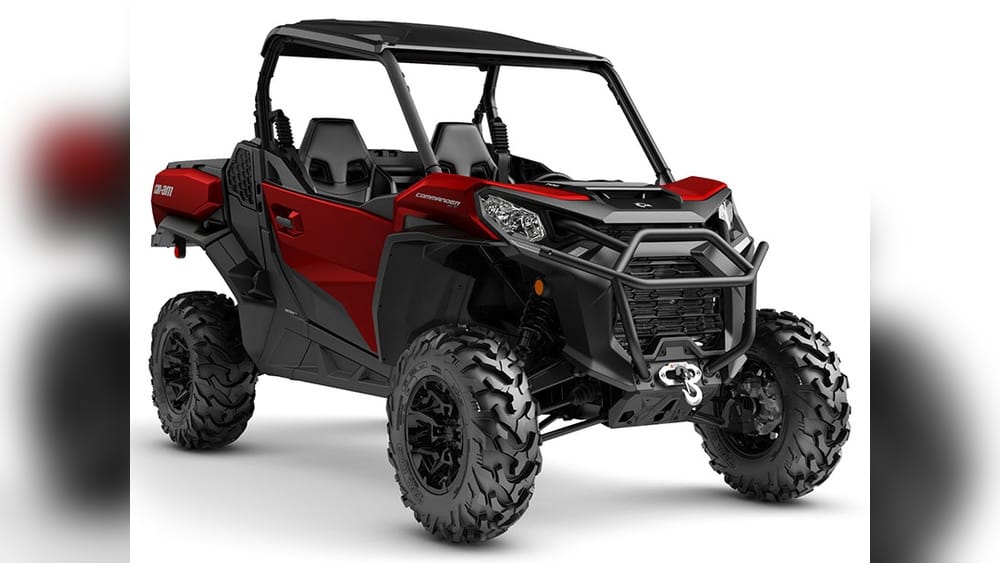
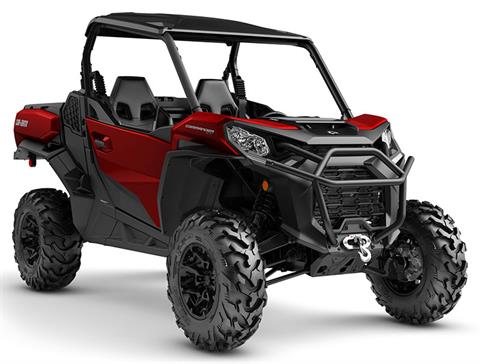
- Commander
- Three-Wheeled On-Road Vehicles:
- Spyder
- Ryker
Each of these product lines addresses different customer needs, from off-road adventurers and utility workers to touring enthusiasts seeking road-legal alternatives to motorcycles.
Brand Philosophy And Innovation
BRP’s Can Am brand is synonymous with innovation in vehicle design. The company’s willingness to blend technologies and transcend traditional categories is evident, particularly in the three-wheeled Spyder and Ryker models, which challenge the conventional motorcycle classification. This approach has led to robust growth and a loyal customer base.
Global Reach And Recognition
Can Am’s international presence is significant, with a dealer network spanning over 100 countries. This global reach means their vehicles must comply with varying regulatory standards, influencing how models are classified and marketed worldwide.

Credit: www.mountainmotorsports.com
Vehicle Categories Explained: Atv, Utv, And Three-wheeled Motorcycle
To understand where Can Am vehicles fit, it’s essential to grasp the official definitions of ATV, UTV (Side-by-Side), and three-wheeled motorcycle. These categories are recognized by regulatory bodies like the US Department of Transportation (DOT), state DMVs, and international agencies.
Atv (all-terrain Vehicle)
Definition: An ATV is an off-road vehicle with four low-pressure tires, handlebars for steering, and a straddle seat for the operator. Designed primarily for off-road use, ATVs are not generally street-legal in the US.
Key Can Am Models: Outlander, Renegade
Characteristics:
- Four wheels
- Handlebar steering
- Straddle seat
- Typically single-rider (some models allow a passenger)
- Used for recreation, work, and racing
Utv (utility Task Vehicle) / Side-by-side
Definition: UTVs, also known as side-by-sides, are off-road vehicles with a steering wheel, pedals, and side-by-side seating. They often have roll cages and are used for work, recreation, and performance driving.
Key Can Am Models: Maverick, Defender, Commander
Characteristics:
- Side-by-side seating for 2-6 occupants
- Steering wheel and pedals
- Roll cage or enclosed cab
- Greater cargo capacity than ATVs
Three-wheeled Motorcycle
Definition: A three-wheeled motorcycle has three wheels (two front, one rear or vice versa), is designed for on-road use, and is registered as a motorcycle. Operators often need a motorcycle license or endorsement.
Key Can Am Models: Spyder, Ryker
Characteristics:
- Two wheels in front, one in rear (reverse trike)
- On-road legal (in most states/countries)
- Foot pedals and handlebar controls
- Seating for rider and optional passenger
Legal And Practical Implications
Vehicle classification affects:
- Licensing requirements
- Insurance types and rates
- Access to roads, trails, and parks
- Emissions and safety standards
Understanding these categories helps buyers and owners stay compliant and select the right vehicle for their intended use.
How Are Can Am Vehicles Classified In The Us And Internationally?
Vehicle classification can vary significantly between jurisdictions. In the US, federal and state agencies set standards, while other countries may use different criteria.
Us Classification: Dot And State Variations
Atvs And Utvs
- ATVs are regulated as off-road vehicles, typically not street-legal except in some rural areas or with modifications.
- UTVs (side-by-sides) are also off-road vehicles, but a growing number of states allow limited road use with added safety features like turn signals and mirrors.
Three-wheeled Motorcycles
- The Can Am Spyder and Ryker are classified as motorcycles by the DOT, but with specific licensing and helmet laws that vary by state.
State-level Variations
Some states, like California, have strict definitions:
- ATV: Must have a straddle seat and handlebar steering.
- UTV: Side-by-side seating, steering wheel.
- Three-Wheeled Motorcycle: Defined by wheel configuration and road use.
Example: In Texas, Can Am Spyders are registered as motorcycles, but you don’t need a special motorcycle endorsement; a standard driver’s license suffices.
International Classification
Canada
- ATVs and UTVs follow similar definitions as the US.
- Three-wheeled motorcycles (Spyder, Ryker) are classified as “trikes” and require a motorcycle license.
European Union
- Three-wheeled Can Am vehicles are often classified as “tricycles” (L5e category) under EU vehicle regulations, requiring a motorcycle or car license depending on the country.
- ATVs and UTVs are categorized as quadricycles and are subject to local homologation standards.
Australia
- Can Am ATVs and UTVs are categorized as off-road vehicles; three-wheeled Spyders are classified as motorcycles, with specific licensing requirements.
Registration, Insurance, And Licensing Impact
Classification impacts how vehicles are registered and insured. For example:
- Three-wheeled motorcycles may require motorcycle insurance, which can be more expensive than auto insurance.
- ATVs/UTVs often require off-road insurance, and may not be covered on public roads.
Pro Tip: Always check both your state/province and local municipal rules before purchasing or operating a Can Am vehicle.

Credit: www.atticamotorsports.com
Can Am Model Breakdown: What Category Does Each Fall Under?
Below is a detailed breakdown of major Can Am models and their official categories, alongside their defining features.
| Model | Vehicle Type | Seating | Legal Use | Typical License Required |
|---|---|---|---|---|
| Outlander | ATV | 1-2 | Off-road only | None (off-road), some states require ATV safety cert. |
| Renegade | ATV | 1 | Off-road only | None/off-road |
| Maverick | UTV/Side-by-Side | 2-4 | Off-road, limited on-road (state-dependent) | Driver’s license (if road legal) |
| Defender | UTV/Side-by-Side | 3-6 | Off-road, limited on-road (state-dependent) | Driver’s license (if road legal) |
| Commander | UTV/Side-by-Side | 2-4 | Off-road, limited on-road (state-dependent) | Driver’s license (if road legal) |
| Spyder | Three-Wheeled Motorcycle | 1-2 | On-road legal | Motorcycle or car license (jurisdiction-dependent) |
| Ryker | Three-Wheeled Motorcycle | 1-2 | On-road legal | Motorcycle or car license (jurisdiction-dependent) |
Outlander And Renegade: Atvs
The Outlander and Renegade are classic ATVs designed for rugged terrain. They feature handlebar steering, straddle seats, and four wheels. Both models are intended for off-road use, recreational riding, hunting, or utility work.
Maverick, Defender, Commander: Side-by-sides (utvs)
Maverick models focus on high-performance off-road fun, while Defender emphasizes utility. The Commander is a versatile crossover. All offer side-by-side seating, roll cages, and can be customized for work or recreation.
Spyder And Ryker: Three-wheeled Motorcycles
These vehicles are unique in the Can Am lineup. The Spyder and Ryker are designed for paved roads and are registered as motorcycles or trikes. With two wheels up front and one in the rear, they offer stability and a distinct riding experience.
Accessories And Modifications: Legal And Practical Impact
Adding street-legal kits (lights, signals, mirrors) to UTVs can sometimes qualify them for limited on-road use, but this depends on local laws.
Example: In Arizona, adding a street-legal kit to a Can Am Maverick allows registration for road use, but only on roads posted for off-highway vehicles.
How Vehicle Category Affects Ownership: Legal, Insurance, And Usage Implications
The classification of your Can Am vehicle isn’t just a technicality, it has substantial real-world consequences for how you use, maintain, and insure it.
Licensing And Registration
- ATVs and UTVs: Usually require only off-road registration; may need a safety certificate for younger riders (e.g., California ATV Safety Institute).
- Three-wheeled motorcycles: Require formal registration as a motorcycle or trike; licensing requirements vary widely (some states allow a standard driver’s license, others require a motorcycle endorsement).
Insurance Requirements
| Vehicle Type | Insurance Needed | Estimated Annual Cost Range | Notes |
|---|---|---|---|
| ATV | Off-road vehicle insurance | $100-$500 | Not required in most states unless ridden on public land |
| UTV/Side-by-Side | Off-road or on-road insurance | $150-$700 | Street-legal use may require auto-type policy |
| Three-Wheeled Motorcycle | Motorcycle insurance | $250-$1,000 | Rates vary; higher in urban areas |
*Source: National Association of Insurance Commissioners, 2026 estimates*
Where You Can Ride Or Drive
- ATVs: Restricted to off-road trails, private land, and some public lands with OHV permits.
- UTVs: Similar to ATVs, but some municipalities allow road use with modifications.
- Three-wheeled motorcycles: Road-legal in all 50 states, with access similar to standard motorcycles.
Emissions, Safety Standards, And Taxes
- ATVs/UTVs: Subject to EPA off-road emissions standards, minimal safety gear required.
- Three-wheeled motorcycles: Must meet on-road emissions and safety standards, including lighting, mirrors, and sometimes ABS brakes.
Resale Value And Market Demand
Three-wheeled Can Am models (Spyder, Ryker) often maintain higher resale values due to their unique market position and broad appeal to both new and returning riders.
Real-world Examples And Case Studies: Classification In Practice
Understanding the theoretical differences is helpful, but real-world examples highlight the implications of vehicle classification.
Example 1: Can Am Spyder Rider In Florida
A Florida resident purchased a Can Am Spyder for daily commuting. In Florida, three-wheeled vehicles are classified as motorcycles, but the state allows operation with a standard driver’s license (no motorcycle endorsement required). Insurance is required, and the vehicle can use HOV lanes.
The owner appreciated the stability compared to a two-wheeled bike and found insurance rates to be similar to small cars.
Example 2: Maverick Utv Owner In Utah
A rancher in Utah uses a Can Am Maverick for both work and recreation. Utah allows UTVs to be registered for street use in rural areas if they’re fitted with the required equipment (windshield, mirrors, turn signals, horn). The owner registered the vehicle for both off-road and limited on-road use, providing flexibility for farm tasks and trail rides.
Example 3: Outlander Atv User In Ontario, Canada
An outdoor enthusiast in Ontario rides a Can Am Outlander primarily on Crown Land and ATV trails. Ontario regulations classify the Outlander as an ATV, requiring an ATV permit and insurance for public trail use. The vehicle cannot be used on public roads (except for specific trail crossings).
Comparing Can Am To Competing Brands: Category And Feature Differences
Can Am competes with other prominent brands such as Polaris, Yamaha, and Honda. Each brand offers a range of ATVs, UTVs, and (sometimes) on-road vehicles, but Can Am stands out for its three-wheeled motorcycles.
| Brand | ATVs | UTVs/Side-by-Sides | Three-Wheeled Motorcycles | Notable Features |
|---|---|---|---|---|
| Can Am | Yes (Outlander, Renegade) | Yes (Maverick, Defender, Commander) | Yes (Spyder, Ryker) | Innovative on-road trikes, high-performance off-road models |
| Polaris | Yes (Sportsman) | Yes (RZR, Ranger, General) | No | Wide range of off-road vehicles, high market share |
| Yamaha | Yes (Grizzly, Kodiak) | Yes (Viking, Wolverine, YXZ) | No | Durable, reliable engines, strong off-road reputation |
| Honda | Yes (FourTrax, TRX) | Yes (Pioneer, Talon) | No | Renowned for reliability, utility focus |
Can Am’s key differentiator is its Spyder and Ryker models, which give it a unique presence in the on-road three-wheeled category, an area where most competitors do not participate.
Regulatory Trends And Emerging Issues In Vehicle Classification
As vehicle technology evolves, regulators must adapt to new designs and hybrid concepts. Can Am’s lineup illustrates the challenge of fitting innovative vehicles into decades-old legal frameworks.
Changing Definitions
- States like Nevada and Arizona have updated statutes to accommodate UTVs on public roads, recognizing their growing popularity.
- The National Highway Traffic Safety Administration (NHTSA) is evaluating safety standards for three-wheeled vehicles, especially as electric and autonomous models emerge.
Electric And Hybrid Vehicles
Can Am has announced upcoming electric models for both ATVs and UTVs, which will necessitate new regulatory considerations related to emissions, noise, and safety.
International Harmonization
The European Union is working toward harmonized vehicle categories to ease cross-border travel and sales of recreational vehicles. This may influence future Can Am product designs and marketing.
Pro Tip: Monitor state and federal legislative updates if you plan to use your Can Am vehicle in ways that straddle current category definitions.
Frequently Asked Questions
What License Do I Need To Ride A Can Am Spyder Or Ryker?
The required license varies by state or country. In many US states, a motorcycle license or endorsement is required to operate a Spyder or Ryker. However, states like California and Florida allow operation with a standard driver’s license due to the vehicle’s three-wheeled design.
Always consult your local DMV for specifics, as licensing rules can change.
Can I Make My Can Am Utv Street Legal?
It depends on your state or country. Some US states, such as Arizona and Utah, allow UTVs to be made street legal with the addition of required equipment like turn signals, mirrors, and a windshield. However, other states prohibit UTVs from public roads regardless of modifications.
Check with your local Department of Motor Vehicles and ensure you comply with insurance and registration requirements.
Are Can Am Vehicles Safer Than Traditional Motorcycles Or Atvs?
Three-wheeled Can Am vehicles like the Spyder and Ryker offer more stability than two-wheeled motorcycles, especially at low speeds and during stops. UTVs and ATVs provide different safety profiles; UTVs generally have roll cages and seat belts, while ATVs do not. However, all powersports vehicles carry inherent risks, and safety depends heavily on rider behavior, terrain, and use of protective gear. For more information, review studies from the National Highway Traffic Safety Administration.
How Do I Insure My Can Am Vehicle?
Insurance requirements depend on the vehicle category and intended use. Three-wheeled motorcycles require motorcycle insurance, which often covers liability, comprehensive, and collision. ATVs and UTVs are typically insured as off-road vehicles; policies may be optional unless you ride on public lands.
Always discuss your vehicle’s classification with your insurer to ensure adequate coverage.
Can I Use A Can Am Atv Or Utv On Public Roads In Europe?
European regulations generally prohibit ATVs and UTVs from public roads unless the vehicle has been homologated for road use and meets specific safety and emissions standards. Some countries, like Germany, allow road registration for certain quadricycles, but this is not universal. Check with local authorities for the latest regulations and homologation requirements, or consult the Quad Bike Wikipedia page for an overview.
Can Am’s vehicles occupy a fascinating space at the intersection of tradition and innovation, offering riders and drivers a diverse range of experiences. Understanding the exact category your Can Am falls under is essential for legal compliance, safety, and maximizing your enjoyment.
In my experience, researching your local laws before purchase saves significant time and expense down the road. With continued advances in vehicle design and evolving regulations, staying informed will help you make the most of your Can Am adventure.
Products related to this article
Sponsored / affiliate links. As an Amazon Associate I earn from qualifying purchases. I may earn additional commission from eligible campaigns.