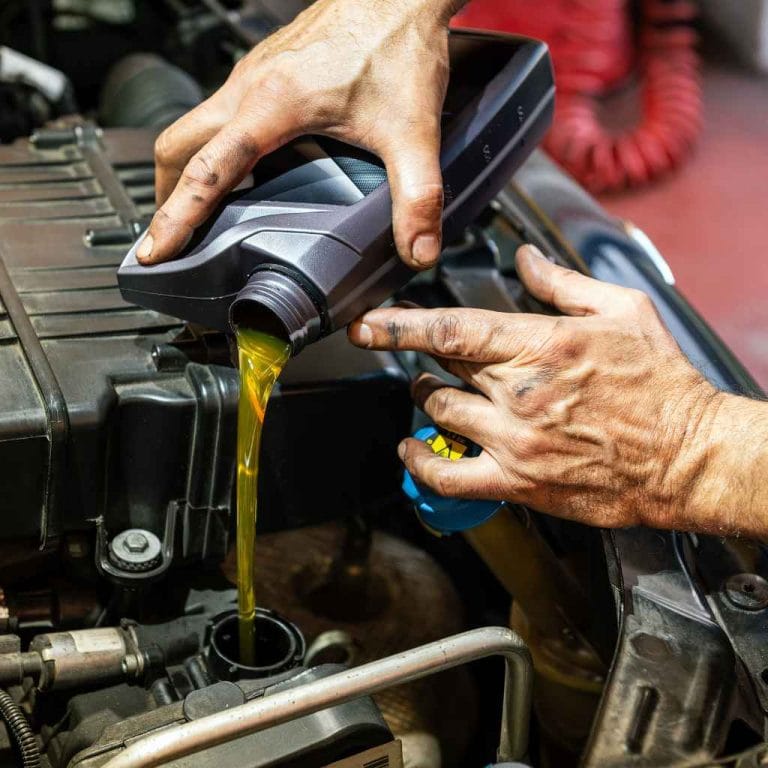
Can Car Engine Oil Go Out Of Date? Yes, Here’S Why
It’s a question that pops up when you’re cleaning out the garage or maybe when you’re about to do an oil change yourself. You find an old, unopened jug of motor oil tucked away. You wonder, “Can this stuff actually go bad?” You might think oil is like a fine wine, getting better with age.
But that’s not quite right when it comes to your car’s engine.
The short answer is yes, car engine oil can go out of date. It might not spoil like milk, but its protective qualities degrade over time. This can lead to serious problems for your car’s engine if you’re not careful.
Let’s dive into why this happens and what you can do about it.
Car engine oil does have a shelf life. While it doesn’t “spoil” in the traditional sense, its chemical properties change over time, especially when exposed to air or moisture. This degradation can reduce its ability to protect your engine, making it risky to use old oil past its prime.
Why Does Engine Oil Go Out of Date?
Engine oil is a complex mix of base oils and additives. These additives are crucial. They help with things like reducing friction, preventing wear, and keeping your engine clean.
But these additives aren’t invincible. They can break down or react with their environment over many years.
Think of it like this: the oil sits in its container, often a plastic jug. Even though it’s sealed, it’s not perfectly airtight forever. Tiny amounts of moisture and oxygen can slowly get in.
Moisture is a big enemy of motor oil. It can cause the oil to become acidic. Acidic oil is bad news for metal engine parts.
It can lead to corrosion.
Also, the base oils themselves can oxidize. Oxidation is a chemical process where oil reacts with oxygen. This process can thicken the oil.
It can also make it less effective at lubricating. Heat is another factor. Even stored oil can experience temperature changes.
These cycles can speed up the breakdown of the oil’s components.
The additives are designed to work for a certain period. Over time, they get used up or lose their effectiveness. For example, detergents help clean the engine.
Antioxidants slow down the oil’s aging. Anti-wear agents protect moving parts. When these additives are depleted, the oil can no longer do its job as well.
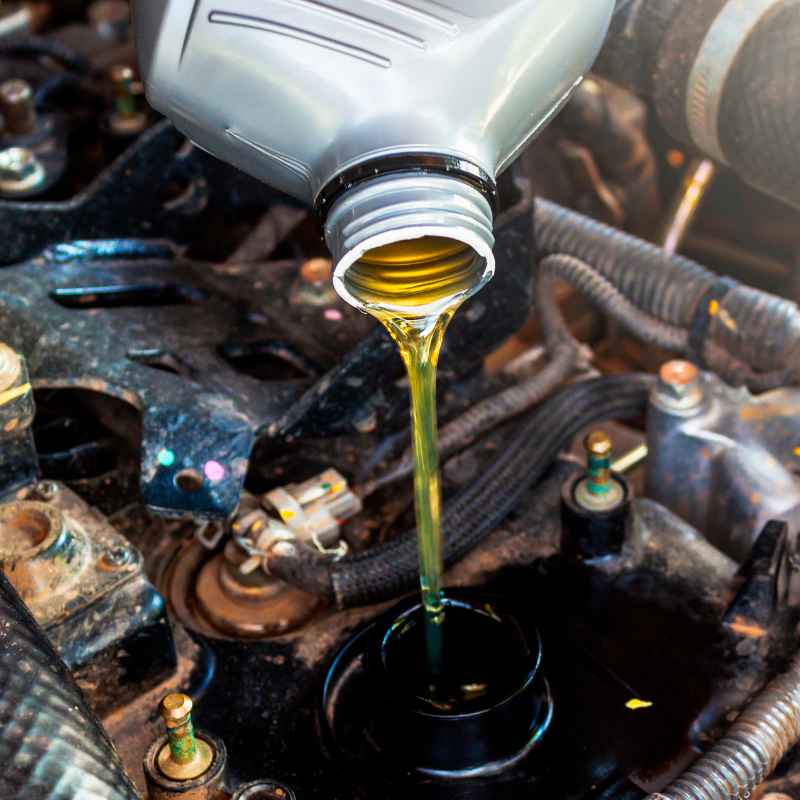
Signs That Engine Oil Has Gone Bad
It can be tricky to tell if oil is bad just by looking at it. Unopened, it often looks normal. But there are a few clues.
If the oil looks cloudy, that’s a bad sign. Cloudiness often means water has gotten into the oil. Water contamination is a major issue for oil.
Another sign is a strange smell. Fresh oil has a distinct smell. Old, degraded oil might smell rancid or acrid.
It’s not a pleasant smell. You might also notice the oil seems thicker than usual. Or it could be thinner.
Both extremes mean its viscosity has changed. Viscosity is how well the oil flows. The right viscosity is key for proper lubrication.
If the oil has been stored improperly, you might see separation. The base oil and additives might not be mixed evenly anymore. This can look like layers or sludge at the bottom.
However, these visual cues are not always obvious, especially in a sealed, unopened container.
When in Doubt, Check the Date
Manufacturing Date: Many oil containers have a manufacturing date stamped on them. This is usually a series of numbers and letters that indicate when the oil was produced. You might need to look up the brand’s code to decipher it.
Expiration Guidelines: Most manufacturers suggest using the oil within 2 to 5 years of its production date. This can vary by brand and type of oil.
Storage Conditions: The environment where the oil was stored plays a huge role. An oil kept in a cool, dry, dark place will last much longer than one stored in a hot, humid garage.
The Shelf Life of Motor Oil: What to Expect
So, how long can oil really last? Generally, unopened motor oil stored in ideal conditions is good for about two to five years. Some sources say up to five years, while others stick closer to two to three.
It really depends on the brand and the specific formulation of the oil.
Once you open a jug, its lifespan shortens. Exposure to air and moisture speeds up degradation. An opened jug should ideally be used within a year.
Make sure to seal it tightly after each use. Store it upright to minimize leakage and contamination. Keeping the cap screwed on tight is crucial.
Synthetic oils tend to have a longer shelf life than conventional oils. This is because their molecular structure is more stable. They are also more resistant to oxidation and thermal breakdown.
However, even synthetics aren’t immune to the effects of time and poor storage.
Here’s a simple breakdown of typical shelf life:
- Unopened Oil (Ideal Storage): 2-5 years
- Unopened Oil (Poor Storage): 1-2 years
- Opened Oil (Sealed Well, Good Storage): 1 year
- Opened Oil (Poorly Sealed/Stored): Less than 1 year
Real-World Scenarios: Finding Old Oil
I remember a time a few years back when I was helping my dad clean out his workshop. He’s always been a “save it for later” kind of guy. Tucked behind some old paint cans, we found a stack of motor oil jugs.
Some looked relatively new, others were dusty and faded. We checked the dates.
One jug was stamped with a date from nearly seven years prior. It was a full synthetic, which I figured might still be okay. But then I saw it.
A faint ring of oily residue around the cap. And the plastic jug itself felt a bit brittle. I hesitated.
Using that oil felt like a gamble. My dad insisted it was fine. He said, “It’s never been opened!”
I’ll admit, it was tempting to just use it. It would have saved a trip to the auto parts store. But I thought about the cost of a potential engine repair.
That old oil, even unopened, had likely seen temperature swings. It had probably absorbed some moisture. I decided against it.
I explained to my dad that while it might be okay, the risk just wasn’t worth it. We ended up recycling the old oil and buying fresh.
That experience really hammered home for me the importance of not just the “unopened” status, but the overall condition and age of the oil. It’s about protecting the engine, which is the heart of the car. Sometimes, convenience or saving a few bucks isn’t worth the potential long-term damage.
Quick Scan: Oil Storage Best Practices
| Factor | Impact on Shelf Life | Ideal Condition |
| Temperature | Extreme heat or cold speeds degradation. | Cool, stable temperature. |
| Moisture | Causes oxidation and corrosion. | Dry environment. |
| Air Exposure | Promotes oxidation. | Airtight seal. |
| Light | Can degrade certain additives over very long periods. | Dark storage. |
The Impact of Using Old Engine Oil
So, what’s the big deal if you use oil that’s past its prime? The main concern is reduced engine protection. Old oil simply doesn’t lubricate as well.
This can lead to increased friction between moving parts. Over time, this friction causes premature wear and tear on your engine components.
This wear can result in things like damaged bearings, worn piston rings, or a stressed camshaft. These are serious issues. They often require expensive repairs.
In the worst-case scenario, using completely degraded oil can lead to catastrophic engine failure. That means a seized engine, which is basically the end of the car’s life without a rebuild.
Old oil also loses its ability to keep your engine clean. The detergents in the oil break down. This means sludge and deposits can start to form.
These deposits can block oil passages. They can prevent oil from reaching critical parts. This leads to overheating and further wear.
Another problem is that old oil may not protect against corrosion. The additives that neutralize acids can deplete. This leaves the metal surfaces in your engine vulnerable.
This is especially true if moisture has contaminated the oil. Rust and corrosion can weaken engine parts.
Finally, old oil can’t handle extreme temperatures as well. It might break down more easily when the engine gets hot. This is called thermal breakdown.
It can also become too thick in cold weather. This makes it hard for the engine to start and get lubrication right away. That initial startup is critical for engine health.
Myth vs. Reality: Old Motor Oil
Myth
An unopened jug of oil is always good to use, no matter how old.
Reality
Even unopened oil degrades over time due to oxidation and moisture ingress. Age and storage conditions matter.
Myth
Oil that looks clear is always safe to use.
Reality
Appearance can be deceiving. Chemical degradation can occur without obvious visual changes. Water contamination is a key issue.
How to Properly Store Engine Oil
If you buy oil in bulk or often have extra jugs lying around, proper storage is key. This will maximize its shelf life. The goal is to minimize exposure to the elements that cause degradation.
This means keeping it cool, dry, and away from air.
1. Keep it Sealed: Always ensure the cap is tightly screwed on. If the original seal is damaged, consider transferring the oil to a clean, sealed container.
For opened jugs, make sure the cap is as tight as possible after each use. Some people even use plastic wrap under the cap before screwing it on for an extra seal.
2. Find a Cool Spot: Avoid storing oil in places with extreme temperature fluctuations. Garages that get very hot in the summer and very cold in the winter are not ideal.
A climate-controlled basement or a stable indoor storage area is much better. Consistent, moderate temperatures are best.
3. Keep it Dry: Moisture is the enemy. Don’t store oil in damp basements or sheds where condensation is common.
A dry environment prevents water from getting into the oil and causing oxidation and corrosion.
4. Store Upright: Always store oil jugs in an upright position. This prevents leaks around the cap.
It also helps keep any potential contaminants from settling on the seal. A spill in storage can attract dirt and pests, and it’s just a mess to clean up.
5. Go Dark: While not as critical as temperature or moisture, prolonged exposure to direct sunlight can also contribute to the breakdown of certain oil additives. Storing oil in a dark place, like a cabinet or a closed container, is a good practice.
When you buy oil, check the manufacturing date if possible. Aim to buy oil that is relatively fresh. If you have multiple jugs, use the older ones first.
Rotate your stock. This ensures you’re always using oil that’s at its peak performance.
Storage Checklist:
- Seal: Tight cap, intact original seal.
- Temperature: Cool and stable, avoid extremes.
- Moisture: Dry environment, no condensation.
- Position: Always store upright.
- Light: Dark or shaded area preferred.
When is it Okay to Use Older Oil?
There are some situations where using older oil might be considered, but with caution. If you have oil that is maybe 1-2 years old and has been stored perfectly, it’s likely still quite good. The key is perfect storage conditions: cool, dry, sealed tight, and out of direct sun.
For older conventional oils, being more conservative is wise. Synthetic oils generally hold up better over time. So, if you have older synthetic oil that’s maybe three years old but stored perfectly, it might still be suitable for a regular sedan or an older vehicle that isn’t pushed to its limits.
However, for high-performance vehicles, turbocharged engines, or vehicles driven in extreme conditions (like very hot or very cold climates, or heavy towing), using the freshest, highest-quality oil is always best. These engines put more stress on the oil, and you need all the protective properties it can offer.
Crucially, if you have any doubt about the oil’s condition, do not use it for your car’s engine. The cost of replacing old oil is far less than the cost of repairing engine damage. It’s always better to err on the side of caution. When in doubt, recycle the old oil and buy new.
Decision Guide: Using Older Oil
When to Consider
Oil is 1-3 years old. Stored in ideal, stable conditions. It’s a conventional oil for a less demanding vehicle.
You’ve checked for cloudiness or odd smells.
When to Avoid
Oil is older than 3-5 years. Stored in poor conditions (heat, damp). It’s an older conventional oil for a high-performance or sensitive engine.
You notice any unusual appearance or smell. You have any doubt whatsoever.
What Does the Manufacturer Say?
Car manufacturers and oil producers often have specific recommendations. For your car, check the owner’s manual. It will tell you the recommended oil type and change intervals.
While it might not explicitly state a shelf life for unused oil, it emphasizes using quality oil at the right times.
Major oil brands usually provide guidance on their websites or on the product packaging. They might suggest a “best by” date or a manufacturing date code. They understand that oil degrades.
They want you to use their product effectively and safely.
For example, many brands state that their oil is typically good for five years from the manufacturing date if stored properly. Some even extend this slightly for synthetics. Always look for information directly from the source when possible.
This gives you the most accurate guidance for their specific products.
Recycling Old Oil
If you determine that your oil is too old or has been stored poorly, don’t just pour it down the drain or throw it in the trash. Old motor oil is considered hazardous waste. It can contaminate soil and water.
It’s crucial to dispose of it responsibly.
Most auto parts stores and many service centers offer oil recycling programs. You can usually drop off your used or old oil there for free. Some communities also have hazardous waste drop-off days or centers.
Check with your local municipality for options. Recycling old oil is good for the environment and a responsible choice.
Frequent Questions
Can I use oil that is 5 years old?
Generally, yes, if the oil is unopened and has been stored in ideal conditions (cool, dry, stable temperature). However, some manufacturers suggest a shorter shelf life, around 3-4 years. For critical applications or high-performance engines, it’s safer to use newer oil.
Always check the oil for any signs of degradation like cloudiness or an off smell.
Does synthetic oil expire faster than conventional oil?
No, synthetic oil typically has a longer shelf life than conventional oil. Its molecular structure is more stable, making it more resistant to oxidation and breakdown over time. However, even synthetic oil will eventually degrade, especially if stored improperly.
What happens if I put old oil in my car?
Using old oil can lead to reduced engine protection. This means increased friction, premature wear on engine parts, and a higher risk of sludge buildup. In severe cases, it can cause significant engine damage or even failure.
It’s best to use oil within its recommended shelf life.
How can I tell if motor oil has water in it?
Water contamination often makes motor oil look cloudy or milky. You might also see a separation layer if the oil has settled for a long time. Cloudiness is a strong indicator that moisture has entered the oil, which is very harmful to engine components.
Is it okay to use oil from a container that is dented?
A few minor dents on the container are usually fine. However, if the dents compromise the seal or if the container has sharp creases that could lead to cracks, it’s best to be cautious. If the seal is broken or suspect, or if the oil itself looks or smells off, it’s not worth the risk.
What is the best way to store leftover oil after an oil change?
After an oil change, pour any leftover oil back into its original, clean jug. Make sure the cap is screwed on as tightly as possible. Store the jug upright in a cool, dry, dark place.
Using the oil within a year of opening the original container is recommended.
Conclusion
So, yes, car engine oil can go out of date. While it might not spoil like food, its chemical properties degrade over time. This affects its ability to protect your engine.
Factors like moisture, air, and temperature extremes speed up this process. Always check the manufacturing date if possible and store oil properly. When in doubt, it’s always safest to buy fresh oil.
Your car’s engine will thank you for it.
Products related to this article
Sponsored / affiliate links. As an Amazon Associate I earn from qualifying purchases. I may earn additional commission from eligible campaigns.