Why Does Car Engine Oil Turn Black? The Real Explanation
Think of your engine oil as the lifeblood of your car. It’s constantly circulating, cleaning, cooling, and protecting all the moving parts inside. When it turns black, it often means it’s picked up a lot of tiny particles and debris. This is actually good! It shows the oil is actively working to keep your engine clean.
This article will dive deep into why your engine oil changes color. We’ll explore the science behind it, the common culprits, and when you might actually need to be concerned. Understanding this simple maintenance check can save you a lot of worry and even prevent bigger issues down the road.
Engine oil turns black primarily because it collects soot, carbon deposits, and other tiny particles from the combustion process and wear within the engine. This color change is a normal indicator that the oil is actively cleaning and lubricating your engine parts as intended. While black oil isn’t always a sign of trouble, extremely thick or sludgy oil could indicate a problem.
Understanding Engine Oil’s Role
Your car’s engine is a marvel of engineering. It has many moving parts that rub against each other at very high speeds. If these parts were just metal on metal, they’d wear out very quickly. They’d also create a lot of heat.

STP
STP Premium Synthetic Blend 4 Cycle Small…
- SAE 10W-30 MOTOR OIL FOR SMALL ENGINES: One 32 fl oz bottle of STP Premium Synthetic Blend 4 Cycle Small Engine Oil SAE 10W-30, fo…
- FIGHTS THERMAL BREAKDOWN: Antioxidants fight thermal breakdown to enhance oil durability, helping the SAE 10W-30 oil handle high t…
- PREVENTS BUILDUP: Detergents help keep small engine components clean and control carbon deposits, preventing buildup that can affe…
As an Amazon Associate I earn from qualifying purchases.
Engine oil is the solution to these problems. It creates a thin film between these parts. This film reduces friction. It also carries away heat. It helps keep the engine cool. So, the oil is essential for smooth operation.
What Happens Inside Your Engine
Inside your engine, tiny explosions happen constantly. This is called combustion. Fuel and air mix and then ignite. This makes the pistons move. This process is powerful and effective. But it also creates byproducts.
One byproduct is soot. Soot is like fine black dust. It comes from the burning fuel. Other parts of the engine can wear down. This creates tiny metal particles. These particles also float around.
Your engine oil has detergents and dispersants. These chemicals are added to the oil. They are designed to grab onto this soot and dirt. They keep these particles suspended in the oil. This prevents them from clumping together. It also stops them from sticking to engine parts.
The Science of Oil Degradation
Over time, engine oil breaks down. This is called degradation. Heat is a big factor. Engines get very hot. This heat can break the oil’s chemical bonds. This makes it less effective.
Oxidation is another process. Air gets into the oil. It reacts with the oil. This reaction creates sludge and varnish. Sludge is a thick, dark substance. Varnish is a sticky film.
These processes happen naturally. They are part of an engine’s life. As the oil breaks down, it can’t hold as much dirt. It also doesn’t lubricate as well. This is why oil needs to be changed.
Oil’s Job Description: More Than Just Lubrication
Lubrication: This is the main job. It stops metal parts from grinding against each other. This reduces wear.
Cooling: Oil carries heat away from hot engine parts. It sends this heat to the oil pan. Then it cools down.
Cleaning: It picks up tiny bits of dirt and soot. These are then removed when the oil is changed.
Sealing: Oil helps seal gaps. For example, between piston rings and cylinder walls. This keeps combustion pressure in.
Protection: It prevents rust and corrosion on metal surfaces.
Common Reasons for Black Oil
So, why does that oil get so dark? It’s usually a combination of factors. Most of them are normal. Here are the top reasons.
Soot and Carbon Deposits
This is the most common reason. When fuel burns, it doesn’t always burn perfectly. Tiny bits of unburned fuel turn into soot. This soot is carbon. It’s very dark.
As the oil circulates, it grabs this soot. The dispersant additives in the oil keep the soot tiny. This is important. If the soot clumped up, it would form sludge.
The more combustion happens, the more soot is produced. So, city driving with lots of starting and stopping can cause oil to darken faster. Highway driving is often smoother for oil.
Engine Wear and Metal Particles
Even with good lubrication, some wear is inevitable. Tiny metal particles can break off from engine components. These include bearings, piston rings, and cylinder walls.
These metal fragments are very small. They get swept up by the oil. They mix with the oil. This adds to the dark color. It also means the oil is doing its job by collecting this debris.
Oil Additives Working
Modern engine oils have many additives. Detergents help clean the engine. Dispersants keep particles floating. Anti-wear agents protect metal parts. Antioxidants slow down oil breakdown.
As these additives work, they react with engine conditions. They can also change color themselves. For instance, detergents can become discolored as they trap contaminants. This also contributes to the overall dark hue.
Short Trip Syndrome
This is a common issue for drivers who only take short trips. When an engine starts cold, water vapor is produced. This water can condense inside the engine. It mixes with the oil.
If the engine doesn’t get hot enough for long enough, this water doesn’t evaporate. It stays in the oil. This can lead to a milky or sludgy appearance. It also makes the oil darker over time. Short trips don’t let the engine reach its optimal operating temperature.
Contrast Matrix: Normal Black Oil vs. Concerning Oil
| Feature | Normal Black Oil | Concerning Oil |
|---|---|---|
| Color | Dark black, but still flows | Thick, tar-like, or gritty |
| Texture | Smooth | Gritty, sludgy, or lumpy |
| Smell | Slightly burnt, but not acrid | Strong, burnt, or metallic smell |
| Consistency | Seems like normal oil, just dark | Feels thicker than usual, hard to spread |
| Engine Performance | Normal | Reduced power, rough idle, warning lights |
When Does Black Oil Become a Problem?
While black oil is usually fine, there are times when it signals something is wrong. You need to look beyond just the color. Pay attention to the consistency and smell.
Oil That’s Too Thick or Sludgy
If the oil looks less like liquid and more like mud, that’s a bad sign. This is called sludge. Sludge is thick, black, and sticky. It can block oil passages. This means parts of your engine aren’t getting enough oil.
Sludge forms when oil breaks down too much. It can also happen if oil isn’t changed for a very long time. Or if there are coolant leaks into the oil.
An Unusual Smell
Fresh engine oil has a specific smell. Used oil might smell a bit burnt. But if the oil smells very strongly burnt, acrid, or like burnt toast, it could mean it’s overheating. This could be a sign of serious engine issues.
A metallic smell could indicate metal parts are wearing down too much. This is never a good sign. It means there’s excessive friction or damage happening.
Engine Performance Issues
If your oil is black and you’re also noticing problems with your car, it’s a strong clue. This includes things like:
- Reduced engine power.
- Rough idling.
- Strange noises from the engine.
- Overheating.
- Check engine light is on.
These symptoms, combined with very dark or sludgy oil, suggest a more significant problem.
Real-World Context and Scenarios
Let’s look at some common situations where you’ll see black oil.
The Daily Commuter
Imagine Sarah. She drives 10 miles to work and 10 miles back every day. Most of her commute is stop-and-go traffic. Her engine is always starting cold and then warming up, but not always reaching its peak temperature for long periods.
Sarah checks her oil every month. She notices it turns dark black after about 3,000 miles. It’s smooth and doesn’t smell bad. This is typical for her driving habits. The oil is doing its job collecting soot from the frequent starts and stops.
The Long-Haul Traveler
Then there’s Mike. Mike drives long distances. He goes on road trips frequently. His car engine runs at a steady, high temperature for hours at a time. This helps evaporate moisture and burn off some contaminants.
Mike’s oil might stay a bit lighter for longer. But when it does turn black, it’s usually after many thousands of miles. It still has a smooth texture. This shows the oil is handling the sustained heat and load well.
The Neglected Engine
Unfortunately, some people forget to change their oil. John bought a used car and never checked the maintenance records. He drove it for 15,000 miles without an oil change. When he finally looked at the dipstick, the oil was incredibly thick. It looked like black tar.
This oil was no longer lubricating. It was causing immense friction. John’s engine started making knocking sounds. This is a clear sign of severe damage from lack of maintenance. This black oil was a critical warning.
Observational Flow: Oil Change Routine
Start: New oil is bright and clean.
First 1,000 Miles: Oil starts to pick up minor contaminants. Color might slightly darken.
1,000 – 3,000 Miles: Oil becomes noticeably darker. Soot and wear particles build up.
3,000 – 5,000 Miles: Oil is typically very dark black. It’s actively cleaning. Consistency is still smooth.
Past Recommended Interval: Oil may become thick, gritty, or sludgy. Engine performance might suffer.
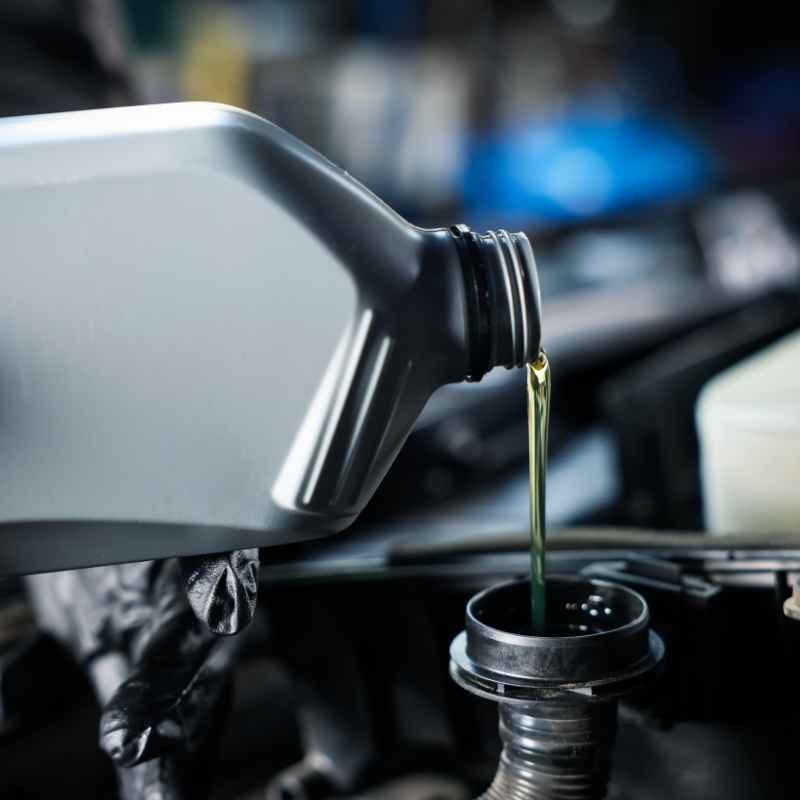
Oil Change: Old oil removed. New oil added. Cycle repeats.
What This Means for You
So, what should you do when you see black engine oil? It’s all about context and observation.
When It’s Normal and Expected
If your oil is black but still flows relatively smoothly, and your engine is running fine, it’s likely normal. This happens especially if you drive in stop-and-go traffic or have high-mileage oil.
The key is that the oil is still doing its job. It’s collecting debris. It’s keeping things clean. The fact that it’s dark means it has been working!
When to Be Concerned
You should be concerned if the black oil:
- Is extremely thick and syrupy.
- Has a gritty texture when you rub it between your fingers.
- Smells very burnt or acrid.
- Is accompanied by any changes in your engine’s performance.
These are signs that the oil is no longer functioning correctly. It could be causing damage.
Simple Checks You Can Do
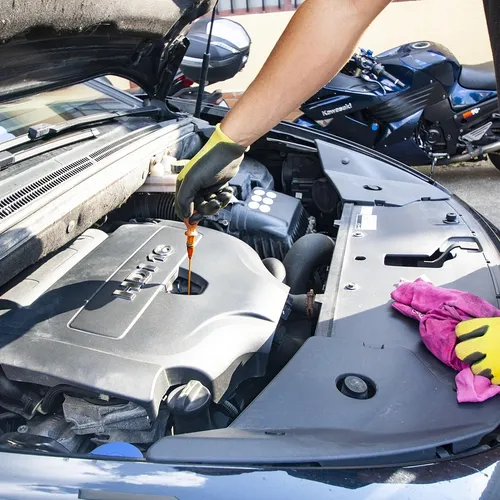
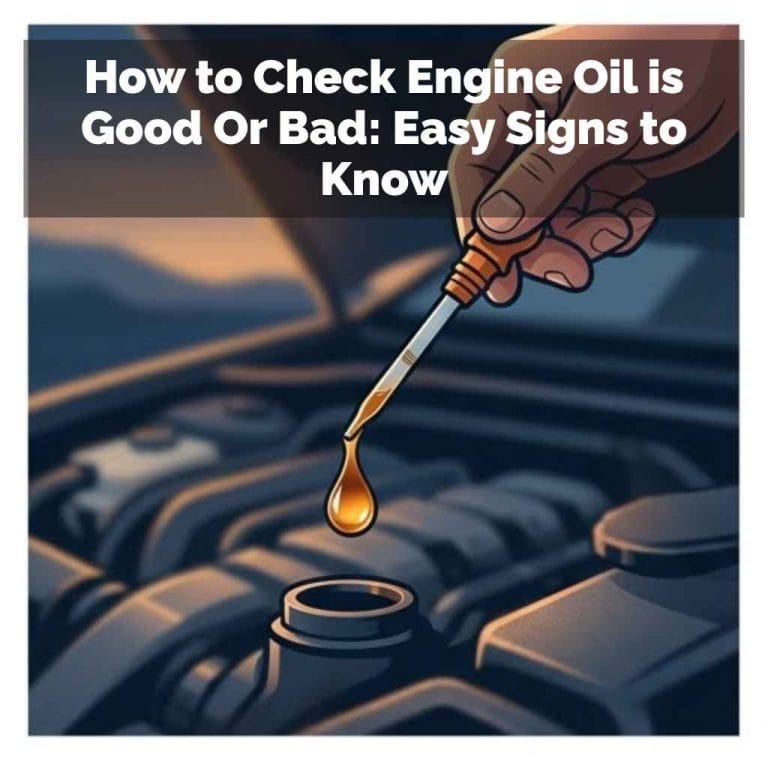
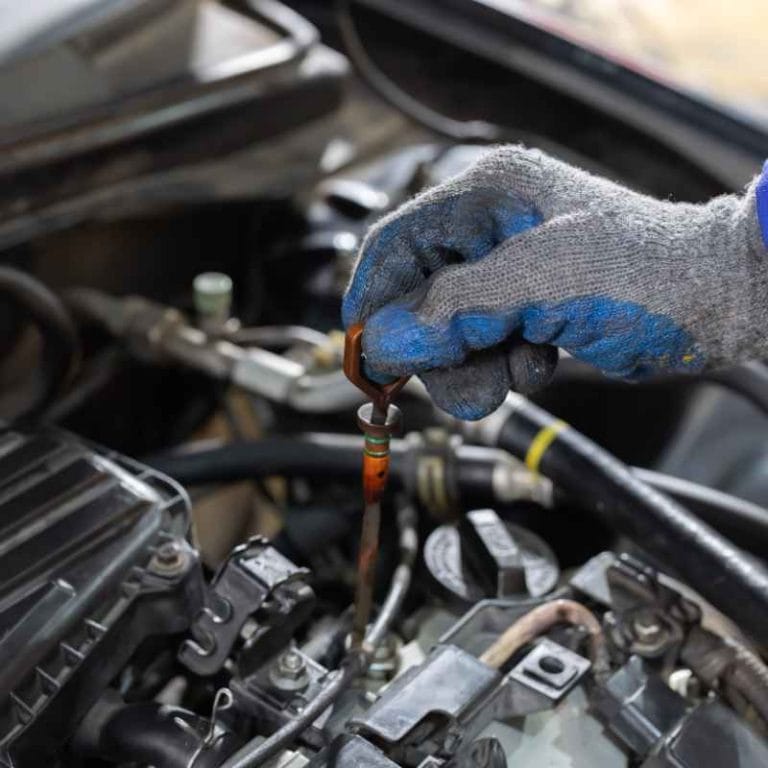
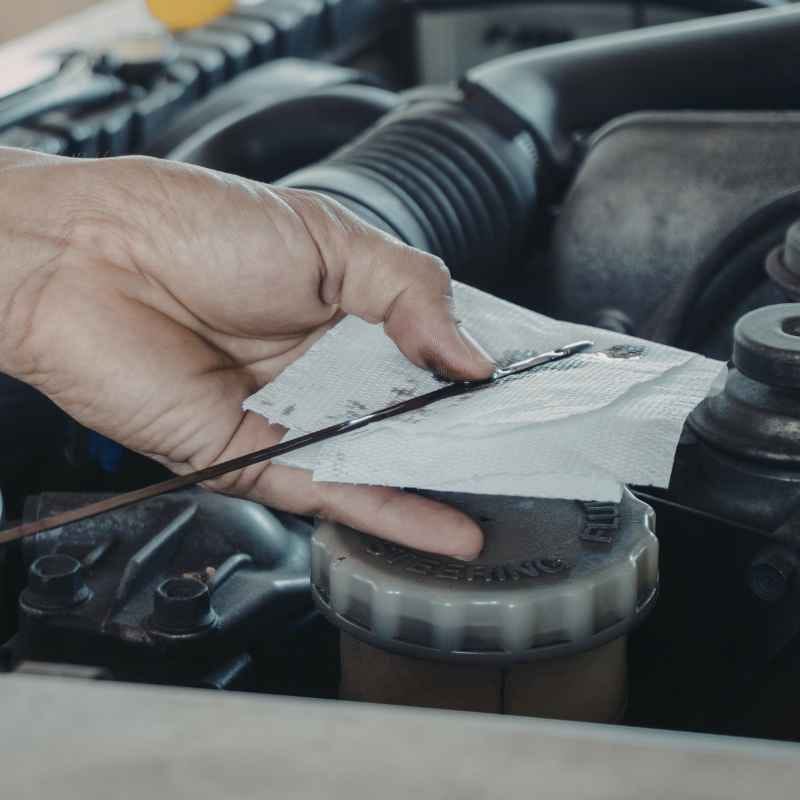
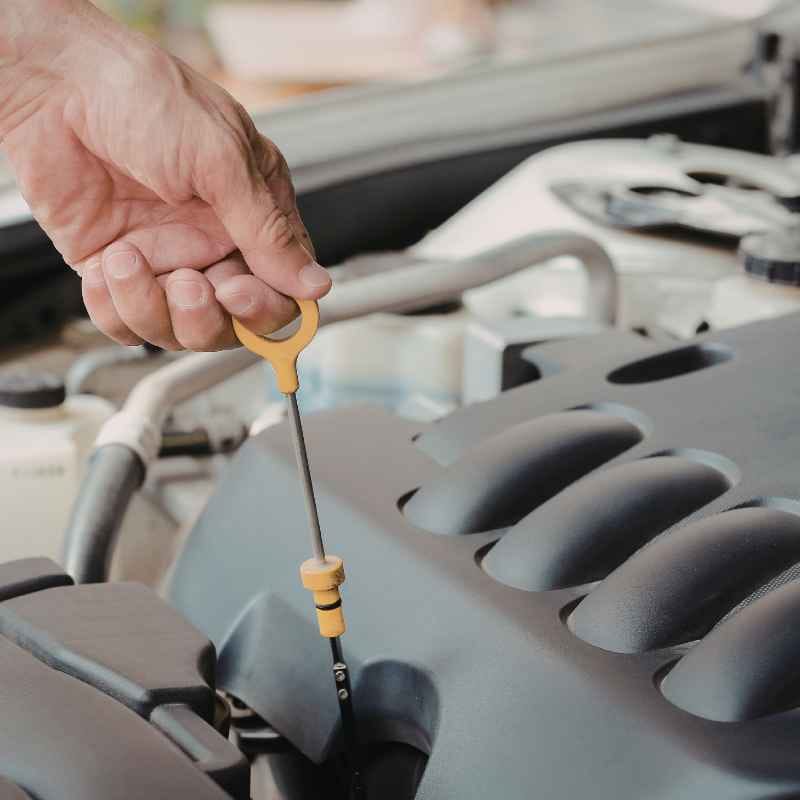
Checking your oil is easy. Park your car on a level surface. Turn off the engine. Wait a few minutes for the oil to settle. Pull out the dipstick. Wipe it clean. Reinsert it fully. Pull it out again.
Look at the color and the consistency of the oil on the dipstick. Does it look like thick sludge? Does it have particles in it? Does it smell burnt?
Compare it to how the oil looked when it was new. If it’s dramatically different in consistency or smell, it’s worth investigating further.
Quick-Scan Table: Oil Check Guide
| Observation | Likely Meaning | Action |
|---|---|---|
| Dark black, smooth flow | Normal wear, oil is cleaning | Follow recommended oil change schedule |
| Slightly lighter black, smooth | Recent oil change, still clean | Normal |
| Very thick, tar-like, gritty | Sludge formation, oil degradation | Get an oil change immediately. Consider engine flush. See a mechanic. |
| Milky or foamy | Coolant leak into oil | Stop driving. See a mechanic immediately. Major repair needed. |
| Strong burnt smell | Oil overheating or severe friction | See a mechanic. Check for leaks or friction issues. |
Quick Tips for Oil Health
Preventing excessive oil darkening and ensuring its longevity is all about good habits.
Follow Your Manufacturer’s Recommendations
The most crucial advice is to follow your car’s owner’s manual. It will tell you the correct type of oil to use. It also specifies the oil change intervals.
These intervals are usually based on mileage or time, whichever comes first. For example, “every 5,000 miles or 6 months.”
Consider Your Driving Habits
If you do a lot of short trips, city driving, or tow heavy loads, your oil might need changing more often than the standard recommendation. These conditions are harder on the oil.
Many modern cars have oil life monitors. These systems track your driving and estimate when an oil change is needed. They are often more accurate than just mileage alone.
Use the Right Oil
Using the wrong type of oil can cause problems. It might not have the right additives for your engine. It might not provide adequate protection. Always use the viscosity grade (like 5W-30) and the specifications (like API SN or SP) recommended by your car’s maker.
Don’t Ignore Warning Signs
If you notice the oil is extremely thick, sludgy, or smells bad, don’t wait for your scheduled oil change. Get it addressed by a mechanic right away. Early intervention can save your engine.
Frequently Asked Questions
Why is my new car’s engine oil already turning black?
It’s common for new car oil to darken within the first few thousand miles. This is normal as the engine components settle and minor manufacturing debris is collected by the oil. As long as the oil level is correct and there are no other issues, this is usually not a concern.
Why is my new car’s engine oil already turning black?
It’s common for new car oil to darken within the first few thousand miles. This is normal as the engine components settle and minor manufacturing debris is collected by the oil. As long as the oil level is correct and there are no other issues, this is usually not a concern.
Can I drive with black engine oil?
Yes, if the oil is simply dark black but still flows smoothly and the engine is running normally, you can typically continue driving. However, if the oil is thick, sludgy, smells burnt, or if you notice engine performance issues, you should stop driving and have it checked.
Can I drive with black engine oil?
Yes, if the oil is simply dark black but still flows smoothly and the engine is running normally, you can typically continue driving. However, if the oil is thick, sludgy, smells burnt, or if you notice engine performance issues, you should stop driving and have it checked.
How often should I change my engine oil if I drive a lot?
If you drive significantly more than the average person, check your owner’s manual. Many cars have oil life monitoring systems that adjust based on driving. If not, consider changing the oil more frequently than the mileage recommendation, especially if you do a lot of stop-and-go driving.
How often should I change my engine oil if I drive a lot?
If you drive significantly more than the average person, check your owner’s manual. Many cars have oil life monitoring systems that adjust based on driving. If not, consider changing the oil more frequently than the mileage recommendation, especially if you do a lot of stop-and-go driving.
Does synthetic oil turn black slower than conventional oil?
Synthetic oils are generally more stable and resistant to breakdown than conventional oils. They often perform better in extreme temperatures and can resist oxidation longer. This means they may stay cleaner-looking for a bit longer, but they will still turn black as they collect contaminants.
Does synthetic oil turn black slower than conventional oil?
Synthetic oils are generally more stable and resistant to breakdown than conventional oils. They often perform better in extreme temperatures and can resist oxidation longer. This means they may stay cleaner-looking for a bit longer, but they will still turn black as they collect contaminants.
What is engine sludge and how does it form?
Engine sludge is a thick, black, tar-like substance that forms when engine oil breaks down too much or when contaminants aren’t removed effectively. It happens due to a combination of heat, oxidation, and lack of regular oil changes. Sludge can block oil passages and starve engine parts of lubrication.
What is engine sludge and how does it form?
Engine sludge is a thick, black, tar-like substance that forms when engine oil breaks down too much or when contaminants aren’t removed effectively. It happens due to a combination of heat, oxidation, and lack of regular oil changes. Sludge can block oil passages and starve engine parts of lubrication.
Can I just top off my engine oil if it’s black?
Topping off black oil won’t solve the underlying issue of degraded oil. While it will bring the level up, the old oil is still dirty and less effective. It’s best to get a full oil change when the oil is significantly degraded, rather than just adding more oil.
Can I just top off my engine oil if it’s black?
Topping off black oil won’t solve the underlying issue of degraded oil. While it will bring the level up, the old oil is still dirty and less effective. It’s best to get a full oil change when the oil is significantly degraded, rather than just adding more oil.
Final Thoughts
Seeing your engine oil turn black is a common part of owning a car. It’s often a sign that your oil is working hard to keep your engine clean and running smoothly. Pay attention to the details like consistency and smell.
By understanding what makes your oil darken and knowing when to worry, you can keep your engine healthy. Regular checks and timely oil changes are key. This simple maintenance practice protects your investment and ensures your car runs reliably for years to come.
Related pick: Check today's price on Amazon
Products related to this article
Sponsored / affiliate links. As an Amazon Associate I earn from qualifying purchases. I may earn additional commission from eligible campaigns.