What Can Old Car Oil Be Used For? Smart Ways To Reuse
Old car oil can be repurposed for various practical uses such as lubricating tools, deterring pests, or even for some DIY projects. However, it’s crucial to handle it responsibly and avoid harmful disposal methods. Understanding safe and effective reuse options is key.
What Exactly is Used Motor Oil?
Motor oil is the lifeblood of your engine. It cleans, cools, and lubricates moving parts. Over time, it breaks down.
It picks up dirt, metal bits, and other gunk from your engine. This makes it “used” motor oil. It’s not the same clean oil you started with.
The exact composition changes depending on your car and how you drive.
Different types of oil exist. There’s conventional oil. There’s also synthetic blend and full synthetic oil.
They all serve the same purpose. They also all become “used” oil after a while. This used oil still has certain properties that can be useful.
But it also contains contaminants. These contaminants mean you can’t just use it for anything.
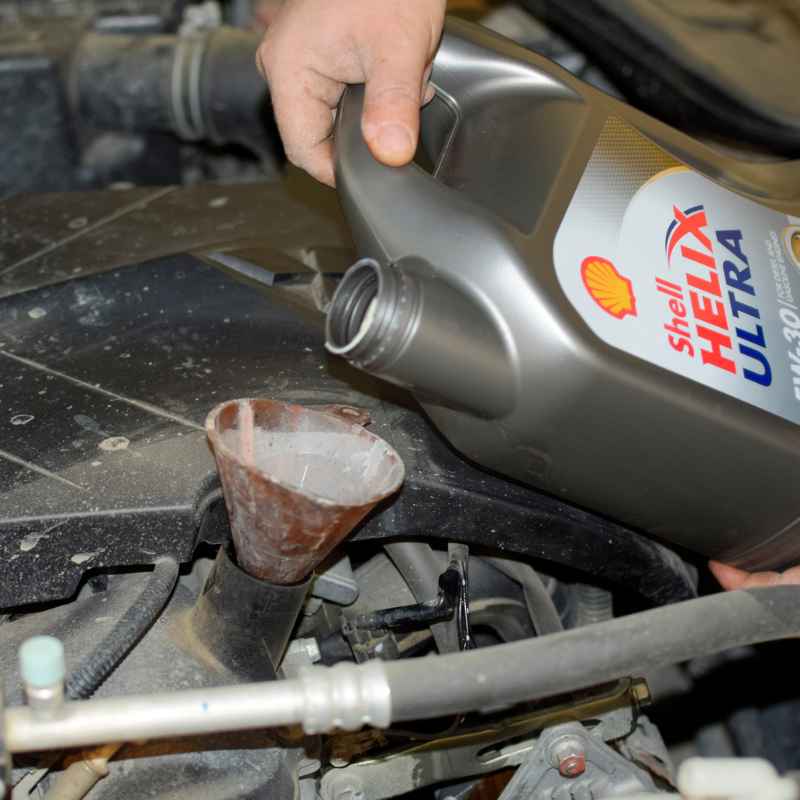
Understanding the Risks of Improper Disposal
Throwing used oil away improperly is a big no-no. It’s harmful to the environment. Just one gallon of used oil can pollute a million gallons of fresh water.
That’s a huge amount! This means our drinking water sources are at risk. It can also kill plants and animals.
Burning used oil is also dangerous. It releases toxic fumes. These fumes are bad for the air we breathe.
They can cause health problems. So, it’s really important to know the right ways to handle it. We want to protect ourselves and the planet.
We all share this world, after all.
Personal Experience: The Day I Almost Made a Big Mistake
I remember one Saturday afternoon a few years back. I was feeling pretty proud of myself. I had just changed the oil in my old truck.
It was my first time doing it myself. I had the new oil ready to go. But then I looked at the old jug.
It was full of that dark, sludgy oil. My mind immediately went to a story my neighbor told me.
He said he used to use old oil to coat the bottom of his shed. He claimed it kept the wood from rotting. I thought, “Hey, that sounds like a good idea!” I pictured myself pouring it all over the base of my garden shed.
It seemed like a clever way to use up waste. I grabbed the jug, ready to start. Then, something stopped me.
It was a nagging feeling. Was this really safe? Was I going to hurt my plants or the soil?
I put the jug down. I decided to do some quick research instead. What I found scared me.
Pouring it on the ground is terrible for the soil and any plants nearby. It can seep into groundwater. It’s a major environmental hazard.
I felt a huge wave of relief that I hadn’t done it. That day taught me a valuable lesson. Always check first before trying to reuse something potentially harmful.
Smart Ways to Reuse Old Car Oil
Okay, so what can you do with it? There are a few good options. Some are DIY friendly.
Others involve taking it to a special place. Let’s break down the safe and smart choices.
DIY Project Ideas: Using Oil Wisely
Some folks get creative. They find uses for the oil’s properties. One common idea is using it on metal.
It can act as a rust inhibitor. Think of old tools or metal garden stakes. A light coating can help prevent them from rusting.
It’s like a protective shield.
Another use is for lubrication. If you have squeaky hinges or old machinery, a little used oil can help. It’s not as good as new oil.
But for non-critical applications, it can work. Just remember to use it sparingly. You don’t want oil dripping everywhere.
A word of caution here. These DIY uses are for small amounts. They are for things that don’t involve direct contact with food or water.
And they are for items you aren’t worried about getting a little dirty. Think of it as giving the oil a small, useful job before it’s properly recycled.
Pest Deterrent: A Natural (Sort Of) Barrier
Believe it or not, some people use old oil to keep pests away. You can paint a line of oil around the base of certain plants or structures. Certain insects don’t like crossing oily barriers.
This can help protect things like young trees from rabbits or deer. It can also deter slugs and snails.
Again, use this with care. You don’t want to coat your entire garden. It’s meant for specific problem spots.
And make sure the oil doesn’t run off into storm drains. The goal is a targeted application.
This method isn’t foolproof. It won’t stop every animal. But for some common garden nuisances, it can offer a bit of help.
It’s a way to use the oil’s properties without major environmental risk if done right.
Fuel for Certain Heaters: A Controversial Option
Some specialized heaters are designed to burn used motor oil. These are often called waste oil furnaces or heaters. They are common in garages or workshops.
They can provide heat and get rid of the used oil at the same time.
However, this is a tricky area. You need to make sure the heater is specifically designed for used oil. Burning it in other heaters is extremely dangerous and polluting.
Also, local regulations might restrict this. You need to check your local laws before even considering this.
The emissions from burning used oil can still be an issue. Even in approved heaters, some pollutants are released. So, while it’s a reuse method, it’s not always the most environmentally friendly one.
Modern recycling is usually a better path.
The Best Way: Recycling Used Motor Oil
The absolute best thing you can do with old car oil is to recycle it. This is the most responsible choice. It’s also the easiest for most people.
Recycling centers and auto shops are equipped to handle it. They can re-refine the oil. This means it can be turned back into new motor oil.
Or it can be used for other industrial purposes.
This process is much cleaner than burning or improper disposal. It conserves natural resources. It also prevents pollution.
Many places offer free drop-off for used oil. You just need to find out where your nearest collection point is.
How to Prepare Your Used Oil for Recycling
Gather your used oil in a clean, leak-proof container. Original oil containers are often best. Make sure the lid is tight.
Do NOT mix it with other fluids. Things like antifreeze, brake fluid, or solvents can contaminate the oil. This makes it harder or impossible to recycle.
Keep the oil free of debris. If you did use a little for a DIY project, make sure the remaining oil is still clean enough. Contaminated oil might be rejected.
So, clarity is key when preparing it.
Some places might have limits on how much oil they accept at once. It’s always a good idea to call ahead. Ask about their drop-off hours and any specific requirements they have.
Where to Find Used Oil Recycling Centers
Finding a recycling center is usually straightforward. Many auto parts stores accept used oil. Think of places like AutoZone, O’Reilly Auto Parts, or Advance Auto Parts.
These stores often have dedicated collection bins. They are usually happy to take your old oil off your hands.
Your local municipality might also have a hazardous waste collection site. These sites often accept used motor oil. Check your city or county’s waste management website.
They will usually list drop-off locations and accepted materials.
Some service stations and repair shops also offer recycling services. It never hurts to ask them when you’re getting your car serviced. They might be able to take your used oil then and there.
This makes it super convenient.
Online Resources for Finding Recycling Locations
There are great online tools to help you. Websites like Earth911.com are fantastic. You can search by material (used motor oil) and your zip code.
They will give you a list of nearby recycling facilities. It’s a quick and easy way to find what you need.
The Environmental Protection Agency (EPA) also offers resources. Their website has information on recycling used oil. They can guide you to local programs.
Using these resources ensures you find a legitimate and safe recycling option.
Remember, recycling is not just good for the environment. It’s also often required by law in many places. So, it’s a win-win situation to do it right.
Things to NEVER Do With Old Car Oil
We’ve talked about good options. Now let’s be very clear about the bad ones. These are things that can cause serious harm.
Please avoid them at all costs.
Myth vs. Reality: Common Misconceptions
- Myth: Pouring oil on the ground kills weeds permanently. Reality: It poisons the soil, harms plants, and pollutes groundwater.
- Myth: Diluting oil with water makes it safe to pour away. Reality: Water and oil don’t mix well. The oil still causes major pollution.
- Myth: Used oil can be burned in any fireplace or outdoor fire. Reality: This releases extremely toxic fumes and is dangerous.
Never pour used oil down storm drains. This is a direct path to our rivers and oceans. It’s also illegal in most areas.
The fines can be substantial.
Don’t pour it into septic systems or sewer lines. This can damage plumbing and wastewater treatment facilities. It can also cause blockages.
It’s a costly problem to fix.
The Consequences of Bad Choices
The consequences are severe. For the environment, it means contaminated soil and water. It means harm to wildlife.
For human health, it can mean unsafe drinking water. It can lead to respiratory problems from fumes.
Legally, dumping oil can result in heavy fines. You could even face criminal charges in some cases. Many communities have strict rules about household hazardous waste.
Used oil falls under this category.
So, when in doubt, always choose recycling. It’s the safest and most responsible action you can take.
Can You Reuse Oil for Lubrication on Non-Critical Parts?
Yes, in some very specific situations, used motor oil can act as a lubricant for non-critical metal parts. Think about things like outdoor furniture hinges that squeak. Or maybe a rusty old gate latch.
A light application of used oil can help here. It can reduce friction and stop that annoying squeak.
However, it’s important to be realistic. This oil is no longer clean. It contains abrasive particles.
These particles could potentially cause wear on moving parts over time. So, you would never use it on anything that requires precise engineering or high performance. Car engines, bicycles, or anything with tight tolerances are a big no-no.
Also, consider the mess. Used oil is messy. It can stain surfaces.
It can also attract dirt. So, if you use it for lubrication, apply it very carefully. A small rag or an old brush works well for application.
You don’t want drips everywhere.
What About Using Oil as a Wood Preservative?
The idea of using old oil to preserve wood is an old one. Some people believed it would soak into the wood. It would then protect it from moisture and rot.
This might have had some limited effect on very porous woods. But it’s generally not a good idea for modern use.
First, used motor oil is a pollutant. It contains heavy metals and other toxic chemicals. These can leach into the soil.
They can also be harmful to anything living nearby. If you use it on outdoor structures, the rain will wash it away. This carries those toxins into the environment.
Second, it doesn’t really work that well compared to modern preservatives. Wood treated with used oil can become sticky and attract dirt. It can also have a strong, unpleasant odor.
For any serious wood preservation, it’s better to use products designed for the job. These products are tested for safety and effectiveness. They are also much better for the environment.
How to Safely Store Used Oil Before Recycling
You need to store your used oil properly before you can take it for recycling. This is important to prevent spills and leaks. It also keeps the oil clean and uncontaminated.
The best containers are the ones the new oil came in. They are designed to be leak-proof and sturdy.
If you don’t have the original containers, use sturdy plastic jugs with tight-fitting lids. Old milk jugs or soda bottles are generally not suitable. They can degrade over time.
They are also not designed for oil. Make sure the lid screws on tightly. You don’t want any air getting in or oil leaking out.
Store the containers upright in a safe place. A garage or shed is usually a good spot. Keep them away from heat sources.
Also, keep them out of reach of children and pets. It’s also a good idea to put the container inside another larger container, like a plastic tub. This acts as a secondary containment.
If the jug leaks, the tub will catch it. This prevents a big mess and environmental contamination.
Never mix different types of fluids in the same container. Antifreeze, brake fluid, paint thinner, and other chemicals should never be mixed with used motor oil. This makes the entire batch unrecyclable.
Most recycling centers will refuse mixed liquids.
The Environmental Impact of Re-Refining Oil
Re-refining used motor oil is a fantastic process. It has huge benefits for the environment. When oil is re-refined, it’s cleaned of contaminants.
It’s then processed to become new lubricating oil. This saves a lot of resources. Making new oil from crude oil takes a lot of energy and creates pollution.
Recycling used oil conserves crude oil. This is a limited natural resource. It also reduces the need for oil drilling and refining.
These activities have significant environmental impacts, like habitat destruction and greenhouse gas emissions.
By recycling, we also prevent pollution. As we’ve discussed, improperly disposed oil pollutes land and water. Re-refining ensures that this waste product is turned into something useful.
It’s a closed-loop system. It minimizes waste and maximizes resource use. It’s a key part of being environmentally responsible.
Quick Scan: Recycling vs. New Oil Production
| Benefit | Recycling Used Oil | Producing New Oil from Crude |
| Resource Conservation | Conserves crude oil. Uses a waste product. | Depletes finite crude oil reserves. |
| Energy Use | Uses significantly less energy. | Requires vast amounts of energy for extraction and refining. |
| Pollution | Minimizes land, water, and air pollution. | Generates significant pollution from drilling, transport, and refining. |
| Waste Reduction | Turns waste into a valuable resource. | Creates waste products and by-products. |
The statistics are compelling. Recycling one gallon of used oil can save about 42% of the energy needed to refine a gallon of crude oil. That’s a substantial saving!
What This Means for You: Making the Right Choice
So, what’s the takeaway from all this? It means you have a responsibility when you change your car’s oil. You have options for what to do with the used oil.
Some DIY uses exist, but they are limited and come with risks. The absolute best, safest, and most environmentally sound choice is always recycling.
It means taking a few extra minutes to store your used oil properly. It means finding out where your local recycling center is. It might mean a quick trip to an auto parts store.
This small effort makes a big difference. It protects our planet and conserves valuable resources.
Don’t fall into the trap of thinking it’s too much trouble. Or that your small amount won’t matter. Every bit of recycled oil counts.
It adds up. When millions of people make this responsible choice, the impact is enormous. It’s about being a good steward of our environment.
When is it Okay to Use a Little Bit of Used Oil?
As we touched on, there are very limited scenarios where a tiny amount of used oil might be okay. These are typically for very basic lubrication or rust prevention on items that are not critical and not in contact with anything sensitive.
Examples include:
- Lubricating a squeaky garden gate hinge.
- Coating a metal garden tool to prevent rust.
- Putting a thin layer on metal stakes that are hammered into the ground.
The key words here are “tiny amount” and “non-critical.” You should never use more than a few drops. And it should only be on things where a bit of grime or oil residue won’t cause problems. You should never use it on anything that comes into contact with food, pets, or people.
Even in these cases, you should be cautious. Ensure the oil doesn’t drip onto soil or into any water sources. If you have any doubt, it’s always better to use a dedicated product or to recycle the oil.
When Should You Definitely NOT Reuse Used Oil?
There are many situations where reusing used oil is a definite no-go. The risks far outweigh any perceived benefits.
- Cooking or food preparation: Never use used oil for anything related to food. It’s highly contaminated and toxic.
- Any engine or mechanical parts: Never put used oil back into any engine, tool, or machinery that requires proper lubrication. The contaminants will cause damage.
- Waterways or storm drains: Absolutely never pour oil into drains, rivers, lakes, or the ocean. This is illegal and causes severe environmental damage.
- Gardens or soil where food is grown: Do not apply used oil directly to soil or plants, especially if you plan to eat anything from that area. It poisons the soil and can be absorbed by plants.
- Pets or animals: Keep used oil away from pets. If they ingest it or get it on their fur, it can be very harmful.
Basically, if there’s any chance of the oil entering the environment, being ingested, or causing harm, then don’t reuse it. Recycling is the only safe option for the vast majority of used oil.
Quick Fixes & Tips for Responsible Used Oil Handling
Here are some practical tips to make handling and recycling your used oil as easy as possible:
- Have a dedicated container ready: When you buy new oil, keep the empty jugs. They are perfect for storing used oil.
- Seal it tight: Always make sure the lid is screwed on securely. A loose lid is an invitation for a spill.
- Use a funnel: A funnel makes pouring oil into the container much cleaner and easier.
- Clean up spills immediately: If you do spill a little oil, use absorbent material like kitty litter or rags. Dispose of these materials properly, often with your next hazardous waste drop-off.
- Check local regulations: Some areas have specific rules about how much oil you can store or drop off. A quick online search or a call to your local waste authority can save you trouble.
- Don’t wait too long: Recycle your used oil as soon as you can. Storing it for very long periods increases the risk of container failure or leaks.
Frequently Asked Questions About Used Car Oil
Can I mix different types of used oil together?
It’s best not to mix different types of used oil (like motor oil with transmission fluid or power steering fluid) if you plan to recycle them. Most recycling centers prefer that you keep different types of fluids separate to ensure proper re-refining. Always check with your local recycling facility for their specific guidelines.
How much used oil can I take to a recycling center?
Most auto parts stores and recycling centers accept a reasonable amount of used motor oil from individuals, typically up to 5 gallons at a time. However, it’s always a good idea to call ahead and confirm their limits and any specific requirements they might have.
What happens if I accidentally put antifreeze in my used oil container?
If you accidentally mix antifreeze with used motor oil, the entire batch is likely considered contaminated and may not be accepted for recycling. Antifreeze contains different chemicals that can interfere with the oil re-refining process. You may need to dispose of the mixed liquid as hazardous waste according to your local regulations.
Is it safe to use old oil on my tools?
For very basic rust prevention on metal tools that are not precision instruments, a light coating of used oil might offer some temporary protection. However, it’s not ideal. The oil contains abrasive particles that could cause wear over time.
For best results and to avoid potential damage, consider using a dedicated rust preventative or lubricant.
Can I burn used oil for heat in my home?
Burning used motor oil for heat is generally not recommended for home use. While there are specialized waste oil furnaces designed for this purpose, they require specific ventilation and emission controls. Burning used oil in regular furnaces or fireplaces releases toxic fumes and is extremely dangerous and polluting.
Always consult local regulations and use approved equipment if considering this option.
Where can I find a used oil recycling center near me?
You can find used oil recycling centers by checking with local auto parts stores (like AutoZone, O’Reilly, Advance Auto Parts), your municipal waste management website, or by using online search tools like Earth911.com. Many service stations also offer drop-off points.
Conclusion: A Simple Choice for a Big Impact
So, you’ve got that jug of old oil. You now know it’s not just trash. It’s a material that can be used again.
The best and safest path is always recycling. It protects our world. It saves precious resources.
Make the smart choice for your car and for our planet. Find your local recycling spot and do your part.
Products related to this article
Sponsored / affiliate links. As an Amazon Associate I earn from qualifying purchases. I may earn additional commission from eligible campaigns.