What Are The Benefits Of Synthetic Motor Oil? Full List
Choosing the right motor oil for your car can feel like a big decision. You want to keep your engine running smoothly for years. You might have heard about synthetic oil and wondered if it’s worth the hype.
Does it really offer more protection? Will it make your car perform better? Let’s dive in and explore all the good things synthetic oil can do for your vehicle.
What Synthetic Motor Oil Really Is
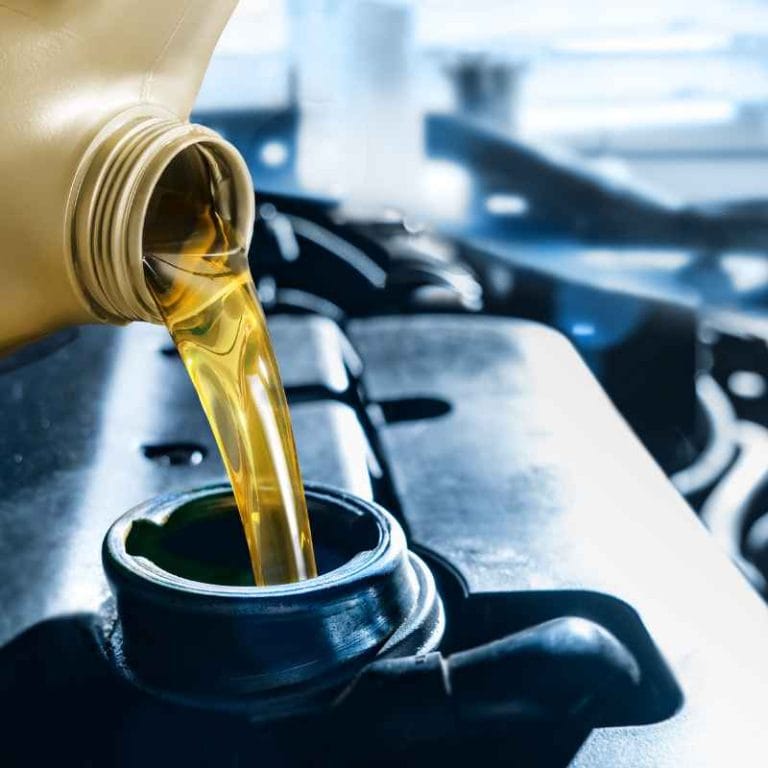
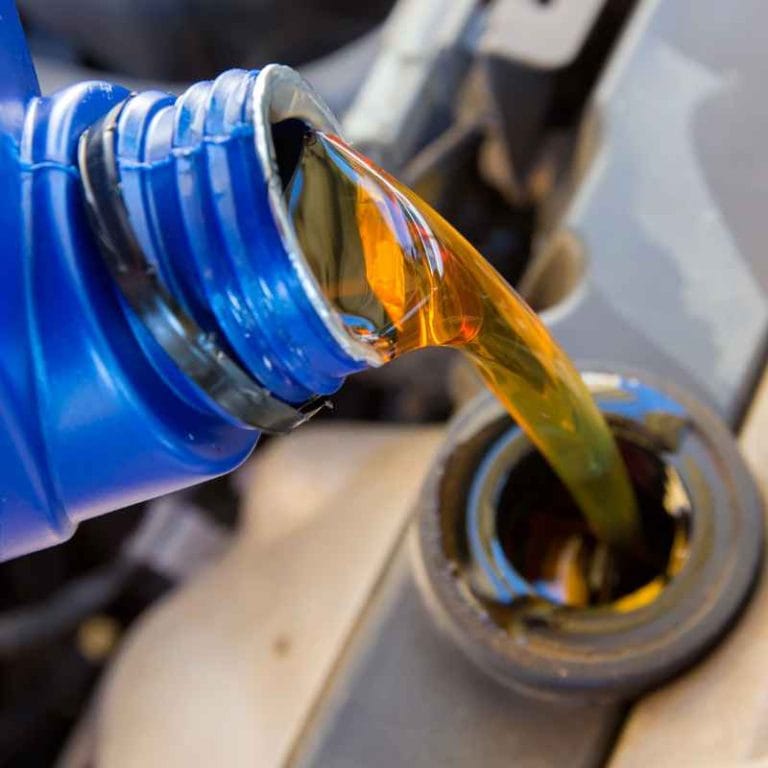
Synthetic motor oil is a man-made lubricant. It starts with a base oil that is chemically designed. This base oil is then enhanced with special additives.
These additives give it unique properties. Unlike conventional oil, which comes from crude oil, synthetic oil is built from the ground up. This careful design process gives it superior performance across many conditions.
Think of it like this: conventional oil is like a natural, unprocessed ingredient. Synthetic oil is like a perfectly crafted dish made with the best ingredients, tailored for a specific outcome. This difference in creation leads to significant advantages for your car’s engine.
It’s engineered to be cleaner, more stable, and more effective than traditional oils.
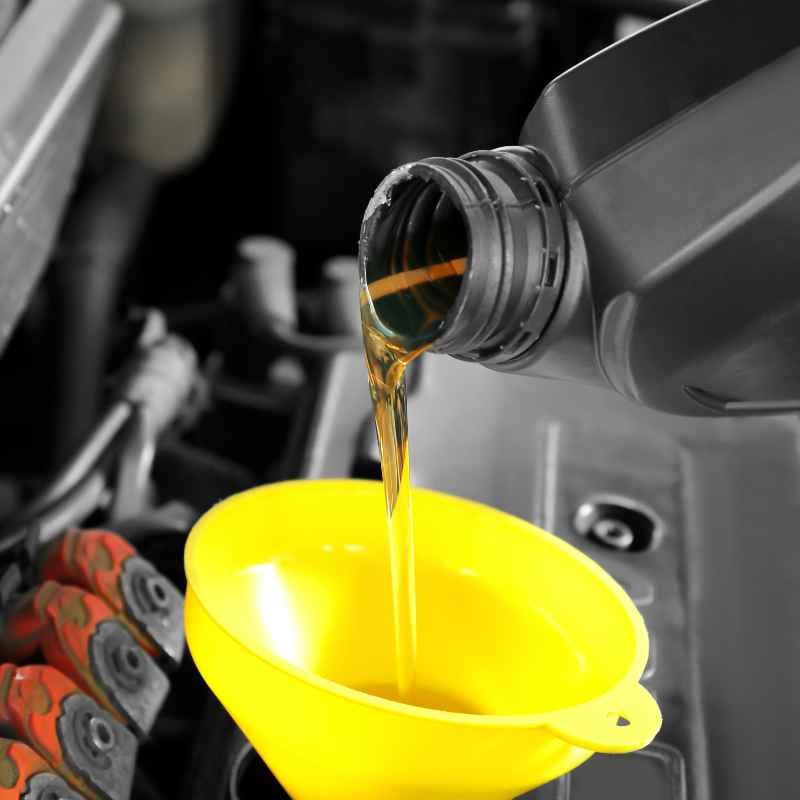
The Science Behind Synthetic Oil’s Superiority
The core of synthetic oil’s advantage lies in its molecular structure. Conventional motor oils have molecules that vary in size and shape. This variation causes friction and wear within the engine.
Synthetic oils, however, have uniform molecules. They are all about the same size and shape.
This uniformity means the oil flows more smoothly. It creates a stronger, more consistent protective film between engine parts. This film is crucial for reducing friction.
Less friction means less heat and less wear. The engine works more efficiently. This also helps extend the life of engine components.
The additives in synthetic oil are also very important. They are carefully chosen to perform specific jobs. Some additives help keep the oil from breaking down at high temperatures.
Others prevent it from thickening in the cold. Some help clean the engine by preventing sludge and deposits from forming. These work together to give your engine the best possible protection.
My First Encounter with Synthetic Oil
I remember a time when I was younger and my dad’s old pickup truck was acting up. It was a hot summer day, and the engine started making this awful knocking sound. We were miles from home.
My dad, bless his heart, wasn’t exactly a car guru. He just knew it sounded bad.
We managed to get it to a small mechanic shop. The mechanic took one look under the hood and said, “This thing is running on the cheapest oil you can buy. It’s cooked.” He explained that in the extreme heat, the conventional oil just wasn’t holding up.
It was breaking down and not lubricating properly.
He then told us about synthetic oil. He said it would handle the heat much better and offer better protection. We were a bit hesitant because it cost more.
But we went ahead and got an oil change with full synthetic. I swear, that old truck ran smoother and quieter for the rest of its days. It was a real wake-up call for me about how much the right oil matters.
Synthetic Oil vs. Conventional Oil: Quick Look
Uniform Molecules: Synthetic oil has molecules that are all the same size. Conventional oil molecules are different sizes.
Heat Stability: Synthetics resist breakdown at high temps. Conventional oils can break down.
Cold Weather Flow: Synthetics flow better when cold. This helps start-up protection.
Cleaning Power: Synthetics often have better additives to prevent sludge.
Longevity: Synthetic oils generally last longer between changes.
Top Benefits of Using Synthetic Motor Oil
Synthetic motor oil offers a wide array of advantages for your car’s engine. These benefits range from increased protection to improved fuel efficiency. Let’s break down each one so you can see the full picture.
1. Superior Engine Protection
This is arguably the biggest perk of synthetic oil. Its engineered molecules create a very strong lubricant film. This film is more robust than what conventional oil can provide.
It stays in place even under extreme conditions. This means critical engine parts like pistons, bearings, and valves are shielded from metal-to-metal contact.
This constant, reliable protection is vital for the longevity of your engine. It reduces wear and tear significantly. Less wear means fewer costly repairs down the road.
It’s like giving your engine a super shield.
2. Enhanced Performance in Extreme Temperatures
Engines operate in very hot and very cold conditions. Synthetic oil shines in both extremes.
In extreme heat: Conventional oils can thin out and break down. This reduces their ability to lubricate. Synthetic oils are much more resistant to this thermal breakdown.
They maintain their viscosity (thickness) better. This ensures consistent lubrication even when the engine is working hard on a hot day or during a traffic jam.
In extreme cold: Conventional oils can become thick and sludgy. This makes it hard for the engine to start. It also means parts don’t get lubricated quickly.
Synthetic oils have better cold-flow properties. They remain fluid even at very low temperatures. This allows oil to reach all parts of the engine faster on start-up.
This reduces wear during those critical first few minutes.
3. Better Fuel Economy
When engine parts move smoothly, they don’t have to work as hard. This is where synthetic oil makes a difference. By reducing friction between moving parts, it allows the engine to run more freely.
This means less energy is wasted overcoming resistance.
This reduced energy loss translates directly into better fuel economy. You might notice a slight improvement in your gas mileage. Over time, this can add up to real savings at the pump.
It’s a nice bonus for choosing a higher-quality oil.
4. Cleaner Engine Operation
Engines can build up deposits and sludge over time. This happens from burnt oil and other byproducts of combustion. These deposits can clog small oil passages.
They can also make parts stick. This reduces efficiency and can lead to engine damage.
Synthetic oils are formulated with advanced detergent and dispersant additives. These additives help to keep the engine clean. They prevent sludge from forming.
They also help to break down existing deposits. This keeps your engine running cleaner and more efficiently. A cleaner engine runs better and lasts longer.
5. Extended Oil Drain Intervals
One of the most practical benefits for car owners is the ability to go longer between oil changes. Synthetic oils are much more stable. They resist degradation and contamination better than conventional oils.
This means they can maintain their protective properties for a longer period.
Most manufacturers recommend longer oil change intervals for synthetic oils compared to conventional ones. Always check your car’s owner’s manual for specific recommendations. But in general, you can expect to change synthetic oil less often.
This can save you time and money in the long run.
6. Reduced Oil Consumption
Older engines, or engines that run very hot, can sometimes burn oil. This means oil seeps past piston rings and into the combustion chamber. It then gets burned up.
This can lead to low oil levels and increased engine wear.
Synthetic oils are less likely to evaporate or break down at high temperatures. Their stable molecular structure helps them resist burning off. This means your engine may consume less oil overall.
This is especially beneficial for engines that have a tendency to use oil.
7. Protection Against Wear and Tear
We’ve touched on this, but it’s worth emphasizing. The primary job of motor oil is to protect moving parts. Synthetic oil does this exceptionally well.
The consistent, robust lubricating film it forms is key.
This superior film strength means less friction. Less friction means less microscopic metal particles being scraped off internal surfaces. This direct reduction in wear means your engine components will last longer.
This is a critical factor for the overall lifespan of your vehicle.
Synthetic Oil: Key Advantages Summarized
Core Benefit: Exceptional engine protection.
Temperature Resistance: Works great in hot and cold weather.
Efficiency Boost: Can improve gas mileage.
Engine Cleanliness: Helps prevent sludge and deposits.
Cost Savings: Longer intervals between oil changes.
Real-World Scenarios Where Synthetics Excel
It’s one thing to talk about benefits in theory. It’s another to see them play out in everyday driving. Synthetic oil’s advantages become very clear in certain situations.
Stop-and-Go City Driving
This is where an engine works hard but doesn’t always reach optimal temperatures. Short trips mean the engine heats up and cools down repeatedly. This can cause condensation.
It can also lead to sludge formation with conventional oil.
Synthetic oil’s detergents help combat sludge. Its stability helps protect the engine during the heat cycles. It also flows well at start-up, providing immediate lubrication when the engine is cold.
This is a tough environment for any oil, but synthetics handle it better.
High-Speed Highway Cruising
Long highway drives can push an engine to its limits, especially in hot weather. The constant high RPMs generate a lot of heat. Conventional oil can break down under this sustained heat.
It might start to lose its viscosity, or thickness. This reduces its protective qualities.
Synthetic oil’s superior heat resistance is a major advantage here. It maintains its viscosity and lubricating properties. This keeps the engine protected from excessive heat and wear.
It ensures consistent performance during long journeys.
Towing and Hauling
When you tow a trailer or haul heavy loads, your engine is under significant stress. The engine works much harder. This generates much more heat and puts extra strain on the oil.
This is a prime scenario where the robust protection of synthetic oil is essential.
The strong lubricant film provided by synthetics can handle this extra load. It prevents excessive wear and protects vital engine components. It helps ensure your engine can cope with the demands of towing without overheating or suffering damage.
When Does Synthetic Oil Shine Brightest?
- Frequent short trips: Protects against condensation and sludge.
- Hot climates: Resists oil breakdown from heat.
- Cold climates: Ensures easier starts and faster lubrication.
- High-performance vehicles: Meets demands for extreme power.
- Towing or heavy loads: Provides extra protection under stress.
What This Means for Your Car and Your Wallet
The choice between synthetic and conventional oil isn’t just about the oil itself. It has real-world implications for how your car performs and how much you spend on its upkeep.
When It’s Normal to Stick with Conventional Oil
For older cars with less sophisticated engines, conventional oil might be perfectly adequate. If your car’s owner’s manual specifically recommends conventional oil, it’s usually best to stick with that. Some older vehicles are not designed for synthetic oil.
It might even cause seals to leak in rare cases.
If you drive a very basic commuter car and only drive short distances in mild climates, the extra cost of synthetic oil might not provide a noticeable benefit. You can likely get good life out of conventional oil with regular changes. It’s about matching the oil to the car’s needs and your driving habits.
When It’s Time to Consider Synthetic
If you have a newer car, a performance vehicle, or drive in extreme conditions, synthetic is often the best choice. Modern engines are built with tighter tolerances and higher performance expectations. They benefit greatly from the advanced protection synthetics offer.
If you want to maximize your car’s lifespan, reduce maintenance hassles, and potentially save on fuel, synthetic oil is worth the investment. It’s a proactive way to care for your engine. It helps ensure it performs at its best for years to come.
Simple Checks You Can Do
The easiest way to know what oil your car needs is to consult your owner’s manual. It will specify the correct oil type, viscosity grade (like 5W-30), and performance standards (like API SP or ILSAC GF-6). If it lists synthetic oil as an option or recommendation, that’s a good sign.
You can also check the oil cap on your engine. Sometimes, the recommended oil type is printed there. If you’re ever unsure, asking a trusted mechanic is always a good idea.
They can help you determine the best oil for your specific vehicle and driving conditions.
Quick Oil Decision Guide
| Car Type / Driving | Recommended Oil | Why? |
|---|---|---|
| Older car, basic needs | Conventional | Often sufficient, meets manual specs. |
| Newer car, commuter | Synthetic Blend or Full Synthetic | Better protection, potentially longer intervals. |
| Performance/Luxury car | Full Synthetic | Engine design demands superior lubrication. |
| Extreme temps or towing | Full Synthetic | Offers best protection under stress. |
Tips for Making the Switch to Synthetic Oil
If you’ve been using conventional oil and decide to switch to synthetic, it’s usually a straightforward process. Most modern cars can make the switch without issue.
Check Your Manual: First, confirm your owner’s manual doesn’t have any warnings against synthetic oil. For very old engines or those with specific seal materials, there could be a concern, but this is rare now.
Flush? Not Usually Needed: Most mechanics agree that a special oil flush is not necessary when switching to synthetic. Synthetic oil itself has excellent cleaning properties.
It will help clean your engine over time. A flush might actually dislodge large sludge chunks that could then clog oil passages.
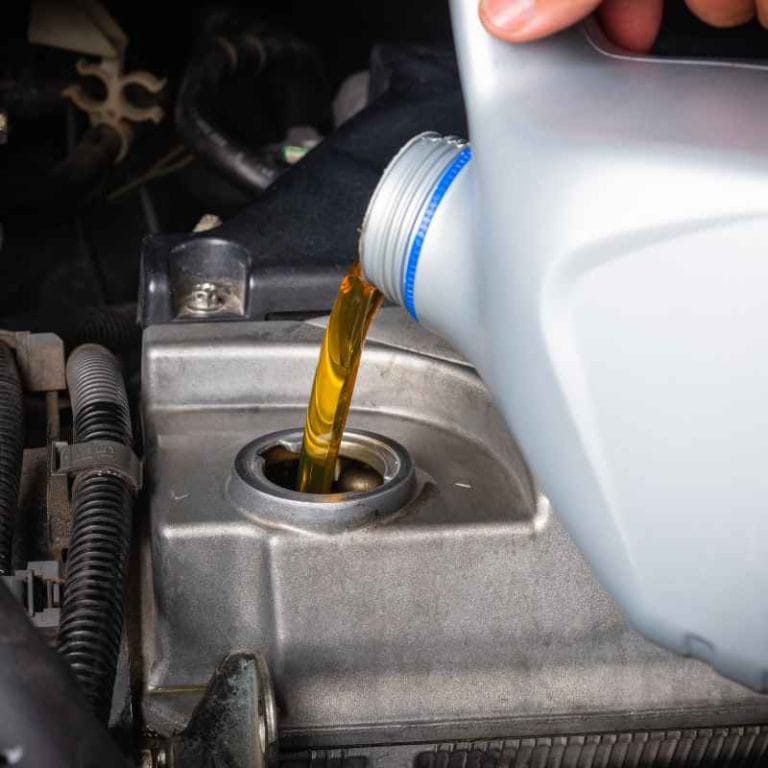
Just Make the Change: Simply have your conventional oil drained and
Listen to Your Engine: After switching, pay attention. You might notice your engine runs a little quieter or smoother. Some people report better throttle response or a slight improvement in fuel economy.
These are good signs!
Making the Switch: Simple Steps
- Verify: Consult your owner’s manual.
- Skip the Flush: Modern engines usually don’t need it.
- Use Recommended Viscosity: Match the oil weight (e.g., 5W-30).
- Choose Quality: Opt for a reputable brand.
- Follow New Intervals: Adhere to the longer change schedule.

Frequently Asked Questions About Synthetic Motor Oil
Is synthetic oil really worth the extra cost?
For many drivers, yes. The increased protection, better performance in extreme temperatures, potential for better fuel economy, and longer oil change intervals often make synthetic oil a cost-effective choice over the life of the vehicle. It helps prevent costly engine repairs.
Can I mix synthetic and conventional oil?
It is generally okay to mix synthetic and conventional oils in a pinch. Most modern oils are designed to be compatible. However, doing so will dilute the benefits of the synthetic oil.
For best results, it’s recommended to use either all synthetic or all conventional oil.
How often should I change synthetic oil?
This depends on your car’s manufacturer recommendations. However, synthetic oils typically last longer than conventional oils. Intervals can range from 5,000 to 15,000 miles or more, depending on the oil type and your vehicle.
Always check your owner’s manual.
Will synthetic oil leak from my older car?
This is a common concern, but it’s largely a myth for most cars. While very old engines with degraded seals might react poorly to any change, modern synthetic oils are designed to be compatible with most engine seal materials. If your car has a known oil leak, fixing that should be the priority, not avoiding synthetic oil.
What is a synthetic blend oil?
A synthetic blend oil is a mixture of conventional and synthetic base oils. It offers some of the benefits of synthetic oil at a lower cost than full synthetic. It provides better protection and performance than conventional oil alone.
Are there different types of synthetic oil?
Yes, there are several types, often categorized by their Group classification. Group III base oils are often called “synthetic” and are common. Group IV (PAOs) and Group V (esters and others) are also used, offering varying levels of performance and cost.
Full synthetic oils typically use these higher-quality base stocks and advanced additive packages.
Conclusion: A Smarter Choice for Your Engine
Synthetic motor oil isn’t just a premium product; it’s a high-performance lubricant. It offers tangible benefits for engine protection, longevity, and efficiency. By understanding how it’s made and the advantages it provides, you can make a more informed choice for your vehicle.
Investing in synthetic oil is investing in the health and performance of your car.
Products related to this article
Sponsored / affiliate links. As an Amazon Associate I earn from qualifying purchases. I may earn additional commission from eligible campaigns.