How To Fix A Car Engine Burning Oil: Causes & Solutions
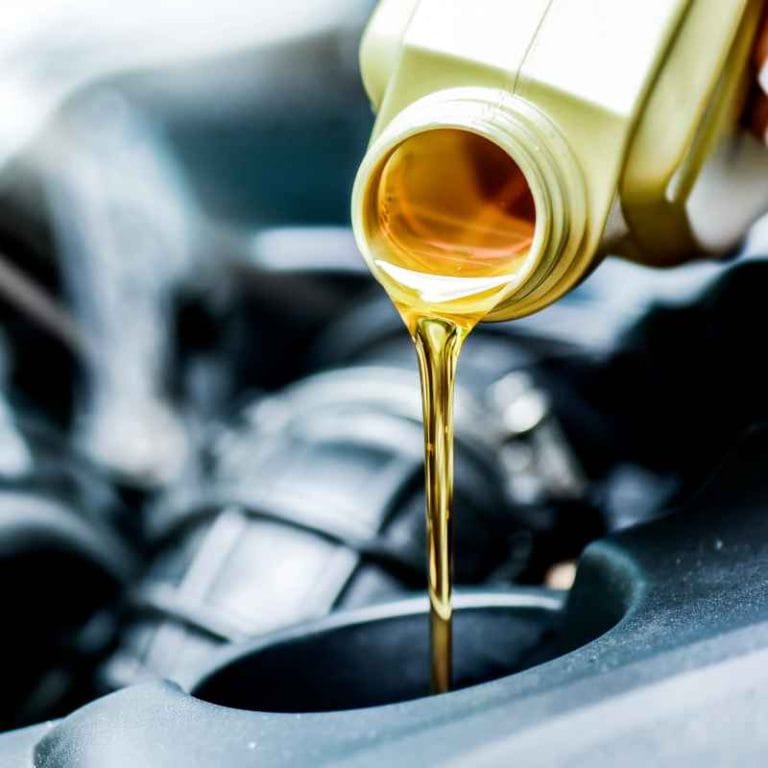
A car engine burning oil means oil is getting into the combustion chamber and burning with the fuel. This is often due to worn parts, faulty seals, or issues with the crankcase ventilation system. Addressing it promptly can prevent bigger engine damage and costly repairs.
Why Your Engine Might Be Burning Oil
So, what’s really going on when your engine burns oil? Think of your engine as a finely tuned machine. It has moving parts that need to be lubricated by oil.
This oil keeps things running smoothly. But this oil is supposed to stay inside the engine’s oil system. When it starts appearing in the combustion chamber – where the fuel and air mix and ignite – that’s when you have a problem.
There are a few main ways oil can get into the combustion chamber. It can seep past worn parts like piston rings or valve seals. It can also be pushed there by the crankcase ventilation system if it’s not working right.
Sometimes, the engine is simply running too hot, which can make seals and other parts wear out faster.
Understanding these pathways is the first step. It helps you pinpoint where the problem might be. It’s not always a single cause.
Often, a few small issues can add up. Let’s explore these causes in more detail.
Common Causes of Oil Burning
When your car starts showing signs of burning oil, it’s usually a symptom of something else. It’s like a fever telling you your body isn’t well. We’ll dive into the most frequent reasons this happens in a typical American car.
Worn Piston Rings
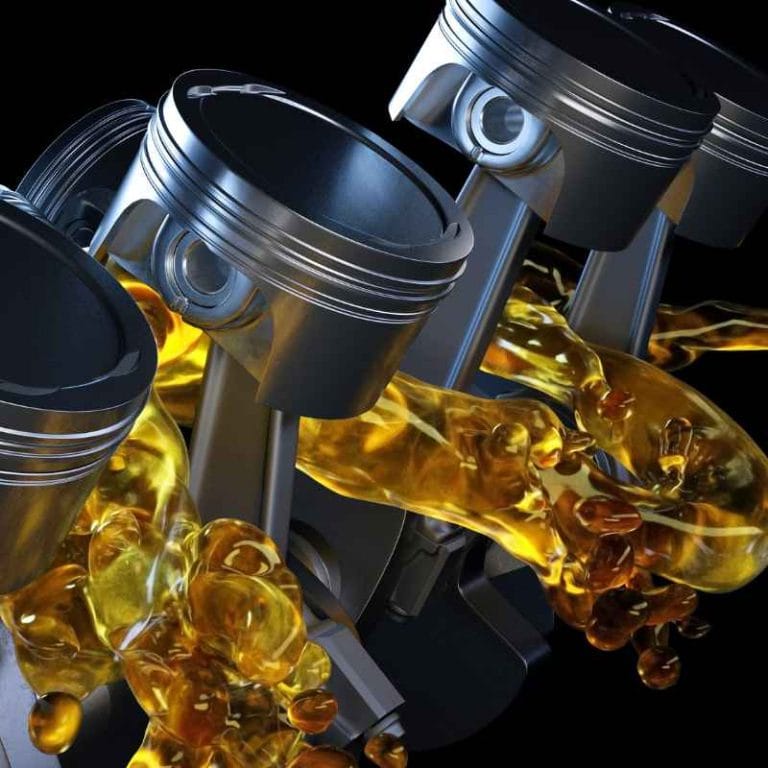
Imagine your engine’s cylinders. Inside them, pistons move up and down. These pistons have rings around them.
These are called piston rings. They create a seal between the piston and the cylinder wall. This seal is vital.
It keeps the oil where it belongs – in the crankcase. It also keeps the combustion gases from escaping.
Over time and with lots of miles, these rings can wear out. They can also lose their tension. When they get worn, they don’t seal as tightly.
This allows oil from the crankcase to slip past the piston and into the combustion chamber. You might see more blue smoke when you accelerate. This is because the worn rings let oil sneak up during the power stroke.
This is a pretty common cause of oil burning, especially in older or high-mileage vehicles. It’s one of the more serious internal engine issues. Fixing it usually means taking the engine apart.
Worn Valve Seals and Guides
Another big culprit is related to the valves. Your engine has valves that open and close to let fuel and air in, and exhaust gases out. These valves move up and down through valve guides.
They also have seals around them. These seals are made of rubber. Their job is to prevent oil from dripping down the valve stems into the combustion chamber.
These valve seals can become hard and brittle over time. Heat and age wear them down. When they fail, oil can leak down the valve stems.
This often happens when the engine is off or at idle. You might notice more smoke when you first start the car or when it’s been sitting for a bit.
Valve guides can also wear out. If the guides become too loose, the valve can wobble. This makes it hard for the seal to do its job properly.
Even if the seals are okay, worn guides can let oil get into the combustion area.
PCV System Issues
The PCV system stands for Positive Crankcase Ventilation. This system is very important. It helps remove harmful gases that build up inside your engine.
These gases, called blow-by gases, can cause pressure to build up. The PCV system vents these gases out of the crankcase. It then sends them back into the intake to be burned.
The PCV system has a valve and hoses. If the PCV valve gets clogged or stuck, it can’t vent properly. This causes pressure to build up in the crankcase.
This increased pressure can then force oil past other seals and gaskets. It can even push oil up into the intake manifold. From there, it can get sucked into the combustion chamber.
A clogged PCV system can lead to oil leaks and oil burning. It’s also a relatively inexpensive part to replace. So, checking your PCV system is often a good first step for a mechanic.
Quick Check: PCV System Basics
What it does: Removes gases from the engine crankcase.
Why it matters: Prevents pressure buildup that can cause leaks and oil burning.
Common problem: Clogging from oil and sludge.
Engine Overheating
Engines are designed to run within a specific temperature range. When an engine overheats, it puts a lot of stress on its components. High temperatures can cause metal parts to expand.
This can temporarily reduce the sealing effectiveness of piston rings and valve seals.
More importantly, overheating can degrade oil faster. It can also damage rubber seals and gaskets. These seals become brittle and crack when exposed to excessive heat.
Once they crack, they can’t hold oil back effectively. Oil can then leak into places it shouldn’t be.
If your car’s temperature gauge often runs high, or if you’ve recently had an overheating issue, this could be a reason for oil burning. It’s crucial to address overheating promptly. It can lead to severe engine damage beyond just oil consumption.
Low-Quality or Incorrect Oil
Using the right type and grade of motor oil is essential for your car’s health. Manufacturers specify a particular viscosity and type of oil for a reason. This oil is formulated to perform at specific temperatures and pressures within your engine.
If you use oil that is too thin, it might not provide enough protection. It can more easily slip past worn seals or piston rings. If you use oil that doesn’t meet the manufacturer’s specifications, it might break down faster.
This can lead to increased wear and tear. It can also cause components to function less effectively.
Always check your owner’s manual for the recommended oil type. Using a good quality oil from a reputable brand can make a difference. It helps ensure your engine stays properly lubricated and protected.
Worn Engine Gaskets
Engines use many gaskets. These are seals placed between metal parts. They prevent fluids like oil and coolant from leaking out.
They also keep those fluids from mixing with each other or entering the combustion chamber.
Gaskets can wear out over time. They can crack, harden, or become compressed. This is especially true for gaskets that are exposed to high heat.
Common gasket failures that can lead to oil burning include intake manifold gaskets and valve cover gaskets. If these fail, oil can sometimes be drawn into the intake or leak directly into the combustion area.
A blown head gasket is a more serious gasket issue. While it often leads to coolant entering the combustion chamber or oil mixing with coolant, severe head gasket failure can also allow oil into the cylinders.
My Own Experience with a Leaky Valve Cover
I remember one time, my old sedan started making a funny smell. It wasn’t quite smoke, but sort of a burnt oil scent. Then, I noticed a tiny bit of blue-ish smoke on start-up, especially on cold mornings.
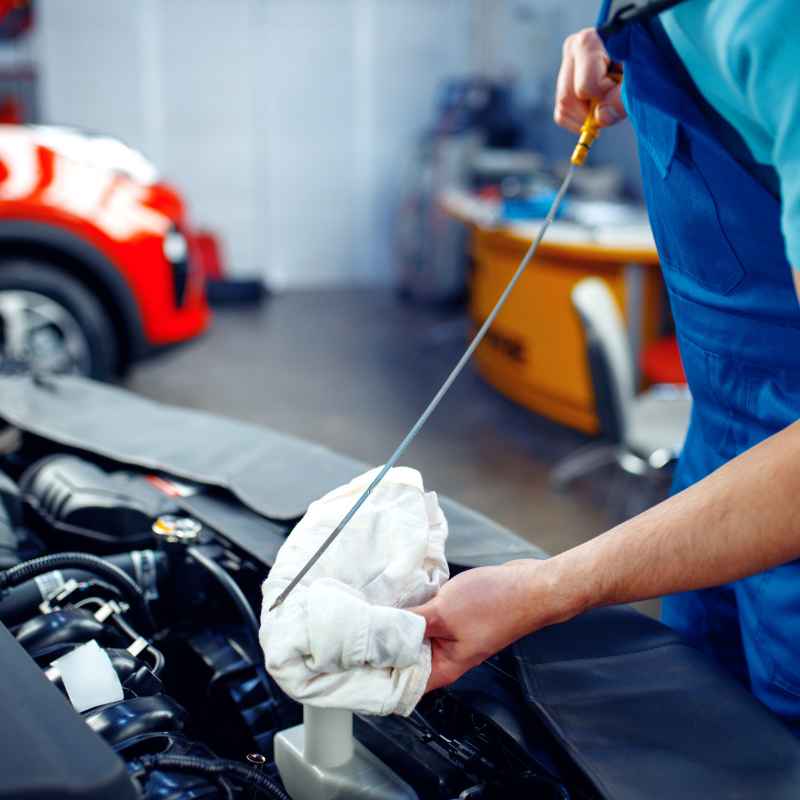
My oil light flickered on occasion, too. I checked the dipstick, and sure enough, the oil level was lower than it should be.
My first thought was “expensive repair.” I imagined rebuilding the engine. I took it to my trusted mechanic, a guy named Sal who’s been fixing cars for decades. He took a look, and after a bit of poking around, he pointed to the valve cover.
He showed me how the gasket around it had gotten stiff and brittle. A little bit of oil was seeping out. And, more importantly, it was sometimes getting sucked into the air intake hose nearby.
He explained that the slight vacuum in the intake could pull tiny amounts of oil past the failing gasket. It wasn’t a torrent, but enough to be noticeable over time. The fix?
Replacing the valve cover gasket. It cost me maybe a couple of hundred dollars, a far cry from the engine rebuild I had feared. That experience taught me how a small, seemingly minor seal failure could lead to oil burning symptoms.
Understanding Oil Burning Signs
- Blue Smoke: The classic sign. Blue smoke from the exhaust indicates oil is burning.
- Low Oil Level: You notice the oil level on the dipstick dropping faster than normal.
- Smell of Burning Oil: A distinct odor in the cabin or around the car.
- Fouled Spark Plugs: Oil can coat spark plugs, causing misfires.
- Increased Oil Consumption: You need to add oil more frequently between changes.
Real-World Scenarios and Contexts
Where and how you drive your car can impact how likely it is to burn oil. Understanding these contexts helps you see the bigger picture. It’s not just about the parts; it’s about how the car is used.
Driving Habits Matter
Short trips are tough on engines. If you only drive a mile or two to work and back, your engine might not get hot enough to burn off moisture and condensation that builds up. This condensation can mix with oil and sludge.
It can clog up things like the PCV system. Over time, this can contribute to oil burning.
Frequent hard acceleration or driving at very high RPMs for extended periods can also put more stress on engine components. This can speed up wear on things like piston rings and valve seals. While performance driving is fun, it does take a toll over thousands of miles.
Your car might be more prone to oil burning if it’s constantly pushed to its limits.
Climate Effects
Extreme temperatures can affect your engine. Very cold climates mean your engine oil is thicker when you start it. This can increase wear during those initial moments before the oil warms up and flows properly.
Some seals might also become more brittle in extreme cold.
Very hot climates, on the other hand, can lead to more frequent overheating issues. As we discussed, overheating puts stress on seals and can degrade oil. If you live in a place with harsh winters or scorching summers, pay extra attention to your engine’s temperature and oil condition.
Vehicle Age and Mileage
This is perhaps the most obvious factor. As cars age and accumulate more miles, their parts naturally wear out. Seals harden, metal components wear down, and gaskets can degrade.
It’s simply the nature of mechanical things.
A car with 150,000 miles is much more likely to have worn piston rings or valve seals than a car with 30,000 miles. This doesn’t mean older cars are bad. It just means they might require more maintenance to keep them running smoothly and prevent issues like oil burning.
Age vs. Wear: A Closer Look
Age: Rubber and plastic parts degrade over time, even if the car isn’t driven much.
Mileage: Mechanical wear happens with use. More miles mean more wear on moving parts.
Driving Style: Aggressive driving wears parts faster than gentle cruising.
Maintenance: Regular oil changes and checks prevent many problems.
What This Means for You: When to Worry
Seeing oil in your exhaust or noticing your oil level dropping can be unsettling. But not all oil burning is an immediate crisis. There’s a difference between a little oil consumption and a lot.
When It’s Normal (or Close to It)
Most car engines consume a small amount of oil as they age. Manufacturers often state that a certain amount of oil consumption is normal. This might be around one quart per 1,000 to 3,000 miles.
This usually happens in older cars with higher mileage.
You might also see a puff of smoke on start-up if the car has been sitting for a while. This can be oil that has slowly seeped past valve seals. If it clears up quickly and the oil level stays relatively stable, it might not be a major concern.
Key takeaway: If you’re occasionally topping off your oil slightly between changes and there’s no alarming smoke, you might be within normal wear-and-tear limits for your vehicle.
When to Start Worrying
You should definitely pay attention if the amount of oil you’re adding is increasing significantly. If you’re going through a quart of oil every few hundred miles, that’s a big problem. Also, constant, thick blue smoke from your exhaust is a clear warning sign.
Other red flags include:
- Constant smoke: Not just on start-up, but all the time.
- Oil leaks: Visible oil spots under your car.
- Engine misfires: The engine running rough or sputtering.
- Overheating: Your car’s temperature gauge climbing too high.
- Milky oil: Oil on the dipstick looking foamy or milky, which can indicate coolant is mixing in.
These signs point to more serious issues. They could be worn piston rings, damaged valves, or a blown head gasket. Ignoring these can lead to catastrophic engine failure.
That’s a repair that often costs more than the car is worth.
Simple Checks You Can Do
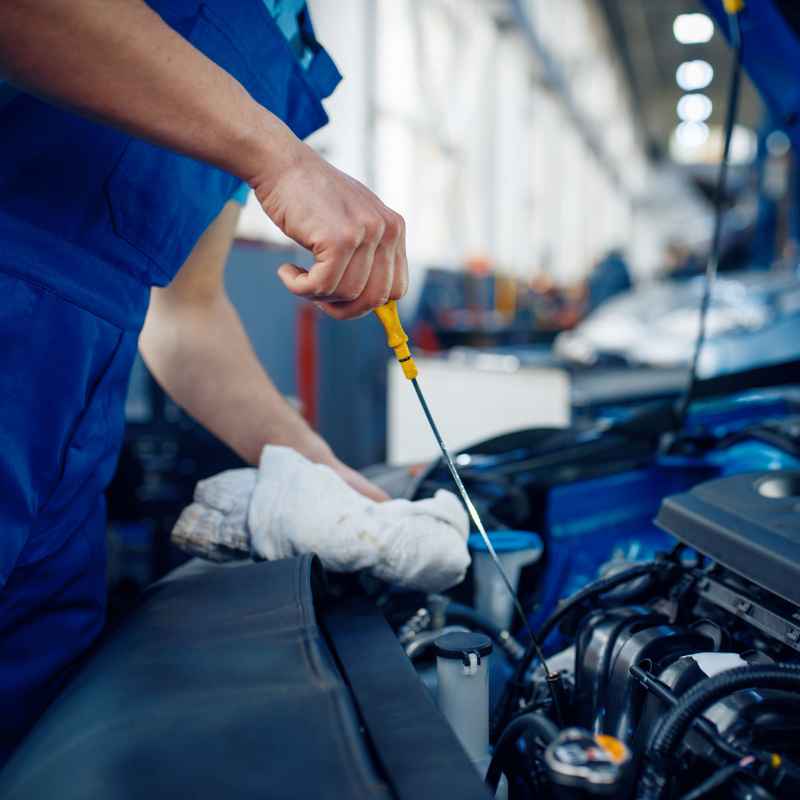
Check Oil Level Regularly: Do this at least once a month. Use the dipstick.
Observe Exhaust Smoke: Note the color and frequency of smoke, especially when starting or accelerating.
Listen to Your Engine: Unusual noises can signal problems.
Look for Leaks: Check under your car for oil spots.
Quick Tips to Help Reduce Oil Burning
While some causes of oil burning require professional repair, there are things you can do. These tips focus on maintenance and simple adjustments that might help.
Regular Oil Changes with the Right Oil
This is the number one thing you can do. Changing your oil at the recommended intervals is crucial. Use the exact type and viscosity of oil specified in your car’s owner’s manual.
If your car is older and starting to burn a little oil, some mechanics suggest using a high-mileage oil. These oils often have seal conditioners that can help swell old, hardened seals. They also may contain additives to reduce wear.
Keep Your PCV System Clean
As mentioned, a clogged PCV system can cause problems. If you’re comfortable doing minor car maintenance, you might be able to check and clean your PCV valve. Sometimes, it just needs a good cleaning.
Other times, it might be more cost-effective to simply replace it, as they are often inexpensive parts.
Don’t Ignore Overheating
If your car’s temperature gauge is creeping up, address it immediately. Check your coolant level. Make sure your radiator fan is working.
A minor cooling system issue can quickly escalate into major engine damage, including increased oil burning.
Driving Style Adjustments
Try to avoid excessively high RPMs for long periods if you’re concerned about oil consumption. Gentle acceleration and maintaining steady speeds on the highway can reduce stress on the engine. If you primarily make short trips, consider taking your car for a longer drive once a week to help clear out condensation.
Oil Additives: Use With Caution
Some additives claim to stop oil burning. These can sometimes help by swelling seals temporarily. However, they are not a permanent fix.
They can also sometimes cause other issues. Always research thoroughly and perhaps discuss with your mechanic before using them.
Frequently Asked Questions About Engine Oil Burning
What does it mean if my car emits blue smoke from the exhaust?
Blue smoke from your car’s exhaust is a strong indicator that your engine is burning oil. This means oil is getting into the combustion chamber and burning along with the fuel. It’s a sign that something in your engine isn’t sealing correctly, such as worn piston rings, faulty valve seals, or issues with the PCV system.
How much oil consumption is normal for a car?
It varies by car make and model, but generally, a quart of oil every 1,000 to 3,000 miles can be considered within a normal range for many vehicles, especially as they age. Your car’s owner’s manual will have specific information. If you’re consuming oil much faster than this, it usually indicates a problem that needs attention.
Can a simple oil change fix an engine burning oil?
A simple oil change itself won’t fix an engine that is already burning oil due to worn parts. However, using the correct type and viscosity of oil, and potentially a high-mileage formula with seal conditioners, can help manage or slightly reduce oil consumption in older engines. Regular oil changes are crucial for preventing further wear.
Is it dangerous to drive a car that is burning oil?
Driving a car that is burning a lot of oil can be dangerous. It can lead to engine damage, such as fouled spark plugs, catalytic converter failure, and eventually complete engine seizure if the oil level gets too low. The smoke itself can also be a hazard to other drivers.
It’s best to get it checked out promptly.
What is the PCV system and why is it related to oil burning?
The PCV (Positive Crankcase Ventilation) system removes harmful gases from your engine’s crankcase. If it gets clogged, pressure builds up inside the engine. This pressure can force oil past seals and gaskets, leading it into the combustion chamber and causing oil burning.
A healthy PCV system is vital for proper engine function.
Will my car fail emissions if it’s burning oil?
Yes, a car burning oil will very likely fail emissions tests. The burning oil creates excessive hydrocarbons and particulate matter in the exhaust. This exceeds the limits set for emissions regulations.
Also, oil can damage the catalytic converter, further contributing to emissions failure.
Conclusion
Seeing your car burn oil can be a bit scary. But as we’ve explored, it’s often a sign of wear and tear that can be understood. From worn piston rings to simple PCV issues, there are many reasons for oil loss.
By paying attention to the signs and performing regular maintenance, you can catch problems early. Don’t let the fear of big repairs stop you. Often, a well-informed approach and timely checks can save your engine and your wallet.
Products related to this article
Sponsored / affiliate links. As an Amazon Associate I earn from qualifying purchases. I may earn additional commission from eligible campaigns.
 ACROPIX Engine Oil Level Indicator Dipstick for Ford Fusion 2010-2012 for Ford Escape 2010-2012 for Ford Fusion 2006-2007 No.6E5Z6750AC Car Parts
 DongJinK Engine Oil Level Gage Dipstick Compatible with Toyota 4Runner 1984-1995 for Toyota Celica 1984-1985 for Toyota Pickup 1984-1995 Replace# 15301-35020 1530135020