When Is The Best Time To Add Motor Oil? Here’S The Answer
Knowing when your car needs a top-up is key to keeping your engine happy and preventing costly repairs down the road. It’s about more than just knowing how to check the oil. It’s about understanding the signals your car sends and acting on them promptly.
We’ll break down exactly when and how to add motor oil, so you can feel confident behind the wheel.
Understanding when to add motor oil involves recognizing dashboard warnings, checking your oil dipstick regularly, and knowing the ideal oil level. Typically, you add oil when the level is below the minimum mark. Consistent checks, especially before long trips or after major maintenance, are crucial for engine health.
What You Need to Know About Adding Motor Oil
Motor oil is like the blood for your car’s engine. It does a lot of important jobs. It keeps parts from rubbing together.
Add-A-Motor
Add-A-Motor - Chicken Coop Automatic Door Accessory…
- Add-A-Motor - Chicken Coop Automatic Door Accessory Motor - Model D20-120V OPEN BOX
As an Amazon Associate I earn from qualifying purchases.
This stops them from wearing out too fast. Oil also helps keep the engine cool. It can even help clean out gunk that builds up inside.
Because it works so hard, oil can get low over time. It can also get dirty and less effective. That’s why we need to check it and add more sometimes.
So, what makes oil levels drop? A little bit of oil burning is normal. Some cars burn more than others.
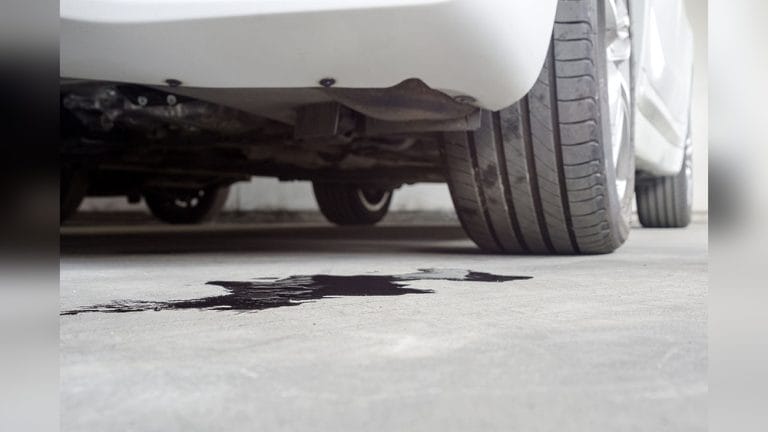
Over time, oil can also leak out from tiny seals. If you see a small puddle under your car, that’s a sign of a leak. But most of the time, oil levels go down slowly.
It’s not usually a big, sudden event. This is why regular checks are so important. You can catch it before it becomes a big problem.
The engine needs the right amount of oil. Too little oil is bad. It can cause parts to grind against each other.
This creates a lot of heat and damage. The engine can even seize up, which is a very expensive fix. Too much oil can also cause problems.
It can get whipped into foam. This makes it hard for the oil pump to move it around. It can also cause oil to get into places it shouldn’t, like the combustion chamber.
This can lead to smoking and damage.
My Own Oil Add Scare
I remember one time, years ago, when I was new to really taking care of my car myself. I had an older sedan, a real workhorse. I’d always had mechanics handle the oil changes.
But I wanted to be more hands-on. One Saturday morning, I decided to check all the fluids. I’d seen my dad do it a million times.
I popped the hood and found the dipstick. It looked simple enough. I pulled it out, wiped it off, and slid it back in.
Then I pulled it out again.
My heart sank a little. The oil level was right at the very bottom mark. Not below it, but right on the line.
I started to panic a little. Was this bad? Had I missed something?
I suddenly felt like I knew nothing. I pictured my engine grinding to a halt. I called my friend Mark, who’s a car guy.
He calmly asked me a few questions. He told me it was okay, but I should add some oil soon. He said to add a little at a time.
He stressed not to overfill it. That moment taught me a big lesson. Checking oil isn’t scary.
It’s just part of taking care of your car. And it’s better to know now than when the dashboard light is blinking red.
Dashboard Warning Lights: What They Mean
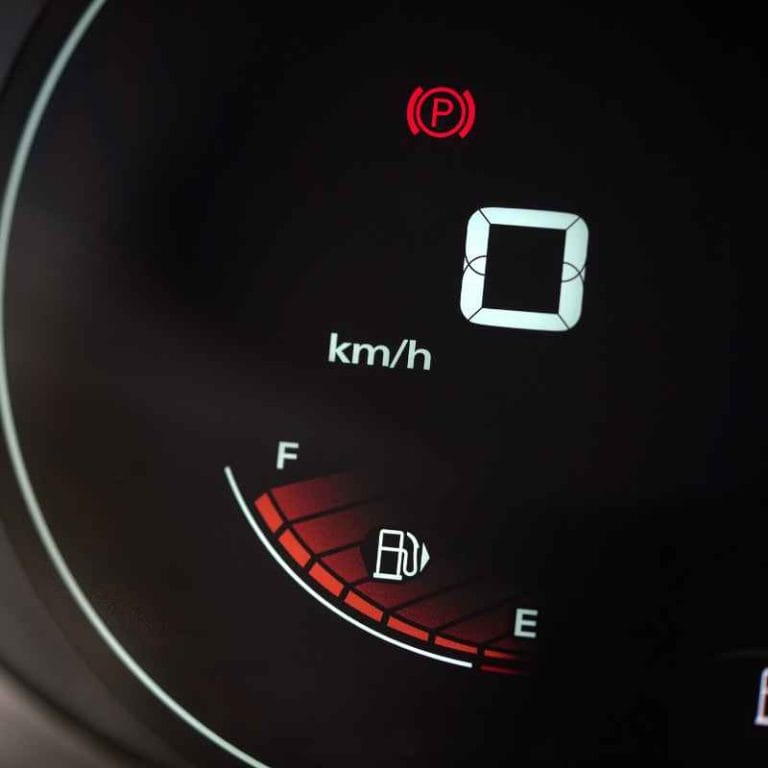
Many cars have a special light for oil pressure or oil level. This light usually looks like an old-fashioned oil can. It might have a drip coming out of it.
Or it could just say “OIL”.
When this light comes on:
- Stop driving as soon as it’s safe. This is an important warning.
- Check your oil level. It might be very low.
- If the level is low, add oil. Use the correct type for your car.
- If the level is okay but the light stays on, do not drive the car. Call a mechanic right away. This could mean a problem with the oil pump or sensor.
These lights are your car’s way of telling you something needs attention. Don’t ignore them.
When to Check Your Oil
The best time to check your oil is when the engine is cold. This means the car has been sitting for a few hours. Maybe overnight is best.
When the engine is cold, all the oil has drained down into the oil pan. This gives you the most accurate reading on the dipstick. If you check it when the engine is hot, some oil is still in the engine parts.
This can make the dipstick reading look lower than it actually is.
However, sometimes you can’t wait for the engine to cool down. If your oil light comes on while you are driving, you need to check it right away. In this case, find a safe place to pull over.
Turn off the engine. Wait for a few minutes. Five to ten minutes should be enough for most of the oil to drain back.
Then, you can carefully check the dipstick. It might not be a perfect reading, but it’s better than driving with very low oil.
Most car owners should check their oil at least once a month. This is a good general rule. If you drive a lot, or if your car is older, you might want to check it more often.
Checking your oil before a long road trip is also a very good idea. This way, you know your car is ready for the journey. It helps prevent any surprises on the road.
How to Check Your Oil Correctly
Checking your oil is simple once you know how. First, find a level spot for your car. This is very important for an accurate reading.
If the car is on a hill, the oil won’t be spread evenly in the pan. Park on a flat driveway or a level street. Make sure the engine has been off for at least five minutes, and ideally much longer.
Open the hood and find the oil dipstick. It usually has a bright-colored handle, often yellow or orange. It will look like a thin metal rod.
Pull the dipstick all the way out. You will see marks on the end of it. There are usually two marks.
One is the “low” mark, and the other is the “full” or “max” mark. Sometimes there is a range between the marks.
Wipe the dipstick clean with a rag or a paper towel. Make sure there is no oil left on it. Then, push the dipstick all the way back into its tube.
Make sure it’s seated properly. Pull it out again, slowly and carefully. Look at the oil level on the dipstick.
It should be between the “low” and “full” marks. Most people aim for the “full” mark or just below it.
If the oil level is at or below the “low” mark, you need to add oil. If it’s between the marks, you’re good for now. But if it’s very close to the “low” mark, it’s wise to add a little bit soon.
Also, look at the color and texture of the oil. New oil is usually clear and amber-colored. Old oil can be dark brown or black.
If it looks milky or has bits of metal in it, that’s a sign of a bigger problem. You should have it checked by a mechanic.
Quick Oil Check Steps
- Park on a level surface.
- Turn off the engine. Wait 5-10 minutes.
- Locate the oil dipstick.
- Pull it out and wipe it clean.
- Reinsert it fully.
- Pull it out again and check the oil level.
- Add oil if needed, following instructions carefully.
When is the Best Time to Add Motor Oil?
The absolute best time to add motor oil is when you notice the oil level is low. This means checking your dipstick and seeing the oil is at or below the minimum mark. This could happen anytime.
It might be during your monthly check. It might be after a long drive where the engine worked hard. Or it could be if you see that dreaded oil light on your dashboard.
It’s also a good idea to add oil if your car is due for an oil change soon. Sometimes, if the oil is very old and dirty, it’s better to just do a full oil change. But if the level is low and the oil still looks okay, topping it up is the right move.
Always use the correct type of oil for your car. Check your owner’s manual for this information. Using the wrong type can cause damage.
Think of it like this: if you’re getting thirsty, you drink water. If your car’s engine is getting “thirsty” for oil, you add it. The main thing is to catch it early.
Don’t wait until the oil light is flashing red and the engine sounds rough. That’s when the damage is already happening or about to happen.
Contrast Matrix: Low Oil vs. Normal Oil
| Feature | Low Oil Level (Concerning) | Normal Oil Level (Good) |
|---|---|---|
| Dipstick Reading | At or below the “low” mark. | Between the “low” and “full” marks. |
| Dashboard Light | Often on (oil pressure or level light). | Off. |
| Engine Sound | May be noisy, ticking, or knocking sounds. | Smooth and quiet. |
| Potential Damage | High risk of wear, overheating, and engine seizure. | Minimal wear, protected engine. |
| Action Needed | Add oil immediately. Check for leaks. | Continue regular checks and maintenance. |
Adding Oil Safely: What Type and How Much
You’ve checked your dipstick, and the oil level is low. Now what? First, find your car’s owner’s manual.
This is your best friend for car maintenance. It will tell you exactly what type of oil to use. It will list the weight, like 5W-30 or 10W-40.
It will also tell you the recommended brand or specifications if there are any.
Using the wrong oil can be bad. For example, if you use oil that’s too thick in a cold climate, it won’t flow well. If you use oil that’s too thin, it might not protect the engine at high temperatures.
Most cars use synthetic blend or full synthetic oil these days. These offer better protection. But always follow what the manual says.
When you buy oil, get a quart or a gallon size, depending on how much you think you’ll need. If your oil level is just a little low, one quart is usually enough. If it’s very low, you might need more.
But start by adding just one quart.
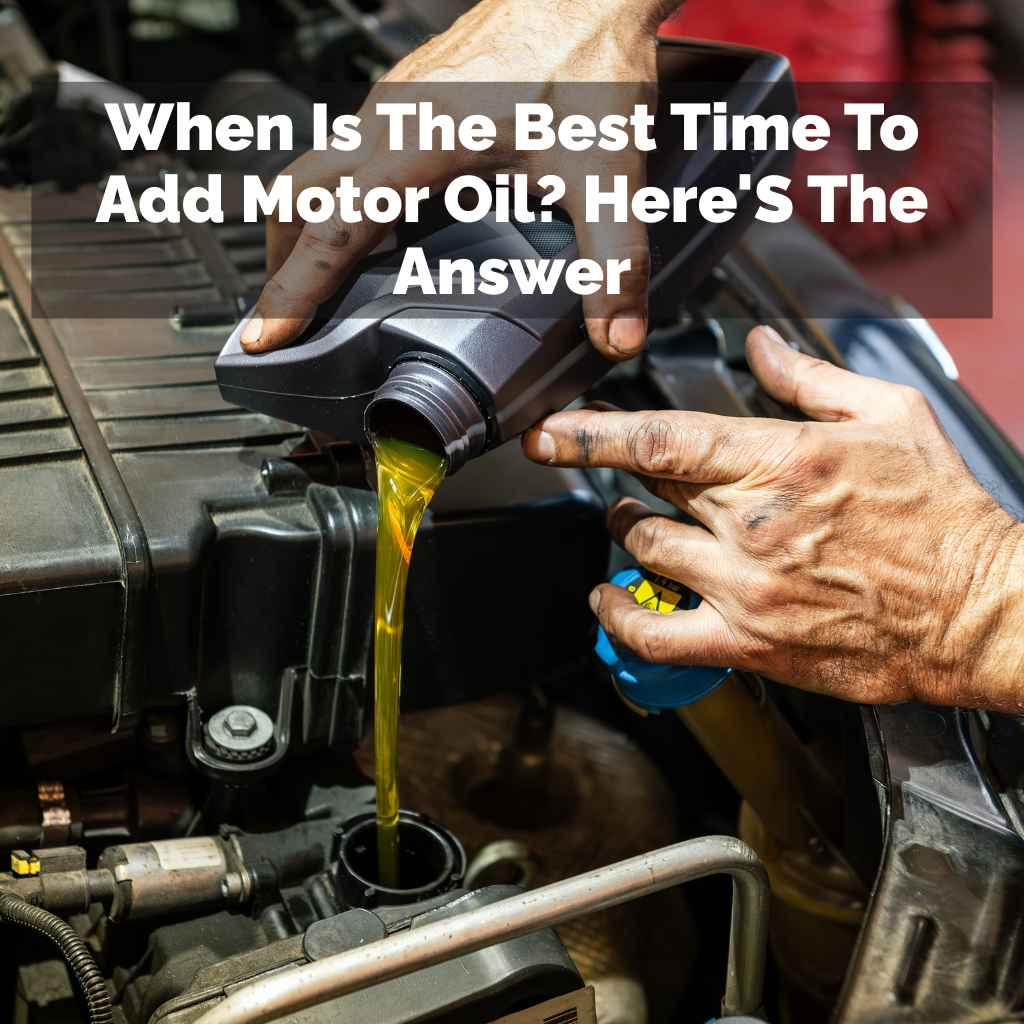
Locate the oil fill cap. It’s usually on top of the engine. It will have an oil can symbol on it.
It will also say “Oil” or “Engine Oil”. Unscrew the cap. Place a funnel in the opening.
This helps prevent spills. Slowly pour in about half a quart of oil. Wait a minute or two.
Then, recheck the dipstick. See how the level has changed. Add more oil slowly, checking the dipstick after each small addition.
Do not overfill the engine. This is very important. If you add too much oil, it can cause problems. It can create too much pressure.
It can cause oil to leak into the engine’s air intake. It can also cause the engine to smoke. You want the oil level to be right at the “full” mark.
It’s better to be a little below the full mark than to go over it. If you do overfill, you may need to drain some oil out. This is a messy job.
So, add oil slowly and check often.
Adding Oil: Step-by-Step Guide
1. Identify the Correct Oil: Check your owner’s manual for the exact type and weight (e.g., 5W-30). Choose a reputable brand.
2. Locate the Oil Fill Cap: It’s usually on top of the engine, marked with an oil symbol.
3. Use a Funnel: Place a clean funnel in the fill opening to prevent spills.
4. Add Oil Slowly: Start with about half a quart. Pour gently.
5. Wait and Re-check: Let the oil settle for a minute. Pull the dipstick, wipe, reinsert, and pull again.
Check the level.
6. Repeat as Needed: Add small amounts (e.g., a quarter quart at a time) and re-check until the level is near the “full” mark. Never go above it.
7. Secure Caps: Replace the oil fill cap tightly. Make sure the dipstick is fully seated.
Real-World Scenarios for Adding Oil
Life happens, and sometimes you notice your oil is low at unexpected times. Here are a few common situations:
Scenario 1: The Long Road Trip. You’re packed and ready to go on vacation. You do your pre-trip checks. You notice the oil is a little low, say, a quarter quart below the full mark.
This is a perfect time to add oil. Your engine will be working harder on the highway. You want to ensure it has enough lubrication for the entire journey.
Adding that little bit now prevents potential issues miles from home.
Scenario 2: The Car That Sits for a While. Maybe you have a second car that doesn’t get driven much. Or perhaps you went away for a few weeks. When you get back, you decide to check the fluids.
You find the oil level is lower than you remember. This can happen slowly, even if the car isn’t running. It might be minor evaporation or a very slow seep.
It’s a good idea to top it up before you start using the car regularly again.
Scenario 3: After an Oil Change (or not). Sometimes, even after an oil change, the level might drop slightly over the first few hundred miles. This is normal as oil circulates into new filters and parts. If it drops significantly, the oil change might not have been done correctly.
If you are not due for an oil change but notice the level is low, adding oil is the solution. If you are close to your next oil change date, you can add oil to keep it safe until then, or just go ahead and change the oil if it’s very low or very dirty.
Scenario 4: The Mysterious Drip. You notice a small, dark spot under your car after it’s been parked. This might indicate an oil leak. If you see this, check your oil level immediately.
If it’s low, add oil. But then, you absolutely need to get the car checked by a mechanic. A leak needs to be fixed to prevent major engine damage.
Adding oil is a temporary fix until the leak is repaired.
What This Means for Your Engine Health
Regularly adding motor oil when needed is one of the simplest yet most effective ways to protect your engine. When your oil level is correct, your engine parts are properly lubricated. This reduces friction.
Less friction means less heat. Less heat means less wear and tear on your engine components.
Think about it: your engine has many metal parts moving at very high speeds. Without enough oil, these parts would grind against each other. They would quickly overheat and wear down.
This can lead to serious damage. For example, worn piston rings can cause loss of compression. Worn bearings can lead to knocking sounds.
In the worst case, the engine can seize, meaning it stops working completely. This is often a death sentence for the engine.
By simply checking and topping up your oil when it’s low, you are actively preventing these issues. You are extending the life of your engine. You are also improving its performance and fuel efficiency.
An engine with the right amount of oil runs smoother. It uses fuel more effectively. So, that quick check and addition of oil is a small act with huge benefits for your car.
When is it Time to Worry?
1. Oil Light Stays On: If the oil light comes on and stays on, even after adding oil, stop the car. This suggests a serious issue like low oil pressure.
2. Milky or Foamy Oil: This can mean coolant is leaking into the oil. This is a big problem.
3. Metal Shavings in Oil: If you see tiny metal pieces on the dipstick, it means parts are breaking down inside the engine.
4. Major Leaks: Large puddles of oil under your car are a sign of a serious leak that needs immediate attention.
5. Burning Oil Smell: If you smell burning oil, it could be leaking onto hot engine parts or being burned inside the engine.
These signs mean it’s time for a professional mechanic, not just adding oil.
Quick Tips for Keeping Your Oil Healthy
Adding oil is part of a bigger picture of oil care. Here are some quick tips:
- Follow Your Manual: Always use the type of oil recommended by your car’s manufacturer.
- Don’t Delay Oil Changes: Even if your oil level is fine, old oil loses its effectiveness. Stick to the recommended change intervals.
- Check Before Long Trips: Make it a habit before any significant travel.
- Listen to Your Car: Unusual engine noises could be a sign of low oil.
- Address Leaks Promptly: If you see oil spots, get them checked.
Frequently Asked Questions About Adding Motor Oil
How often should I check my oil level?
A good rule of thumb is to check your oil level at least once a month. If your car is older or you drive frequently, checking every other week or before any long trips is even better.
What happens if I don’t add oil when it’s low?
If you don’t add oil when the level is low, your engine parts won’t be properly lubricated. This leads to increased friction, overheating, and excessive wear. In severe cases, the engine can seize up and stop working entirely, leading to very expensive repairs or replacement.
Can I mix different types of motor oil?
It’s generally not recommended to mix different types or weights of motor oil unless absolutely necessary in an emergency. Using the exact type specified in your owner’s manual ensures optimal performance and protection for your engine.
What does the oil color on the dipstick tell me?
New motor oil is typically a clear, amber color. As it circulates through the engine, it picks up dirt and combustion byproducts, so it will gradually turn darker, becoming a brownish color. Black oil is often a sign that it’s time for an oil change.
Milky or foamy oil, however, indicates a more serious problem, like coolant contamination.
Is it okay to add oil if the engine is hot?
It’s best to check your oil when the engine is cold for the most accurate reading. If your oil light comes on while driving, find a safe place to stop, turn off the engine, and wait about 5-10 minutes for most of the oil to drain back into the pan before checking. Adding oil to a very hot engine can cause burns, and the reading might be less accurate.
How much oil should I add at a time?
Always add oil in small increments. Start with about half a quart. After adding, wait a minute for it to settle, then recheck the dipstick.
Repeat this process until the oil level reaches the “full” or “max” mark. Never overfill the engine, as this can cause its own set of problems.
Conclusion: Peace of Mind Through Simple Checks
Keeping your engine healthy doesn’t have to be complicated. Knowing when to add motor oil is a fundamental part of car care. It’s about being observant and proactive.
By checking your oil regularly and adding it when needed, you are investing in your car’s longevity and reliability.
Don’t let a little dashboard light or a slightly low dipstick reading cause you stress. These are simple signals from your car asking for attention. Address them promptly, and you’ll ensure your engine runs smoothly for many miles to come.
Happy driving!
Related pick: Check today's price on Amazon
Products related to this article
Sponsored / affiliate links. As an Amazon Associate I earn from qualifying purchases. I may earn additional commission from eligible campaigns.