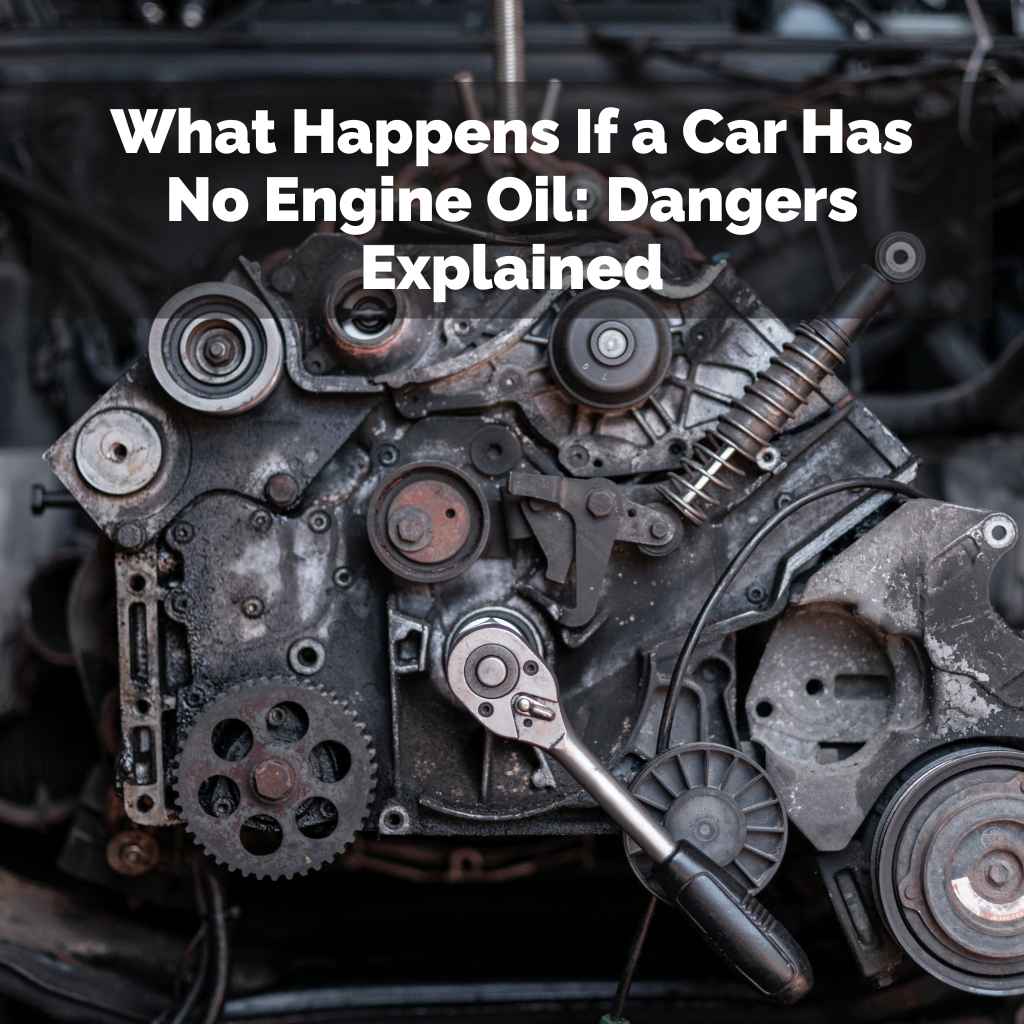
What Happens With No Engine Oil? Damage in 30 Seconds
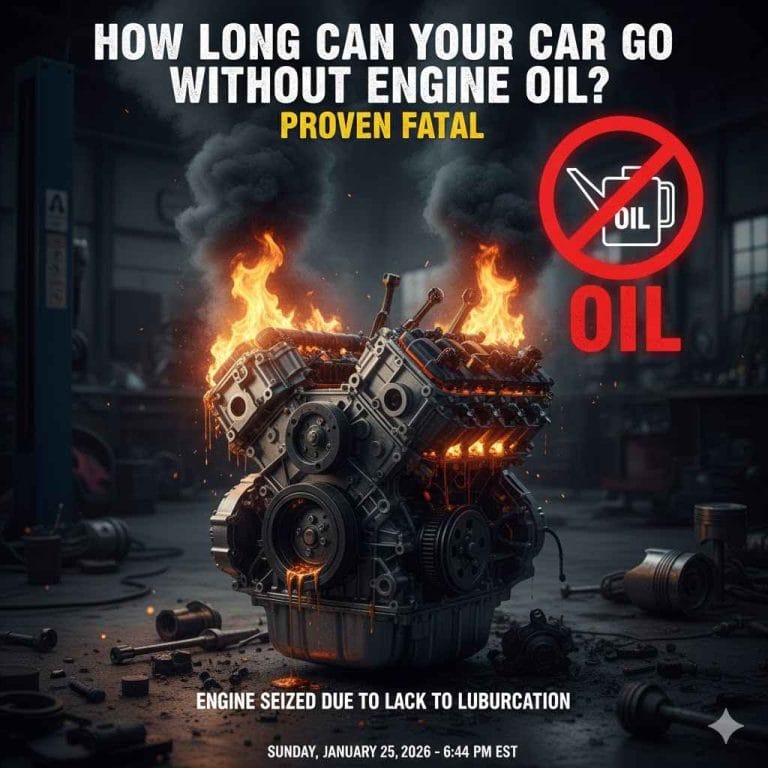
Engine oil loss starts causing damage within 30 seconds, as friction rises fast without lubrication, and by 2-5 minutes major heat and metal-on-metal wear set in. Real cases show the cost of ignoring it: a Toyota Corolla driven 15 miles on a leak needed a $4,000+ engine replacement, and a Ford F-150 broke its crankshaft after just 7 minutes without oil, a $5,000+ repair. This guide covers the full damage timeline, symptoms, and what to do the moment you notice.
The Role Of Engine Oil In A Car
Best Oil Pressure Gauge Pick

Dorman Oil Pressure Gauge Kit – $12.59
Watches real oil pressure directly instead of waiting for a warning light — catches the exact 0-30 second lubrication loss this guide’s timeline table describes.
- Best for: catching a pressure drop before the warning light even comes on
- Why we picked it: trusted Dorman brand, budget-friendly mechanical kit
- Main drawback: needs drilling/tapping into the oil system to install
Compare more oil pressure gauge options
 Option 1 BOSCH Style Line – $32.68
|
 Option 2 Oil Pressure Tester Tool – $21.73
|
 Option 3 JJCOCO Chrome Kit – $16.99
|
As an Amazon Associate we earn from qualifying purchases.
Engine oil does much more than just lubricate. It plays several important roles inside your vehicle’s engine. Without it, the engine’s moving parts can’t do their job safely.
- Lubrication: Engine oil creates a thin film between moving metal parts. This reduces friction and prevents direct metal-to-metal contact.
- Cooling: Oil carries away heat from hot engine parts. This helps keep engine temperatures under control.
- Cleaning: As oil moves through the engine, it picks up dirt and debris. The oil filter then removes these particles.
- Protection: Oil creates a protective barrier that prevents rust and corrosion inside the engine.
- Sealing: It helps seal tiny gaps between the piston rings and the cylinder wall, which improves engine efficiency.
Even missing one of these functions can quickly lead to engine problems.

What Happens Inside The Engine Without Oil
If your engine runs without oil, damage starts almost immediately. Here’s what goes on inside:
1. Immediate Loss Of Lubrication
The most obvious effect is the loss of lubrication. Metal parts like pistons, crankshaft, and camshaft start grinding against each other. This creates intense friction, which produces heat and wears down the parts quickly.
2. Rapid Heat Build-up
Engine oil helps carry heat away from moving parts. Without oil, heat has nowhere to go. Within minutes, engine temperatures rise well above normal levels. This can cause parts to expand, warp, or even fuse together.
3. Increased Friction And Metal-to-metal Contact
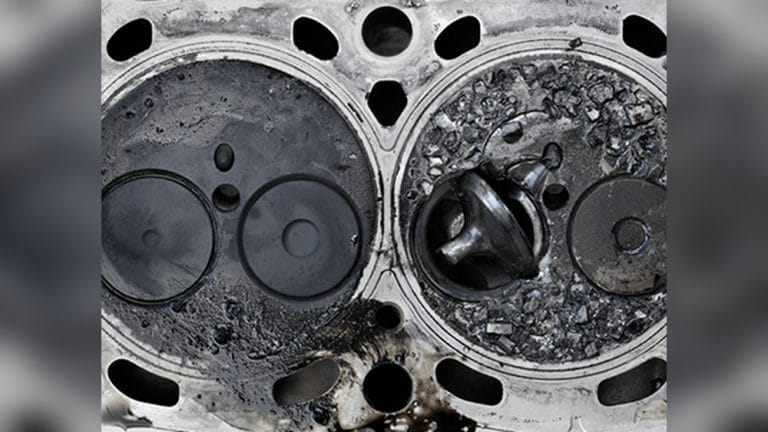
As friction increases, small metal shavings break off. These tiny pieces can get stuck in tight spaces, causing even more damage. Over time, this leads to scoring, scratches, and grooves inside the engine.
4. Catastrophic Engine Failure
If the engine keeps running with no oil, the damage becomes severe. Pistons may seize in their cylinders. Bearings can melt or weld themselves to the crankshaft. In most cases, the engine will stop running altogether—often with a loud “clunk” or “bang.
Timeline: How Fast Damage Occurs
A common question is: how long can an engine run without oil? The answer: not long. Even a few minutes can cause permanent damage. Here’s a rough timeline:
| Time Without Oil | What Happens |
|---|---|
| 0-30 seconds | Loss of lubrication; friction rises fast |
| 30 seconds – 2 minutes | Parts begin to overheat; metal shavings form |
| 2-5 minutes | Major heat build-up; risk of warping, seizing |
| 5+ minutes | Catastrophic failure; engine may lock up or break apart |
Some engines may last a bit longer if idling, but driving under load (like on a highway) speeds up the destruction.
Common Symptoms Of Low Or No Engine Oil
Your car won’t always warn you right away if there’s no oil. Here are the most common signs:
- Oil warning light: Most cars have an oil pressure warning light. If it comes on, stop the engine immediately.
- Strange noises: A knocking, tapping, or grinding sound may mean metal parts are hitting each other.
- Burning smell: Overheating parts can burn oil residue and produce a sharp smell.
- Smoke from the engine: Extreme heat can burn seals or gaskets, causing smoke to appear.
- Engine running roughly: Lack of lubrication can make the engine shake or run unevenly.
- Sudden loss of power: The engine may lose power or even stall.
Ignoring these symptoms can turn a small problem into a big, expensive repair.
Real-world Examples And Data
Engine failure from lack of oil is not just theory—it happens every day. According to the Car Care Council, engine oil-related failures account for over 20% of all major engine repairs in the United States each year. In a survey by AAA, nearly 60% of drivers admitted they have driven a car at least once with the oil warning light on.
One real-world example: A 2016 Toyota Corolla was driven for 15 miles after an oil leak. The engine began to knock, then seized, requiring a full engine replacement costing over $4,000. In another case, a Ford F-150 ran without oil for just 7 minutes before the crankshaft broke—a repair bill of over $5,000.
Step-by-step: What To Do If Your Car Has No Oil
Many people panic if they realize their car is out of oil. Here’s what you should do:
- Stop the car immediately: Pull over and turn off the engine. Do not try to “make it home” or “just go a bit further.”
- Wait for the engine to cool: Open the hood, but wait 15-20 minutes before touching anything.
- Check the oil dipstick: If it’s dry, you are out of oil.
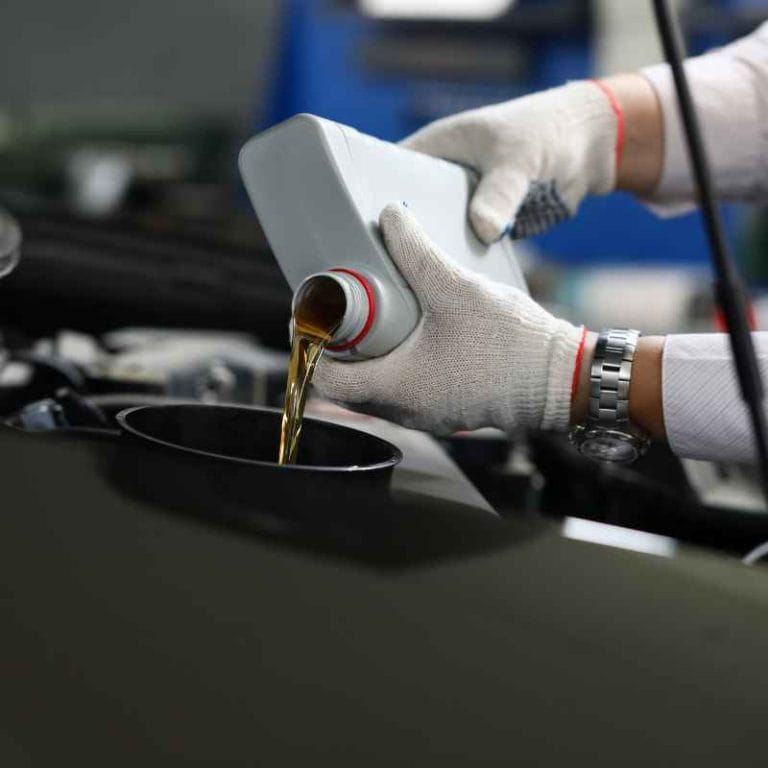
- Add oil if available: If you have oil, pour it in slowly, checking the level as you go. Do not overfill.
- Do not restart immediately: If the engine made loud noises or shut off by itself, do not try to start it again.
- Call for help: Contact a tow service or mechanic. Driving further may cause even more damage.
How Mechanics Diagnose Oil-related Engine Damage
When a car comes in with no oil, mechanics look for several signs of damage. Here’s what happens during an inspection:
| Check | What the Mechanic Looks For |
|---|---|
| Dipstick and Oil Cap | Evidence of low or no oil; sludge or burnt smell |
| Listen for Noises | Knocking, ticking, or grinding when the engine runs |
| Visual Inspection | Burnt parts, melted components, or visible metal shavings |
| Compression Test | Low compression may mean damaged pistons or rings |
| Check Engine Codes | Any errors related to oil pressure or temperature |
If severe damage is found, the engine may need to be rebuilt or replaced.
The Cost Of Running Without Engine Oil
Driving with no oil can be one of the most expensive mistakes a car owner can make. Here’s a breakdown of possible costs:
Minor Repairs
If you catch the problem early, you might get lucky:
- Oil and filter change: $40–$100
- Minor part replacement (like sensors): $100–$300
Major Engine Damage
But if you keep driving:
- Replacing bearings or pistons: $1,000–$3,000
- Head gasket replacement: $1,500–$2,500
- Full engine rebuild: $2,500–$4,500
- Engine replacement: $4,000–$8,000 (sometimes more for luxury cars)
Sometimes, the cost is so high that it’s cheaper to buy another car.
Non-obvious Insights Most Drivers Miss
Let’s look at two key facts many people don’t realize:
1. Low Oil Is Almost as Dangerous as No Oil
Running your engine with very low oil (even if the dipstick shows a little) can still destroy the engine. The oil pump may not pick up enough fluid, especially during hard turns or on hills. Always keep oil levels between “min” and “max” marks.
2. Synthetic Oils Can Delay, But Not Prevent, Damage
Some drivers think using synthetic oil means they are safe. While synthetic oils can handle heat better and break down more slowly, they cannot protect your engine if there’s no oil at all. Synthetic oil is not a “get out of jail free” card for ignoring oil changes.
How To Prevent Engine Oil Problems
The best way to avoid engine damage is to check your oil regularly and change it on schedule. Here’s how to stay safe:
- Check oil every 1,000 miles or once a month. Look for drops in level or changes in color.
- Change oil as recommended. Most cars need new oil every 3,000–7,500 miles, depending on driving conditions and oil type.
- Replace oil filter every change. Old filters can clog and reduce oil flow.
- Watch for leaks. Check under your car for oil spots, especially after parking overnight.
- Fix warning lights immediately. If you see the oil or check engine light, don’t ignore it.
Even a quick check can save you thousands of dollars in repairs.
The Difference Between Oil Loss And Oil Starvation
It’s important to know that not all oil-related failures are the same. Two main problems can happen:
- Oil loss: This is when oil leaks out or burns away. Common causes are worn seals, a cracked oil pan, or a loose drain plug.
- Oil starvation: This happens when oil is present but not reaching all engine parts. Often caused by a blocked oil filter, failed oil pump, or sludged-up passages.
Both can lead to engine failure, but oil starvation is harder to detect because the dipstick may still show oil.
Why Modern Engines Are Even More Sensitive
Today’s engines are built to tighter tolerances and are often turbocharged. This means they rely on a thin film of oil for protection. Even a small drop in oil level can cause big problems. Also, many cars now use low-viscosity oils (like 0W-20), which flow faster but can leak out more easily if there’s a problem.
Frequently Asked Questions
What Are The First Signs Of No Engine Oil?
The most common early warning is the oil pressure warning light on your dashboard. You may also hear knocking or ticking noises from the engine, and sometimes you’ll smell something burning. If you experience any of these, stop the car right away.
Can Adding Oil Fix The Problem After Running With No Oil?
Adding oil can help if the engine hasn’t suffered major damage. However, if the engine was noisy or stopped running, adding oil won’t reverse the damage. In many cases, the engine will need a professional inspection and possibly major repairs.
How Often Should I Check My Engine Oil?
It’s a good idea to check your oil at least once a month or every 1,000 miles. Check more often if your car is older or if you notice leaks or burning oil. Always check before long trips.
Can Synthetic Oil Prevent Engine Damage If Oil Runs Out?
No. Synthetic oil resists heat better and lasts longer, but if there’s no oil in the engine, it cannot protect the parts. You should never run your engine without oil, even if you use synthetic.
What Should I Do If My Oil Warning Light Comes On While Driving?
Pull over as soon as it’s safe and turn off the engine. Check the oil level with the dipstick. If it’s low, add oil if you have it. If you don’t, or if the light stays on, call for roadside assistance.
Do not keep driving, or you risk major engine damage.
Final Thoughts
Engine oil is more than just a lubricant—it’s your engine’s best friend. Running a car with no oil, even for a short time, can lead to rapid, irreversible damage and huge repair bills. Most engine failures from oil loss can be prevented with simple, regular checks.
If you ever see the oil warning light, hear strange noises, or smell burning, act quickly. Protecting your engine means protecting your investment and your safety on the road.
For more technical details on engine oil’s role, check the Motor oil (Wikipedia) page.
Products related to this article
Sponsored / affiliate links. As an Amazon Associate I earn from qualifying purchases. I may earn additional commission from eligible campaigns.
 A-Premium 3.3L 3.5L Engine Oil Dipstick Compatible with Ford F-150 F150 2018-2023, Transit-150 Transit-250 2021-2022, Transit-350 HD 2020-2022, Engine Oil Measuring Rod Dip Stick
 Suifaqi Engine Oil Dipstick Oil Level Dipstick - Replace Part 120 589 07 21 00, 120589072100 - Compatible with Mercedes-Benz CLS55 AMG 2006(2026 NEW)