How Long Does Car Engine Oil Last? (Don’T Wait Too Long)
Car engine oil typically lasts between 5,000 to 7,500 miles or 6 to 12 months, whichever comes first. However, this can vary greatly based on the oil type, your driving habits, and your car’s make and model. Regular checks and adherence to your owner’s manual are key.
What Engine Oil Does for Your Car
Think of engine oil as the lifeblood of your car’s engine. It’s not just a lubricant. It does several really important jobs.
It keeps all the moving metal parts from rubbing against each other. This stops them from wearing out too fast. It also helps cool the engine down.
Lots of heat is made when the engine runs. Oil carries that heat away.
Plus, oil cleans your engine. As it circulates, it picks up tiny bits of dirt and metal. These bits can cause damage.
The oil filter then traps most of this gunk. Oil also helps seal the gaps between the piston rings and cylinder walls. This keeps the engine running smoothly and powerfully.
It even helps stop rust and corrosion.
Without good oil, these jobs stop getting done. Parts grind together. Engines overheat.
They get dirty. This leads to big problems and costly repairs. It’s why keeping your oil fresh is a top priority for any car owner.
Why Does Oil Degrade Over Time?
Engine oil doesn’t stay good forever. It breaks down. This happens for a few main reasons.
Heat is a big one. Your engine gets very hot. High temperatures can actually break down the oil molecules.
This makes the oil less effective.
Dirt and tiny metal particles get into the oil. They are always there. The oil filter does its best.
But some small bits still get through. These bits make the oil dirty. Dirty oil is not as good at lubricating or cleaning.
It becomes gritty.
Fuel can leak into the oil. This is called fuel dilution. It happens when a little bit of fuel gets past the piston rings.
This makes the oil thinner. Thinner oil doesn’t protect as well. Water can also get into the oil.
This can happen from condensation or even small leaks. Water can cause the oil to form sludge. Sludge is bad for an engine.
Oxygen is another factor. Oil reacts with oxygen over time. This process is called oxidation.
Oxidation makes the oil thicker. It also makes it more acidic. This makes it less effective at its jobs.
How Long Does Car Engine Oil Last? The Big Question
This is where things get a bit nuanced. There isn’t one single answer that fits every car. But we can give you some good general guidelines.
Most car manufacturers suggest changing your oil every 5,000 to 7,500 miles. For many people, this is a good range.
Some newer cars might suggest longer intervals. This can be up to 10,000 miles or even more. This often depends on the type of oil used.
Modern synthetic oils are much better. They last longer than older conventional oils.
But here’s a crucial part many people miss: time matters too. Even if you don’t drive much, oil still degrades. It’s exposed to heat, air, and tiny contaminants.
So, most experts say you should change your oil at least every 6 months. Some even say every 3 to 6 months is better, especially if you drive a lot.
So, the rule of thumb is: 5,000 to 7,500 miles or 6 to 12 months. Whichever comes first.
Oil Change Factors to Consider
Type of Oil:
- Conventional Oil: Often needs changing sooner (around 3,000-5,000 miles).
- Synthetic Blend Oil: A mix of conventional and synthetic.
- Full Synthetic Oil: Offers the best protection and longest life (can go 7,500-10,000+ miles).
Driving Habits:
- Short Trips: More wear and tear, oil doesn’t get hot enough to burn off moisture.
- Stop-and-Go Traffic: Engine works harder, more heat.
- Towing/Heavy Loads: Puts extra strain on the engine and oil.
- Aggressive Driving: High RPMs create more heat.
Vehicle Age & Model:
- Newer cars often have better oil systems and can handle longer intervals.
- Older cars may benefit from more frequent changes.
Environment:
- Extreme Temperatures (hot or cold) can affect oil performance.
- Dusty or dirty conditions mean more contaminants.
My Own Oil Change Scare
I remember this one time a few years back. I had just bought a used car. It was a great little sedan.
I was so excited. I wanted to keep it in top shape. I thought I was being super diligent.
I looked up the oil change recommendation for that make and model. It said 7,500 miles. Easy enough, I thought.
I made a mental note. I even put a reminder on my phone. But life got crazy.
Work projects piled up. There was a family emergency. The reminder kept popping up, and I kept hitting “snooze.” I told myself, “It’s only a few hundred miles over.
It’ll be fine.”
Then one day, I was driving on the highway. I noticed a little light flicker on my dashboard. It wasn’t the “check engine” light, thank goodness.
It was the oil pressure light. My heart sank. I pulled over as fast as I safely could.
I turned the car off. I checked the oil dipstick. It was low.
And the oil looked really dark and thick.
I felt this wave of panic and embarrassment. I had been so careless. I had ignored the signs.
Luckily, I was close to a mechanic. They topped up the oil and recommended an immediate change. They also told me how lucky I was.
They said if I had driven much longer, I could have caused serious engine damage. That day taught me a serious lesson about not putting off vital car maintenance. It was a scary moment that really stuck with me.
Synthetic vs. Conventional Oil: What’s the Difference?
You’ll hear a lot about different types of oil. The main ones are conventional and synthetic. They do the same basic job.
But synthetic oil is made differently. It’s engineered. Conventional oil is refined from crude oil.
It’s less uniform. It has more impurities.
Synthetic oil is made in a lab. It has a more consistent molecular structure. This means it flows better.
It’s more stable at high temperatures. It also performs better in cold weather. Because of this, synthetic oil offers better protection.
It lasts longer. It can go more miles between changes.
A synthetic blend is just what it sounds like. It’s a mix of conventional and synthetic oils. It offers some of the benefits of synthetic but at a lower cost.
Most cars today can use either conventional or synthetic oil. Your car’s owner’s manual will tell you what the manufacturer recommends. If your car has always used conventional, switching to synthetic is usually okay.
But you can’t go back and forth too much.
Many newer cars are designed specifically for synthetic oil. Using conventional oil in a car that requires synthetic can cause problems. It won’t provide the same level of protection.
It might not last as long. Always check your manual to know for sure.
Quick Scan: Oil Types and Intervals
| Oil Type | Typical Mileage Interval | Typical Time Interval | Best For |
|---|---|---|---|
| Conventional | 3,000 – 5,000 miles | 3 – 6 months | Older cars, basic needs |
| Synthetic Blend | 5,000 – 7,500 miles | 6 – 9 months | Balanced performance and cost |
| Full Synthetic | 7,500 – 10,000+ miles | 6 – 12 months | Performance, extreme conditions, modern cars |
Understanding Your Owner’s Manual
Your car’s owner’s manual is your best friend. Seriously. It has all the specific information for your exact vehicle.
It will tell you what kind of oil to use. It will recommend the correct viscosity grade. This is things like 5W-30.
The manual also states the recommended oil change intervals. This is usually given in miles AND months.
Don’t guess. Don’t just go by what your neighbor says. Or what a friend’s mechanic told them.
Your car is unique. It has specific needs. The manufacturer put that manual together based on extensive testing.
It’s the most accurate source of information for your car.
If you can’t find your physical manual, most manufacturers have them online. You can usually download a PDF version. Just search for ” owner’s manual.” Keep it somewhere safe.
It’s full of helpful tips beyond just oil changes.
When to Check Your Oil Level and Condition
You don’t have to wait for the oil light to come on. Checking your oil regularly is a smart move. How often?
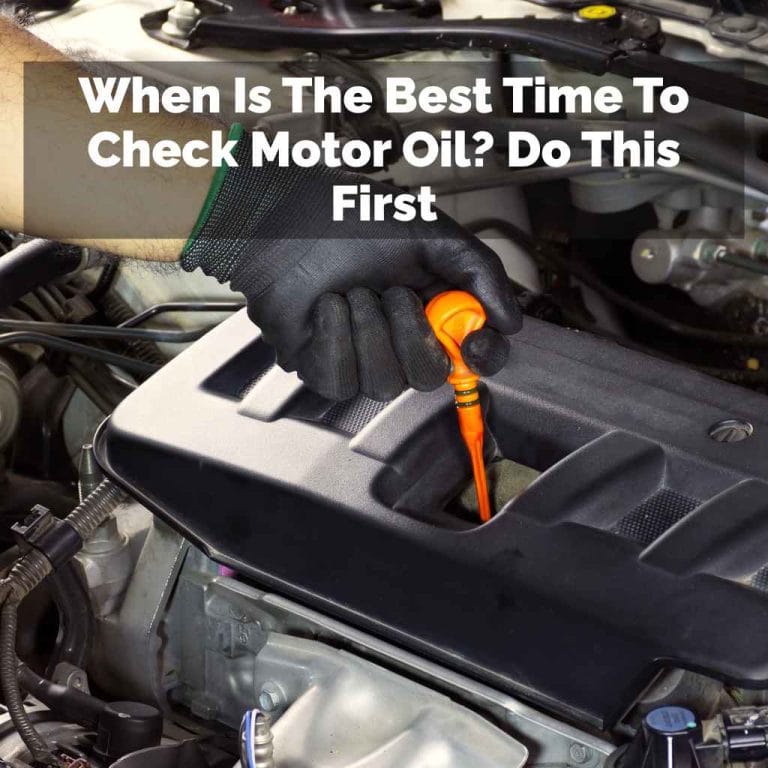
Once a month is a good general rule. Or before any long road trip. It only takes a few minutes.
Here’s how to do it:
- Park your car on a level surface. This is very important for an accurate reading.
- Turn off the engine. Wait at least 5-10 minutes. This lets the oil drain back into the oil pan.
- Open the hood. Find the oil dipstick. It usually has a bright-colored handle (often yellow or orange).
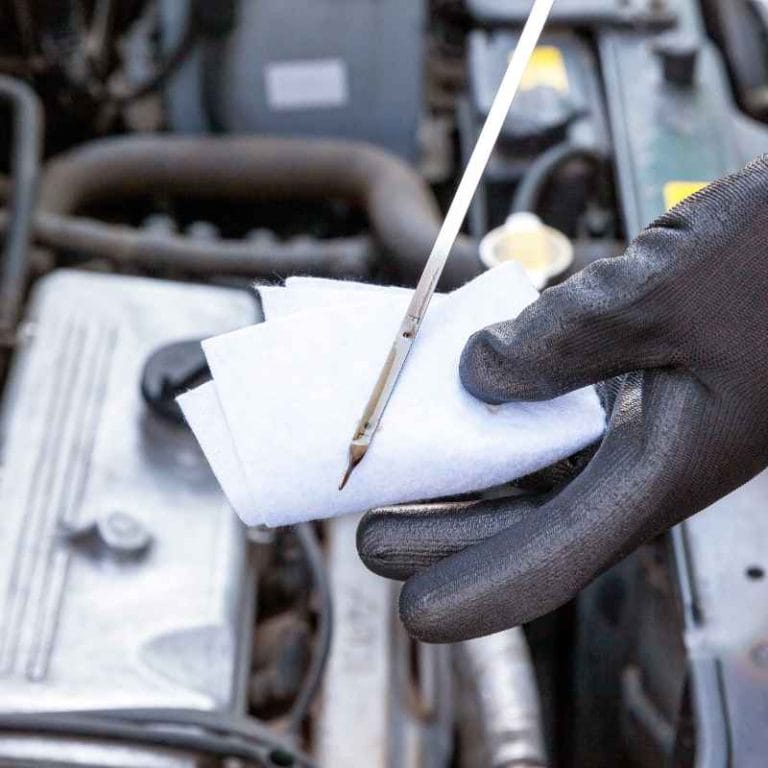
- Pull out the dipstick. Wipe it clean with a paper towel or lint-free cloth.
- Reinsert the dipstick fully. Pull it out again.
- Look at the oil level. There will be markings on the dipstick. Usually two dots or lines. They might say “MIN” and “MAX” or “ADD” and “FULL.” The oil level should be between these marks.
- Look at the color and texture of the oil. Fresh oil is usually amber or light brown. It should be smooth. If the oil is black, thick, or has particles in it, it’s time for a change. If it looks milky or foamy, that’s a serious problem. It means coolant is leaking into the oil.
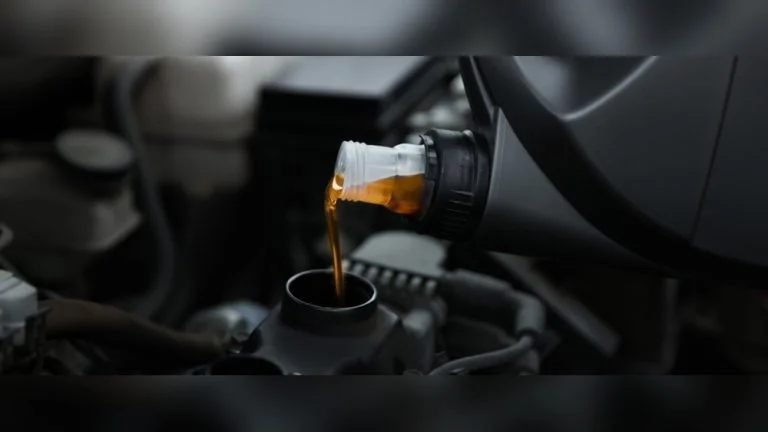
If the oil level is low, you can add more. Use the correct type of oil recommended in your owner’s manual. Add it a little at a time.
Recheck the level until it’s in the proper range.
Signs Your Oil Needs Changing
1. Color: If it’s dark brown or black.
2. Texture: If it feels gritty or thick.
3. Mileage/Time: If you’ve reached or passed your recommended interval.
4. Smell: If it smells burnt.
5. Engine Noise: If your engine starts making louder ticking or knocking sounds.
6. Dashboard Light: If the oil pressure or oil level light comes on (this is an emergency).
What Happens If You Don’t Change Your Oil?
This is where the real worry sets in. Not changing your oil has serious consequences. It’s not just a minor inconvenience.
It can lead to major, expensive problems. Let’s break down what can go wrong.
First, the lubrication suffers. As oil breaks down, it loses its ability to reduce friction. Metal parts start rubbing against each other.
This causes wear. Over time, this wear can lead to damage. Pistons can seize.
Bearings can fail. These are often catastrophic engine failures.
Second, your engine overheats. Oil helps dissipate heat. Old, dirty oil is less effective at this.
More heat builds up. This can warp engine parts. It can damage seals.
Overheating can cause very serious, and very costly, repairs.
Third, the cleaning function is gone. Dirt, sludge, and metal particles build up in the engine. This clogs oil passages.
It starves parts of lubrication. It can cause all sorts of internal issues. Imagine trying to work with dirty, gritty tools.
Your engine feels that way too.
Fourth, corrosion can set in. Old oil can become acidic. It can also hold moisture.
These factors can cause rust and corrosion inside the engine. This weakens metal parts over time. It makes them prone to breaking.
Finally, the worst-case scenario: total engine failure. If an engine seizes or experiences major internal damage, it often needs to be completely replaced. This can cost thousands of dollars.
Sometimes, it’s more practical to buy a new car than to repair an engine after such a failure. It’s a heavy price to pay for skipping an oil change.
Real-World Scenarios: When Oil Life Varies
Let’s look at some common driving situations. These show why one-size-fits-all advice isn’t perfect.
Scenario 1: The Daily Commuter (Short Trips)
Sarah drives about 10 miles to work each day. Most of this is in city traffic. Her engine doesn’t get very hot on these short trips.
This means moisture and fuel that get into the oil don’t evaporate. This is called “condensation.” This contaminates the oil faster. She might need to change her oil more often than the 7,500-mile guideline.
Maybe every 5,000 miles, or even sooner, especially in winter.
Scenario 2: The Road Warrior (Long Highway Miles)
Mark drives for his job. He covers 1,500 miles every week, mostly on highways. His engine runs hot and steady for hours.
This helps burn off contaminants. If he uses full synthetic oil, he might be able to stretch his oil changes. He could potentially go closer to 10,000 miles between changes.
But he still needs to watch the time. If he only drives once a month for a long trip, he still needs to change it at least twice a year.
Scenario 3: The Off-Road Enthusiast or Towing Expert
David loves to take his truck off-road. Or he uses it to tow his boat on weekends. This puts extreme stress on the engine.
The engine works much harder. It generates more heat. The oil gets hotter and breaks down faster.
He’ll need to follow the severe service schedule in his owner’s manual. This means more frequent oil changes, possibly as low as 3,000 miles, even with synthetic oil.
Driving Conditions & Oil Longevity
Normal Conditions:
- Mostly highway driving.
- Moderate temperatures.
- Light loads.
- Regular driving patterns.
Severe Conditions:
- Frequent short trips (under 10 miles).
- Stop-and-go city driving.
- Towing or carrying heavy loads.
- Driving in dusty, muddy, or extreme temperatures (very hot or very cold).
- Performance driving or racing.
Impact: Severe conditions often mean your oil needs changing much sooner than the standard recommendation.
What Does This Mean For You?
So, what’s the takeaway from all this? How long does your car’s engine oil really last? The answer is: it depends.
When it’s Normal:
If you drive a newer car mostly on the highway. You use the recommended synthetic oil. You have moderate weather.
You don’t tow or haul heavy loads. Then sticking close to the manufacturer’s recommended interval (like 7,500 miles or 12 months) is probably fine.
When to Worry (and Check More Often):
If you drive a lot of short trips. You drive in heavy city traffic. You live in a place with extreme temperatures.
You tow or carry heavy loads frequently. Your car is older. Or you use conventional oil.
In these cases, you should lean towards the shorter end of the interval. Or even consider a “severe service” schedule. That often means changing oil every 3,000-5,000 miles or 3-6 months.
Simple Checks You Can Do:
Check your dipstick monthly. Look at the color and level. This is your first line of defense.
Keep a log. Write down when you last changed your oil. Note the mileage. This helps you track it easily.
Listen to your engine. If it starts making new, unusual noises, get it checked. It could be oil-related.
Note dashboard lights. Don’t ignore the oil pressure or low oil level lights. Pull over safely and investigate.
Quick Tips for Oil Change Intervals
Here are some simple guidelines to help you stay on track:
- Always check your owner’s manual. This is your primary source for recommended intervals and oil type.
- Don’t rely on just mileage. Time is just as important as miles driven. Oil degrades even when the car is parked.
- Factor in your driving conditions. If you often drive in “severe” conditions, shorten your interval.
- Consider using synthetic oil. It generally offers better protection and longer life, especially in modern cars.
- Check your oil level monthly. This simple habit can catch issues early.
- When in doubt, change it. It’s better to change your oil a little early than too late. The cost of an oil change is far less than engine repair.
Frequently Asked Questions About Car Engine Oil
How do I know if I have synthetic or conventional oil?
The best way is to check your owner’s manual. It will specify what type of oil the manufacturer recommends. If you can’t find the manual, you might be able to find a sticker under the hood that says what type of oil was last used.
Also, synthetic oil often has a higher price point and is usually labeled “Full Synthetic” or “Synthetic Blend” on the bottle.
Can I mix synthetic and conventional oil?
While it’s generally safe to mix them in a pinch, it’s not ideal for regular use. Mixing them can dilute the benefits of synthetic oil. If you have been using conventional oil, switching to synthetic is fine.
If you have been using synthetic, switching to conventional will reduce your protection. It’s best to stick to one type as recommended by your car’s manufacturer.
What is “sludge” in my engine?
Engine sludge is a thick, black, tar-like substance. It forms when oil breaks down and mixes with contaminants like dirt, water, and combustion byproducts. Old, degraded oil cannot hold these contaminants effectively.
Sludge can clog oil passages, leading to poor lubrication and overheating, which can cause severe engine damage.
Is it okay to ignore the oil change light?
No, absolutely not. The oil light usually indicates low oil pressure or a very low oil level. Both are critical issues. Low oil pressure means your engine is not getting enough lubrication.
Driving with the oil light on can cause immediate and severe engine damage very quickly. Pull over safely and turn off the engine as soon as possible.
How does extreme cold weather affect my oil change interval?
Extreme cold can make oil thicker and harder to flow. This means it takes longer for the oil to reach all parts of the engine when you first start it. This initial startup is when most engine wear occurs.
While synthetic oils perform better in cold, you might still want to consider changing your oil more frequently if you live in an area with very harsh winters and do a lot of short trips. Moisture buildup is also a concern in cold weather.
What does “viscosity” mean for engine oil?
Viscosity refers to an oil’s thickness and its resistance to flow. It’s often shown as a number like “5W-30.” The “W” stands for “Winter.” The first number (5) indicates how the oil flows when cold. A lower number means it flows better in cold temperatures.
The second number (30) indicates how the oil flows when hot. A higher number means it’s thicker when hot. The correct viscosity is crucial for proper lubrication at different temperatures.
Final Thoughts on Oil Longevity
Keeping your engine healthy starts with simple, consistent care. Understanding how long your car’s engine oil lasts is a big part of that. It’s not a one-time decision.
It’s an ongoing commitment. Pay attention to your car. Listen to its needs.
And always refer to your owner’s manual. Your engine will thank you with a long and reliable life.
Products related to this article
Sponsored / affiliate links. As an Amazon Associate I earn from qualifying purchases. I may earn additional commission from eligible campaigns.
 ECOGARD X10023 Cartridge Engine Oil Filter for Conventional Oil - Premium Replacement | Fits 2018-2023 Volkswagen Atlas 3.6L; 2020-2023 Atlas Cross Sport 3.6L
 ECOGARD X10040 Cartridge Engine Oil Filter for Conventional Oil - Premium Replacement | Fits 2011-2026 Jeep Grand Cherokee, Dodge Durango 3.6L; 2012-2026 Wrangler 3.6L; 2014-2022 Cherokee 3.2L