Can Low Engine Oil Cause Your Car To Jerk? Yes, Here’S Why
It’s a sinking feeling. You’re driving along, maybe on your way to work or picking up the kids, and your car starts acting funny. It sputters, it hesitates, it feels like it’s losing power.
It might even feel like it’s jerking or lurching. This can be super unsettling. You start to wonder, “What is going on?” One of the first things that might pop into your mind is, “Could it be the oil?” You’ve heard oil is important, but can it really cause your car to act like this?
Let’s dive into this common car puzzle. You’re not alone if you’re experiencing this. Many drivers have felt that same jolt of worry when their car misbehaves.
We’re going to break down exactly how low engine oil can lead to a jerky ride and what signs to look for. Understanding this can save you time, money, and a lot of stress.
Yes, low engine oil can absolutely cause your car to jerk. This happens because the engine needs oil to run smoothly. Without enough oil, parts can grind, leading to rough operation, stalling, and jerking motions.
What Is Engine Oil Doing for Your Car?
Engine oil is like the lifeblood of your car’s engine. It does so many crucial jobs that keep everything running. Think of it as a super-slick lubricant.
It coats all the moving metal parts inside your engine. This prevents them from rubbing directly against each other.
When these parts move, they create friction. Friction creates heat. If parts rub too hard without oil, they can wear down quickly.
They can even seize up completely. Oil’s slickness keeps this friction low. This means less heat builds up.
Less wear and tear means your engine lasts longer.
But that’s not all oil does. It also helps keep the engine clean. Tiny bits of metal wear off as parts move.
Oil picks these up and carries them to the oil filter. The filter then traps the gunk. This stops it from circulating and causing more damage.
Oil also helps seal gaps between parts. This improves the engine’s efficiency.
Finally, oil helps cool the engine. As it circulates, it carries heat away from hot parts. This heat then gets released as the oil passes through the oil pan and eventually the oil cooler, if your car has one.
So, oil is a multitasker, essential for lubrication, cleaning, sealing, and cooling.
Why Low Oil Leads to Jerking
When your engine oil level drops too low, the oil pump might struggle to pick up enough oil. Imagine a straw trying to suck up the last bit of liquid from the bottom of a cup. The pump can’t get a full supply.
This means the oil doesn’t circulate properly throughout the engine.
Without enough oil reaching key areas, metal parts start to make contact. They grind against each other. This causes rough movement.
The engine’s timing can get thrown off. This leads to the sputtering and hesitating you feel. That hesitation is the engine struggling to run smoothly.
The jerking motion happens because the engine is fighting itself. Pistons might not move up and down as smoothly. Valves might not open and close perfectly.
The overall rhythm of the engine is disrupted. This creates a jerky, uneven feel that travels up to your steering wheel and through your seat.
In severe cases, the lack of lubrication can cause internal engine components to overheat. This can lead to serious damage. Before that happens, the engine’s computer system might even try to shut things down to prevent total failure.
This can also cause sudden stalling or a noticeable drop in power, contributing to the jerking sensation.
My Own Close Call with Low Oil
I remember this one time, a few years back. I had just bought a used car, a sporty little sedan. I was really excited about it.
I’d done the usual checks, but I was young and a bit naive about car maintenance. I thought I knew it all. A few weeks into owning it, I was driving on a road trip.
It was late, and I was tired.
Suddenly, the car started to feel…off. It wasn’t a loud noise, more of a subtle roughness. Then it got worse.
It started to hesitate when I pressed the gas pedal. It felt like it was dragging. Then came the jerky movements.
It was like the engine was coughing. I started to panic. My mind raced through all the expensive possibilities: transmission, engine knocking, something majorly wrong.
I pulled over onto the shoulder, my heart pounding. I popped the hood, not really knowing what I was looking for. I saw the oil dipstick, and I remembered reading about it.
I pulled it out. It was bone dry. Not a drop on the end.
I felt a wave of cold dread wash over me. All that jerking, all that hesitation, was because I had completely forgotten to check the oil. It was a stark, albeit terrifying, lesson that stuck with me.
Spotting the Signs of Low Oil
Key indicators to watch for:
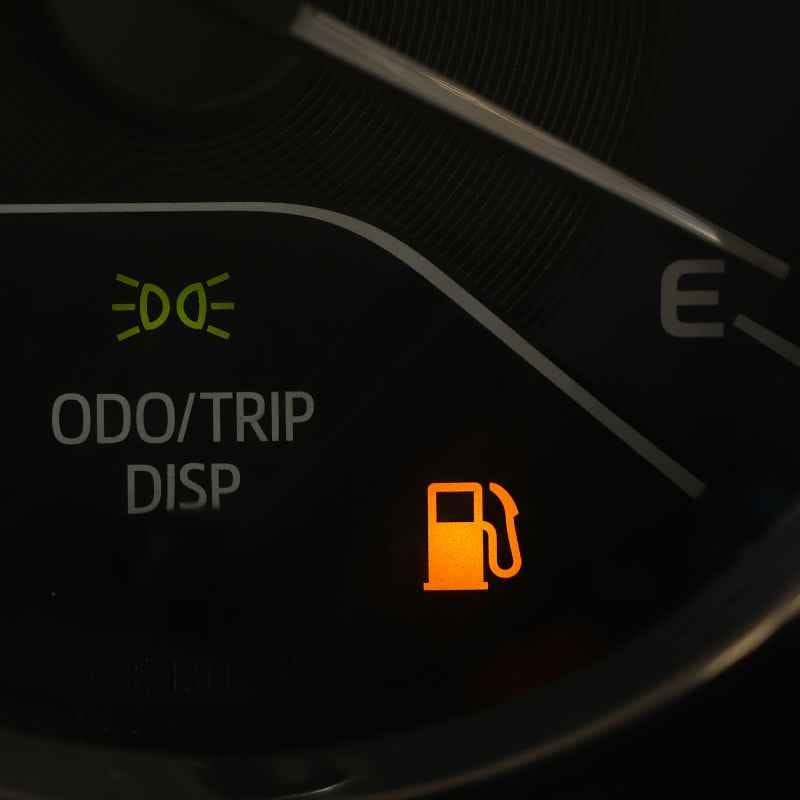
- Oil Warning Light: This is the most obvious sign. It looks like an oil can. Don’t ignore it!
- Engine Noise: A low oil level can make your engine sound louder. You might hear knocking or ticking.
- Oil Smell: Sometimes, burning oil can be smelled inside the car.
- Exhaust Smoke: Blue smoke from the exhaust can mean oil is burning.
- Poor Performance: This includes the jerking, hesitation, or stalling we’re discussing.
The Internal Struggles: What’s Really Happening?
Inside your engine, there are many fast-moving parts. Think about pistons. They move up and down thousands of times a minute.
This creates heat and friction. Oil is supposed to create a thin film between the cylinder walls and the pistons. This film lets them slide smoothly.
When the oil level is low, this film becomes weak or breaks. The metal parts then rub directly against each other. This causes extra friction and heat.
It also creates small metal particles. These particles can get into the oil system and cause more wear. It’s a vicious cycle.
The engine’s computer, the ECU, monitors many sensors. It can detect when the engine isn’t running smoothly. It sees irregular rotations or vibrations.
If it detects these issues, it might adjust engine performance to try and compensate. This adjustment can feel like jerking or hesitation.
Sometimes, the engine’s oil pressure will drop. Oil pressure is the force that pushes oil through the engine. Low oil means low pressure.
The ECU monitors oil pressure. If it drops too low, it can trigger the oil warning light. It can also cause the engine to run poorly to protect itself from further damage.
The camshafts and valves also need constant lubrication. These parts control the intake and exhaust of air and fuel. If they don’t get enough oil, they can stick or move unevenly.
This directly impacts the engine’s ability to breathe and combust fuel properly. This uneven operation is what you feel as jerking.
Common Places Where Low Oil Causes Trouble
There are specific parts of the engine that are very sensitive to low oil. These are often the first places to show the effects. The oil pump itself is critical.
If the oil level is too low, the pump can suck in air along with oil. This is called cavitation. It reduces the pump’s efficiency and can cause oil pressure to drop suddenly.
The crankshaft and connecting rods are also vital. These are heavy metal parts spinning at high speeds. They need a constant supply of oil.
Without it, they can overheat and seize. This would be a catastrophic failure, but signs of this struggle can manifest as jerking before total failure.
The timing chain or belt system also relies on oil. Some engines use oil pressure to help tension the timing chain. If oil pressure is low, this tension can slacken.
This can cause the timing to jump, leading to very rough running and jerking.
Even something as simple as the oil filter can be affected. If the oil is very low, the filter might not get enough oil to fill up properly. This can cause temporary oil starvation when the engine first starts or when it’s under load.
Oil vs. Other Car Problems: How to Tell
Is it definitely oil, or something else?
| Symptom | Likely Low Oil | Could Be Other Issues |
|---|---|---|
| Jerking/Hesitation | Yes, especially if consistent | Transmission, spark plugs, fuel filter |
| Engine Light | Can trigger, but also many things | Check engine light is broad |
| Knocking Noise | Yes, metal-on-metal contact | Rod knock (more severe), exhaust leak |
| Smell of Burning | Yes, burning oil | Overheating brakes, coolant leak |
| Oil Light On | Directly indicates low oil or pressure | Faulty sensor (rare) |
The Role of Oil Pressure
Oil pressure is the force that moves the oil. It’s measured in pounds per square inch (PSI). When your car is running, the oil pump creates this pressure.
It pushes oil through tiny passages to all parts of the engine that need it. Think of it like your heart pumping blood.
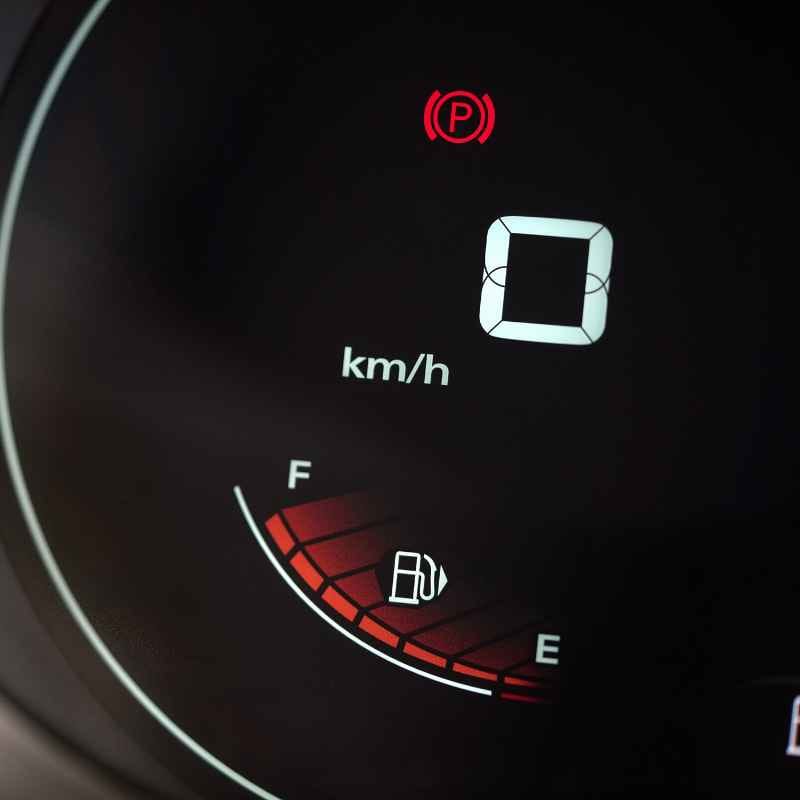
Low engine oil means less oil for the pump to draw. This directly leads to lower oil pressure. The oil warning light on your dashboard is usually tied to oil pressure, not just the oil level.
If the pressure drops below a certain safe level, the light comes on.
When oil pressure is too low, critical engine components don’t get enough lubrication. This is when the metal-on-metal contact starts. The engine’s computer might detect this low pressure and try to compensate by altering engine behavior.
This can cause the jerking.
If you see the oil light come on while driving, it’s a serious warning. You should pull over safely as soon as possible. Continuing to drive can cause irreparable damage.
Even a few minutes of driving with very low oil pressure can be enough to ruin an engine. It’s better to be safe and stop immediately.
Engine Wear and Tear: A Side Effect
One of the biggest long-term problems caused by low oil is increased engine wear. Every time parts rub together without proper lubrication, they scrape away tiny bits of metal. Over time, this wear adds up.
It can change the shape of engine components.
For example, cylinder walls can become worn. Pistons can develop excessive play. Bearings can become damaged.
These issues don’t appear overnight. They develop slowly as the engine is used without adequate protection. This wear can lead to several problems down the road.
One of these problems is reduced engine performance. As parts wear, the engine becomes less efficient. It might consume more fuel.
It might not have as much power. This can also contribute to a feeling of sluggishness or hesitation.
Eventually, severe wear can lead to the engine consuming oil. Oil might start to leak past worn piston rings into the combustion chamber. This oil burns and creates smoke.
It also means you have to add oil more often. It’s a cycle that indicates the engine is getting old and damaged.
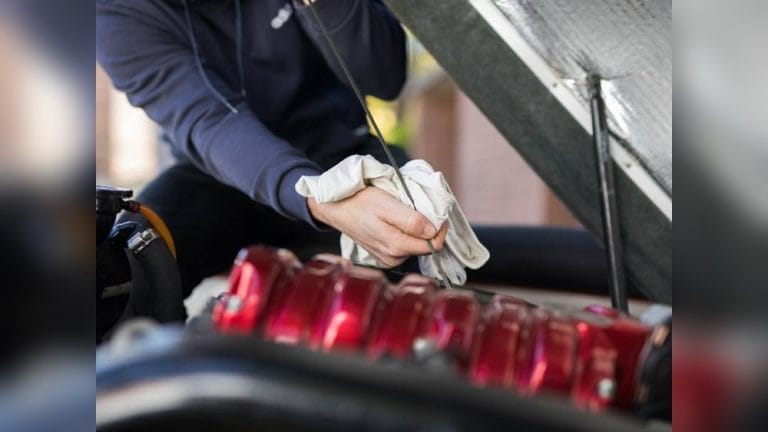
Quick Oil Check Guide
How to check your oil:
- Park your car on a level surface.
- Wait for the engine to cool down (at least 15-30 minutes).
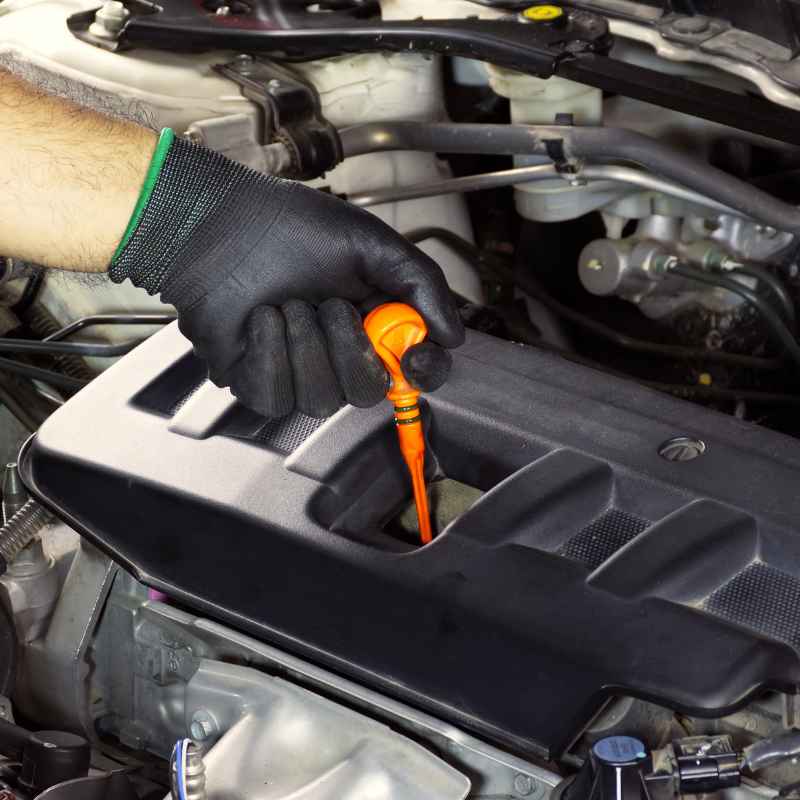
- Open the hood and locate the oil dipstick. It usually has a bright-colored handle.
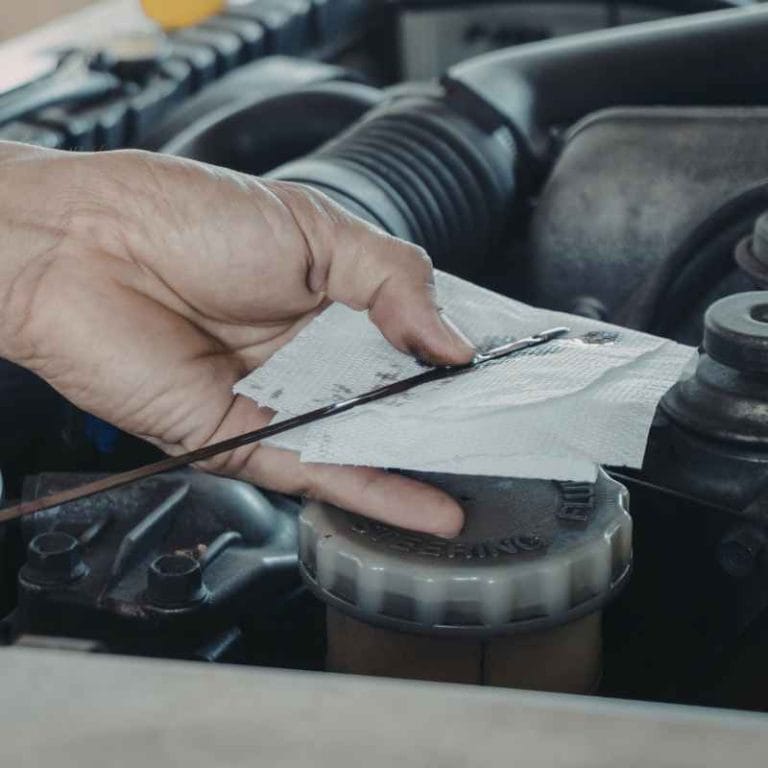
- Pull the dipstick out completely. Wipe it clean with a rag.
- Reinsert the dipstick fully, then pull it out again.
- Check the oil level against the markings on the dipstick. There are usually “add” and “full” lines.
- Note the oil’s color and consistency. It should be amber or brown, not black and sludgy.
Different Cars, Similar Problems
It doesn’t matter if you drive a big truck, a small sedan, or a sports car. The basic principles of engine lubrication remain the same. Low oil levels and the resulting problems are universal across most gasoline and diesel engines.
A minivan will suffer from low oil just like a luxury SUV.
Modern cars have very sophisticated engine management systems. These systems are designed to protect the engine. If they detect critical issues like low oil pressure or severe misfires caused by lack of lubrication, they will often try to limit engine power or even shut it down to prevent total failure.
This can feel like sudden jerking or a complete loss of power.
Some cars have electric oil pumps. These are designed to maintain oil pressure even when the engine is running at low speeds or when the oil level is getting low. However, even these systems have limits.
If there simply isn’t enough oil in the engine, they cannot create the pressure needed.
Older cars might not have as many warning lights or as advanced engine computers. This means the first sign of trouble might be a much more severe symptom, like a loud knocking noise or a complete engine seizure. This is why regular maintenance, including oil checks, is so important for all vehicles.
When It’s Normal to Feel a Slight Jolt
It’s important to note that not every little bump or hesitation means your oil is critically low. Cars can experience other types of minor jolts. For instance, when an automatic transmission shifts gears, there’s often a slight feeling of engagement.
This is normal.
Sometimes, when a car is accelerating hard, you might feel a momentary surge. This is also typical engine behavior. Also, when the engine is very cold, especially in winter, it might run a little rough for a minute or two until it warms up.
This is usually normal.
The key difference with low oil is that the jerking is usually more consistent. It might happen when you’re cruising at a steady speed. It might happen more frequently.
It often comes with other warning signs like the oil light or unusual engine noises.
If the jerking is accompanied by the oil warning light on your dashboard, or if you notice a distinct smell of burning oil, that’s a much stronger indicator of an oil-related problem. It’s also worth checking your oil level if the jerking feels like the engine is struggling or losing power unexpectedly.
When to Worry: Red Flags
If you experience any of the following, it’s a serious cause for concern regarding your engine oil:
- The oil warning light is illuminated. This is the most critical sign. Pull over safely and check your oil immediately.
- You hear knocking or ticking noises from the engine. This often means metal parts are grinding against each other due to lack of lubrication.
- You see blue smoke coming from your exhaust pipe. This indicates oil is burning inside the engine, often due to wear from low oil.
- The engine feels very rough and shaky, even at idle. This suggests significant internal friction.
- The car completely stalls without warning. This can happen if the lack of oil causes critical engine components to seize.
If you notice any of these, do not ignore them. Continuing to drive could lead to extremely expensive engine repairs or even total engine failure. It’s always better to stop, check, and if necessary, get your car towed to a mechanic.
Simple Checks and What to Do
The simplest and most important check you can do is to examine your oil level. As shown in the quick guide, this is a straightforward process. If the dipstick shows the oil level is below the “add” mark, you need to add oil.
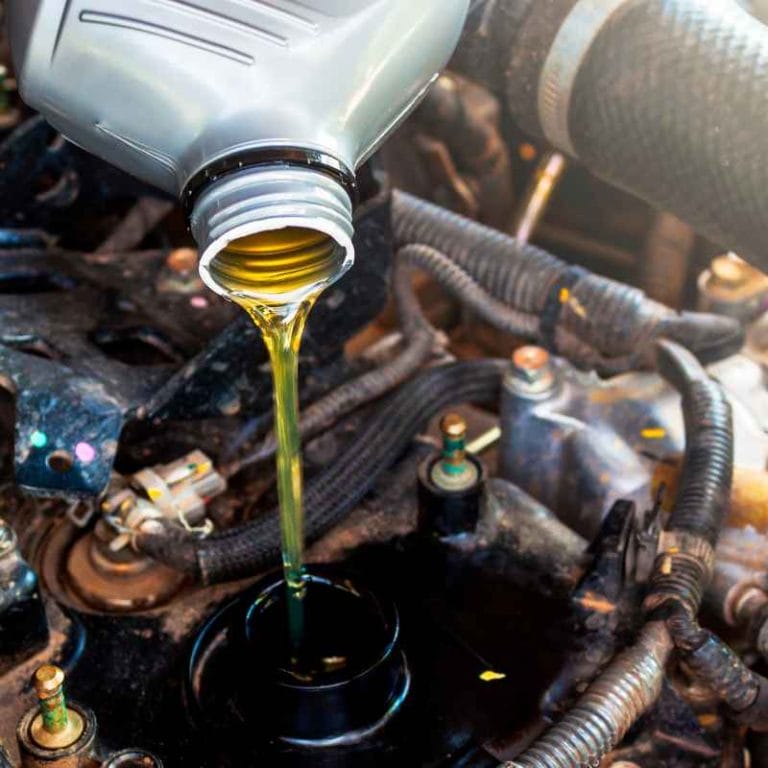
When adding oil, make sure you use the correct type and weight of oil recommended for your car. This information is usually found in your car’s owner’s manual. Adding the wrong type of oil can also cause problems.
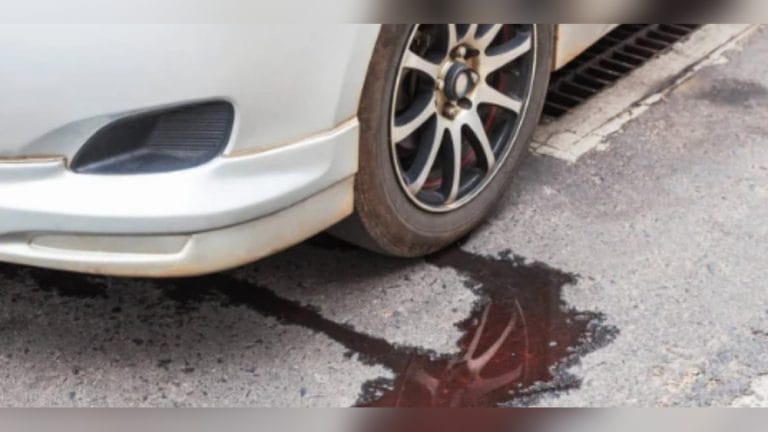
If your oil level is very low, it might not just be that you forgot to add it. You might have a leak. Look under your car for any puddles of oil.
Check around the oil filter and drain plug for wetness. If you suspect a leak, you’ll need to get it repaired by a mechanic.
If the oil level is adequate but the oil light is still on, or if you’re hearing strange noises, it’s time for professional help. This could indicate a problem with the oil pump, a clogged oil passage, or other internal engine issues. A qualified mechanic can diagnose and fix these problems.
Quick Fixes and Preventive Tips
The best “fix” for low engine oil is prevention. This means making it a habit to check your oil regularly. Many people only think about oil when a warning light comes on, but that’s often too late.
Here are some simple tips:
- Check your oil at least once a month. Do it when you fill up your gas tank, or while you’re washing your car.
- Check your oil more often if your car is older or if you notice any leaks.
- Get your oil changed regularly. Follow the manufacturer’s recommended schedule for oil changes. This ensures you have fresh, clean oil.
- Listen to your car. Pay attention to any new noises or changes in how it drives.
- Don’t ignore warning lights. The oil light is a serious warning.
Regular maintenance is key to preventing the kind of issues that lead to jerking and other problems. A few minutes of your time can save you hundreds or thousands of dollars in repairs.
Frequently Asked Questions about Engine Oil and Jerking
Can a car run without oil?
A car cannot run for long without oil. Even a few minutes of running without sufficient oil can cause severe damage to the engine’s internal components due to extreme friction and heat. The engine will likely seize up.
How often should I check my engine oil?
It’s a good practice to check your engine oil at least once a month. You should also check it before any long road trips. If your car is older or you notice any oil spots under your car, check it more frequently.
What kind of oil should I use?
The type of oil your car needs is specified in your owner’s manual. It will usually include a viscosity grade (like 5W-30) and may specify conventional, synthetic blend, or full synthetic oil. Always use the recommended type.
Is it bad if my oil is black?
Engine oil is supposed to be amber or light brown when new. It will darken over time as it picks up dirt and combustion byproducts. However, if the oil is thick, black, and sludgy, it means it’s overdue for a change.
Very black, gritty oil could also indicate excessive engine wear.
What is the difference between oil level and oil pressure?
The oil level is how much oil is in the oil pan. Oil pressure is the force that pushes the oil through the engine. You can have enough oil in the pan, but if the oil pressure is low (due to a pump issue, blockage, or very thin oil), the engine won’t be properly lubricated.
My car is jerking, but the oil light is not on. What else could it be?
Many things can cause a car to jerk. Other common culprits include transmission problems, faulty spark plugs or ignition coils, clogged fuel injectors, a dirty air filter, or issues with the mass airflow sensor. If the oil level is fine, it’s best to consult a mechanic.
Final Thoughts on Engine Health
Your car’s engine is a complex machine. It relies on many things to work together perfectly. Engine oil is one of the most vital components for its smooth operation and longevity.
When the oil level drops too low, it’s like the engine is running on empty for its most critical needs.
The jerking you feel is a clear signal that something is wrong internally. It’s your car telling you it’s struggling. By understanding the connection between low oil and engine performance, you can take proactive steps to keep your vehicle running smoothly and avoid costly damage.
Regular checks and maintenance are your best defense.
Products related to this article
Sponsored / affiliate links. As an Amazon Associate I earn from qualifying purchases. I may earn additional commission from eligible campaigns.