How To Make Car Oil Last Longer (Smart Tips That Work)
Many car owners wonder if they’re changing their oil too often or not often enough. This can lead to a lot of confusion and worry. We want to help clear that up.
This guide will show you simple, smart ways to help your car’s oil do its job better and last longer. You’ll learn what to look for and what steps to take.
Understanding how your car’s oil works is key. Good oil protects your engine, keeps parts cool, and cleans out gunk. Making it last longer means your engine stays healthier and you can save money. This guide offers practical advice to help you manage your car’s oil effectively.
What Does Car Oil Actually Do?
Think of your car’s engine oil like the blood in your body. It’s super important for everything to work right. This special fluid has a few big jobs.
First, it keeps things from rubbing together. Metal parts in the engine move really fast. Without oil, they’d grind against each other.
This would cause a lot of heat and wear. Oil creates a slick layer between these parts. This lets them slide smoothly instead of grinding.
Second, oil helps keep the engine cool. When parts rub, they make heat. The oil moves around the engine.
It picks up this heat. Then, it takes the heat to a part called the oil pan. This is like a radiator for your engine’s oil.
Third, oil cleans up the engine. As parts rub, they create tiny bits of metal. Also, the burning fuel can leave behind gunk.
Oil picks up these small bits and dirt. It carries them to the oil filter. The filter traps the dirt.
This keeps your engine clean inside.
Finally, oil helps seal up the small spaces in the engine. This makes sure the engine runs with good pressure. This pressure is needed for the engine to work well.
It also helps stop things from leaking out where they shouldn’t.
Why Does Car Oil Go Bad?
Even though oil is tough, it doesn’t last forever. It breaks down over time. This happens for a few reasons.
Understanding these helps us know why we need to change it.
Heat is a big enemy of oil. Engines get very hot. This high heat can make the oil break apart.
It can become thinner. It can also lose some of its good qualities. Think of it like cooking oil you use over and over.
It can start to smoke and change.
Dirt and tiny metal bits are also a problem. We talked about how oil picks them up. But over time, the oil filter can only hold so much.
Small bits can still get through. These bits can act like sandpaper. They can scratch engine parts.
They also make the oil dirtier.
Fuel can get into the oil. This happens a little bit when the engine runs. Too much fuel can make the oil thinner.
This makes it less good at its job. It also means there’s less oil for lubrication.
Water and moisture can also get into the oil. This can happen from short trips. The engine doesn’t get hot enough to burn it off.
Water can make the oil form a milky substance. This is called sludge. Sludge is very bad for engines.
Additives in the oil wear out. New oil has special helpers. These helpers do things like prevent rust or keep dirt floating.
Over time, the heat and work cause these helpers to disappear. When they’re gone, the oil isn’t as good.
Oil Degradation Factors
- Heat Stress: High engine temperatures break down oil molecules.
- Contamination: Dirt, metal particles, and fuel degrade oil quality.
- Oxidation: Air contact at high temperatures causes oil to thicken and form sludge.
- Additive Depletion: Special compounds in oil wear out over time and use.
- Moisture: Water in oil can lead to corrosion and sludge formation.
Signs Your Car Oil Needs Attention
Your car often tells you when something isn’t right. You just have to know what to listen for. For oil, there are clear signs.
These can help you know if it’s time for a change or if there’s a bigger issue.
The most obvious sign is the oil light on your dashboard. This light usually means the oil pressure is too low. This could be because the oil level is very low.
Or it could be that the oil is too thin and can’t build pressure. If this light comes on, stop driving as soon as it’s safe. Check your oil right away.
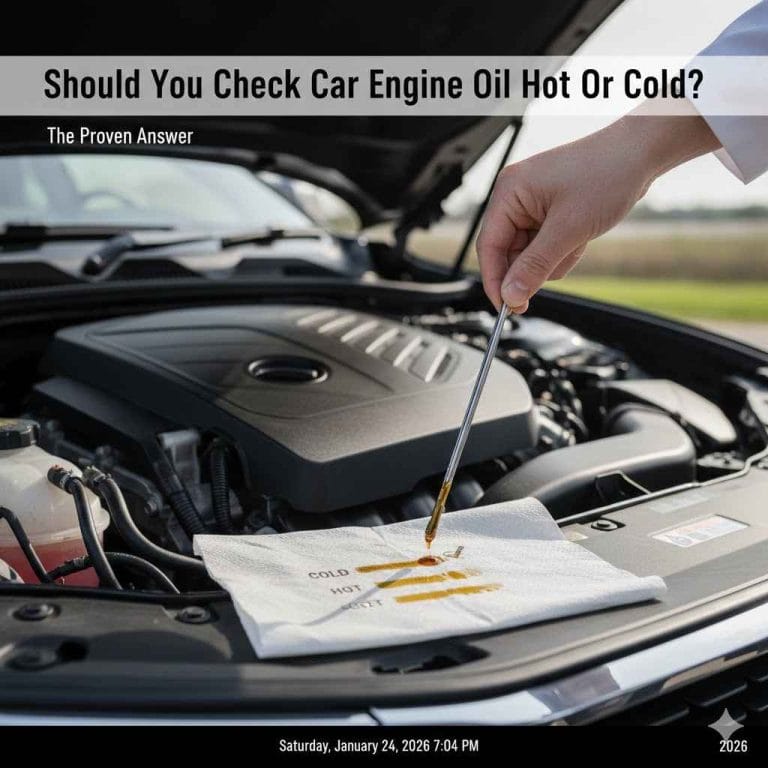
Another sign is the color and smell of the oil. If you check your oil dipstick at the right time and the oil looks really dark, almost black, it’s probably old. New oil is usually amber or light brown.
If it smells burnt, that’s a bad sign too. Burnt oil means it’s very hot and breaking down.
You might also hear strange noises from the engine. Tapping or knocking sounds can happen if the oil isn’t lubricating the parts properly. This is because metal is rubbing against metal.
This is serious and needs immediate attention.
If you notice oil leaks under your car, that’s a clear sign. Look for dark spots on your driveway or garage floor. Leaks mean you’re losing oil.
This can lead to low oil levels very quickly.
Sometimes, the engine temperature gauge might go higher than usual. If the oil isn’t doing its job cooling, the engine can overheat. This is a serious problem that needs checking.
Quick Oil Health Check
- Dashboard Light: Red oil can means danger! Stop and check.
- Dipstick Check: Is the oil dark or gritty? Smells burnt?
- Engine Sounds: Tapping or knocking sounds are a warning.
- Under the Car: Puddles of dark fluid mean leaks.
- Temperature Gauge: A rising temp could mean cooling issues.
Smart Ways to Make Car Oil Last Longer
Okay, now for the good stuff! We want our oil to work hard for us. There are several things you can do.
Most of them are simple habits and good practices. They help your engine stay happy and keep the oil in better shape for longer.
The most important thing is to use the right type of oil. Your car’s owner’s manual tells you exactly what oil it needs. It’s usually based on the car’s age, engine type, and the climate where you live.
Using the wrong oil can make it break down faster.
For example, some cars need synthetic oil. This oil is made in a lab. It’s very good at handling heat and staying clean.
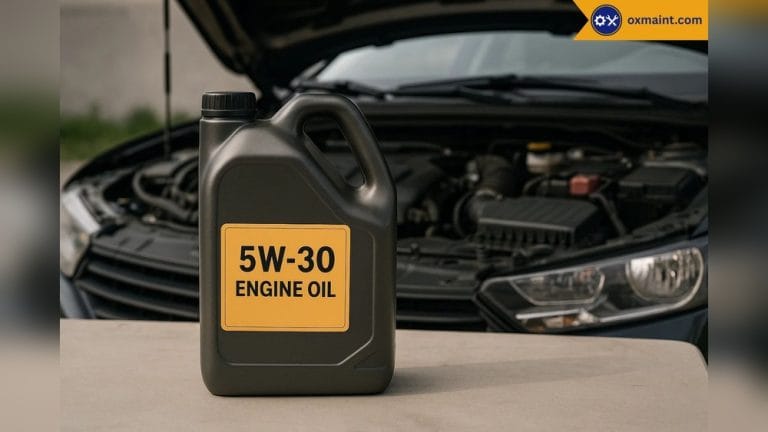
Other cars can use conventional oil. Synthetic blends are also an option. Always check your manual for the recommended weight (like 5W-30) and type.
Drive smoothly. Hard acceleration and braking make the engine work harder. This creates more heat and stress on the oil.
Try to accelerate gently. Coast to stops when possible. This is also better for your gas mileage!
Avoid short trips. When you only drive for a few minutes, the engine doesn’t get hot enough to burn off moisture. This moisture turns into that bad sludge we talked about.
Longer drives allow the engine to reach its normal, hot temperature. This helps evaporate water. Aim for at least a 15-20 minute drive regularly.
Keep your engine clean. A dirty engine can overheat. This puts more stress on the oil.
Washing your car regularly, including the engine bay if you’re careful, can help. Make sure you don’t spray water directly into electrical parts.
Maintain your cooling system. If your engine’s cooling system isn’t working right, the engine will get too hot. This means the oil will get too hot too.
Make sure your coolant level is correct. Have your radiator and hoses checked.
Change your oil filter regularly. The oil filter cleans the oil. If it gets clogged, it can’t do its job well.
Some of the dirt might even get forced through the filter. A clogged filter also makes the oil pump work harder.
Don’t overload your vehicle. Towing heavy loads or carrying too much weight makes the engine work much harder. This leads to more heat.
This heat breaks down the oil faster. If you often tow or carry heavy loads, you might need to change your oil more often.
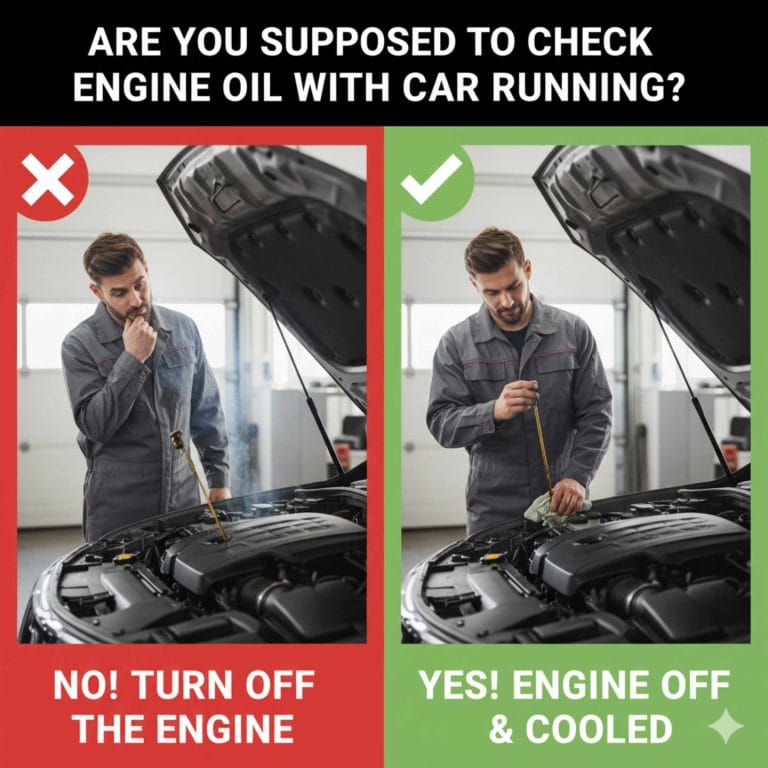
Check your oil level often. This might sound simple, but it’s vital. If your oil level gets too low, the oil can’t do its cooling and lubricating jobs properly.
This can cause damage. Make it a habit to check it every few weeks, or before a long trip.
Use quality oil and filters. Cheaper brands might seem like a good deal. But they might not have the best additives.
They might not perform as well under stress. Investing in good quality oil and filters is often worth it in the long run.
I remember one time, I had a small sedan. I was always buying the cheapest oil I could find. My car was getting older, and I started noticing it was using more oil between changes.
One day, a mechanic looked at it and said my engine was showing signs of wear. He asked what kind of oil I was using. When I told him, he shook his head.
He explained that while the oil might meet the basic requirements, the better additives in higher-quality oils could have helped protect the engine parts better over time. It was a tough lesson. From then on, I always chose a good brand and made sure my mechanic used a good filter.
Infographic: Extend Your Oil’s Life
Correct Oil
Use the type recommended in your manual.
Smooth Driving
Avoid harsh acceleration and braking.
Longer Trips
Limit short drives; get the engine hot.
Cool Engine
Maintain cooling system and clean exterior.
Check Level
Regularly ensure oil is at the correct mark.
Understanding Oil Change Intervals
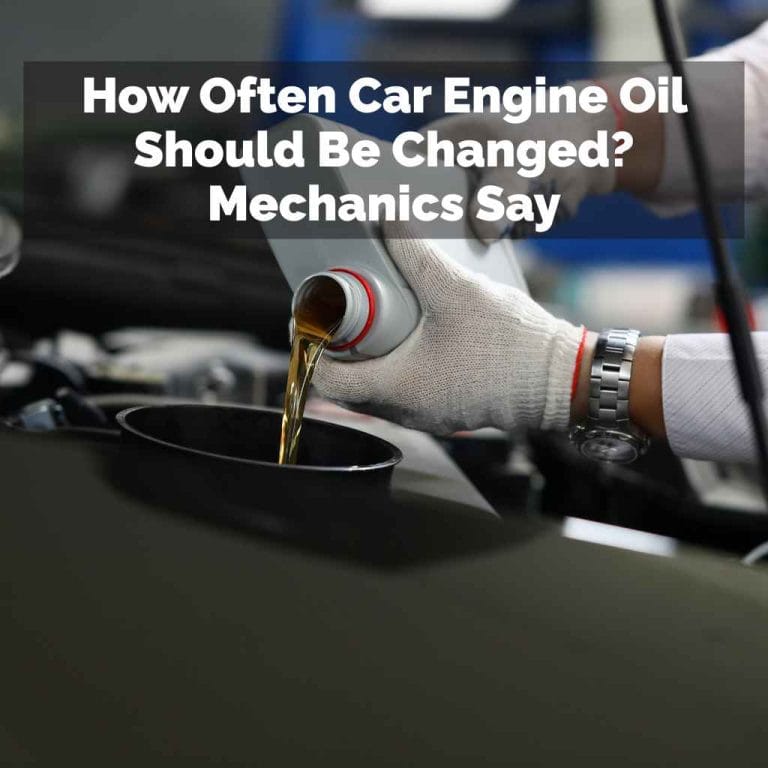
The question of “how often” is a big one. For years, people followed strict mileage rules. Like every 3,000 miles.
But things have changed. Cars are made better now. And oil technology has improved a lot.
Your car’s manufacturer has a recommended oil change interval. This is usually in your owner’s manual. It might be a mileage number (like 5,000 to 7,500 miles).
It might also be a time frame (like 6 months or 1 year). It often says to follow whichever comes first.
These recommendations are often based on “normal” driving. What is normal driving for you? This can be different for everyone.
If you mostly drive on highways, that’s easier on the oil. If you do a lot of stop-and-go city driving, or tow things, that’s “severe” driving.
For severe driving, you might need to change your oil more often than the manual suggests for normal driving. Some cars even have a “maintenance minder” system. This system tracks how you drive.
It tells you when the oil needs changing based on your actual use. This is the most accurate way to know.
Why the change from 3,000 miles? Older cars and older oils just couldn’t handle the stress like modern ones can. Today’s oils are much more resistant to breaking down.
And modern engines have better seals and filters.
However, even with long-life oils, there’s a limit. The oil filter also needs to be changed. And over time, all oils will eventually lose their ability to protect the engine.
So, don’t just ignore the maintenance minder or the manual. It’s a guide to keep your engine healthy.
When to Worry: Signs of Major Oil Problems
Most of the time, following good advice will keep your oil working well. But sometimes, there are bigger issues at play. It’s good to know when to be really concerned.
These signs usually mean something more than just old oil.
Very Low Oil Pressure: As mentioned, the oil light is a major warning. If it stays on, or if it starts flashing, stop the car immediately. Driving with low oil pressure can cause catastrophic engine damage very quickly.
This could mean a leak, a bad oil pump, or a severely clogged oil passage.
Thick, Black Sludge: If you check your oil and it looks like thick, black mud, this is a serious problem. This sludge blocks oil passages. It stops oil from reaching parts that need it.
This is usually caused by neglecting oil changes for a very long time, or by moisture contamination from lots of short trips.
Engine Knocking or Grinding Sounds: These noises are often the sound of metal on metal. It means the oil film is broken. The parts aren’t getting enough lubrication.
This can happen if the oil is very old, very thin, or if the oil level is critically low. It’s a sign of imminent damage.
Blue Smoke from the Exhaust: If you see blueish smoke coming from your tailpipe, it often means oil is burning inside the engine. This can happen if the piston rings or valve seals are worn. The oil is getting past them and into the combustion chamber.
This is not something oil changes will fix.
Constant Overheating: While oil helps cool, the primary cooling is done by the coolant system. If your car constantly overheats, even after checking coolant, it could be related to oil issues. If the oil is too thin or too hot, it can’t help cool as well.
But this is usually a symptom of a larger cooling system problem.
If you see any of these signs, don’t delay. Get your car to a trusted mechanic right away. It’s better to pay for a diagnosis and repair than to wait and end up needing a whole new engine.
The Role of Oil Additives
When you buy a bottle of motor oil, it’s not just plain oil. It’s a carefully mixed blend. This blend includes something called additives.
These are special chemicals added in small amounts. They make the oil much better at its job.
Think of them as boosters. They help the oil perform tasks it couldn’t do on its own. Or they make it do them much better.
Different additives do different things. Some are very important for extending the life of the oil and your engine.
One key type is detergents. These help clean the engine. They prevent dirt and gunk from sticking to engine parts.
They keep small particles suspended in the oil. This way, they can be caught by the oil filter.
Dispersants are similar. They work to keep particles spread out. They stop them from clumping together.
This is important because clumps can block small oil passages.
Anti-wear agents are crucial. These form a protective layer on metal surfaces. This layer reduces friction.
It prevents wear, especially in high-pressure areas. This is key for engine longevity.
Antioxidants help slow down the oil’s breakdown. They fight against oxidation. Oxidation is what happens when oil reacts with air at high temperatures.
It can make oil thicker and form sludge.
Corrosion inhibitors protect metal parts from rust. This is especially important if water gets into the oil. They create a barrier.
Viscosity index improvers are added to synthetic and synthetic blend oils. They help the oil flow well in cold weather. They also stop it from getting too thin when the engine is hot.
This means the oil maintains its protective thickness across a wide range of temperatures.
Over time and with use, these additives get used up. They get depleted. The heat and the engine’s work literally burn them away or break them down.
This is a major reason why oil eventually loses its effectiveness. When the additives are gone, the oil can’t do its advanced jobs. It can’t protect as well.
This is why changing oil and filter is so important. It
Synthetic vs. Conventional Oil: What’s the Difference?
You’ll see different types of oil when you go to buy it. The two main types are conventional and synthetic. There are also synthetic blends.
Each has its pros and cons. And the choice can affect how long your oil lasts.
Conventional oil is refined from crude oil. It’s been used for a long time. It’s generally less expensive.
For many older cars or cars that don’t face extreme conditions, conventional oil can work just fine. However, it’s more prone to breaking down under heat. It can also thicken up more in the cold.
Synthetic oil is made in a laboratory. It’s engineered to be very pure. The molecules are more uniform.
This means it flows very smoothly. It’s much better at handling extreme temperatures. It resists breaking down from heat better.
It also stays thinner in the cold, helping with cold starts. Because of these qualities, synthetic oil generally lasts longer and protects your engine better, especially in harsh conditions.
Synthetic blends are a mix of conventional and synthetic oils. They offer some of the benefits of synthetic oil but at a lower cost. They are a good middle ground for many drivers.
If your car’s manual recommends synthetic oil, it’s usually for a good reason. It might be for a high-performance engine. Or an engine that runs very hot.
Or maybe it’s designed to go longer between oil changes. Sticking to the manufacturer’s recommendation is key to making your oil last and your engine stay healthy.
I learned this lesson with my first truck. It was a powerful V8. The manual strongly suggested synthetic oil.
I ignored it because it was more expensive. I used conventional. Within a few years, I noticed the engine seemed louder.
It also felt like it lost some power. When I eventually traded it in, the mechanic doing the inspection commented on the engine’s internal appearance. He said it looked like it had seen more wear than it should for its age and mileage.
That’s when I realized the cost savings on oil weren’t worth the potential long-term damage.
The Importance of Your Oil Filter
We’ve talked a lot about oil. But the oil filter is just as important for keeping that oil clean and effective. Think of the oil filter as the kidneys of your engine.
It’s constantly working to remove impurities.
When oil circulates through your engine, it picks up all sorts of things. Tiny metal shavings from wear. Soot from combustion.
Dust and dirt that might have gotten in. These particles can cause damage if left in the oil. They act like tiny bits of sandpaper.
The oil filter is designed to trap these particles. It has a special filtering material. This material has tiny pores.
The oil passes through, but the dirt gets caught. The cleaner the oil, the better it can lubricate and protect your engine parts.
Now, here’s the key part for making oil last longer: the filter gets full. As it traps more and more dirt, it eventually gets clogged. When it’s clogged, it can’t filter effectively anymore.
In some cases, a very clogged filter might even have a relief valve that opens. This allows unfiltered oil to pass through. This is bad because it means your engine is running on dirty oil.
This is why changing your oil filter every time you change your oil is non-negotiable. Some people might think they can stretch the time between filter changes. But this defeats the purpose of changing the oil itself.
Fresh oil in a clogged filter isn’t going to stay clean for long.
Also, using a cheap, low-quality oil filter can be a mistake. These filters might not trap as fine a particle. Or their filtering material might break down sooner.
Always use a filter from a reputable brand. Your owner’s manual can recommend sizes and types, and many auto parts stores can help you find the right one for your car.
I once saw a car come into a shop that had skipped its oil and filter changes for nearly two years. The engine was making terrible noises. When they drained the oil, it was thick like tar.
The oil filter was so caked with sludge and metal particles, it looked like it weighed twice as much as a new one. They had to cut it off. The mechanic said the engine was probably damaged beyond repair.
That visual stuck with me. It showed me how vital both the oil and its filter are.
Can You Test Your Oil Life?
For many years, people relied only on mileage or time. But there are ways to get a more precise idea of your oil’s condition. These methods can help you make better decisions about when to change it.
This can potentially help you extend its life if it’s still good.
Visual Inspection: As we’ve discussed, looking at the oil on the dipstick is the first step. Is it clear and amber? Or is it dark, thick, and murky?
Does it have flecks of metal? This gives you a general idea.
Smell Test: If the oil smells burnt, it’s likely breaking down. A faint gasoline smell can also mean fuel dilution.
Oil Analysis Kits: You can buy DIY oil analysis kits. These kits allow you to send a sample of your used oil to a lab. The lab will analyze it.
They can tell you about the oil’s condition. They can also detect metal wear. This tells you if your engine is having problems.
Some kits are simple tests you do at home. They use test strips or small tubes.
Professional Oil Analysis: Many automotive shops and specialized labs offer professional oil analysis. You collect a sample as directed. You send it in.
They provide a detailed report. This report is very thorough. It can identify specific contaminants.
It can also tell you about the oil’s viscosity and additive levels. For performance cars, or if you’re concerned about potential issues, this can be a worthwhile investment.
These tests are not always necessary for every driver. But they can be very useful. They can help you decide if your oil is truly still good.
Or if it’s time for a change, even if you’re below the recommended mileage. This can prevent unnecessary oil changes. It can also catch engine problems early.
This helps protect your engine.
The Bottom Line: Smart Habits for Long Oil Life
Making your car’s oil last longer isn’t about magic tricks. It’s about smart choices and good habits. By understanding what oil does and how it breaks down, you can take control.
You can help your engine run smoother and healthier for years to come.
Remember to always use the type of oil recommended in your owner’s manual. Drive gently, especially when the engine is cold. Try to avoid too many very short trips.
And never, ever skip an oil and filter change. These simple steps are the most effective ways to keep your oil working its best.
Paying attention to your car is key. Listen to its sounds. Watch for any strange lights or smells.
By being proactive, you can catch problems early. You can also make sure your oil is doing its job for as long as possible. This saves you money and stress in the long run.
Frequently Asked Questions
How often should I really change my car oil?
Most modern cars can go between 5,000 to 7,500 miles, or 6 months to a year, whichever comes first. Check your car’s owner’s manual for the exact recommendation. If you drive in severe conditions (lots of stop-and-go, short trips, towing), you may need to change it more often.
Can I use a different weight of oil than recommended?
It’s best to stick to the oil weight recommended in your owner’s manual (like 5W-30). Using a different weight can affect how the oil flows and protects your engine, especially in extreme temperatures. This could lead to faster breakdown.
Is it bad if my car burns a little oil?
A very small amount of oil consumption can be normal for some engines as they age. However, if you see blue smoke from the exhaust or need to add oil frequently, it’s a sign of a more serious issue like worn piston rings or valve seals. You should have it checked by a mechanic.
What does “viscosity” mean for motor oil?
Viscosity is how thick or thin the oil is. A lower number (like 5W) means it’s thinner and flows better when cold. A higher number (like 30 or 40) means it’s thicker and protects better at high temperatures.
Your car needs the right balance.
How can I tell if my oil change interval is too long?
Check your oil dipstick regularly. If the oil is very dark, almost black, or smells burnt, it’s likely time for a change. Also, if your car’s maintenance reminder light comes on, pay attention to it.
Some cars have advanced systems that track your driving habits.
Does driving fast use up oil quicker?
Driving at very high speeds makes your engine work harder and hotter. This can cause the oil to break down faster than normal driving. It’s not just about how fast you go, but also the conditions, like prolonged high RPMs.
What are “oil additives” and do they work?
Oil additives are special chemicals mixed into the oil to give it extra properties, like cleaning, anti-wear, and rust protection. Modern oils already have these. Adding extra aftermarket additives is usually not recommended and can sometimes cause problems with the oil’s balance.
See also how to change car engine oil at home beginner’s guide .
Products related to this article
Sponsored / affiliate links. As an Amazon Associate I earn from qualifying purchases. I may earn additional commission from eligible campaigns.
 RVS Technology G6 Engine oil Treatment; For Gasoline Engines with a Motor oil capacity up to 6 quarts; Save fuel, Boost Power and Safely Restore and protect your Car, Truck, and all other engines
 ECOGARD X10023 Cartridge Engine Oil Filter for Conventional Oil - Premium Replacement | Fits 2018-2023 Volkswagen Atlas 3.6L; 2020-2023 Atlas Cross Sport 3.6L