How Often Should You Check Car Engine Oil? Do It Right
It’s a question many car owners wonder about. How often should you really check your car’s engine oil? It feels like a basic task, but getting it right is super important.
Doing it too little can cause big problems. Doing it too often might feel like a waste of time. Let’s clear this up so you can take great care of your car.
You should check your car’s engine oil at least once a month. It’s also a good idea to check it before any long road trips. Make sure the engine has been off for a few minutes and is on level ground for an accurate reading.
This simple check helps prevent serious engine damage.
Understanding Your Car’s Engine Oil
Engine oil is like the blood of your car’s engine. It does so many jobs to keep things running smoothly. First, it lubricates all the moving parts inside.
This stops metal-on-metal grinding. It also helps keep the engine cool. Things get hot in there!
Oil carries heat away from critical spots.
Besides cooling and lubricating, oil also cleans the engine. It picks up dirt and tiny metal bits. These get trapped in the oil filter.
This keeps the engine free from gunk. Oil also helps seal the piston rings. This makes sure the engine runs with good power.
It even helps prevent rust and corrosion inside the engine.
Over time, oil can break down. It loses its ability to do its job well. Heat, dirt, and constant use wear it out.
That’s why checking and changing your oil is so vital. A clean, sufficient amount of the right oil keeps your engine healthy for many miles.

Why Checking Oil Regularly Matters
Not checking your oil enough is a common mistake. Many people just forget or don’t think it’s a big deal. But a low oil level can be very bad.
If there isn’t enough oil, parts can’t get the lubrication they need. This leads to increased friction.
Friction causes parts to heat up quickly. They can then start to wear down much faster. In severe cases, this can lead to major engine damage.
We’re talking about things like seized bearings or a blown gasket. These are very expensive repairs. Sometimes, the engine might be ruined completely.
Also, old or dirty oil isn’t as effective. It can’t clean or cool as well. This also speeds up wear and tear.
Regular checks help you spot if oil is leaking. It also shows if the oil is getting dirty too fast. Catching these issues early saves you a lot of trouble and money down the road.
Quick Oil Check Guide
What you need: Clean cloth or paper towel, your car’s owner’s manual.
When to check: Car off for 5-10 minutes, engine cool, on level ground.
How to check:
- Locate the dipstick.
- Pull it out and wipe it clean.
- Reinsert it fully, then pull it out again.
- Look at the oil level on the markings.
- Check the oil’s color and texture.
What to do: Add oil if low. Note any issues with color or texture.
My Own Oil Scare Story
I remember one time, years ago, I had a small sedan. It was my first car, and I was still learning all the ins and outs of car care. I was driving to visit my parents, a trip that was about three hours long.
I hadn’t checked my oil in maybe two months. I figured, “It’s fine, it’s a new-ish car.” Famous last words, right?
About halfway there, I started hearing a faint knocking sound. It was subtle at first. I turned the radio off to listen better.
The knocking got a bit louder. It wasn’t a smooth engine sound anymore. A little knot of panic started forming in my stomach.
My mind raced through all the possibilities, and none of them sounded cheap.
I pulled into the next gas station, my heart pounding. I popped the hood, and with shaky hands, I found the dipstick. I pulled it out, and it was bone dry.
Not a drop of oil on the end. I had driven for miles with almost no oil. The knocking was the sound of my engine’s parts begging for mercy.
Thankfully, I was able to buy some oil at the gas station and put enough in to get home safely. It was a terrifying lesson, and I never, ever skipped an oil check again. That day taught me that even a few weeks without a check can be too long.
When Should You Check Your Engine Oil?
So, what’s the magic number for checking oil? Most car experts and manufacturers suggest checking your engine oil at least once a month. This is a good baseline for most drivers.
If you drive your car every day, this monthly check is essential. It helps you catch issues before they become major problems.
What about before long trips? This is another critical time to check your oil. Before you head out on a road trip, especially one that’s several hours long or takes you into unfamiliar territory, give your oil level a quick look.
Your car works harder on long drives. You want to make sure it has enough of its lifeblood to handle the extra strain.
Are there other times? Yes! If you notice any unusual sounds coming from your engine, like tapping or knocking, check the oil immediately.
If you see any oil spots under where your car is parked, that’s a sign of a leak. You should check the oil level soon after you spot those spots.
Also, if your car’s oil warning light comes on the dashboard, this is an emergency. This light means your oil pressure is too low. This can happen if the oil level is critically low or if there’s an oil pressure problem.
You should pull over safely as soon as possible and turn off the engine. Then check your oil. If it’s very low, add oil.
If the light stays on after adding oil, do not drive the car. Call for a tow.
How to Check Your Engine Oil Correctly
Checking your oil seems simple, but doing it wrong can give you a false reading. Here’s the best way to get it right. First, you need to make sure your car is parked on a level surface.
If your car is on a slope, the oil will settle to one side. This will make the reading inaccurate. Driveways are usually pretty level, but some parking lots can be sloped.
Next, let the engine cool down. The best time is usually about 5 to 10 minutes after you’ve turned the engine off. This lets the oil drain back into the oil pan from the engine’s upper parts.
If you check it too soon, while the engine is still very hot, some oil might still be up in the engine. This will make the level look lower than it really is.
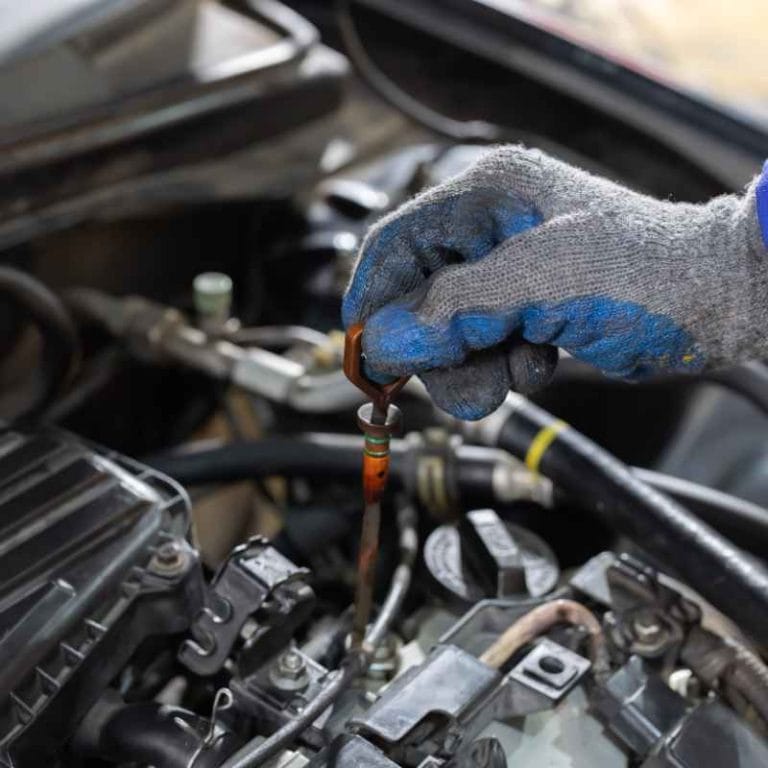
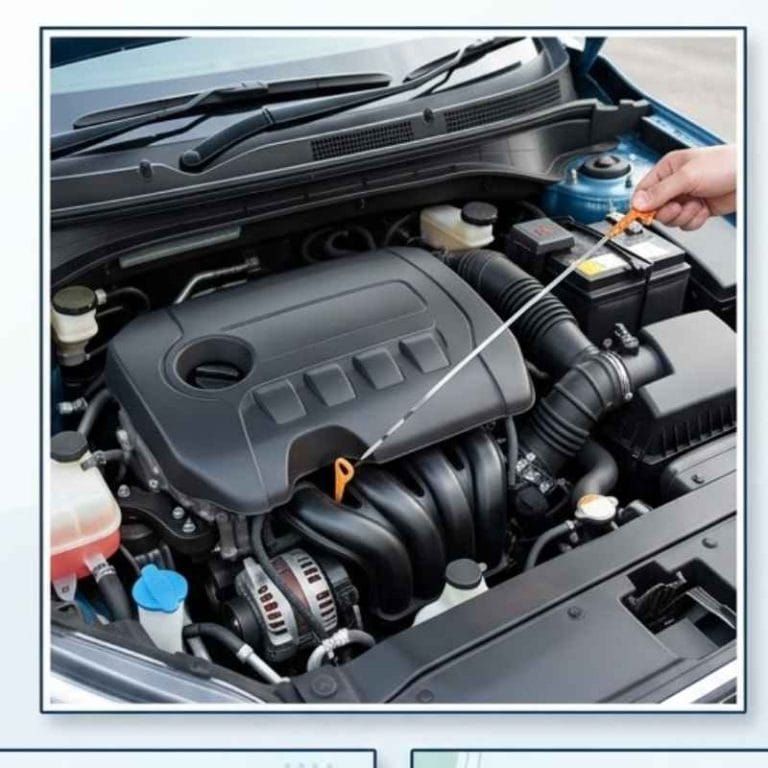
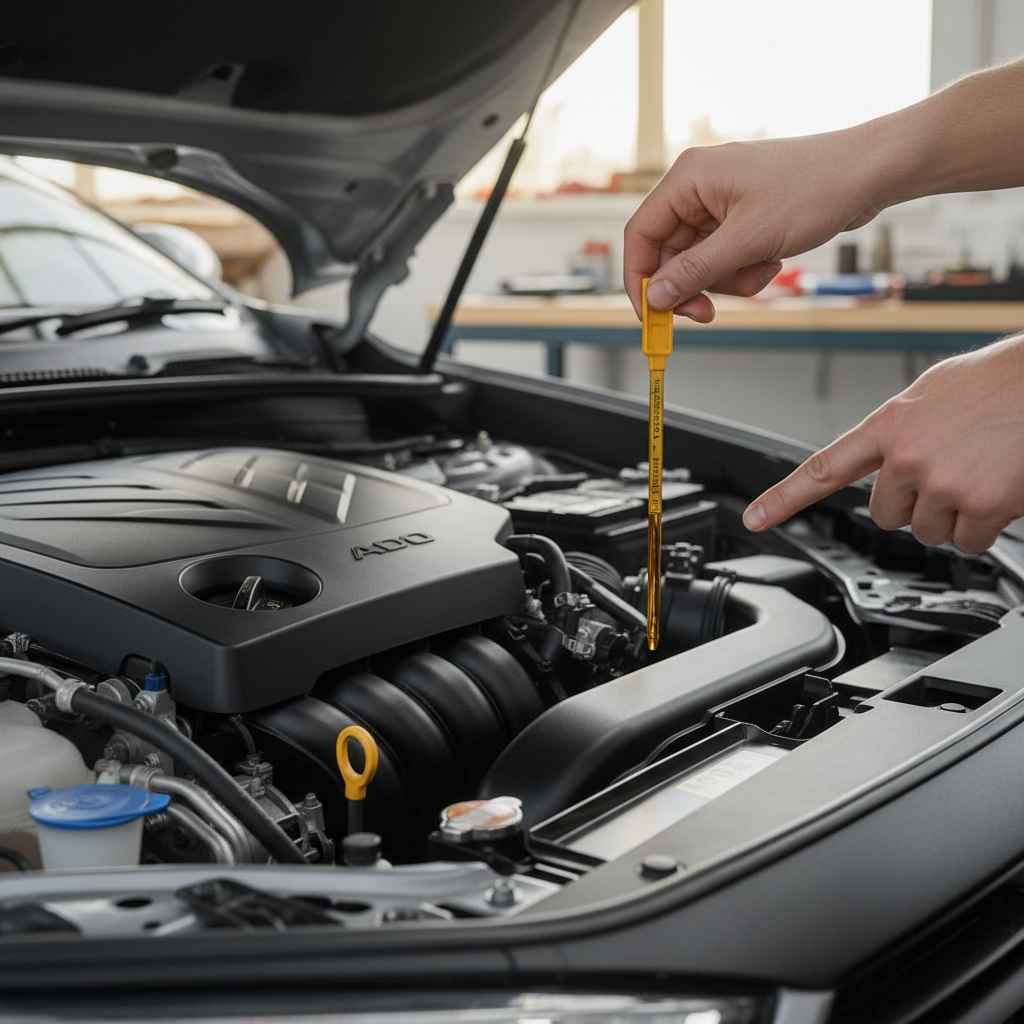
Find the oil dipstick. It’s usually a brightly colored loop or handle, often yellow or orange. Your car’s owner’s manual will show you exactly where it is.
Pull the dipstick out. You’ll see markings on the end, usually with lines or dots and words like “ADD” and “FULL” or “MIN” and “MAX”.
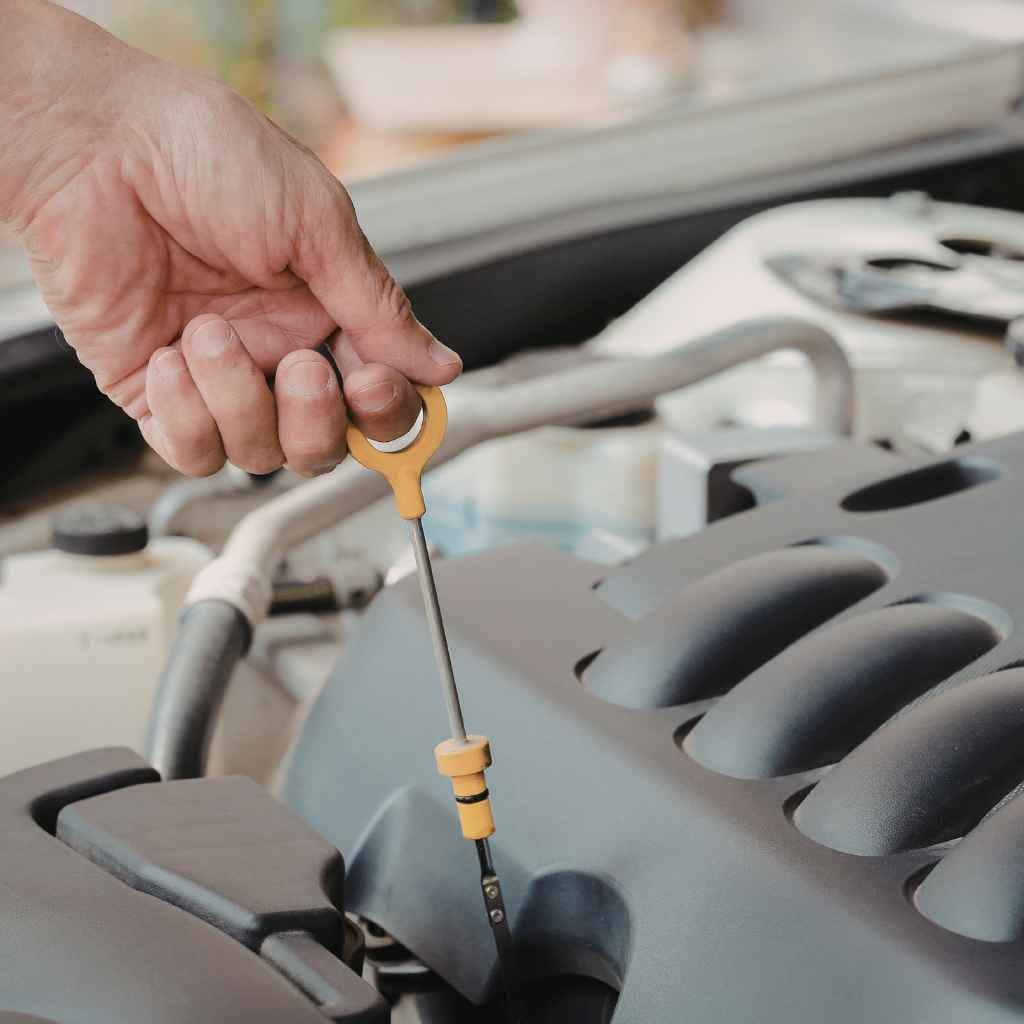
Wipe the dipstick clean with a soft cloth or paper towel. Make sure all the oil is gone from the end. Now, push the dipstick all the way back into its tube.
Give it a second to settle. Pull it out again, carefully this time. Hold it so you can see the markings.
Look at where the oil level is on the dipstick. It should be between the “ADD” and “FULL” marks. If it’s at or below the “ADD” mark, you need to add oil.
If it’s above the “FULL” mark, it’s overfilled, which can also cause problems. Ideally, it should be close to the “FULL” mark for best protection.
What the Oil Color Tells You
Normal Oil: Often amber or light brown. Looks clear-ish when held up to light.
Slightly Darker Oil: After a few thousand miles, it will darken. This is normal as it picks up soot and dirt.
Very Dark / Black Oil: This means it’s due for a change. It’s no longer cleaning effectively.
Milky / Frothy Oil: This is bad! It means coolant is leaking into the oil. Stop driving and see a mechanic.
Oily Smell: If the oil smells like gasoline, it could mean fuel is getting into the oil.
What If My Oil Level is Low?
If your dipstick shows the oil level is below the “ADD” mark, you need to add oil. Don’t panic; this is usually a simple fix. First, check your owner’s manual.
It will tell you the correct type and weight of oil your car needs. Using the wrong oil can harm your engine. For example, a 2015 Honda Civic might need 0W-20 synthetic oil, while a 1998 Ford F-150 might need 5W-30 conventional oil.
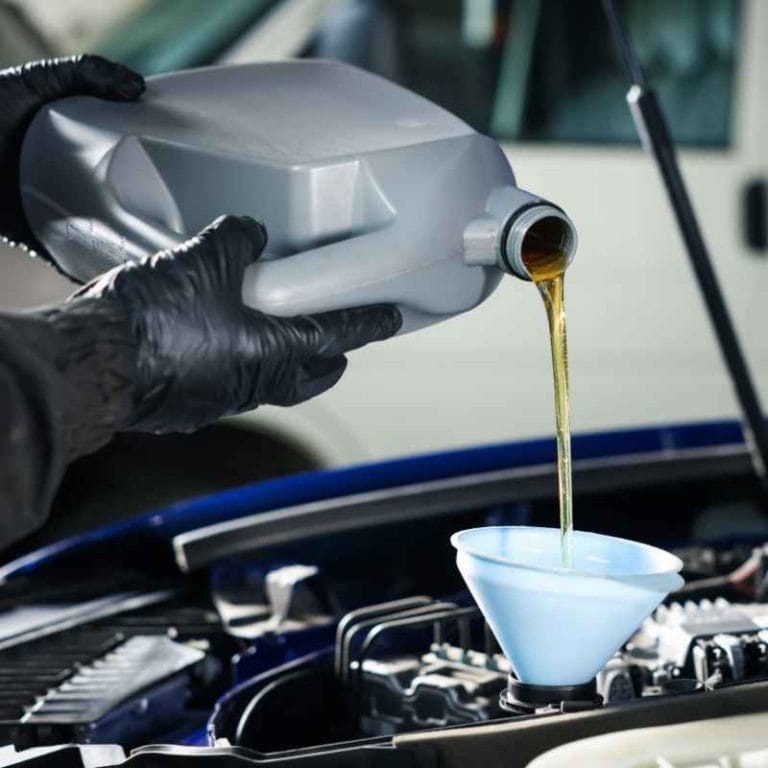
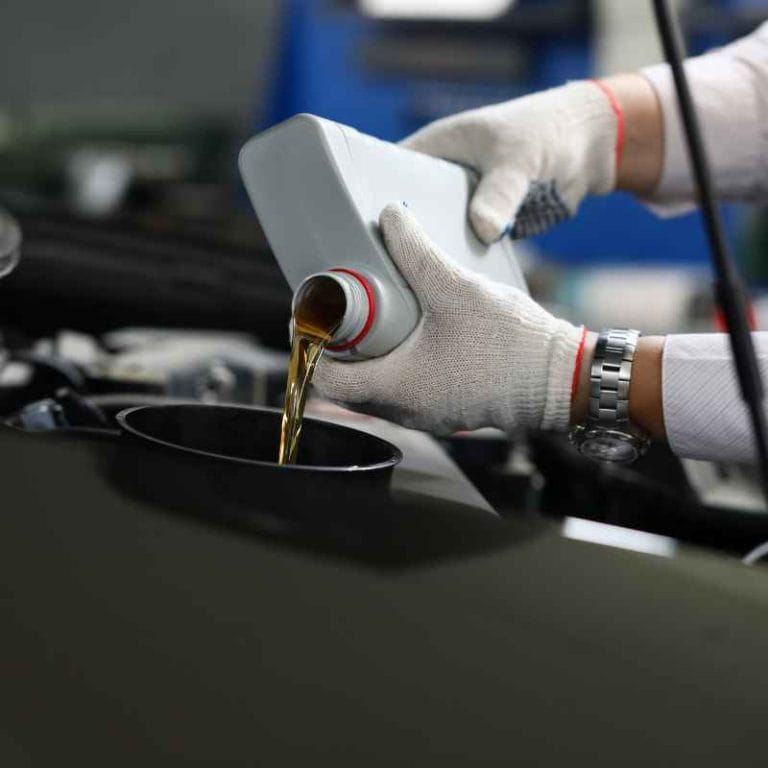
Once you have the right oil, carefully open the oil fill cap. This is usually on top of the engine and often has an oil can symbol on it. Slowly pour a small amount of oil into the engine.
Start with about half a quart (half a liter).
Wait a few minutes for the oil to flow down into the oil pan. Then, recheck the dipstick. Keep adding small amounts and checking again until the level is between the “ADD” and “FULL” marks.
It’s better to add a little at a time and check often than to pour too much in.
If you add too much oil (overfilling), it can cause problems too. Too much oil can lead to the crankshaft splashing through the oil. This can create foam.
Foamy oil doesn’t lubricate well. It can also cause too much pressure in the crankcase. This can blow out seals and gaskets, leading to leaks.
If your car is consistently losing oil and there are no visible leaks, it might be burning oil. Some older cars do this. If this is the case, you’ll need to check the oil more frequently.
You might also need to top it up more often between oil changes. In some cases, the car might need engine work to fix this issue.
What if My Oil is Dirty or Smells Burnt?
Besides the oil level, it’s important to look at the oil’s condition. If the oil looks very dark, almost black, and thick, it’s probably time for an oil change. This means the oil has done its job cleaning the engine for a while.
It has picked up a lot of dirt and carbon particles. These particles can eventually make the oil less effective.
If the oil smells burnt, this is a warning sign. Burnt oil often means the engine is running too hot. It could also mean that the oil level was very low for a while, and the heat from friction damaged the oil.
Burnt oil loses its lubricating properties much faster. It can become sludge.
If you notice your oil is very dirty or smells burnt, it’s a good indicator that your oil change interval might be too long. Or, your driving conditions are harder than average (like lots of stop-and-go traffic or towing). Many car manufacturers recommend oil changes based on mileage or time.
But your driving habits can affect how quickly the oil breaks down.
Checking your oil regularly lets you see its condition. You can then plan your oil changes based on what you see, not just the calendar or odometer. If your oil looks bad well before it’s time for a scheduled change, get it changed sooner.
This is a preventative step that keeps your engine happy.
Factors That Affect How Often You Check Oil
Your driving habits and environment play a big role in how often you should check your oil. If you do a lot of short trips, where the engine doesn’t always get fully hot, this can cause moisture to build up in the oil. This moisture can lead to sludge.
You might want to check your oil a bit more often.
If you drive in dusty or dirty conditions, like on dirt roads or in construction areas, your oil can get contaminated faster. This means it might not clean as well. Regular checks help you see if this is happening.
You might need to change your oil filter more often too.
Do you drive your car hard? If you frequently accelerate quickly, tow heavy loads, or drive at high speeds for long periods, your engine works harder. This puts more stress on the oil.
It can cause the oil to break down faster. So, if your driving is more demanding, checking your oil monthly is a minimum. You might even consider checking it every two weeks.
Extreme temperatures also affect oil. Very hot weather can make the oil hotter and thinner, increasing evaporation. Very cold weather makes the oil thicker, making it harder for it to flow and lubricate right away.
If you live in an area with extreme weather, pay extra attention to your oil level and condition, especially during seasonal changes.
Oil Change Intervals: A Guide
Normal Driving: Check monthly. Change oil every 5,000-7,500 miles (or 6 months).
Severe Driving: Check bi-weekly. Change oil every 3,000-5,000 miles (or 3-6 months).
Severe Driving Includes: Short trips, dusty conditions, towing, stop-and-go traffic, extreme temperatures.
Always consult your owner’s manual for specific recommendations.
What Kind of Oil Does Your Car Need?
Choosing the right type of oil is just as important as checking the level. Cars are designed to work with specific oil types. These are usually described by a viscosity grade.
You’ll see numbers like 5W-30 or 0W-20. The “W” stands for “winter.” The first number is how thick the oil is when it’s cold.
A lower first number means the oil flows better in cold weather. This is great for starting your engine on a chilly morning. The second number is how thick the oil is when the engine is hot.
A higher second number means the oil stays thicker at higher temperatures.
Your car’s manufacturer specifies the correct viscosity for your engine. This is often found in your owner’s manual. Using the wrong viscosity can affect how well your engine is lubricated.
It can also impact fuel economy and engine wear. So, always use the recommended oil weight.
There are also different types of oil: conventional, synthetic blend, and full synthetic. Conventional oil is the most basic and usually the cheapest. Synthetic oils are engineered in a lab.
They offer better protection, resist breaking down at high temperatures, and can last longer. Synthetic blends offer a mix of both.
Many modern cars, especially those with turbochargers or high-performance engines, require full synthetic oil. This is because these engines run hotter and require superior protection. Again, your owner’s manual is the best source for this information.
Using the recommended type and grade of oil ensures your engine gets the best possible care.
When Is It Time for an Oil Change?
The general rule of thumb used to be every 3,000 miles. But modern cars and modern oils have changed that. Many car manufacturers now recommend oil changes every 5,000 to 7,500 miles.
Some even go up to 10,000 or 15,000 miles, especially with full synthetic oils and specific driving conditions.
However, these are just guidelines. Always check your owner’s manual. It has the most accurate information for your specific vehicle.
Many cars also have an oil life monitoring system. This system tracks your driving habits and calculates when the oil needs to be changed. It might show you a percentage or a mileage countdown.
Beyond the mileage or the monitoring system, you should also consider time. Oil degrades over time, even if you don’t drive much. Most experts recommend changing your oil at least once a year, even if you haven’t reached the mileage limit.
This is especially true if you only drive short distances.
If you drive in what’s considered “severe” conditions (which we talked about earlier), you will need to change your oil more often than the standard recommendation. This could mean every 3,000 to 5,000 miles, or every 3 to 6 months. It’s better to err on the side of caution.
When you get an oil change, it’s also important to replace the oil filter. The filter traps dirt and debris from the oil. A clogged filter can’t do its job well, and it can restrict oil flow.
Most mechanics recommend changing the filter every time you change the oil.
Common Mistakes People Make with Engine Oil
One of the most common mistakes is not checking the oil level often enough. This is what I did before my own scare! People often think, “If it’s not broke, don’t fix it.” But with oil, waiting until it’s “broke” means the engine is already suffering.
Regular checks are cheap insurance.
Another mistake is using the wrong type of oil. As we discussed, the viscosity (like 5W-30) and the oil type (conventional or synthetic) are important. Using the wrong oil can lead to poor lubrication, increased wear, and even engine damage.
Always check your owner’s manual. If you’re unsure, ask a trusted mechanic.
Overfilling the oil is another issue. It might seem like more oil is better, but it’s not. Too much oil can cause foaming and pressure problems, leading to leaks and internal damage.
Always add oil slowly and recheck the dipstick. Aim for the “FULL” mark, not above it.
Ignoring the oil’s color or smell is also a mistake. A quick glance and sniff at the dipstick can tell you a lot. If the oil is black, sludgy, or smells burnt, it’s a sign something isn’t right.
These aren’t just signs it’s time for a change; they can indicate underlying engine problems that need attention.
Finally, some people wait too long to change their oil. They might stick to the old 3,000-mile rule even if their car’s manual suggests longer intervals, or they might go way too long if their car is older or they drive in tough conditions. It’s a balance between following the manual and understanding your own driving situation.
When to Worry About Oil Issues
Low Oil Light: Immediate attention needed. Pull over safely.
Knocking/Tapping Sounds: Could mean severe lack of lubrication. Check oil level ASAP.
Milky Oil: Coolant in oil. Serious issue requiring mechanic.
Major Oil Leaks: Large puddles under the car. Stop driving and get it checked.
Sudden Drop in Oil Level: Even after topping up, if it drops fast, investigate.
What This Means for Your Car’s Health
Understanding how often and how to check your engine oil directly impacts your car’s health. A well-maintained oil system means your engine components are properly lubricated. This reduces friction and wear.
Over time, this leads to a longer engine life.
Your car will likely perform better too. When the oil is clean and at the right level, the engine runs more smoothly. It might even be a little more fuel-efficient.
Imagine trying to do a tough workout without enough water; your body wouldn’t perform well. It’s similar for your engine.
Preventing major repairs is a huge benefit. Most engine failures related to oil issues are preventable with simple, regular checks. A blown engine can cost thousands of dollars to fix.
That’s far more than the cost of regular oil changes and a few minutes of your time checking the dipstick.
In summary, treating your engine oil with respect means your car will treat you better. It means fewer unexpected breakdowns. It means saving money on repairs.
And it means having a reliable vehicle that you can count on for all your travels, big or small.
Simple Steps for Peace of Mind
Here’s a simple plan to keep your engine oil in check and your car happy. First, set a reminder on your phone or calendar for the first of every month. This is your “check oil” day.
Make it a habit, just like brushing your teeth.
When you check, take a moment to look at the oil’s color and smell. Is it light brown or dark? Does it smell burnt?
This gives you clues about your oil’s condition and when an oil change might be needed soon.
Keep a note of when your last oil change was. Write it down in a notebook, in your phone, or on a sticker on your windshield. This helps you track your mileage and remember when the next one is due.
Always refer to your owner’s manual for the recommended oil type and change interval.
If you ever see an oil warning light on your dashboard, or hear strange engine noises, check your oil level immediately. Don’t put it off. Getting a handle on these small checks can prevent enormous headaches and repair bills later on.
Frequent Questions About Checking Engine Oil
How often should I really check my car’s engine oil?
You should check your car’s engine oil at least once a month. It’s also a smart idea to check it before any long road trips. This regular check ensures your engine has enough lubricant and is protected from wear and tear.
Can I check my oil if the engine is still warm?
It’s best to check your oil when the engine is cool. Wait about 5 to 10 minutes after turning off the engine. This allows the oil to settle back into the oil pan. Checking too soon can give you an inaccurate low reading.
What does it mean if my engine oil is milky?
Milky engine oil is a serious sign that coolant has leaked into the oil. This can happen if there’s a problem with the head gasket or other engine seals. You should stop driving your car immediately and have it towed to a mechanic for inspection.
Is it bad to overfill my car’s engine oil?
Yes, overfilling your engine oil can be harmful. Too much oil can cause the crankshaft to splash into the oil, creating foam. This foamy oil doesn’t lubricate well. It can also increase pressure in the engine, potentially leading to leaks from seals and gaskets.
How do I know what type of oil to use for my car?
The best place to find out what type of oil your car needs is in your owner’s manual. It will specify the correct viscosity grade (like 5W-30) and the recommended oil type (conventional, synthetic blend, or full synthetic).
What if my car burns oil?
If your car burns oil, it means oil is getting into the combustion chamber. This is often seen in older vehicles. You will need to check your oil level more frequently, possibly weekly, and be prepared to top it up between oil changes. You might also need to consult a mechanic about potential engine repairs.
Final Thoughts on Your Car’s Oil
Taking care of your car’s engine oil is one of the simplest yet most impactful maintenance tasks you can do. By understanding how often to check, how to do it right, and what to look for, you’re actively protecting your vehicle’s most vital component. This small effort pays off big time in reliability and saving money.
Products related to this article
Sponsored / affiliate links. As an Amazon Associate I earn from qualifying purchases. I may earn additional commission from eligible campaigns.