When Does A Car Need Engine Oil? Know Before It’S Too Late
Knowing when your car needs engine oil involves understanding its role and recognizing the signs. Regular checks and timely changes prevent wear and tear. Pay attention to your car’s signals. This guide will help you understand the best times to ensure your engine stays healthy.
The Heartbeat of Your Car: Understanding Engine Oil
Think of engine oil as the lifeblood of your car’s engine. It does so many jobs. It helps parts move smoothly.
It keeps things clean. It also helps to cool down the engine. Without enough good oil, metal parts rub together.
This causes damage. That damage can be very expensive to fix.
Oil reduces friction. This is its main job. Your engine has many moving parts.
Pistons go up and down. Gears turn. The crankshaft spins fast.
Oil creates a thin layer between these parts. This layer stops them from grinding against each other. This makes your engine run quieter and last longer.
Oil also carries away dirt and tiny metal bits. As parts move, they create small debris. Oil picks this up.
It holds onto it until the oil is changed. This keeps the engine’s passages clear. It stops grit from building up.
Clean oil is vital for a clean engine.
Another big job for oil is cooling. Engines create a lot of heat. Moving parts make even more heat.
Much of this heat goes into the oil. The oil then circulates. It carries heat away from the hottest parts.
This stops the engine from overheating. This is especially important in traffic.
So, oil is not just a lubricant. It’s a cleaner and a cooler too. It helps your engine work its best.
That’s why knowing when it needs attention is so important. It protects your car’s most vital part. It saves you money in the long run.
My Near-Disaster with a Dashboard Light
I remember one sweltering summer day a few years back. I was driving back from visiting my folks, about an hour from home. It was midday, and the asphalt shimmered.
My old sedan, bless its heart, had been a bit noisy lately. I’d been meaning to get it checked, but life just got in the way. You know how it is.
You put things off.
Suddenly, a little red light popped on the dashboard. It was the oil pressure warning light. My heart leaped into my throat.
I’d heard horror stories. A friend’s dad once ignored that light. His engine seized up completely.
It cost him thousands. I felt a wave of panic wash over me. My hands got clammy on the steering wheel.
I immediately eased off the gas. I looked for a safe place to pull over. The car started making a faint knocking sound.
It wasn’t loud, but it was new. It felt like the engine was struggling. I finally found a gas station.
I turned the car off right away.
I grabbed the dipstick. My hands were shaking a bit. I pulled it out.
The oil level was way, way down. It was barely showing on the end of the stick. I’d completely neglected checking it.
I felt so foolish. I managed to buy a few quarts of oil from the station. I carefully added it in.
The light went off when I started the car again. But that close call stuck with me. It taught me a valuable lesson about listening to my car.
Signs Your Car Needs Engine Oil
Low Oil Level: This is the most obvious sign. If your dipstick shows low oil, you need more. Don’t wait for a warning light.
Oil Warning Light: A red light on your dash means trouble. It could be low oil pressure or a serious issue. Pull over safely.
Strange Engine Noises: Knocking or tapping sounds can mean metal parts are rubbing. This is a sure sign of low oil.
Exhaust Smoke: Blue or gray smoke from your exhaust can mean oil is burning. This is serious.
Decreased Performance: If your car feels sluggish, it might be low on oil. It struggles to run well.
When Do You Actually Need New Engine Oil?
This is the million-dollar question, right? When is it time to swap out that old oil for fresh stuff? There are a few ways to figure this out.
It’s not just about miles driven. It’s also about time and how you drive.
The simplest way is by looking at your car’s manual. Most car makers suggest oil change intervals. These are usually based on mileage.
For many cars, this used to be around 3,000 miles. But cars are much better now. Many can go 5,000, 7,500, or even 10,000 miles between changes.
You also need to think about time. Oil breaks down over time. Even if you don’t drive much, the oil can get old and lose its effectiveness.
Most experts suggest changing oil at least once a year. Even if you’ve driven fewer miles than recommended, a yearly change is wise.
How you drive matters too. Do you drive mostly short trips? Short trips are hard on oil.
The engine doesn’t get hot enough to burn off moisture and other byproducts. Do you drive in dusty conditions? Or do you tow heavy loads?
These are called “severe driving conditions.” If you do this, you might need to change your oil more often than the manual suggests.
Modern cars often have a way to tell you when they need service. They have an “oil life monitor.” This system looks at how you drive. It also tracks mileage and time.
It will then tell you when it thinks it’s time for an oil change. This is a handy feature. Always follow what your car’s monitor tells you.
Checking your oil level is also super important. This isn’t about changing the oil itself. It’s about making sure you have enough.
You should check your oil at least once a month. Do this when the engine is cool. That way, you get an accurate reading.
If it’s low, you just add more. This can prevent bigger problems.
Checking Your Oil Level: A Simple Guide
1. Park on a Level Surface: This ensures an accurate reading. An incline will skew the results.
2. Let the Engine Cool: Wait at least 10-15 minutes after turning off the engine. Some manuals say longer.
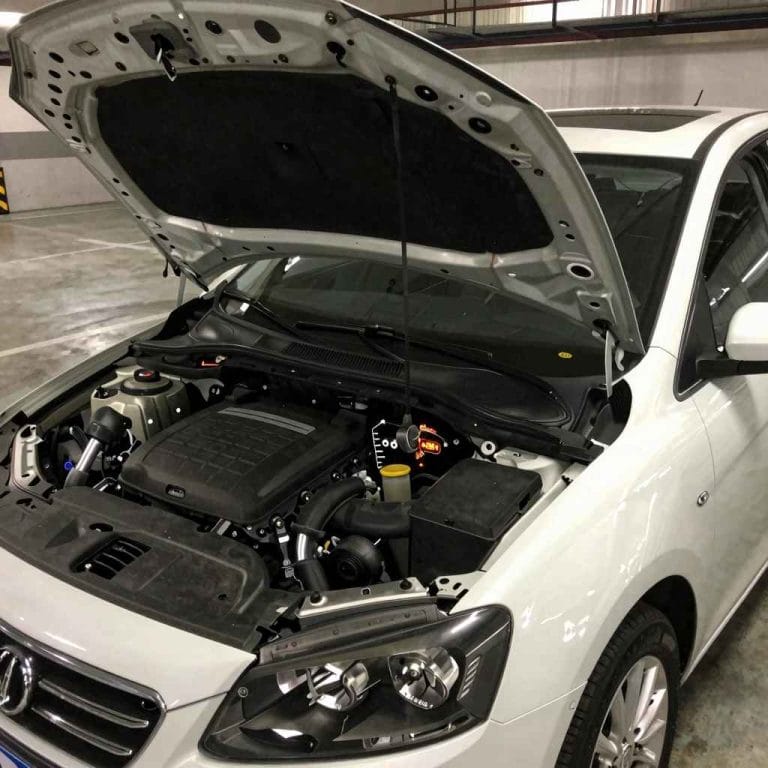
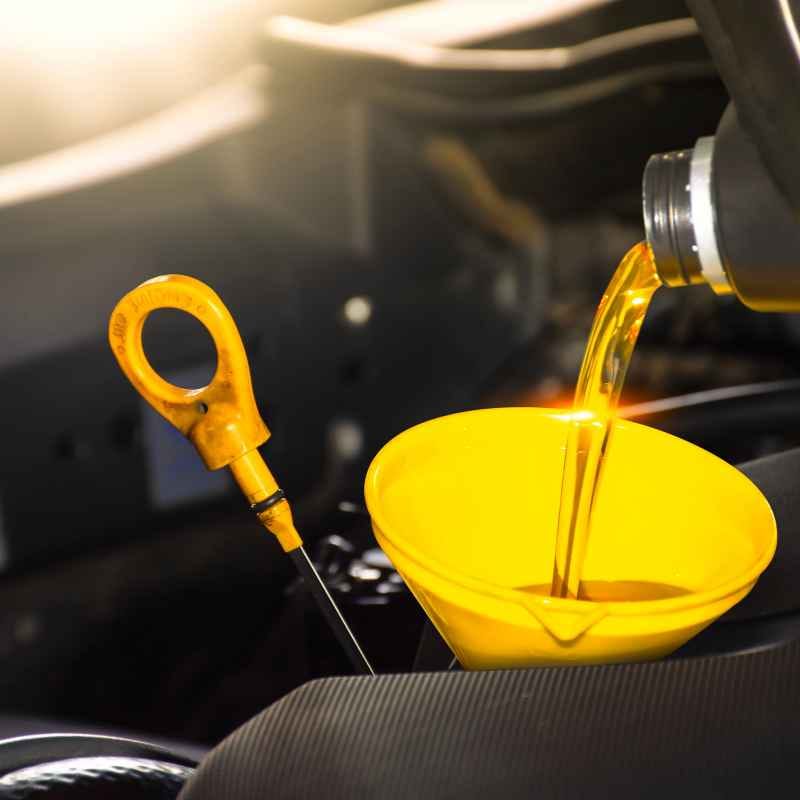
3. Open the Hood: Find and pull out the oil dipstick. It usually has a bright-colored loop or handle.
4. Wipe the Dipstick: Clean it with a rag or paper towel. Make sure it’s completely dry.
5. Reinsert the Dipstick: Push it all the way back in. Then pull it out again.
6. Read the Level: Look at the markings on the end of the dipstick. There are usually two marks.
The oil level should be between these marks. It’s best if it’s closer to the top mark.
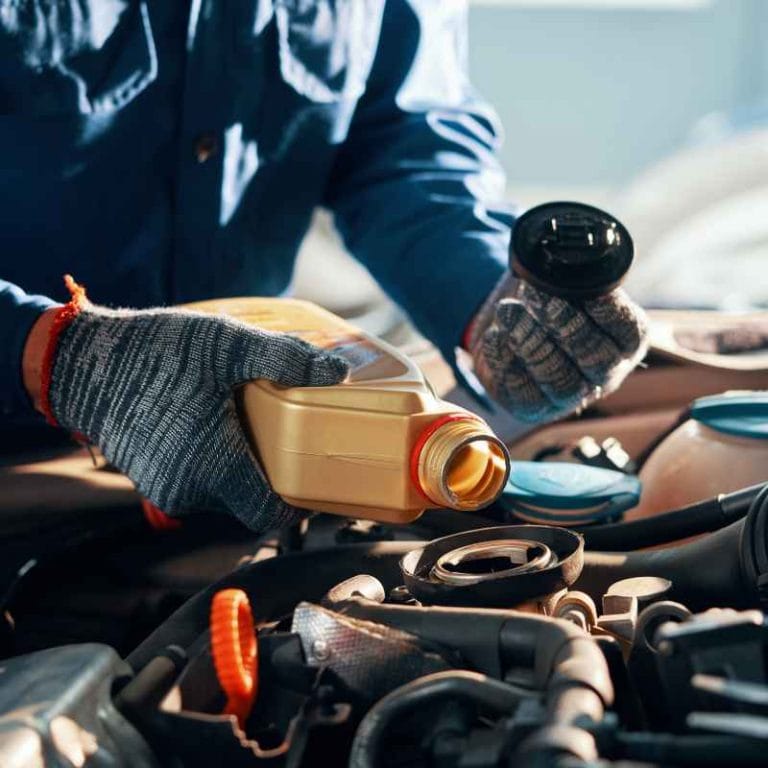
7. Add Oil If Needed: If the level is low, add the correct type of oil one small step at a time. Recheck the level after each addition.
Do not overfill.
The Different Types of Engine Oil
Not all oil is the same. You’ve probably seen bottles at the store. They say “conventional,” “synthetic blend,” and “full synthetic.” They also list numbers like “5W-30.” These things matter.
Using the wrong oil can cause problems.
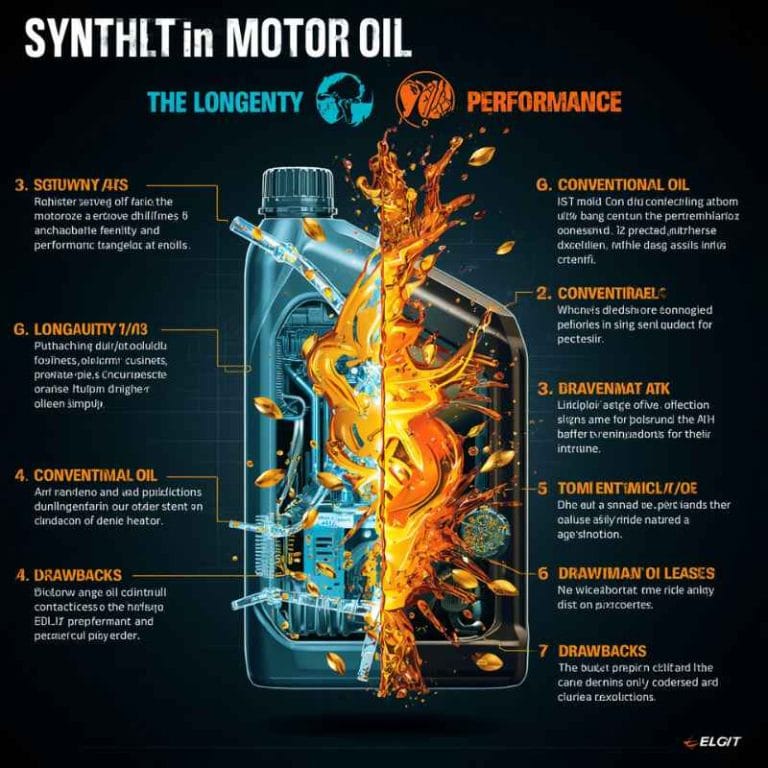
Conventional Oil: This is the most basic type of oil. It’s made from crude oil. It’s refined.
It works well for many older cars or less demanding driving. It’s also the most affordable option.
Synthetic Blend Oil: This is a mix. It has some conventional oil and some synthetic oil. It offers better performance than conventional oil.
It provides better protection in extreme temperatures. It’s a good middle-ground choice.
Full Synthetic Oil: This is the highest quality oil. It’s made in a lab. It’s engineered for maximum protection.
It performs best in very hot or very cold weather. It lasts longer. It helps engines run cleaner.
It’s often more expensive. But for many newer cars, it’s what the manufacturer recommends.
The numbers like 5W-30 are important too. This is called the oil’s viscosity. The “W” stands for winter.
The first number (like 5) tells you how the oil flows when it’s cold. A lower number means it flows better when cold. This helps your engine start easier in winter.
The second number (like 30) tells you how the oil flows when it’s hot. A higher number means the oil stays thicker when hot. This provides better protection at high engine temperatures.
Your car’s manual will tell you the exact viscosity your engine needs. Always use that.
So, always check your owner’s manual. It will tell you which type of oil and which viscosity your car needs. Using the correct oil helps your engine run its best.
It also helps it last longer.
Understanding Oil Viscosity (e.g., 5W-30)
The “W” Number (Winter): This tells you how thick the oil is when it’s cold. A lower number means it’s thinner and flows better in cold weather. This helps your engine start more easily on chilly mornings.
The Second Number (Hot): This number shows how thick the oil is when the engine is hot. A higher number means the oil is thicker at operating temperature. This helps protect engine parts from wear when they are hot.
Why It Matters: Using the correct viscosity ensures your engine gets proper lubrication in all temperatures. The wrong viscosity can lead to too much friction or insufficient lubrication.
When Is Low Oil a Real Danger?
We’ve talked about signs and how to check oil. But let’s get serious about danger. When does having low oil become a critical problem?
It’s when the oil level drops too low to protect the engine.
The most immediate danger is from the oil pressure warning light. If this light comes on, it means the oil pump isn’t getting enough oil to send around the engine. This means vital parts aren’t being lubricated.
This can cause damage very quickly. If this light stays on for more than a few seconds, you need to stop the engine.
Another danger is increased wear. Even if the light doesn’t come on, running with low oil means more friction. Over time, this friction wears down metal parts.
Pistons get looser in their cylinders. Bearings can get damaged. This leads to more noise.
It also leads to a loss of power. It shortens the engine’s life.
Burning oil is also a sign of trouble. If you see blue or gray smoke coming from your exhaust, it means oil is leaking into the combustion chamber. This can happen if piston rings are worn or if seals are bad.
This is a problem that needs fixing. Burning oil means you’re losing oil constantly.
A completely dry engine is the worst-case scenario. If the oil runs out, metal grinds on metal. This causes intense heat.
Parts can melt or seize together. This is called engine seizure. It’s often irreversible.
The engine needs to be rebuilt or replaced. This is a very expensive repair.
So, the danger is directly related to how low the oil level is. And how long it stays that way. A quick check and topping up can prevent disaster.
Ignoring it can lead to catastrophic engine failure.
Real-World Scenarios: When Oil Matters Most
Let’s think about where and how people use their cars. These situations put extra stress on the engine oil. Understanding these can help you know when to be extra vigilant.
Hot Weather Driving: In places like Arizona or Texas, summer temperatures are extreme. The engine works harder to stay cool. High heat makes oil thinner.
If your oil is old or not the right type, it might not protect the engine well enough in these conditions. Regular checks and timely changes are vital.
Cold Weather Starting: In states like Minnesota or Maine, winters are harsh. Cold makes oil thick. A thick oil doesn’t flow easily at startup.
This means parts don’t get lubricated right away. This initial moment is critical for engine health. Using the correct “W” rated oil helps here.
For example, 0W-20 is better than 10W-30 in very cold climates.
Stop-and-Go Traffic: Everyone knows city driving can be a pain. Your car is constantly starting, stopping, and idling. This creates a lot of heat.
It also means the oil is working overtime to keep things cool and lubricated. Frequent short trips and lots of idling put more wear on oil than highway driving.
Towing or Heavy Loads: If you have a truck or SUV and tow a boat or trailer, or carry heavy cargo, your engine is working much harder. This generates more heat and stress. The oil needs to be in top condition to handle this extra load.
Some car manufacturers recommend more frequent oil changes if you tow.
Off-Roading or Dusty Roads: If you live on a dirt road or often drive on unpaved surfaces, your car can ingest more dust and dirt. This contaminates the oil. This contamination acts like sandpaper inside your engine.
Even with a good air filter, some fine dust can get past. This means oil changes might be needed sooner.
These scenarios show that the “one size fits all” approach to oil changes doesn’t always work. Your driving habits and environment play a huge role. Always consider them when deciding on your oil maintenance schedule.
Infographic: Oil Change Schedule Factors
Miles Driven: Your car’s manual has a recommendation.
Time Elapsed: Even with low miles, change oil yearly.
Driving Habits:
- Short Trips: More frequent changes needed.
- City Driving: Increased wear due to stop-start.
- Highway Driving: Less stressful on oil.
Environmental Conditions:
- Extreme Heat/Cold: Requires better oil quality or more frequent changes.
- Dusty Roads: Contaminates oil faster.
Vehicle Load: Towing or heavy loads increase stress.
What Does This Mean for You? Simple Checks and Next Steps
So, what’s the takeaway from all this? It’s pretty simple, really. Your car’s engine oil is critical.
And keeping it in good shape is your job as a car owner. Don’t let it become a mystery.
Regular Checks are Non-Negotiable: Make it a habit to check your oil level at least once a month. It takes two minutes. You can do it when you fill up with gas.
Or on a weekend morning. Write it down on your calendar if you need to. This simple act can save your engine.
Listen to Your Car: Pay attention to any new sounds. Notice if your car feels sluggish. Watch for dashboard warning lights.
These are your car’s way of talking to you. Don’t ignore them. My oil light experience was a scary wake-up call.
Know Your Manual: Your car’s owner’s manual is your best friend. It tells you the exact type of oil and viscosity your car needs. It also gives recommended service intervals.
Stick to these recommendations. Adjust them if you drive in severe conditions.
Consider Synthetic Oil: For many newer cars, full synthetic oil offers superior protection. It lasts longer and performs better in extreme temperatures. While it costs more upfront, it can lead to a healthier engine over the long term.
Check your manual to see if it’s recommended or required.
Don’t Delay Maintenance: If your car’s oil life monitor says it’s time for a change, or if you’re approaching the mileage or time limit, get it done. Don’t wait. Postponing an oil change is one of the easiest ways to shorten your engine’s life.
By taking these simple steps, you can ensure your engine stays well-lubricated. You’ll prevent premature wear. And you’ll avoid costly repairs down the road.
It’s about proactive care for your vehicle.
Quick Tips for Keeping Your Engine Happy
Here are some easy things you can do to make sure your engine stays in top shape. These are small habits that add up to big savings.
- Use the Right Oil: Always use the oil type and viscosity recommended in your owner’s manual. This is critical for proper lubrication.
- Check Your Oil Filter: When you get an oil change, make sure the oil filter is changed too. A clogged filter can’t do its job.
- Watch for Leaks: If you notice oil spots under your car, get them checked. Leaks mean you’re losing oil.
- Don’t Ignore Smells: A burning oil smell can mean serious problems. Get it looked at right away.
- Drive Smoothly: Avoid hard acceleration and braking. This puts less stress on your engine and its oil.
- Warm Up Your Engine (Briefly): If it’s very cold, let your car idle for 30 seconds to a minute before driving. This lets the oil circulate. Don’t let it idle for too long, though.
Frequently Asked Questions About Engine Oil
How often should I really check my engine oil?
You should check your engine oil level at least once a month. It’s also a good idea to check it every time you fill up your gas tank. This simple check can prevent many problems.
What happens if I run my car with no oil?
Running your car with no oil is extremely dangerous. Metal parts in the engine will grind against each other. This causes rapid wear and can lead to complete engine failure, a very costly repair.
Can I just add more oil without changing it if it’s low?
If your oil level is low, you should add the correct type of oil. However, if the oil is old or dirty, it needs to be changed. You can’t just keep topping up old, degraded oil. It loses its protective qualities.
What’s the difference between 5W-30 and 10W-40 oil?
The “W” number indicates how the oil flows in cold weather. A lower “W” number (like 5W) means it flows better when cold. The second number indicates flow when hot. 5W-30 is thinner when cold than 10W-40. 10W-40 is thicker when hot than 5W-30. Always use what your manual specifies.
How do I know if my oil is dirty?
Fresh engine oil is typically amber or light brown. As it picks up dirt and debris, it will turn darker brown or even black. If your oil looks very dark or has particles in it, it’s time for a change.
Should I use conventional or synthetic oil?
Check your car’s owner’s manual. It will recommend the best type of oil for your engine. Many modern cars benefit from synthetic oil for better protection and longevity, especially in extreme temperatures or driving conditions.
My oil light just came on. What should I do?
If your oil pressure warning light comes on, it’s a serious signal. Pull over to a safe location as soon as possible and turn off the engine. Check your oil level. If it’s very low, add oil. If the light stays on after adding oil or if the level is fine, have your car towed to a mechanic.
The Final Word on Engine Oil
Keeping your car running smoothly is all about understanding its needs. Engine oil is a fundamental part of that. Knowing when it needs attention—whether a simple top-up or a full change—is vital.
Don’t guess. Use your manual, check regularly, and listen to your car. Your engine will thank you for it.
See also when to check car engine oil and how to do it right.
Products related to this article
Sponsored / affiliate links. As an Amazon Associate I earn from qualifying purchases. I may earn additional commission from eligible campaigns.