What Happens To A Car Engine Without Oil? (Serious Damage)
Running a car engine without oil causes extreme friction and heat. This leads to rapid wear of critical parts like pistons, bearings, and the crankshaft. Without lubrication, metal grinds against metal.
This results in seized engines, complete failure, and costly repairs or replacement. It’s crucial to maintain proper oil levels to prevent this damage.
The Heart of Your Engine: Why Oil Matters
Think of your car’s engine as a complex machine. It has many moving metal parts. These parts work together at high speeds.

Shift Happens - A Humorous Piece for Car Lovers
Shift Happens - Funny Automobile Humorous Car…
- Perfect for those who appreciate a good car pun. This humorous piece "Shift Happens", is sure to bring a smile to any car enthusia…
- Whether you’re into car racing, shows, or just love cars, this piece is a great way to express your passion. Remember, Shift Happe…
- Lightweight, Classic fit, Double-needle sleeve and bottom hem
As an Amazon Associate I earn from qualifying purchases.
This creates a lot of friction. Friction creates heat. Too much heat can damage these parts.
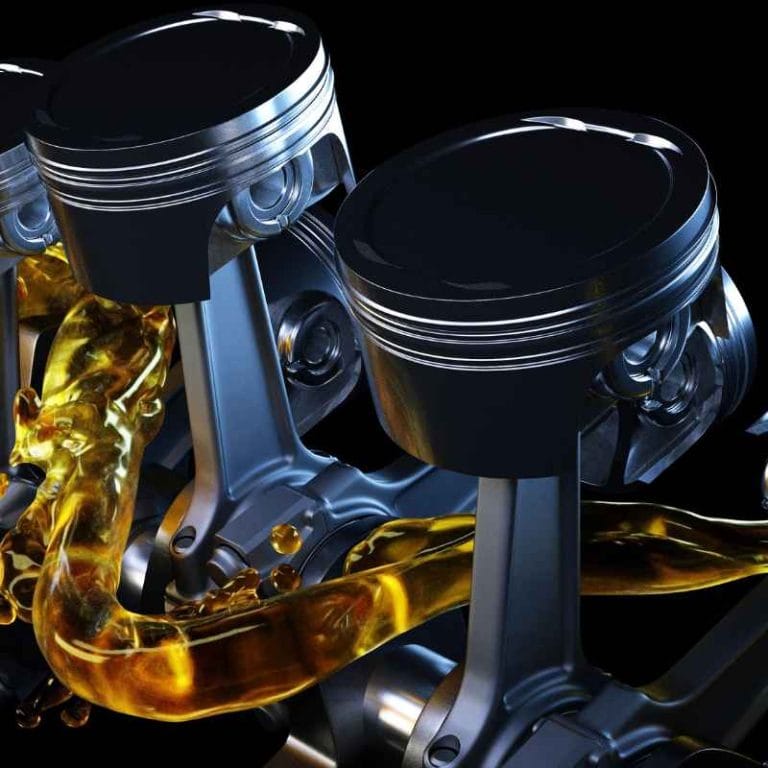
Oil is the engine’s essential lubricant. It acts like a protective film. This film separates the moving parts.
It prevents them from grinding together.
Oil also helps in other ways. It keeps the engine cool. It carries away heat from hot spots.
It also cleans the engine. It picks up small metal bits. It takes them to the oil filter.
This filter cleans the oil. Without oil, all these jobs stop. The engine becomes a victim of its own movement.
The Devastating Chain Reaction: Engine Failure
When oil is gone, the damage starts fast. It’s not a slow creep. It’s a quick breakdown.
The first things to suffer are the parts that move the most. These are often the bearings. They sit between the crankshaft and the connecting rods.
These rods push the pistons up and down.
Imagine trying to slide two pieces of sandpaper together. Now imagine doing it thousands of times a minute. That’s what happens inside an engine without oil.
The metal surfaces begin to wear down. They scratch and score each other. This creates rough patches.
These patches can even fuse together. This is called seizing.
The main bearings on the crankshaft are critical. They support the spinning shaft. Without oil, they quickly overheat.
They start to deform. They can even melt. This can cause the crankshaft to jam.
The entire engine stops instantly. This is a catastrophic failure.
Pistons and cylinder walls are next. Pistons move up and down inside cylinders. They have rings that seal them.
These rings rub against the cylinder walls. Oil keeps this rubbing smooth. Without oil, the piston rings seize.
They can break. The piston can get stuck in the cylinder. This can cause a hole to be punched through the cylinder wall.
This is a very bad outcome.
Connecting rods link pistons to the crankshaft. Their bearings also fail. If a connecting rod bearing fails badly, the rod itself can break.
A broken rod can smash through the engine block. This is another major failure.
Early Warning Signs: What to Look For
Your car often tries to tell you something is wrong. You just need to know what to listen and look for. The most common sign is the low oil pressure light.
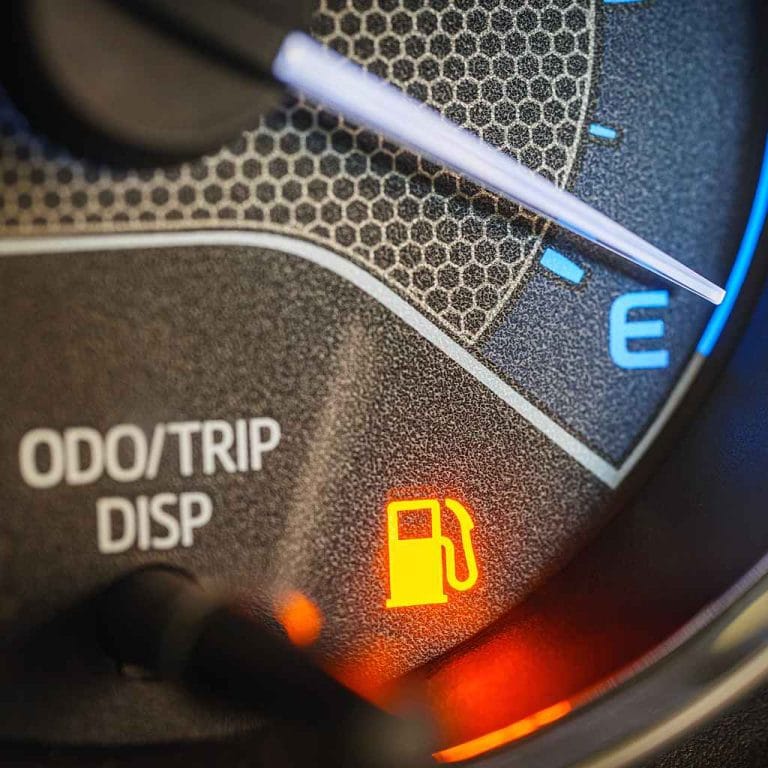
This is usually a red or yellow oil can symbol. It lights up when the oil pressure drops too low. This means there isn’t enough oil.
Or the oil pump isn’t working right. You should stop driving immediately if this light comes on.
Another sign is strange noises. A healthy engine runs smoothly. An engine starved of oil will start to make noise.
You might hear a knocking sound. This is often the connecting rod bearings. It can sound like a rhythmic “thump-thump-thump.” The sound usually gets louder with engine speed.
You might also notice smoke. If parts are overheating and breaking, they can create smoke. This smoke can come from under the hood.
It can also come out the exhaust pipe. The color of the smoke can tell you different things. Blue smoke often means oil is burning.
White smoke could be coolant. Black smoke is usually unburned fuel.
The engine might also feel like it’s losing power. As parts wear down and seize, the engine struggles to turn. You might notice a significant drop in acceleration.
The engine might also feel rough. It might vibrate more than usual.
The Tiny Oil Drop: Your First Line of Defense
What it is: A single drop of oil is tiny. But it’s mighty. It creates a slick surface.
This surface prevents metal parts from touching.
Why it matters: Even a small leak can drain your oil. Over time, this becomes a big problem. Checking your oil is simple.
It takes just a minute. It could save your engine from disaster.
Action: Check your oil dipstick regularly. Make sure it’s between the min and max marks.
My Own Close Call: A Lesson Learned
I remember one time, years ago, I was driving my old pickup truck on a long road trip. It was a hot summer day. The air conditioner was struggling.
I was tired and just wanted to get home. I’d been a bit careless with maintenance. I hadn’t checked the oil in a while.
I noticed the oil light flicker once. I dismissed it. I thought it was just an old truck being old.
Then, about fifty miles later, a grinding noise started. It wasn’t loud at first. It was more of a metallic scrape.
My stomach dropped. I knew that sound. I pulled over to the side of the road as quickly as I could.
I turned off the engine. Silence. The grinding stopped.
But the damage was done.
When I checked the dipstick, it was bone dry. Not a drop of oil. I had driven for miles with no lubrication.
The engine was ruined. I had to get it towed. It ended up costing me more than the truck was worth to fix it.
That day taught me a valuable, expensive lesson. Always check your oil. Never ignore warning lights.
The Science of Friction and Heat
Engines create a lot of energy. This energy comes from burning fuel. Burning fuel creates heat.
The engine block absorbs some of this heat. The oil helps carry it away. Oil acts like a coolant.
It circulates through the engine. It takes heat from parts like the pistons. Then it goes to the oil pan.
There, it cools down.
Friction is the enemy of smooth motion. When two surfaces rub together, they create friction. Friction converts motion into heat.
In an engine, this heat can become extreme. Without oil, the friction increases dramatically. This causes a rapid rise in temperature.
This heat can warp metal parts. It can even melt them.
Consider the pistons. They move up and down thousands of times each minute. The cylinder walls are smooth.
The piston rings create a seal. Oil makes this seal slick. Without oil, the metal of the piston can grab the metal of the cylinder wall.
This is called galling. The piston can seize in the cylinder. This stops its movement instantly.
The crankshaft rotates very fast. It’s supported by bearings. These bearings are crucial.
They take immense pressure. Without a film of oil, metal rubs directly on metal. This wears down the bearing surface.
It also heats up rapidly. Overheated bearings can fail completely. They can spin.
They can fuse to the crankshaft. This stops the engine.
Understanding Engine Components Affected
Crankshaft: The main rotating shaft. It converts piston motion into rotational power. Bearings support it.
Connecting Rods: Link pistons to the crankshaft. They also have bearings.
Pistons: Move up and down inside cylinders. They have rings for sealing.
Cylinder Walls: The inner surface of the engine cylinders. Pistons slide against them.
Camshaft: Controls valve opening and closing. It needs lubrication too.
Valves: Let air and fuel in, and exhaust out. They also need oil to function smoothly.
Different Engine Types, Similar Problems
While engines vary, the core problem remains the same. Whether it’s a gasoline engine, a diesel engine, or something else, they all need lubrication. A diesel engine often runs at higher compression.
This can create even more heat. So, a lack of oil can be even more damaging to a diesel.
Modern engines have complex systems. They might have variable valve timing. They might have turbochargers.
These systems add more moving parts. They also add more places for potential damage if oil is low. A turbocharger spins at extremely high speeds.
It relies heavily on a constant supply of clean oil.
If a turbocharger fails due to lack of oil, it can send metal fragments into the engine. This can cause even more widespread damage. It’s like a domino effect.
One part fails, and it takes others down with it. This is why oil level and quality are so important for all types of engines.
Quick Scan: Oil Level Check Steps
1. Park on a Level Surface: Engine off for at least 5-10 minutes.
2. Locate Dipstick: Usually a brightly colored loop or handle.
3. Pull and Wipe: Remove the dipstick. Wipe it clean with a rag.
4. Reinsert Fully: Put the dipstick all the way back in.
5. Pull and Read: Remove it again. Check the oil level against the marks.
The Role of Oil Quality and Viscosity
It’s not just about having oil. The quality of the oil matters. Different oils have different additives.
These additives help with cleaning, preventing rust, and improving performance. Old, dirty oil loses its ability to lubricate effectively. It can become sludgy.
This can clog oil passages.
Viscosity is another key factor. This refers to how thick or thin the oil is. Thicker oil provides a better cushion.
Thinner oil flows more easily. The correct viscosity is important for your specific engine and climate. Using the wrong oil can cause problems.
It might not flow fast enough when cold. It might break down too quickly when hot.
For instance, in cold weather, a thinner oil is usually needed. This helps the engine start more easily. It ensures oil reaches all parts quickly.
In hot weather, a slightly thicker oil might be better. It can maintain its lubricating properties under high temperatures. Your car’s owner’s manual will tell you the recommended oil type.
When oil breaks down, it loses its protective properties. The molecules get smaller. It can’t form that essential film.
This is why regular oil changes are vital. They
What Happens After the Damage is Done
If an engine seizes, it stops running. It will not restart. You will hear a loud clunk or bang.
Then silence. You might smell burning oil or hot metal. The car will coast to a stop.
It will need to be towed. Trying to force the engine to restart can cause even more damage.
The most common outcome is engine seizure. This means the internal parts have locked up. They cannot move.
The engine is effectively dead. Repairing a seized engine is often not practical. It involves replacing major components.
This can include the crankshaft, pistons, connecting rods, and even the engine block itself.
In many cases, the cost of repairing a seized engine is more than the value of the car. The best option is usually to replace the entire engine. This involves finding a used or remanufactured engine.
This is still a significant expense. It can cost several thousand dollars. This is why preventing oil loss is so crucial.
Sometimes, the damage is not complete seizure. You might have severe wear. You might have scored cylinder walls.
You might have damaged bearings. These issues can still lead to noise. They can lead to loss of power.
They can lead to oil leaks. Eventually, these problems will also require significant repairs.
Myth vs. Reality: Common Oil Misconceptions
Myth: Driving a little without oil won’t hurt.
Reality: Damage starts within seconds of the oil light coming on. Every moment counts.
Myth: Any oil is better than no oil.
Reality: While true in a dire emergency, using the wrong type of oil can cause other problems or not protect enough.
Myth: My car doesn’t use oil, so I don’t need to check it.
Reality: All engines consume some oil. Older engines might consume more. Regular checks are always needed.
Real-World Scenarios: When Oil Levels Drop
There are several common reasons why an engine might run low on oil. Understanding these can help you be proactive. Most cars have a slow oil leak.
This can be from a worn-out gasket. It can be from a cracked oil pan. Or it could be a bad seal on the oil filter.
These leaks are often small at first. You might not see puddles under your car.
Another cause is oil burning. This happens when oil gets past the piston rings. It then burns with the fuel in the combustion chamber.
This often creates blue smoke. Engines that burn oil need more frequent top-ups. It’s also a sign that internal engine parts might be wearing out.
Sometimes, people simply forget to top up the oil during regular maintenance. They might change the oil filter but forget to add the correct amount of new oil. Or they might check the level but not add any if it’s low.
This is especially common with busy schedules.
Driving habits can also play a role. Hard acceleration and high speeds can put more strain on the engine. This can lead to faster oil consumption.
Long periods of idling in hot weather can also increase engine temperature. This can cause oil to break down more quickly.
What This Means For You: When to Worry
It’s normal for your engine’s oil level to drop slightly over time. Most cars use a small amount of oil between changes. This is especially true for older cars or those with higher mileage.
A drop of one quart between 3,000-5,000 miles is often considered normal for many vehicles.
You should start to worry if you notice any of these signs:
- The low oil pressure warning light stays on.
- You hear knocking or grinding noises from the engine.
- You see smoke coming from the exhaust or under the hood.
- Your oil change interval is longer than recommended, and the oil level is very low.
- You notice significant oil spots under your car.
If you suspect your engine is low on oil, the best thing to do is stop driving. Check the oil level immediately. If it’s low, add the correct type of oil.
Then, observe the car closely for any returning warning lights or noises.
Quick Fixes and Preventative Tips
The best “fix” for engine damage from lack of oil is prevention. Here’s how to keep your engine happy:
- Check Your Oil Regularly: Make it a habit. Do it at least once a month. Check it when the engine is warm but off.
- Follow Your Oil Change Schedule: Use the type of oil recommended in your owner’s manual. Don’t skip changes.
- Inspect for Leaks: Look under your car for oil spots. If you see them, get them checked.
- Address Warning Lights Immediately: Never ignore the low oil pressure light. Stop driving and check your oil.
- Listen to Your Engine: Pay attention to any new or unusual sounds.
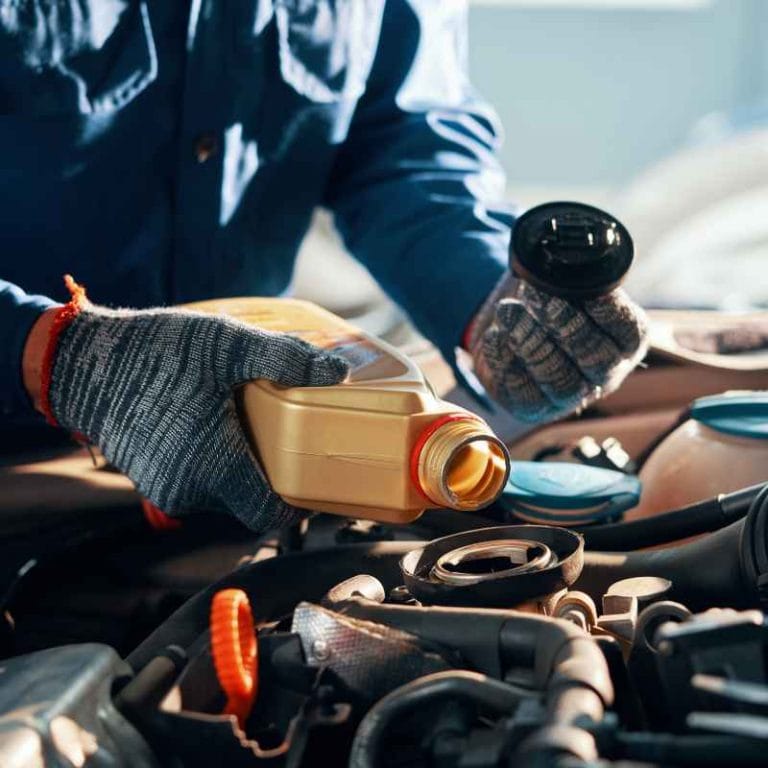
- Top Up When Low: If your oil level is below the minimum mark, add the correct oil.
These simple steps can save you a huge amount of money and stress. They ensure your engine stays well-lubricated and healthy.
Frequent Questions
How long can a car run without oil?
A car engine can run for a very short time without oil, often only seconds or a few minutes. Damage begins almost immediately. The exact time depends on the engine type, how it’s being driven, and the existing internal temperature.
However, any driving without adequate oil risks severe, irreversible damage.
What is the first sign of low oil pressure?
The most common first sign is the illumination of the low oil pressure warning light on your dashboard. This light typically looks like an oil can. It’s usually red or yellow.
You might also hear unusual noises like knocking or ticking from the engine.
Can an engine be fixed after it seizes from lack of oil?
While some minor engine wear from low oil might be repairable, a seized engine is usually beyond economic repair. Seizing means parts have fused together due to extreme friction and heat. Fixing it often requires replacing major internal components like the crankshaft, pistons, and connecting rods, or even the entire engine block.
This is typically very expensive.
How much oil does a car typically use between changes?
Most modern cars consume very little oil between recommended oil changes (typically every 5,000-7,500 miles for conventional oil, or longer for synthetic). A normal consumption might be around one quart of oil over 3,000-5,000 miles. If your car uses significantly more, it could indicate a leak or that the engine is burning oil.
What type of oil should I use if I have an oil leak?
If you have a minor oil leak, it’s usually best to use the oil type recommended in your car’s owner’s manual. Some thicker oils or “stop leak” additives are available, but they can sometimes cause other issues. The best solution for a leak is to have it repaired by a mechanic.
Is it safe to drive my car if the oil light just came on?
No, it is not safe to drive your car if the oil light just came on. The low oil pressure light indicates a serious problem. Continuing to drive can cause catastrophic engine damage very quickly. Pull over safely, turn off the engine immediately, and check your oil level.
If it’s low, add oil before attempting to drive again, and have it inspected by a mechanic.
Conclusion
The engine is the heart of your car. Oil is its lifeblood. When that oil supply is cut off, the engine suffers.
It’s a rapid and devastating process. Understanding what happens when an engine runs without oil is key. It empowers you to take preventative measures.
Simple checks and timely maintenance can save you from a very expensive and frustrating breakdown.
See also cheapest engine oil at euro car parts best deals found.
Related pick: Check today's price on Amazon