How Often Should a Car Need Engine Oil? 5000-7500 Miles
Most cars need fresh engine oil every 5,000 to 7,500 miles with synthetic oil, or every 3,000 miles with conventional oil — whichever comes first. Sticking to the wrong interval either wastes money or risks engine wear.
This guide covers the exact interval by oil type, how your driving habits change it, and the warning signs that mean you need an oil change now.
Your car likely needs an engine oil change based on its age, make, model, and how you drive it, not just a fixed mileage. Modern cars often suggest longer intervals, sometimes 5,000 to 10,000 miles or even more. Always check your car’s owner’s manual for the most accurate recommendation. Listen for unusual engine noises, watch for dashboard warning lights, and notice changes in your oil’s color and consistency to know when it’s time.
Understanding Your Car’s Engine Oil Needs
Engine oil is like the blood for your car’s engine. It keeps everything moving smoothly. It also keeps parts clean and cool.
Mobil 1 Extended Performance 5W-30 (5 Qt, Pack of 2) — $71.94
Covers two full changes at the 5,000-7,500 mile synthetic interval this article recommends — no need to reorder at your next service.
- Best for: Drivers switching to the longer synthetic interval covered above instead of 3,000-mile conventional oil
- Why picked: Amazon’s Choice with 4.9 stars across 3,600+ reviews; two-pack matches two service intervals
- Main drawback: Confirm your engine’s exact viscosity spec (5W-30) before buying — not universal across all vehicles
Without good oil, metal parts rub together. This causes wear and damage. Over time, oil gets dirty.
It loses its ability to do its job. That’s why changing it is so important.
Think about it like this: if you never changed the oil in a frying pan, it would get gunked up fast. The food wouldn’t cook right. Your engine is similar.
It needs that fresh lubricant to work its best. This guide will help you understand what “best” looks like for your vehicle.
We will cover what the owner’s manual says. We will look at signs your car shows you. We will also talk about different driving styles.
This helps you know when to get that oil changed. You’ll learn to trust your car’s signals.
My Oil Change Wake-Up Call
I remember a time, years ago, when my old sedan started making this weird knocking sound. It wasn’t loud at first. It was just a subtle “tick, tick, tick” when I drove.
I was young and pretty clueless about cars. I just turned up the radio. My dad had always told me to check the oil regularly.
But, honestly, it seemed like a chore I could put off. I thought, “It’s still running, right?”
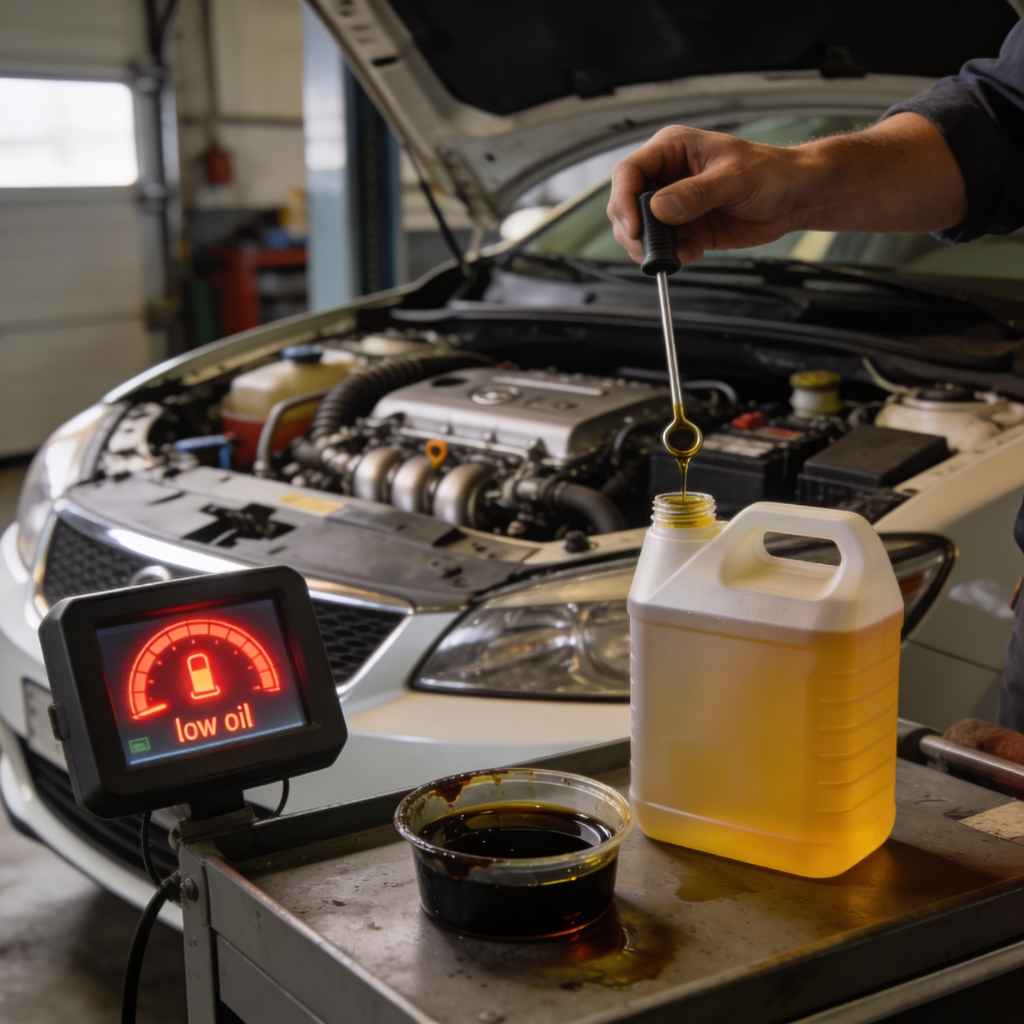
One day, the ticking got louder. It turned into a more serious clatter. The oil light on my dashboard, which I had ignored for weeks, started to flicker.
That’s when I felt a cold knot of panic in my stomach. I finally pulled over and checked the dipstick. The oil level was almost zero.
It was dark, thick, and smelled burnt. That clattering engine sound? It was the sound of my engine slowly destroying itself.
I rushed it to a mechanic. He basically told me I was lucky it hadn’t completely seized up. He changed the oil, but he said there was already some damage.
That day taught me a huge lesson. Your car talks to you. You just have to learn to listen.
And ignoring the oil change is a sure way to get its attention, but not in a good way.
Quick Oil Change Facts
Why oil changes matter:
- Lubricates engine parts to reduce friction.
- Cleans away dirt and debris.
- Helps cool the engine.
- Protects against rust and corrosion.
What happens if you skip them:
- Increased engine wear.
- Overheating.
- Reduced fuel efficiency.
- Engine failure.
The Official Word: Your Owner’s Manual
Your car’s owner’s manual is your best friend here. It’s written by the people who designed your car. They know its specific needs.
Car manufacturers put a lot of thought into this. They test different oils and driving conditions.
You’ll find a section on maintenance schedules. This is where it tells you about oil changes. It usually lists a mileage interval.
It might also list a time interval. For example, it could say “every 7,500 miles or 6 months, whichever comes first.” This is super important.
Older cars often needed oil changes more often. They might have said 3,000 miles. Newer cars have better engine designs and better oils.
This allows for longer intervals. Don’t assume your friend’s car’s schedule is yours. Always check your own manual.
You can usually find a digital version on the car maker’s website too.
Some cars even have a maintenance minder system. This system tracks your driving. It figures out when you actually need an oil change.
It’s often based on your driving habits. It might tell you “Oil Change Due Soon” or something similar on your dashboard. This is a helpful guide, but the manual is still the ultimate rulebook.
Owner’s Manual Insights
Key things to look for:
- Recommended Oil Type: Your manual specifies the weight and type (e.g., 5W-30 synthetic).
- Oil Change Interval: The mileage and/or time limit.
- Filter
Why it’s crucial:
- Ensures you use the correct oil for your engine.
- Prevents voiding your warranty.
- Optimizes engine performance and lifespan.
How You Drive Matters: Driving Styles
Your driving habits play a huge role. The manual’s recommendations are often for “normal” driving. But most of us don’t drive under normal conditions all the time.
Severe driving conditions are anything that puts more stress on your engine. This includes:
- Lots of short trips. Your engine doesn’t get warm enough.
- Driving in very hot or very cold weather.
- Stop-and-go traffic.
- Towing or carrying heavy loads.
- Driving on dusty or dirty roads.
If you do a lot of this, you might need oil changes more often. Your oil breaks down faster. It gets dirtier quicker.
Think about it. If you start your car, drive for five minutes, and park it again, the engine is still cold. It hasn’t reached its best operating temperature.
This can cause moisture and fuel to mix with the oil. It also doesn’t burn off contaminants as effectively. This is much harder on the oil than a nice, long highway drive where the engine stays hot and consistent.
So, if your driving is mostly short trips to school or the grocery store, or you live in a place with extreme temperatures, consider shortening the interval. Your manual might have a separate schedule for severe driving. If not, it’s a good idea to discuss it with your mechanic.
Driving Style Impact
Normal Driving:
- Steady highway speeds.
- Engine reaches optimal temperature.
- Less stress on oil.
Severe Driving:
- Frequent short trips.
- Heavy city traffic.
- Extreme weather conditions.
- Towing or heavy loads.
Effect: Severe driving leads to faster oil breakdown and contamination.
Signs Your Car Is Telling You It Needs Oil
Cars are smart. They often give us clues when something is up. Your engine oil is no different.
You just need to know what to look for. These signs are your car’s way of asking for attention. Ignoring them can lead to bigger, more expensive problems.
One of the most obvious signs is the oil pressure warning light. This light often looks like an old-fashioned oil can. If this light comes on, it means your oil pressure is too low.
This is serious. You should pull over safely as soon as you can. Don’t drive further than absolutely necessary.
Low oil pressure means parts aren’t getting enough lubrication. This can cause rapid damage.
Another sign is unusual engine noises. That knocking or clattering sound I heard? That’s a classic symptom of low oil or oil that’s too old and thin.
The oil can’t cushion the moving parts properly. So you hear them grinding or hitting each other. A healthy engine is relatively quiet.
If you start hearing grinding, ticking, or knocking, get it checked out.
The smell of oil inside your car is also a red flag. This could mean there’s a leak. Or it could mean oil is burning.
If you smell burning oil, especially when the engine is hot, it’s time to investigate. It’s not a normal car smell.
Changes in your oil’s appearance are also telling. You can check this with the dipstick. The oil should be a clear to amber color.
If it looks black, thick, or gritty, it’s used up. If you see sludge or dark, sticky deposits on the dipstick, it’s definitely time for a change. You might also notice a milky or foamy appearance.
This can indicate coolant is leaking into the oil, which is a very serious issue that needs immediate attention from a mechanic.
Listen To Your Car
Warning Lights:
- Oil Pressure Light: Red or yellow oil can symbol. Indicates critical low oil pressure. Stop driving safely immediately.
- Check Engine Light: Can sometimes relate to oil issues, but also many other things.
Sounds:
- Knocking or pinging sounds.
- Grinding noises.
- Ticking that gets faster with engine speed.
Smells:
- Burning oil smell.
- A sweet smell (could indicate coolant leak).
Checking Your Oil: A Simple Step
Checking your own oil is one of the easiest and most important things you can do for your car. It takes less than five minutes. It can save you hundreds, even thousands, of dollars in repairs.
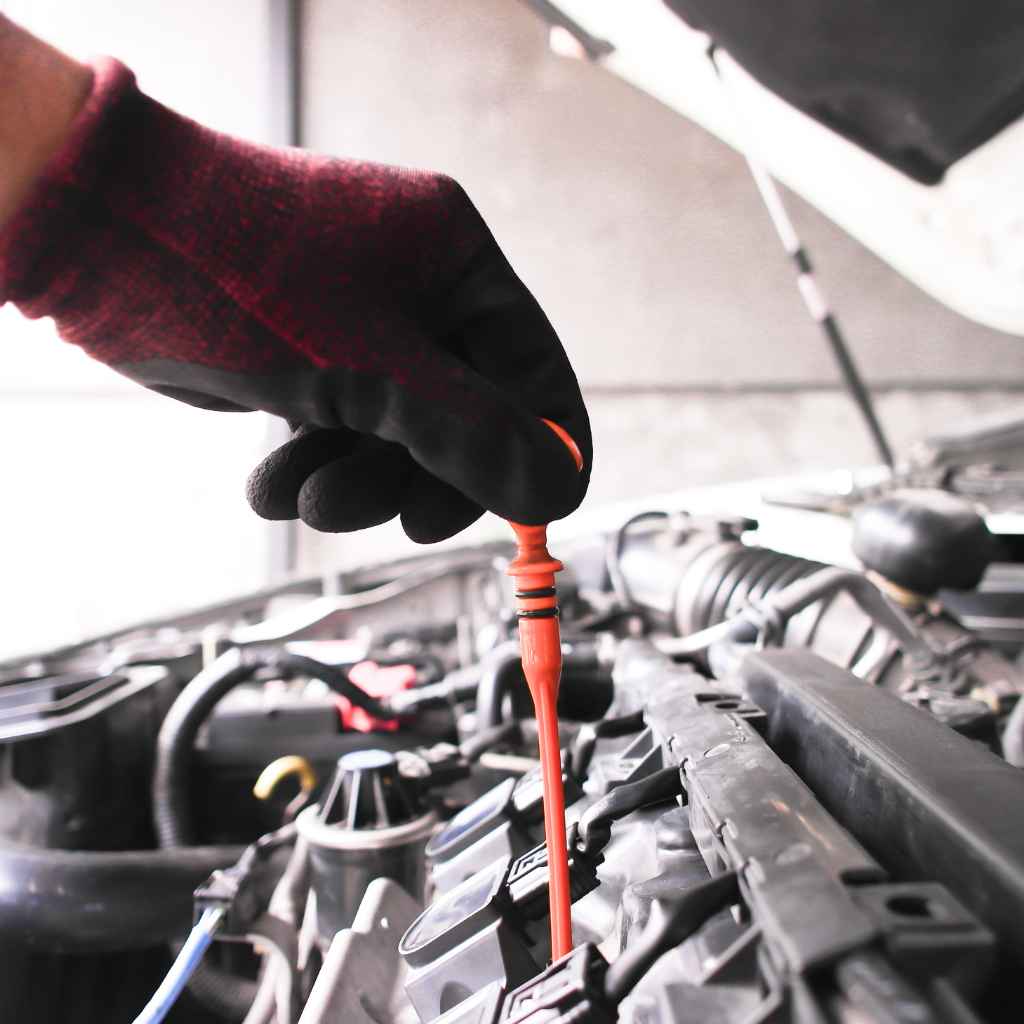
Most cars have a dipstick. It’s usually a brightly colored loop or handle.
First, make sure your car is parked on a level surface. If it’s not level, you won’t get an accurate reading. It’s best to check the oil when the engine is cold or has been off for at least 10-15 minutes.
This allows the oil to drain back into the oil pan.
Pull out the dipstick. You’ll see that it has markings on it. Usually, there are two dots or lines.
One is labeled “ADD” or “LOW.” The other is labeled “FULL” or “MAX.” Wipe the dipstick clean with a paper towel or rag. Then, push it all the way back in. Pull it out again slowly.
Look at the oil level on the dipstick. It should be between the “ADD” and “FULL” marks. Ideally, it should be close to the “FULL” mark.
Now, look at the color and consistency of the oil. New oil is usually clear to light amber. It should look clean.
Old oil will be dark brown or black. It might look thick and gritty. If it looks milky or has any foamy texture, that’s a big problem.
It could mean coolant has mixed with the oil. This requires immediate attention from a mechanic.
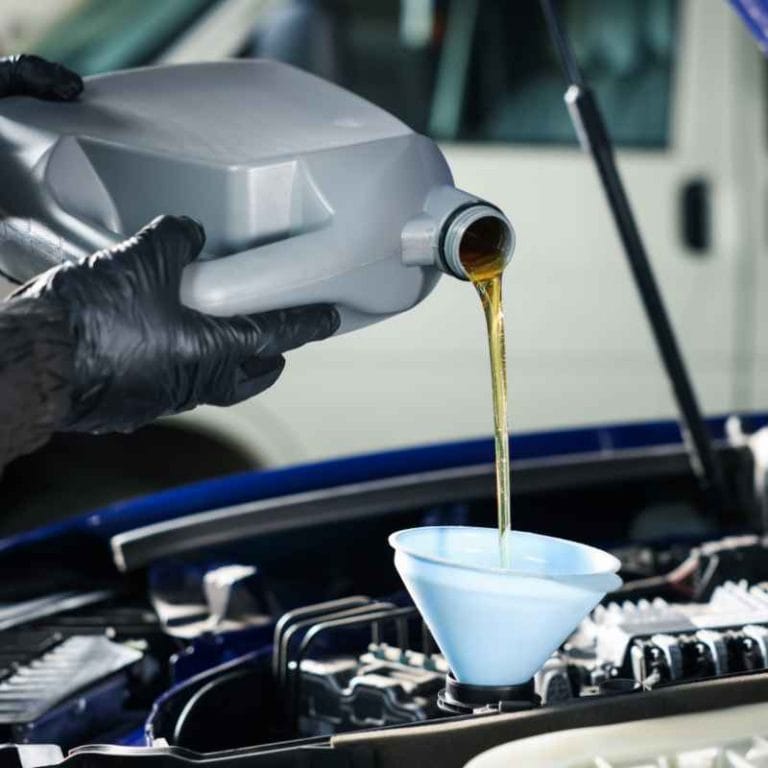
If the oil level is low, you can add the correct type of oil. Check your owner’s manual for the exact type. Add a little at a time.
Re-check the dipstick until the level is correct. Never overfill the oil. Too much oil can be as bad as too little.
Your Oil Dipstick Guide
Steps for checking:
- Park on a level surface.
- Engine cool or off for 10-15 minutes.
- Locate and pull out the dipstick.
- Wipe it clean.
- Reinsert fully, then pull out again.
What to look for:
- Level: Between “ADD” and “FULL” marks.
- Color: Clear to amber for new oil. Dark brown/black for old oil.
- Consistency: Smooth, not gritty or sludgy.
Types of Engine Oil and What They Mean
It’s not just about how much oil or how often. The type of oil you use is also critical. Car manufacturers recommend specific types for a reason.
Using the wrong oil can cause problems.
There are three main types of engine oil:
- Conventional Oil: This is the most basic type. It’s refined from petroleum. It’s less expensive. It’s suitable for older cars or engines with less demanding needs.
- Synthetic Blend Oil: This is a mix of conventional and synthetic oils. It offers better protection than conventional oil. It’s a good middle-ground option.
- Full Synthetic Oil: This is the highest quality. It’s engineered at a molecular level for superior performance. It offers the best protection against wear. It handles extreme temperatures better. It also tends to last longer. Many modern cars, especially high-performance ones, require full synthetic.
Your owner’s manual will tell you the viscosity grade. This is shown as numbers like 5W-30. The first number (e.g., 5W) is the viscosity at cold temperatures.
The “W” stands for winter. A lower number means the oil flows better when cold. The second number (e.g., 30) is the viscosity at operating temperature.
A higher number means the oil is thicker when hot. This ensures proper lubrication at high engine temperatures.
Using synthetic oil, if recommended by your manual, can mean longer intervals between changes. It also offers better engine protection. So, while it might cost more upfront, it can be beneficial in the long run.
Always stick to the recommended type and viscosity unless a qualified mechanic advises otherwise.
Oil Types Explained
Conventional:
- Refined petroleum.
- Least expensive.
- Good for older vehicles.
Synthetic Blend:
- Mix of conventional and synthetic.
- Better protection than conventional.
Full Synthetic:
- Engineered for peak performance.
- Best protection, especially in extreme temps.
- Often allows for longer change intervals.
Viscosity (e.g., 5W-30):
- 5W: Flow at cold temps.
- 30: Flow at hot temps.
When Is It Okay to Extend an Oil Change?
This is a tricky question. For most people, sticking to the recommended interval is the safest bet. However, there are situations where extending slightly might be acceptable, but always with caution and knowledge.
If your car has a sophisticated maintenance minder system that actively tracks driving conditions, it might suggest a longer interval than the default in the manual. These systems are designed to analyze your driving. They can sometimes accurately predict when the oil is truly breaking down.
Trust these systems if your car is equipped with one and it’s functioning correctly.
Another situation is if you exclusively drive long distances on the highway. These are the ideal conditions for oil. The engine runs at a steady temperature, and there’s minimal wear and tear.
If your manual suggests 7,500 miles for mixed driving, you might be able to go a bit longer, perhaps 8,000 or 9,000 miles, if you only do highway driving. However, never exceed the time limit stated in your manual (e.g., 6 months or 1 year). Oil degrades over time, even if the car isn’t driven much.
You should also consider the type of oil. If you use a high-quality full synthetic oil, it is designed to last longer. It can often handle longer mileage intervals than conventional oil.
Always consult your owner’s manual to see if it specifies different intervals for synthetic vs. conventional oil.
Ultimately, extending an oil change should be a conscious decision based on evidence and expert recommendations, not guesswork. When in doubt, always err on the side of caution and change it sooner. Your engine will thank you.
Extending Oil Changes: Use Caution
Situations to consider (with verification):
- Modern Maintenance Minder Systems: Trust its calculated needs.
- Consistent Highway Driving: Less stress on oil compared to city driving.
- Using Full Synthetic Oil: Designed for longer life and better protection.
Important Reminders:
- Never exceed the time interval (e.g., 1 year).
- Always refer to your owner’s manual for specifics.
- When in doubt, change it sooner.
What This Means For Your Car’s Health
Understanding how often your car needs an oil change directly impacts its long-term health. Regular oil changes are a cornerstone of preventative maintenance. They are one of the most cost-effective ways to keep your engine running smoothly for years.
When you stick to the schedule, you ensure that your engine’s moving parts are always well-lubricated. This reduces friction, which is the primary cause of engine wear. Less wear means your engine components last longer.
It means fewer chances of seizing up or breaking down.
Fresh oil also does a better job of cleaning the engine. As oil circulates, it picks up tiny metal particles and other debris. Over time, this debris can clog oil passages.
It can also form sludge. Old, dirty oil is less effective at carrying this gunk away. Regular changes remove this built-up contamination.
This keeps your engine’s internal components clean and free from blockages.
Furthermore, clean oil helps regulate engine temperature. It absorbs heat from the engine’s core and carries it to the oil pan, where it can dissipate. Old, degraded oil is less efficient at heat transfer.
This can contribute to your engine running hotter. Overheating can lead to warped parts and serious damage.
In essence, keeping up with oil changes is like giving your engine regular check-ups. It prevents small issues from becoming big, expensive disasters. It helps maintain your car’s performance, fuel efficiency, and resale value.
It’s a simple act of care that pays off big time.
Benefits of Timely Oil Changes
Engine Longevity:
- Reduced wear and tear on parts.
- Fewer instances of major engine failure.
Engine Cleanliness:
- Removes dirt, debris, and sludge.
- Prevents clogs in oil passages.
Optimal Performance:
- Maintains proper lubrication.
- Helps regulate engine temperature.
- Improves fuel efficiency.
- Boosts resale value.
Quick Fixes and Tips
While oil changes are a bit more involved than a “quick fix,” here are some tips to make the process smoother and more effective:
- Keep Your Owner’s Manual Handy: Always know where it is. It has the definitive answer for your car.
- Use Quality Oil and Filters: Don’t skimp here. Use the oil type and viscosity recommended. A good quality oil filter is also crucial.
- Find a Trusted Mechanic: If you don’t do it yourself, find a shop you trust. Ask about their procedures.
- Ask About Oil Change Intervals for Your Driving: When you go for a service, ask the mechanic if your driving habits suggest a shorter interval than the manual.
- Consider Full Synthetic: If your budget allows and your car is compatible, full synthetic oil can offer better protection and potentially longer intervals.
- Don’t Forget the Filter: Always change the oil filter with the oil. It traps contaminants.
- Proper Disposal: If you change your own oil, dispose of the old oil and filter responsibly. Many auto parts stores and service centers accept them for recycling.
Smart Oil Change Habits
Do’s:
- Always check your owner’s manual.
- Use the recommended oil type and viscosity.
- Change the oil filter with every oil change.
- Consider full synthetic for better protection.
Don’ts:
- Don’t ignore dashboard warning lights.
- Don’t overfill the engine with oil.
- Don’t let old oil sit in your engine too long.
- Don’t rely solely on others’ advice about your car’s needs.
Frequently Asked Questions About Engine Oil
How often should I change my car’s engine oil?
Most new cars recommend oil changes every 5,000 to 10,000 miles or once a year, whichever comes first. Older cars might need it sooner, around 3,000 to 5,000 miles. Always check your car’s owner’s manual for the specific recommendation for your vehicle and driving conditions.
What happens if I don’t change my engine oil?
If you don’t change your oil, it will become dirty and thick. It loses its ability to lubricate and cool the engine properly. This can lead to increased wear on engine parts, overheating, reduced fuel efficiency, and eventually, major engine damage or failure.
Can I use a different weight oil than what my manual recommends?
It’s best to stick to the oil weight (viscosity) recommended in your owner’s manual. Using a different weight can affect lubrication, especially in extreme temperatures. If you’re unsure, consult your mechanic or dealership.
Is full synthetic oil better than conventional oil?
Full synthetic oil generally offers better protection, performs better in extreme temperatures, and can last longer than conventional oil. Many modern vehicles are designed to use full synthetic oil, and it often allows for longer intervals between changes.
How do I know if my oil needs changing? Are there visual signs?
Yes, you can check the oil on the dipstick. If it looks dark, thick, or gritty, it needs changing. Also, if you notice an oil smell inside the car or see warning lights on your dashboard (like the oil pressure light), it’s time to check and likely change your oil.
What is the role of the oil filter?
The oil filter removes contaminants like dirt, metal particles, and sludge from the engine oil. It’s crucial for keeping the oil clean and the engine protected. The oil filter should always be replaced at the same time as the engine oil.
Does driving in stop-and-go traffic affect my oil change interval?
Yes, stop-and-go traffic is considered a “severe driving condition.” It causes the engine to work harder and the oil to break down faster. This means you might need to change your oil more often than if you primarily drive on highways.
Putting It All Together: Your Engine’s Best Friend
Understanding your car’s engine oil needs isn’t rocket science. It’s about being aware and proactive. Your car’s owner’s manual is the ultimate guide.
Pay attention to your driving style. Listen to your car’s sounds and watch for warning lights. These are all clues that tell you when it’s time for fresh oil.
Regular oil changes protect your engine. They keep it running smoothly and efficiently. This saves you money and headaches in the long run.
Treat your car’s oil like the vital fluid it is. Your engine will thank you with reliable performance for many miles to come.
Products related to this article
Sponsored / affiliate links. As an Amazon Associate I earn from qualifying purchases. I may earn additional commission from eligible campaigns.