Advantages And Disadvantages Of Electric Cars (Full Guide)
Electric cars offer environmental benefits and lower running costs, but also face challenges like higher upfront prices and charging infrastructure limitations. Understanding these pros and cons helps make an informed decision.
The Heart of Electric Cars: How They Work
Electric cars, often called EVs, use electricity to power them. They do not use gasoline like regular cars. This is a big difference.
They have a large battery pack. This battery stores the energy.
An electric motor turns the car’s wheels. This motor gets its power from the battery. There are no noisy engines or exhaust pipes.
This makes them very quiet. They also don’t produce tailpipe emissions. This is good for the air we breathe.
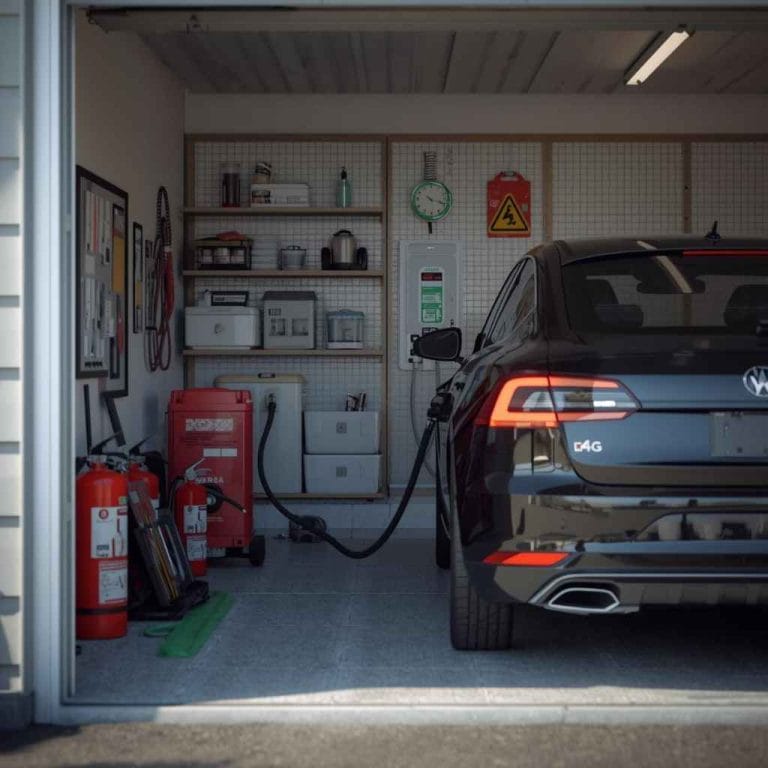
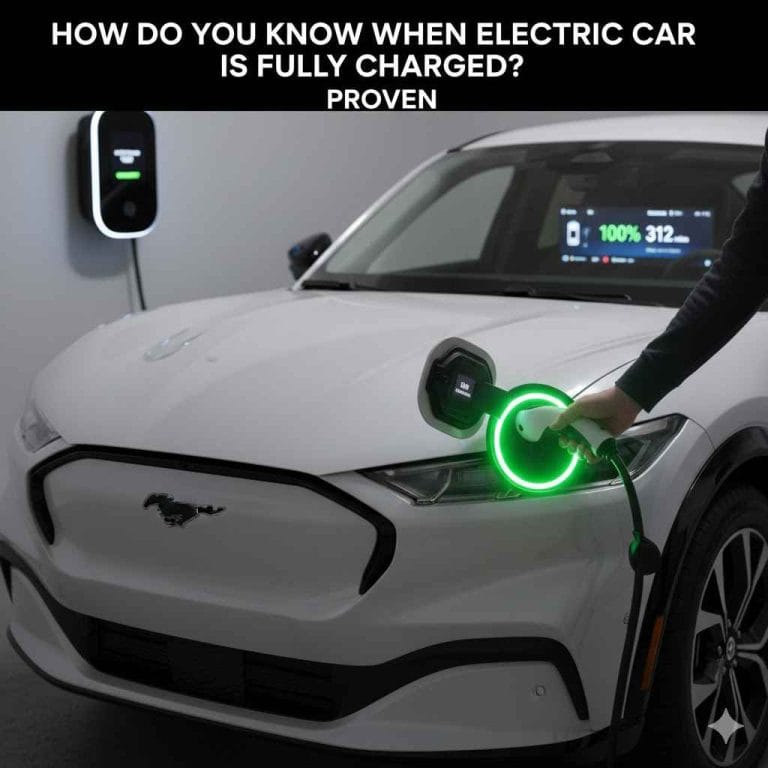
Charging an EV is like charging your phone. You plug it into a power source. This can be at home or at a public charging station.
The battery then gets filled with electricity. This is the main way EVs get their “fuel.”
My First EV Experience: A Quiet Revelation
I remember the first time I test-drove an electric car. It was a bright Saturday morning. The dealership was buzzing with activity.
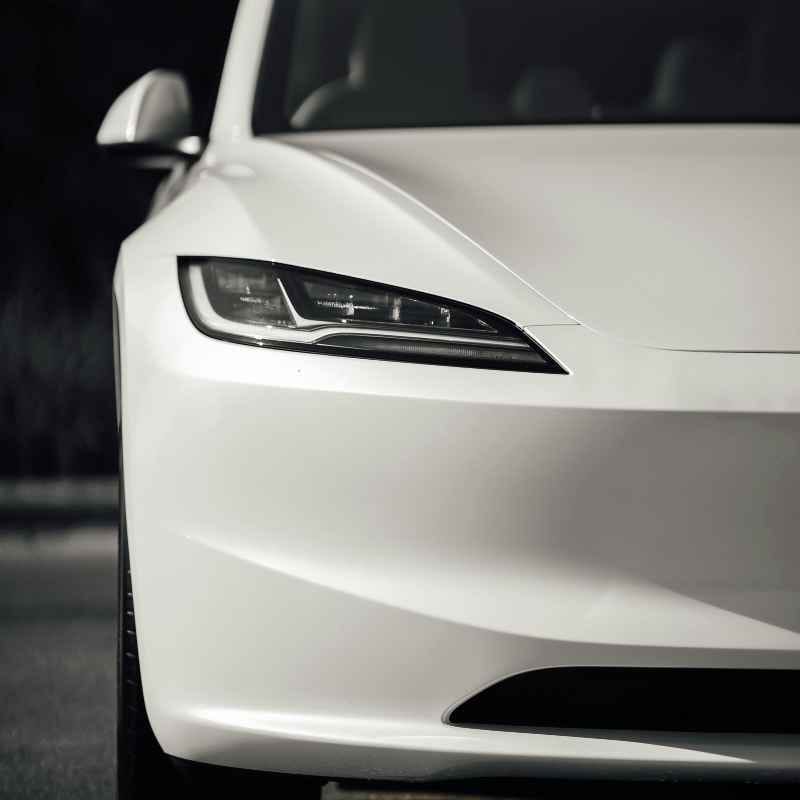
I walked up to a sleek, silver EV. It looked modern and clean.
Getting inside felt different too. No roar of an engine starting. Just a soft hum.
I put my foot on the pedal. The car just glided forward. It was so smooth and silent.
I felt a strange sense of calm. I had always associated driving with noise and vibration. This was totally new.
Then, I took it on the highway. The instant torque was amazing. It just surged forward when I pressed the accelerator.
No lag, no gear shifts. It felt so responsive. I remember looking at the dashboard.
It showed how much range I had left. I felt a little worried about running out of power. But the salesperson assured me.
Most daily trips are well within range.
Driving home, I kept thinking about the silence. It was peaceful. I could hear other cars better.
I could even hear birds singing. It made me realize how much noise pollution traditional cars create. That quiet drive really stuck with me.
It was a turning point in my view of EVs.
EV Charging Basics
Home Charging: This is the most common way. You can install a special charger at your home. It’s like plugging in a large appliance.
It takes several hours to fully charge.
Public Charging: Many places have charging stations. These are found at malls, parking lots, and along highways. Some are fast chargers.
They can add a lot of range in under an hour.
Charging Speed: This varies a lot. Level 1 chargers use a normal wall outlet. They are slow.
Level 2 chargers are faster. They need a dedicated 240-volt outlet. Level 3 chargers (DC fast chargers) are the quickest.
They can charge a car in 20-60 minutes.
Advantages of Electric Cars
Environmental Benefits
One of the biggest draws of electric cars is their positive impact on the environment. They produce zero tailpipe emissions. This means no harmful gases like carbon dioxide (CO2) or nitrogen oxides (NOx) are released directly from the car.
Cleaner air in cities is a direct result. Less pollution helps people breathe easier. It can also reduce respiratory illnesses.
Over time, this can lead to healthier communities. Many people choose EVs because they want to help fight climate change. They want to reduce their carbon footprint.
Lower Running Costs
Driving an electric car is often cheaper than driving a gasoline car. Electricity is usually less expensive than gasoline. You are paying for electricity instead of gas.
This saves money on “fuel” costs.
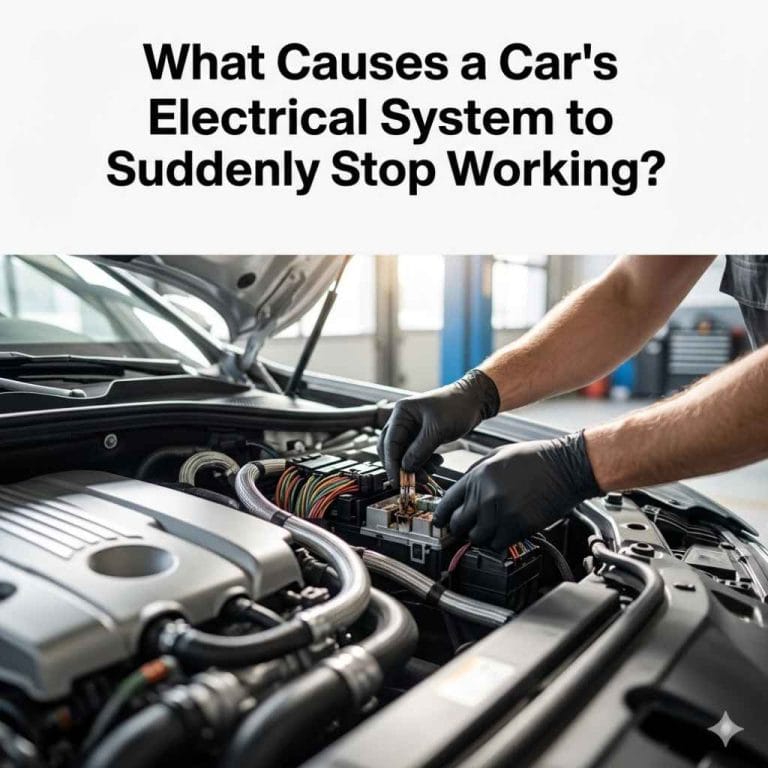
EVs also have fewer moving parts. They have fewer fluids to change. There are no oil changes.
There are no spark plugs or exhaust systems to worry about. This means less maintenance. Less trips to the mechanic save both time and money.
Brake wear is often less too. This is because EVs use regenerative braking. When you lift your foot off the accelerator, the motor acts like a generator.
It slows the car down. It also sends energy back to the battery. This helps reduce wear on the traditional brake pads.
Quiet and Smooth Ride
As I experienced, EVs are remarkably quiet. The absence of an internal combustion engine makes for a serene driving experience. This can reduce stress.
It makes driving more relaxing.
The ride is also very smooth. There are no gears to shift. The power delivery is instant and linear.
This makes acceleration feel effortless. Many drivers find this makes the car feel more refined. It’s a luxurious feeling without the high price tag sometimes.
Performance
Electric motors provide instant torque. This means they can accelerate very quickly. Many EVs can go from 0 to 60 mph faster than comparable gasoline cars.
This makes them fun to drive.
The battery pack is usually located low in the car. This helps with weight distribution. It can lead to better handling and stability.
The car can feel more planted on the road.
Government Incentives
Many governments offer incentives to encourage EV adoption. These can include tax credits. They can also include rebates.
Some areas offer perks like HOV lane access or free parking.
These incentives help offset the higher initial cost of EVs. They make them more attractive to buyers. Always check with your local and federal governments for current offers.
Quick Scan: EV Advantages
- Cleaner Air: Zero tailpipe emissions help the environment.
- Save Money: Lower fuel and maintenance costs over time.
- Quiet Drive: Enjoy a peaceful and relaxing journey.
- Quick Acceleration: Instant torque makes driving fun.
- Helpful Incentives: Government programs can lower costs.
Disadvantages of Electric Cars
Higher Upfront Cost
Electric cars generally cost more to buy than similar gasoline-powered cars. The battery pack is a major component. It is also a significant expense.
This can be a barrier for many people.
While running costs are lower, the initial purchase price can be a big hurdle. You need to consider the total cost of ownership over several years. The savings on fuel and maintenance might eventually make up for the higher price.
But that initial investment is real.
Limited Range and Range Anxiety
The distance an EV can travel on a single charge is called its range. While ranges are improving, some EVs still have less range than a full tank of gas. This is especially true for older models or smaller EVs.
This leads to “range anxiety.” This is the fear of running out of power before reaching a charging station. For long road trips, you need to plan your stops carefully. You must ensure charging stations are available along your route.
This can make travel planning more complex.
Charging Time
Recharging an EV takes longer than filling a gas tank. Even fast chargers take 20-60 minutes for a substantial charge. Home charging can take several hours overnight.
If you need to charge quickly on a long trip, this can add significant time. You might have to wait at a charging station. This is different from the quick stops at a gas station.
This is a key difference in the refueling experience.
Charging Infrastructure Availability
While charging stations are growing, they are not as widespread as gas stations. In some rural areas or less populated regions, finding a charger can be difficult. This can limit where you can travel.
The availability of charging at home is also a factor. Not everyone has a garage or driveway where they can install a charger. Apartment dwellers might face challenges.
They may rely solely on public charging options.
Battery Life and Replacement Cost
EV batteries degrade over time. Like a phone battery, they don’t hold a full charge forever. The range will decrease as the battery ages.
Most manufacturers offer warranties for the battery. These often cover 8 years or 100,000 miles.
Replacing an EV battery can be very expensive. It can cost thousands of dollars. While this is not a common issue within the warranty period, it is a future cost to consider.
Battery technology is improving, and costs are expected to fall.
Electricity Grid Strain
As more EVs hit the road, the demand on the electricity grid increases. If many people charge their cars at the same time, it can strain the power supply. This is particularly true during peak hours.
Utilities are working to manage this. They encourage off-peak charging. They also invest in grid upgrades.
But it is something to keep in mind as EV adoption grows. Smart charging solutions are being developed.
Myth vs. Reality: EV Charging
Myth: Charging takes forever.
Reality: Home charging is done overnight. Public fast chargers can add significant range in under an hour.
Myth: You can’t find chargers.
Reality: Charging stations are rapidly expanding. Many apps help you find them easily.
Real-World Context: Who Are EVs For?
Commuters and City Dwellers
Electric cars are ideal for people who drive relatively short distances daily. Most commutes fall well within the range of modern EVs. For city driving, the quiet operation and zero emissions are major benefits.
Parking in many cities is also becoming easier for EVs. Some places offer dedicated spots or charging facilities. For those with access to home charging, waking up to a “full tank” every morning is a huge convenience.
Environmentally Conscious Buyers
For individuals who prioritize sustainability, EVs are a clear choice. They directly reduce a person’s carbon footprint. This aligns with a desire to protect the planet.
Many feel a sense of satisfaction knowing they are part of the solution.
Beyond tailpipe emissions, the lifecycle impact of EVs is also being studied. This includes battery production. However, studies generally show EVs are better for the environment over their lifespan compared to gasoline cars.
Especially as electricity sources become greener.
Tech Enthusiasts and Early Adopters
Electric cars are packed with advanced technology. They often feature large touchscreens, advanced driver-assistance systems, and over-the-air software updates. This appeals to people who love the latest gadgets and innovations.
The driving experience itself is also a draw for those who appreciate modern engineering. The instant acceleration and smooth ride offer a glimpse into the future of automotive design.
People with Predictable Travel Needs
If your driving habits are consistent and predictable, an EV can work very well. You know your daily mileage. You can easily plan your charging.
This removes much of the concern about range.
For those who take infrequent, long road trips, an EV might require more planning. But with more charging infrastructure, this is becoming less of an issue. It’s about matching the car to your lifestyle.
What This Means for You: Making the Choice
When an EV is a Great Fit
If your daily commute is under 100 miles, an EV is likely a fantastic option. If you have easy access to charging at home or work, the convenience is unmatched. If saving money on fuel and maintenance is a priority, EVs shine.
If you want to reduce your environmental impact and contribute to cleaner air, an EV is a strong contender. The quiet ride and instant acceleration are bonuses that many drivers love.
When to Pause and Consider
If you frequently take long road trips across areas with sparse charging infrastructure, you might face challenges. If you cannot easily charge at home or work, managing an EV’s battery can be difficult. If your budget is very tight and the upfront cost is a major barrier, a gasoline car might be more practical for now.
It’s also worth considering if you live in an area with a very old or unreliable electricity grid. Though this is less common. Understanding your personal driving habits is key to making the right decision for you.
Simple Checks to Do
1. Calculate Your Daily Miles: How far do you drive on an average day? Compare this to EV ranges.
Most new EVs offer 200+ miles. Many go over 300 miles.
2. Assess Your Charging Options: Can you install a charger at home? Is there a public charger near your work or frequent destinations?
This is the most important factor for convenience.
3. Research Incentives: Look into federal, state, and local tax credits or rebates for EVs. This can significantly reduce the purchase price.
4. Compare Total Cost of Ownership: Look beyond the sticker price. Factor in fuel (electricity) costs, maintenance savings, and potential resale value over 5-10 years.
Quick Fixes & Tips for EV Owners
Plan Your Routes: Use EV-specific navigation apps. They show charging stops.
Charge Smart: Charge overnight for convenience. Use off-peak hours to save money.
Monitor Your Battery: Keep your battery between 20% and 80% for longevity. Avoid deep discharges or constant full charges when possible.
Understand Regenerative Braking: Learn to use it to maximize range.
Frequent Questions About Electric Cars
How long do electric car batteries last?
Most EV batteries are designed to last the life of the car. Manufacturers typically offer warranties for 8 years or 100,000 miles. After that, they may degrade but often still function with reduced range.
Is it more expensive to insure an electric car?
Insurance costs can vary. Some studies show EVs might have slightly higher insurance premiums. This can be due to higher repair costs for complex parts like batteries.
However, this isn’t always the case and depends on your insurer and location.
What happens to electric car batteries when they die?
Batteries are increasingly being recycled. Many materials can be reused. Some old EV batteries are also repurposed for energy storage applications, like for homes or the power grid.
Can I charge an EV in the rain?
Yes, it is safe to charge an electric car in the rain. Charging systems are designed with multiple safety features to protect against water damage. The charging plug and port are weather-sealed.
Are electric cars better for the environment if the electricity comes from coal?
Even with electricity from fossil fuels, EVs often have a lower carbon footprint over their lifetime than gasoline cars. As electricity grids become cleaner, the environmental advantage of EVs grows even larger.
How much does it cost to install a home EV charger?
The cost can range from a few hundred dollars for a basic plug-in unit to several thousand dollars for professionally installed Level 2 chargers. This includes the charger itself and the cost of an electrician.
Do electric cars lose value faster than gas cars?
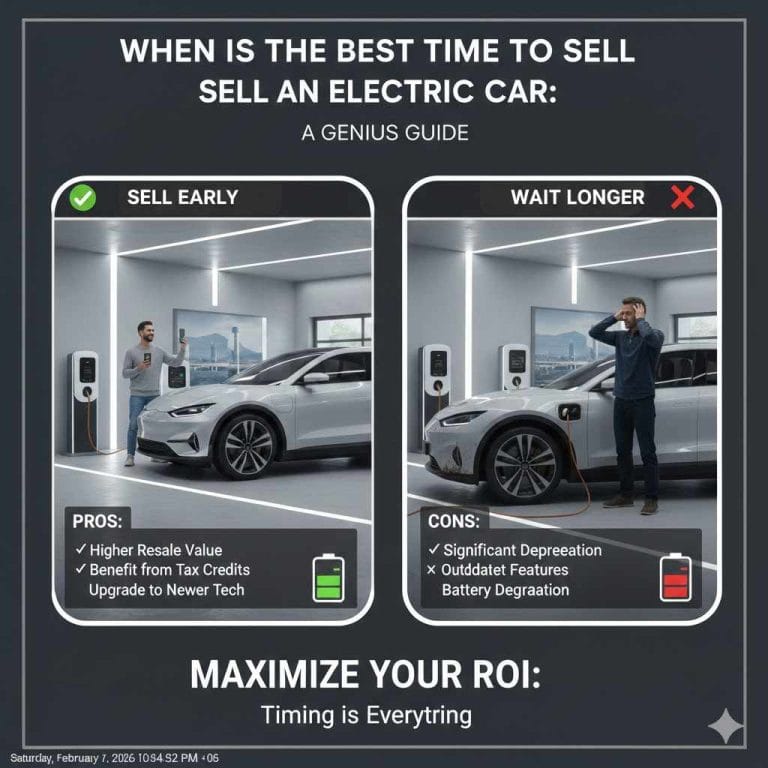
Historically, EVs might have depreciated faster. However, as demand increases and battery technology improves, their resale value is becoming more competitive with gasoline cars. The market is still evolving.
Conclusion: The Future is Electric (Mostly)
Electric cars offer a compelling vision for the future of driving. They promise cleaner air and lower running costs. They also provide a quiet and fun driving experience.
However, challenges remain.
The upfront cost, charging speed, and infrastructure are important considerations. Your personal driving habits and access to charging are key. Weighing these pros and cons will help you decide if an EV is right for you today.
Products related to this article
Sponsored / affiliate links. As an Amazon Associate I earn from qualifying purchases. I may earn additional commission from eligible campaigns.