Special Features Of Electric Vehicles That Set Them Apart
Electric vehicles stand out due to their advanced technology, quiet operation, instant power, unique charging needs, and often lower running costs compared to gasoline cars. These features combine to offer a different driving and ownership experience.
What Makes Electric Vehicles Special
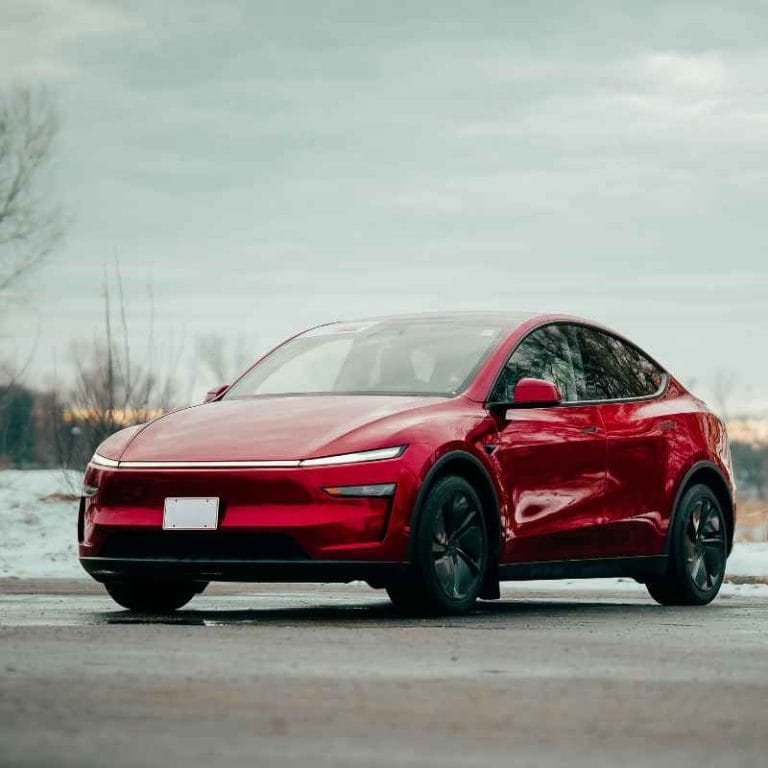
Electric cars are special because they run on electricity. This is a big change from cars that burn gasoline. Instead of an engine that makes noise and pollution, EVs have an electric motor.

XVD
XVD 12V Kids Electric Ride on Car…
- Realistic Driving Experience: Our kid's electric car designed with double lockable doors, music player, horn, foot pedal, one-butt…
- Keep Safe Driving: Our electric ride-on car is equipped with premium, anti-skid shock-absorbing rubber tires, and features slow st…
- Manual Operate and Remote Control: Our kid's battery-powered car offers 2 control modes, kid can independently drive through pedal…
As an Amazon Associate I earn from qualifying purchases.
This motor gets its power from a big battery pack inside the car. This simple difference leads to many other unique traits.
The way an EV is built is also different. There are fewer moving parts. This means less to break down.
It also means less maintenance is usually needed. Think about how a gas car has an oil filter, spark plugs, and an exhaust system. EVs don’t have these.
That’s a big deal for owners.
The driving feel is totally new too. When you press the pedal, the car zooms forward right away. There’s no waiting for the engine to rev up.
This is called instant torque. It makes driving feel quick and responsive. Plus, they are super quiet.
You don’t hear the engine rumble.
Instant Torque Explained
What it is: The electric motor can deliver maximum pulling power right away. This is different from a gasoline engine which needs to reach a certain speed to give its best power.
Why it matters: This makes EVs feel very zippy. They accelerate faster from a stop. It makes merging into traffic easier too.
The energy source is also a key feature. EVs use electricity from the grid or solar panels. This can be a cleaner way to power a car.
It depends on how the electricity is made. But it cuts out the need to pump gas. This saves time and trips to the station.
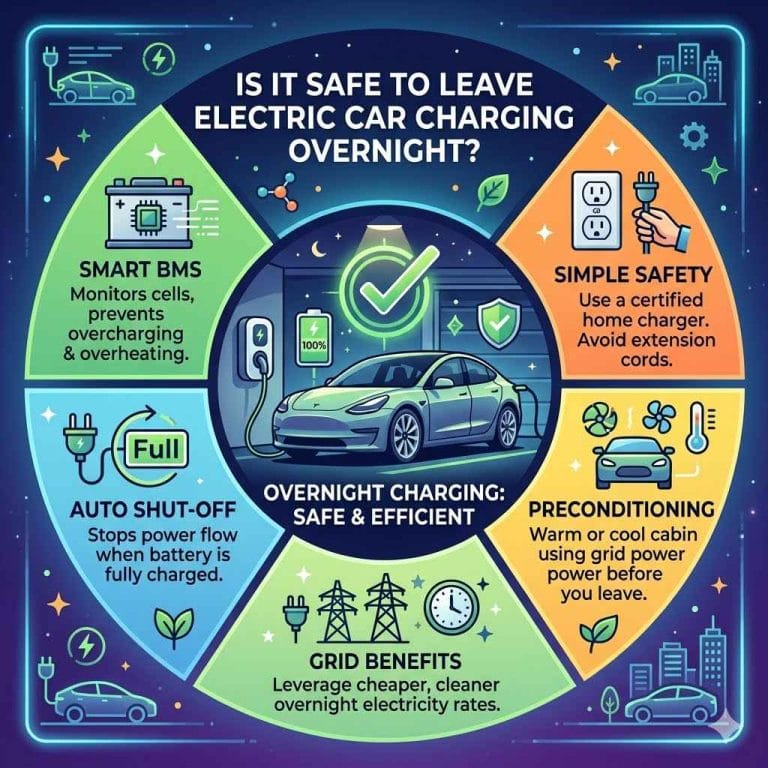
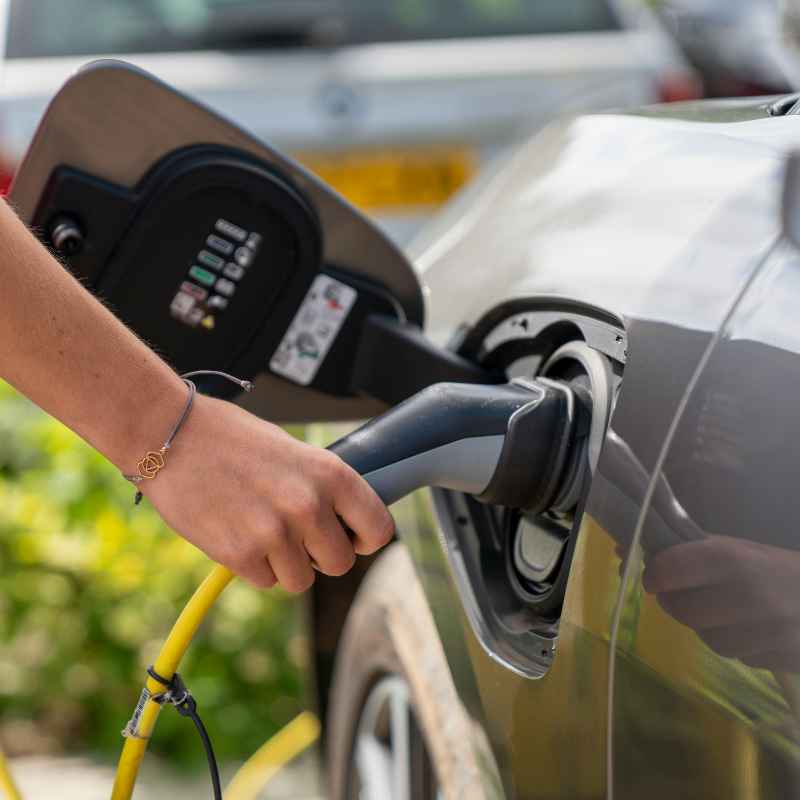
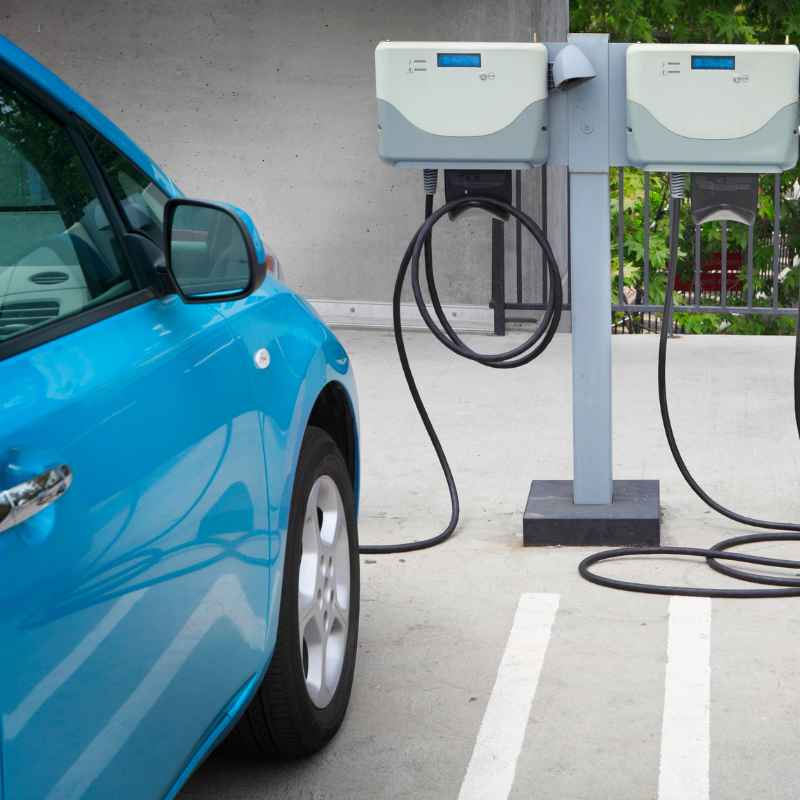
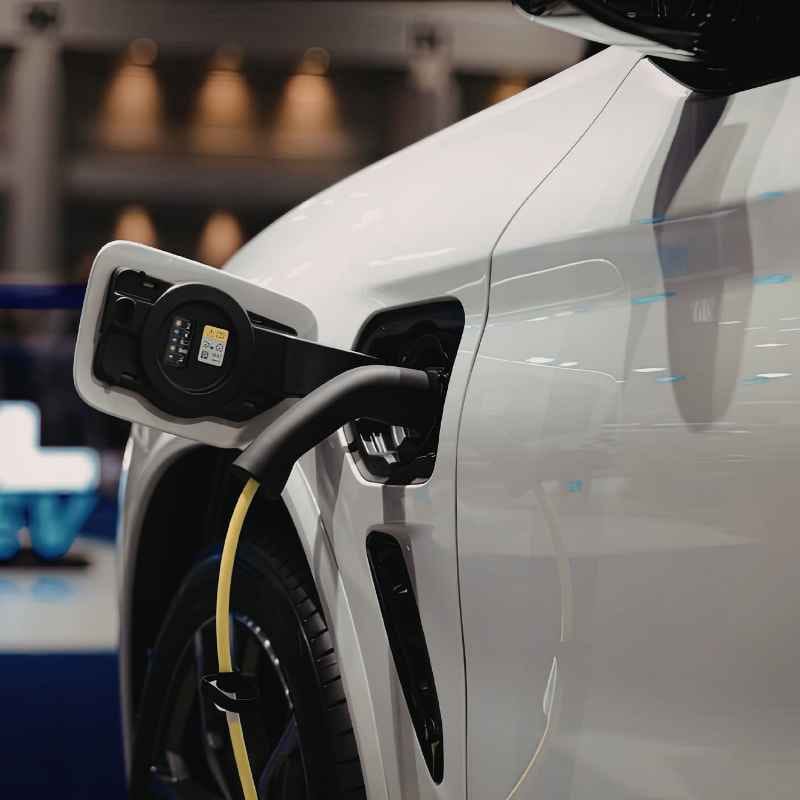
Charging is another big difference. Instead of filling up with gas in a few minutes, EVs need to be plugged in to charge. This can happen at home overnight or at public charging stations.
It takes longer than pumping gas. But many people find it convenient to charge while they sleep or work.
My First EV Experience: A Quiet Revolution
I remember my first time driving an electric car. It was a few years ago. My friend had just bought one.
We went for a drive. I was expecting something… louder. Or maybe more complex.
But as we pulled out of the driveway, all I heard was a faint hum. It was uncanny. The car moved so smoothly.
And when my friend pressed the accelerator, we were just gone. It felt like the car was on a smooth roller skate, gliding forward with impressive speed. It was a quiet, instant rush of motion.
I felt a mix of surprise and a bit of awe. It was so different from the rumble and vibration of my old sedan. This experience showed me that EVs weren’t just a different type of car; they felt like a different kind of technology altogether.
We drove around town. I kept noticing how little noise there was. I could hear other cars more clearly.
I could hear conversations inside our car without raising our voices. It felt peaceful. My friend explained that the lack of engine noise was one of the biggest things people loved.
She also mentioned how much less she spent on “fuel” each month. She simply plugged it in at night. It was like charging her phone, but for a much bigger device.
It sounded so simple. It made me rethink my own car’s daily routine. The thought of skipping the gas station was very appealing.
This little drive was more than just a test drive; it was a peek into a future I hadn’t fully considered.
The Heart of an EV: Battery and Motor
The battery is the heart of any electric car. It’s like the fuel tank for a gas car. But instead of holding liquid fuel, it holds electrical energy.
These battery packs are usually made up of many smaller battery cells. They are often lithium-ion cells, similar to what’s in your phone but much bigger and more powerful.
The size of the battery, measured in kilowatt-hours (kWh), determines how far the car can go on a single charge. This is called its range. A bigger battery means more range.
But it also means the battery is heavier and costs more.
Battery Capacity vs. Range
Battery Capacity: This is how much energy the battery can store. It’s measured in kilowatt-hours (kWh).
Range: This is how far the car can travel on a full charge. It depends on battery size, driving style, and other factors.
General Rule: More kWh usually means more miles per charge.
The electric motor is what makes the car move. It uses the electricity from the battery to turn the wheels. EVs typically have one or more electric motors.
Some have a motor on the front axle and another on the rear axle. This can give them all-wheel drive.
Electric motors are very efficient. They turn a much higher percentage of the energy they get into motion. Gas engines waste a lot of energy as heat.
Electric motors don’t have this problem as much. This efficiency is a big reason why EVs can go further on less energy.
When you take your foot off the accelerator pedal in an EV, something cool happens. The motor can act like a generator. This process is called regenerative braking.
It slows the car down and sends some of that energy back to the battery. It’s like the car is charging itself a little bit as you drive. This helps extend the range.
It also means you use the brake pedal less often.
Regenerative Braking: A Smart Feature
How it works: The electric motor reverses its function. It becomes a generator when slowing down.
What it does: It captures energy that would be lost as heat in a regular car. It then puts that energy back into the battery.
Benefits: It increases driving range and reduces wear on the traditional brake pads.
The Charging Experience: Different But Convenient
Charging an EV is one of the most talked-about differences. It’s not like stopping at a gas station for five minutes. It takes more time.
But for most people, it fits into their daily lives easily. You can charge at home.
There are different ways to charge. Level 1 charging uses a standard home outlet (like the one for your toaster). It’s the slowest method.
It’s good for topping up the battery overnight if you don’t drive many miles a day. It might add only a few miles of range per hour.
Level 2 charging is faster. It usually requires a special charging station installed at your home or at public places. This is the most common type of home charging.
It can add about 20-30 miles of range per hour. This means you can fully charge most EVs overnight.
Home Charging Levels
Level 1: Uses a regular 120-volt outlet. Slowest charging speed.
Level 2: Uses a 240-volt outlet (like for a dryer). Much faster charging.
Recommendation: Most EV owners install a Level 2 charger at home for daily use.
Then there are DC fast chargers, often called Level 3 chargers. These are found at public charging stations. They are much more powerful.
They can add a significant amount of range in a short time, often 100-200 miles in just 20-30 minutes. These are great for long road trips.
The charging infrastructure is growing rapidly. There are apps and in-car systems that help you find charging stations. They can also tell you if a charger is available.
Planning for longer trips is a bit different. You need to know where the chargers are. But with more stations appearing, it’s becoming much easier.
Lower Running Costs: A Smart Financial Choice
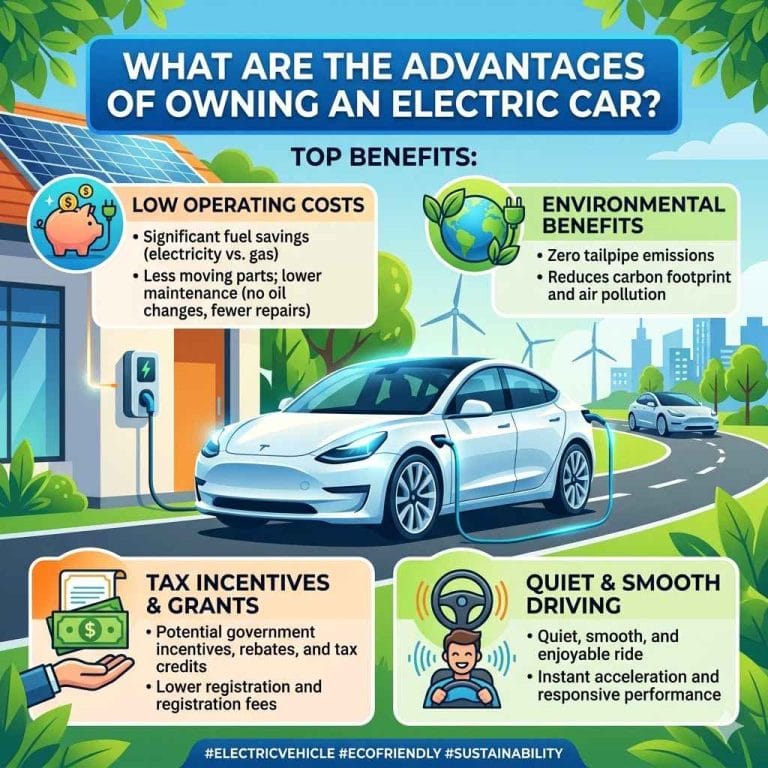
One of the most appealing features for many buyers is the lower cost of running an EV. Electricity is often cheaper per mile than gasoline. This can lead to significant savings over time.
Think about how much you spend on gas each month. Now imagine that cost dropping dramatically. For example, if electricity costs $0.15 per kWh and the car uses 0.25 kWh per mile, the cost per mile is $0.0375.
If gas costs $4.00 per gallon and the car gets 25 miles per gallon, the cost per mile is $0.16. That’s a big difference!
Cost Per Mile Comparison (Example)
Electric Car: 3.75 cents per mile (based on $0.15/kWh and 4 miles/kWh efficiency)
Gas Car: 16 cents per mile (based on $4.00/gallon and 25 MPG)
Monthly Savings: Driving 1,000 miles could save over $120!
Maintenance is another area where EVs shine. With fewer moving parts, there’s less that can go wrong. You don’t need oil changes.
You don’t need to replace spark plugs or exhaust systems. The main things to maintain are tires, brakes (which last longer due to regenerative braking), and cabin air filters.
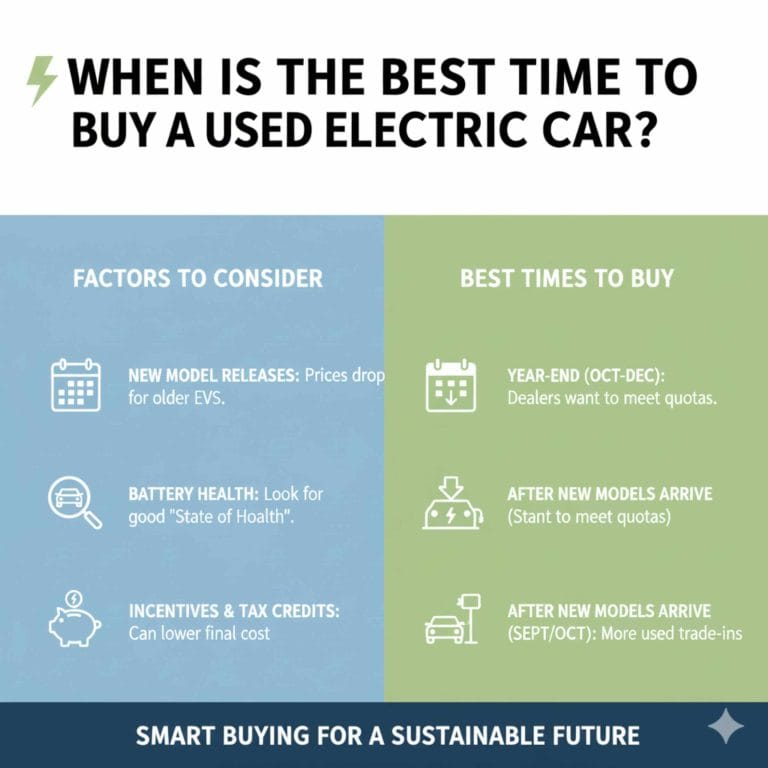
Some governments also offer incentives for buying EVs. These can include tax credits or rebates. These incentives can significantly lower the upfront cost of the vehicle.
This makes them more competitive with gas cars. It’s worth checking what’s available in your area.
Environmental Impact: A Cleaner Choice
For many, the environmental benefit is a major draw. EVs produce zero tailpipe emissions. This means they don’t release harmful pollutants like carbon dioxide, nitrogen oxides, or particulate matter into the air.
This directly improves air quality, especially in urban areas.
The overall environmental impact depends on how the electricity used to charge the EV is generated. If the electricity comes from renewable sources like solar or wind power, the EV is very clean. If it comes from burning fossil fuels, the impact is higher.
However, even when powered by a mixed grid, EVs generally have a lower carbon footprint over their lifetime than comparable gasoline cars.
EVs and the Environment
Zero Tailpipe Emissions: EVs don’t pollute the air locally while driving.
Overall Footprint: Depends on electricity source, but often lower than gas cars.
Reduced Reliance on Fossil Fuels: Moves energy consumption away from oil.
The production of EV batteries does have an environmental cost. Mining for materials like lithium and cobalt can be challenging. However, battery technology is improving.
Recycling processes for EV batteries are also becoming more efficient. Companies are working hard to make battery production more sustainable.
By choosing an EV, you are contributing to a shift away from fossil fuels. This is a significant step towards combating climate change. The long-term benefits for public health and the planet are substantial.
It’s a choice that aligns with a desire for a cleaner future.
Unique Driving Dynamics
The driving experience of an EV is unlike anything else. That instant torque we talked about? It means that when you press the accelerator, the car responds immediately.
There’s no lag. This gives a feeling of being very connected to the road and the car’s power.
Many EVs also have a low center of gravity. The heavy battery pack is usually placed flat on the floor of the car. This makes the car feel very stable.
It handles corners well. It feels planted on the road. This is especially noticeable in performance-oriented EVs.
Handling Benefits
Low Center of Gravity: Battery placement makes the car stable.
Instant Acceleration: Quick response from electric motors.
Quiet Ride: Reduced noise leads to a more relaxed drive.
The quietness of an EV also changes the driving experience. You can hear more of the road. You can talk more easily.
Some people find it very calming. Others miss the sound of a powerful engine. Manufacturers are exploring ways to add artificial sounds to EVs for pedestrians’ safety and for driver enjoyment.
One-pedal driving is another unique aspect. Because regenerative braking is so strong in many EVs, you can often drive using just the accelerator pedal. When you lift off the pedal, the car slows down.
You only need to use the brake pedal for harder stops. This can take some getting used to, but many drivers find it very intuitive and enjoyable after a while.
Technological Advancements and Features
EVs are often packed with cutting-edge technology. Because they are newer, manufacturers have designed them with modern tech in mind from the start. This includes large touchscreens, advanced driver-assistance systems, and seamless smartphone integration.
Over-the-air (OTA) software updates are common. This means your car can get new features or improvements without you having to visit a dealer. It’s like updating your smartphone.
This keeps the car feeling fresh and modern over time.
Modern EV Tech
Over-the-Air Updates: Car software can be updated remotely.
Advanced Infotainment: Large touchscreens with many features.
Driver Assistance: Features like adaptive cruise control and lane keeping.
Connectivity: Seamless integration with smartphones and apps.
Many EVs come with built-in navigation systems that can plan routes that include charging stops. They can even show you the battery level in real-time. Some apps allow you to control your car remotely.
You can pre-heat or cool the cabin before you get in, using the battery power efficiently.
These technological aspects make EVs feel more like a “smart device on wheels.” They are designed to be connected and constantly improving. This is a stark contrast to older car models that might have felt static once they left the dealership.
The Future is Electric: What to Expect
The automotive world is clearly moving towards electric vehicles. More and more carmakers are investing heavily in EV technology. We’re seeing new models released every year, covering all types of vehicles, from small city cars to large trucks and SUVs.
Battery technology is constantly improving. We can expect batteries to become more affordable, offer longer ranges, and charge even faster in the coming years. Scientists are also researching new battery chemistries that could be even more sustainable and perform better.
Looking Ahead
More Models: A wider variety of EVs will be available.
Better Batteries: Longer range, faster charging, lower cost.
Improved Infrastructure: More charging stations will be built.
Sustainability: Focus on cleaner battery production and recycling.
Charging infrastructure will continue to expand. More public charging stations will be available, making it easier to travel long distances. We may also see new charging technologies emerge, like wireless charging.
This would allow cars to charge simply by parking over a charging pad.
Government regulations and incentives will likely continue to support the transition to EVs. Many countries have set targets to phase out the sale of new gasoline cars. This will further accelerate the adoption of electric vehicles.
Is an EV Right for You?
Deciding if an EV is right for you depends on your lifestyle. If you have a garage or driveway where you can charge, it’s very convenient. If most of your driving is within the range of a single charge, it’s also a great fit.
Consider your daily commute. How many miles do you drive? Do you often take long road trips?
If long trips are frequent, you’ll want to look at EVs with longer ranges and plan your charging stops. The charging network is still a work in progress in some areas.
Things to Consider:
Charging Access: Can you charge at home or work?
Driving Habits: How far do you drive daily and on trips?
Budget: Upfront cost vs. long-term savings.
Local Incentives: Are there tax credits or rebates available?
The upfront cost of EVs can still be higher than comparable gas cars. However, the lower running costs and potential incentives can make them more affordable over the life of the vehicle. It’s important to do the math for your specific situation.
Many people find that once they drive an EV, they prefer it. The quiet ride, instant acceleration, and lower running costs are very appealing. It’s a different way to experience driving that many find to be superior.
Frequently Asked Questions About Electric Vehicles
Are electric cars safe?
Yes, electric cars are generally very safe. They undergo the same rigorous safety testing as gasoline cars. In fact, their low center of gravity due to the battery placement can make them more stable and less prone to rollovers.
The battery packs are also designed with robust safety features to protect against damage and thermal runaway.
How long do EV batteries last?
EV batteries are designed to last for many years and miles. Most manufacturers offer warranties of 8 years or 100,000 miles on their battery packs. While battery capacity does degrade over time, it’s usually a slow process.
Many batteries are still performing well after 200,000 miles.
Can I charge an EV in the rain or snow?
Yes, you can safely charge an EV in most weather conditions, including rain and snow. The charging ports and connectors are designed to be weather-resistant. Electricity and water don’t mix well, but the systems are built with safety mechanisms to prevent issues.
It’s always a good idea to ensure the charging area is clear of standing water.
What happens to EV batteries at the end of their life?
When EV batteries can no longer hold enough charge for driving, they are often repurposed for other uses, like energy storage for homes or the grid. After that, they are sent for recycling. Recycling processes are becoming more advanced, allowing for the recovery of valuable materials like lithium, cobalt, and nickel.
Is the electric grid able to handle many EVs?
The electric grid is designed to handle varying loads. While a large number of EVs charging simultaneously could impact the grid, utilities are planning for this. Smart charging solutions, where charging is scheduled for off-peak hours, and the development of renewable energy sources are key to managing this demand.
How much maintenance do EVs really need?
EVs require significantly less maintenance than gasoline cars. You don’t need oil changes, exhaust system checks, or spark plug replacements. The main maintenance items are usually tire rotations, brake checks (though brakes last longer), and cabin air filter replacements.
This often translates to lower maintenance costs.
In Conclusion
Electric vehicles offer a glimpse into the future of transportation. Their unique features, from quiet operation and instant power to smart technology and lower running costs, set them apart. Embracing an EV means embracing innovation and a more sustainable way to drive.
It’s an exciting time to explore these special cars.
Related pick: Check today's price on Amazon
Products related to this article
Sponsored / affiliate links. As an Amazon Associate I earn from qualifying purchases. I may earn additional commission from eligible campaigns.