Why Are Car Lights Blurry At Night? Causes And Quick Fixes
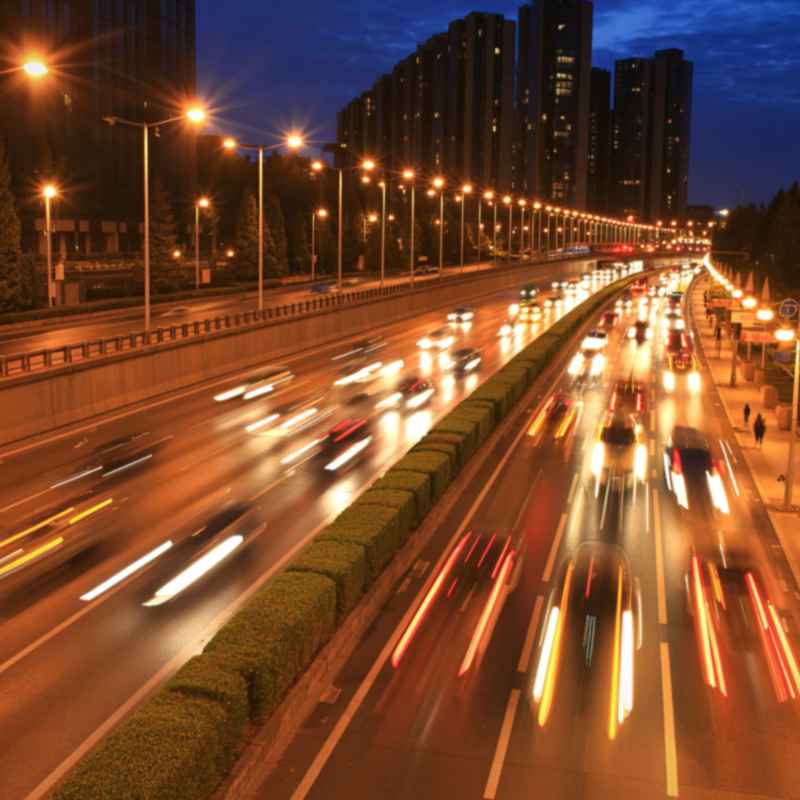
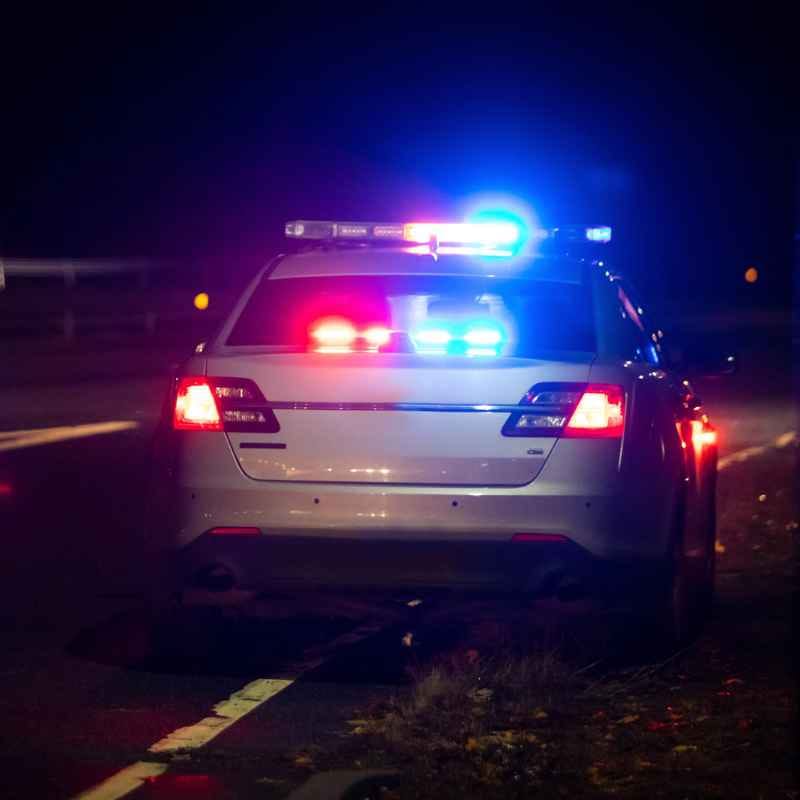
It’s a frustrating feeling. You’re driving at night, trying to see clearly, but the lights around you seem… off. They might look fuzzy, spread out, or have halos around them.
This can make you feel uneasy and less confident behind the wheel. It’s a common issue many drivers face, and understanding why it happens is the first step to a clearer view.
Blurry car lights at night are often caused by a combination of factors affecting your vision or your car’s lighting. Common reasons include eye conditions like astigmatism or cataracts, dry eyes, eye strain from long drives, and issues with your vehicle’s headlights or windshield.
Understanding Why Car Lights Look Blurry at Night
Seeing car lights blurry at night isn’t just about the lights themselves. It’s often a sign that something is affecting how your eyes process light or how light reaches your eyes. Think of it like looking through a smudged window.
Hortsun
Hortsun 2 Pack USB Star Projector Night…
- USB Car Night Light: the LED car star light is designed with USB port, which can be powered by power bank, car with USB port, lap…
- Enjoy Romantic Ambience: the included 2 pieces of car roof star lights are respectively glow red and purple blue color light; You…
- 360 Degree Bending: according to your need, these car interior star lights are flexible so that they are easy to adjust the direct…
As an Amazon Associate I earn from qualifying purchases.
The view outside might be fine, but the smudges distort it.
Several things can cause this blurriness. Some are related to your own eyes and how they work. Others are about the car’s lights or the environment outside.
When you’re driving, your eyes are constantly working. They’re taking in light, focusing it, and sending signals to your brain. If any part of this process is disrupted, you might notice changes, especially in low light conditions like at night.
The contrast between bright lights and dark surroundings makes these subtle issues more obvious.
It’s important to remember that night driving is already more challenging. Your field of vision is smaller. Your ability to judge speed and distance can be trickier.
Adding blurry lights to that mix can be a real safety concern. So, let’s break down the common culprits one by one.
My Own Frustrating Night Drive
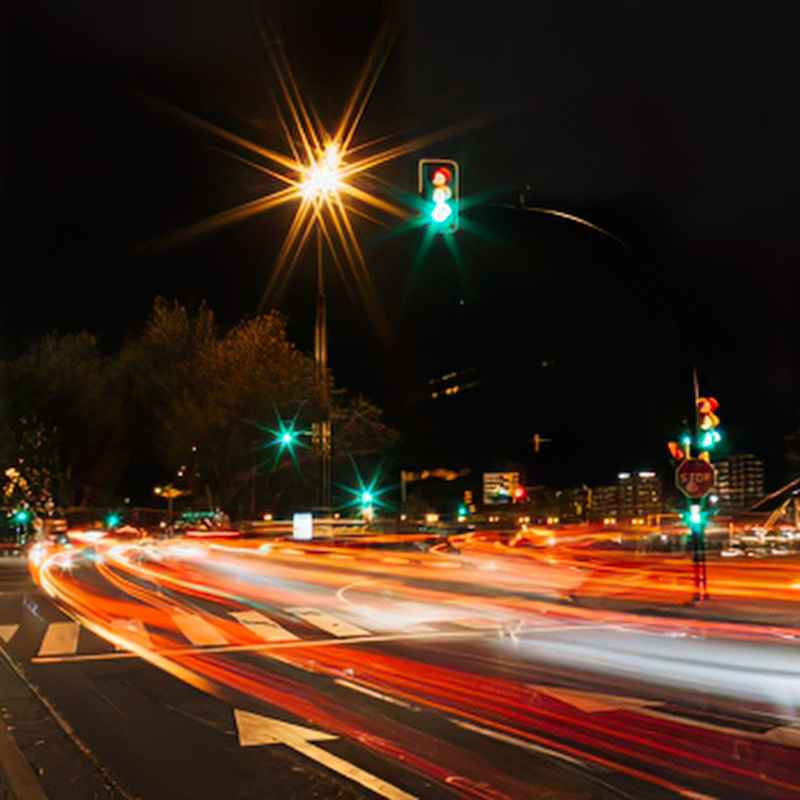
I remember one particular drive home from a long conference. It was late, dark, and raining. As I started on the highway, I noticed something strange.
The headlights of oncoming cars seemed to have these big, fuzzy halos around them. It was like looking through a dirty lens. At first, I thought maybe my windshield was just really dirty from the rain.
I turned on my wipers, but it didn’t help much. The blurriness persisted. Then, the taillights of the car in front of me started to look like glowing smudges.
A wave of panic hit me. Was I losing my vision? Was something seriously wrong with my eyes?
I pulled over for a moment, took some deep breaths, and tried to focus. I realized my eyes felt incredibly dry and tired. I had been staring at screens all day and then driving for hours.
That night, the combination of fatigue, dry eyes, and the demanding task of night driving made everything look distorted. It was a wake-up call to pay more attention to my eye health and how it impacts my driving.
Eye-Related Causes for Blurry Night Vision
Your eyes are complex tools. When they aren’t working perfectly, especially with light, night driving can become difficult. Let’s look at some common eye issues that cause blurry lights at night.
These are often the first things experts check.
Astigmatism Explained
Astigmatism is a very common vision problem. It happens when your eye isn’t perfectly round. Instead, it’s shaped more like a football or an egg.
This shape causes light to bend unevenly as it enters your eye. Because of this, light doesn’t focus on a single point on your retina. It focuses on multiple points, or lines.
This leads to blurred or distorted vision at all distances. At night, the sharp points of light from car headlights, street lamps, or signs can seem to spread out or form starbursts. This makes them appear blurry.
It’s like looking through a warped lens. You might also notice halos or glare around lights. Many people have mild astigmatism and might not notice it until their vision needs to be very sharp, like at night while driving.
Cataracts and Their Effect
Cataracts are another significant cause of blurry vision, especially at night. A cataract is a clouding of the natural lens inside your eye. This lens usually sits behind your iris and pupil.
It’s normally clear. Think of it like a windowpane. When a cataract forms, that windowpane becomes cloudy or opaque.
This cloudiness blocks or scatters the light that enters your eye. As a result, images become fuzzy, less colorful, and harder to see. Glare and halos around lights are very common symptoms of cataracts.
Bright lights, like headlights, can seem blinding. This makes driving at night very dangerous. Cataracts tend to develop slowly over time.
They are more common in older adults, but can happen for other reasons too.
Dry Eyes and Night Vision
When your eyes don’t produce enough tears, or the tears evaporate too quickly, you get dry eyes. Tears are essential for keeping the surface of your eye smooth and clear. This smooth surface helps light focus properly.
If your eyes are dry, the tear film is uneven. This unevenness can scatter light. It’s like trying to see through a rippled surface.
At night, when you need to see clearly, dry eyes can make lights appear blurry. You might also feel burning, stinging, or a gritty sensation. Blinking more often can sometimes temporarily help, but chronic dry eye needs attention.
Long hours in front of screens, certain medications, and environmental factors can contribute to dry eyes.
Eye Strain and Fatigue
Long periods of focusing, especially in poor light, can lead to eye strain. This is also called asthenopia. Your eye muscles get tired from working too hard.
When your eyes are tired, they might not focus as well. This can make everything seem a bit blurry. Night driving requires a lot of constant focusing and adapting to changing light.
If you’re already tired, your eyes struggle more. This can make lights appear fuzzy or less distinct. Headaches, tired eyes, and difficulty focusing are common signs of eye strain.
It’s a reminder that your eyes, like any other muscle, need rest.
Common Vision Impairments and Night Lights
Astigmatism: Irregular cornea shape scatters light, creating starbursts and halos. Lights look fuzzy.
Cataracts: Cloudy lens blocks and scatters light. This causes glare, halos, and overall blurriness.
Dry Eyes: Uneven tear film distorts the eye’s surface. Light scatters, making lights appear fuzzy.
Eye Strain: Tired eye muscles struggle to focus. This can lead to temporary blurriness and fuzzy light perception.
Presbyopia and Focus Issues
Presbyopia is another age-related condition. It affects your ability to focus on close objects. However, it can also subtly impact how you perceive light.
As the lens inside your eye loses flexibility, focusing becomes harder. This can mean that even when trying to focus on distant lights, your eyes might struggle a bit. This reduced focusing ability can contribute to a slight fuzziness around lights.
It’s often noticed in people over 40. While primarily affecting reading vision, the strain on your eye’s focusing system can manifest in other ways, including how you see lights at night.
Glaucoma and Peripheral Vision
Glaucoma is a group of eye diseases that damage the optic nerve. This nerve connects your eye to your brain. Damage to the optic nerve can affect your vision, often starting with peripheral vision.
While glaucoma doesn’t directly cause lights to appear blurry in the center of your vision like astigmatism or cataracts, it can impact your overall visual processing. Some types of glaucoma can cause a reduction in contrast sensitivity or increased glare. This means you might have more trouble seeing details, especially in dim light.
So, while the direct blurriness might not be the primary symptom, the overall difficulty in seeing clearly at night can be worse with glaucoma.
Vehicle-Related Causes for Blurry Car Lights
It’s not always your eyes. Sometimes, the problem is with the lights on your car. Or what’s between your eyes and the lights.
These external factors play a big role.
Dirty or Hazy Headlights
Over time, the plastic covers on your car’s headlights can become cloudy. This happens due to exposure to sunlight, dirt, and road debris. This cloudiness is often called “hazing.” When headlights are hazy, they don’t shine as brightly or as clearly.
They can scatter light instead of directing it forward. This means your own headlights might not illuminate the road well enough. Worse, the haziness can make the light coming from your headlights appear diffused or less sharp.
When you’re looking at oncoming headlights, if their covers are hazy, they can also appear less defined and more spread out, contributing to that blurry effect.
Cleaning your headlights is a simple fix. You can use special headlight restoration kits. These kits often include sandpaper and polishes to remove the hazy layer.
Keeping them clean makes a big difference in how well you can see and how others see you.
Incorrectly Aligned Headlights
Headlights are designed to point straight ahead and slightly downward. This aims the light onto the road where you need it most. It also helps prevent blinding oncoming drivers.
If your headlights are misaligned, they might point too high, too low, or too far to one side. Headlights pointing too high can cause glare for other drivers. For you, they might not illuminate the road directly in front of you well.
This can make it harder to see what’s coming. The way the light beams are projected can also seem “off” or distorted, contributing to a sense of blurriness when you look at them.
Alignment issues can happen after a minor bump or if parts are replaced. Most auto shops can check and adjust your headlight alignment. It’s a quick and important safety check.
Worn-Out or Damaged Bulbs
Car headlight bulbs don’t last forever. Over time, the gas inside them can degrade, or the filaments can weaken. This can cause the light to become dimmer.
It might also change the color of the light. Older bulbs might produce a yellowish light instead of a bright white one. This dimmer, less focused light can make it harder to see the road.
It can also make the light itself seem less sharp. If you’re noticing your headlights aren’t as bright as they used to be, it might be time for new bulbs. Replacing them with quality bulbs can dramatically improve night visibility.
Your Car’s Lights: A Quick Check
Cleanliness: Are your headlights free of dirt, bugs, and grime? A quick wash can help.
Clarity: Do the headlight covers look yellow or hazy? Restoration kits can help here.
Aim: Do your headlights seem to point too high or too low? Consider an alignment check.
Brightness: Are they as bright as they used to be? Bulb replacement might be needed.
Windshield Issues: Smudges and Cracks
Your windshield is your primary view of the road. Even small smudges or debris can cause issues at night. Think about water spots, fingerprints, or a thin layer of road film.
When light from oncoming cars hits these imperfections, it can scatter. This scattering creates glare and makes the lights appear spread out or fuzzy. It’s like looking through a dirty windowpane.
The imperfections distort the light beams.
Cracks or chips in the windshield can also be problematic. They can refract light in unexpected ways. This can lead to distorted images of lights.
Especially if the crack is in your direct line of sight. Maintaining a clean and undamaged windshield is crucial for safe night driving.
Infotainment System Glare
Modern cars have bright screens for navigation, music, and settings. While useful, these screens can cause glare. This glare can reflect onto the windshield.
At night, a bright screen can create a halo effect. It can interfere with your ability to see the road clearly. The light from the screen can also make your eyes work harder to adjust between the dark road and the bright display.
Dimming your infotainment screen or turning it off when not needed can help reduce this distraction and improve your overall night vision.
Environmental and Other Factors
Sometimes, the cause isn’t just your eyes or your car. The world around you can also play a part.
Rain and Fog
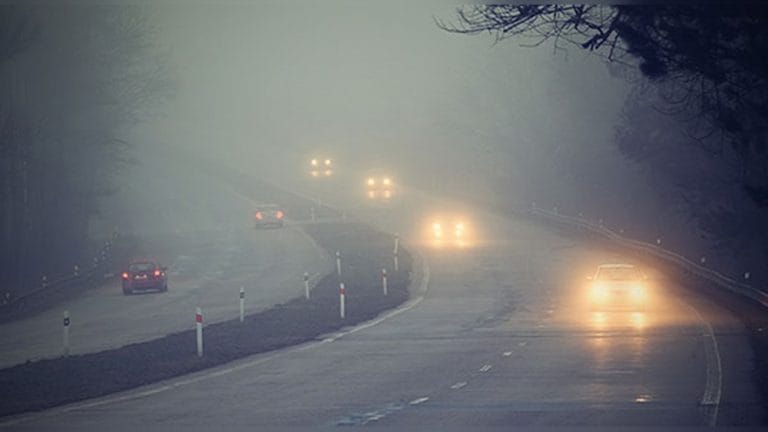
Driving in rain or fog is notoriously difficult. Water droplets and fog particles in the air scatter light. This causes headlights and taillights to appear diffused.
They can look like glowing orbs rather than sharp points of light. This scattering effect is known as light diffusion. It significantly reduces visibility and makes judging distances harder.
The water on your windshield also adds to this, creating a barrier that further distorts light. Driving slower and increasing following distance is essential in these conditions.
Street Lighting Conditions
The type and placement of streetlights can also affect how you perceive car lights. Older streetlights might have a warmer, yellower glow. Newer ones might use LED technology, which can be brighter and have a cooler tone.
Sometimes, the way they are spaced out can create patches of bright and dark on the road. This uneven lighting can make your eyes work harder to adjust. It can also create more pronounced glare from headlights as they pass under different lighting conditions.
Pupil Dilation
In low light, your pupils naturally get larger. This is called dilation. The purpose is to let more light into your eye so you can see better.
However, a larger pupil also means more light enters the eye. This can make existing imperfections in your vision, like astigmatism, more noticeable. It can increase the perception of glare and halos around lights.
So, while dilation helps you see in the dark, it can also amplify the effect of other vision issues. This makes lights appear blurrier.
When to Worry About Blurry Night Lights
Sudden Changes: If your night vision suddenly worsens, see a doctor.
Constant Blur: If lights are always blurry, not just at night, get an eye exam.
Other Symptoms: If blurriness comes with pain, redness, or vision loss, seek help immediately.
Impact on Driving: If blurry lights make you feel unsafe or unable to drive at night, it’s time for an evaluation.
What This Means for You: Practical Steps
So, you’re experiencing blurry car lights at night. What does this mean for your daily life and how can you address it? It means taking action to ensure your safety and comfort.
When Blurry Lights are Normal
It’s worth noting that a little bit of light scattering or minor glare can be normal, especially in certain conditions. After a long day, tired eyes might notice more fuzziness. Driving in heavy rain or fog will naturally reduce clarity.
If you have mild, uncorrected astigmatism, you might always see a slight halo. The key is whether it’s a new problem, getting worse, or making you feel unsafe.
When to See an Eye Doctor
If the blurriness is new, significant, or getting worse, it’s time for an eye exam. An optometrist or ophthalmologist can diagnose vision problems like astigmatism, cataracts, dry eye, or other conditions. They can prescribe corrective lenses (glasses or contact lenses) or recommend treatments.
Early detection of issues like cataracts or glaucoma is crucial for preserving your vision.
Don’t wait until it significantly impacts your ability to drive. Regular eye check-ups are a vital part of maintaining good vision throughout life.
Quick Checks for Your Car
Before or after your doctor’s visit, do a quick check of your car. Clean your headlights and windshield thoroughly. Make sure your wipers are in good condition and that you have enough washer fluid.
If your headlights look very hazy, consider using a headlight restoration kit. If your car is older, check if your headlight bulbs are still producing bright, clear light. Sometimes, these simple maintenance tasks can make a noticeable difference.
Easy Checks You Can Do Right Now
- Clean your windshield inside and out. Use a good glass cleaner.
- Wash your headlights. Remove any surface dirt or grime.
- Check your wiper blades. Replace them if they streak or chatter.
- Top up your washer fluid. Ensure it has a bug-removing formula if needed.
- Adjust your car’s interior lights. Dim the dashboard and infotainment screens.
Quick Fixes and Tips for Better Night Vision
While a doctor’s visit is key for underlying eye issues, there are several practical things you can do to improve your night driving experience.
Use Prescription Eyewear
If your eye doctor has prescribed glasses or contact lenses for astigmatism, myopia, or hyperopia, wear them! Especially at night. Even if you can see okay during the day, night vision requires more precision.
Some glasses have special coatings that reduce glare. Ask your eye doctor about anti-reflective coatings for your lenses. These can significantly cut down on halos and light scatter from headlights and streetlights.
Get Headlight Restoration
Those hazy, yellowed headlights are a major culprit for poor night vision. Headlight restoration kits are readily available at auto parts stores. They work by sanding down the oxidized plastic layer and then polishing it to a clear finish.
It’s a DIY project that can feel like getting new headlights. This will improve the light output of your own headlights and reduce the distortion you might see from other cars’ lights.
Clean Your Windshield and Mirrors Often
This might seem obvious, but it’s often overlooked. Road film, water spots, and smudges build up on your windshield and mirrors. These imperfections scatter light at night, creating glare and blurriness.
Make a habit of cleaning your windshield and side mirrors regularly, both inside and out. A clean surface allows light to pass through cleanly, offering a clearer view.
Consider using a high-quality glass cleaner and a microfiber cloth for a streak-free finish. Don’t forget to clean the inside of your windshield, as that’s where fingerprints and interior glare often build up.
Adjust Your Car’s Interior Lighting
The bright lights inside your car can cause glare on your windshield. This glare can make it harder to see outside. Dim your dashboard lights and infotainment screen as much as possible.
Some cars have an “auto-dimming” feature for the dashboard, but you can often manually adjust it lower. This reduces the contrast your eyes have to deal with between the bright interior and the dark exterior. It helps your eyes adapt better to the night environment.
Drive Slower and Increase Following Distance
When your vision is compromised, it’s crucial to give yourself more time to react. Slowing down your speed reduces the distance you travel in a given time. This means you have more time to process what you’re seeing, even if it’s a bit blurry.
Increasing your following distance also gives you a larger buffer zone. If the car in front brakes suddenly, you’ll have more time to stop safely. This is a proactive measure that enhances safety regardless of your visual clarity.
Take Breaks on Long Drives
Eye strain and fatigue are major contributors to blurry night vision. If you’re going on a long drive, plan for breaks. Pull over every hour or two to rest your eyes.
Close your eyes for a few minutes, or look at distant objects to relax your focus. This simple act can significantly reduce eye fatigue and improve your ability to see clearly.
Simple Habits for Better Night Driving
Regular Eye Exams: Don’t skip your annual check-ups.
Wear Corrected Lenses: Use your glasses or contacts as prescribed.
Headlight Care: Restore or replace hazy/dim headlights.
Windshield Hygiene: Keep all glass surfaces spotless.
Interior Dimming: Lower dash and screen brightness.
Pace Yourself: Drive slower and maintain safe distances.
Rest: Take breaks during long night journeys.
Frequently Asked Questions About Blurry Night Lights
What is the most common cause of blurry lights at night?
The most common causes often involve vision impairments like astigmatism, which distorts how light focuses on the retina. Other frequent culprits include dry eyes, eye strain, and vehicle issues like dirty or hazy headlights.
Can dry eyes cause halos around lights?
Yes, dry eyes can definitely cause halos and blurriness around lights. Tears help keep the surface of your eye smooth. When your eyes are dry, this surface becomes uneven, scattering light and creating halos or a fuzzy appearance around light sources.
How do cataracts affect night vision?
Cataracts cloud the natural lens of your eye. This clouding scatters light and reduces the amount of light that reaches your retina. This leads to glare, halos, starbursts around lights, and a general dimming of your vision, making night driving particularly difficult and dangerous.
What is the difference between astigmatism and myopia in relation to night vision?
Astigmatism causes blurry vision at all distances because the eye’s shape is irregular, leading to light scattering. Myopia (nearsightedness) makes distant objects blurry, but often night vision isn’t as severely affected by it alone. However, if you have both, or if your myopia causes overall blurriness, night lights will appear less clear.
Astigmatism is more directly linked to the halos and starbursts seen around lights.
Should I get my headlights restored if I see blurry lights?
If your own headlights appear dim, hazy, or don’t illuminate the road well, restoring them is a good idea. While it won’t fix your personal vision issues, it improves your ability to see the road and reduces glare from your own lights, making night driving safer and clearer.
What are “starbursts” around lights?
Starbursts are lines or streaks of light radiating outwards from a light source, making it look like a star. They are a common symptom of astigmatism and can also be caused by cataracts or glare from dirty windshields or hazy headlights.
Conclusion
Experiencing blurry car lights at night can be concerning, but it’s often a sign that can be addressed. Whether it stems from your own vision, your car’s condition, or the environment, understanding the cause is key. By taking proactive steps, from visiting your eye doctor to performing simple car maintenance, you can regain confidence and clarity for safer night driving.
See also what does a car warning light mean common symbols explained. See also how do car auto lights work full beginner explanation.
Related pick: Check today's price on Amazon
Products related to this article
Sponsored / affiliate links. As an Amazon Associate I earn from qualifying purchases. I may earn additional commission from eligible campaigns.