Top Environmental Benefits Of Electric Cars You Should Know
Thinking about an electric car? You’re not alone. Many of us wonder about the real good they do for our world. It’s a big question with a lot of good answers. This guide breaks down the top environmental pluses.
The main environmental advantages of electric cars are cleaner air, reduced greenhouse gas emissions, and less reliance on fossil fuels, contributing to a healthier planet and energy independence.
What Makes Electric Cars Greener?
Electric cars, or EVs, run on electricity. They don’t burn gasoline like traditional cars. This difference is huge for our air and climate. It means fewer harmful fumes fill the sky.
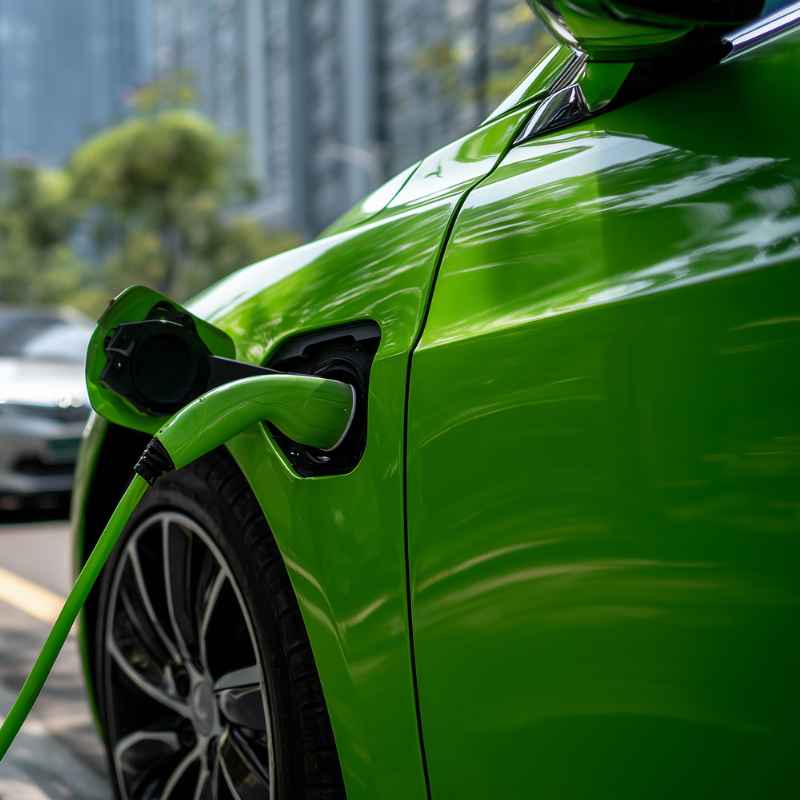
Think about the tailpipe of a gas car. It puffs out smoke. This smoke has bad stuff in it. EVs have no tailpipe. So, they don’t put those bad things directly into the air we breathe.
This is a big win for communities. Especially those near busy roads. Cleaner air means fewer breathing problems for folks, young and old. It helps make our towns healthier places to live.
Cutting Down on Greenhouse Gases
Greenhouse gases are a big problem. They trap heat in our air. This leads to climate change. Cars that use gas make a lot of these gases. Carbon dioxide is a main one.
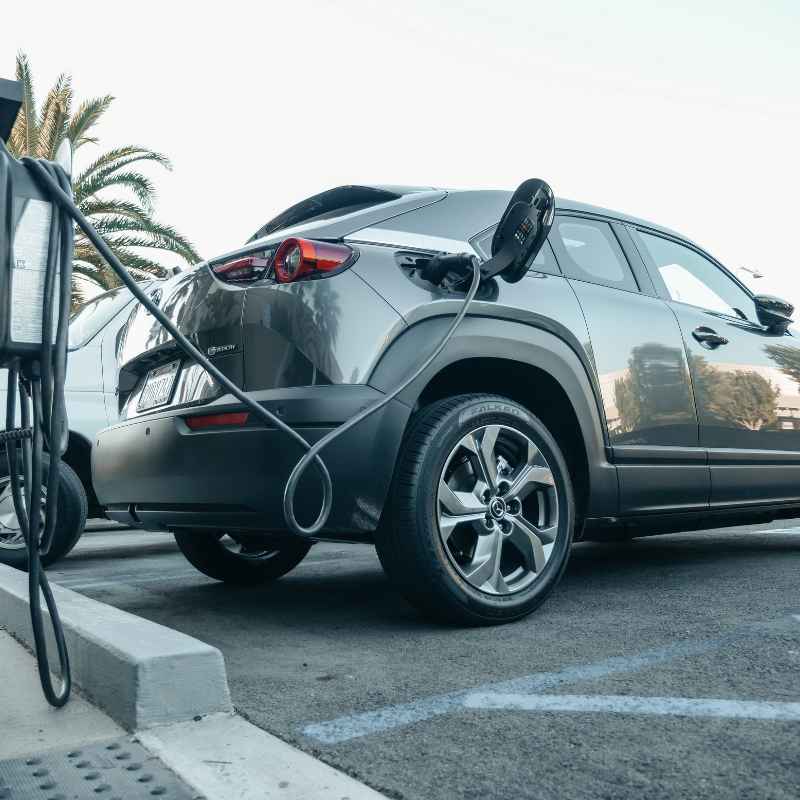
EVs produce zero tailpipe greenhouse gases. This is a huge step. It helps slow down global warming. Less heat trapped means a more stable climate for everyone.
The power for EVs can come from many sources. Some are cleaner than others. If the electricity comes from the sun or wind, then the EV is super clean. Even if it comes from some fossil fuels, it’s often still better overall.
This is because power plants are often more efficient. They can control their pollution better than millions of individual cars. So, even with mixed energy sources, EVs still lower total greenhouse gas output for transportation.
EVs vs. Gas Cars: Emissions Snapshot
- EVs: Zero tailpipe emissions.
- Gas Cars: Emit CO2, NOx, and other pollutants.
This means cleaner air where you drive.
Using Less Fossil Fuel
Our world runs a lot on oil and gas. These are fossil fuels. They are not good for the Earth. They pollute when we dig them up and when we burn them.
Cars that use gas need these fuels to move. EVs do not. They use electricity. This means less demand for oil. Less oil needed is good for many reasons. It helps protect wild places where oil is found.
It also makes countries less dependent on other nations for fuel. This is good for energy security. We can use power from local sources more easily.
The shift to EVs encourages more use of renewable energy. Things like solar and wind power. This helps build a cleaner energy system for everyone, not just cars.
My Own EV Charging Story
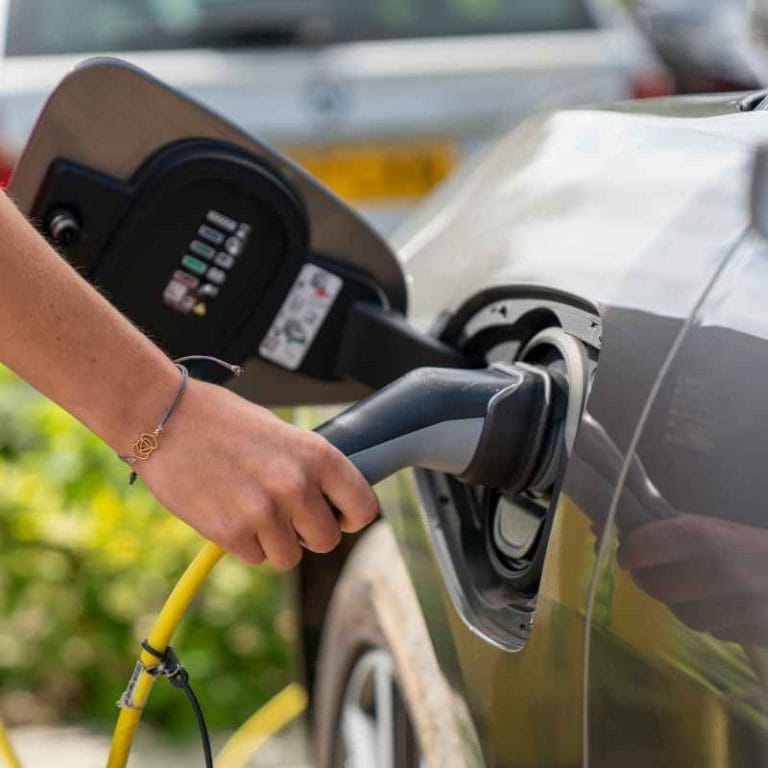
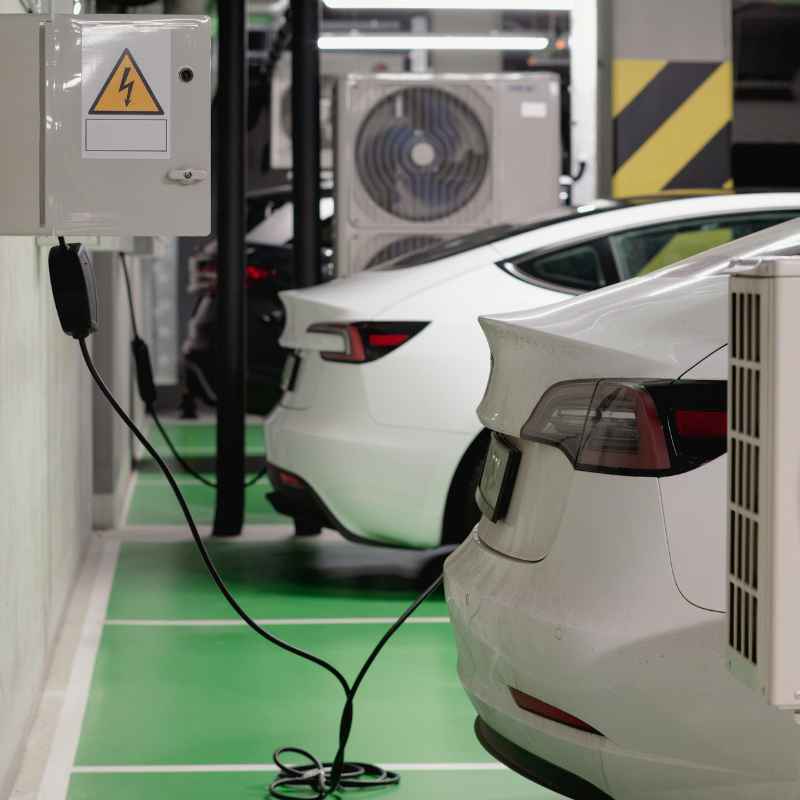
I remember the first time I charged my EV at home. It was late. I plugged it in like my phone. I woke up to a full “tank” of energy. No smelly gas station trip needed. It felt so easy.
What really struck me was the quiet. Backing out of my driveway, there was no engine rumble. Just the soft hum of the electric motor. It made my neighborhood feel more peaceful. It was a small thing, but it felt like a big change.
My neighbor, who drives a gas car, came over. He was curious. He asked, “Is it really that different?” I told him about the clean air, the quiet. He seemed to get it then. It wasn’t just about saving money. It was about living better.
Quieter Streets, Happier Cities
Noise pollution is a real problem. Loud engines and traffic add stress. They make it hard to relax or concentrate. EVs are much quieter than gas cars.
When more EVs are on the road, cities become calmer. This is a direct benefit to everyone’s well-being. Imagine less traffic noise on your walk or while sitting on your porch.
This quietness is especially good for people in apartments or homes right next to busy streets. It can improve sleep and reduce anxiety. It makes urban living more pleasant.
Sound Check: EV vs. Gas
Normal Driving Speed (30 mph):
- Gas Car: ~70 decibels (like a vacuum cleaner)
- EV: ~50 decibels (like normal conversation)
Less noise means less stress for everyone.
Reducing Our Carbon Footprint
Our carbon footprint is the total amount of greenhouse gases we cause. Transportation is a big part of this for most people. Driving gas cars adds a lot to this footprint.
Switching to an EV is a direct way to shrink your personal carbon footprint. It’s one of the most impactful changes many individuals can make.
The benefits grow as more people switch. This drives demand for cleaner electricity generation. It creates a positive cycle. The more clean energy we use, the cleaner EVs become.
Think of it like this: if your electricity is 100% renewable, your EV is practically zero-emission. Even if it’s not, it’s still often better than a gas car.
What About Battery Production?
It’s true that making EV batteries uses energy. It also uses some materials that need careful handling. This is a valid concern for many people.
However, the industry is working hard to make battery production cleaner. Companies are using more renewable energy. They are also looking at ways to recycle old batteries more effectively.
When you compare the entire life of a car, from making it to driving it and finally retiring it, EVs usually come out ahead. The pollution from making a gas car and all the gas it burns over its life is often much higher.
Recycling is key here. As battery technology improves, so does recycling. Old EV batteries can be used for other things, like storing energy from solar panels. Then, they can be broken down to reuse their valuable materials.
Battery Life Cycle Insights
Production Footprint: EVs have an upfront impact from battery making.
Driving Emissions: EVs have zero tailpipe emissions, a major win.
Recycling Efforts: The industry is improving battery recycling to reduce waste.
Overall, EVs offer a cleaner path over their lifetime.
Energy Efficiency Matters
Electric motors are very good at turning energy into motion. They are more efficient than gasoline engines. This means they waste less energy as heat.
Gas engines often lose a lot of energy through heat. Only about 20-30% of the energy from gasoline actually moves the car. The rest is lost. EVs can be 70-90% efficient. This is a big difference.
Being more efficient means EVs need less energy overall to go the same distance. This is good for the environment. It means less strain on our power grids.
It also ties back to reduced reliance on fossil fuels. The less energy we use, the less we need to produce. This benefits the entire planet.
What This Means for Your Home and Health
The benefits of EVs go beyond just the environment. They impact our daily lives and health directly.
Cleaner Air at Home: If you live near a busy road, EV adoption can mean cleaner air right outside your door. This is huge for families with kids or elders.
Reduced Health Risks: Air pollution from cars is linked to asthma, heart disease, and other serious health issues. By cutting these pollutants, EVs help create healthier communities.
Quieter Neighborhoods: The reduction in traffic noise makes our living spaces more peaceful. This can improve mental well-being.
Energy Independence: Relying less on imported oil strengthens national energy security. It also means your “fuel” can come from renewable sources you can generate yourself, like solar panels on your roof.
Everyday Benefits of EVs
| Area of Impact | EV Advantage |
|---|---|
| Air Quality | Zero tailpipe pollutants. |
| Noise Pollution | Much quieter operation. |
| Climate Impact | Lower greenhouse gas emissions. |
| Energy Use | More energy efficient. |
When Are EVs Still Not Ideal?
While EVs offer great environmental upsides, they aren’t a perfect fit for everyone right now. It’s important to be realistic.
Charging Infrastructure: If you live in an apartment with no dedicated parking, or rely heavily on public charging, it can be a challenge. Not all areas have enough fast chargers yet.
Long-Distance Travel: While EV ranges are improving, very long road trips might still require more planning for charging stops compared to a gas car.
Electricity Source: If your local grid relies heavily on coal or other dirty energy sources, the “well-to-wheel” emissions of an EV might be higher than in a region with cleaner power. However, it’s still often better than gas.
Upfront Cost: EVs can still be more expensive to buy than comparable gas cars, though government incentives and lower running costs can offset this over time. This is a big factor for many families.
Simple Checks for Your EV Journey
Thinking about making the switch? Here are a few simple things to check:
Your Daily Drive: How many miles do you drive on an average day? Most EVs have enough range for daily commutes.
Home Charging: Do you have a garage or driveway where you can install a charger? This is the most convenient way to charge.
Local Charging Options: Look up charging stations in your area. Are there enough for occasional needs? Check apps like PlugShare.
Incentives: See if there are federal, state, or local tax credits or rebates for buying an EV. These can significantly lower the purchase price.
Frequently Asked Questions About EV Benefits
Are electric cars truly better for the environment?
Yes, generally they are. Electric cars produce zero tailpipe emissions, which directly improves air quality in cities. While battery production has an environmental impact, over their lifetime, EVs typically have a lower carbon footprint than gasoline cars, especially when charged with renewable energy.
How do EVs help reduce air pollution?
EVs have no tailpipes, so they don’t release harmful pollutants like nitrogen oxides (NOx), particulate matter, and volatile organic compounds (VOCs) directly into the air. These are the gases that cause smog and respiratory problems.
What is the impact of EV batteries on the environment?
Making EV batteries requires energy and some raw materials. However, manufacturers are making batteries more sustainably and improving recycling processes. The overall environmental benefit of driving an EV typically outweighs the impact of battery production when considering the car’s entire lifespan.
Are EVs more energy efficient than gas cars?
Yes, electric motors are much more efficient at converting energy into movement than internal combustion engines. They waste less energy as heat, meaning they require less energy overall to travel the same distance.
Can charging an EV with fossil fuel power still be good?
Even when charged from grids that use some fossil fuels, EVs often have a lower overall greenhouse gas footprint. This is because power plants can be more efficient and better controlled than millions of individual car engines. Plus, the trend is towards cleaner energy sources for charging.
Do electric cars help reduce noise pollution?
Absolutely. Electric cars are significantly quieter than gasoline cars. This reduction in noise pollution makes cities and neighborhoods more peaceful and can improve the quality of life for residents.
Looking Ahead for a Greener Drive
Electric cars offer a clear path toward a cleaner future. They help reduce harmful emissions, cut down on our reliance on fossil fuels, and make our communities quieter and healthier.
As technology advances and charging becomes easier, EVs will play an even bigger role. Making the switch is a choice that benefits both you and the planet.
Products related to this article
Sponsored / affiliate links. As an Amazon Associate I earn from qualifying purchases. I may earn additional commission from eligible campaigns.