What are the Disadvantages of Owning an Electric Car: Key Drawbacks
Owning an electric car sounds exciting. The technology is modern, the cars are quiet, and you can skip gas stations. But is it all positive? Many people focus on the benefits, but there are real disadvantages that should be considered before making a big decision.
If you are thinking about buying an electric car, understanding the challenges is just as important as knowing the advantages. This article covers the main disadvantages of owning an electric car, with examples, facts, and practical advice, so you can decide with confidence.
Higher Purchase Price
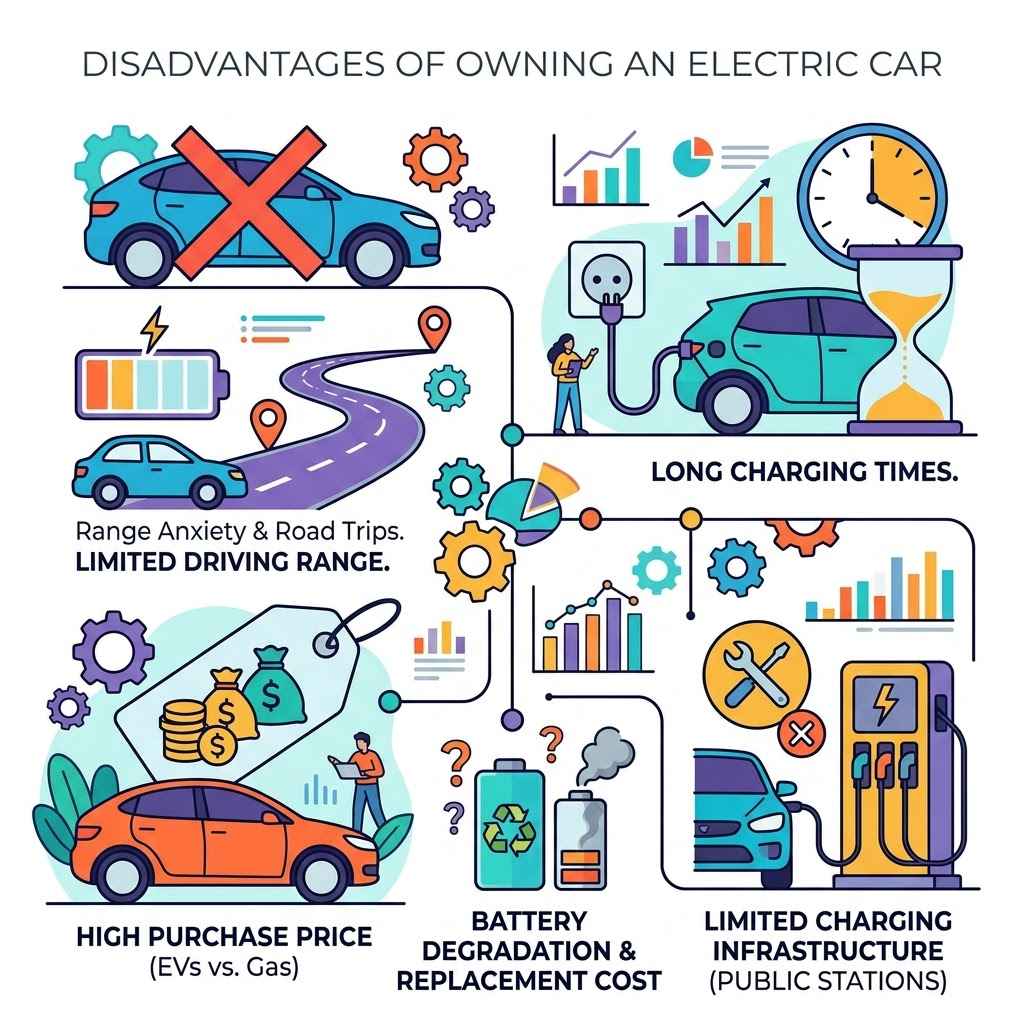
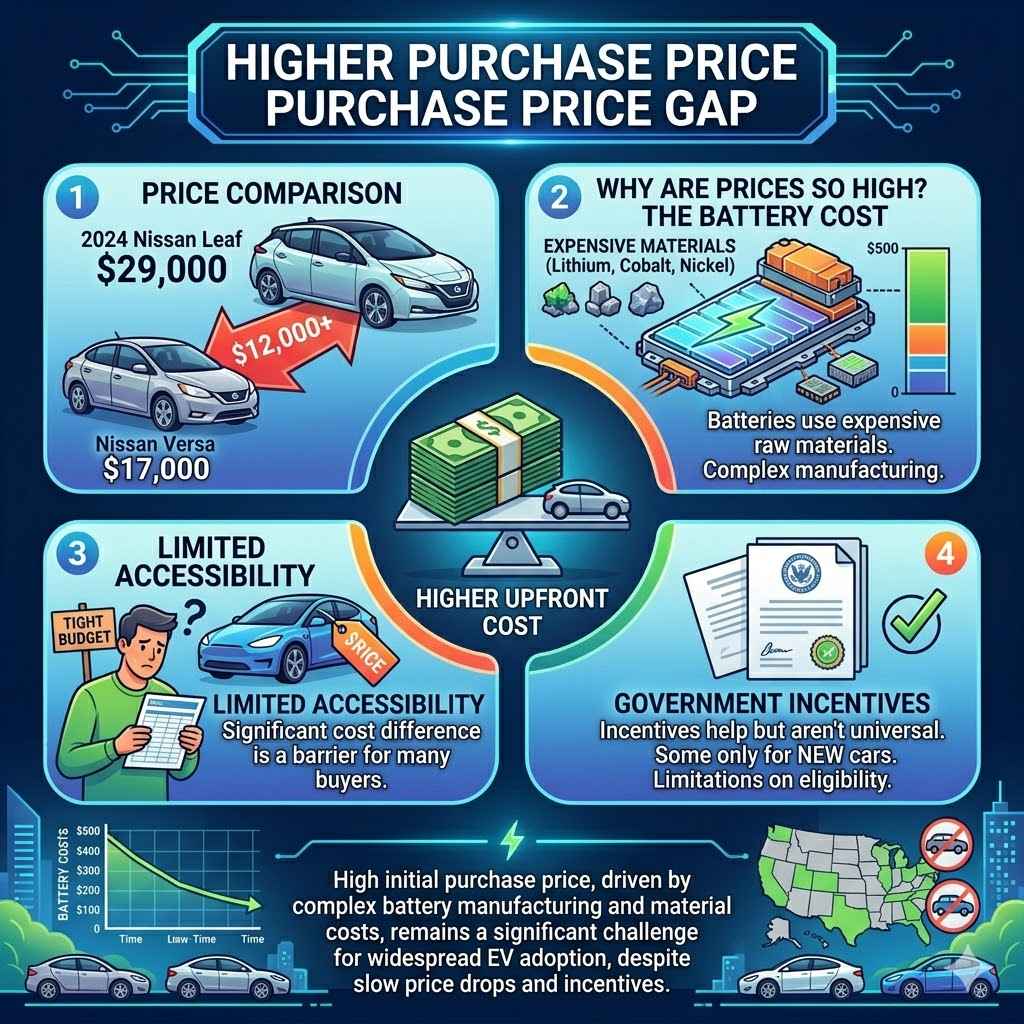
One of the first things most buyers notice is the higher upfront cost of electric cars compared to gasoline vehicles. Even with many new models on the market, the price of electric vehicles (EVs) can be $10,000–$20,000 more than similar gas-powered cars. For example, the 2024 Nissan Leaf starts at around $29,000, while the gasoline Nissan Versa begins closer to $17,000.
Why are prices so high? The main reason is the cost of the battery. Batteries use expensive materials like lithium, cobalt, and nickel. Manufacturing these batteries is complex and energy-intensive. While prices are slowly dropping, the cost difference is still significant for many buyers, especially those with a tight budget.
Government incentives can help, but these are not available everywhere. Also, some incentives are only for new cars and may not cover all electric models. This makes electric cars less accessible for people who want a reliable, affordable vehicle.
Limited Driving Range
Driving range means how far you can go on a single charge. This is one of the biggest worries for new electric car owners. Most modern EVs offer between 200–300 miles per charge, but some cheaper models may only have 120–150 miles. Compared to gasoline cars, which often go 350–500 miles on one tank, this can feel limiting.
Short range becomes a problem for long trips, rural drivers, or anyone who cannot charge every night. Cold weather, high speeds, or using air conditioning can reduce range even more. For example, studies have shown that range can drop by up to 40% in very cold weather.
This means a car with a 200-mile official range might only go 120 miles in winter.
As batteries improve, ranges are getting better, but the fear of running out of power—sometimes called “range anxiety”—is still real for many drivers.
Slow Charging Compared To Refueling
Filling a gasoline tank takes 3–5 minutes. Charging an electric car is much slower, depending on the charger type:
- Level 1 (120V home outlet): 12–24 hours for a full charge
- Level 2 (240V home/work charger): 4–10 hours
- DC Fast Charger: 30 minutes to 80% charge
Most people charge at home overnight, but if you need to charge during the day or on a road trip, it takes much longer than a gas stop. Some public chargers are also busy or out of service. While fast charging is growing, it is not available everywhere and may cost extra.
Here is a quick comparison of typical refueling vs. charging times:
| Vehicle Type | Time for Full “Refuel” | Where? |
|---|---|---|
| Gasoline Car | 3–5 minutes | Gas Station |
| EV (Level 1) | 12–24 hours | Home Outlet |
| EV (Level 2) | 4–10 hours | Home/Work Charger |
| EV (Fast Charger) | 30–60 minutes | Public Charging Station |
For drivers who are used to quick refueling, this slower pace can be frustrating, especially when traveling long distances.
Charging Infrastructure Problems
A common myth is that charging stations are everywhere. In reality, many areas—especially small towns and rural regions—have very few public chargers. Even in big cities, chargers can be busy, broken, or behind a paywall.
Unlike gas stations, which are on almost every corner, public charging networks are not as widespread. Some people cannot install a home charger because they rent, live in an apartment, or have no garage. This means they depend completely on public charging, which is not always reliable.
The U. S. Department of Energy reports that as of 2024, there are about 61,000 public charging stations in the United States, compared to more than 145,000 gas stations. Some countries have even fewer chargers. This gap makes long trips challenging and adds stress for people without home charging.
Battery Degradation Over Time
Electric car batteries do not last forever. Over years and thousands of charging cycles, the battery’s ability to hold a charge slowly drops. Most EV batteries lose about 2–3% of their capacity each year, depending on use and climate. After 8–10 years, some batteries may lose 20% or more of their original range.
For example, a car that could travel 250 miles when new might only reach 200 miles after 10 years. In hot climates, batteries degrade even faster. Replacing an EV battery is expensive—often $5,000 to $15,000—though some warranties cover battery problems for 8 years or 100,000 miles.
This gradual decline is not always visible at first, but after several years, it can be frustrating. Also, a car with a weak battery loses value on the used market.
Limited Model Variety
While electric cars are growing in number, choices are still limited compared to gasoline vehicles. Most EVs are sedans, small SUVs, or compact cars. If you want a pickup truck, minivan, or luxury sports car, options are few and often very expensive.
Some well-known brands like Tesla, Nissan, and Hyundai offer EVs, but many car makers only have one or two models. This means you may have to compromise on style, size, or features.
Special-use vehicles, like off-road trucks or vans for large families, are rare in electric form. For buyers with specific needs, this lack of variety can be a major disadvantage.
Higher Insurance Costs
Many electric cars cost more to insure than similar gasoline models. There are several reasons:
- Expensive parts: EVs have high-tech batteries and electronics.
- Limited repair shops: Fewer mechanics have the skills or tools to fix EVs.
- Higher purchase price: Insurance is often a percentage of car value.
A 2023 study found that EV insurance premiums are 15%–25% higher on average compared to gasoline cars. For example, insuring a Tesla Model 3 may cost $2,500–$3,000 per year, while a Toyota Corolla might be $1,500.
While insurance costs are changing as EVs become more common, many owners are surprised by the price difference.
Fewer Repair And Maintenance Options
While electric cars need less regular maintenance (no oil changes, fewer moving parts), repairs can be more difficult and expensive. If something breaks, you may have to visit a dealer or a special shop. Local mechanics may not have the training or equipment to fix electric car problems, especially battery or software issues.
If you live far from a big city, this can mean long drives or waiting weeks for parts. Also, labor costs for EV repairs are usually higher because of the technology involved.
Some examples of common repair challenges:
- Battery issues: Only special shops can diagnose or replace batteries.
- Software faults: Many problems need factory tools or remote updates.
- Body repairs: Some EVs have unique parts or materials.
So while you save on oil and brakes, unexpected repairs can be stressful and costly.
Lower Resale Value Uncertainty
Nobody wants to lose money when selling a car. With electric cars, the resale value can be unpredictable. This is because:
- Battery health drops over time, making older EVs less attractive.
- Newer models come out with better range and features, making old ones feel outdated quickly.
- Fewer people want used EVs, especially in areas with little charging infrastructure.
For example, a 5-year-old electric car may lose 50%–60% of its value, compared to 40%–50% for a gasoline car. Some models, like the Nissan Leaf, have even steeper drops.
Buyers should expect more uncertainty about what their EV will be worth in a few years, especially if battery technology improves rapidly.
Shorter Range In Extreme Weather
Electric car batteries are sensitive to temperature. In cold weather, batteries lose power and take longer to charge. In hot weather, they can overheat, forcing the car to slow down charging to protect the battery.
For example, a study by AAA found that EVs can lose 30%–40% of their range in freezing temperatures, especially if you use the heater. In very hot weather, using air conditioning also reduces range. Gasoline cars also lose some efficiency, but not as much.
If you live in a place with harsh winters or hot summers, you may need to plan trips more carefully and accept shorter driving distances.
Towing And Payload Limitations
Many buyers choose trucks or SUVs for towing boats, trailers, or carrying heavy loads. Most electric cars are not designed for heavy towing. When towing, the battery drains much faster, sometimes cutting range in half or worse.
For example, the Ford F-150 Lightning—a popular electric truck—has a range of 320 miles without towing. With a large trailer, this can drop below 150 miles. Also, few public chargers are built for vehicles with trailers attached, making travel more difficult.
If you need a car for regular towing or heavy cargo, electric vehicles may not meet your needs yet.
Charging At Home Is Not Always Possible
Home charging is the most convenient and cheapest way to own an electric car. But not everyone can install a charger. Renters, people in apartments, or those without a garage may not have access to a private plug.
Installing a Level 2 home charger can cost $800–$2,000, plus any electrical upgrades. Some homes may need expensive changes, especially older buildings.
Without home charging, you must rely on public stations, which are less reliable, more expensive, and often slower. This makes EV ownership less practical for many people.
Long-distance Travel Challenges
Road trips with an electric car require extra planning. You need to map out charging stops, check for working chargers, and allow extra time for charging. In some regions, charging stations are far apart or may not work with your car’s plug type.
Here’s a look at long-distance travel times for different vehicle types:
| Trip Distance | Gas Car (Time incl. Refueling) | EV (Time incl. Charging) |
|---|---|---|
| 300 miles | 5 hours (1 stop, 5 min) | 5.5–7 hours (1–2 stops, 30–60 min each) |
| 600 miles | 10 hours (2 stops, 10 min total) | 12–15 hours (2–3 stops, 30–60 min each) |
Unexpected issues, like broken chargers or full stations, can add stress and delays. For people who travel long distances often, these challenges are not minor.
Environmental Concerns With Battery Production
Many people choose electric cars to help the environment. But battery production creates its own problems. Mining for lithium, cobalt, and nickel can damage land, use large amounts of water, and sometimes involve poor working conditions.
Making a battery also produces more carbon emissions than building a gasoline engine. According to some studies, it takes an EV 2–3 years of driving to “break even” on carbon footprint compared to a gas car, depending on where the electricity comes from.
While electric cars are cleaner in the long run, buyers should know that their environmental impact is not zero.
Limited Aftermarket Accessories
For people who like to customize their cars, the aftermarket for electric vehicles is still small. There are fewer choices for wheels, sound systems, or other upgrades. Some accessories, like roof racks or towing kits, may not be available or may void the warranty.
Many EVs use special designs, making it hard for third-party companies to create compatible parts. Car owners who enjoy personalizing their vehicle may find the options limited.
Higher Electricity Costs In Some Areas
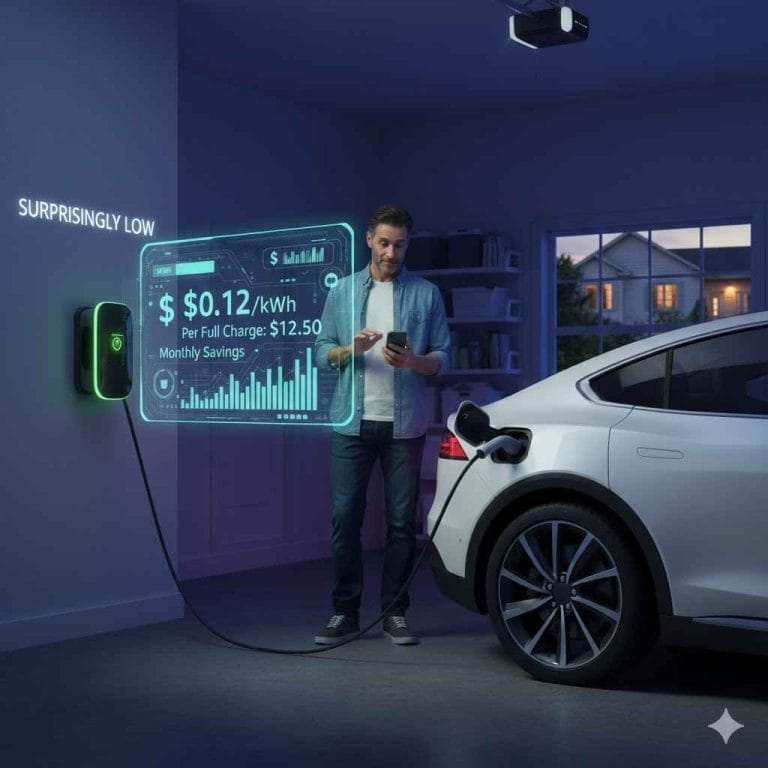
People often say electric cars are cheaper to “fuel” than gasoline cars. This is usually true—but not everywhere. In some places, electricity is expensive, especially during peak hours. Fast charging at public stations can cost as much as gasoline per mile.
For example, charging at home in California can cost $0. 25–$0. 40 per kWh, and public fast chargers can be $0. 50–$0. 60 per kWh. For a car with a 60 kWh battery, this means $30–$36 for a full charge, which might only give 200 miles.
If you live in a place with high electricity rates, or you cannot use cheap off-peak hours, the cost savings may be less than you expect.
Software And Tech Issues
Electric cars depend heavily on software for everything from driving controls to entertainment. Software bugs can cause malfunctions, screen freezes, or even prevent the car from starting.
Some EVs get “over the air” updates, but these can introduce new problems or change how features work. Owners sometimes find that a simple issue requires a dealership visit and cannot be fixed at home.
Also, not all drivers are comfortable with touch screens and advanced tech. If you prefer simple controls, the high-tech nature of electric cars may be a disadvantage.
Noise And Sensory Differences
Electric cars are much quieter than gasoline cars. For many, this is a benefit. However, some drivers miss the engine sound, especially for sporty cars. The lack of noise can also be a safety issue—pedestrians may not hear an EV coming, increasing the risk of accidents.
To address this, some countries require electric cars to make artificial sounds at low speeds, but these do not always sound natural or satisfying to drivers.
Limited Used Car Market
If you want a used car, electric options are limited. Many older EVs have short range, outdated tech, or battery problems. It is hard to find good, affordable used electric cars, especially outside big cities.
Dealers may not have the experience to check battery health, and warranties may not transfer to new owners. This makes buying a used EV riskier compared to a gasoline car.
Unique Safety Concerns
Electric cars have special safety risks, mainly related to the battery. In rare cases, batteries can catch fire after a crash or if damaged. These fires are difficult to put out and may start hours after an accident.
While major brands design EVs to be very safe, emergency responders need special training to handle battery fires. Also, some insurance companies charge more because of these risks.
Uncertain Future Regulations And Technology
The world of electric cars is changing fast. Governments may add new rules, taxes, or incentives at any time. Charging standards, plug types, and battery technology are all evolving.
For example, some regions may require only certain plug types, making older EVs less useful. If a better battery technology appears, today’s cars could lose value quickly. This uncertainty makes it hard to plan for long-term ownership.
Real-world Example: Comparing Ev And Gasoline Car Ownership
Let’s compare the main costs and practical issues for a real-world case:
| Factor | Electric Car (e.g., Nissan Leaf) | Gasoline Car (e.g., Toyota Corolla) |
|---|---|---|
| Purchase Price | $29,000 | $21,000 |
| Max Range | 150 miles | 400 miles |
| Refuel/Recharge Time | 8 hours (home), 45 min (fast) | 5 minutes |
| Annual Insurance | $2,100 | $1,400 |
| Resale Value (5 years) | ~$12,000 | ~$13,000 |
| Maintenance Cost (5 years) | $2,000 | $3,500 |
While electric cars can save money on maintenance and fuel, the higher purchase price, insurance, and charging issues may offset these savings for some buyers.
Non-obvious Insights For Potential Owners
Most first-time buyers focus on daily commuting. But two less obvious issues deserve attention:
- Battery replacement timing: If you plan to keep the car for more than 8 years, budget for a possible battery replacement. This cost can be higher than the value of the car in its old age.
- Grid limitations: In some areas, the local electrical grid cannot handle many cars charging at once. This can lead to higher rates or limits on when you can charge, which is rarely mentioned in car ads.
Also, if you move to a new home without charging access, your electric car may become difficult to use.
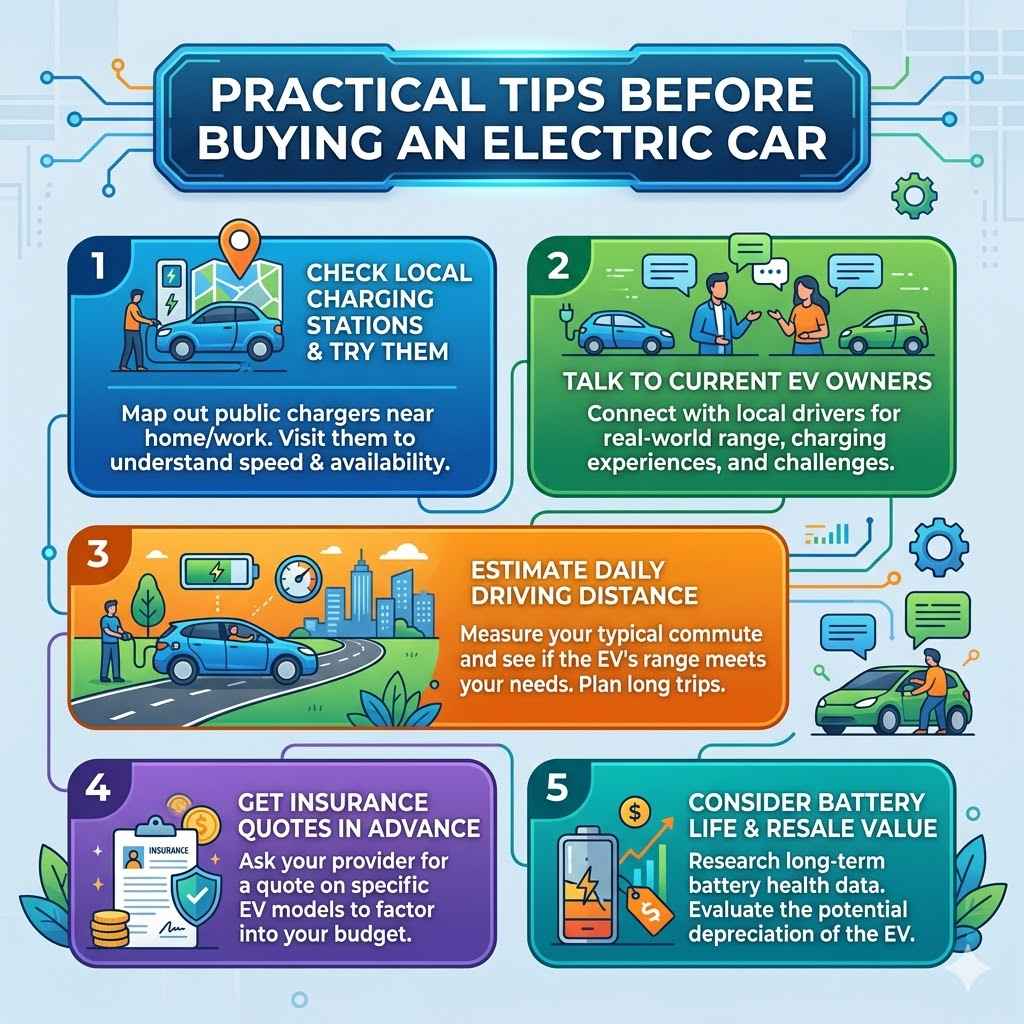
Practical Tips Before Buying An Electric Car
- Check local charging stations and try them before buying.
- Talk to current EV owners in your area about real-world range and challenges.
- Estimate your daily driving distance and see if it matches the range.
- Ask your insurance company for a quote before purchasing.
- Consider future resale value and battery life.
Frequently Asked Questions
What Happens If An Electric Car Runs Out Of Charge?
If your electric car runs out of charge, it will stop moving, just like a gasoline car with an empty tank. You will need a tow to the nearest charging station. Most EVs give strong warnings as the battery gets low, but it’s wise to plan ahead to avoid getting stranded.
Can I Charge My Electric Car In The Rain?
Yes, you can safely charge an electric car in the rain. Charging stations and plugs are designed to be weatherproof and safe in wet conditions. Always use official charging equipment and follow the car’s instructions.
How Long Does An Electric Car Battery Last?
Most electric car batteries last 8–10 years or 100,000–150,000 miles before losing significant capacity. Some batteries last longer. Factors like heat, fast charging, and driving style can affect battery life. Some manufacturers offer long battery warranties.
Are Electric Cars Really Cheaper To Maintain?
Electric cars have fewer moving parts and do not need oil changes, so basic maintenance is often cheaper. However, repairs to batteries or electronics can be expensive and may require special shops. Overall costs depend on the car model and where you live.
Where Can I Learn More About Electric Vehicles?
A good place to start is the U.S. Department of Energy’s official site: Alternative Fuels Data Center. It has facts, maps, and resources about electric vehicle charging and ownership.
Owning an electric car brings many new experiences. While there are clear benefits, understanding the disadvantages helps you make a smart choice for your lifestyle and budget. The right car depends on your driving needs, local infrastructure, and how much you value convenience, cost, and technology.