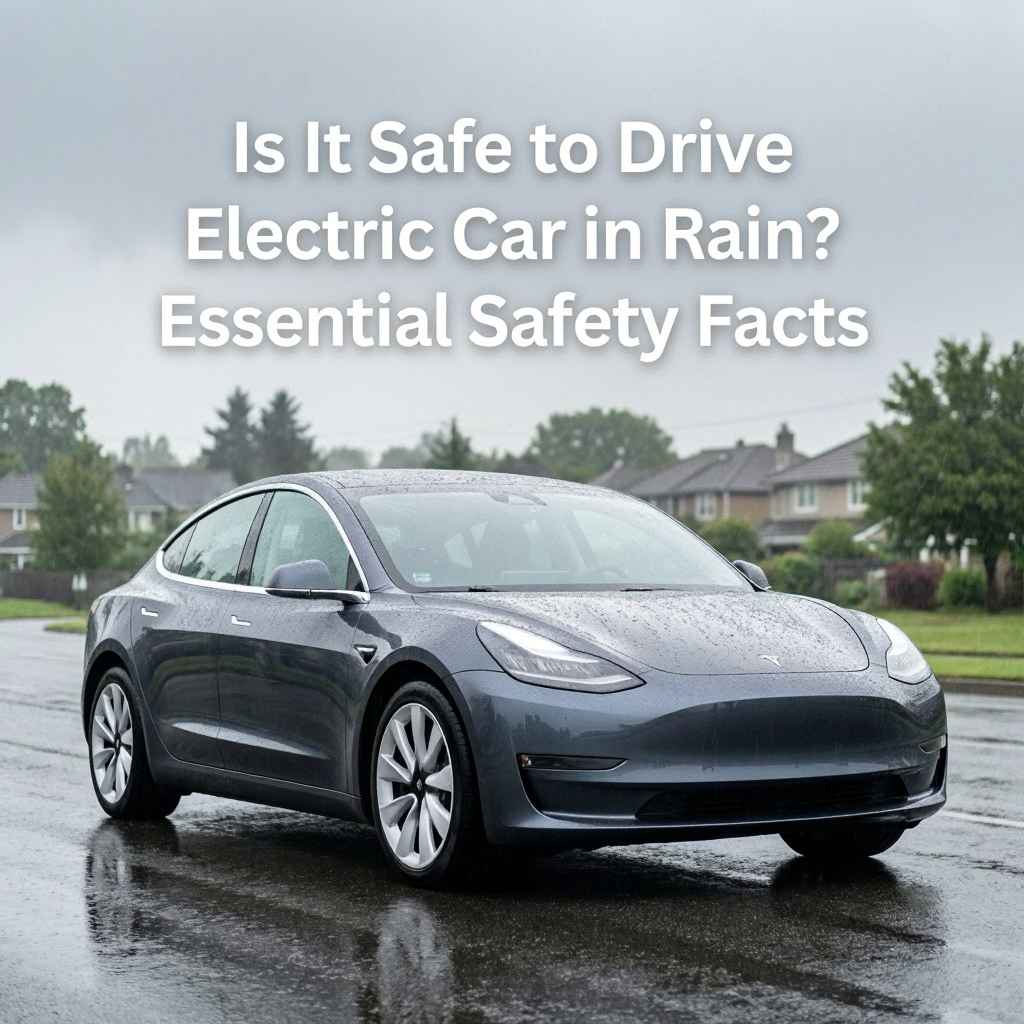
Is It Safe to Drive Electric Car in Rain? Essential Safety Facts
Is It Safe To Drive Electric Car In Rain?
Electric cars are becoming more popular every year. People love their quiet engines, fast acceleration, and low pollution. But one question worries many drivers: Is it safe to drive an electric car in the rain? After all, water and electricity are not friends. If you’re thinking about buying an electric vehicle (EV) or already own one, you might wonder if you’ll be risking your safety whenever the sky turns gray.
Let’s clear up the confusion. We’ll explore the facts, answer common questions, and look at real-life examples. You’ll learn why electric cars are made to handle wet weather, what you should watch out for, and how to drive safely in heavy rain.
By the end, you’ll have a clear, confident answer to whether you can trust your EV in rainy conditions.
How Electric Cars Are Designed For Safety In Rain
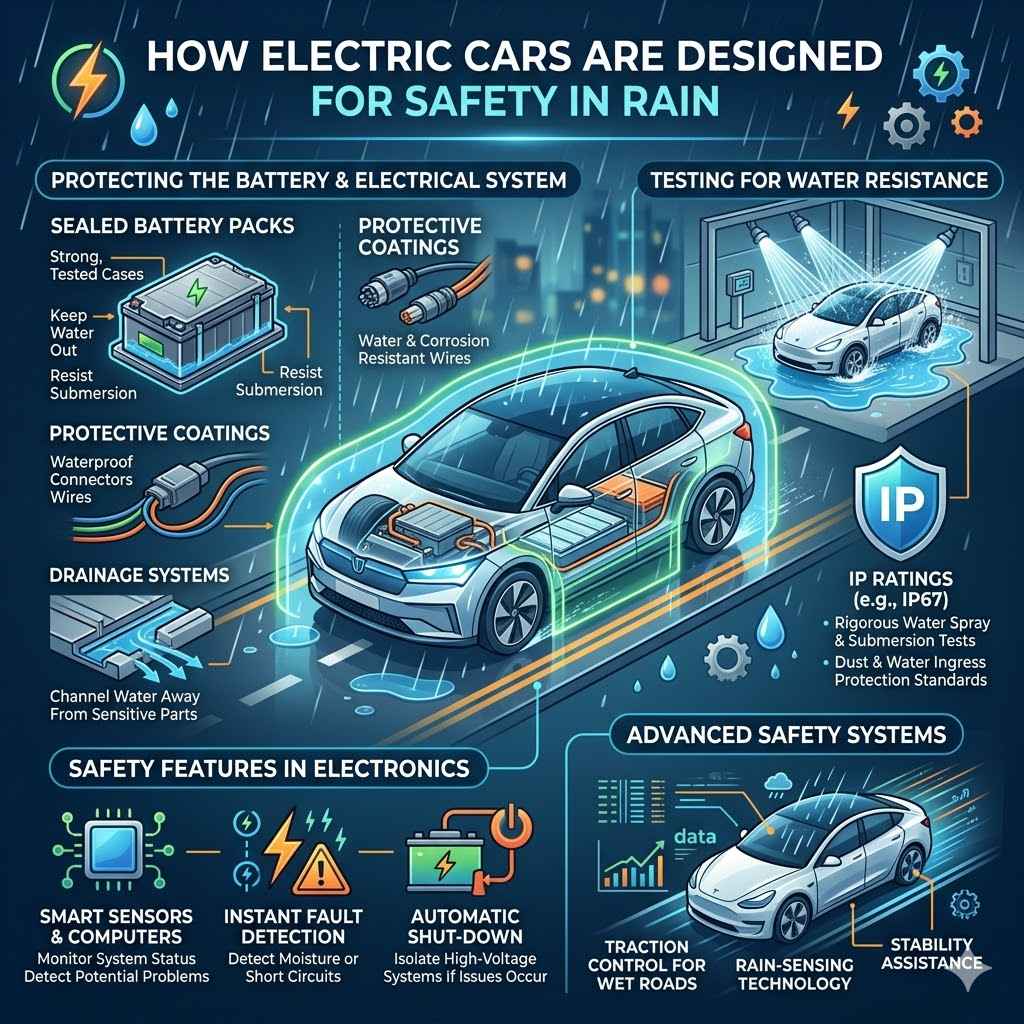
When car companies design electric vehicles, they know people will drive them in all kinds of weather. Rain, snow, or puddles are normal parts of daily life. Engineers must make sure these cars can handle moisture safely. Here’s how they do it:

JUSTTOP
JUSTTOP 4PCS Car Decal,Decorative Rearview Mirror Sticker,I…
- 【Premium Vinyl Material】Crafted from high-quality, waterproof vinyl, these car decals resist sun exposure, peeling, and cracking,…
- 【Perfect Size】Designed at 4 inches in length, these car stickers fit seamlessly on a car's rearview mirror without taking up too m…
- 【Inspiring Design】Featuring uplifting messages “I Love You, Drive Safe,” these decals let you express your beliefs and style. The…
As an Amazon Associate I earn from qualifying purchases.
Waterproofing The Battery And Electrical System
The most important part of an EV is its battery. It stores energy and powers the motor. If water got inside, it could cause a short circuit or damage the battery. To prevent this:
- Sealed battery packs: Batteries are placed inside strong, sealed cases. These cases are tested to keep water out, even during heavy rain or if the car drives through a puddle.
- Protective coatings: Wires and connectors are covered with materials that resist water and corrosion.
- Drainage systems: Some EVs have special drains to keep water away from sensitive parts.
Testing For Water Resistance
Car makers perform tough tests before selling electric vehicles. They spray cars with water, drive them in rain, and check for leaks. Most EVs must meet IP ratings (Ingress Protection), showing how well they resist water and dust. For example, many batteries are rated IP67 or better, which means they can handle being submerged in water for short periods.
Safety Features In Electronics
Modern EVs have smart computers that watch for problems. If water gets into the battery, the system can shut down the power to prevent damage or risk. This helps keep drivers safe.
Comparing Electric Cars And Gas Cars In Rain
Some people think electric cars are more dangerous in rain than traditional gas cars. Let’s look at how the two types compare:
| Feature | Electric Car | Gas Car |
|---|---|---|
| Waterproofing | High (IP-rated battery packs) | Moderate (engine parts exposed) |
| Engine Stall Risk | Low (no air intake needed) | Medium (water can enter engine) |
| Electrical Safety | Advanced (automatic shut-off) | Basic (fuses only) |
| Braking | Regenerative + standard brakes | Standard brakes only |
Electric cars actually have some advantages in wet weather. Their motors don’t need air, so driving through deep puddles is less risky than with gas engines. Also, EVs often have regenerative braking that helps drivers control speed better on slippery roads.
Real-world Evidence: Driving Electric Cars In Rain
Millions of people drive electric cars in rainy cities all over the world. Countries like Norway, the UK, and Japan have heavy rainfall, yet EVs are common there. Here are some facts:
- Norway: Over 80% of new cars sold are electric. Rainy weather is normal, and there are no reports of EVs failing due to rain.
- Tesla testing: Tesla cars are tested in extreme weather, including rain, snow, and floods. Videos show Teslas safely driving through deep water.
- Flood incidents: While floods can damage any car, EVs are no more likely to suffer water-related issues than gas cars, according to insurance data.
These examples show that electric cars are built for real-life conditions, not just dry, sunny days.
Common Concerns About Electric Cars In Rain
Even with all the safety features, people still worry about a few things. Let’s address the most common fears:
1. Battery Short Circuit
Some drivers worry that water might cause a short circuit in the battery. In reality, the battery is tightly sealed. Unless the car is damaged or the seals are broken, rain cannot get inside.
2. Charging In Rain
Can you charge your electric car in the rain? Yes, you can. Charging stations are designed to be safe, even in wet conditions. The plug and socket are made to prevent water from entering. You should always follow instructions, but the risk is very low.
3. Slippery Roads
Electric cars are usually heavier than gas cars because of their batteries. This extra weight helps tires grip the road better. Many EVs also have advanced traction control systems. Still, you should drive carefully in rain, just like with any car.
4. Flooded Roads
No car is safe in deep floods. Water can damage engines, batteries, and electronics. If you see a flooded road, do not drive through it, whether you have an electric or gas car.
How Electric Car Charging Works In Wet Weather
Charging your EV is a normal part of ownership. But what happens when it’s raining? Here’s what you need to know:
Safety Design Of Charging Equipment
- Weatherproof plugs: EV chargers are made to keep water out. The plug fits tightly and seals the connection.
- Automatic shut-off: If the charger senses a problem, it stops the flow of electricity.
- Grounding: Chargers are grounded to prevent shocks.
Steps For Safe Charging
- Park your car near the charger.
- Make sure the plug and socket are clean and dry.
- Plug in the charger. It will lock in place.
- If it’s raining, avoid standing in puddles while charging.
- Wait for the charging to finish. The charger will turn off automatically.
What Happens If You Accidentally Charge In Heavy Rain?
If you start charging in heavy rain, the system is designed to stay safe. But you should avoid splashing water directly into the socket. If you see any damage to the charger or plug, do not use it. Report it to the station owner.
Water Resistance Ratings Explained
You may see IP ratings on electric car parts, especially batteries and chargers. Here’s what they mean:
| IP Rating | Water Resistance Level | Common Use |
|---|---|---|
| IP65 | Protected from water jets | Some chargers, connectors |
| IP67 | Can be submerged for 30 minutes | Most EV battery packs |
| IP68 | Submersion beyond 1 meter | Advanced battery systems |
Higher numbers mean better protection. Most EV batteries are IP67 or higher, making them safe in rain and puddles.
Safety Tips For Driving Electric Cars In Rain
Even though electric cars are built to handle rain, it’s smart to follow safety tips:
- Check tire tread: Good tires are vital for wet roads. Worn tires can slip, no matter what car you drive.
- Drive slowly: Rain reduces traction. Keep your speed low and leave extra space for braking.
- Use headlights: Make sure you’re visible to others.
- Avoid deep puddles: Water can hide potholes or debris. It’s best to steer clear.
- Don’t charge in standing water: If the charging station is flooded, wait until water clears.
- Watch for hydroplaning: If your car starts to slide, gently lift your foot off the accelerator.
- Keep windows clear: Use defoggers to keep your view clear.
- Test brakes: After driving through water, gently tap brakes to dry them.
- Update software: Some EVs receive updates for better traction and safety.
- Stay informed: Check weather and road reports before driving.
What Happens If An Electric Car Gets Wet Inside?
Sometimes, rain can enter the car cabin—perhaps through a window left open. What about the electronics inside?
- Interior electronics: Most are protected, but water can damage screens or controls. Dry the car quickly if water gets inside.
- Battery and motor: These parts are sealed away from the cabin. Rain inside the car won’t reach them.
If your car gets soaked inside, use towels or a wet/dry vacuum. If electronics stop working, visit a service center.
Electric Cars And Floods: Risk Factors
Floods are dangerous for all vehicles. EVs are not immune, but they have some unique risks and advantages:
Unique Risks For Evs
- High voltage systems: If water reaches the battery, it can cause short circuits or corrosion.
- Corroded connectors: Water can cause damage over time if not cleaned.
Advantages For Evs
- No air intake: Gas engines can suck in water and stall. EVs don’t have this problem.
- Sealed battery: Many batteries are rated to survive short submersion.
What To Do After Flood Exposure
If your electric car is caught in a flood:
- Do not try to start the car.
- Tow it to a service center.
- Have technicians check the battery and electronics.
Flood damage can take time to appear. Corrosion may not be visible right away.
Electric Car Myths Related To Rain
With so many new EVs on the road, myths about rain safety are everywhere. Let’s clear up some of the most common ones:
Myth 1: Electric Cars Will Electrocute You In Rain
EVs are built with multiple safety layers. High voltage parts are sealed and grounded. The risk of electric shock is extremely low.
Myth 2: Evs Cannot Drive Through Puddles
Most electric cars can handle puddles just like gas cars. The battery is protected, and motors are designed for wet conditions.
Myth 3: Charging In Rain Will Cause Fire
Charging stations are weatherproof. Fires from rain are almost unheard of. Most incidents are caused by damaged equipment, not rain.
Myth 4: All Evs Have The Same Protection
Different brands may offer different levels of water resistance. Check your car’s manual for details.
Case Studies: Electric Cars In Heavy Rain
Learning from real-life examples helps us understand safety better. Here are a few cases:
Tesla Model 3 In Monsoon
In India, drivers tested the Tesla Model 3 during heavy monsoon rains. Videos showed the car driving through deep water without problems. The battery pack stayed dry, and the car worked as normal.
Nissan Leaf In Flooded Streets
In the UK, the Nissan Leaf was driven through flooded streets. Owners reported no battery issues, but some cabin electronics needed drying. The sealed battery pack prevented damage.
Chevrolet Bolt In Storms
US owners drove their Chevrolet Bolt in storms and heavy rain. The car’s traction control worked well, and no electrical problems were reported.
These examples show that modern EVs can handle tough weather, as long as you follow basic safety rules.
Electric Car Safety Standards
EV makers must follow strict rules to sell their cars. Standards cover water resistance, electrical safety, and crash tests. Some important standards include:
- UN Regulation No. 100: Covers electrical safety for EVs.
- SAE International J2929: Sets rules for battery safety.
- IP ratings: Show water and dust protection.
Cars must pass these tests before reaching customers. This gives drivers confidence in rainy conditions.
Non-obvious Insights: What Most Beginners Miss
Most people know the basics, but here are two insights that are often overlooked:
- Battery chemistry matters: Some EVs use lithium-ion batteries, while others use different types. Lithium-ion batteries are more sensitive to water, so extra sealing is used. Knowing your battery type can help you understand your car’s protection level.
- Climate affects wear: If you live in a very wet climate, seals and connectors may wear out faster. Regular service checks are more important for EVs in rainy areas.
Maintenance For Electric Cars In Rainy Climates
To keep your electric car safe and reliable in rain:
- Inspect seals: Check battery and connector seals during regular service.
- Clean connectors: Remove dirt and moisture from charging ports.
- Update software: New updates can improve water detection and traction.
- Check tire pressure: Proper pressure helps prevent slipping.
If you notice any warning lights or electrical issues after rain, visit a service center.
How To Choose An Electric Car For Rainy Areas
If you live somewhere with lots of rain, here’s what to look for:
- High IP rating: Choose cars with IP67 or IP68 battery packs.
- Good traction control: Look for advanced safety systems.
- Reliable charging port: Make sure the port is weatherproof.
- Well-sealed cabin: Avoid leaks inside the car.
Some brands known for strong rain protection include Tesla, Hyundai, and Nissan.
Comparing Electric Car Models For Rain Safety
Below is a comparison of popular EVs and their rain safety features.
| Model | Battery IP Rating | Traction Control | Charging Port Protection |
|---|---|---|---|
| Tesla Model 3 | IP67 | Advanced | Weatherproof |
| Nissan Leaf | IP67 | Standard | Weatherproof |
| Hyundai Ioniq 5 | IP68 | Advanced | Weatherproof |
| Chevrolet Bolt | IP67 | Standard | Weatherproof |
When Not To Drive Your Electric Car In Rain
While EVs are safe in normal rain, there are times to stay off the road:
- Heavy floods: Water can reach sensitive parts. Stay safe and wait.
- Lightning storms: Charging during lightning is risky. Wait until the storm passes.
- Severe weather warnings: If officials advise staying home, follow their advice.
The Science Behind Electric Car Water Safety
Engineers use science to keep EVs safe:
- Hydrophobic materials: These repel water, keeping parts dry.
- Smart sensors: The car detects moisture and can shut down if needed.
- Isolation barriers: High voltage parts are separated from the car body.
These systems work together to keep you safe, even during heavy rain.
Insurance For Electric Cars In Rainy Regions
If you live in a rainy place, insurance can help protect your investment:
- Comprehensive coverage: Covers flood and water damage.
- Special EV policies: Some companies offer extra protection for batteries.
Always ask your insurance company about water-related risks. Many offer discounts for EVs with high safety ratings.
What To Do If Your Electric Car Gets Wet
If your car gets wet, here’s what to do:
- Turn off the car: Stop driving and turn off the power.
- Check for warning lights: If any appear, contact a service center.
- Dry the interior: Use towels or a vacuum.
- Avoid charging: If the car is wet, wait until it’s dry.
- Visit a technician: If you suspect water reached the battery or electronics.
Environmental Impact: Rain And Electric Cars
Rain does not harm the environment directly, but it affects electric cars in other ways:
- Cleaner air: EVs help reduce pollution, even on rainy days.
- Less oil runoff: Gas cars leak oil in rain, which pollutes water. EVs do not.
Driving an EV in the rain helps keep streets cleaner and air fresher.
Electric Cars In Extreme Rain: Technology Advances
New technology is making EVs even safer in wet weather:
- Better seals: Materials last longer and resist water better.
- Improved sensors: Cars can detect water and adjust driving automatically.
- Wireless charging: Some systems work without plugs, reducing water risk.
These advances help EVs work well in all climates.
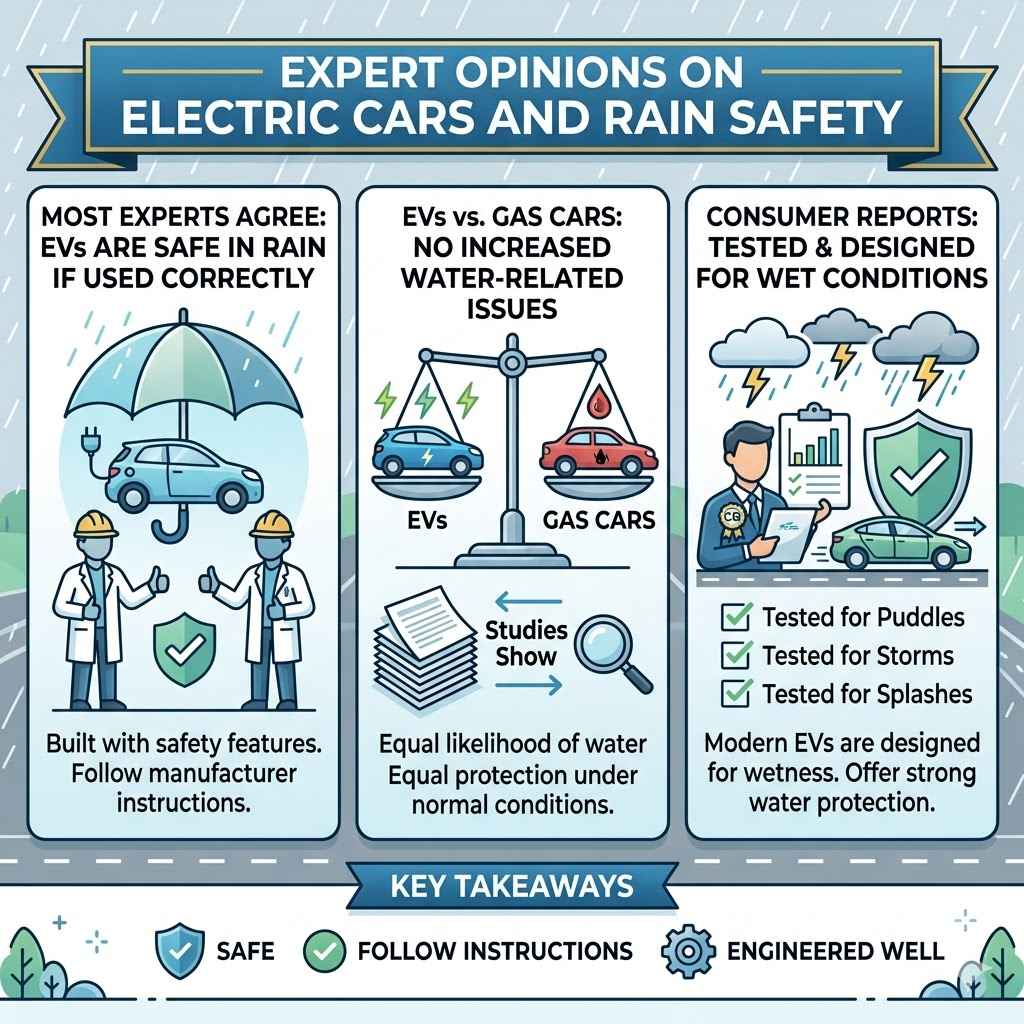
Expert Opinions On Electric Cars And Rain Safety
Most experts agree: electric cars are safe in rain if used correctly. Studies show EVs are no more likely to suffer water-related issues than gas cars. According to Consumer Reports, modern electric cars are tested to handle wet conditions and offer strong protection.
Frequently Asked Questions
Is It Safe To Charge An Electric Car In The Rain?
Yes, charging stations and cables are designed to be weatherproof. Always follow instructions and avoid standing in puddles while charging.
Can Water Damage The Battery In An Electric Car?
Not during normal rain. The battery is sealed and protected. Only deep floods or damaged seals pose a risk.
Are Electric Cars More Likely To Stall In Rain Than Gas Cars?
No, EVs are less likely to stall because they don’t need air intake. Gas engines can stall if water enters the air system.
What Should I Do If My Electric Car Gets Flooded?
Do not try to start the car. Tow it to a service center for inspection. Water can cause hidden damage.
Is It Safe To Drive Through Puddles With An Electric Car?
Yes, as long as the puddle is not too deep. Avoid flooded roads and follow normal safety rules.
Electric cars are built for rainy conditions. With smart design, strong safety standards, and good habits, you can drive confidently in wet weather. If you take care of your EV and follow safety tips, rain is not a reason to worry.
The world is moving to electric, and rainy days are just another part of the journey.
Related pick: Check today's price on Amazon
Products related to this article
Sponsored / affiliate links. As an Amazon Associate I earn from qualifying purchases. I may earn additional commission from eligible campaigns.