How Much Does Electric Car Cost To Charge At Home Proven Cost
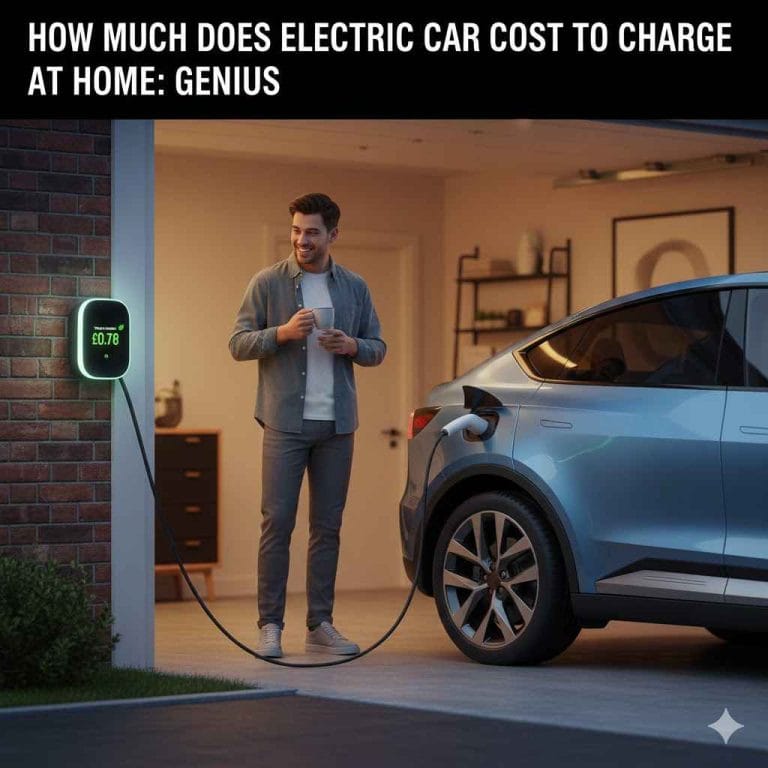
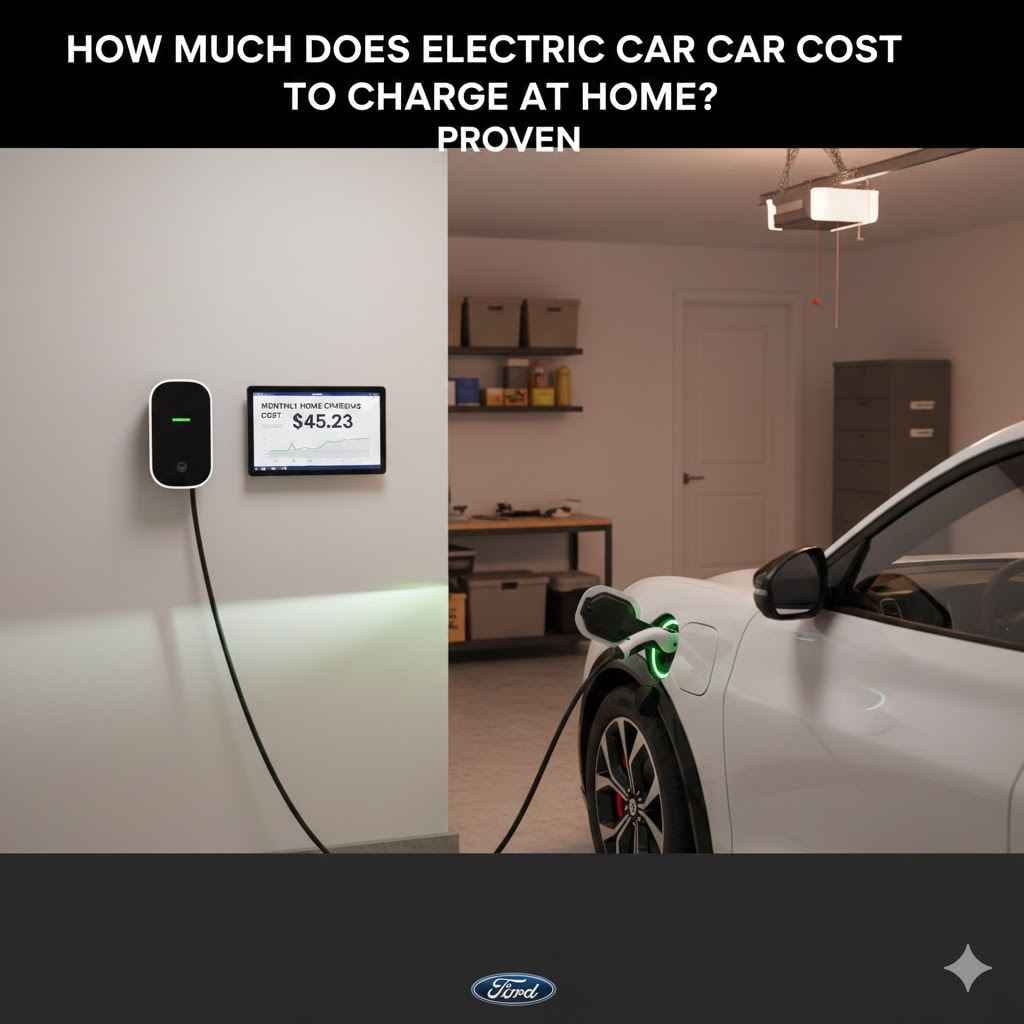
Charging an electric car at home typically costs between $5 and $20 for a full charge. The exact price depends on your local electricity rate (cents per kilowatt-hour) and the size of your car’s battery. On average, it costs less than 5 cents per mile, making it much cheaper than gasoline.
Wondering about the real cost of charging an electric car at home? You’re not alone. Many drivers hear that EVs save money, but the details can feel fuzzy. It’s easy to get confused by terms like “kilowatt-hours” and “time-of-use rates.” It can make you question if switching to electric is truly cheaper.
But don’t worry, figuring this out is much simpler than it sounds. You don’t need to be an electrician or a math whiz. In this guide, I’ll walk you through a simple, step-by-step way to calculate your exact charging cost. We’ll break down the key factors, look at real-world examples, and show you exactly how to find the numbers you need. Let’s uncover the true cost and see how much you can save.
Understanding the Key Factors That Determine Your Charging Cost
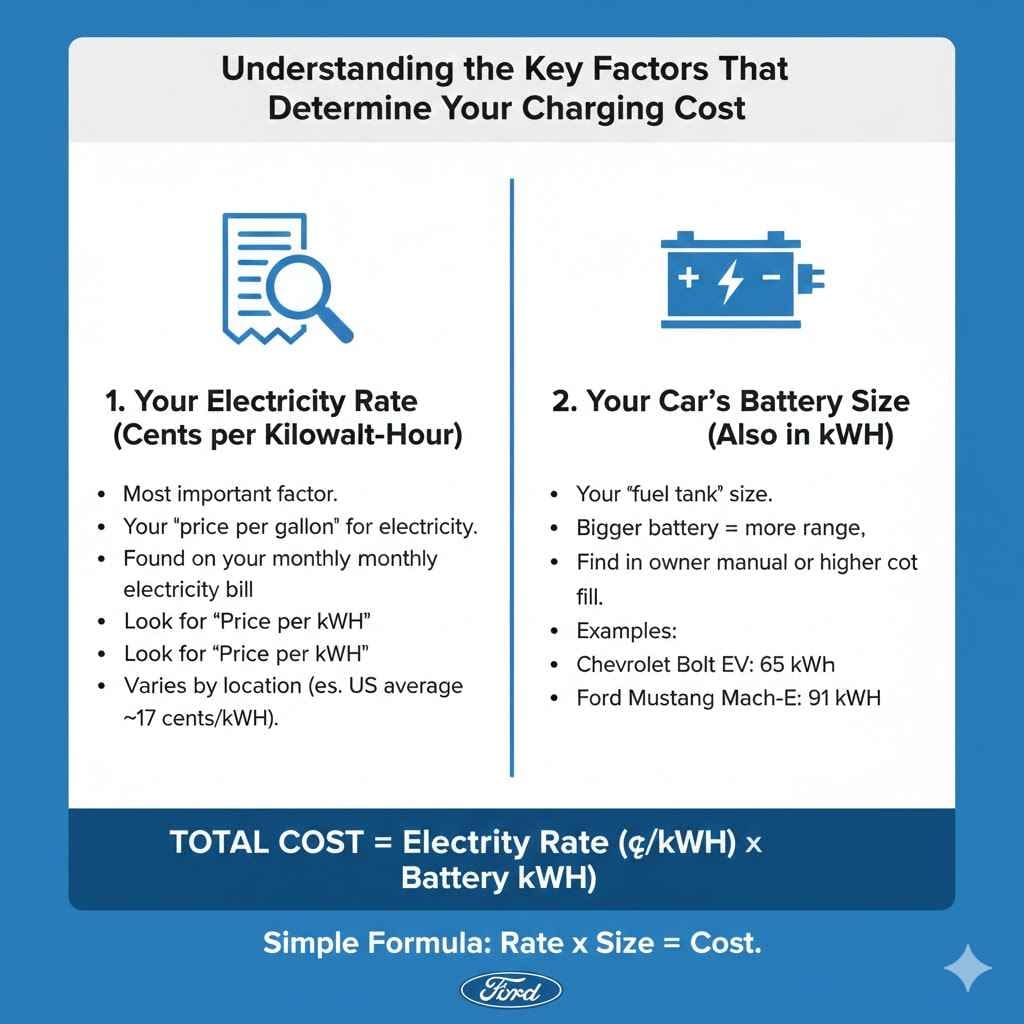
When you fill up a gas car, you think about two things: how many gallons the tank holds and the price per gallon. Charging an electric vehicle (EV) is almost the same, we just use different words. There are only two main things you need to know to figure out your cost.

Best Choice Products
Best Choice Products Kids 12V Electric Ride…
- OFFICIALLY LICENSED FORD MUSTANG: Turn your child's playtime into a thrilling adventure, courtesy of this licensed, Ford Mustang r…
- 60 MINUTE RUN TIME: A fully rechargeable 12V battery allows your child to enjoy this toy for up to an hour at a time with max spee…
- PARENTAL REMOTE CONTROL OPTION: Let your child take the wheel or use the included remote to join the fun as you guide them on thei…
As an Amazon Associate I earn from qualifying purchases.
1. Your Electricity Rate (Cents per Kilowatt-Hour)
This is the most important number. A kilowatt-hour (kWh) is simply a unit of energy, just like a gallon is a unit of gasoline. Your utility company charges you for every kilowatt-hour of electricity you use. Think of it as the “price per gallon” for your car’s energy.
Where do you find this rate? It’s printed right on your monthly electricity bill. Look for a line item that says “Price per kWh” or “Electricity Supply Charge.” It will be a small number, usually somewhere between 10 and 30 cents.
Electricity prices vary a lot depending on where you live. Some states have very cheap power, while others are more expensive. According to the U.S. Energy Information Administration (EIA), the national average is around 17 cents per kWh. But it’s always best to check your own bill for the most accurate number.
2. Your Car’s Battery Size (Also in kWh)
This is the “size of your fuel tank.” A bigger battery holds more energy, which gives you more range, but it also costs more to fill up from empty. Battery size is also measured in kilowatt-hours (kWh).
Here are the battery sizes for a few popular electric cars to give you an idea:
- Chevrolet Bolt EV: 65 kWh
- Tesla Model 3 (Long Range): 82 kWh
- Ford Mustang Mach-E (Extended Range): 91 kWh
- Hyundai Ioniq 5 (Long Range): 77.4 kWh
You can easily find your car’s battery size in the owner’s manual or with a quick search online. Knowing this number is the second key to unlocking your charging cost.
The Simple Formula to Calculate Your EV Charging Cost
Now that you have your two key numbers, the math is incredibly simple. You just multiply them together. Here is the formula you can use every time:
Cost to Fill Up = Your Car’s Battery Size (kWh) x Your Electricity Rate ($ per kWh)
Let’s walk through an example together. Imagine you own a Chevrolet Bolt EV with its 65 kWh battery. You check your electricity bill and see that you pay 15 cents ($0.15) per kWh.
Here’s the calculation:
65 kWh (Battery Size) x $0.15 (Your Rate) = $9.75
That’s it! It would cost you $9.75 to charge your Chevy Bolt from 0% to 100% at home. It’s important to remember that you will almost never charge from a completely empty battery. Most drivers top up their car each night, similar to charging a smartphone. You might only add 10 to 20 kWh of energy, which would cost just a few dollars.
Real-World Examples: Charging Costs for Popular EVs
To give you a better idea of what to expect, let’s look at the costs for some of the most popular EVs on the road. In the table below, we’ll use the U.S. average electricity rate (about $0.17 per kWh), a lower rate from a state like Idaho (about $0.11 per kWh), and a higher rate from a state like California (about $0.28 per kWh).
This shows you just how much location matters, but even in the most expensive states, home charging is still a bargain compared to gas.
| EV Model | Battery Size (Approx.) | Cost at Low Rate ($0.11/kWh) | Cost at Average U.S. Rate ($0.17/kWh) | Cost at High Rate ($0.28/kWh) |
|---|---|---|---|---|
| Tesla Model 3 (Long Range) | 82 kWh | $9.02 | $13.94 | $22.96 |
| Ford Mustang Mach-E (Ext. Range) | 91 kWh | $10.01 | $15.47 | $25.48 |
| Chevrolet Bolt EV | 65 kWh | $7.15 | $11.05 | $18.20 |
| Hyundai Ioniq 5 (Long Range) | 77.4 kWh | $8.51 | $13.16 | $21.67 |
| Kia EV6 (Long Range) | 77.4 kWh | $8.51 | $13.16 | $21.67 |
Level 1 vs. Level 2 Charging: Does It Affect Your Cost?
When you charge at home, you have two main options: Level 1 and Level 2. It’s a common question whether one is cheaper than the other. Let’s clear that up.
- Level 1 Charging: This is when you plug your car into a standard 120-volt wall outlet, the same kind you use for a lamp or a TV. It’s very slow, adding only 3-5 miles of range per hour.
- Level 2 Charging: This uses a more powerful 240-volt outlet, like the one for an electric dryer or oven. A Level 2 charger must be professionally installed but is much faster, adding 20-60 miles of range per hour.
So, does the speed affect the price? The simple answer is no. Your utility company charges you the same rate per kWh no matter how quickly or slowly you use the electricity. A kilowatt-hour costs the same whether it goes to your car, your refrigerator, or your television.
However, there’s a small detail to consider: charging efficiency. During any charging process, a little bit of energy is lost as heat. Level 1 charging takes much longer, so that small energy loss happens over a longer period. This can make it slightly less efficient than Level 2 charging. The difference is very small, maybe adding a few cents to a full charge. For most people, it’s not enough to worry about. The main cost difference is the one-time installation of a Level 2 charger, which can range from $500 to $2,000.
Smart Ways to Lower Your Home Charging Bill
One of the best things about owning an EV is that you can control your “fueling” costs even more. With a few simple tricks, you can make home charging even cheaper. Here are the most effective ways to save.
1. Charge During Off-Peak Hours
Many electric companies offer special rate plans called “Time-of-Use” (TOU) plans. With a TOU plan, the price of electricity changes throughout the day. It’s most expensive during “peak” hours when everyone is using a lot of power (usually in the late afternoon and early evening). It’s much cheaper during “off-peak” hours, typically overnight.
By simply charging your car late at night, you can cut your cost in half or even more. Check your utility company’s website to see if they offer a TOU or specific EV rate plan. It’s the single biggest money-saver for EV owners.
| Time of Day | Typical Rate per kWh | Cost to Add 40 kWh (about 120-150 miles) |
|---|---|---|
| Peak Hours (4 PM – 9 PM) | $0.35/kWh | $14.00 |
| Off-Peak Hours (12 AM – 6 AM) | $0.12/kWh | $4.80 |
As you can see in the example above, making this one change saves over $9 for the same amount of energy. It really adds up!
2. Use Your Car’s Scheduled Charging Feature
You don’t have to stay up late to plug in your car. Nearly every electric car has a “scheduled charging” or “departure time” feature. You can program your car to only start charging when your cheap, off-peak rates begin. You just plug it in when you get home, and the car waits for the right time to start. You’ll wake up to a full battery and a lower bill.
3. Check for Utility Rebates and Incentives
Electric companies want you to own an EV because it helps balance the energy grid, especially if you charge at night. Because of this, many offer special rebates. You might get a one-time bill credit for buying an EV or money back for installing a Level 2 home charger. The U.S. Department of Energy maintains a list of state and utility incentives, so it’s worth checking what’s available in your area.
4. Consider Solar Panels
For the ultimate in long-term savings, you can install solar panels on your roof. This is a bigger upfront investment, of course. But once they are installed, you are essentially generating your own free fuel from the sun. Charging your car during the day with solar power can bring your driving costs down to nearly zero.
Comparing Home Charging vs. Public Charging vs. Gasoline
To truly understand the value of home charging, it helps to see how it compares to the alternatives. The savings are often much bigger than people realize.
Home Charging
As we’ve seen, this is by far the cheapest option. You’re paying the low residential rate for electricity. The cost per mile is incredibly low, often between 3 and 5 cents per mile.
Public DC Fast Charging
These are the super-fast chargers you find along highways, perfect for road trips. They are built for convenience, not for daily savings. The price for DC fast charging is much higher, often 2 to 4 times what you pay at home. A typical rate is between 30 and 70 cents per kWh. A full charge at one of these stations could easily cost $30 to $50. Think of it like buying a snack at a gas station—you pay a premium for the convenience.
Gasoline
This is where the savings become crystal clear. Let’s compare an EV to a similar-sized gas car.
- Gas Car Example: A car that gets 30 miles per gallon (MPG). To drive 300 miles, it needs 10 gallons of gas. If gas costs $3.75 per gallon, that trip costs $37.50.
- Electric Car Example: An efficient EV gets about 3.5 miles per kWh. To drive 300 miles, it needs about 86 kWh of energy. Charging at home at an average rate of $0.17 per kWh, that same trip costs just $14.62.
In this everyday example, the EV driver saves over $22 on a single “tank.” Over a year of driving, these savings can easily add up to $1,000 or more.
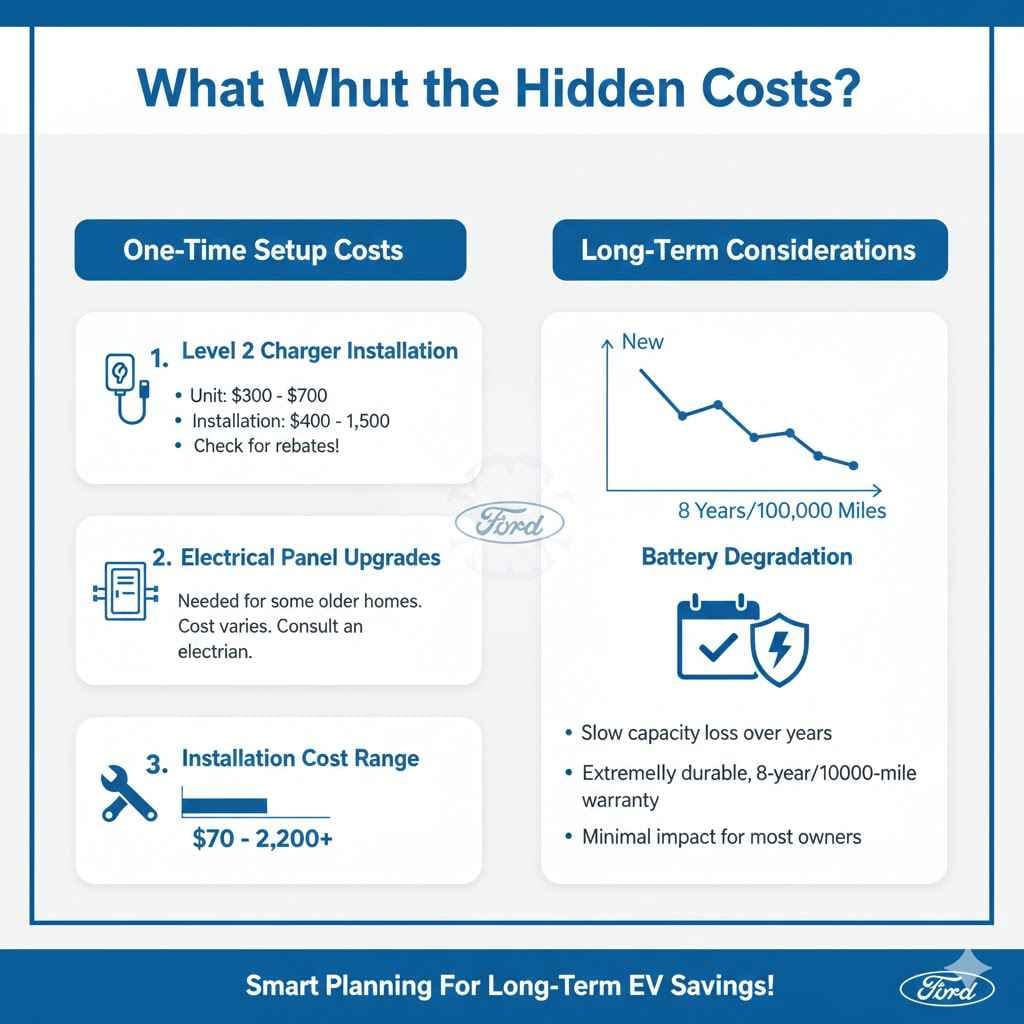
What About the Hidden Costs?
It’s fair to ask if there are other costs involved. While the per-mile cost is very low, there can be some one-time expenses to get started with home charging.
- Level 2 Charger Installation: As mentioned, a Level 2 charger gives you much faster and more convenient charging. The unit itself can cost between $300 and $700, and professional installation can cost anywhere from $400 to $1,500, depending on the complexity of the wiring. Remember to check for rebates that can lower this cost.
- Potential Electrical Panel Upgrades: In some older homes, the main electrical panel may not have enough capacity to handle a new 240-volt circuit for an EV charger. If an upgrade is needed, this can add to the installation cost. An electrician can tell you if this is necessary for your home.
- Battery Degradation: Just like the battery in your phone, an EV battery will slowly lose some of its total capacity over many years and many miles. This is called degradation. However, modern EV batteries are designed to be extremely durable. They are typically warrantied for 8 years or 100,000 miles, and many are lasting much longer with minimal capacity loss. It’s not a direct charging cost, but it’s part of the long-term ownership picture.
Frequently Asked Questions (FAQ)
Is it cheaper to charge an electric car at home or at a station?
It is always cheaper to charge your electric car at home. Public charging stations, especially DC fast chargers, charge a premium for convenience and speed. Home charging uses your low residential electricity rate, making it the most affordable way to fuel your EV.
How much will my electricity bill go up with an EV?
This depends on how much you drive. If you drive an average of 1,000 miles per month, you might use around 300 kWh of electricity. At an average rate of $0.17 per kWh, that would add about $51 to your monthly bill. Remember, you won’t be paying for gasoline anymore, so your total transportation cost will be much lower.
Can I just use a regular outlet to charge my EV?
Yes, you can. This is called Level 1 charging, and all EVs come with a cord that allows you to plug into a standard 120-volt wall outlet. It is very slow, so it works best for people who drive less than 30-40 miles per day and can charge overnight for 10-12 hours.
Do I need a special meter from my electric company?
In most cases, you do not need a special meter. However, if you sign up for a dedicated EV charging rate plan, your utility company may want to install a separate meter just for your charger to accurately bill you at the lower rate. They will let you know if this is required.
Does charging my EV to 100% every night damage the battery?
To maximize battery lifespan, most manufacturers recommend setting your daily charging limit to 80% or 90%. You should only charge to 100% when you need the full range for a long trip. Most EVs make it very easy to set this charging limit right from the car’s touchscreen or smartphone app.
How long does it take to charge an EV at home?
With a Level 1 charger (standard outlet), it can take over 24 hours to fully charge a long-range EV from empty. With a Level 2 charger (240-volt), most EVs can be fully charged overnight in 6 to 10 hours.
Are there any tax credits for installing a home charger?
Yes, there has been a federal tax credit available for home charging equipment and installation. The Residential Clean Energy Credit covers 30% of the cost. Tax laws can change, so it’s a good idea to check with a tax professional or look up the latest information on the IRS website.
Your Final Takeaway on Home Charging Costs
Figuring out your home charging cost doesn’t have to be complicated. Once you know your electricity rate and your car’s battery size, the simple formula we covered gives you the power to calculate your costs with confidence. For most people, a full “tank” of electricity will cost between $5 and $20—a fraction of the price of gasoline.
Remember that the real magic comes from charging smart. Using off-peak rates and your car’s scheduling features can unlock even deeper savings, making the switch to an electric vehicle one of the best financial decisions a driver can make. You’re not just getting a new car; you’re getting a cheaper, cleaner, and more convenient way to fuel your daily life.
Related pick: Check today's price on Amazon