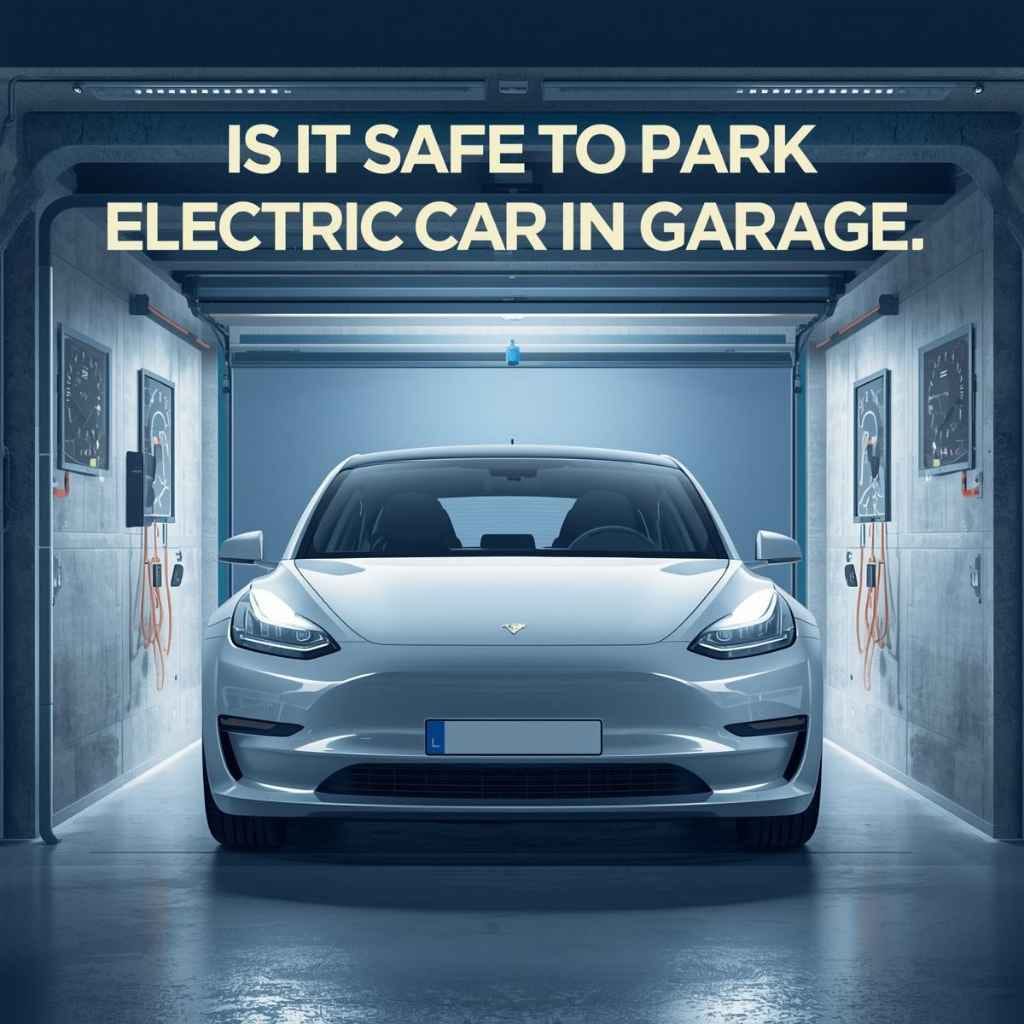
Is It Safe to Park Electric Car in Garage? Essential Facts
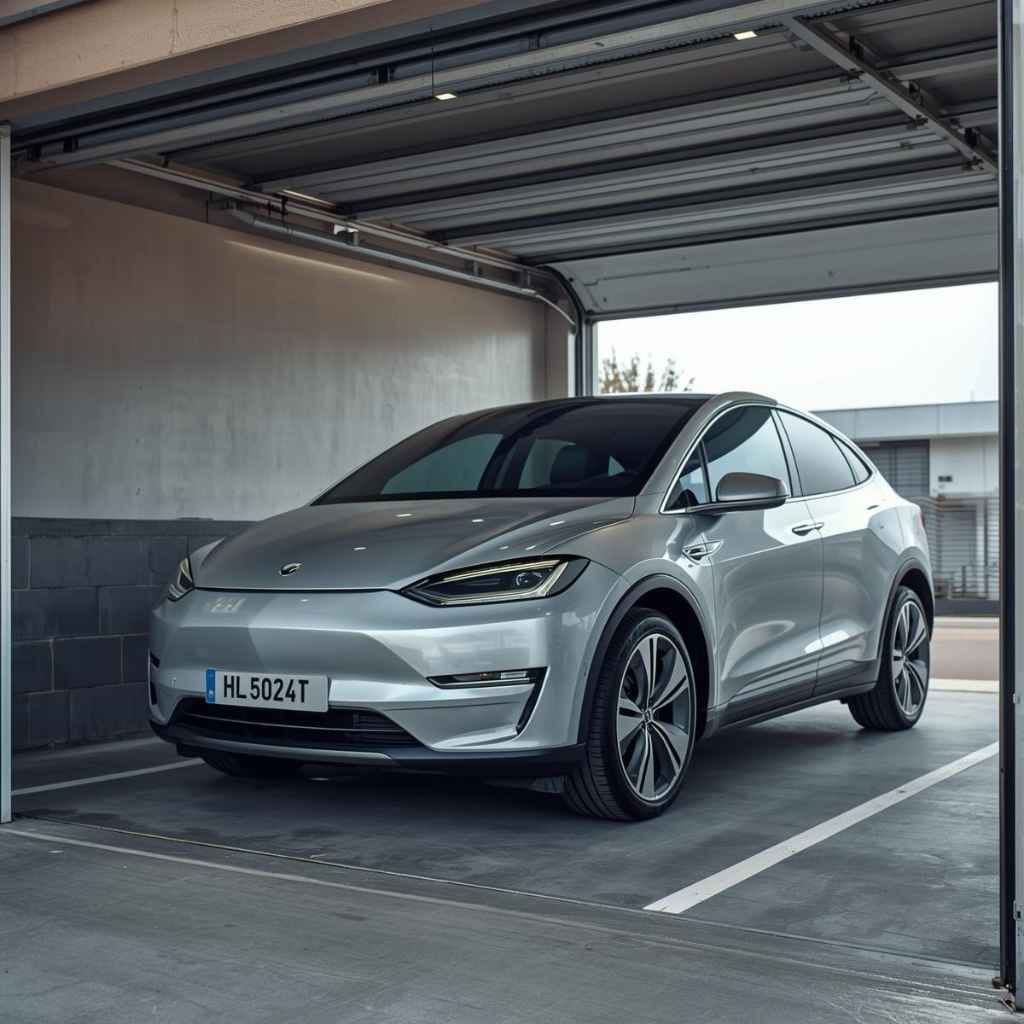
Parking an electric car in your garage feels like a natural decision. After all, garages keep your vehicle safe from weather, theft, and vandalism. But some people worry: is it truly safe to park an electric car in a garage? Stories about battery fires or charging issues might make you pause before plugging in your EV at home.
If you’re thinking about buying an electric car, or you already own one, these concerns are understandable. News headlines can be alarming, especially when they mention fires or “thermal runaway” events. But how risky is it really? And what can you do to park your electric car safely in your garage?
This article will give you a clear, in-depth look at the safety of keeping an electric vehicle (EV) in your garage. You’ll learn about potential risks, the facts behind battery fires, what causes problems, and—most importantly—how to minimize any dangers.
You’ll also see how electric cars compare to gasoline cars in terms of fire risk, what smart charging looks like, and how to make your home setup as safe as possible.
Understanding The Main Concerns
Whenever a new technology becomes popular, people have questions about safety. Electric cars use large batteries, and these batteries sometimes make headlines for overheating or catching fire. Let’s break down the most common concerns people have.

TRINEAR
TRINEAR 12V Ride on Car for Kids…
- Thrilling 12V Ride-On Adventure for Ages 3years+: Designed for young drivers aged 3+, this 12V ride-on truck delivers an exciting…
- Interactive Fun with Lights & Music: Equipped with LED lights, a built-in music player, and a smooth riding experience, this elect…
- Conquer Any Terrain with Big Wheels & Suspension: Featuring a spring suspension system and large, sturdy tires, this ride-on handl…
As an Amazon Associate I earn from qualifying purchases.
Fire Risk
Lithium-ion batteries, which power most electric vehicles, can catch fire if they are damaged, poorly manufactured, or exposed to extreme conditions. However, it is important to know that:
- EV battery fires are rare compared to fires in gasoline vehicles.
- Most incidents happen during or after a serious crash, not while parked.
Charging Hazards
Some people worry about the process of charging an electric car in a closed space. The main questions are:
- Can charging cause a fire?
- Is it safe to leave an EV plugged in overnight?
Fumes And Emissions
Unlike gasoline cars, EVs don’t produce exhaust. But some people wonder if batteries or charging stations emit dangerous gases in a confined space.
Home Electrical Safety
Adding a high-powered charging station to your garage raises questions about your home’s electrical system:
- Can your wiring handle the extra load?
- What happens if there’s a power surge or faulty outlet?
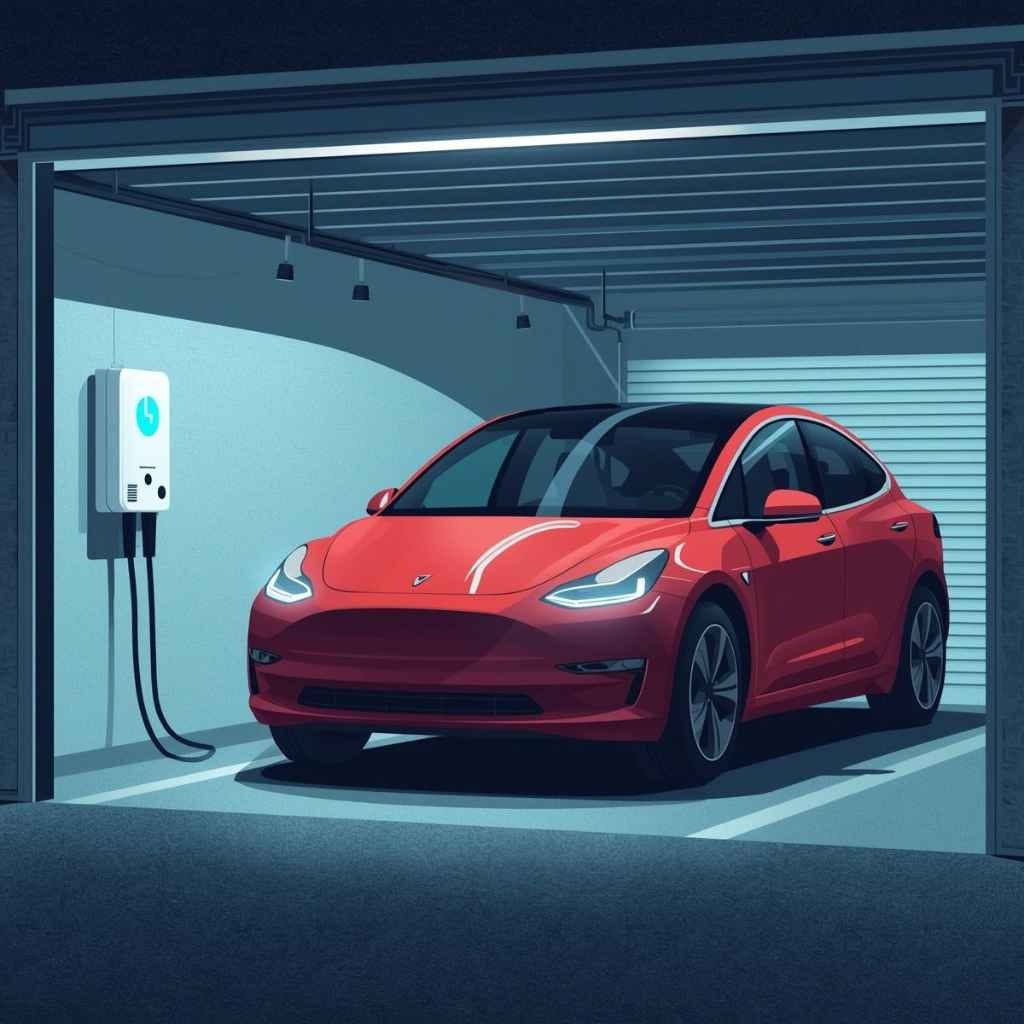
How Safe Are Electric Car Batteries?
Let’s start with the biggest concern: battery safety. The lithium-ion batteries used in EVs are similar to those in your phone or laptop, but much larger. They can, in rare cases, catch fire or overheat.
Real-world Data On Ev Fires
Research shows that the risk of fire is actually lower for electric vehicles than for gasoline cars. A 2021 study by AutoinsuranceEZ found:
- For every 100,000 EVs, about 25.1 caught fire.
- For every 100,000 gasoline vehicles, the number was 1,529.
This means gasoline cars are over 60 times more likely to catch fire than electric cars.
Causes Of Ev Battery Fires
Most EV battery fires happen because of:
- Severe accidents that physically damage the battery.
- Manufacturing defects (which are rare and often recalled quickly).
- Charging with the wrong equipment or using damaged cables.
Spontaneous fires from parked EVs are extremely rare, and most manufacturers have added multiple safety systems to prevent overheating or overcharging.
Safety Features In Modern Evs
Automakers now use many layers of protection:
- Battery Management Systems (BMS) monitor and balance each battery cell.
- Thermal cut-offs shut down charging if the battery gets too hot.
- Physical barriers inside the battery pack limit fire spread.
These features make it very unlikely for a modern EV to catch fire while parked in a garage.
Parking An Electric Car Vs. A Gasoline Car In A Garage
To understand the real risk, it helps to compare electric and gasoline cars side by side.
| Feature | Electric Car | Gasoline Car |
|---|---|---|
| Fire Risk (while parked) | Very Low | Low (but higher than EVs) |
| Exhaust Fumes | None | Potential carbon monoxide (if engine runs) |
| Fuel Leakage | No gasoline to leak | Possible gas/oil leaks |
| Charging/Refueling Hazard | Requires proper wiring | Spilled gas is flammable |
| Home Modifications Needed | May need charging station | None (standard garage) |
As the table shows, electric cars have some advantages when it comes to home safety. They don’t emit fumes, and there’s no flammable liquid to spill. However, they do need the right charging setup.
Safe Charging Practices For Home Garages
Charging is the one area where EVs are different from gasoline cars. Here’s what you need to know to keep your garage safe while charging your electric car.
Choosing The Right Charger
Most electric cars come with a basic charger that plugs into a standard outlet. For faster charging, you may want a Level 2 charger, which needs a 240-volt circuit. Always use a charger certified by your car’s manufacturer or by a national safety agency (like UL or CE).
Professional Installation
Never try to install a high-powered charging station yourself unless you are a licensed electrician. A professional will:
- Check your home’s wiring for safety.
- Install the correct circuit breaker.
- Ground the charging unit properly.
Regular Maintenance
Check charging cables and connectors for wear or damage. Replace any frayed or burnt parts immediately. Clean dust and debris from your charger and keep the area dry.
Smart Charging Schedules
Many EVs let you schedule charging for off-peak hours. This reduces stress on your home’s electrical system and can save you money. It also avoids overloading circuits during busy times.
Monitoring While Charging
Most new EVs and chargers have apps or panels that show charging status. If something looks unusual (for example, the charger gets very hot, or charging stops unexpectedly), unplug the car and call for service.
Garage Safety Basics For Electric Car Owners
Besides charging, there are a few important steps to make your garage safer for your EV and your home.
Fire Extinguisher Readiness
Keep a fire extinguisher rated for electrical and battery fires (Class C or special lithium-ion type) in your garage. Make sure everyone in your household knows how to use it.
Ventilation
While EVs do not produce exhaust, good ventilation helps prevent overheating, especially if you live in a hot climate. Avoid blocking vents or piling items around your charger.
Safe Storage
Don’t store flammable materials (paints, solvents, gasoline cans) next to your EV or charging station. This reduces the risk if any electrical problem does occur.
Ground Fault Circuit Interrupter (gfci)
Use outlets with GFCI protection for your charger. This device shuts off power if it detects a short circuit or ground fault, reducing the risk of electric shock or fire.
Myths And Misunderstandings About Electric Car Garage Safety
It’s easy to find stories online about EVs catching fire in garages, but most of them are exceptions, not the rule. Let’s clear up some common myths.
Myth 1: Evs Catch Fire Easily In Garages
Fact: Statistically, gasoline vehicles catch fire much more often than electric cars. Most EV fires happen after serious crashes, not while parked.
Myth 2: Ev Batteries Give Off Toxic Fumes While Charging
Fact: Properly functioning lithium-ion batteries do not emit dangerous gases during normal charging. Problems only arise if the battery is damaged or defective.
Myth 3: You Should Never Charge Overnight
Fact: EVs are designed for overnight charging. Their battery management systems prevent overcharging. In fact, most fires in garages come from faulty house wiring or overloaded outlets, not the car or charger.
Myth 4: You Need Special Insurance To Park An Ev In Your Garage
Fact: Most home insurance policies cover EVs like any other vehicle. Check with your provider, but you usually do not need extra coverage unless you install expensive charging hardware.
What About Extreme Temperatures?
Temperature can affect all batteries, but modern EVs are built to handle most climates.
Hot Climates
- Heat can shorten battery life if your garage gets very hot. However, battery management systems in most EVs keep the battery cool.
- Park in the shade or use garage fans if you live in a very hot area.
Cold Climates
- Extreme cold can reduce battery range but does not increase fire risk.
- Most EVs have pre-conditioning features to warm the battery before charging or driving.
What To Do If You Smell Burning Or See Smoke
Although rare, it’s important to know what to do if there’s a problem.
- Unplug your EV from the charger immediately.
- Move yourself and your family outside the house.
- Call emergency services. Do not try to move the car if there are flames or heavy smoke.
- If safe, use a Class C or lithium-ion fire extinguisher on small fires.
- Do not pour water directly on battery fires—lithium reacts with water.
Most garage fires start from overloaded circuits, not from the car itself. This is why proper installation and routine checks are so important.
Case Studies: Real-world Examples
Example 1: Tesla Model S Garage Fire
In 2019, a Tesla Model S caught fire in a garage while not charging. Investigation showed a rare battery defect. Tesla issued a recall and updated the software to improve battery safety.
Example 2: Nissan Leaf In A Hot Garage
A Nissan Leaf owner in Arizona left the car in a closed, unventilated garage during a heat wave. The battery management system kept the battery cool, and no overheating occurred.
Example 3: Home Charger Fault
In 2021, a homeowner in the UK installed a non-certified charger for a used EV. The outlet overheated, causing a small fire. The fire was limited to the wiring; the car and battery remained unharmed. This highlights the importance of professional installation.
Insurance And Legal Considerations
Most insurance companies treat electric and gasoline cars the same way for home coverage. However, you may need to inform your insurer if you install a high-powered charger.
Some cities or homeowner associations have rules about where you can install chargers. Always check local codes and get the proper permits for any electrical work.
How To Make Your Garage Ev-ready
If you’re planning to buy an electric car, a little preparation goes a long way.
- Have an electrician inspect your wiring and panel.
- Install a dedicated circuit for your charger (preferably 240V for faster charging).
- Choose a certified charger compatible with your EV.
- Clear flammable materials away from the charging area.
- Add a suitable fire extinguisher and smoke detector in your garage.
- Learn to use your EV’s charging app to monitor status and get alerts.
Comparing Electric And Gasoline Car Risks At Home
Here’s a look at the main risks side by side, to help you see the bigger picture:
| Risk Factor | Electric Vehicle | Gasoline Vehicle |
|---|---|---|
| Fire from parked car | Very rare (0.025% per year) | More common (1.5% per year) |
| Exhaust fume risk | None | High (if car left running) |
| Fuel spill risk | None | Possible leaks |
| Electrical overload risk | Possible (if improperly installed) | None |
| Insurance cost difference | Minimal (if any) | Standard |
Two Often Overlooked Safety Insights
1. Battery State Of Charge
It’s safer to keep your EV battery between 20% and 80% most of the time. Charging to 100% every night can put extra stress on the battery and slightly increase heat. Most EVs let you set a maximum charge level.
2. Firmware Updates
Manufacturers often update battery management software to improve safety. Check regularly for updates, especially if your car notifies you or if you hear about a recall. These updates can prevent problems before they start.
What The Experts Say
Major fire safety organizations, including the U.S. National Fire Protection Association and the European Automobile Manufacturers Association, agree that electric cars are generally safe to park and charge in home garages. They recommend:
- Using certified charging equipment
- Professional installation
- Routine inspection of charging hardware
For more detailed safety information, visit the National Fire Protection Association.
Making Your Decision
If you follow basic safety steps, it is very safe to park your electric car in your garage. The risk of fire is much lower than with gasoline vehicles. The biggest danger comes not from the car or battery, but from overloaded or poorly installed electrical circuits.
By using certified equipment and professional installation, you can charge your EV overnight with peace of mind.
Parking your electric car in your garage is not only convenient, but it can also be safer for your home and family than a gasoline car. With the right setup and a little attention to detail, you can enjoy all the benefits of electric driving—without worry.
Frequently Asked Questions
Is It Safe To Leave My Electric Car Plugged In Overnight?
Yes, it is safe. Modern electric cars and chargers have built-in protection systems that prevent overcharging. Most EV owners plug in their cars overnight for convenience and wake up to a full battery.
Can An Electric Car Catch Fire While Parked In The Garage?
While it is possible, it is very rare. Gasoline cars actually catch fire more often than electric cars. Most EV fires are caused by serious accidents or battery defects, not normal parking or charging.
Do I Need A Special Fire Extinguisher For My Ev?
It’s best to have a Class C (electrical) or a lithium-ion battery fire extinguisher in your garage. Traditional fire extinguishers may not work well on battery fires.
What Should I Do If I Smell Something Burning While Charging?
Unplug your car immediately and move everyone out of the house. Call emergency services and do not try to move the car yourself. If safe, use a suitable extinguisher for small fires, but do not use water.
Does Parking An Ev In The Garage Increase My Insurance Cost?
Usually, it does not. Most home insurance policies cover EVs like any other car. If you install a special charging station, check with your insurer to make sure you are covered.
By following these tips and understanding the real risks, you can enjoy the convenience of charging your electric car at home—safely and confidently.
Related pick: Check today's price on Amazon
Products related to this article
Sponsored / affiliate links. As an Amazon Associate I earn from qualifying purchases. I may earn additional commission from eligible campaigns.
 Circuit Probe Tester,Automotive Short Circuit Protection Diagnostic Tool with 4M Long Cable Overload Protection Auto Electrical System Test Pen
 IRAFYXON Retractable Car Charger with 31-Inch Cables 4 in 1 Fast Car Charger USB C Car Adapter with Starry Sky Light for iPhone 17 16 15 14 Car Accessories Gifts for Men Women Drivers (Pink)