Real Disadvantages Of Electric Vehicles Nobody Talks About
Thinking about going electric? That’s great! Electric cars are exciting.
They promise cleaner air and fewer trips to the gas station. But like anything new, they have parts that aren’t perfect yet. Some things about EVs aren’t as easy as people say.
This article will shine a light on those hidden bits. We’ll talk about the real disadvantages that don’t always make the headlines. By the end, you’ll have a clearer, more honest view of electric vehicle ownership.
You’ll be able to make a choice that feels right for you.
Electric vehicles offer many benefits, but it’s important to understand their current limitations. Key disadvantages include longer refueling times compared to gas cars, potential range anxiety due to charging infrastructure, higher upfront purchase costs, battery degradation over time, and the environmental impact of battery production and disposal. These factors can influence practicality and cost for everyday users.
The Real Downsides of Electric Cars
Electric vehicles (EVs) are changing how we drive. They use electricity instead of gasoline. This sounds good for the planet.
Many people are drawn to the quiet ride and cool tech. But there are things many drivers run into that are not so fun. These are the real disadvantages.
They can make owning an EV harder than you might expect. It’s not about bad cars. It’s about how the technology is still growing.
We need to look at all sides to get the full story. This will help you decide if an EV is the best fit for your life right now.
When Charging Isn’t So Fast
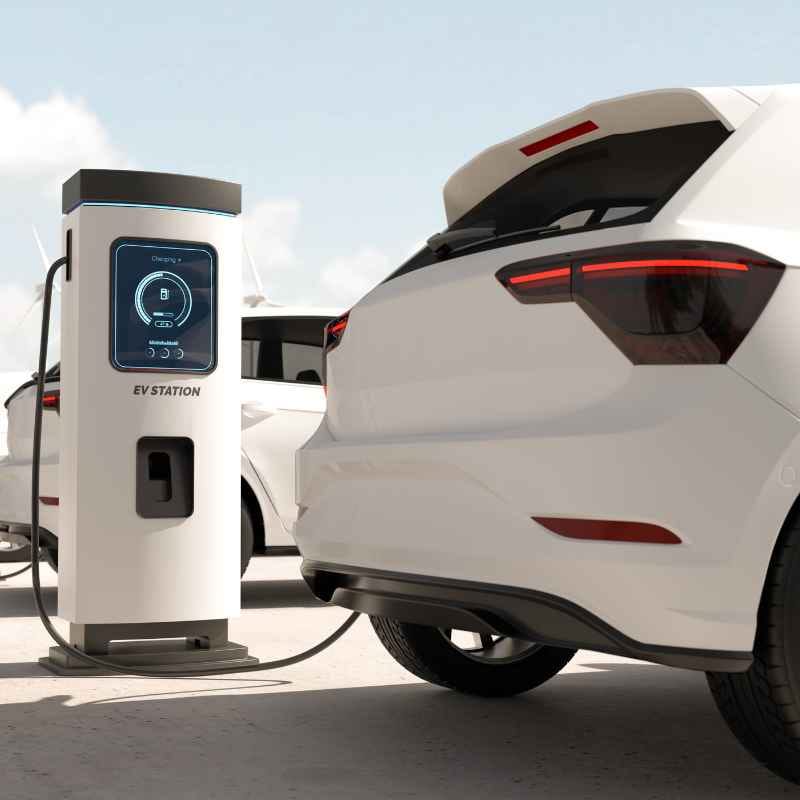
One of the biggest differences between electric cars and gas cars is refueling. With a gas car, you pull up, fill up in minutes, and you’re back on the road. It’s quick and simple.
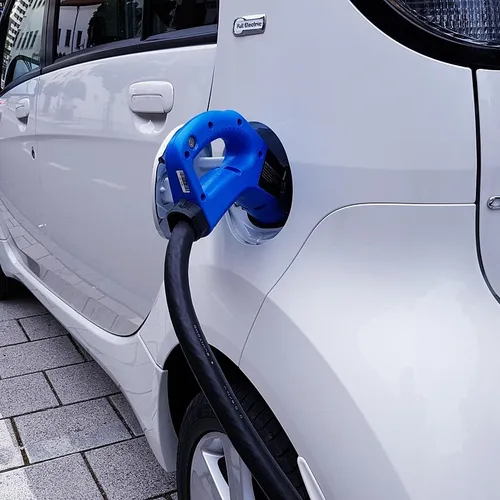
Electric cars are different. Charging an EV takes much longer. Even with the fastest chargers, you can spend 20 minutes to an hour getting a good charge.
If you’re just using a regular plug at home, it can take all night. This means planning ahead is very important.
Imagine this. You’re on a road trip. You see your battery is getting low.
You need to find a charging station. This isn’t always easy. Charging stations are not as common as gas stations.
They are more in cities. They are less common in rural areas. Sometimes, the charger you find might be broken.
Or, all the charging spots might be taken. This can lead to a lot of waiting. It can be stressful.
It’s a big change from just pulling into any gas station.
This is what many drivers call “range anxiety.” It’s the worry that you’ll run out of power. You might be far from a charger. Or your battery might not last as long as you need it to.
Cold weather can also make the battery lose power faster. This is a real concern for many people. Especially if they drive long distances often.
Or if they live in a place with very cold winters. You have to think about your trips more. You have to know where you can charge.
This takes some getting used to.
Home Charging: The Good and The Not-So-Good
The Good: Waking up to a “full tank” every morning is great. You can plug in overnight. This is very convenient for daily driving.
Most of your charging will happen at home.
The Not-So-Good: You need a place to plug in. If you live in an apartment building, this can be a big problem. You might not have a garage or a dedicated parking spot.
Getting permission to install a charger can be hard. Also, charging at home still takes hours. If you forget to plug in, you might start your day with less charge than you need.
The speed of charging is getting better. New chargers are faster. Car batteries are improving.
But for now, charging is a slower process. It needs more planning than filling up a gas tank. This is a major disadvantage for many.
Battery Life and Replacement Costs
Every car battery eventually wears out. This is true for gas cars and electric cars. But EV batteries are very big and very expensive.
They are the heart of the electric car. Over time, the battery’s ability to hold a charge gets less. This is called degradation.
It means your car won’t go as far on a full charge as it did when it was new. This is a normal part of battery life.
The good news is that most EV batteries are built to last a long time. Many come with warranties that cover them for 8 years or 100,000 miles. So, for most people, battery replacement won’t be an issue for many years.
But what happens after the warranty runs out? That’s when the worry about cost can start.
Replacing an EV battery can cost thousands of dollars. Some estimates put it at $10,000 to $20,000 or even more. This is a huge expense.
It’s much more than replacing a regular car battery. This is a big disadvantage compared to gas cars. If your gas car engine has a major problem, it might be cheaper to buy a new car.
With an EV, a battery replacement is a very significant cost. It could make an older EV not worth repairing.
This high replacement cost makes people nervous. They worry about the long-term value of their EV. Will the battery be usable for 15 or 20 years?
Or will it need replacing after 10 years? This is a big unknown for many car owners. It’s a cost that doesn’t exist for gas cars in the same way.
The technology is improving, making batteries last longer. But the high cost of replacement is still a major concern.
Battery Degradation: What It Looks Like
Early Years: You likely won’t notice much change. The battery performs almost like new.
After 5-8 Years: You might see a slight drop in range. Maybe 5-10% less than when it was new. This is usually manageable.
After 10+ Years: The drop in range can become more noticeable. The car might not be able to travel as far on a single charge. This is when you start thinking about replacement.
The lifespan of batteries is a key question. We need more real-world data over many years. But the potential for a very high repair bill is a real disadvantage.
It’s a gamble on future technology and prices.
The Higher Price Tag Upfront
Let’s talk about the money. When you first look at buying an electric car, you’ll notice something. They often cost more than similar gas-powered cars.
This is especially true for smaller, entry-level EVs. Bigger, luxury EVs can cost a lot, but so can luxury gas cars. But when you compare a comparable sedan or SUV, the EV usually has a higher sticker price.
This is a major disadvantage for many buyers.
Why are they more expensive? It’s mainly because of the battery. Batteries are complex and costly to make.
The technology is still developing. Production scales are growing, but they haven’t reached the point where they are as cheap as gasoline engines. The electric motor and related systems also add to the cost.
You might hear people say EVs save money over time. This is often true, thanks to lower fuel costs (electricity vs. gas) and less maintenance.
But you have to be able to afford that higher price upfront. Not everyone can. For a family trying to buy a second car, or someone on a tighter budget, that extra few thousand dollars can be a deal-breaker.
Government incentives and tax credits can help lower the cost. But these change. And they don’t always cover the full difference.
I remember talking to a friend who loved the idea of an EV. He said he just couldn’t swing the extra $8,000 for the electric model compared to the gas one he was looking at. He needed a car now.
He couldn’t wait to save up more or hope for a new tax credit. This is a common problem. The initial investment is a big hurdle.
It means EVs are not accessible to everyone. This is a clear disadvantage in the car market today.
Cost Comparison Snapshot (Example)
Gas Car: Typically lower purchase price.
Electric Car: Often higher purchase price.
Fuel Savings: Electricity is usually cheaper per mile than gas.
Maintenance Savings: EVs generally have fewer moving parts, leading to lower maintenance costs.
Battery Replacement: A potential very high cost down the road for EVs.
The upfront cost remains one of the biggest barriers to EV adoption. Until prices come down significantly, it will continue to be a major disadvantage. People want to be green, but they also need to be practical with their wallets.
The Grid’s Capacity and Charging Infrastructure
We’ve talked about charging at home and on the road. But there’s a bigger picture to consider: the power grid. Millions of electric cars charging at the same time could put a strain on the electrical grid.
Especially in certain areas or at peak times. This is a serious concern for utility companies and city planners.
Imagine everyone in your neighborhood plugging in their EV at 6 PM when they get home from work. If too many people do this, the local power lines might not be able to handle the load. This could lead to brownouts or blackouts.
It’s like everyone turning on their air conditioner at the same time on a hot day, but on a much larger scale.
Building out enough charging infrastructure is also a huge challenge. We need charging stations everywhere. Not just on major highways, but in small towns, at workplaces, in apartment complexes, and in public parking lots.
This takes a lot of investment. It takes time to plan and build. Many areas are still very underserved.
This makes EV ownership difficult for people who can’t charge at home.
What happens when a charging station is out of order? I once saw a news report about a driver who drove over an hour to a charging station, only to find it wasn’t working. They had to turn around and drive back, losing time and getting frustrated.
This is not an uncommon story. The reliability of charging stations is a big issue.
The grid itself also needs to be cleaner. If the electricity used to charge EVs comes from burning coal or natural gas, then the environmental benefit is reduced. While EVs are generally cleaner over their lifetime, the source of the electricity matters.
This is a complex system. It involves not just cars, but also power plants, transmission lines, and local distribution networks. It’s a disadvantage that requires a lot of work to fix.
Infrastructure Needs
Public Charging: More chargers are needed in cities and rural areas.
Fast Charging: Faster chargers are required for long trips.
Reliability: Chargers need to be well-maintained and working.
Home Charging Access: Solutions for apartment dwellers are crucial.
Grid Upgrade: The power grid needs modernization to handle increased demand.
The development of charging infrastructure and the capacity of the power grid are critical pieces of the EV puzzle. They are areas where significant challenges still exist. They represent a real disadvantage for widespread EV adoption right now.
Environmental Impact of Battery Production and Disposal
We often hear that EVs are better for the environment because they don’t produce tailpipe emissions. That’s true. But the story doesn’t end there.
The production of EV batteries has its own environmental footprint. This is a disadvantage that often gets overlooked.
Making EV batteries requires mining for certain materials. These include lithium, cobalt, nickel, and manganese. Mining these materials can cause significant environmental damage.
It can lead to water pollution, habitat destruction, and soil erosion. In some regions, there are also ethical concerns about the labor practices involved in mining.
Extracting these metals can also be very energy-intensive. This means that the manufacturing process for batteries creates greenhouse gas emissions. While an EV is cleaner over its entire life than a gas car, the initial “carbon footprint” of making the battery is higher.
It takes a certain number of miles driven for the EV to become cleaner than a comparable gas car.
Then there’s the issue of what happens to batteries when they are no longer useful. Battery recycling is a growing field, but it’s not yet perfect. Properly recycling EV batteries is complex and expensive.
If batteries aren’t recycled, they can end up in landfills. This can lead to toxic materials leaching into the environment. While recycling technology is improving rapidly, it’s still a challenge.
I read about a study that showed the manufacturing of an EV battery can be as polluting as driving a gas car for several years. This doesn’t mean EVs aren’t a good choice. It just means we need to be honest about the entire lifecycle.
We need to push for better mining practices and more efficient recycling. This is a disadvantage that technology and better processes can help solve over time.
Battery Lifecycle: Key Concerns
Resource Extraction: Mining for materials can harm local environments.
Manufacturing Energy: Producing batteries uses a lot of energy, creating emissions.
Ethical Sourcing: Concerns exist about labor conditions in some mining operations.
Recycling Challenges: Reclaiming materials from old batteries is difficult and costly.
Disposal Risks: Improper disposal can lead to pollution.
The environmental impact of battery production and disposal is a real disadvantage. It’s a complex issue that requires ongoing innovation and responsible practices. It’s an area where the “green” label for EVs needs careful consideration.
Limited Model Availability and Variety
When you walk onto a car lot today, you’ll see a vast array of choices. There are sedans, SUVs, trucks, vans, sports cars, and more. Gas-powered vehicles offer incredible variety.
They cater to almost every need and preference. Electric vehicles are catching up, but they are still behind.
While more EV models are being released every year, the selection is still much smaller than for gasoline cars. Finding an EV that perfectly fits your specific needs might be harder. Are you looking for a very small, budget-friendly car?
Or a heavy-duty truck for work? Or a niche sports car? The EV options for these categories are still limited compared to their gas counterparts.
This limited choice is a disadvantage for consumers. It means you might have to compromise on features, size, or style. You might have to wait longer for the exact type of EV you want to become available.
It can also mean that if you need a specific type of vehicle for work or a hobby, an EV might not be a practical option yet.
For example, if you need to tow a large trailer regularly, the number of electric trucks that can do that effectively is still very small. Or if you’re looking for a very affordable, compact city car, the options are fewer than you’d find with gas engines. This forces many people to stick with what they know, even if they’d prefer to go electric.
I spoke with a mechanic who works on all kinds of cars. He said that even though he’s seen more EVs, he still sees way more gas cars on his lot. He mentioned that for a lot of people, they just can’t find the EV they need.
“It’s like picking from a small menu when you want a buffet,” he told me. That really sums it up. The variety isn’t there yet for everyone.
Model Variety: What’s Missing?
Budget Options: Very few truly inexpensive EVs.
Work Trucks: Limited heavy-duty towing and hauling EVs.
Niche Vehicles: Few sports cars, vans, or specialized vehicles.
Smaller Cars: Fewer compact and subcompact EV choices.
Future Outlook: More models are coming, but it takes time.
The limited selection of EV models is a clear disadvantage. It restricts consumer choice. It means that for many people, an EV simply isn’t the right fit for their current needs or preferences.
This will improve, but it’s a current reality.
Range Limitations and Cold Weather Impact
We’ve touched on range anxiety, but it’s worth diving deeper. The “range” of an EV is the distance it can travel on a single full charge. While many new EVs boast ranges of 250-350 miles, real-world range can be lower.
And this is especially true in colder climates.
Cold weather is the enemy of EV batteries. When temperatures drop, the chemical reactions inside the battery slow down. This reduces the battery’s ability to deliver power efficiently.
As a result, you’ll notice a significant decrease in your car’s range. Some EVs can lose 20-40% of their advertised range in very cold conditions. This is a big problem if you live somewhere with harsh winters.
Imagine you expect your car to go 300 miles. But on a cold winter day, it can only go 200 miles. If you have a long commute or need to make a long trip, this can be a major issue.
You’ll have to charge more often. You’ll have to plan your routes more carefully. It adds a layer of stress to driving.
It’s not just the driving itself. Heating the car’s cabin also uses a lot of battery power. If you’re constantly running the heater on high in freezing temperatures, you’re draining your battery faster.
Some EVs have features like pre-heating the cabin while plugged in. This helps save battery power for driving. But it’s still a drain on energy.
I experienced this myself when I borrowed an EV during a cold snap last winter. The advertised range was about 280 miles. But after driving for about an hour in sub-zero temperatures, my display showed I had less than half the charge left.
I was only about 120 miles from home. It made me feel uneasy. I had to drive slower and avoid using the heater too much.
It was a clear reminder of how cold weather impacts EV performance.
Cold Weather Effects on EVs
Reduced Range: Batteries perform worse in cold.
Slower Charging: Charging speed can decrease in very cold temperatures.
Increased Energy Use: Heating the cabin uses significant battery power.
Pre-conditioning: Using this feature while plugged in helps conserve battery.
Tire Pressure: Cold also affects tire pressure, slightly impacting efficiency.
The impact of cold weather on EV range is a significant disadvantage. It’s a practical problem that affects many drivers in colder regions. While technology is improving, it’s a limitation that needs to be considered carefully.
Repair and Maintenance Challenges
While EVs are often promoted as having lower maintenance costs, this comes with a catch. Finding qualified mechanics and dealing with repairs can be more challenging and expensive than with gas cars. This is a disadvantage that many owners eventually discover.
Most local mechanics are trained to work on gasoline engines. They understand the parts, the systems, and the common problems. Electric cars, however, have different systems.
They have high-voltage batteries, complex power electronics, and specialized software. Not every mechanic has the training or the tools to work on these components safely and effectively.
This means that for major repairs, you might have to take your EV to a dealership. Dealerships often have the specialized equipment and certified technicians. But dealership labor rates are usually higher.
This can make repairs much more expensive than if you could go to an independent shop. A simple brake job might be easy, but if a battery management system fails, it becomes a much bigger issue.
The availability of parts can also be a problem. Some specialized EV components might have longer wait times for delivery. This means your car could be in the shop for longer than you expect.
This is especially frustrating if you rely on your car for daily transportation.
I heard from an EV owner who had to wait three weeks for a new power inverter to arrive for his car. He had to rely on ride-sharing services and public transport during that time. This was a huge inconvenience and added unexpected costs.
This isn’t a problem you typically face with common gas car parts.
EV Repair Considerations
Technician Training: Fewer mechanics are certified for EV repairs.
Dealership Dependence: Many repairs require dealership visits.
Higher Labor Costs: Dealership labor is typically more expensive.
Specialized Parts: Some parts may have longer lead times.
Diagnostic Complexity: EV systems can be harder to diagnose.
The specialized nature of EV technology creates repair and maintenance challenges. While routine maintenance is simpler, complex issues can be costly and time-consuming to fix. This is a disadvantage that potential buyers should be aware of.
Weight and Handling Differences
Electric cars are often heavier than their gasoline counterparts. This is primarily due to the large battery pack. A typical EV battery can weigh anywhere from 400 to over 1,000 pounds.
This extra weight has an impact on the car’s handling and overall driving experience.
While the low center of gravity from the battery can improve stability on the road, the sheer weight can be felt. In everyday driving, you might not notice it much. But when you’re navigating tight corners, or trying to brake quickly, that extra mass can make a difference.
The car might feel less agile or responsive.
This added weight can also affect tire wear. Heavier vehicles tend to wear out tires faster. This means you might need to
For performance driving enthusiasts, the weight of an EV can be a significant disadvantage. While electric motors provide instant torque and rapid acceleration, the handling might not be as sharp as a lighter gasoline sports car. It’s a trade-off between raw power and driving dynamics.
I’ve heard from people who said they missed the feeling of lightness in their old gas car. They felt their EV was a bit more lumbering. It felt less nimble on twisty roads.
It’s a subtle difference, but for some drivers, it’s noticeable and important.
Weight Impact Breakdown
Battery Weight: EVs are significantly heavier than gas cars.
Handling: Extra weight can make cars feel less agile.
Braking: Braking systems work harder to stop heavier vehicles.
Tire Wear: Heavier vehicles can lead to faster tire wear.
Low Center of Gravity: Can improve stability, but doesn’t eliminate weight concerns.
The weight of electric vehicles is an unavoidable consequence of their battery technology. While engineers work to mitigate its effects, it remains a factor that can influence the driving experience and long-term costs for some owners.
Limited Towing Capacity and Payload
For many people, a car isn’t just for commuting. It’s a tool for work, for recreation, and for hauling. This includes towing trailers, boats, or campers, and carrying heavy loads in the truck bed or cargo area.
When it comes to towing and payload capacity, electric vehicles still lag behind their gasoline counterparts in many segments.
While there are a growing number of electric trucks and SUVs available, their towing and hauling capabilities are often less than what you can get with a comparable gas-powered vehicle. Towing a heavy load is very energy-intensive. When an EV tows a trailer, its range can be cut drastically.
You might lose 50% or more of its normal driving range.
This means that if you need to tow frequently or for long distances, an electric truck might not be a practical choice. You’d have to stop to charge much more often. Finding charging stations that can accommodate a vehicle with a trailer attached can also be a challenge.
Imagine planning a camping trip. You want to tow your camper. With a gas truck, you might only need one or two charging stops.
With an electric truck, you might need four or five, depending on the distance. This adds a lot of time and complexity to the journey.
The payload capacity, which is the maximum weight the vehicle can carry in its passengers and cargo, can also be a concern. While some electric trucks are improving in this area, they may still have limitations compared to powerful gasoline trucks designed for heavy work. This is a significant disadvantage for anyone who regularly uses their vehicle for hauling.
I talked to a contractor who was considering an EV truck. He said his business relies on hauling tools and materials to job sites every day. He found that the electric trucks he looked at just couldn’t carry enough weight.
He also worried about the range when the truck bed was fully loaded. For his needs, it just wasn’t a viable option yet.
Towing and Payload Limits
Reduced Range When Towing: Towing significantly cuts an EV’s driving distance.
Limited Towing Numbers: Many EVs have lower maximum towing capacities.
Charging Challenges: Finding chargers for long-haul towing is difficult.
Payload Capacity: Some EVs have less cargo-carrying ability.
Use Case Dependency: This is a major disadvantage for certain professions and hobbies.
The limitations in towing capacity and payload for many electric vehicles are real disadvantages. They restrict their usefulness for certain users. This is an area where the EV market is still developing significantly.
What This Means for You
So, what does all this mean for you as a car shopper? It means being informed. It means looking beyond the hype.
Electric cars are fantastic for many people. They offer a smooth, quiet, and often fun driving experience. They can save you money on fuel and maintenance over time.
And they have zero tailpipe emissions, which is great for local air quality.
However, understanding these disadvantages is crucial. If you live in an apartment, or frequently drive long distances in areas with few chargers, an EV might be a challenge. If you need to tow heavy loads or have a tight budget for an upfront purchase, you need to weigh the pros and cons carefully.
When is an EV a good choice? If you have reliable home charging. If your daily commute is well within the car’s range.
If you don’t need to tow heavy items often. And if you can afford the initial investment, perhaps with the help of incentives. For these drivers, the benefits often outweigh the current drawbacks.
When should you think twice? If you live in a very cold climate and your commute is long. If you rely on public charging and live in an area with limited stations.
If you need a vehicle for demanding work that involves heavy towing or hauling. If your budget is extremely tight for the initial purchase. In these cases, a gasoline or hybrid vehicle might still be a more practical option for now.
It’s also important to remember that the EV landscape is changing rapidly. Battery technology is improving. Charging infrastructure is expanding.
More models are coming out every year. What might be a disadvantage today could be less of an issue in a few years.
Quick Tips for Considering an EV
If you’re still interested in an EV, here are some practical tips to help you navigate the potential downsides:
- Assess Your Driving Habits: How many miles do you drive daily? Do you take frequent long trips? This is the most important factor.
- Check Charging Options: Can you install a charger at home? If not, research public charging availability in your area and along your common routes.
- Understand Range vs. Reality: Look at real-world range tests, especially in conditions similar to your climate. Factor in colder weather reductions.
- Calculate Total Cost: Don’t just look at the sticker price. Consider fuel savings, maintenance, and potential battery replacement costs over the car’s lifetime.
- Test Drive Extensively: Drive the EV on roads you typically use. Test its acceleration, braking, and how it feels on corners.
- Research Incentives: Look into federal, state, and local tax credits or rebates that can lower the purchase price.
- Talk to Current Owners: Get honest feedback from people who have owned EVs for a few years.
Frequent Questions About EV Disadvantages
Are electric cars more expensive to insure than gas cars?
Generally, electric cars can be more expensive to insure. This is often because the upfront purchase price of an EV is higher, and the cost to repair or replace components like the battery can be significant. Insurance companies factor these higher potential costs into their premiums.
However, this can vary by model, insurance provider, and your driving history.
How long does an electric car battery really last?
Most EV batteries are designed to last for the life of the vehicle, often 8-10 years or 100,000 to 200,000 miles, with many coming with a warranty for this period. They do degrade over time, meaning their maximum range will decrease. However, they typically don’t need to be replaced unless there’s a specific fault or the degradation becomes unmanageable for the owner’s needs.
Is it true that EV charging stations are hard to find?
The availability of charging stations varies greatly by region. In major cities and along popular travel corridors, charging infrastructure is growing rapidly and stations are becoming more common. However, in rural areas or less populated regions, charging stations can be much harder to find.
This is one of the main reasons for “range anxiety” for drivers in those areas.
What happens if my EV battery needs repair outside of warranty?
If your EV battery needs repair or replacement outside of its warranty period, it can be very expensive. Costs can range from several thousand dollars to upwards of $10,000 or more, depending on the make and model of the car. This is a significant financial risk for owners of older EVs.
Repairing individual battery modules is sometimes possible, but often full pack replacement is recommended.
Can I charge an EV in an apartment building?
Charging an EV in an apartment building can be challenging. If you have assigned parking, you might be able to get permission to install a Level 2 charger. However, this requires building owner or landlord approval and can involve significant costs for installation and electricity.
Without a dedicated spot or shared charging facilities, relying on public charging can be inconvenient and costly.
Are EVs really better for the environment than gas cars?
EVs generally have a lower carbon footprint over their entire lifecycle compared to gasoline cars, primarily because they produce zero tailpipe emissions. However, the manufacturing of EV batteries, including mining for raw materials and the energy used in production, does create emissions. The environmental benefit is greatest when the electricity used to charge the EV comes from renewable sources.
They are a step towards cleaner transportation, but not a perfect solution.
Final Thoughts on EV Realities
Electric vehicles are a significant step forward. They offer a cleaner, quieter way to travel. But it’s essential to have a clear picture.
Understanding the current disadvantages helps you choose wisely. EVs are not yet perfect for everyone. But as technology advances, many of these issues will likely become less of a problem over time.
Stay informed and make the best choice for your own needs.
Products related to this article
Sponsored / affiliate links. As an Amazon Associate I earn from qualifying purchases. I may earn additional commission from eligible campaigns.