Is It Bad To Use Your Car Everyday? Honest Mechanic Answer
We all rely on our cars. They get us to work, to the store, and to see loved ones. But sometimes a thought creeps in: “Am I using my car too much?” It feels like every mile adds up.
This is a common worry, especially when you hear about car parts wearing out. We want our cars to last. We also want to get where we need to go without worry.
This article will look at what daily driving really means for your car. We’ll explore how it impacts different parts. We’ll also talk about what you can do to help your car stay in good shape.
Let’s find out if everyday use is truly a problem.
Using your car every day is generally fine if it’s well-maintained. While daily driving adds miles and wear, regular upkeep is the key factor. Most modern cars are built for regular use. Problems arise more from neglect than from driving itself. Focus on following your maintenance schedule. This ensures your car can handle everyday demands.
The Truth About Daily Driving Your Car
So, is it bad to use your car every single day? The short answer is no, not usually. Modern cars are designed for it.
Think about it: cars are made to be driven. They are tools for transportation. Most cars can handle many years of daily use.
This is especially true if you take good care of them. Driving your car often actually helps keep it in good shape. It keeps the fluids moving.
It stops seals from drying out. It prevents parts from getting rusty. So, using your car daily is often better than letting it sit for long periods.
Cars don’t like sitting idle too much. Parts can seize up. Batteries can die.
Tires can get flat spots.
What often causes problems isn’t the daily use itself. It’s more about how the car is treated. It’s about the kind of driving it does.
And it’s about whether it gets the right care. Regular maintenance is the most important thing. This means oil changes, tire rotations, and checking fluids.
It means fixing small issues before they become big ones. If you drive your car every day and keep up with its needs, it will likely serve you well for a long time. You can expect hundreds of thousands of miles from many cars.
That’s a lot of daily commutes and errands!
My Own Close Call with an Idle Car
I remember a time when I had a second car. It was a little older, but ran okay. I didn’t use it much.
I had my main car for most trips. This second car mostly sat in the driveway. I’d start it up every week or so.
I thought that was enough. Then one day, I needed it for a longer trip. I took it to the mechanic just to be safe.
He found a few things. The brake lines had some rust starting. A seal on the transmission was a bit dry.
He said that letting it sit so much was actually making it worse. The rubber parts were losing their flexibility. The metal parts weren’t being lubricated as often.
It was a wake-up call. From then on, I made sure to drive it more regularly. Even short trips helped.
It taught me that cars need to be used. They are not meant to be decorations.
That experience stuck with me. It showed me that “saving” a car by not driving it can be counterproductive. It’s like letting a tool rust in the shed.
It’s better to use it and then clean and oil it. My mechanic friend often tells me he sees more issues with cars that are driven only a few miles a week. He sees things like battery failures, fuel system problems, and rust.
Cars are complex machines. They need to be run to stay healthy. The vibrations, the heat, the movement – it all helps.
Driving helps the engine reach its normal operating temperature. This burns off moisture. It keeps the exhaust system clear.
It cycles the transmission fluid.
Understanding the Daily Wear and Tear
Every time you turn the key, your car experiences some wear. This is normal. It’s part of the deal with owning a vehicle.
Think of it like your own body. We use our joints and muscles every day. They get a little bit of strain.
But with rest and good care, they stay strong. Your car is similar. Here are some parts that see the most action with daily driving:
Key Parts Affected by Daily Use
Engine Oil: Every start and stop means the oil has to circulate. It lubricates moving parts. It also picks up tiny bits of metal and dirt.
Tires: They support the car’s weight. They handle turning, braking, and acceleration. Miles add up, wearing down the tread.
Brakes: Each time you slow down or stop, the brake pads and rotors work hard. This causes them to wear away over time.
Battery: Starting the engine draws power. Driving allows the alternator to recharge it. Very short trips don’t always fully recharge it.
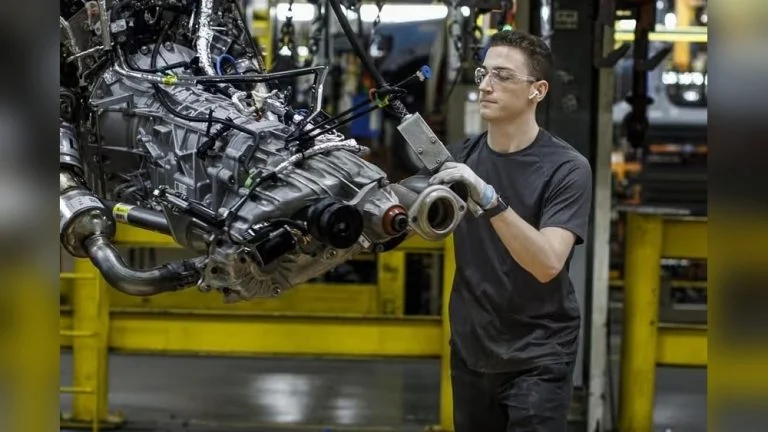
Transmission: Gears shift. Fluids are pumped. This system works constantly when the car is in motion.
It’s important to understand that this wear is expected. Car manufacturers design parts to last a certain number of miles. They build in tolerances for normal use.
The goal is not to avoid wear entirely. The goal is to manage it. Regular maintenance is how you manage wear.
For example, changing the oil regularly removes dirt. This protects the engine. Rotating tires ensures they wear evenly.
This makes them last longer. Checking brake pads tells you when they need replacing. This keeps you safe and prevents damage to the rotors.
Many drivers worry about “cold starts.” This is when you start a cold engine. The oil hasn’t fully warmed up. It takes a moment for the oil to reach all parts of the engine.
This moment is when the most wear can happen. If you make many very short trips, the engine might not get hot enough to burn off condensation. This water can mix with the oil.
It can form sludge over time. So, while daily driving is good, a mix of driving is best. Occasional longer drives help.
These longer drives let the engine run at full temperature for a while. This is good for its health.
The Impact of Short Trips
Short trips are a big concern for car health. We often hear mechanics talk about this. Why are short trips so hard on a car?
It’s because the car doesn’t get a chance to reach its full operating temperature. When you start an engine, it’s cold. The oil is thicker.
The engine’s computer injects more fuel to help it run smoothly. As the engine heats up, the oil thins out. It flows better.
The computer leans out the fuel mixture. The engine runs more efficiently. This process can take several miles.
If you only drive a mile or two, the engine never really gets hot. Condensation can form inside the engine. This is like water vapor.
It can mix with the oil. Over time, this can create sludge. Sludge blocks oil passages.
It prevents oil from reaching parts that need it. This leads to extra wear. Also, the exhaust system can suffer.
Catalytic converters need to get hot to work properly. They burn off pollutants. If they stay cool, they don’t function well.
Moisture can also build up in the exhaust. This can lead to rust. Short trips also don’t give the alternator enough time to fully recharge the battery.
This can lead to a weak battery.
Tips for Short Trip Drivers
Combine Errands: Try to group your short trips together. This way, you can make one longer trip instead of many short ones.
Drive Longer Occasionally: Once a week or so, take your car for a longer drive. Aim for at least 20-30 minutes at highway speed.
Consider a Tune-Up: If you mostly do short trips, talk to your mechanic. They might have specific advice for your car.
Check Battery Health: Make sure your battery is in good condition. A strong battery can handle the drain of starting more often.
So, while driving every day is fine, the nature of that driving matters a lot. If your daily commute is just a few blocks, you might need to take extra steps. You might need to drive your car to a further parking lot.
Then walk the rest of the way. Or take it for a good run on the weekend. The goal is to let the engine get hot and stay hot for a while.
This helps it stay clean and healthy. It also helps other systems like the exhaust and battery.
My Mechanic’s Take on Short Trips
I was talking to my mechanic, a guy named Frank, the other day. He’s been doing this for over 30 years. I asked him about short trips.
He just shook his head. “Oh, short trips are the worst,” he said. “People think they’re saving gas.
But they’re killing their car.” He told me about a woman who only drove her car to the end of her street to get the mail. Then she’d drive back. Her car was constantly having issues.
The engine light was always on. She was always complaining about it running rough.
Frank said he once pulled an oil pan off a car that only did short trips. It was full of thick, black sludge. It looked like tar.
He said it was amazing the engine even ran. He explained that all the condensation and unburned fuel were making a mess. He even found rust inside the exhaust pipes.
He told me, “The best thing someone can do for their car, if they do short trips, is take it for a good, long drive every now and then. Get that engine nice and hot. Let it blow out all the gunk.
Otherwise, you’re just asking for trouble down the road.” His advice is always practical. It comes from seeing hundreds of cars every week.
What About Highway Driving?
Highway driving is generally much better for a car than short, stop-and-go city driving. When you’re on the highway, your engine runs at a steady speed. It reaches and maintains its optimal operating temperature.
This is great for several reasons. First, it helps burn off any moisture or condensation that may have built up. This keeps the engine oil clean and prevents sludge formation.
Second, the engine oil circulates constantly. This ensures all the moving parts are well-lubricated. Third, the catalytic converter gets hot enough to work efficiently.
This means it’s doing its job of cleaning up emissions properly.
Highway miles are often considered “easier” miles on a car compared to city miles. This is because there’s less braking and accelerating. Less wear on the brakes and transmission.
The engine isn’t working as hard to get up to speed repeatedly. However, highway driving does still contribute to overall mileage. So, parts like tires, suspension, and engine components will still wear down over time.
It’s just a more gradual and less stressful kind of wear. Many manufacturers will list a recommended maintenance schedule. This schedule often includes checks and services at certain mileage intervals.
These intervals usually assume a mix of driving conditions. But they are a good guide regardless of your specific driving habits.
Highway Driving vs. City Driving
Engine Temperature: Highway: Steady and optimal. City: Fluctuates, often stays cooler.
Brake Wear: Highway: Minimal. City: Significant due to frequent stops.
Transmission: Highway: Less shifting, easier. City: Constant shifting, more stress.
Fuel Efficiency: Highway: Generally better. City: Generally lower.
Emissions System: Highway: Functions efficiently. City: Can be hindered by lower temperatures.
If your daily commute involves a significant amount of highway driving, that’s a good thing for your car’s longevity. It helps keep the engine and exhaust systems clean. It reduces wear on components like brakes.
However, remember that even highway miles add up. It’s still important to stick to your regular maintenance schedule. Things like oil changes, tire rotations, and fluid checks are crucial for any type of driving.
A mix of driving is often ideal. It uses the benefits of highway driving while still keeping components active.
The Role of Maintenance: Your Car’s Best Friend
Let’s talk about the absolute most important thing. It’s maintenance. If you drive your car every day, or even just a few times a week, regular maintenance is non-negotiable.
This is where you get the most bang for your buck in terms of keeping your car healthy. It’s also where you build trust with your vehicle. It’s how you ensure it can handle the daily grind.
Think of it like going to the doctor for check-ups. You don’t wait until you’re really sick. You go to prevent problems.
What does regular maintenance include? It’s more than just oil changes. Though those are very important.
Here’s a look at key maintenance tasks:
Essential Maintenance Tasks
Oil Changes: The lifeblood of your engine. Follow your car’s manual for intervals (e.g., every 5,000-7,500 miles). Use the correct type of oil.
Tire Rotations: Keeps tires wearing evenly. This extends their life and improves handling. Usually done every 5,000-7,500 miles.
Fluid Checks: Coolant, brake fluid, power steering fluid, and windshield washer fluid. Top off as needed. Check for leaks.
Brake Inspections: Have brake pads, rotors, and lines checked regularly. Especially important if you do a lot of city driving.
Air Filter Replacement: A clean air filter helps your engine breathe better. This improves performance and fuel economy.
Battery Check: Ensure terminals are clean and the battery is holding a charge, especially before winter.
Your car’s owner’s manual is your best friend here. It will tell you exactly what maintenance your car needs and when. It’s tailored to your specific make and model.
Don’t guess. Don’t skip services because you want to save money. Skipping maintenance is almost always more expensive in the long run.
It leads to bigger, costlier repairs. It also shortens the life of your car. If you’re driving your car every day, you’re putting miles on it.
You’re using its components. You need to service it regularly so those components can keep working.
I once knew someone who thought they were so smart. They never got their oil changed. They’d just top it off.
Their engine failed spectacularly. It was a huge repair bill. Far more than all the oil changes they “saved.” It’s a classic case of “pay now or pay a lot more later.” For daily drivers, this is especially true.
The constant use means constant potential for wear. Regular checks catch these issues early. This keeps your car reliable and safe.
It also helps it last longer. Many cars can reach 200,000 or even 300,000 miles with proper care.
When Daily Driving Might Be a Problem
While daily driving is generally fine, there are a few situations where it might be causing more wear than usual. Or where the car might not be suited for it. These are important to consider.
They help you understand if your specific situation is okay.
Signs Your Daily Driving Might Be Too Much
Frequent Warning Lights: If your check engine light or other warning lights are on often, something is wrong. Daily driving might be highlighting an existing issue.
Unusual Noises: Squeaks, rattles, grinding sounds. These can indicate parts wearing out faster than they should. Or something being stressed.
Poor Performance: If your car feels sluggish, is not accelerating well, or is vibrating, it could be a sign of wear and tear.
Constant Leaks: Seeing puddles under your car regularly means a fluid is escaping. Daily use can worsen leaks.
Old or Neglected Car: If your car is very old and hasn’t had consistent maintenance, daily driving might be pushing it past its limits.
One major factor is the age and condition of the car. A brand-new car can handle daily driving with ease. An older car that has been neglected might struggle.
Its parts might be worn out. Its systems might not be as efficient. In these cases, daily driving can accelerate the decline.
It’s like asking an elderly person to run a marathon every day. They might be able to do it, but it’s very hard on them. For older cars, it’s often wise to drive them less.
Or to have them thoroughly inspected by a mechanic.
Another factor is the environment you drive in. Extreme weather conditions can also put extra stress on a car. Driving in heavy snow, ice, extreme heat, or on rough, unpaved roads can cause more wear.
If you do this every day, the parts will wear out faster. For example, salt on roads in winter can cause rust. Extreme heat can degrade rubber and plastic parts.
If you live in an area with these conditions and drive daily, you’ll need to be extra diligent with maintenance. Washing your car regularly in winter is important. Checking fluid levels in extreme heat is also wise.
The Financial Aspect of Daily Driving
Driving your car every day has financial implications. These are important to consider. There’s the obvious cost of fuel.
But there are other costs too. These include maintenance, repairs, and depreciation.
Financial Considerations for Daily Drivers
Fuel Costs: This is the most direct cost. It depends on your car’s fuel efficiency and the price of gas.
Maintenance Costs: Regular oil changes, tire rotations, fluid flushes, and filter replacements. These are necessary to prevent bigger issues.
Repair Costs: Unexpected breakdowns can be expensive. Well-maintained cars are less likely to break down, but it can still happen.
Tire
Depreciation: Cars lose value over time, and mileage is a big factor. High daily mileage means faster depreciation.
When you drive your car every day, you put miles on it quickly. This means you’ll need maintenance more often. You’ll need new tires sooner.
And your car will depreciate faster. For some people, this is fine. They need the car for their job or lifestyle.
For others, it might be worth considering alternatives. Like public transport, carpooling, or even a more fuel-efficient or electric vehicle. If you drive a lot, a car that’s good on gas or an EV can save you a lot of money over time.
Also, choosing a car known for reliability can reduce repair costs.
It’s a trade-off. The convenience of having your own car whenever you need it comes at a cost. This cost increases with daily use.
Think about your budget. Think about how much you use your car. And think about the total cost of ownership.
Many online calculators can help you estimate the cost of owning and operating a vehicle based on mileage. This can be very eye-opening. It helps you make informed decisions.
If your car is old and unreliable, daily driving might become a financial drain with constant repairs.
Quick Checks You Can Do Yourself
You don’t need to be a mechanic to keep an eye on your car. There are several simple checks you can do yourself. These can help you catch problems early.
They can also give you peace of mind that your car is okay for its daily duties.
Simple DIY Car Checks
Tire Pressure: Check your tires at least once a month. Look for the recommended pressure on a sticker inside the driver’s door. Underinflated tires hurt fuel economy and wear faster.
Fluid Levels: Pop the hood and check your oil, coolant, and windshield washer fluid. Do this when the engine is cool. The dipstick for oil is usually yellow.
Coolant has a separate reservoir. Make sure levels are between the MIN and MAX lines.
Lights: Walk around your car and check that all your lights are working. Headlights, taillights, brake lights, and turn signals. This is a safety issue.
Wiper Blades: Check for cracks or tears in the rubber. Streaky or chattering wipers need replacing.
Visual Inspection: Look under the car for any obvious leaks. Check tire tread for wear. Look for any loose parts.
These checks take just a few minutes. Doing them regularly can save you from much bigger headaches later on. For example, a nail in a tire might not be noticed until it causes a flat.
But a quick visual check could spot it earlier. Low tire pressure is easy to fix. But it causes tires to wear out much faster.
And it uses more gas. These simple steps are part of being a responsible car owner. They are especially important when you rely on your car every day.
They help ensure it’s ready for your commute.
When is it Time to Worry?
Most of the time, daily driving is not a problem. But there are definitely signs that something isn’t right. If you notice any of these, it’s time to get it checked out by a professional mechanic.
Don’t ignore them. They are your car’s way of telling you it needs help.
Warning Signs to Watch For
Persistent Warning Lights: A glowing check engine light is never good. It means the car’s computer has detected a problem. It could be minor, or it could be serious.
Get it scanned.
Loud or Unusual Noises: Grinding when braking, knocking from the engine, squealing from belts, or loud exhaust noises are all red flags.
Strange Smells: Burning oil, a sweet smell (coolant leak), or a rotten egg smell (catalytic converter issue) need immediate attention.
Sudden Changes in Performance: If your car suddenly feels weak, hesitates, or stalls, there’s likely an underlying issue that needs fixing.
Visible Leaks: Puddles under your car, especially if they are colorful (coolant) or dark and oily (engine oil/transmission fluid), are a sign of a leak.
Steering or Braking Issues: If your steering wheel vibrates, pulls to one side, or your brakes feel spongy or weak, this is a critical safety concern.
It’s easy to think, “Oh, it’s just a little noise.” But often, that little noise is the first sign of a bigger problem. The longer you wait, the worse and more expensive that problem will become. Think about it like a toothache.
You can ignore it for a while. But eventually, you’ll need a root canal. If you had gone to the dentist when it was just a twinge, it might have been a simple filling.
For cars, this is even more true. Regular check-ups help catch these early. But if you notice any of these major signs, don’t delay.
My own car once started making a faint humming noise. I ignored it for a few weeks. I told myself it was probably nothing.
Then it got louder. Turns out, a wheel bearing was starting to go bad. If I had let it go longer, it could have caused the wheel to seize up.
That would have been a major accident waiting to happen. And a much bigger repair bill. So, my advice is always to listen to your car.
It’s trying to tell you something.
The Bottom Line: Drive It!
So, after all this, is it bad to use your car every day? For most people, with most modern cars, the answer is a resounding no. In fact, driving your car regularly is often better than letting it sit.
Cars are designed to be driven. They need to be used to stay in good working order. The key is consistent, responsible ownership.
This means following your car’s maintenance schedule. It means addressing any unusual sounds or lights promptly. It means understanding the difference between normal wear and tear and potential problems.
If you make a lot of very short trips, you’ll need to be more mindful. Try to combine errands or take your car for a longer drive now and then. This helps keep everything running smoothly.
If your car is old or has a history of problems, daily use might highlight those issues. In that case, a mechanic’s assessment is crucial. But for the average driver with a well-maintained car, daily use is perfectly fine.
It’s how cars are meant to be used.
Enjoy the freedom your car gives you. Use it to get where you need to go. Just remember to give it the care it deserves.
A little bit of attention goes a long way. Your car will thank you for it with years of reliable service. And you’ll have peace of mind on every drive.
It’s about balancing necessity with care. And most of the time, that balance means simply driving your car!
Frequently Asked Questions About Daily Car Use
Is driving my car 50 miles a day bad?
No, driving 50 miles a day is generally not bad for a modern car. In fact, this amount of driving often provides a good mix of usage. It allows the engine to reach and maintain its optimal operating temperature, which is beneficial.
It also helps keep components lubricated and prevents issues associated with infrequent use. The most important factor is regular maintenance. Ensure you follow your car’s recommended service schedule for oil changes, tire rotations, and other essential upkeep.
Can daily short trips damage my car?
Yes, frequent short trips can potentially damage your car over time. When you only drive short distances, the engine may not reach its full operating temperature. This can lead to condensation building up in the engine oil, forming sludge.
It also means the exhaust system and catalytic converter might not get hot enough to function efficiently. This can lead to increased wear and tear and potential issues with emissions. Combining errands or taking longer drives periodically can help mitigate these risks.
Does letting a car sit for a long time hurt it?
Yes, letting a car sit for a long time can actually be detrimental. When a car isn’t driven, fluids don’t circulate, which can cause seals to dry out and leak. Batteries can die.
Tires can develop flat spots. Brakes and other metal components can develop rust. Starting and running a car periodically helps keep these systems healthy.
Many experts suggest driving a car at least once a month to keep it in good shape.
How often should I change the oil if I drive every day?
The frequency of oil changes depends on your car’s manufacturer recommendations and the type of oil used. However, if you drive every day, especially in stop-and-go traffic or harsh conditions, it’s important to stick to the recommended interval in your owner’s manual. This is typically between 5,000 and 7,500 miles for conventional oil, and potentially longer for synthetic oil.
Consulting your manual is the best way to determine the right schedule for your specific vehicle.
Will driving my car every day make it wear out faster?
Driving your car every day will put miles on it, which contributes to wear and tear. However, this is normal and expected. Modern cars are built to last for many years and hundreds of thousands of miles with proper care.
Not driving your car can sometimes lead to more problems than driving it regularly. The key is regular maintenance. This ensures that the wear and tear is managed effectively.
Well-maintained cars can handle daily driving for a very long time.
Is it better to drive my car a little bit every day or a lot once a week?
For most cars, a little bit every day is generally better than driving a lot just once a week. Daily driving helps keep all the car’s systems active and lubricated. It also allows the engine to reach its proper operating temperature more consistently.
Driving very infrequently, especially for short distances, can lead to issues like battery drain, rust, and drying out of seals. Occasional longer drives are beneficial for all cars, but consistent, moderate daily use is usually ideal.
What’s the impact of highway miles versus city miles on car wear?
Highway miles are generally considered easier on a car than city miles. On the highway, the engine runs at a steady speed and temperature, reducing stress on components like brakes and the transmission. City driving involves frequent stops, starts, and gear changes, which causes more wear.
However, highway miles still contribute to overall mileage and wear on parts like tires. A mix of both city and highway driving is typical for most drivers.
See also which car headlights are best for night driving in 2026 .
Products related to this article
Sponsored / affiliate links. As an Amazon Associate I earn from qualifying purchases. I may earn additional commission from eligible campaigns.