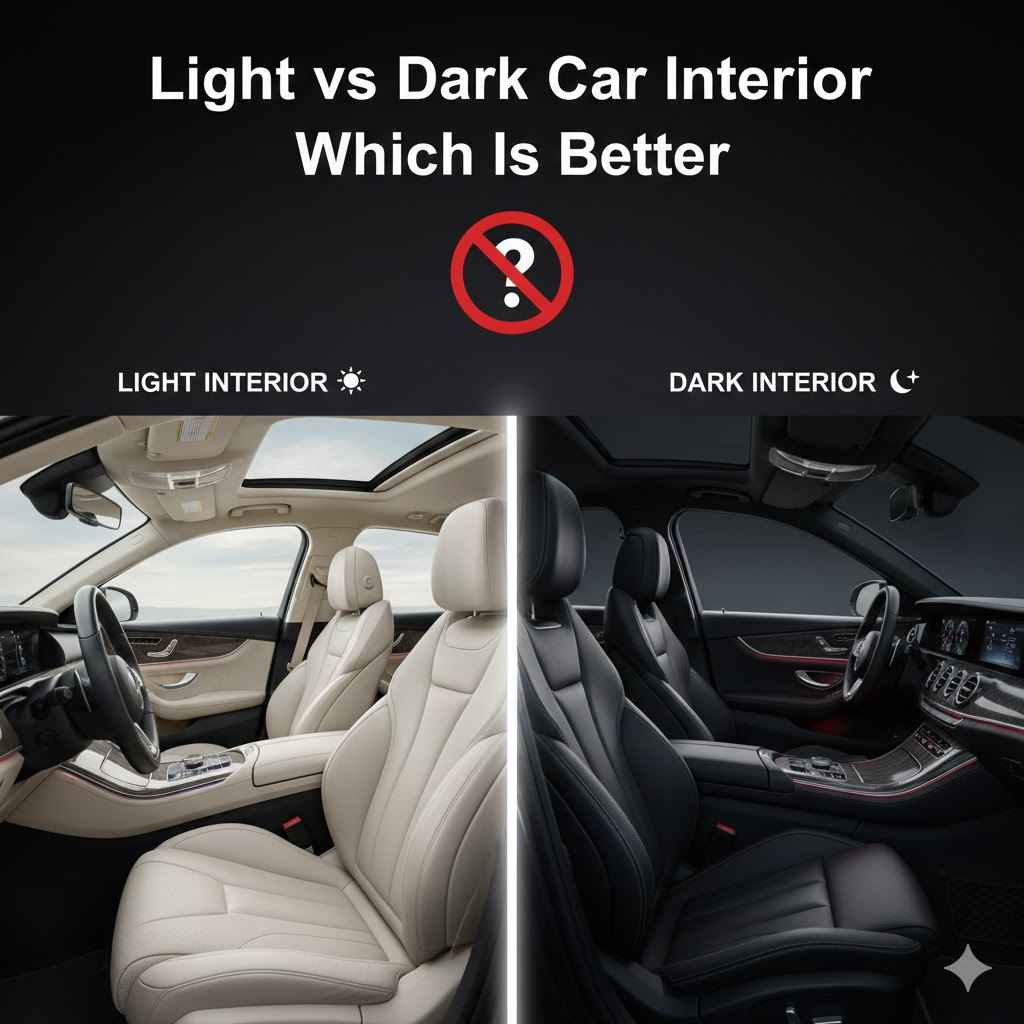
Light vs Dark Car Interior Which Is Better
Choosing between a light or dark car interior can feel tricky, especially if you’re new to car buying. You want your car to look good and be easy to keep clean. This is a big decision for many people.
We will break down the Light vs Dark Car Interior: Which Is Better? choice with simple steps to help you decide. Let’s find out what works best for your car.
Light Car Interior Pros and Cons

Govee
Govee Car LED Lights, RGB Smart Car…
- Creative DIY Mode: Choose from 16 million available colors or customize car led light effects to your liking in DIY mode via Govee…
- Dynamic Music Mode: Built-in mic helps interior car lights sync with any music type. Liven up your road trips, weekend getaways or…
- Smart App Control: Manage the colors and brightness of car lights or choose music mode by one simple tap with Govee Home app. Enjo…
As an Amazon Associate I earn from qualifying purchases.
A light-colored car interior can make a car feel bigger and more open. It often feels brighter and more welcoming. Many people like the airy feel it provides.
However, light interiors can also show dirt and stains more easily. This means more cleaning might be needed to keep them looking nice.
The Bright Side of Light Interiors
Light interiors, like beige, tan, or light gray, reflect more light. This makes the cabin seem more spacious. It’s especially nice in smaller cars.
The bright colors can also make the car feel cooler on sunny days because they absorb less heat than dark colors.
This open feeling can be very pleasant during long drives. It can also help reduce feelings of being cramped. People who spend a lot of time in their cars often appreciate this effect.
- Feels Roomier and More Open
- Brighter and More Welcoming Atmosphere
- Can Feel Cooler in Sunlight
A light interior makes the car’s cabin feel larger than it actually is. This is because light colors reflect more light, creating an illusion of more space. It’s a great way to make a compact car feel more expansive.
The natural brightness of a light interior creates a cheerful and inviting mood. It feels less gloomy, especially on overcast days or in the evening. This can make the driving experience more enjoyable for both the driver and passengers.
Light colors absorb less heat from the sun compared to dark colors. This means a car with a light interior might feel slightly cooler inside when parked in direct sunlight. The difference might not be huge, but it can be noticeable.
The Challenges of Light Interiors
The biggest downside to a light car interior is how easily it shows dirt. Mud, dust, food spills, and even dye transfer from jeans can be very visible on light surfaces. This means you’ll likely need to clean your car’s interior more often.
Scuffs and marks from shoes or bags can also stand out a lot. Keeping it looking pristine requires regular attention and care. For busy individuals or families with young children, this can be a significant drawback.
- Shows Dirt and Stains Easily
- Requires Frequent Cleaning
- Visible Wear and Tear
Any speck of dirt, a dropped crumb, or a small spill will be very noticeable on a light-colored dashboard, seats, or carpets. This is the primary reason many people hesitate to choose light interiors, as it demands constant upkeep.
To maintain its clean appearance, a light interior needs frequent vacuuming and wiping. Special cleaning products might be needed for certain types of stains, adding to the maintenance effort and cost.
Scratches, scuffs, and general wear from daily use are more apparent on lighter materials. This can make the interior look older or less maintained over time, even with careful use.
Dark Car Interior Pros and Cons
Dark car interiors, such as black, charcoal gray, or dark brown, are very popular. They tend to look sleek and sophisticated. A big advantage is that they hide dirt and smudges better than light interiors.
This makes them a practical choice for many drivers.
However, dark interiors can make a car feel smaller and hotter, especially in warm climates. They can also show dust more noticeably if the dust has a lighter color than the interior itself. Let’s explore the good and the not-so-good.
The Advantages of Dark Interiors
Dark interiors are known for their ability to hide everyday grime. This makes them a very practical option for drivers who don’t have a lot of time for cleaning. Minor scuffs and light dirt often blend in, keeping the car looking cleaner for longer.
They also offer a sense of luxury and a more enclosed, driver-focused feel. This can be a desirable aesthetic for many car owners. The dark colors provide a classic and timeless look.
- Hides Dirt and Stains Well
- Offers a Sleek and Sophisticated Look
- Less Reflection Glare
Dark colors are excellent at masking minor spills, scuffs, and general dust. This means your car will likely appear cleaner on average, even without constant attention. It’s a relief for those who lead busy lives.
Black and other dark shades are often associated with luxury and sportiness. They give the car’s interior a polished and modern appearance that many people find attractive.
Dark interiors tend to absorb light rather than reflect it. This can lead to less glare on the windshield and dashboard from sunlight, potentially improving visibility and comfort for the driver.
The Downsides of Dark Interiors
One of the main drawbacks of dark interiors is that they can make the car’s cabin feel smaller. They also absorb more heat, which can make the car hotter on sunny days. This might require more use of the air conditioning.
While they hide dirt well, very fine, light-colored dust can sometimes be quite visible against a dark background. Also, some dark materials can be prone to showing scratches or fading over time, especially in direct sunlight.
- Can Make the Cabin Feel Smaller
- Absorbs More Heat
- Dust Can Be Noticeable
Dark colors absorb more light, which can create a more enclosed feeling. This might make a small car’s interior feel even more compact. Some drivers prefer the open feel of lighter interiors.
On hot, sunny days, dark interiors can become significantly hotter than light interiors. This is because they absorb more solar radiation. This might mean waiting for the car to cool down or running the AC at a higher setting.
While dark interiors hide many types of dirt, very fine, light-colored dust can stand out prominently against dark surfaces. This can be particularly annoying for those sensitive to even small amounts of visible dust.
Comparing Light vs Dark Car Interior Durability
When it comes to durability, both light and dark interiors have their own strengths. The choice often depends on how you use your car and how much maintenance you’re willing to do. Durability isn’t just about how tough the material is, but also how well it maintains its appearance over time.
A dark interior might seem more durable because it hides wear and tear better. However, a light interior, if made from a good quality, stain-resistant material, can also hold up well. It’s about the specific materials used and your personal preferences for upkeep.
Material Matters for Longevity
The type of material used in the interior is a major factor in its durability. Leather, for instance, is generally quite durable and can be treated to resist stains. However, lighter colored leather can still show dye transfer from clothing, and darker leather can show scuffs.
Fabric interiors vary greatly. High-quality, tightly woven fabrics tend to be more resistant to wear and easier to clean than cheaper, loosely woven ones. Some fabrics have special treatments for stain and wear resistance, regardless of color.
- Leather Quality and Treatment
- Fabric Weave and Treatments
- Vinyl and Other Synthetics
High-quality leather is resilient and can last for many years. However, its finish can affect durability. A matte finish might be more prone to absorbing stains, while a semi-aniline or protected leather will resist them better.
Lighter leathers can be more susceptible to dye transfer from dark clothing like denim.
The density of the fabric weave is important. A tighter weave means less chance for dirt to penetrate and less wear from friction. Some fabrics come with factory-applied stain-repellent coatings.
These coatings can be very effective, making spills bead up instead of soaking in, regardless of the color.
Vinyl and other synthetic materials are often very durable and easy to clean. They are commonly used in dashboards and door panels. Their color can affect how well they hide wear, but their inherent toughness is usually high.
Appearance Over Time
How a car interior looks after several years of use is a key part of its perceived durability. A dark interior might hide initial wear, but deep scratches or fading can become very obvious. Light interiors, while showing more initial dirt, might age more gracefully if the material is good quality.
Consider how sunlight affects materials. Some dark plastics and fabrics can fade or become brittle with prolonged exposure to UV rays. Light colors might not show fading as much, but can still be affected by UV damage.
- Fading and Sun Damage
- Scratch Visibility
- Color Consistency
Prolonged exposure to sunlight can cause fading and degradation of interior materials. Darker colors can sometimes absorb more UV radiation, leading to faster fading or becoming brittle. Light colors might show UV damage less dramatically, but it still occurs.
Scratches are a common form of wear. On dark surfaces, deeper scratches can expose lighter material underneath, making them very noticeable. On lighter surfaces, scratches might be less distinct unless they reveal a darker underlying layer.
Maintaining consistent color is important. Over time, different parts of the interior might wear differently. A well-chosen material, regardless of color, will maintain its hue more evenly across different surfaces.
Practical Considerations for Light vs Dark Car Interior
Beyond just looks, several practical factors influence the best choice for your car’s interior. Think about your lifestyle, where you live, and how you typically use your vehicle. These elements play a huge role in what will work best for you long-term.
For example, if you live in a very sunny climate, heat absorption becomes a major concern. If you have young children or pets, stain resistance is paramount. Your daily commute and the types of environments you drive through also matter.
Lifestyle and Usage Habits
Your personal habits significantly impact how an interior holds up. If you frequently transport kids, pets, or often eat or drink in your car, a darker, more stain-resistant interior is likely a better fit. Spills and messes will be less apparent.
For drivers who primarily use their car for commuting alone and are neat, a lighter interior might be perfectly fine and offer a more pleasant ambiance. It all comes down to how much wear and tear your car typically endures.
- Families with Children and Pets
- Commuters and Solo Drivers
- Food and Drink Consumption
For those with kids or furry friends, a dark interior is usually the more practical choice. Muddy paw prints, dropped snacks, and juice spills are common. Dark colors hide these messes much better, reducing stress about keeping the car clean.
If you drive alone for work or errands and are careful about what you bring into the car, a light interior can be a lovely choice. It creates a serene and spacious environment for your commute without the constant worry of showing every speck of dust.
Regularly eating or drinking in the car makes a dark interior a safer bet. Coffee spills, crumbs, and sauces are far less noticeable on darker surfaces. This can save you a lot of cleaning hassle and potential permanent stains.
Climate and Location
The environment you drive in plays a big part. In very hot and sunny regions, dark interiors can make a car feel like an oven. Lighter interiors reflect more sunlight, keeping the cabin cooler.
If you live in an area with a lot of dust or dirt roads, a dark interior might show lighter dust more clearly, while a light interior might show darker mud better. It’s a trade-off depending on the type of dirt you encounter most often.
- Hot and Sunny Climates
- Areas with High Dust or Mud
- Regions with Frequent Rain
If you live in a place with intense sunshine, a lighter interior will be more comfortable. Dark colors absorb heat, making the car’s cabin much hotter. This means your air conditioning will have to work harder, consuming more fuel.
In dusty environments, light-colored dust can stand out starkly on a dark dashboard or seats. Conversely, dark mud or dirt will be very obvious on light-colored carpets. Consider which type of dirt is more common in your area.
Frequent rain can mean more wet shoes and umbrellas entering the car. Darker materials might hide water spots better than light ones, but both will require drying to prevent mildew and odors.
Resale Value Considerations
The color of your car’s interior can influence its resale value. While personal preference is key, certain colors are more universally appealing. Both light and dark interiors can be desirable, but market trends and the overall condition of the interior play a role.
A well-maintained interior of either color will always fetch a better price. However, if one color has a significantly better reputation for showing wear, it might slightly impact the value over time. It’s a subtle factor, but worth considering.
- Popularity of Colors
- Condition Affects Value
- Niche Market Appeal
Black and gray interiors are generally considered neutral and widely appealing, often leading to strong resale value. Lighter colors like beige can also be popular, especially in certain vehicle types like SUVs or luxury sedans, as they can make the car feel more upscale and spacious.
Regardless of color, the condition of the interior is the most critical factor for resale value. A pristine light interior will be more desirable than a heavily stained or worn dark interior. Regular cleaning and maintenance are essential.
Sometimes, a unique interior color can appeal to a specific niche of buyers. However, for broader appeal and easier selling, sticking to common and well-regarded colors like black, gray, or tan is often a safer bet.
How to Maintain Your Car Interior
Keeping your car’s interior looking its best, no matter the color, comes down to regular maintenance. A little bit of effort can go a long way in preserving the appearance and longevity of your car’s cabin.
The key is to address spills and dirt as they happen and to perform routine cleaning. This prevents stains from setting and wear from becoming permanent. Having the right tools and products makes the job much easier.
Regular Cleaning Routine
Establish a routine for cleaning your car’s interior. This means vacuuming carpets and seats regularly to remove loose dirt and debris. Wiping down surfaces like the dashboard and door panels with a damp cloth or an interior cleaner prevents dust buildup.
Don’t forget about cleaning windows and mirrors. Smudges can make the whole interior look less clean. A good streak-free glass cleaner is essential for a polished look.
- Vacuuming
- Wiping Down Surfaces
- Cleaning Glass
Regular vacuuming is crucial. It removes dirt, crumbs, and pet hair before they can become embedded in the fabric or carpets. Pay attention to crevices and under seats where dirt often accumulates.
Use a microfiber cloth and an interior cleaner suitable for your car’s materials. Wipe down the dashboard, center console, door panels, and steering wheel. This removes dust and light grime, keeping surfaces looking fresh.
Use a dedicated glass cleaner and a clean microfiber cloth for streak-free windows and mirrors. Clean windows improve visibility and make the interior feel brighter and more open.
Dealing with Spills and Stains
Act quickly when spills happen. The longer a spill sits, the harder it will be to remove. Blot up liquids immediately with a clean cloth, working from the outside of the stain inward.
For tough stains, use an appropriate upholstery cleaner. Always test the cleaner on an inconspicuous area first to ensure it doesn’t damage or discolor the material. For leather, use a specialized leather cleaner and conditioner.
- Immediate Blotting
- Using Stain Removers
- Leather Care
If you spill something, grab a clean cloth and blot the area gently. Avoid rubbing, as this can spread the stain and push it deeper into the material. Blotting helps lift the liquid out.
For tougher stains, use a fabric or carpet stain remover. Follow the product instructions carefully. For leather, specific leather cleaners are designed to lift stains without damaging the material’s finish.
Leather interiors benefit from conditioning every few months. This keeps the leather supple and prevents it from drying out and cracking. It also helps protect against stains and UV damage.
Protecting Your Interior
Beyond cleaning, there are ways to protect your car’s interior from damage. Floor mats, especially all-weather ones, are excellent for protecting carpets from dirt, mud, and spills. Seat covers can offer an extra layer of defense against wear and stains.
Sunshades are also a good investment, especially for those with lighter interiors or in sunny climates. They help reduce heat buildup and protect the dashboard and other surfaces from UV damage and fading.
- All-Weather Floor Mats
- Seat Covers
- Window Sunshades
These mats have raised edges to catch water, snow, dirt, and mud, keeping them off your car’s original carpet. They are typically made of rubber or durable plastic and are easy to clean by simply rinsing them off.
Seat covers provide an additional protective layer for your seats. They can be easily removed and washed, safeguarding the original upholstery from spills, wear, and tear. Choose a material that suits your comfort and aesthetic preferences.
A sunshade placed in the windshield can significantly reduce the amount of heat and UV rays entering the car. This protects the dashboard from cracking and fading and helps keep the interior cooler, especially important for light-colored interiors.
Light vs Dark Car Interior Which Is Better For You
Deciding between a light or dark car interior comes down to your personal priorities and lifestyle. There isn’t a single “better” option; it’s about finding the best fit for your needs. Both have distinct advantages and disadvantages.
Consider your tolerance for cleaning, the climate you live in, and how you use your vehicle. By weighing these factors, you can make an informed choice that you’ll be happy with for years to come.
Making Your Personal Choice
Think about how much time you have for cleaning and if you mind seeing every speck of dust or every minor spill. If you prefer a low-maintenance option that looks good with minimal effort, a dark interior is likely your best bet.
If you value a bright, open, and airy feel and are willing to put in a bit more effort to keep it looking pristine, a light interior can be a very rewarding choice. It can make even a small car feel much more spacious and pleasant.
- Low Maintenance Preference
- Aesthetic Preference
- Family and Pet Considerations
If you want your car to look clean with less frequent cleaning, a dark interior is the practical choice. It hides common smudges and dirt effectively, giving you peace of mind between washes.
If you prefer the feel of a spacious, bright cabin and enjoy a more open atmosphere, a light interior will likely appeal to you more. It can make your driving experience feel more relaxed and pleasant.
For households with children or pets, the resilience of a dark interior to stains and messes makes it a popular and sensible choice. It can significantly reduce the stress associated with keeping the car tidy.
Key Questions to Ask Yourself
Before making your final decision, ask yourself a few key questions. How often do you eat or drink in your car? Do you have kids or pets who frequently ride with you?
What is the climate like where you live? Are you someone who enjoys detailed cleaning, or do you prefer to keep things simple?
Answering these questions will help guide you toward the interior color that best suits your daily life and will help maintain the car’s appearance and your satisfaction with it.
- How much time can I dedicate to cleaning?
- Do I frequently transport children or pets?
- Does my climate experience extreme heat and sun?
If your answer is “not much,” a dark interior is likely the way to go. It requires less frequent deep cleaning to maintain a presentable look.
Yes means a dark interior will better hide inevitable messes. Light interiors can become stained easily by kids and pets.
If yes, a light interior will keep the car cooler and more comfortable. Dark interiors absorb more heat, making the car hotter.
Frequently Asked Questions
Question: Which car interior color is easier to keep clean Light or Dark?
Answer: Dark car interiors are generally easier to keep looking clean because they hide dirt, dust, and minor stains better than light interiors. Light interiors show dirt and spills more readily.
Question: Does a light car interior make a car feel bigger?
Answer: Yes, a light car interior can make the cabin feel more spacious and open. Light colors reflect more light, creating an illusion of a larger area.
Question: Are dark car interiors hotter than light ones?
Answer: Yes, dark car interiors absorb more heat from the sun, making them hotter than light interiors. This can increase reliance on air conditioning.
Question: Which type of interior is better for resale value?
Answer: Both light and dark interiors can have good resale value if they are well-maintained. Neutral dark colors like black and gray are often very popular and can lead to good resale value.
Question: Can light colored leather seats get stained easily?
Answer: Yes, light colored leather seats can show stains, especially from dye transfer from clothing like denim, and from spills. They require prompt cleaning and regular conditioning.
Conclusion
Deciding between a light or dark car interior depends on your lifestyle and cleaning habits. Dark interiors hide dirt well and offer a sleek look, ideal for busy owners. Light interiors create a sense of space and brightness but require more frequent upkeep.
Choose based on what matters most: easy maintenance or a bright ambiance. Both can look great when cared for properly. See also best way to tint car lights legally without getting fined.
Related pick: Check today's price on Amazon
Products related to this article
Sponsored / affiliate links. As an Amazon Associate I earn from qualifying purchases. I may earn additional commission from eligible campaigns.