Pros And Cons Of A Light Car Interior You Should Know
Choosing your car’s interior color isn’t just about looks. It can change how you feel in the car, how hot it gets, and how much work you have to do to keep it looking nice. This guide will break down all the good and not-so-good parts of a light car interior. We’ll look at everything from how it handles the sun to what happens when life spills.
By the end, you’ll have a much clearer picture. You’ll know if a light interior fits your lifestyle and what to expect. Let’s dive in and figure this out together!
A light car interior can make a car feel bigger and more open. It reflects more light, which can make the cabin seem brighter. However, light colors also show dirt and stains more easily. They might get hotter in direct sun compared to darker colors. The choice depends on your priorities for looks, feel, and maintenance.
The Bright Side: Why Light Car Interiors Shine
Let’s start with the good stuff. Why do so many people love a light car interior? The biggest win is the feeling of space. Think of painting a small room a light color. It instantly makes the room feel larger, right? The same magic happens in a car.
Hylukon
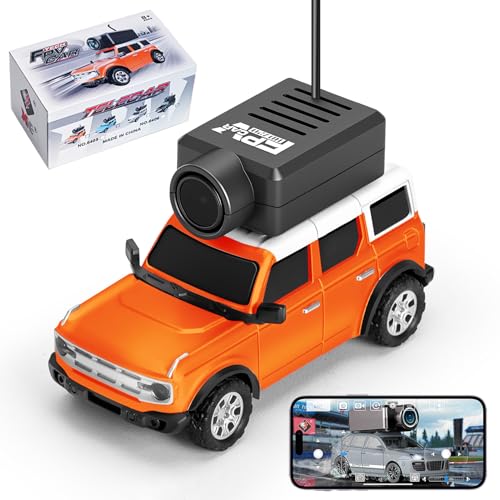
Hylukon WLtoys 1:64 Mini RC Cars, 2.4G…
- Super Easy to Control: Uses 2.4G auto-matching tech—no complicated steps needed after turning on, just connect quickly and start p…
- Steady Like a Real Car: Equipped with a built-in gyroscope for self-stabilization and shock-absorbing front wheels, the RC camera…
- Cool and Eye-Catching: The undercarriage light glows with cool blue light, making the car parkle while moving. This mini remote co…
As an Amazon Associate I earn from qualifying purchases.
Light colors, like beige, cream, tan, or light gray, bounce light around the cabin. This makes the whole space feel more airy and open. If you often feel a bit cramped in cars, a light interior can be a breath of fresh air. It creates a more relaxed and less claustrophobic environment.
Beyond space, a light interior can just feel more pleasant. It often brings a sense of calm and sophistication. Many drivers associate light colors with luxury and a cleaner aesthetic. It’s like wearing a light-colored outfit; it can feel more refined.
Another big plus is how they handle heat. Now, this might surprise you. While it seems counter-intuitive, light colors reflect more sunlight than they absorb. This means the surfaces in a light interior might not get as scorching hot to the touch as dark ones when parked in the sun. That’s a win on a hot summer day!
This reflection of light also means the cabin can feel less dim. On cloudy days or in parking garages, the interior will still seem quite bright. It can make driving in low-light conditions feel a bit more comfortable.
The aesthetic appeal is undeniable for many. Light interiors often look cleaner and more modern. They can make a car feel newer and more well-maintained, even if it’s not. This can boost the car’s resale value too, as many buyers find them attractive.
Light Interior Benefits at a Glance
Feeling of Space: Makes the cabin feel larger and more open.
Airy & Bright: Reflects more light, creating a pleasant atmosphere.
Heat Reflection: Surfaces may stay cooler in direct sunlight.
Calm Aesthetic: Often perceived as more luxurious and peaceful.
Modern Look: Gives the car a fresh and updated appearance.
The Flip Side: Challenges of Light Car Interiors
Now, let’s get real. We all know that beauty often comes with a bit of work. Light car interiors are no exception. The most obvious challenge is cleanliness. Light colors, especially lighter fabrics and leathers, are like a magnet for dirt, dust, and stains.
Think about everyday life. Kids eating snacks, pets shedding, muddy shoes after a hike, or even just the dye from new jeans rubbing off. All of these things will be much, much more noticeable on a light-colored surface than on black or dark gray. A tiny smudge that you might not even see on dark seats can stand out like a sore thumb on beige.
This means you’ll likely find yourself cleaning more often. Vacuuming might become a daily ritual. You might need special cleaners for different types of stains. It requires a proactive approach to keep it looking good. If you’re not someone who enjoys frequent car detailing, this can be a deal-breaker.
Another point of concern is wear and tear. Light-colored fabrics can look faded or dingy over time, especially in high-traffic areas like the driver’s seat or armrests. While dark interiors might hide scuffs and scratches better, light ones can show them more readily. This can make the car look older than it is.
The heat factor can also be a double-edged sword. While light colors reflect sunlight, the materials themselves can still absorb heat. If the car is parked in direct sun for hours, the seats can still become uncomfortably hot. It might not be as extreme as a black interior, but it’s not always “cool to the touch” either.
UV rays can also cause damage over time. Lighter materials might show fading or discoloration from prolonged sun exposure more than darker materials. This is especially true for dashboards and door panels that get direct sunlight.
Resale value can be tricky. While many buyers like light interiors, some prefer darker ones for practical reasons. This can narrow your pool of potential buyers. Also, if the light interior has become heavily stained or worn, it will significantly decrease the car’s value.
Light Interior Drawbacks to Consider
Stain Magnet: Dirt, spills, and marks are highly visible.
Frequent Cleaning: Requires more effort to keep spotless.
Wear and Fading: Can show age and wear more prominently.
Potential for Heat: Still gets warm in direct, prolonged sun.
UV Damage: May be more susceptible to fading from sun rays.
Real-Life Scenarios: Light Interiors in Action
I remember when my friend Sarah got her new SUV. She loved the creamy leather interior. It felt so luxurious. She pictured herself driving around town in style. For the first few weeks, it was perfect. She’d wipe down the dash daily and was super careful about drinks.
Then, her little nephew came to visit. He was five and a half and loved juice boxes. You know how those straws can get a bit leaky? One little drip on the passenger seat. It wasn’t a huge spill, but on that light cream leather, it looked like a giant brown stain. Sarah panicked a little. She grabbed some wet wipes, but it only seemed to spread it.
Later that week, her dog, a golden retriever named Max, jumped in after a walk. He was mostly dry, but his paws had some dirt. Those paw prints on the floor mats? Very obvious. She spent an hour scrubbing the mats and wiping down the seats. It was then she realized the true “charm” of a light interior.
She said, “I love how it looks, I really do. But I feel like I’m constantly on edge. I can’t just relax and let my dog ride shotgun without worrying. And the kids? Forget about it. It’s beautiful, but it’s a lot of work.” That experience really stuck with me. It showed me that the aesthetic appeal comes with a significant commitment to upkeep.
On the flip side, my neighbor, Mr. Henderson, has a light gray fabric interior in his sedan. He’s a retired gentleman, very neat. He rarely eats in his car and is meticulous about cleaning his shoes before getting in. His interior always looks pristine. He says it’s because he treats it like an extension of his living room – with respect and care.
He also mentioned something interesting about the heat. He lives in Arizona. He said his car’s interior doesn’t feel as “oven-like” when he gets in compared to his old car with a black interior. He’d crack the windows slightly when parked to let some air escape. He found the lighter surfaces were simply less intense to the touch.
These stories highlight that the “pros” and “cons” can really depend on who you are and how you use your car. For Sarah, the constant worry about spills and dirt outweighed the initial beauty. For Mr. Henderson, his careful habits and appreciation for the light, airy feel made it a perfect choice.
Light Interior: Myth vs. Reality
Myth: Light interiors are always hotter than dark ones.
Reality: Light colors reflect more sunlight, often making surfaces cooler to the touch. However, the interior as a whole can still get hot from absorbed heat.
Myth: Light interiors are impossible to keep clean.
Reality: They require more frequent cleaning and specific care, but are not impossible. It’s about managing expectations and effort.
Myth: Light interiors make a car look cheap.
Reality: Light interiors are often associated with luxury and sophistication, making the car feel more premium.
Factors Influencing Light Interior Performance
The actual experience with a light car interior isn’t just about the color. Several other factors play a big role. These can either make the light interior a dream or a definite headache. It’s about understanding the whole picture.
First, the material itself matters a lot. Are we talking about light-colored leather, cloth, or a synthetic material? Leather is generally easier to wipe down than cloth. A spilled drink might leave a mark on cloth for a long time. On leather, it might wipe away cleaner. However, light leather can also scratch or get dye transfer from clothes.
Cloth interiors, especially lighter ones, can absorb spills. This means stains can soak in and become much harder to remove. Some modern car fabrics have protective coatings that help repel liquids. This is a huge advantage for light-colored cloth seats. Always check if the material has these features.
Then there’s the shade of “light.” A bright white interior will show every speck of dirt. A slightly darker beige or tan might be a bit more forgiving. Light gray can also hide some grime better than pure white or cream. The exact hue makes a difference.
The design of the interior also plays a part. Are there a lot of tight crevices and complex stitching where dirt can gather? Or is it a smoother, simpler design? A simpler design will be easier to clean, regardless of color. Think about door pockets and seat seams.
Your climate and where you live are huge. If you live in a very dusty area, a light interior will pick up that dust quickly. If you have kids or pets who regularly track in mud or dirt, that’s another challenge. Conversely, if you live in a mild climate and primarily use your car for short, clean commutes, a light interior might be much more manageable.
Finally, consider your lifestyle. Are you someone who eats and drinks in the car often? Do you have a dog that comes on adventures? Or are you more of a “shoes off at the door” kind of person who keeps their car as a pristine sanctuary? Your daily habits are the biggest predictor of how well a light interior will work for you.
Key Influencing Factors
Material Type: Leather, cloth, or synthetic have different maintenance needs.
Color Shade: Brighter whites show more than off-whites or light grays.
Interior Design: Crevices and complex seams trap dirt.
Climate & Location: Dusty or muddy environments increase cleaning needs.
Personal Habits: Eating, pets, and kids dramatically impact cleanliness.
What This Means for You: When is a Light Interior a Good Idea?
So, after all this, when should you seriously consider a light car interior? It boils down to a few key things. The first is if you prioritize aesthetics and the feeling of spaciousness above all else.
If you love that bright, airy, and open cabin feel, and you find it makes your driving experience more pleasant, then a light interior could be great for you. This is especially true if you don’t have young children or pets who are frequent passengers.
It’s also a good choice if you are naturally tidy and don’t mind a little extra cleaning. If you enjoy detailing your car or find it a relaxing task, then keeping a light interior clean won’t feel like a burden. It will be part of the pride you take in your vehicle.
Consider it if you live in a region that doesn’t have extreme dust or mud. A milder climate with less dirt means less of a cleaning challenge. Also, if you primarily use your car for solo commutes or short trips with adult passengers, the risk of major messes is lower.
Think about the material. Light-colored leather with a good protective coating, or a high-quality, stain-resistant fabric, can be much more manageable than basic cloth. Modern automotive materials have come a long way.
Finally, if you’re looking for a car that feels more upscale and open, a light interior can deliver that feeling. It often makes a car seem more luxurious and less utilitarian.
When Light Interiors Shine
You love the spacious, bright feel.
You don’t have young kids or pets regularly in the car.
You are meticulous about cleaning and maintenance.
You live in a relatively clean environment.
You want your car to feel more luxurious.
When to Think Twice: Signs a Light Interior Isn’t For You
On the flip side, there are clear signs that a light car interior might not be the best choice for your lifestyle. The most obvious one? Kids. If you have young children who eat, drink, and spill things in the car regularly, a light interior will likely cause you a lot of stress.
Pets are another big factor. If your furry friends join you on many adventures, especially off-road or beach trips where they might bring dirt and moisture, a light interior will quickly show it. Muddy paws are not friends with light upholstery.
If you’re not a fan of cleaning, or if your schedule is already packed and you don’t have time for regular car maintenance, then a light interior is probably not the way to go. It requires more hands-on effort to keep it looking good.
Consider your location. If you live in an area that is known for dust, sand, or heavy mud, a light interior will constantly be battling the elements. You’ll find yourself cleaning more often than you’d probably like.
If you frequently carry items that could easily transfer color, like new dark denim jeans or certain art supplies, you might want to reconsider. Dye transfer can be a persistent problem on light materials.
Finally, if you want a low-maintenance vehicle that you can just hop into and go without worrying about every little speck, a dark interior will serve you much better. It hides imperfections and dirt far more effectively.
When to Avoid Light Interiors
You have young children who eat or spill in the car.
You regularly transport pets who may bring dirt or mud.
You dislike frequent cleaning and maintenance.
You live in a very dusty or muddy environment.
You often carry items that can cause dye transfer.
Quick Tips for Maintaining a Light Interior
If you’ve decided that the benefits of a light interior outweigh the challenges, or if you’ve already got one, here are some tips to help you keep it looking its best. These are simple things you can do to make life easier.
1. Act Fast on Spills: The moment something spills, grab a clean cloth or paper towel. Blot the spill immediately. Don’t rub, as this can push the stain deeper into the material. Blotting lifts the liquid away.
2. Use the Right Cleaners: Invest in a good interior cleaner specifically designed for car upholstery. For leather, use a leather cleaner and conditioner. For fabric, a mild fabric cleaner might work. Always test any cleaner on an inconspicuous spot first.
3. Invest in Floor Mats: Good quality all-weather floor mats are a lifesaver. They catch dirt, mud, and spills before they reach your carpets. They are also much easier to remove and clean than the car’s carpeting.
4. Keep Cleaning Supplies Handy: Have a small kit in your car. This could include microfiber cloths, some interior cleaner spray, and maybe some baby wipes for quick clean-ups. You’d be surprised what you can tackle with them.
5. Regular Vacuuming: Make it a habit to vacuum your car’s interior at least once a week. This prevents dust and dirt from settling in and becoming harder to remove. Pay attention to seams and crevices.
6. Consider Seat Covers: If you have kids or pets and a light interior, custom-fit seat covers can be a fantastic investment. You can find stylish ones that protect your original upholstery. They are usually easier to remove and wash.
7. Protectants and Sealants: For leather, regular conditioning is key. For fabric, you can look into fabric protectant sprays that create a barrier against spills. These need to be reapplied periodically.
8. Tint Your Windows: Window tint can help reduce UV exposure, which can cause fading over time. It also helps keep the interior a bit cooler.
Maintenance Checklist for Light Interiors
Spills: Blot immediately. Do not rub.
Cleaners: Use products made for automotive interiors. Test first.
Floor Mats: Opt for all-weather mats for easier cleaning.
On-the-Go Kit: Keep cloths and cleaner in your car.
Vacuuming: Weekly vacuuming prevents deep dirt buildup.
Seat Covers: A practical solution for high-traffic interiors.
Protectants: Use conditioners for leather and sprays for fabric.
Window Tint: Helps protect against UV fading.
Frequently Asked Questions About Light Car Interiors
Is a light car interior hotter than a dark one?
Generally, light car interiors can feel cooler than dark ones in direct sunlight. This is because lighter colors reflect more sunlight and absorb less heat. However, the material and how long the car is parked in the sun can still make the interior quite warm.
How do I clean stains on a light car interior?
The key is to act fast. Blot spills immediately with a clean cloth. For tougher stains, use an automotive interior cleaner appropriate for your material (leather cleaner for leather, fabric cleaner for cloth). Always test cleaners on a hidden spot first to avoid damage or discoloration.
Will a light interior show dirt more easily?
Yes, light interiors tend to show dirt, dust, and stains more visibly than dark interiors. This means you will likely need to clean your car more frequently to keep it looking its best.
Are light interiors bad for resale value?
It can go both ways. Many buyers find light interiors appealing. However, if a light interior is heavily stained or worn, it will significantly reduce the car’s value. If kept clean, it can be a positive feature.
Can I use my regular household cleaners on my car interior?
It’s best to avoid most household cleaners. They can be too harsh for automotive materials, leading to damage, fading, or discoloration. Always use products specifically designed for car interiors. Read the product labels carefully.
How often should I clean my light car interior?
Ideally, you should vacuum weekly to prevent dirt buildup. For spills and spots, address them immediately. A more thorough wipe-down or cleaning might be needed every few weeks or months, depending on your usage and environment.
Does fabric or leather show dirt more in a light interior?
Both can show dirt. Fabric can absorb spills and stains, making them harder to remove once set. Light leather can show scuffs, scratches, and dye transfer from clothing more obviously. Leather is often easier to wipe clean of fresh spills.
Final Thoughts on Light Car Interiors
Choosing a car interior color is a personal decision. A light car interior offers a beautiful, airy feel that can enhance your driving experience. It makes the car feel bigger and more open.
However, it’s essential to be honest about your lifestyle. If you’re prepared for the extra cleaning and maintenance, a light interior can be a stylish and rewarding choice. If not, a darker color might save you a lot of worry and effort.
Consider the pros and cons carefully. Think about your daily habits, whether you have kids or pets, and how much time you’re willing to spend on upkeep. This will help you make the choice that’s right for you and your car.
See also why is my car light blue causes and what it really means.
Related pick: Check today's price on Amazon See also best car light brands in india for quality and value.
Products related to this article
Sponsored / affiliate links. As an Amazon Associate I earn from qualifying purchases. I may earn additional commission from eligible campaigns.