How Often Should You Replace Car Engine Oil? Expert Guide
This guide explains when and why to replace your car’s engine oil, covering mileage, time, and driving conditions for better engine care.
Understanding Your Car’s Engine Oil Needs
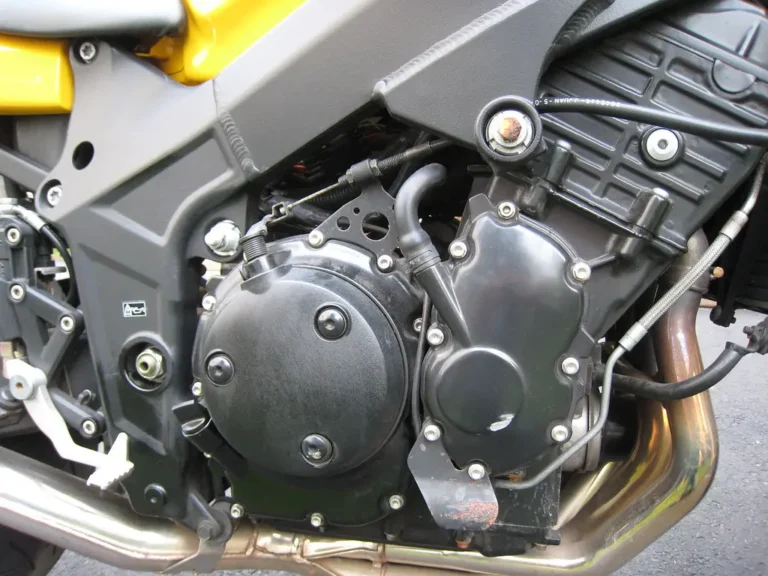
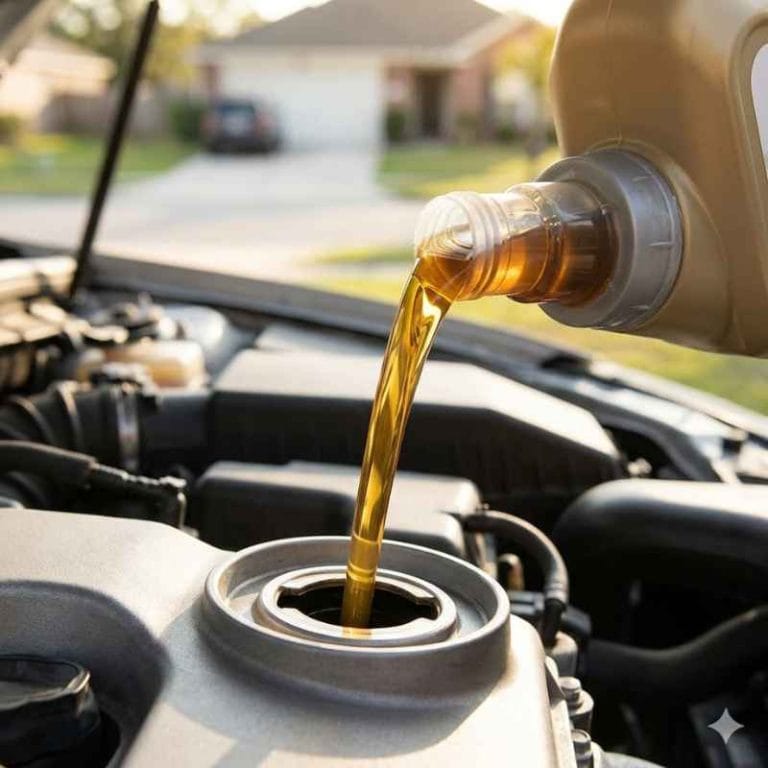
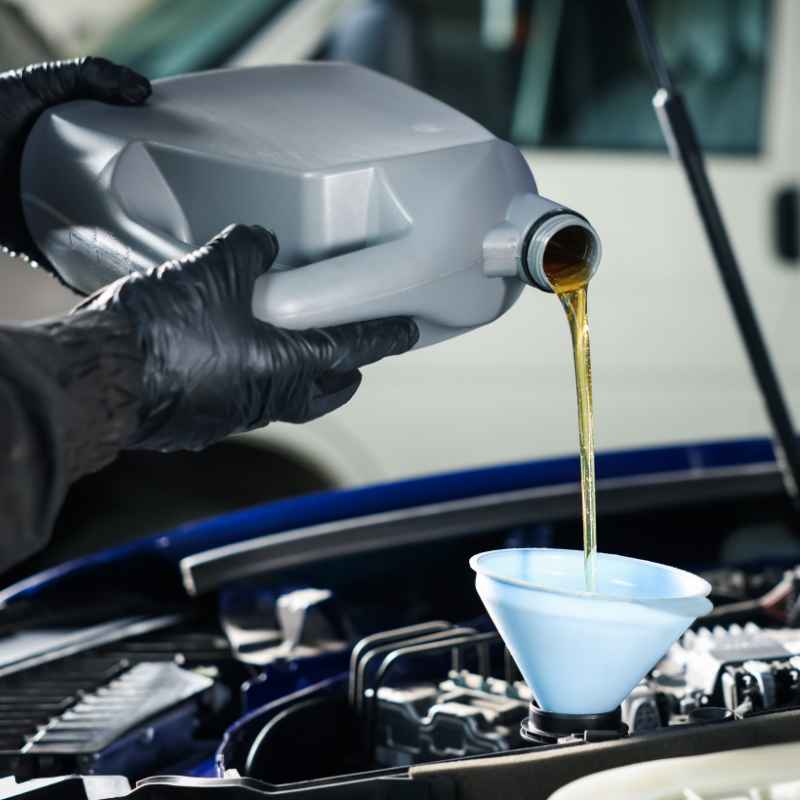
Engine oil is like the lifeblood of your car’s engine. It’s super important. It keeps all the moving parts well-oiled.

PHILTOP
PHILTOP CA10465 Engine Air Filter for Chevrolet,…
- [Vehicle Fitment]:Compatible with CA10465 Chevrolet Equinox 2010-2017, GMC Terrain 2010-2017
- [3-Stage Progressive Density Media]: At the core of the PT engine air filter is an advanced nanofiber hybrid media, engineered for…
- [Improved Fuel Economy]: Cleaner intake air improves the efficiency of the fuel combustion process, which improves fuel economy an…
As an Amazon Associate I earn from qualifying purchases.
This means less friction and less wear. But, oil doesn’t last forever. Over time, it gets dirty.
It also loses its ability to do its job well. That’s why changing it is a must.
Think of it like this: when you cook, grease can build up. Oil in your engine does a similar job of picking up gunk. This gunk comes from tiny metal bits.
It also comes from burnt fuel and other things. The oil filter catches some of this. But eventually, the oil itself breaks down.
When oil breaks down, it can’t protect your engine as well. This can lead to problems. These problems can be costly.
So, knowing when to change it is key. It helps your car run smoothly. It also helps it last longer.
We’ll look at how to know when it’s time.
My Own Oil Change Scare
I remember one time, years ago, I was driving a used car I’d just bought. It was a sturdy old sedan. I was so excited about it.
I drove it everywhere. I was so busy with work. I totally forgot about checking things like the oil.
It had been a few months, maybe more.
One sweltering summer afternoon, I was stuck in traffic. The car started making a weird noise. It wasn’t loud at first.
But it grew. It sounded like a grinding noise. My heart sank.
I pulled over as soon as I could. I popped the hood. I checked the oil dipstick.
It was almost bone dry. The oil that was left was dark and thick. It looked like tar.
The mechanic told me I was lucky. I had caught it just in time. He said the engine was getting very hot.
The parts weren’t getting enough oil. He changed the oil and filter. He showed me how to check it regularly.
It was a hard lesson. But it taught me the true value of regular oil changes. I never let that happen again.
Key Oil Change Factors
Mileage: How many miles you drive is a big factor. Most cars have recommendations based on this.
Time: Even if you don’t drive much, oil degrades over time. Age matters.
Driving Habits: Short trips, stop-and-go traffic, and extreme weather stress oil more.
Oil Type: Synthetic oils last longer than conventional ones.
Vehicle Age: Older cars might have different needs than newer ones.
The Traditional Wisdom: Miles and Months
For a long time, the rule of thumb was pretty simple. Change your oil every 3,000 miles. Or change it every three months.
Whichever came first. This advice came from the days of older cars. They had less advanced engines.
They also used less sophisticated oils.
Many car owners still stick to this 3,000-mile rule. It’s safe. It ensures your oil is fresh.
But for many modern cars, it’s often more than needed. Car manufacturers know their vehicles best. They provide specific guidelines.
These are usually found in your owner’s manual.
So, while 3,000 miles isn’t bad, it might be overkill. Overchanging oil can be a waste of money. It’s also not great for the environment.
Newer cars often have longer intervals. Some can go 5,000, 7,500, or even 10,000 miles between changes. It really depends on the car and the oil used.
Modern Cars and Oil Life Monitoring Systems
Today’s cars are smarter. Many have something called an Oil Life Monitoring System. Or OLMS.
This system tracks how you drive. It looks at engine load. It also considers engine temperature.
It even looks at how often you start your car. It uses this data to figure out when the oil really needs changing.
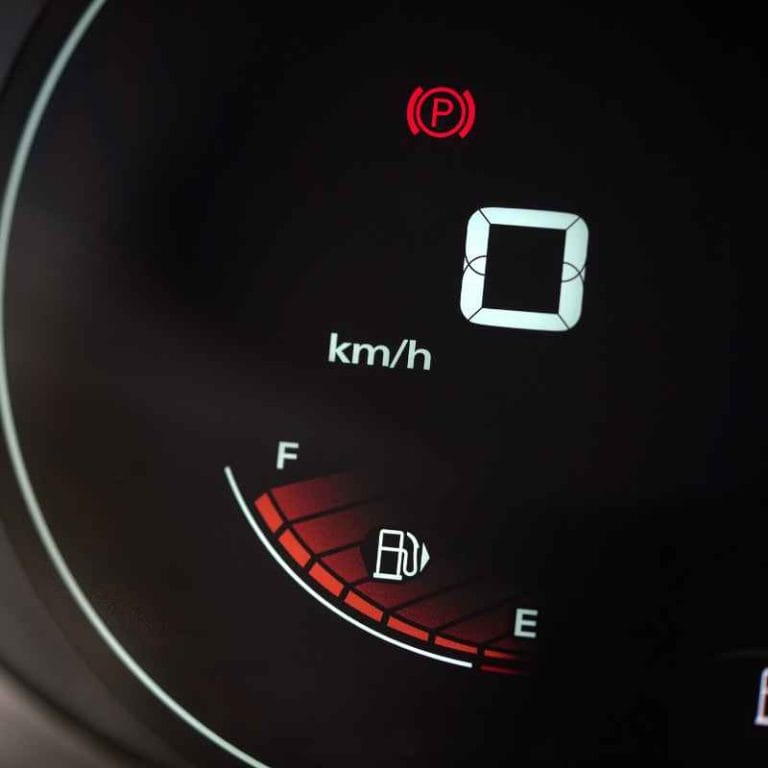
When the system thinks it’s time, a light will come on. It might say “Change Oil Soon.” Or it might show a percentage. This is usually a more accurate way to know.
It takes into account your actual driving conditions. This is much better than a one-size-fits-all rule.
So, if your car has an OLMS, pay attention to it. It’s designed to help you. It takes the guesswork out of it.
You don’t need to count miles yourself. Just follow the car’s advice. And remember to reset the system after an oil change.
Oil Life Monitoring System (OLMS) Explained
How it works: Tracks driving habits, engine load, and temperature.
What it does: Calculates remaining oil life based on actual usage.
When to change: Follow the dashboard notification (e.g., “Change Oil Soon”).
Resetting: Crucial to reset after each oil change to recalibrate.
The Impact of Driving Habits
How you drive your car makes a big difference. Short trips are hard on oil. This is because the engine doesn’t get hot enough.
It doesn’t reach its optimal temperature. This means moisture and fuel can build up in the oil. This can lead to sludge.
It can also cause the oil to break down faster.
Stop-and-go traffic is also tough. Your engine is constantly working. It’s revving up and slowing down.
This puts more stress on the oil. It heats it up more. It makes it pick up more contaminants.
Think of it like a workout. A long, steady jog is different from sprinting and stopping all the time.
On the other hand, long highway drives are easier on oil. When you drive at a steady speed for a long time, the engine runs smoothly. It reaches and maintains a good temperature.
This helps burn off contaminants. It also helps the oil do its protective job effectively.
So, if you mostly do short trips, you might need to change your oil more often. Even if your OLMS suggests otherwise. Or if you don’t have an OLMS, consider your driving.
A mechanic can help you find the best interval.
Driving Style vs. Oil Life
Short Trips: Engine doesn’t warm up. Moisture/fuel can build. Oil degrades faster.
Stop-and-Go: Constant stress. More contaminants. Oil heats up more.
Highway Driving: Steady temps. Less stress. Contaminants burn off.
Performance Driving: High RPMs. Extreme heat. Demands high-quality synthetic oil.
Understanding Oil Types: Conventional vs. Synthetic
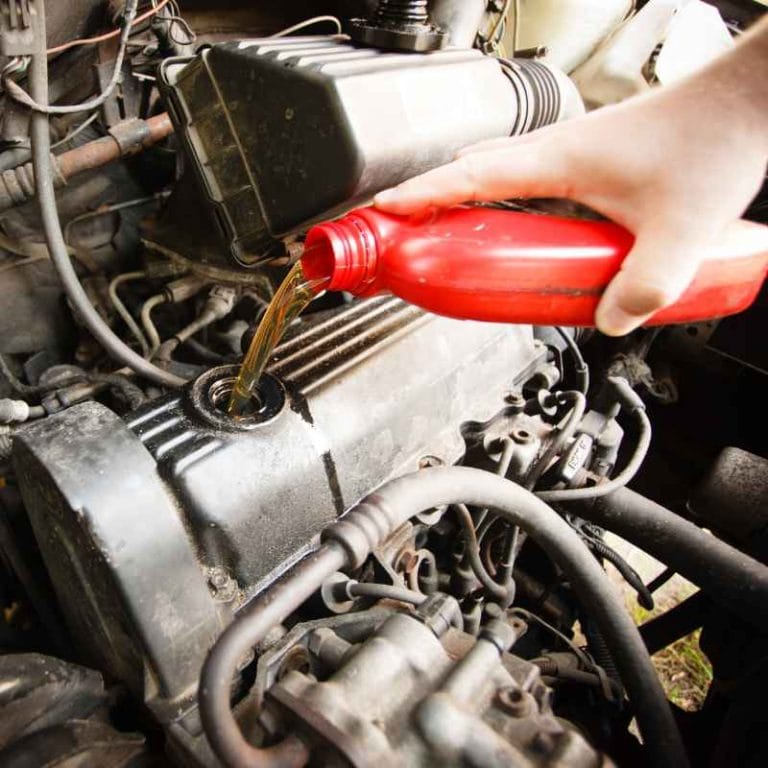
There are two main types of engine oil. Conventional oil is refined from crude oil. Synthetic oil is man-made.
It’s engineered in a lab. It offers many benefits over conventional oil.
Synthetic oil is much more stable. It resists breaking down at high temperatures. It also performs better in cold weather.
It flows better when it’s cold. This means faster lubrication when you start your car. Synthetic oils are also cleaner.
They have fewer impurities from the start.
Because synthetic oil is more robust, it lasts longer. Many car manufacturers recommend synthetic oil. Especially for high-performance engines or in extreme climates.
If your car calls for synthetic, it’s best to use it. It can often extend your oil change intervals. You might be able to go 7,500 to 10,000 miles or more.
There’s also synthetic blend oil. It’s a mix of conventional and synthetic. It offers some of the benefits of synthetics.
But it’s not as expensive. If you’re unsure, check your owner’s manual. It will tell you what type of oil your car needs.
Oil Type Comparison
Conventional: Basic protection. Shorter lifespan. Good for older cars or light use.
Synthetic Blend: Mid-range performance. Better than conventional. Good balance.
Full Synthetic: Superior protection. Resists heat and cold. Longest lifespan.
Best for modern/performance cars.
Signs Your Engine Oil Needs Changing
Your car will often tell you when it’s time. But sometimes, you need to be observant. There are a few signs to look out for.
These are things you can check yourself. They can alert you before a problem starts.
The most obvious sign is the oil itself. When you pull out the dipstick, look at the oil. New oil is usually amber or light brown.
As it gets dirty, it turns darker. It will become a dark brown or even black. If it looks like black sludge, it’s definitely overdue.
Another sign is the oil level. If it’s very low, you need to add oil. But it might also mean you’re burning oil.
This could be a sign of engine trouble. So, low oil is always something to investigate. Even if you top it up, keep an eye on it.
The smell of the oil can also be a clue. If you smell burning oil when you’re driving, that’s not good. It can mean the oil is too hot.
Or it’s leaking. Or it has broken down. This smell means it’s time to get it checked out right away.
Visual & Olfactory Oil Checks
Color: New oil is light brown. Old oil is dark brown or black.
Level: Check the dipstick. Low levels need immediate attention.
Smell: Burning oil smell indicates a problem or overdue change.
Texture: If oil feels gritty or has particles, it’s very dirty.
When to Change Oil in Different Climates
Climate plays a role in how your engine oil performs. In very hot climates, oil is put under more stress. High temperatures can make oil break down faster.
It can also become thinner. This means it offers less protection.
If you live in a place with hot summers, you might need to change your oil more often. This is especially true if you do a lot of driving in that heat. Consider a higher quality oil.
Or stick to the shorter end of the recommended interval.
In very cold climates, the challenge is different. When it’s freezing, oil can become thick. It doesn’t flow well.
This means it takes longer for the oil to reach all the engine parts. This initial lack of lubrication can cause wear. Especially during cold starts.
Many modern synthetic oils are formulated for cold weather. They stay thinner. They flow better.
If you live in a very cold area, using a synthetic oil is a good idea. It will help protect your engine from wear during those cold starts. Always check your owner’s manual for climate-specific advice.
Climate Impact on Oil
Hot Climates: Oil breaks down faster. Needs more frequent changes. Consider synthetic.
Cold Climates: Oil thickens. Affects initial lubrication. Synthetic oils flow better.
Extreme Temps: Both heat and cold put extra stress on oil. Check manufacturer guidelines.
The Role of the Oil Filter
When you change your engine oil, you almost always change the oil filter too. This is really important. The oil filter’s job is to trap dirt and debris.
It keeps the oil clean. It removes tiny metal shavings. It also catches other gunk that gets into the oil.
Over time, the oil filter gets full. It can’t trap any more particles. If you don’t change it, it can get clogged.
A clogged filter can restrict oil flow. This can cause oil to bypass the filter. This means dirty oil is circulating through your engine.
That’s bad news.
So, always change the oil filter at the same time you change the oil. It’s a cheap part. But it does a vital job.
Think of it as a coffee filter. Once it’s full of grounds, it can’t filter your coffee anymore. The oil filter is the same for your engine.
Oil Filter Basics
Function: Traps dirt, metal particles, and other debris from the oil.
Lifespan: Gets clogged over time, reducing effectiveness.
Replacement: Should be changed every time the engine oil is changed.
Consequences of not changing: Dirty oil circulates, potential damage.
Checking Your Owner’s Manual: The Ultimate Guide
I cannot stress this enough: your car’s owner’s manual is your best friend. It contains all the specific information for your make and model. This includes the recommended oil type.
It also lists the recommended oil change intervals. These are usually given in terms of miles and time.
The manual will tell you if your car needs conventional oil or synthetic. It might also specify the oil’s viscosity grade. This is the number like “5W-30” you see on oil bottles.
This grade is crucial for proper lubrication.
If your car has an Oil Life Monitoring System, the manual will explain how it works. It will also tell you how to reset it. Don’t guess.
Don’t just follow what your neighbor does. Always refer to your owner’s manual. It’s the most reliable source of information for your specific vehicle.
Owner’s Manual – Key Info
Oil Type: Conventional, synthetic blend, or full synthetic.
Viscosity Grade: e.g., 5W-30, 10W-40.
Mileage Interval: Recommended miles between changes.
Time Interval: Recommended months between changes.
OLMS: How your car’s system works and how to reset it.
When is it Okay to Go Longer?
There are situations where you might be able to stretch the oil change interval a bit. This usually applies if you use high-quality synthetic oil. And if your driving habits are ideal.
For example, if you do a lot of consistent highway driving. And your car’s OLMS indicates you have plenty of life left.
Some newer cars with advanced synthetic oils can go 10,000 miles or even more. This is a significant improvement over older standards. However, it’s important to be realistic.
If you drive in harsh conditions, you might not get the full mileage.
Always err on the side of caution. If you’re unsure, it’s better to change the oil a little early. It’s much cheaper than repairing engine damage.
If you’re using conventional oil, sticking closer to the 3,000-5,000 mile mark is often a good idea. Especially for older vehicles.
When Should You Change Oil Sooner?
There are definite situations where you should change your oil sooner than the manual or OLMS suggests. These usually involve severe driving conditions. Or if you notice specific problems.
It’s always better to be safe than sorry.
If you tow trailers frequently, that’s hard on your engine. It causes more heat. It puts more strain on the oil.
Towing is considered a severe driving condition. You’ll likely need more frequent oil changes. The same applies if you drive in dusty or muddy environments.
This can get contaminants into the oil faster.
If you live in an area with extreme temperatures. Either very hot or very cold, as we discussed. This can also warrant earlier changes.
Driving in mountains a lot, with lots of uphill and downhill, is also hard on the engine. It’s similar to towing.
Finally, if you notice any of the signs we talked about. Like dark oil, low oil level, or a burning smell. Don’t wait for the car to tell you.
Get it checked out and change the oil sooner. It’s a small price to pay for peace of mind.
Reasons for Sooner Oil Changes
Towing: Puts extra strain and heat on the engine.
Severe Weather: Extreme heat or cold impacts oil performance.
Dusty/Muddy Conditions: Contaminants can enter the oil more easily.
Stop-and-Go Traffic: Constant engine starts and stops.
Performance Driving: Frequent hard acceleration and braking.
DIY vs. Professional Oil Changes
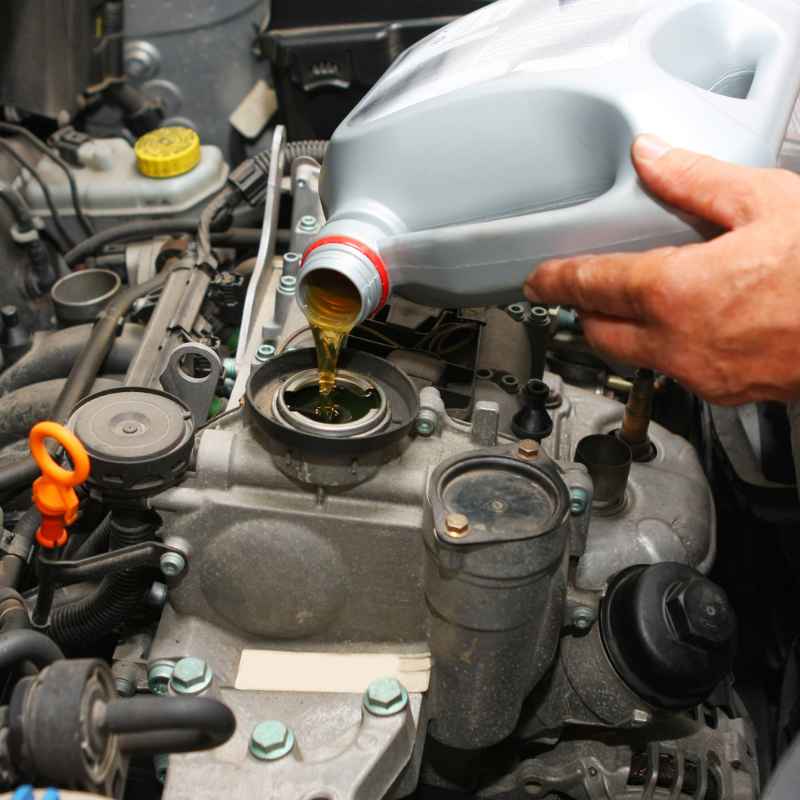
Many people choose to do their own oil changes. It can save money. It also gives you a chance to inspect other parts of your car.
You need a few basic tools. A wrench for the drain plug. A filter wrench.
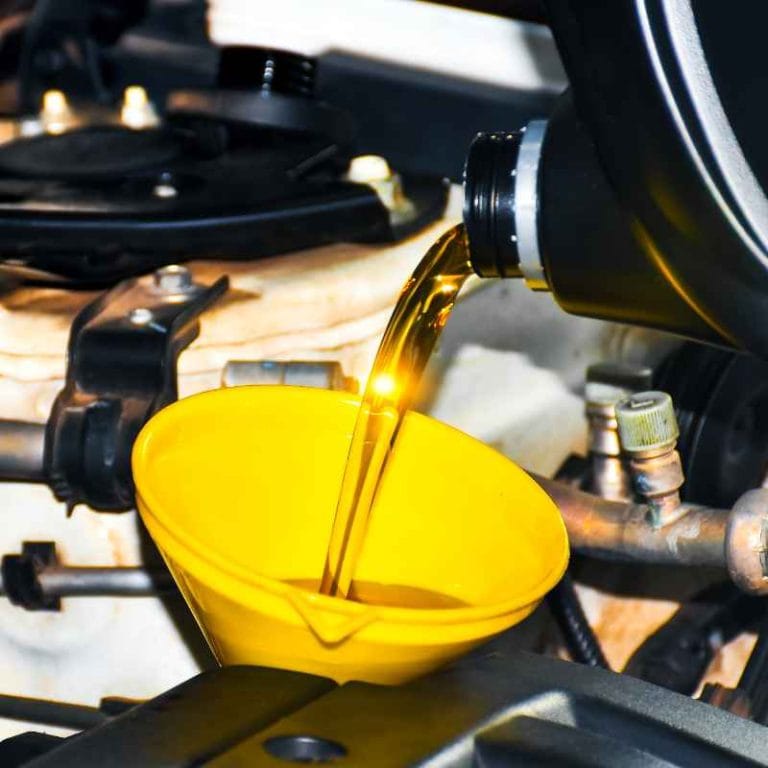
A drain pan. And of course, new oil and a new filter.
Make sure you have the right oil and filter. Consult your owner’s manual. It’s important to dispose of the old oil properly.
Most auto parts stores will accept used oil for recycling. Never pour it down the drain or on the ground.
If you’re not comfortable doing it yourself, that’s perfectly fine. Many service centers offer oil changes. They can also check other fluid levels and perform inspections.
When you go to a shop, make sure they are reputable. Ask them to use the correct type and amount of oil.
Whether you DIY or go to a shop, the key is to do it regularly. Consistency is more important than who does the job. Keep records of when you change your oil.
This helps you track it. It can also be useful if you sell your car later.
DIY vs. Professional Oil Changes
DIY Pros: Saves money, familiar with car, control over parts/oil.
DIY Cons: Requires tools, messy, proper disposal of old oil needed.
Pro Pros: Convenient, expertise, often bundled with inspections.
Pro Cons: More expensive, less control over parts/oil if not specified.
Frequently Asked Questions About Oil Changes
How often should I change my car’s engine oil?
This depends on your car’s make and model, the type of oil you use (conventional vs. synthetic), and your driving habits. Always check your owner’s manual.
Many modern cars have an oil life monitoring system that will tell you when it’s time. For older cars or conventional oil, 3,000 to 5,000 miles is a common recommendation.
What happens if I don’t change my engine oil?
If you don’t change your engine oil, it can become dirty and lose its lubricating properties. This leads to increased friction and wear on engine parts. Over time, this can cause sludge buildup, overheating, and eventually severe engine damage, leading to costly repairs or engine failure.
Can I use a different type of oil than what’s recommended?
It’s best to stick to the oil type recommended in your owner’s manual. Using the wrong type of oil can affect your engine’s performance and longevity. For example, using conventional oil when synthetic is required might not provide adequate protection, especially in extreme temperatures or under heavy loads.
How do I know if my car has an oil life monitoring system?
Most cars made in the last 10-15 years have an oil life monitoring system. You can usually find out by checking your dashboard. Look for a message like “Oil Life Remaining” or “Change Oil Soon.” Your owner’s manual will also confirm if your car has one and explain how it works.
Is synthetic oil worth the extra cost?
For many modern cars, yes, synthetic oil is often worth the extra cost. It provides superior protection against wear, heat, and cold. It also lasts longer, meaning you can potentially go longer between oil changes, which can offset the initial cost.
It’s especially beneficial for performance vehicles or those driven in extreme conditions.
How do I check my car’s oil level?
Park your car on a level surface and turn off the engine. Wait a few minutes for the oil to settle. Locate the oil dipstick (usually has a bright colored handle).
Pull it out, wipe it clean with a rag, reinsert it fully, and pull it out again. Check the oil level against the markings (often “Add” and “Full” or min/max lines).
The Bottom Line on Engine Oil Changes
Taking care of your car’s engine oil is one of the simplest yet most critical maintenance tasks. It’s not just about following a number. It’s about understanding your car.
It’s about understanding how you drive it. And it’s about listening to what your vehicle is telling you.
Always consult your owner’s manual. Pay attention to your car’s oil life monitoring system. Consider your driving habits and your local climate.
By staying informed and consistent, you help ensure your engine runs smoothly. You help it last for many more miles. It’s a small effort for a big reward: a reliable car.
Related pick: Check today's price on Amazon
Products related to this article
Sponsored / affiliate links. As an Amazon Associate I earn from qualifying purchases. I may earn additional commission from eligible campaigns.
 DongJinK Engine Oil Level Gage Dipstick Compatible with Toyota 4Runner 1984-1995 for Toyota Celica 1984-1985 for Toyota Pickup 1984-1995 Replace# 15301-35020 1530135020
 Suifaqi Engine Oil Dipstick Oil Level Dipstick - Replace Part 120 589 07 21 00, 120589072100 - Compatible with Mercedes-Benz CLS55 AMG 2006(2026 NEW)