What Does the Car With Tire Marks Mean? (Simple Explanation)
Seeing tire marks on your driveway or the street can be confusing. You might wonder what they mean. Are they just normal wear and tear?
Or could they be a sign of something more serious? It’s a common puzzle many of us face. This guide will help you understand these marks.
We’ll cover what they look like and what they can tell you about your car or the road. Let’s find out what those tire marks really mean.
Car tire marks often mean a few things. They can be from normal braking or turning. Sometimes they show a tire is losing air.
They might also mean a car is being driven roughly. Understanding these marks helps you know if your car needs checking. It also tells you if there’s a problem with the road itself.
Understanding Tire Marks
Tire marks are a visible sign left by a car’s tires on a surface. Think of them as a temporary message from your car. They can appear on roads, driveways, and even sidewalks.

SELEAD
SELEAD Tire Marker White Red for Car…
- 🛞【SET OF 8 PIECES】A set of 8 pieces can satisfy your varying degrees of graffiti and depiction, and also make up for the waste cau…
- 🛞【PREMIUM OIL-BASED INK】We fill each marker with 5ml of premium Oil-Based ink, perfect for outdoor use, it has better waterproof,…
- 🛞【ALUMINUM SHELL & MEDIUM TIP】Aluminum tubes are used instead of plastic as the outer shell to protect the ink from drying for a l…
As an Amazon Associate I earn from qualifying purchases.
These marks come from friction between the rubber of the tire and the ground. Different kinds of marks can mean different things. Some are harmless.
Others might need your attention.
The type of mark depends on how the tire was used. Was the car braking hard? Was it turning sharply?
Or maybe it was just parked there for a while? The surface also matters. Asphalt, concrete, and even dirt will show marks differently.
Understanding these differences is key. It helps us decode what our cars are telling us.
Let’s break down the main types of tire marks you might see. This will help you identify them. Then we can talk about what each one might signal.
It’s like learning a new language. The language of your car’s tires.
My Experience with Mysterious Tire Marks
I remember one rainy Tuesday. I came home from work, and there it was. A long, dark skid mark right in the middle of my driveway.
My heart jumped. Had someone been speeding? Did they crash?
I walked over to look closer. It wasn’t just one mark. It was a set of parallel lines.
They looked deep. My mind raced with worst-case scenarios. Was it a stolen car?
Was someone in trouble?
I felt a knot of worry in my stomach. My dog, Buster, started barking at the end of the driveway. That’s when I saw it.
A small, shiny piece of metal. It looked like part of a car part. I picked it up.
It was smooth and curved. It didn’t look like it belonged to my car. I started to feel a bit calmer.
But the tire marks were still there. They looked so prominent on the wet concrete.
Later that week, my neighbor mentioned their son had an accident. He hit the curb while backing out. He had to get his car towed.
He mentioned the tow truck driver had to drag his car a bit to get it onto the flatbed. That’s when it hit me. The marks were likely from his car.
It wasn’t a crime. It was just a normal, albeit messy, event. It taught me not to jump to the worst conclusions.
Sometimes, the explanation is much simpler.
Common Tire Mark Types and What They Look Like
Skid Marks: These are long, dark lines. They happen when a tire locks up. It slides without rotating.
Braking hard can cause them. They often show a car lost control briefly.
Scuff Marks: These are shorter. They are lighter in color. They happen when a tire is turning or rubbing.
Hitting a curb can leave scuff marks. Or tires rubbing against a wall.
Black Streaks: These are dark, tire-shaped marks. They are often from normal driving. Accelerating or turning can leave them.
They are very common on roads.
Oil or Fluid Stains: These are not from the tire itself. They are from leaks under the car. They can look like dark or colored patches.
They often spread out. These show a car might be leaking fluids.
Normal Tire Marks: Everyday Wear and Tear
Most tire marks you see are perfectly normal. They are part of how cars work. Roads and driveways are surfaces that get a lot of use.
Tires are made of rubber. Rubber wears down over time. It also leaves traces.
Think of it like your shoes. They get scuffed and worn from walking.
One common mark is the simple black streak. You see these all the time on roads. They happen when a car speeds up quickly.
Or when it turns a corner. The tire’s rubber presses hard against the pavement. This leaves a bit of rubber behind.
It’s like a faint imprint. These are usually harmless. They show normal driving actions.
Another normal mark can happen when parking. If you turn your steering wheel while the car is stopped, the tires can scuff. This is especially true on rough surfaces like asphalt.
You might see slight black marks near curbs. Or where you make tight turns. These are also just signs of regular use.
They don’t mean anything is wrong.
Sometimes, you might see a light dusting of black on your driveway. This can happen even when you just drive normally. The tires are constantly touching the ground.
Over time, tiny bits of rubber transfer. It’s a very gradual process. These marks fade with rain and sunlight.
They are a sign of normal tire wear.
Markings from Parking and Turning
Parking can leave marks. Especially in tight spots. When you crank the steering wheel to turn, your tires push and twist.
This friction can leave dark lines. These are often seen near parking stops or walls. They might look like short black streaks.
They are usually from the edge of the tire. Or from a sharp turn. This is normal for maneuvering.
Making a three-point turn can also cause marks. You are turning the wheel back and forth. The tires grip and then slip a little.
This action leaves traces. They can look like arcs or curves. They are more noticeable on hot days.
The rubber is softer then. These marks are a sign of the car being put through its paces.
Even just pulling into your garage can do it. If your tires are turned a bit as you enter, they can scuff. These marks are often short.
They might be near the edge of the driveway. They simply show the tire is doing its job. Gripping and moving the car.
Quick Scan: Normal Tire Marks
- Black Streaks: From acceleration or turning.
- Scuffs: From sharp turns or parking.
- Dusting: Faint black residue from normal tire wear.
- Fading: Most normal marks disappear over time.
Tire Marks Indicating Potential Problems
While many marks are normal, some can signal trouble. These marks might be different in appearance or location. They could point to issues with your car’s tires or its mechanical parts.
Paying attention to these can save you from bigger problems later.
One clear sign of a problem is a long, dark skid mark. If it’s not from an accident you know about, it could mean the brakes are not working right. Or the anti-lock braking system (ABS) is having issues.
This mark happens when a tire slides uncontrollably. It’s a significant event. It suggests a loss of control during braking.
Another signal is a tire that looks low or flat. If you see a tire mark that seems to be dragging. Or if the tire itself looks squashed.
This often means the tire has lost air. It might have a puncture. Driving on a flat tire can damage the wheel rim.
It’s also dangerous. You should check the tire pressure immediately.
You might also notice uneven wear patterns on the tire marks. If one tire consistently leaves a heavier or deeper mark than the others. This could mean the wheel alignment is off.
Or the suspension system has a problem. Uneven wear means the tire is not making proper contact with the road. This affects handling and safety.
Finally, look for marks that seem to drag or stutter. This isn’t a smooth skid mark. It’s more broken.
This can happen if a brake caliper is sticking. Or if a wheel bearing is bad. These issues cause the wheel to not turn freely.
They create unusual friction. They can lead to more serious damage if ignored.
Skid Marks: When to Be Concerned
Skid marks are a big one. A normal, quick stop usually doesn’t leave long skid marks. Especially on modern cars with good brakes.
If you see a long, dark, continuous skid mark on your property or the street, it’s worth investigating. It means a tire slid for a noticeable distance.
Was it from your car? Did you have to brake suddenly? If not, it could be from another vehicle.
But if these marks are appearing regularly. Or if they are linked to strange noises or sensations when you drive. It’s time to get your brakes checked.
A mechanic can inspect the entire braking system.
This includes the brake pads, rotors, lines, and the ABS unit. A sticking caliper is a common culprit. It causes one wheel to drag.
This creates a unique type of mark. It might look more like a continuous scuff. But it happens because the brake is constantly applied.
The condition of your tires also matters. Worn tires have less grip. They are more likely to skid.
If your tires are old or have low tread. They might contribute to longer skid marks. Even with good brakes.
So, checking your tires is also important.
Flat Tires and Low Tire Pressure
A tire losing air can create a very specific kind of mark. It often looks like a faint, continuous smudge. Or it might be a series of small, uneven marks.
This happens because the tire is deflated. The sidewall flexes more. It drags against the road surface.
You might hear a rhythmic thumping sound too.
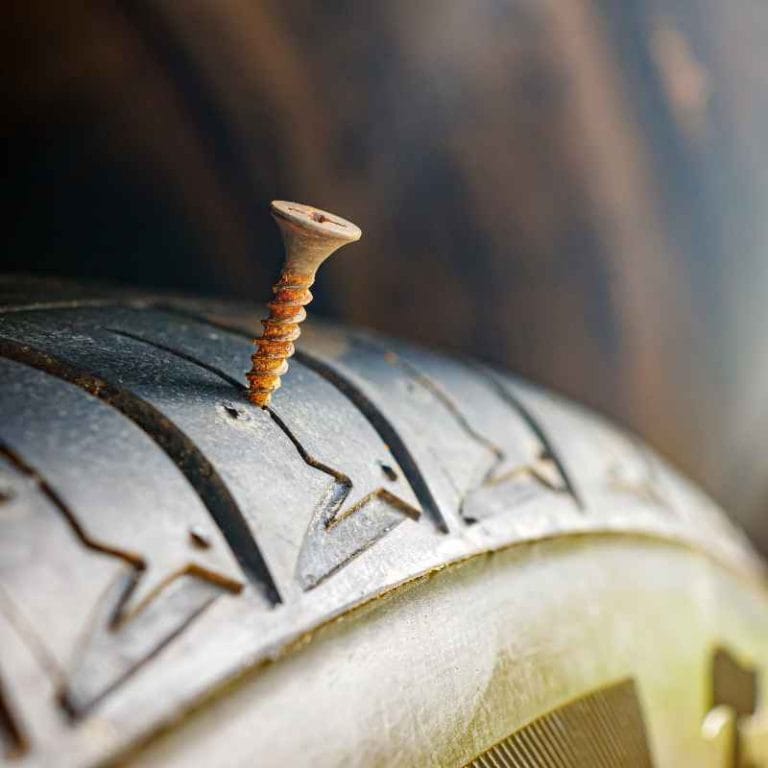
If you see these marks, your first step should be to check your tires. Look for anything sharp stuck in the tread. Or a slow leak.
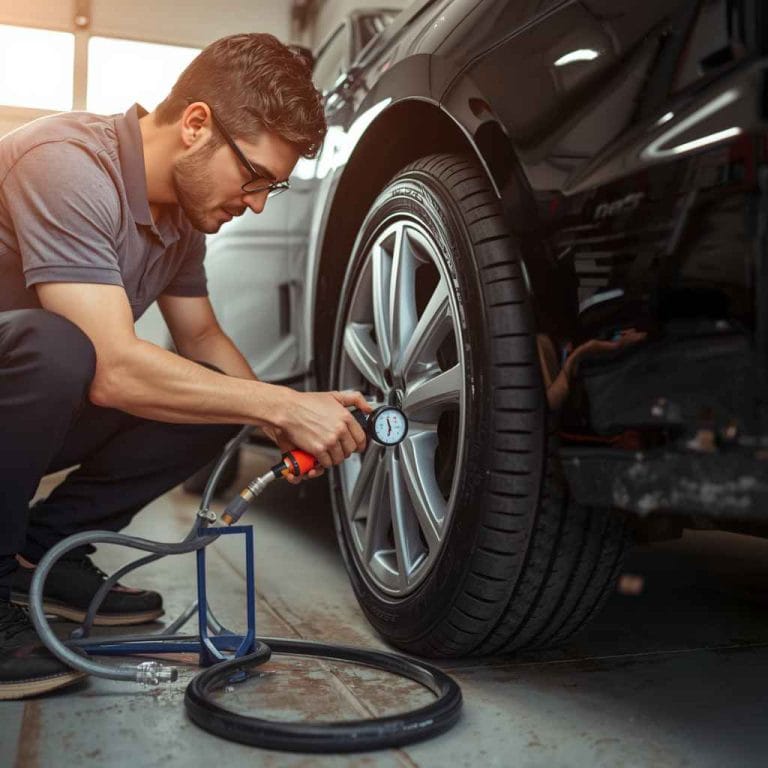
You can use a tire pressure gauge. Many gas stations have them. If a tire is significantly underinflated, it needs attention right away.
Do not drive on a severely flat tire.
Low tire pressure also affects handling. Your car might pull to one side. The steering can feel heavy.
Fuel economy will decrease. It’s a simple thing to check. But it has big implications for safety.
And the lifespan of your tires.
Sometimes, the leak is slow. You might not notice the tire is low until you see the marks. Or hear the sound.
In these cases, you need to find the source of the leak. A tire shop can often patch a small puncture. If the damage is too severe, you may need a new tire.
Warning Signs in Tire Marks
- Deep, long skids: Brake issues or loss of control.
- Dragging marks: Sticking brake caliper or wheel bearing.
- Uneven marks: Wheel alignment or suspension problems.
- Smudges/drags from low tires: Tire losing air.
Tire Marks from Fluid Leaks
Not all marks from a car are from the rubber. Sometimes, the marks are from fluids leaking out of the car. These are important to notice.
They can indicate that your car needs maintenance. Leaks can be messy. They can also be dangerous if the fluid is slippery.
The most common fluid leak you might see is oil. Engine oil is dark brown or black. It can leave a slick patch.
This patch might spread out. It’s often found where a car has been parked. If you see this, check your oil level.
A low oil level can harm your engine.
Another fluid is coolant (antifreeze). Coolant comes in different colors. Often bright green, orange, or pink.
It can smell sweet. If you see a colored stain under your car, it might be coolant. A coolant leak means your engine could overheat.
This is a serious problem.
Brake fluid is usually clear or yellowish. If your brakes feel spongy, and you see a leak. This is very dangerous.
You need to get it fixed right away. Power steering fluid is often reddish or brown. A leak here can make steering difficult.
Transmission fluid is typically red or reddish-brown. If you see this, it might mean there’s a problem with your transmission. These are all signs that your car needs to see a mechanic.
Don’t ignore fluid stains.
Identifying Different Fluid Stains
How can you tell what fluid it is? Color is a big clue. Engine oil is dark.
Coolant is bright. Brake fluid is light. Transmission fluid is often red.
The shape of the stain also helps. Oil can make a wide, dark smear. Coolant might form a smaller, colored puddle.
Brake fluid leaks can be near the wheels. Power steering fluid leaks might be under the front of the car.
The smell can also give hints. Coolant has a distinct sweet smell. Oil has a greasy smell.
If you’re unsure, it’s best to let a professional diagnose it. They have the tools to find the source of the leak. And fix it safely.
Ignoring these leaks is a bad idea. They can lead to major repairs. Or even accidents.
A small leak now could be a huge problem later. So, if you see these marks, take them seriously.
Fluid Leak Color Guide
- Dark Brown/Black: Engine Oil
- Bright Green, Orange, Pink: Coolant (Antifreeze)
- Clear/Yellowish: Brake Fluid
- Reddish/Brown: Power Steering Fluid
- Red/Reddish-Brown: Transmission Fluid
Marks That Aren’t From Your Car
Sometimes, the tire marks you see aren’t from your car at all. This can be a bit worrying. Did someone else drive on your property?
Was there a traffic incident? It’s good to know how to tell if the marks belong to someone else.
One way is the location. If the marks are far from where you normally park. Or if they lead to or from a place you don’t use.
It’s likely not your car. Also, consider the pattern. Are they consistent with how you park or drive?
Or do they look erratic?
Marks from other cars can happen. Delivery trucks might briefly drive on your lawn. Or cars might turn around in your driveway.
Sometimes, you might see marks from a car that had trouble. Maybe it spun out or braked hard. This can happen on neighborhood streets.
If you see marks that concern you. And they don’t seem to be from your car. It’s okay to be cautious.
If they look like they came from reckless driving. Or an accident. You might want to check if your neighbors saw anything.
Or if there’s any damage to public property.
In most cases, these marks are just passing events. They are from someone else’s journey. They often fade away.
But it’s wise to be aware. And to know if something seems out of the ordinary. Your own car’s marks are a direct communication.
Other cars’ marks are just brief visitors.
Investigating Unfamiliar Tire Marks
If you find tire marks you don’t recognize, take a moment. Where do they start? Where do they end?
Do they look like a car lost control? Or are they just random streaks?
Think about recent events. Did you have a party? Were there many cars?
Did a contractor visit? Sometimes, the answer is simple. If the marks look concerning.
Like they came from a burn-out or a skid. And you live on a busy street. It could be related to street racing or vandalism.
However, most of the time, these marks are innocent. A delivery driver might have cut the corner. A neighbor might have had a large vehicle park temporarily.
Kids on bikes sometimes leave tire marks too. But these are usually different.
If the marks are on public property like a street. And they look serious. You could report them to local authorities.
But for marks on your private property that don’t seem to affect your car. They often just fade with time.
It’s important to distinguish between a concern for your car. And a concern about neighborhood activity. If the marks are consistently disruptive.
Or suggest dangerous behavior. Then it might be worth a broader look.
Who Left the Marks?
- Location: Are the marks where you park?
- Pattern: Do they match your driving habits?
- Context: Were there visitors or unusual events?
- Type: Do they look like normal wear or something more?
Real-World Scenarios: What Do They Mean in Practice?
Let’s look at some real situations. Seeing tire marks can happen anywhere. Understanding them in context is key.
Scenario 1: Dark Streaks in a Parking Lot
You park your car in the grocery store lot. You notice several dark streaks. They look like tire marks.
This is very common. Cars accelerate from parking spots. They turn corners.
They brake to avoid hitting other cars. These are normal tire marks. They show everyday use of the parking lot.
These marks don’t mean anything is wrong with your car. Or the lot. They are just a sign that cars are being driven there.
They will likely fade over time with weather. You can ignore them.
Scenario 2: A Long Skid Mark on Your Street
You see a long, black skid mark on the road in front of your house. It’s quite noticeable. This is more concerning than simple streaks.
It suggests a vehicle had to brake very hard. Or possibly lost control. If this is a new mark, it might have been from a recent incident.
It’s worth keeping an eye out. If you heard tires squealing. Or saw an accident.
This mark explains part of what happened. If you didn’t hear or see anything. And these marks appear often.
It might suggest speeders in your neighborhood. Or poor road conditions causing issues.
Scenario 3: Scuff Marks by Your Garage Door
You notice white or gray scuff marks on the wall next to your garage door. These are likely from your car’s tires. When you park or pull out.
If your tires are turned. They can rub against the wall. Especially if you park very close.
These marks are usually harmless. They just show the limits of your parking space. You can often clean them off.
You might need a special cleaner. Or just soap and water. To avoid them, try to park more carefully.
Or leave a bit more space.
Scenario 4: A Wet Patch Under Your Car
You walk out to your car one morning. You see a small puddle of colored liquid under the engine. Let’s say it’s bright green.
This is a fluid leak. It’s likely coolant from your car’s radiator or hoses. A coolant leak is serious.
You should check your coolant level. Do not drive the car for long distances. Get it to a mechanic.
They need to find where the leak is. And fix it. Driving without enough coolant can cause the engine to overheat.
This can lead to very expensive damage.
Mark Scenario Checklist
- Location: Where the mark is found.
- Appearance: Color, length, darkness, texture.
- Context: Nearby events or sounds.
- Your Car: Does it match your car’s position or habits?
What This Means for You: When to Act
So, what should you do when you see tire marks? Most of the time, you don’t need to do anything. But sometimes, it’s a signal to pay attention.
Or even to get help.
When it’s normal: If the marks are light black streaks. Or short scuffs from parking. And they fade over time.
These are usually fine. They are just normal signs of a car being used. Don’t worry about these.
When to check your car: If you see marks that look like prolonged braking. Or if your car is pulling to one side. Or if you notice fluid leaks under your car.
These are signs you should check your vehicle. Look at your tires, brakes, and fluid levels.
When to seek professional help: If you suspect a brake problem. Or a serious fluid leak. Or if your car feels unsafe to drive.
It’s time to see a mechanic. They can diagnose the issue. And make the necessary repairs.
Safety is the most important thing.
When to be aware of surroundings: If you see unusual or dangerous tire marks on the street. Like signs of street racing. It’s good to be aware.
If it’s a recurring problem, you might consider talking to your neighbors. Or reporting it to local authorities if it seems like a safety hazard.
Remember, your car provides clues. Tire marks are one of them. Learning to read them can help you keep your car in good shape.
And help you stay safe on the road.
Simple Checks You Can Do
Before you call a mechanic, there are a few things you can check yourself. These are easy. They can give you valuable information.
1. Tire Pressure: Use a tire pressure gauge. Make sure all your tires are inflated to the recommended PSI.
This is usually found on a sticker in the driver’s door jam. Low pressure can cause tire marks. It also affects handling.
2. Tire Tread Depth: Look at your tires. Do they have enough tread?
You can use a penny to check. Stick it headfirst into the deepest part of the tread. If you can see the top of Lincoln’s head, your tread is low.
Worn tires can cause issues.
3. Fluid Levels: Check your engine oil, coolant, and brake fluid. Consult your car’s manual for how to do this.
Low levels could indicate a leak. Or that it’s time for a fluid change.
4. Brake Feel: When you drive, pay attention to your brakes. Do they feel firm?
Or are they spongy? Do you hear any grinding or squealing noises? Any unusual sounds or sensations with your brakes need attention.
These simple checks can help you spot problems early. They can save you money and prevent accidents. They are part of being a responsible car owner.
Quick Fixes and Tips for Tire Marks
While many tire marks are just natural signs, sometimes you want them gone. Especially on your own property. Here are some tips for dealing with common tire marks.
For Black Tire Marks on Concrete/Asphalt:
- Degreaser: A heavy-duty degreaser works well. Spray it on. Let it sit for a few minutes. Scrub with a stiff brush. Rinse thoroughly.
- Dish Soap: For lighter marks, a strong dish soap can help. Mix it with hot water. Scrub and rinse.
- Pressure Washer: A pressure washer can be very effective. Use it with hot water and a mild cleaner. Be careful not to damage the surface.
- Baking Soda Paste: Mix baking soda with water to make a paste. Apply it to the mark. Let it dry. Scrub and rinse.
For Scuff Marks on Walls:
- Magic Eraser: These are surprisingly effective on scuff marks. Gently rub the mark.
- Mild Cleaner: A cleaner like Goo Gone or even rubbing alcohol can work. Test in an inconspicuous spot first.
- Paint Touch-up: If the scuff has removed paint, you may need to touch up the paint.
Preventing Future Marks:
- Park Carefully: Be mindful of your steering wheel position when parking. Avoid sharp turns when stopped.
- Check Tire Pressure: Properly inflated tires are less likely to scuff or mark.
- Routine Maintenance: Keep your brakes and alignment in good condition.
Remember, some marks are very deep. They may not come off completely. The goal is to improve their appearance.
And prevent them from becoming a bigger issue.

Frequent Questions About Tire Marks
What is a skid mark and why does it happen?
A skid mark happens when a tire slides across a surface without rotating. This occurs when the brakes lock up. Or when a driver spins the tires deliberately.
It creates friction. This leaves a dark rubber mark on the road or driveway.
Are black tire marks on my driveway normal?
Yes, light black tire marks on your driveway are usually normal. They can be from acceleration, turning, or parking. These marks are typically thin streaks or scuffs.
They often fade with time and weather.
What does a wet, colored stain under my car mean?
A wet, colored stain usually means your car is leaking a fluid. Bright green, orange, or pink could be coolant. Red or reddish-brown might be transmission fluid.
Dark brown or black is likely engine oil. These leaks need to be checked by a mechanic.
Can tire marks indicate a problem with my brakes?
Yes, very long or deep skid marks can indicate brake problems. Especially if they are not related to emergency braking. It might mean your brakes are not working properly.
Or the anti-lock braking system has an issue.
How can I tell if tire marks are from my car or someone else’s?
Look at the location and pattern of the marks. Do they start and end in places your car normally does? Do they match how you park or turn?
Marks from someone else might be in unusual spots or have an erratic pattern.
What should I do if I see a flat tire mark?
A flat tire mark often looks like a dragging smudge. If you see this, check your tire pressure immediately. If a tire is low, find out why.
Do not drive on a severely flat tire. It can damage the wheel rim and is unsafe.
Conclusion
Tire marks are a common sight. They can range from simple, everyday signs of driving. To important warnings about your car’s health.
Most marks are harmless. They simply show that a car has been used. But some can signal real problems.
Like brake issues, fluid leaks, or low tire pressure.
By understanding the different types of marks. And where they appear. You can get a better idea of what’s going on.
Pay attention to your car. And its environment. It might be telling you something important.
See also why are car tires so important for safety must read.
Related pick: Check today's price on Amazon