When Is The Best Time To Change Car Tires
Figuring out when is the best time to change car tires can feel a bit tricky, especially if you’re new to driving. You see confusing lines on your tires and hear different advice. It’s easy to wonder if you’re doing it right or if you’re risking safety by waiting too long.
Don’t worry, it’s simpler than it sounds. We’ll walk through it step-by-step so you know exactly what to look for and when it’s time for new tires. Get ready to feel confident about your car’s safety.
Understanding Tire Wear And Safety
Tires are your car’s only connection to the road. They handle everything from stopping and steering to keeping you stable in different weather. When tires wear down, they just can’t grip the road as well.

JINCH
JINCH Oil Change Stickers Static Cling, 120pcs…
- Static Cling Oil Change Stickers: The oil change stickers can stick to the windshield steadily with static cling, there is no adhe…
- Easy to Track Oil Changes: There are date, mileage, and grade info on the sticker, it’s perfect for auto shops, car services, gara…
- Smooth Writable Surface: The oil change sticker comes with a smooth surface, please write with a permanent marker to guarantee a g…
As an Amazon Associate I earn from qualifying purchases.
This makes it harder to control your car, especially when it’s wet or icy. Old or worn tires can lead to longer braking distances and even dangerous skids. Knowing when they’re unsafe is key to avoiding accidents.
Tire Tread Depth Matters
The treads are the grooves on your tires. They are super important for pushing water away from the tire, which helps you grip the road better. Think of them like the treads on your shoes; if they wear out, you slip.
When new, tires usually have about 10/32 of an inch of tread. As you drive, this tread wears down. The most common way to check tread depth is by using a tread depth gauge.
You can buy these at auto parts stores. They are simple tools that measure how much tread is left.
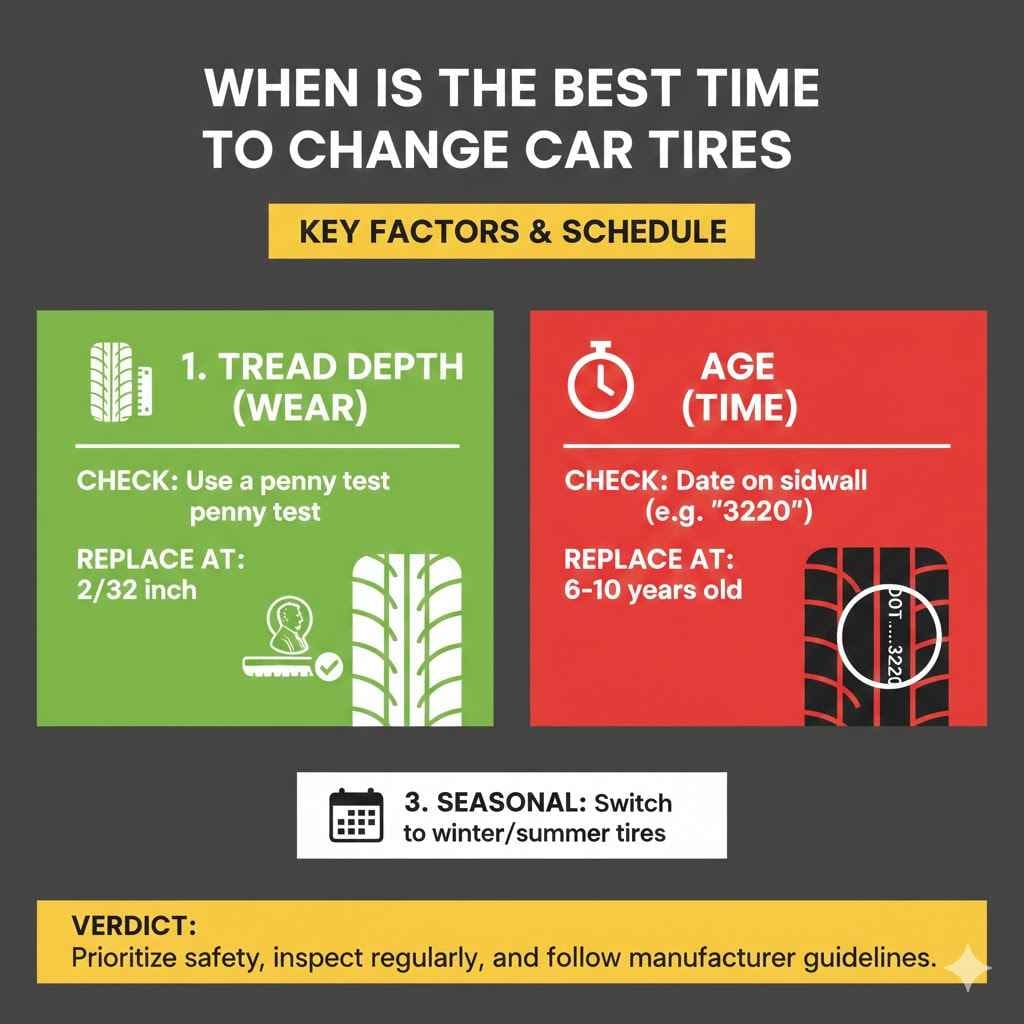
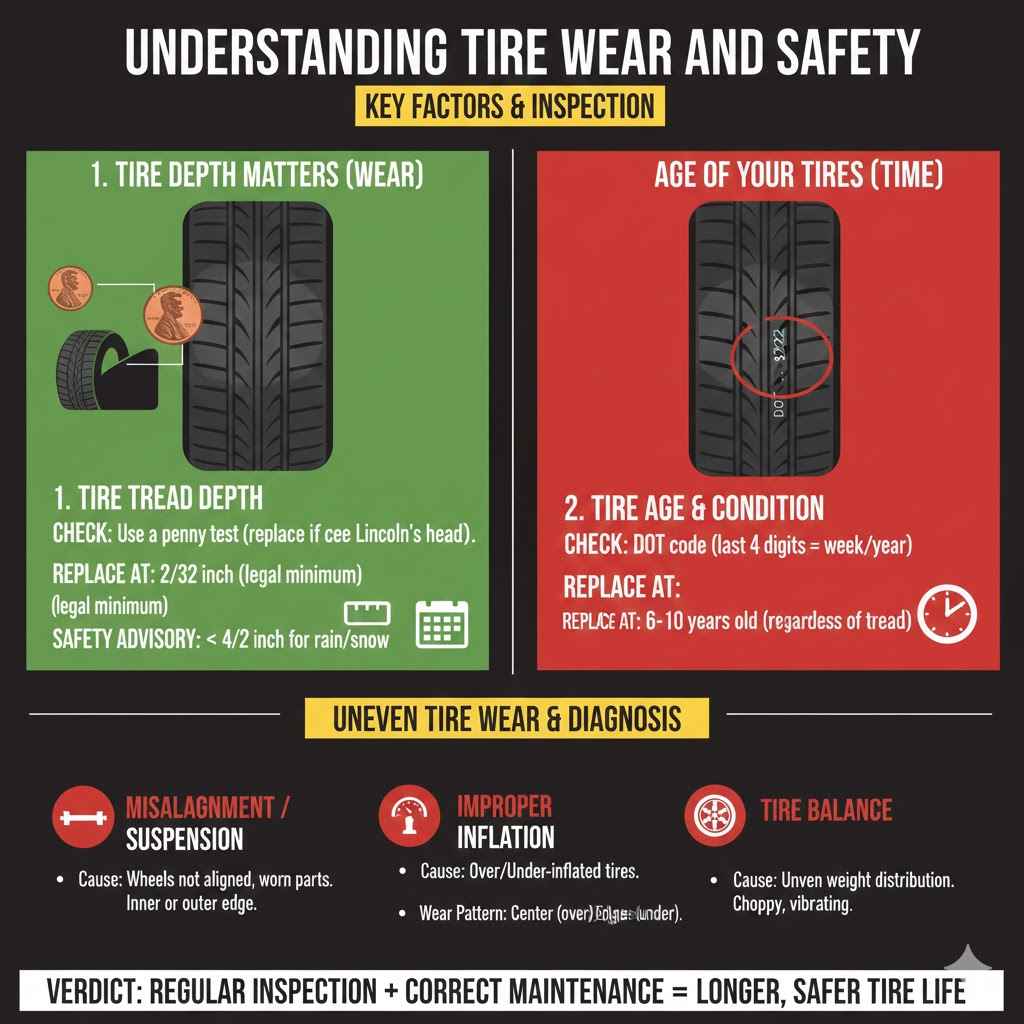
Another easy way to check is with a penny. Stick a penny head-first into the deepest part of a tire groove. If you can see the very top of Abraham Lincoln’s head, your tread is likely too low.
This means it’s time to start thinking about new tires. You can do this test in several spots on each tire.
The legal minimum tread depth in many places is 2/32 of an inch. However, for safety, especially in rain or snow, it’s best to replace tires when the tread gets down to 4/32 of an inch. This gives you a good buffer for safer driving.
How To Measure Tread Depth
- Get a tire tread depth gauge. These are inexpensive and easy to use. Simply insert the probe into a tread groove and read the measurement. This is the most accurate method.
- Use the penny test. .
- Check multiple spots. Tire wear can be uneven. Always check the inside, outside, and middle of the tire. This gives you a true picture of the tire’s condition.
- Look for the wear bars. Most tires have small raised bars in the grooves. When the tread is worn down to these bars, it’s time for new tires.
Age Of Your Tires
Tires don’t just wear out from use; they also get old. Over time, the rubber compounds in tires can break down, even if the tread looks okay. This makes the rubber less flexible and more prone to cracking.
The rubber can dry out, especially if the tires are exposed to a lot of sun or extreme temperatures. This aging process can happen even if you don’t drive your car much. Old tires are simply not as safe as new ones.
They might not grip the road well or could even blow out unexpectedly.
Most tire manufacturers suggest replacing tires after 6 to 10 years, no matter how much tread is left. It’s a good idea to check the age of your tires regularly.
Finding Your Tires’ Age
- Look for the DOT code. This is a series of letters and numbers stamped on the sidewall of your tire. It tells you important information about the tire’s origin and manufacturing date.
- Decode the last four digits of the DOT code. These numbers represent the week and year the tire was made. For example, a code ending in “3218” means the tire was made in the 32nd week of 2018.
- Understand the implications. If your tires are over six years old, it’s wise to have them inspected by a professional. If they are over ten years old, it’s highly recommended to replace them regardless of their appearance.
Uneven Tire Wear
Sometimes, tires wear out faster on one side than the other. This is called uneven wear. It’s a sign that something might be wrong with your car’s alignment, suspension, or tire pressure.
If you notice your tires are wearing unevenly, it’s important to get it checked. Driving with unevenly worn tires can lead to poor handling and can also cause the tires to fail sooner than they should. It’s a good idea to address the cause of the uneven wear.
This could mean your car needs an alignment. Alignment issues happen when the angles of your wheels are not set correctly. This can make tires wear out on the edges or the inside.
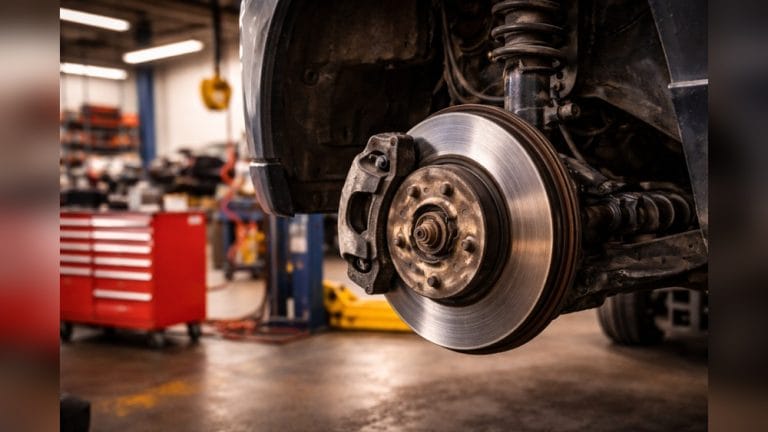
Your suspension system, which includes parts like shocks and struts, can also cause uneven wear if it’s not working right.
Regularly checking your tire pressure is also very important. If your tires are consistently over or under-inflated, they will wear unevenly. Under-inflated tires wear out on the edges, while over-inflated tires wear out in the center.
Causes Of Uneven Tire Wear
- Misalignment: When your car’s wheels are not pointing in the correct direction, it causes tires to scrub against the road, leading to wear on one side.
- Improper Inflation: Tires that are too low or too high in pressure will wear unevenly. Check your car’s manual for the correct pressure.
- Worn Suspension Parts: Shocks, struts, or ball joints that are worn can cause tires to sit at odd angles, leading to uneven wear patterns.
- Balance Issues: If a tire is out of balance, it can cause vibrations and uneven wear. Balancing helps distribute the tire’s weight evenly.
When Is The Best Time To Change Car Tires Based On Season
The weather can play a big role in how your tires perform and when you should consider replacing them. Different seasons put different demands on your tires. Knowing these demands helps you stay safe on the road all year round.
Summer Driving Conditions
In the summer, roads can get very hot. High temperatures can make rubber compounds in tires soften, which can lead to faster wear, especially if you do a lot of driving. Good traction is still important, even when it’s dry.
If your tires are already worn down, summer heat can make them even more susceptible to damage. It’s also important to have enough tread to handle sudden stops, which are more common in busy summer traffic.
For summer driving, having tires with good grip is essential for safe cornering and braking. If you live in a very hot climate, you might notice your tires wear a bit faster during the hottest months.
Winter Driving And Snow Tires
Winter is a critical time for tire performance. Cold temperatures can make regular tires harder and less grippy. Snow and ice create slippery surfaces where good traction is absolutely vital for safety.
Many drivers choose to switch to dedicated winter tires when the temperature consistently drops below 45 degrees Fahrenheit (7 degrees Celsius). Winter tires have special rubber compounds that stay flexible in the cold and have aggressive tread patterns designed to grip snow and ice.
If you live in an area with harsh winters, having winter tires can make a huge difference. They provide much better stopping power and control than all-season tires. It’s generally recommended to switch back to your regular or all-season tires in the spring when the snow is gone.
Statistics show that using winter tires can reduce the risk of accidents in snowy conditions by up to 50%. This highlights how important they are for winter safety.
When To Switch To Winter Tires
- Temperature Drop: When the average daily temperature consistently falls below 45°F (7°C), it’s time to consider switching to winter tires.
- First Snowfall: If you know snow is coming and you haven’t made the switch yet, it’s wise to do so before the first significant snowfall.
- Driving Conditions: If your daily commute or regular driving takes you on roads that become icy or very snowy, winter tires are a must.
- Tire Type: All-season tires are a compromise. If you need superior performance in snow and ice, dedicated winter tires are the best choice.
The Role Of All-Season Tires
All-season tires are designed to work reasonably well in a variety of conditions, from dry heat to light snow. They offer a balance between summer and winter tire capabilities.
For many drivers in milder climates, all-season tires are a practical choice. They eliminate the need to swap tires seasonally. However, it’s important to remember that “all-season” doesn’t mean they are perfect for extreme conditions.
If you live in an area with significant snow and ice, all-season tires may not provide enough grip. Their tread patterns are not as aggressive as winter tires, and their rubber compounds don’t stay as flexible in very cold weather.
All-Season Tire Limitations
- Tread Design: All-season treads are a compromise. They are not as deep or biting as winter tire treads for snow and ice.
- Rubber Compound: The rubber in all-season tires can get hard and lose grip in very cold temperatures, unlike winter tires.
- Performance in Extremes: While good for many conditions, they won’t perform as well as dedicated tires in heavy snow, ice, or extreme heat.
When Is The Best Time To Change Car Tires Based On Mileage And Age
Besides looking at tread depth and weather, how far you’ve driven your car and how old the tires are are also important factors. These tell a story about the tire’s overall lifespan and how much wear it has experienced.
Tire Lifespan By Mileage
Tires are rated for a certain mileage by the manufacturer. This rating is called the Treadwear Warranty. It gives you an idea of how many miles you can expect to get from your tires under normal driving conditions.
For example, a tire might have a Treadwear Warranty of 40,000 miles or 60,000 miles. This doesn’t mean they will suddenly fail at that exact mileage. It’s an estimate.
Your actual mileage will depend on how you drive. Aggressive driving, like sudden braking and acceleration, will wear tires out faster. Driving on rough roads or carrying heavy loads can also reduce tire life.
It’s a good idea to keep track of your tire’s mileage. If you’re approaching the mileage limit of your tire’s warranty, it’s time to start checking them more closely for wear.
Tire Mileage Ratings
- Understand the Warranty: Treadwear warranties are provided by tire manufacturers. They estimate the expected lifespan of the tire’s tread.
- Factors Affecting Mileage: Your driving habits, road conditions, and proper tire maintenance significantly impact actual tire life.
- General Estimates: While warranties vary, most passenger car tires are expected to last between 40,000 and 80,000 miles. Performance or performance-oriented tires might have lower mileage ratings.
- Checking Your Tires: Even with a good warranty, always visually inspect your tires for wear, damage, and age. Don’t rely solely on mileage ratings.
The 6-Year Rule Of Thumb
While mileage is important, the age of your tires is just as critical. Even if your tires have plenty of tread left, the rubber degrades over time. This is why many experts recommend replacing tires after 6 years, regardless of wear.
Think of it like food. Even if something looks good, its quality and safety decrease with time. The rubber in tires can become brittle and lose its ability to grip the road.
This is especially true if the tires are exposed to sunlight, heat, or ozone.
This “6-year rule” is a safety precaution. It ensures you’re not driving on tires that might look good but are structurally compromised. It’s a proactive measure to prevent potential tire failures.
If your tires are approaching 6 years old, have them thoroughly inspected by a tire professional. They can tell you if the rubber is showing signs of degradation or if they are still in good condition.
Signs Of Aging Tires
- Cracks and Checks: Look for small cracks or lines on the sidewalls or between the treads. These indicate the rubber is drying out and becoming brittle.
- Dry Rot: This is a common term for the degradation of rubber due to age and exposure. It can make the tire surface look dull or chalky.
- Deformation: If a tire looks misshapen or has developed bulges, it’s a serious sign of age and potential failure.
- Reduced Flexibility: A tire that feels hard and stiff, even in warm weather, may be old and losing its elasticity.
When To Change Tires Based On Condition
Sometimes, the best time to change tires isn’t just about mileage or age, but also about visible damage or performance issues. Any damage to a tire compromises its integrity and safety.
Look for cuts, punctures, bulges, or blisters on the sidewalls or tread. If you hit a pothole hard, it could damage the internal structure of the tire, even if it looks fine from the outside. This internal damage can lead to a blowout later on.
Also, pay attention to how your car feels when you drive. If you notice unusual vibrations, noises, or a pulling sensation, it could be a sign of tire problems. These issues often arise when tires are worn or damaged.
If you find any damage, or if your car’s handling changes noticeably, it’s best to have your tires inspected immediately. It’s always better to be safe than sorry when it comes to your tires.
Assessing Tire Condition
- Sidewall Damage: Inspect the tire’s sidewalls for cuts, cracks, gouges, or bulges. Any significant damage here means the tire needs to be replaced.
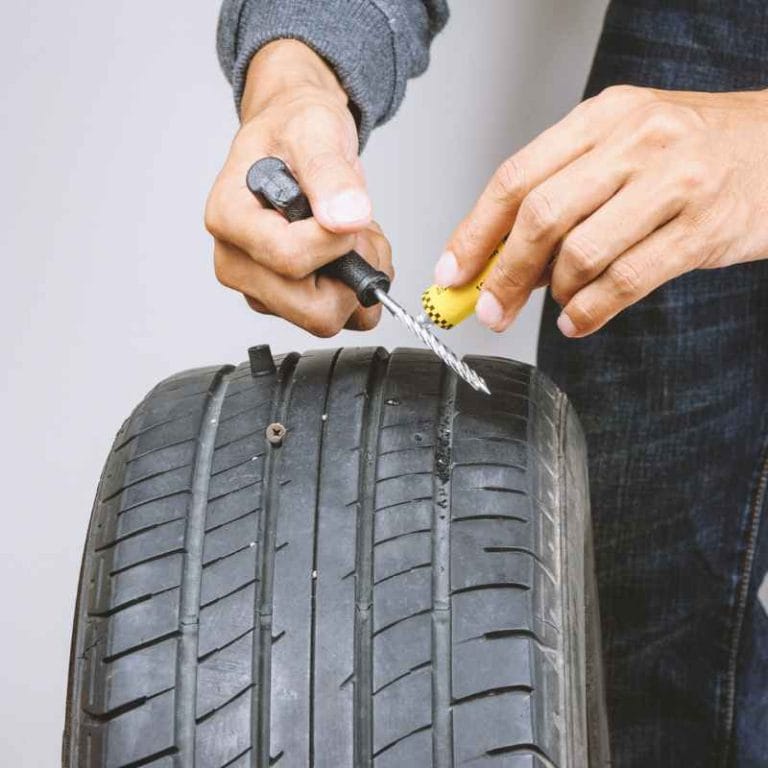
- Punctures: Even small punctures can weaken a tire. While some small punctures can be repaired, larger ones or those in the sidewall require replacement.
- Bulges and Blisters: These are signs of internal damage, often caused by impacts. They are extremely dangerous and require immediate tire replacement.
- Performance Changes: If you experience increased vibration, noise, or changes in handling, it’s a strong indicator that your tires may be compromised.
When Is The Best Time To Change Car Tires The Simple Answer
So, when is the best time to change car tires? It’s not just one single answer, but a combination of things. You need to look at your tires themselves and think about your driving.
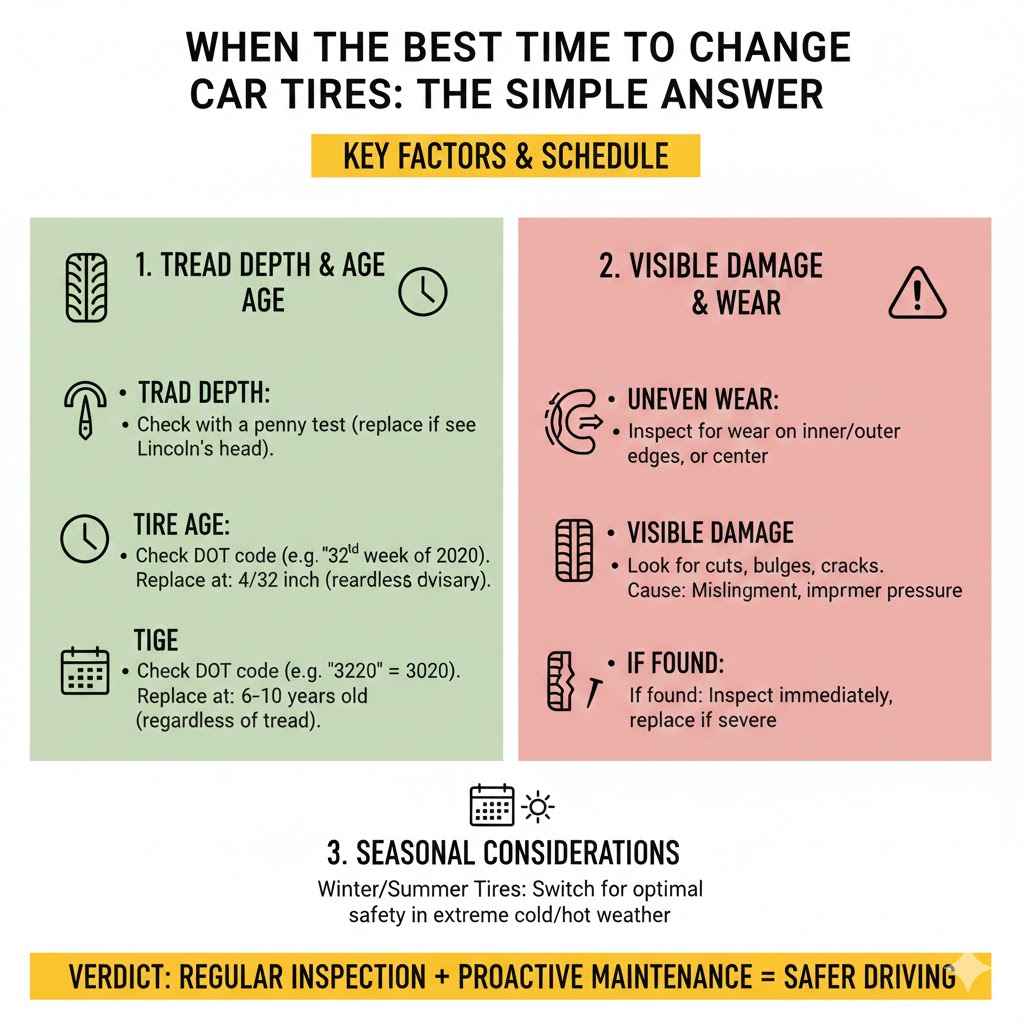
The simplest way to know for sure is to check your tire tread depth. If it’s getting low, below 4/32 of an inch, it’s time for new ones. Also, check the tire’s age.
If they are more than 6 years old, get them looked at.
Watch out for uneven wear patterns or any visible damage on the tires. If you notice any of these signs, it’s wise to replace them. For winter driving, having winter tires ready when the cold weather hits is important.
By regularly checking your tires for wear, age, and damage, you can make sure you’re always driving safely. It’s about being proactive rather than waiting for a problem to happen.
Tire Maintenance For Longevity
Taking good care of your tires can make them last longer. This means you won’t have to replace them as often, saving you money. It also keeps them performing at their best.
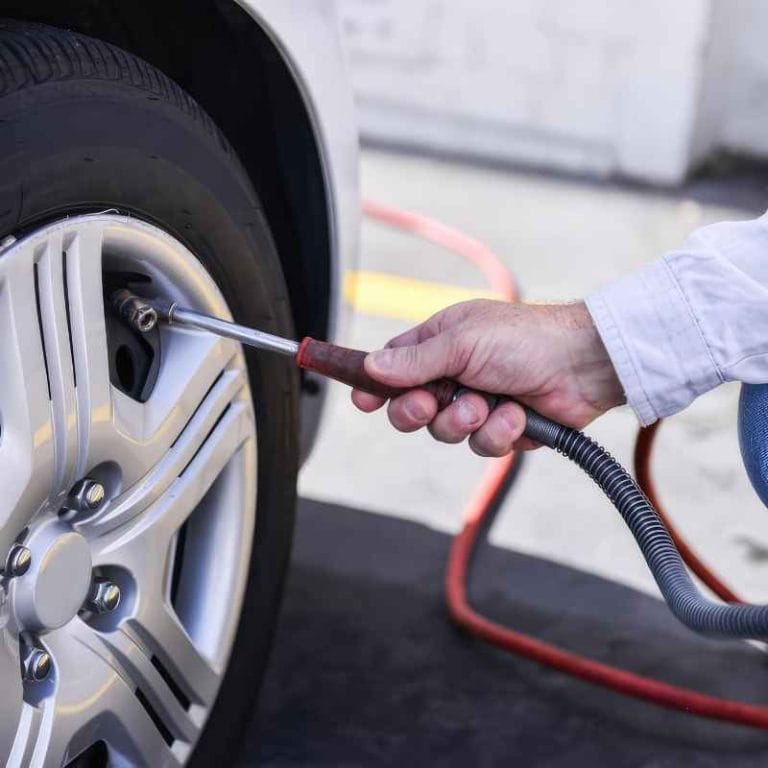
Regular tire pressure checks are one of the easiest ways to help. Properly inflated tires wear more evenly. They also improve your car’s fuel economy.
Rotating your tires is another important maintenance step. This means moving them from one position on the car to another. This helps them wear down more evenly.
Most car manufacturers recommend rotating tires every 5,000 to 7,500 miles.
Getting your wheels aligned is also crucial. When your wheels are misaligned, they can cause tires to wear out prematurely and unevenly. It’s a good idea to have your alignment checked, especially if you notice uneven tire wear or if you hit a large pothole.
Key Tire Maintenance Tips
- Check Tire Pressure Weekly: Inflate your tires to the pressure recommended on your car’s doorjamb sticker. Do this when tires are cold.
- Rotate Tires Regularly: Follow your car’s manual for recommended rotation intervals, usually every 5,000-7,500 miles.
- Wheel Alignment Checks: Get your alignment checked at least once a year or if you notice uneven wear or pulling.
- Inspect for Damage: Regularly look for cuts, bulges, or foreign objects in your tires.
When To Change Car Tires Recap
The best time to change car tires involves checking tread depth, tire age, and condition. If tread is low, tires are old, or damaged, it’s time for new ones. Seasonal changes may also call for tire swaps.
Frequently Asked Questions
Question: How often should I check my tire pressure?
Answer: You should check your tire pressure at least once a month and before long trips. It’s best to do this when the tires are cold, meaning the car hasn’t been driven for at least three hours.
Question: Can I just replace one tire if it’s worn out?
Answer: It’s generally not recommended to replace just one tire. Tires should ideally be replaced in pairs on the same axle to ensure even handling and braking. Replacing only one can cause your car to pull to one side.
Question: What does the number on the side of a tire mean (e.g. 205/55R16)?
Answer: This is the tire size. 205 is the tire’s width in millimeters. 55 is the aspect ratio (the tire’s height is 55% of its width).
R means radial construction. 16 is the wheel diameter in inches.
Question: How can I tell if my tires are old even if they look good?
Answer: Look for the DOT code on the sidewall. The last four digits indicate the week and year of manufacture. If your tires are older than 6 years, they may be degrading even if they look visually okay.
Question: What is the difference between all-season and all-weather tires?
Answer: All-season tires are designed for a wide range of conditions but are a compromise. All-weather tires are a step up, often with the three-peak mountain snowflake symbol, indicating better performance in severe snow and ice conditions.
Conclusion
You now know the key signs for when is the best time to change car tires. Focus on tread depth, tire age, and any visible damage. Regular checks and proactive replacement keep you safe on the road.
Related pick: Check today's price on Amazon
Products related to this article
Sponsored / affiliate links. As an Amazon Associate I earn from qualifying purchases. I may earn additional commission from eligible campaigns.