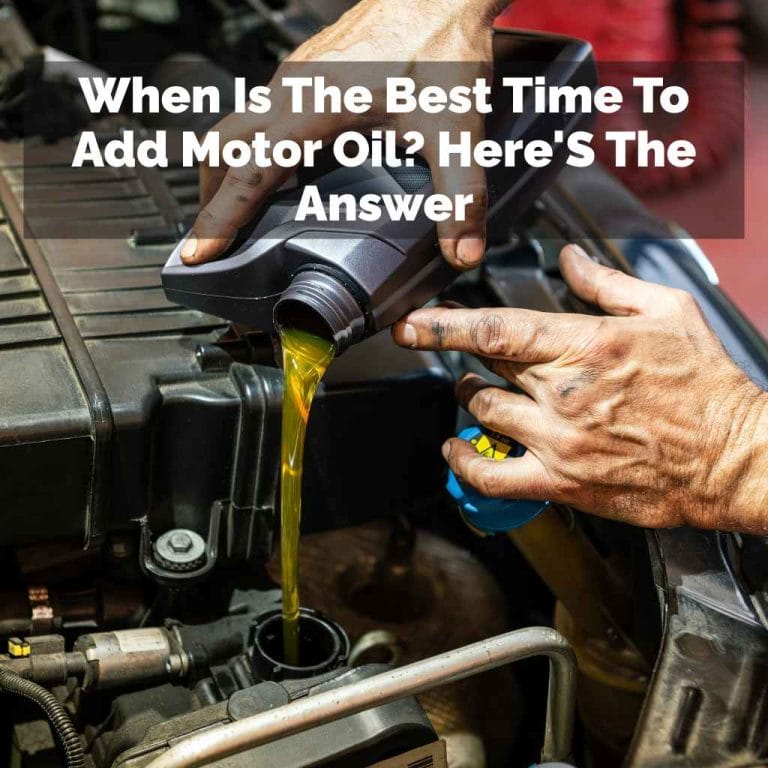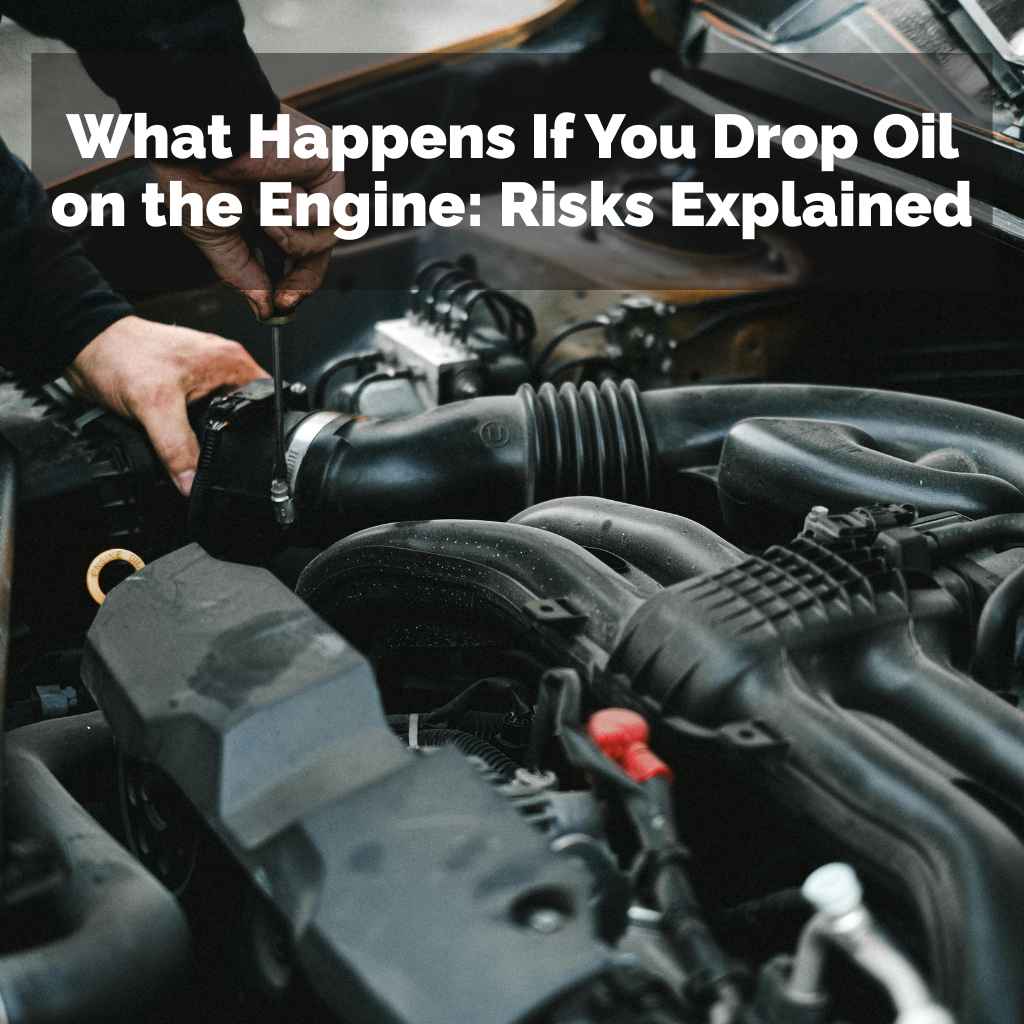
What Happens If You Drop Oil on the Engine: Risks Explained
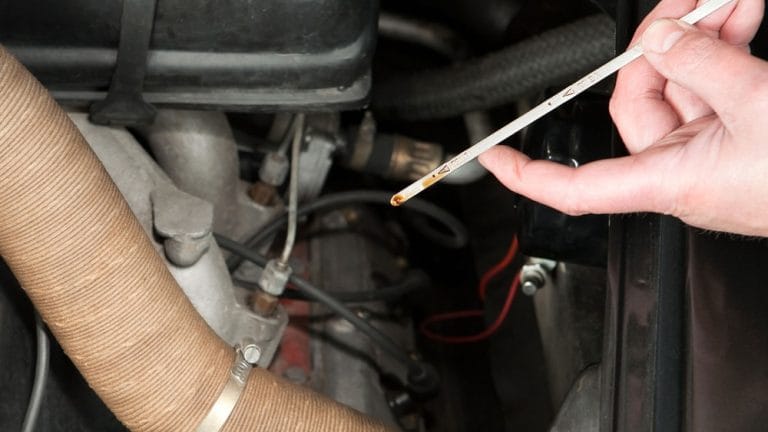
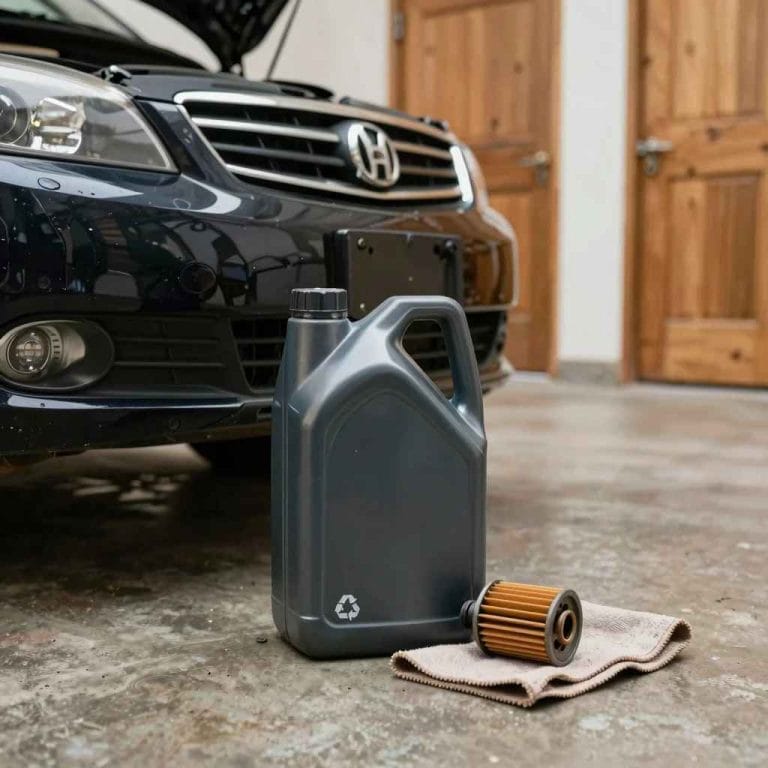
If you’re working on your car, you might accidentally drop oil onto the engine. Maybe you spill a bit while topping up, or your hands slip as you remove the oil cap. This is common, but many people wonder: what really happens if oil lands on the engine? Does it hurt your car, or is it just a messy inconvenience? Let’s explore what occurs when oil spills on the engine, how it affects your vehicle, and what you should do next. By the end, you’ll know how to handle this situation confidently, avoid bigger problems, and keep your engine running smoothly.
Why Oil Gets Dropped On Engines
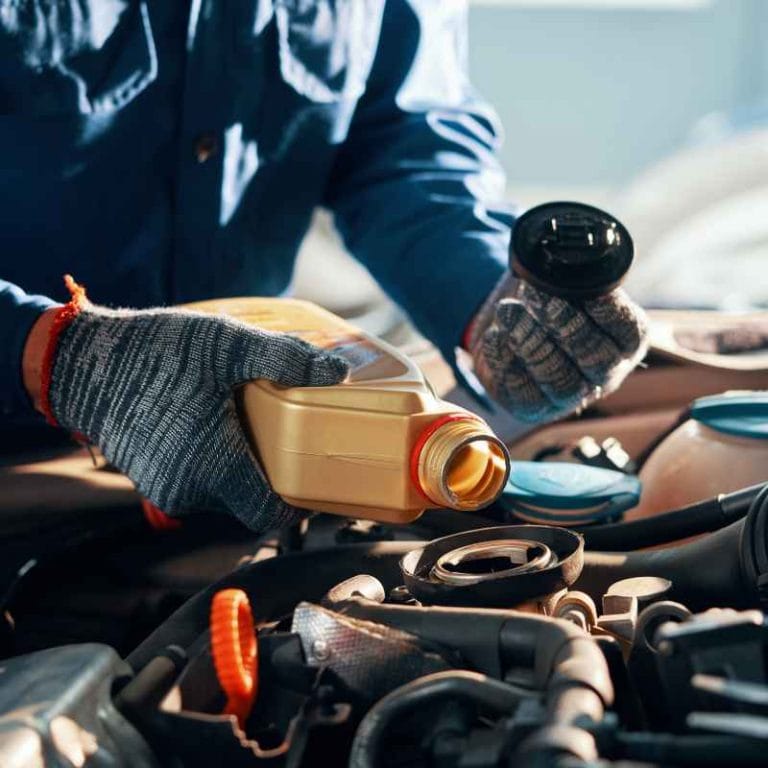
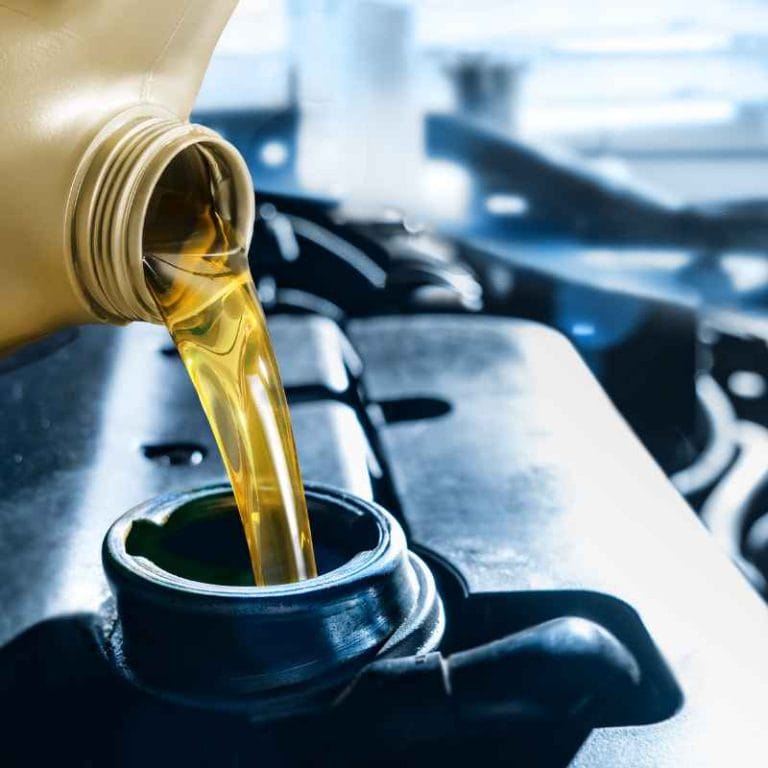
Oil spills on engines usually happen during maintenance. People often pour oil too quickly, use a funnel that doesn’t fit, or miss the fill hole. Sometimes, leaks from old oil caps or faulty gaskets drip oil onto engine parts. Even professional mechanics encounter spills, especially when working fast.

Atom Oil
AtomOil Oil Additive for Car Engine and…
- ATOMIC SCALE PROTECTION: Formulated with nano-engineered additives, this treatment is the next generation in superior performance.…
- SUPERIOR HIGH-TEMP PERFORMANCE: Experience engine thermal stability unlike any other. AtomOil's engine oil treatment is superior t…
- EXTENDS SERVICE INTERVALS: Extend the service life of your engine. Using this treatment during an oil change promotes energy savin…
As an Amazon Associate I earn from qualifying purchases.
Other times, engine oil leaks from worn-out seals and gaskets. If these parts crack or loosen, oil seeps out and lands on the engine. Small leaks are hard to spot but can slowly cover engine surfaces with oil. In rare cases, accidents or sudden stops cause oil to splash under the hood.
Immediate Effects Of Oil On Engine Parts
When you drop oil on the engine, the first thing you notice is smell. The oil heats up, and you might sense a burning odor. Sometimes, light smoke rises from the engine. This often worries car owners, but the situation is usually not urgent unless large amounts are spilled.
Common Engine Areas Affected
- Engine block: Most spills land here. The block is hot, so oil burns off quickly.
- Exhaust manifold: Oil here burns faster and produces more smoke.
- Belts and hoses: Oil causes rubber to degrade, leading to cracks or swelling.
- Electrical connectors: Oil can seep into plugs and wires, causing short circuits.
Small spills mostly cause smell and smoke, but bigger spills can trigger other problems. If oil reaches parts that move or transfer power, such as belts, it reduces friction and causes slippage.
Long-term Risks Of Oil On Engine
If oil is left on the engine, it does more than just make a mess. Over time, it can:
- Break down rubber parts: Oil softens and damages hoses and seals. This can lead to leaks and breakdowns.
- Attract dirt and debris: Oil is sticky and collects dust, making engine surfaces dirty. This mess can hide leaks and damage.
- Block cooling: Oil acts as a layer that traps heat. The engine stays hotter, which can cause overheating.
- Damage electrical parts: Oil can seep into connectors and wires, leading to corrosion or short circuits.
- Cause fire hazards: In rare cases, oil on hot surfaces can ignite, especially if the spill is large.
Data Table: Engine Parts Most Vulnerable To Oil Spills
| Engine Part | Risk Level | Common Damage |
|---|---|---|
| Exhaust Manifold | High | Smoke, Fire Hazard |
| Belts & Hoses | Medium | Rubber Breakdown |
| Electrical Connectors | Medium | Corrosion, Short Circuit |
| Engine Block | Low | Staining, Overheating |
How Oil Spills Affect Engine Performance
Engine oil is made to lubricate moving parts inside the engine. When oil lands on the outside, it doesn’t help. In fact, it can cause problems:
- Reduced cooling: Oil blocks airflow around the engine, so it stays hotter.
- Slippery belts: If oil gets on drive belts, they lose grip and might squeal or slip. This affects the alternator, air conditioner, and power steering.
- Electrical issues: Oil inside connectors can cause sensors to fail or give wrong readings.
If you ignore oil spills, your engine might work harder, use more fuel, and run less reliably.
Fire Risk: How Real Is It?
Many people fear that oil spills will cause the engine to catch fire. While this is rare, it’s possible. Oil burns at high temperatures. If a lot of oil lands on the exhaust manifold or other hot parts, it can ignite.
Statistics On Engine Fires
According to the National Fire Protection Association, about 4% of vehicle fires are caused by fluid leaks, including oil. Most fires start after oil has been left on hot parts for a long time, not from a single small spill. Still, it’s best to clean oil spills quickly to avoid risk.
Comparing Fire Risk By Spill Size
| Spill Size | Fire Risk | Typical Symptoms |
|---|---|---|
| Small (few drops) | Very Low | Smell, Light Smoke |
| Medium (teaspoon) | Low | Smoke, Possible Slippery Belts |
| Large (cup or more) | Medium to High | Heavy Smoke, Fire Risk |
Cleaning Up Oil Spills: What You Should Do
If you spill oil on your engine, it’s best to clean it up right away. Here’s a step-by-step guide:
- Turn off the engine and let it cool. Hot parts can burn your skin or ignite oil.
- Use paper towels or rags to blot up as much oil as possible.
- Apply degreaser: Spray a degreaser on the affected area. Wait 5–10 minutes.
- Wipe clean: Use a clean rag to remove the degreaser and oil.
- Rinse if needed: For larger spills, rinse with water (but avoid spraying water on electrical parts).
- Check belts and connectors: If oil got on rubber or electrical parts, clean them carefully.
Practical Tips
- Always use a funnel when adding oil.
- Wear gloves to avoid skin irritation.
- If oil lands on electrical parts, disconnect the battery before cleaning.
How Oil Spills Can Hide Bigger Problems
Sometimes, oil on your engine is not from a spill, but from a leak. If you find oil in places you didn’t touch, check for:
- Valve cover gasket leaks
- Oil pan gasket leaks
- Oil filter leaks
- Cracked hoses
Oil leaks can start small but grow quickly. They can cause engine damage if ignored. If you clean up oil, then see more appearing, your engine may have a leak.
Signs Of Hidden Engine Oil Leaks
If oil keeps appearing on your engine, watch for:
- Low oil level: If your oil level drops faster than normal, you may have a leak.
- Oil stains under the car: Check the ground after parking.
- Burning smell or smoke: Even after cleaning, these signs mean oil is landing on hot parts.
Data Table: Common Leak Sources And Symptoms
| Leak Source | Common Symptoms | Fix Needed |
|---|---|---|
| Valve Cover Gasket | Oil on engine block, burning smell | Replace gasket |
| Oil Pan Gasket | Oil under car, low oil | Replace gasket |
| Oil Filter | Oil near filter area | Tighten/replace filter |
| Cracked Hose | Oil on hoses, swelling | Replace hose |
What Happens If Oil Gets On Engine Sensors
Modern engines rely on sensors to monitor temperature, pressure, and other factors. If oil lands on these sensors:
- Sensors may give wrong readings: For example, oil temperature sensors can show false numbers.
- Engine warning lights may turn on: The computer detects problems.
- Fuel economy may drop: The engine adjusts to wrong data.
Cleaning sensors is tricky. If oil lands on them, use a soft cloth and avoid spraying liquid directly. If warning lights stay on, visit a mechanic.
Impact On Engine Appearance And Value
A clean engine looks good and signals proper care. If oil is left on the engine, it creates stains that are hard to remove. This can lower your car’s resale value. Dealers and buyers often check engine cleanliness as a sign of maintenance.
Example
A used car with a spotless engine bay usually sells for 5–10% more than one with visible oil stains, according to industry data. It’s worth spending time to clean oil, especially before selling your car.
Environmental Impact Of Engine Oil Spills
Engine oil is toxic. If it drips onto the ground, it can pollute soil and water. Even small amounts harm plants and animals. If you spill oil on your engine and it leaks onto the street, it can wash into drains.
Key Facts
- One quart of oil can pollute up to 250,000 gallons of water.
- Oil spills are a major source of urban pollution.
Always clean spills and dispose of oil-soaked rags properly. Never wash oil into drains.
When Should You Seek Professional Help?
If you spill a small amount, you can clean it yourself. But call a mechanic if:
- Oil lands on electrical parts and causes warning lights
- You see new oil after cleaning
- There’s a burning smell or smoke that won’t stop
- Belts start slipping or squealing
Mechanics can check for leaks, fix damaged parts, and clean the engine safely.
Common Mistakes When Dealing With Oil Spills
Many people make mistakes after dropping oil on the engine. Avoid these errors:
- Ignoring the spill: Small spills can grow and cause bigger problems.
- Using too much water: Water can damage electrical parts.
- Scrubbing too hard: This can break wires or connectors.
- Leaving oil-soaked rags in the engine bay: They are fire hazards.
Always act calmly and follow proper steps.
How To Prevent Engine Oil Spills
Most spills are avoidable. Here’s how:
- Use a funnel every time you add oil.
- Pour slowly and check levels often.
- Keep engine parts clean so leaks are easy to spot.
- Replace old gaskets and seals before they fail.
- Check for leaks after oil changes.
These steps keep your engine safe and make maintenance easier.
Comparing DIY And Professional Engine Cleaning
You can clean oil spills yourself, but sometimes professional cleaning is better. Let’s compare:
| Method | Cost | Effectiveness | Risks |
|---|---|---|---|
| DIY Cleaning | Low (under $20) | Good for small spills | Possible missed spots, damage to parts |
| Professional Cleaning | Medium ($50–$150) | Excellent, full engine clean | None, but higher cost |
If oil lands on sensitive parts or you’re unsure, choose professional cleaning.
Non-obvious Insights Most Beginners Miss
- Oil is more dangerous to rubber than metal: Many people think oil only hurts metal parts, but it breaks down rubber faster. Check hoses and belts after spills.
- Small spills attract dust and create insulation: Oil traps dirt, which forms a layer that keeps heat inside the engine. This can cause overheating even without visible smoke.
- Cleaning the spill helps you spot leaks earlier: If you clean the engine and oil reappears, you’ll know there’s a hidden leak.
Real-world Example: Oil Spill And Engine Trouble
A car owner spilled oil while topping up and didn’t clean it. The oil landed on the serpentine belt, making it slippery. After a week, the belt started squealing, and the air conditioner stopped working. A mechanic found the belt was damaged and replaced it.
The repair cost $120, which could have been avoided with quick cleaning.
Best Practices After Dropping Oil On The Engine
If you spill oil, follow these best practices:
- Clean the spill right away: Don’t wait until your next drive.
- Check for leaks: If oil appears again, inspect seals and gaskets.
- Monitor engine performance: Watch for warning lights and odd smells.
- Keep the engine bay tidy: Cleanliness helps spot problems early.
By staying alert, you protect your engine and avoid costly repairs.
Frequently Asked Questions
What Should I Do If I See Smoke After Spilling Oil On My Engine?
Turn off the engine and let it cool. The smoke is usually oil burning off hot parts. Clean the spill with paper towels and a degreaser. If smoke continues, check for leaks or damaged parts. If the smoke is heavy or smells strong, call a mechanic.
Can Spilled Oil Cause Engine Damage?
Spilled oil doesn’t harm engine metal, but it can damage rubber belts, hoses, and electrical parts. If left uncleaned, oil attracts dirt, causes overheating, and may create fire hazards. Clean spills quickly to avoid long-term damage.
How Do I Clean Oil From Engine Sensors?
Use a soft, dry cloth to wipe oil off sensors. Avoid spraying water or cleaning liquids directly. If sensors still give wrong readings, visit a mechanic. Damaged sensors can cause engine warning lights and poor performance.
Is There A Risk Of Fire From Spilled Oil?
Fire risk is low for small spills, but higher if oil lands on hot parts like the exhaust manifold. Large spills can ignite, especially if left uncleaned. Always clean spills and check for leaks to reduce risk.
Should I Visit A Mechanic After Spilling Oil On My Engine?
If you spill a small amount and clean it well, you don’t need a mechanic. But if oil lands on belts, sensors, or causes warning lights, get professional help. Mechanics can spot hidden leaks and prevent bigger problems.
Dropping oil on your engine is common, but it’s not something to ignore. Quick cleaning, careful checks, and smart prevention keep your car running well. Remember, even a small spill can lead to bigger issues if not handled properly. Stay alert, follow best practices, and your engine will thank you.
For more details on engine oil and maintenance, visit the Wikipedia page on engine oil.
Related pick: Check today's price on Amazon
Products related to this article
Sponsored / affiliate links. As an Amazon Associate I earn from qualifying purchases. I may earn additional commission from eligible campaigns.