Can Low Engine Oil Cause a Car Not to Start? The Real Answer
Low oil alone rarely stops a car from starting — the starter, battery, and ignition control that first turn of the key. But a seized engine from running dry, or an oil-level sensor blocking the starter on some newer cars, can. This guide covers when low engine oil actually causes a no-start, how to check your engine oil in 6 steps, and what to do if the warning light is already on.
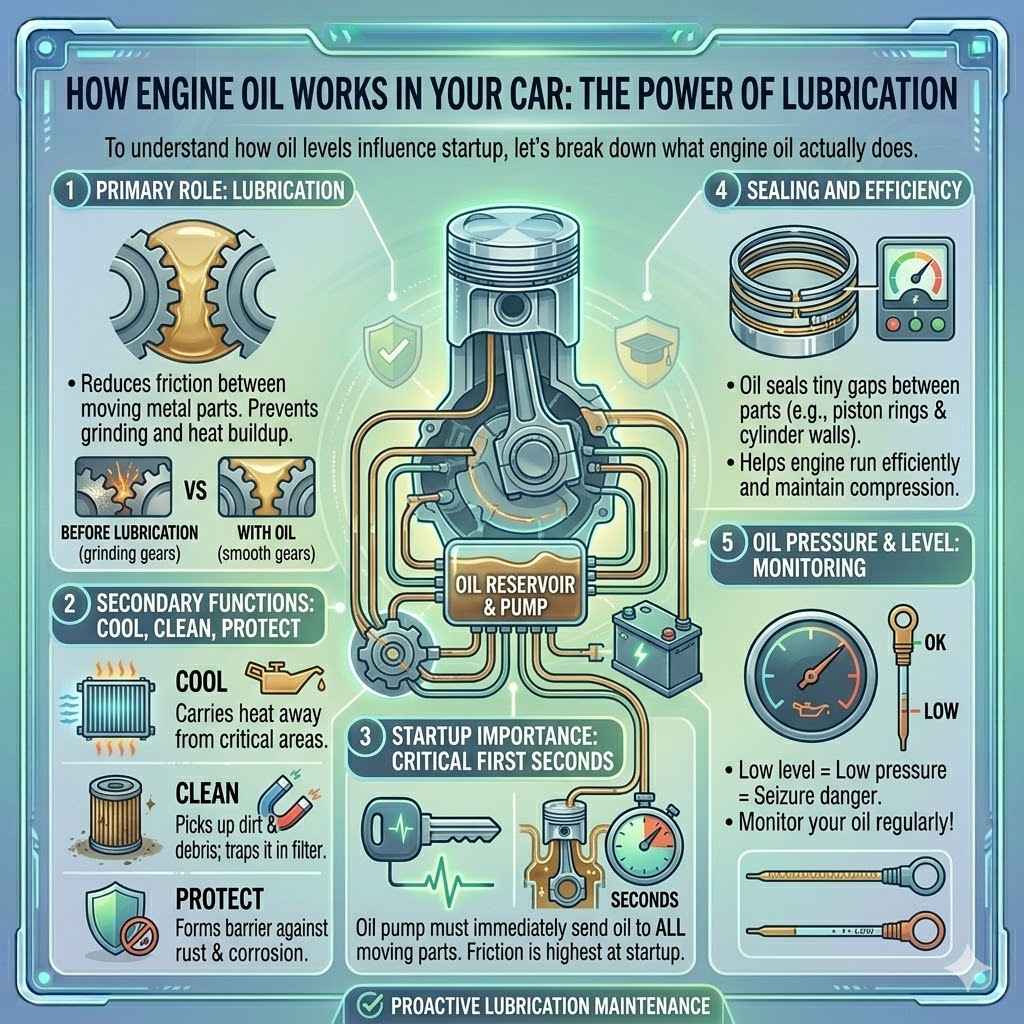
How Engine Oil Works In Your Car
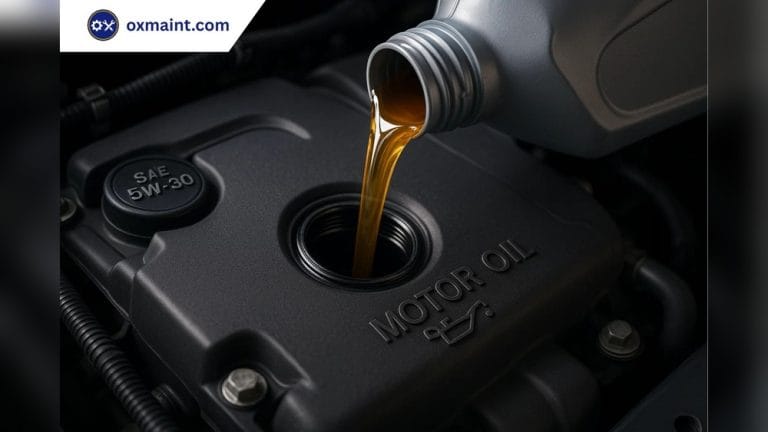
Best Oil Top-Off Kit Pick

Mobil 1 Full Synthetic 5W-30 – $29.98
For the “Add Oil if Needed” step in this guide — keep a quart in the trunk so a low reading never turns into a no-start.
- Best for: Topping off between changes once the dipstick reads near “MIN”
- Why we picked it: Full synthetic resists breakdown better than conventional oil at low levels
- Main drawback: Confirm it matches your engine’s required viscosity before adding
Compare more oil-check essentials
 Option 1 EWK Flexible Oil Funnel – $9.99
|
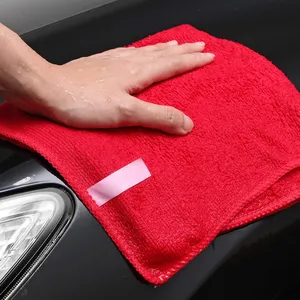 Option 2 Arkwright Lint-Free Shop Rags (50) – $16.99
|
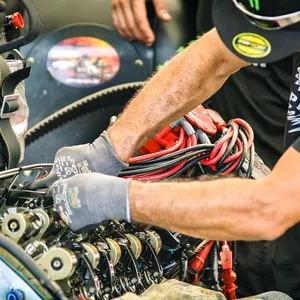 Option 3 Nitrile Mechanic Gloves – $10.99
|
As an Amazon Associate we earn from qualifying purchases.
To understand how oil levels can influence a car’s ability to start, let’s first break down what engine oil actually does.
Engine oil lubricates the many moving parts inside your engine. Without this lubrication, metal parts grind against each other, creating heat and friction. Over time, this can cause parts to wear out or even seize up completely. Oil also helps to:
- Cool the engine by carrying heat away from moving parts
- Clean by picking up dirt and debris, which are then trapped in the oil filter
- Seal tiny gaps between parts, helping the engine run efficiently
- Protect against rust and corrosion
During startup, oil is especially important. When you turn the key, the engine needs to move freely and quickly. If oil is low, some of these protective effects are missing right when the engine is most vulnerable.
Can Low Engine Oil Really Cause A Car Not To Start?
This is a common question, and the answer is more complex than a simple yes or no. In most cases, low engine oil by itself will not stop a car from starting immediately. The starter motor, ignition system, and battery control the first moments when you turn the key. However, if oil level is dangerously low, it can cause problems that eventually prevent the engine from starting.
There are a few scenarios where low oil leads to a no-start situation:
- Seized Engine: If the engine has been run with very little or no oil, metal parts can weld together. Once this happens, the engine will no longer turn over.
- Oil Pressure Sensor Cut-Off: Some newer cars have a safety feature that prevents the engine from starting if oil pressure is dangerously low.
- Damage from Repeated Low Oil: Persistent low oil can damage internal parts over time, eventually leading to failure that may stop the engine from starting.
In most cases, a car with low (but not empty) oil will still start, but you risk serious and expensive damage if you try to drive.
What Happens When Engine Oil Is Too Low
When the oil level drops below the recommended mark, several things begin to happen inside your engine:
- Lubrication Fails: Metal parts start rubbing directly against each other.
- Heat Builds Up: Friction increases, making the engine run hotter.
- Parts Wear Faster: Without oil, parts like bearings, pistons, and camshafts wear out much more quickly.
- Possible Engine Seizure: If the engine gets too hot or parts weld together, the engine can seize, meaning it can no longer move at all.
A seized engine is one of the worst-case scenarios. If your engine is seized due to lack of oil, the starter motor may not even be able to turn the crankshaft. You might just hear a click or a buzzing sound when you try to start the car.
Symptoms Of Low Engine Oil
Spotting the warning signs early can save your engine and your wallet. Here are some key symptoms:
- Oil Warning Light: Most cars have a dashboard warning light that looks like an oil can. If this light comes on, check your oil immediately.
- Engine Knocking or Tapping: Metal parts may make unusual noises if they are not properly lubricated.
- Burning Oil Smell: This could mean oil is leaking onto hot parts or burning inside the engine.
- Excessive Engine Heat: The temperature gauge may climb higher than normal.
- Difficulty Starting: If the engine is damaged from low oil, it may struggle to start or not start at all.
If you notice any of these signs, stop driving and check your oil level as soon as possible.
How Engine Starting Works
Understanding the basic starting process helps explain why low oil is not usually the direct cause of a no-start situation. Here’s what happens when you turn the key:
- Battery Sends Power: The battery provides power to the starter motor and ignition system.
- Starter Motor Turns Engine: The starter motor spins the engine so it can start.
- Ignition and Fuel Systems Activate: Spark plugs fire and fuel is injected into the cylinders.
- Engine Starts Running: Once running, the engine keeps itself going until you turn it off.
Engine oil is not directly involved in these first moments. However, if the engine is already damaged or seized, the starter motor cannot turn the engine, and the car will not start.
Engine Seizure: The Worst-case Scenario
One of the most serious consequences of running low on oil is an engine seizure. Here’s how it happens:
- With little or no oil, friction between moving parts increases rapidly.
- Parts like pistons, rods, and bearings get very hot.
- Metal can expand and stick or even fuse together.
- The engine locks up and cannot move, even if the starter motor tries.
A seized engine is often a death sentence for your car. Repair costs can be thousands of dollars, sometimes more than the value of the vehicle.
Comparison: Low Oil Vs. Other Common No-start Causes
Let’s compare low engine oil with other common reasons why a car might not start:
| Cause | Will Car Start? | Immediate Danger? | Repair Cost (Typical) |
|---|---|---|---|
| Low Engine Oil | Usually yes, until severe damage | Yes (if driven) | $100 – $5,000+ |
| Dead Battery | No | No | $50 – $200 |
| Bad Starter Motor | No | No | $200 – $800 |
| No Fuel | No | No | $0 (refuel) |
| Seized Engine (from low oil) | No | Yes | $2,000 – $10,000+ |
This comparison shows that while low oil is rarely the immediate cause of a car not starting, it is the only cause on this list that can destroy your engine if ignored.
How Low Is Too Low?
Many drivers wonder how low oil can go before it becomes a serious risk. Here’s what you should know:
- Below the “MIN” mark: If your oil dipstick shows oil below the minimum mark, add oil as soon as possible.
- No oil on dipstick: If you can’t see any oil at all, do not start the engine. Serious damage could occur within seconds.
- Between MIN and MAX: Your engine is safe, but check regularly.
What Happens If You Drive With Low Oil?
Driving with low oil is dangerous. Even short trips can cause:
- Accelerated wear: Parts fail sooner than they should.
- Overheating: The engine can quickly overheat.
- Permanent damage: Bearings, pistons, or even the crankshaft can be destroyed.
Most mechanics recommend checking your oil at least once a month or every 1,000 miles.
Do Modern Cars Prevent Starting With Low Oil?
Some newer vehicles include safety systems that stop the engine from starting if oil pressure or level is too low. These systems are designed to protect the engine from catastrophic damage.
- Oil Level Sensors: A float-type sensor measures oil level in the pan before you crank the engine — if it reads critically low, the ECU can block the starter on some models. (A pressure sensor works differently: it only reads a value once the engine is already turning, so it can trigger a shutdown after a low-pressure start, not before one.)
- Dashboard Warnings: The car may display a warning message and refuse to start until oil is added.
However, most older cars do not have this feature. It’s up to the driver to check the oil and take action.
Real-world Examples
Let’s look at a few scenarios:
Example 1: The Ignored Oil Light
A driver ignores the oil warning light for several days. The engine starts each time, but eventually, it begins to make knocking noises. One day, the car won’t start at all. The engine has seized due to lack of lubrication.
Example 2: Modern Car Safety System
A 2020 model car refuses to start after an oil change at a quick lube shop. The shop forgot to fill the oil. The car’s computer detects zero oil pressure and blocks the starter motor, preventing damage.
Example 3: Low Oil But Still Starts
A driver checks the dipstick and sees oil below the “MIN” mark. The car still starts, but after a few weeks of driving, the engine develops a severe knocking sound and eventually fails.
How To Check Your Engine Oil
Knowing how to check your oil can prevent most problems. Here’s a simple step-by-step guide:
- Park on Level Ground: Make sure the car is on a flat surface.
- Turn Off the Engine: Wait a few minutes to allow oil to drain into the pan.
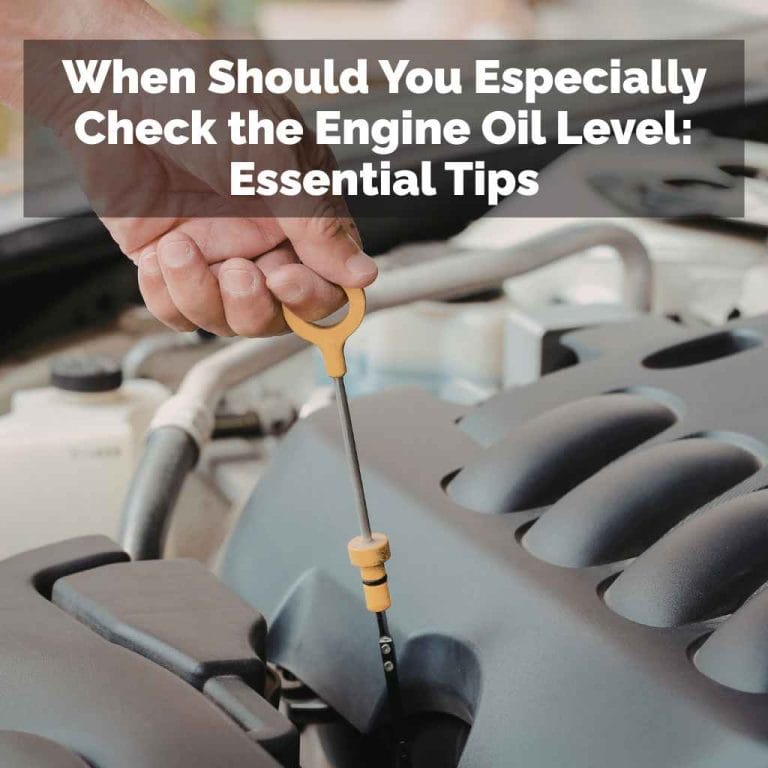
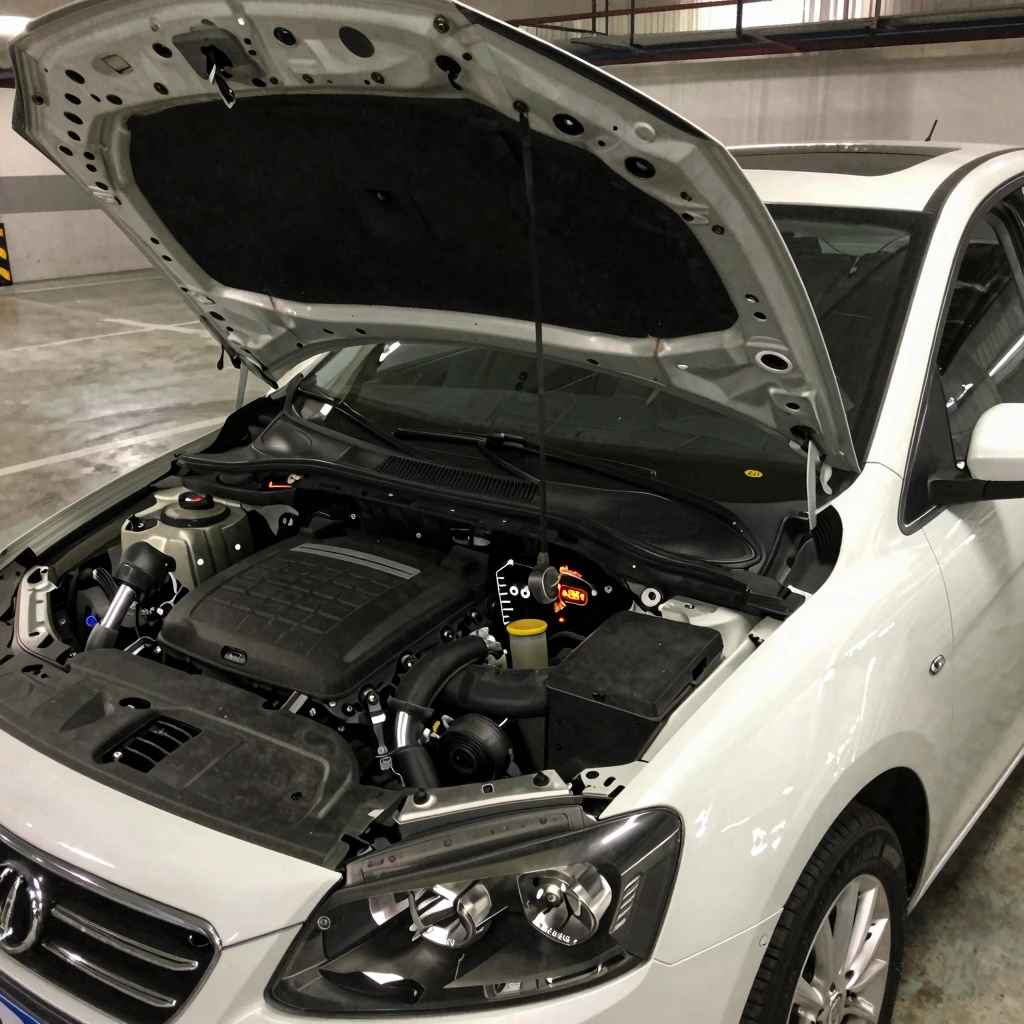
- Open the Hood: Locate the oil dipstick (usually yellow or orange).
- Pull Out the Dipstick: Wipe it clean with a rag or paper towel.
- Insert and Remove Again: Check the oil level against the “MIN” and “MAX” marks.
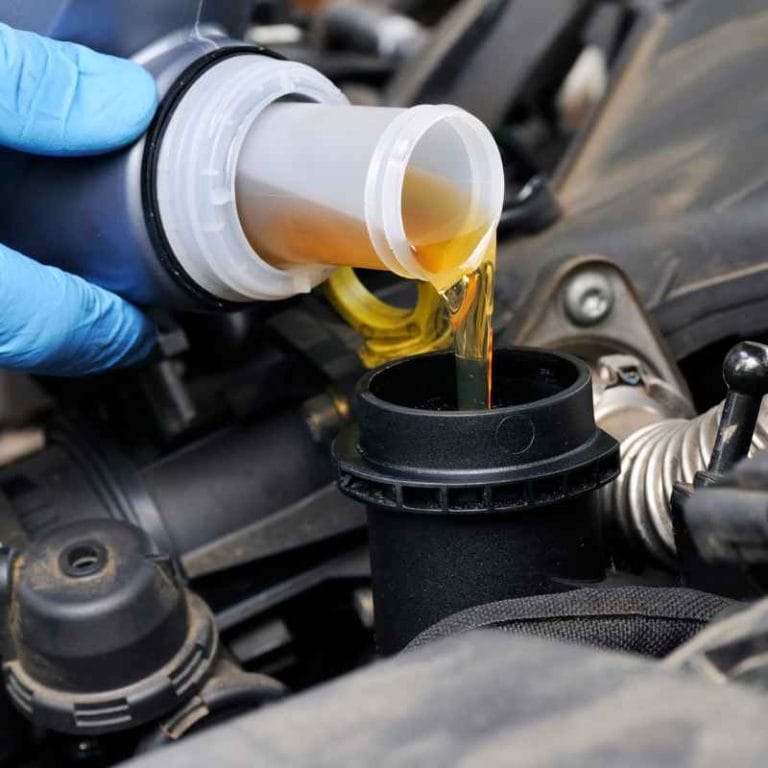
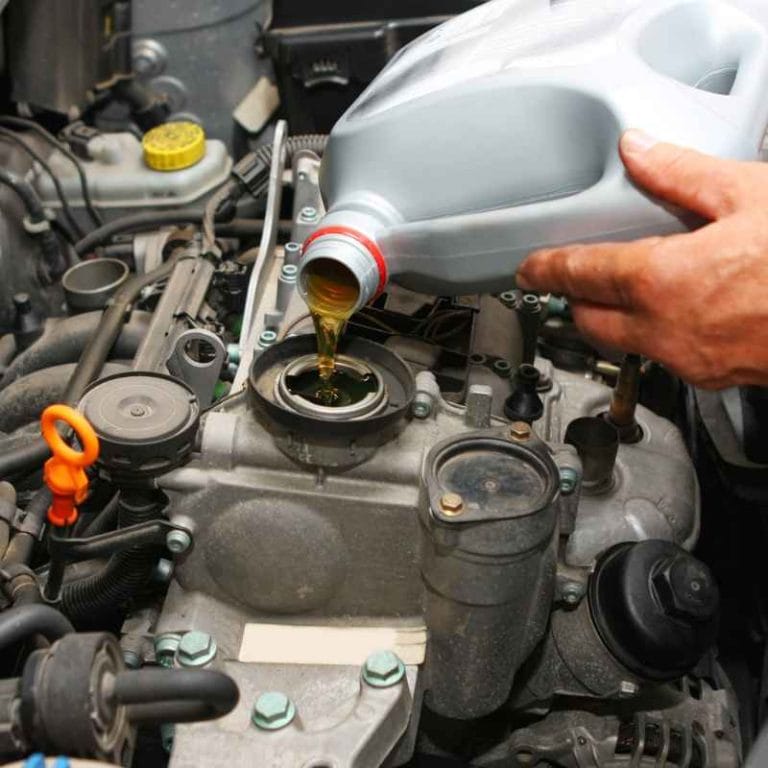
- Add Oil if Needed: Use the correct oil type for your car.
Common Mistakes When Checking Oil
- Checking with the engine running or hot (wait a few minutes after shutting off)
- Not pushing the dipstick all the way in
- Using the wrong type or grade of oil
What To Do If Your Car Won’t Start And Oil Is Low
If your car won’t start and you suspect low oil, follow these steps:
- Check the Oil Level: Use the dipstick.
- Add Oil if Low: Top up with the correct type.
- Try Starting Again: If the engine turns over, listen for unusual noises.
- Do Not Force Start: If the engine sounds strange or is seized, do not keep cranking the key.
- Call a Mechanic: If you hear a clicking sound or nothing at all, seek professional help.
Other Reasons Why A Car Won’t Start
While low engine oil can eventually lead to a no-start condition, most starting problems are caused by other issues. Here are some of the most common:
- Dead Battery: Causes clicking or silence when turning the key.
- Faulty Starter Motor: The engine does not turn over.
- Bad Alternator: The battery is not charged, so the car won’t start.
- Ignition Switch Failure: The key does nothing.
- Clogged Fuel Filter or Empty Tank: The engine turns but does not fire.
Quick Comparison: No-start Causes And Oil Level Involvement
| No-Start Cause | Related to Oil Level? | Fix |
|---|---|---|
| Low Oil | Indirect (if severe damage) | Add oil; inspect for damage |
| Dead Battery | No | Jump-start or replace battery |
| Starter Motor | No | Replace starter motor |
| Out of Fuel | No | Refuel |
| Seized Engine | Direct (from no oil) | Major repair or replace engine |
This table makes clear that most no-start problems are not oil-related, but engine seizure from low oil is a critical exception.
Preventing Low Oil Problems
The best way to avoid the nightmare of a seized engine or a failed start is regular maintenance. Here’s what experts recommend:
- Check Oil Monthly: Make it a habit, even if your car does not burn oil.
- Change Oil on Schedule: Follow the manufacturer’s recommendation, usually every 3,000-7,500 miles.
- Fix Leaks Quickly: Even small oil leaks can become a big problem over time.
- Watch for Warning Lights: Never ignore the oil warning light.
- Use the Right Oil: Always use oil with the correct viscosity and specification.
Practical Tips
- Keep a quart of oil in your trunk for emergencies.
- Ask your mechanic to check for leaks at every oil change.
- Set a calendar reminder for your next oil check if you forget easily.
Non-obvious Insights Most Drivers Miss
- Low oil can mask other problems: Sometimes, a car with low oil also has other hidden issues (like worn bearings or a bad oil pump). Topping up oil may let the car start, but the root cause remains.
- Short drives are riskier in cold weather: In winter, oil is thicker and flows slower. If your oil is low, it may take even longer to reach critical parts, increasing wear during startup.
When To Seek Professional Help
If you’ve added oil and your car still won’t start, or if you hear knocking or metallic sounds, it’s time to call a mechanic. Continuing to crank the engine can make things worse. Modern engines are very sensitive to oil levels, and running dry for even a few minutes can cause catastrophic damage.
The Bottom Line
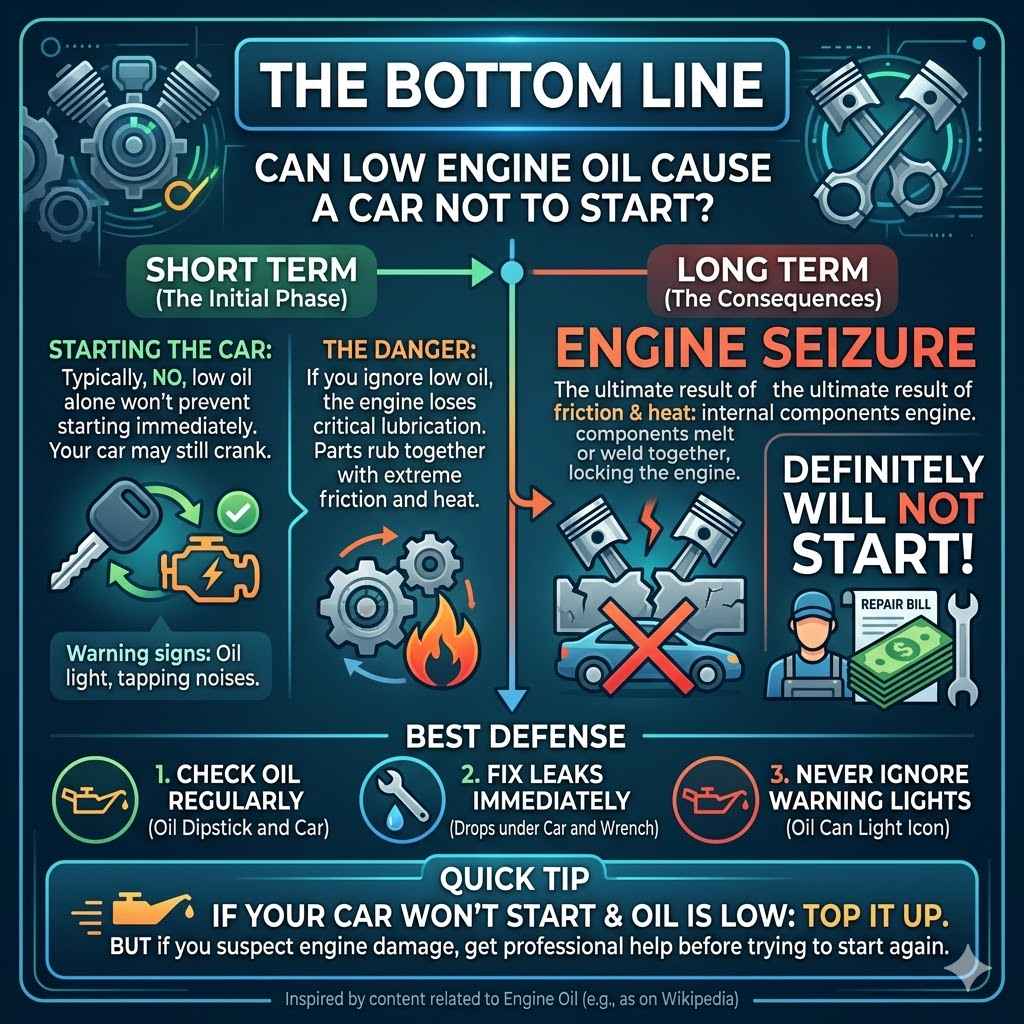
So, can low engine oil cause a car not to start? In most cases, low oil will not stop your car from starting immediately, but it is a silent killer for your engine. If ignored, it can cause your engine to seize, at which point your car will definitely not start—and you’ll face a huge repair bill. The best defense is simple: check your oil regularly, fix leaks, and never ignore warning lights. If your car won’t start and the oil is low, top it up—but if you suspect engine damage, get professional help before trying to start again.
For more on engine lubrication and how oil systems work, you can read this excellent resource from the Wikipedia Engine Oil page.
Frequently Asked Questions
Can Low Engine Oil Prevent My Car From Starting?
Low engine oil usually does not prevent a car from starting right away. However, if the engine is severely damaged or seized from lack of oil, the starter motor may not be able to turn the engine, and it will not start.
What Are The Signs That My Engine Has Seized From Low Oil?
Common signs of a seized engine include a loud clunk or bang before the car stopped working, the starter motor not turning the engine, or just a single click when turning the key. Sometimes, you may also smell burnt oil or see smoke.
If I Add Oil, Will My Car Start Again?
If your engine is not damaged, adding oil may allow your car to start. However, if the engine has already suffered severe damage (like seizing up), adding oil will not fix the problem. You may need major repairs.
How Often Should I Check My Engine Oil?
Check your engine oil at least once a month or every 1,000 miles, especially if your car is older or has a history of leaks. Always check before long trips.
What Should I Do If My Oil Warning Light Comes On While Driving?
If the oil warning light comes on, stop as soon as it’s safe. Check the oil level and add oil if needed. Driving with the oil light on can cause severe engine damage in minutes.
By following these guidelines and understanding the critical role oil plays in engine health, you can avoid costly repairs and keep your car running smoothly for years.