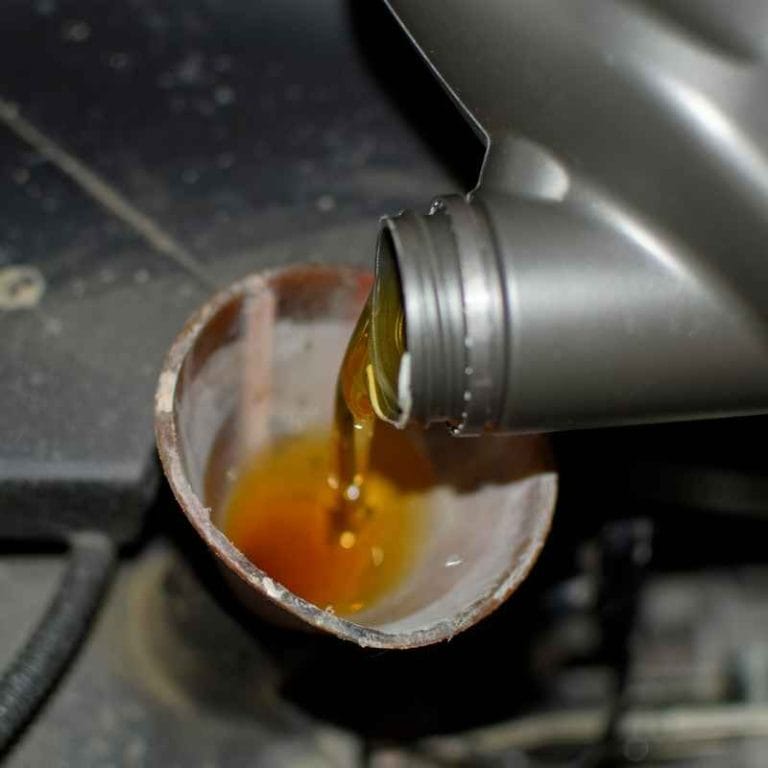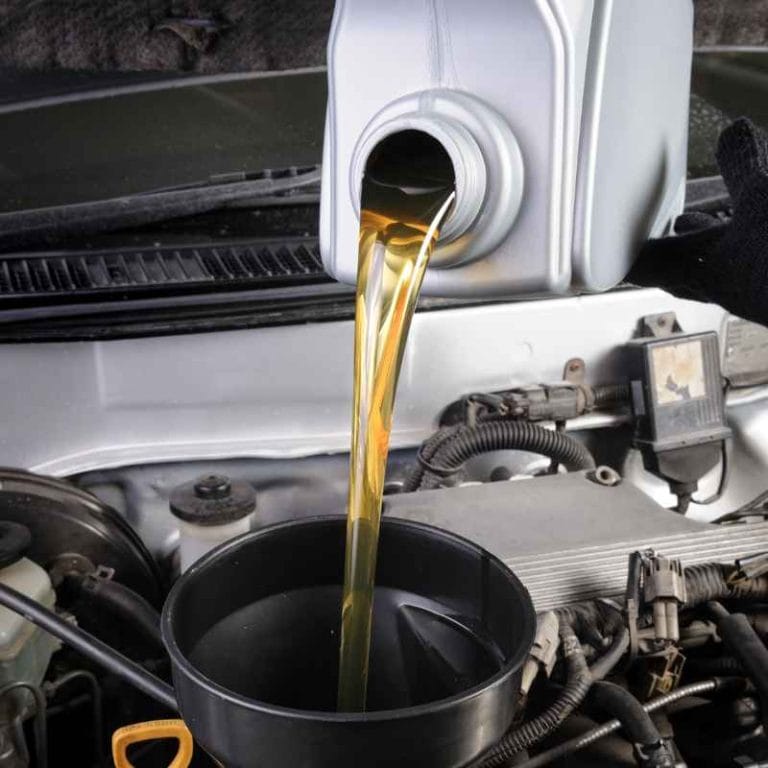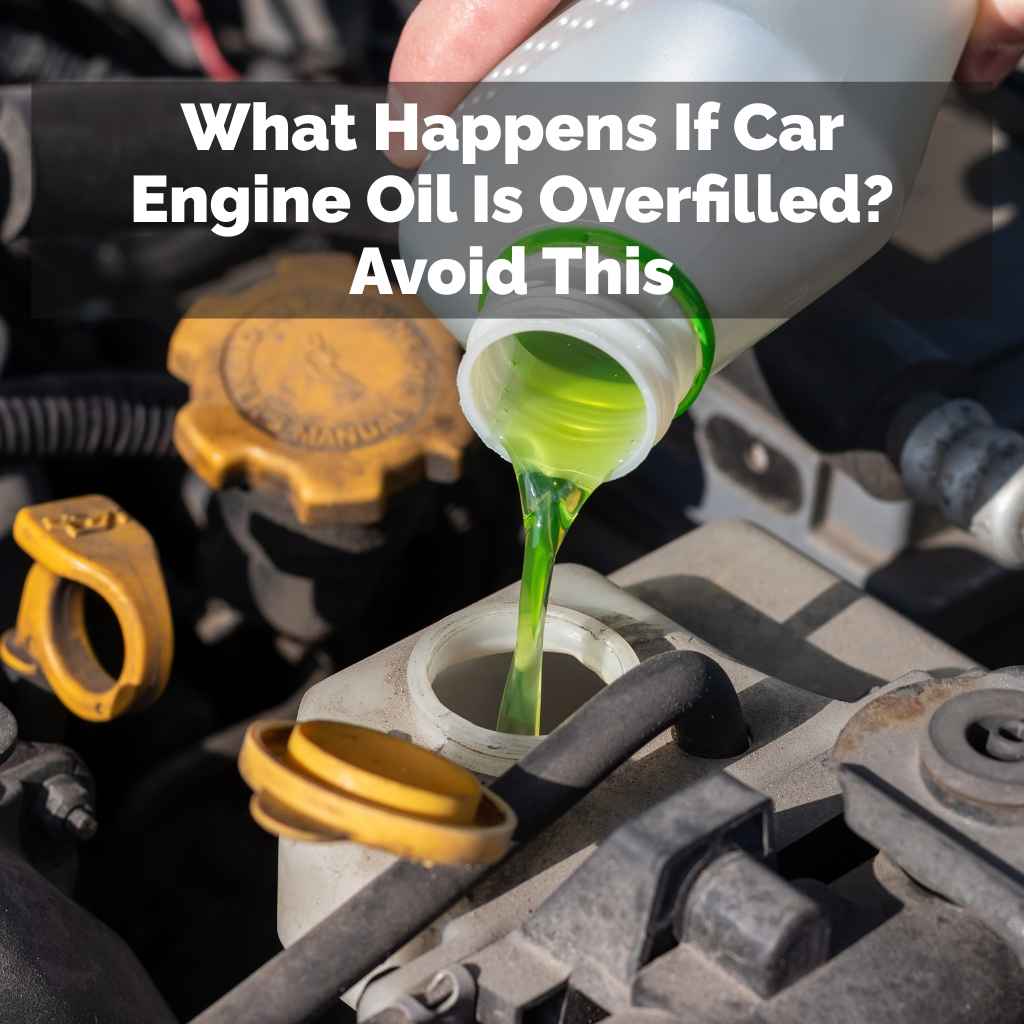
What Happens If Car Engine Oil Is Overfilled? (Foaming Risk)
Overfilling your car’s engine oil can lead to serious engine damage. It can cause oil to foam, increase oil pressure, and lead to leaks. This article explains the risks, signs of overfilling, and how to fix it to protect your engine.
Understanding Engine Oil Levels
Engine oil does a lot of jobs. It keeps your engine parts from rubbing. It also helps keep things cool.
Best Oil Extractor Pick
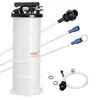
VEVOR 6.5L Pneumatic/Manual Oil Extractor Pump – $41.90
The exact fix this guide points to for pulling out excess oil through the dipstick tube when your level sits above the full mark by more than a half-quart.
- Best for: removing overfilled oil without dropping the pan
- Why we picked it: 6.5L capacity with a dipstick-tube hose reaches most engines’ oil fill without a lift
- Main drawback: pneumatic mode needs an air compressor for fastest draw
Compare more oil extractor pump options
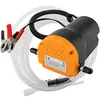 Option 1 Amarine Made 12V Electric Oil Extractor Pump – $24.99
|
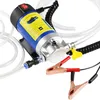 Option 2 Faitio 12V 100W Oil Extractor Pump – $30.49
|
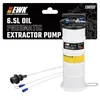 Option 3 EWK 6.5L Pneumatic/Manual Oil Extractor – $60.99
|
As an Amazon Associate we earn from qualifying purchases.
Plus, it cleans out gunk. Your car has a sweet spot for oil. Too little oil is bad.
It means parts don’t get enough lube. This makes them wear out fast. It can even cause the engine to seize up.
But too much oil is also bad. The engine needs a little space to work. If there’s too much oil, it can get whipped around.
This makes it foamy. Foamy oil doesn’t do its job well. It can’t lubricate properly.
It can’t cool as well. It’s like trying to use dish soap that’s full of air. It just doesn’t work right.
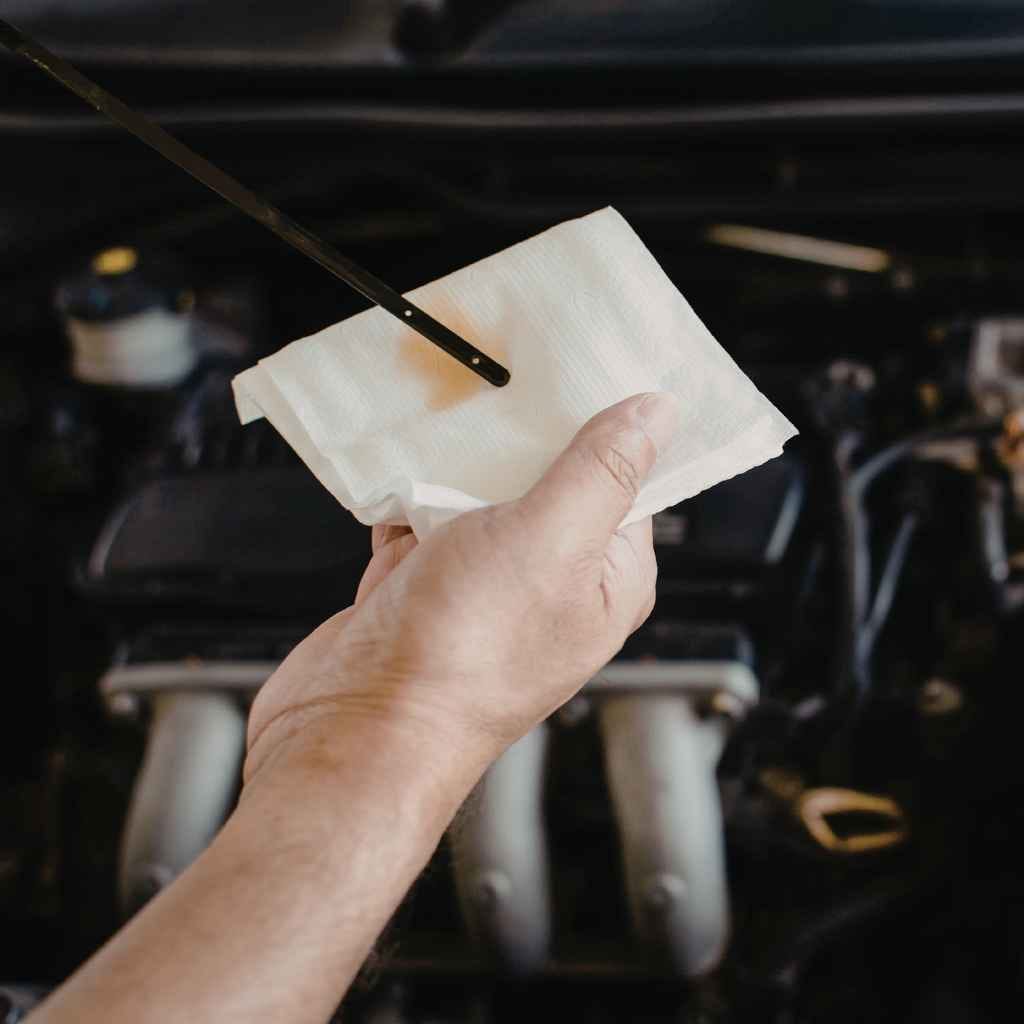
There’s a dipstick to check the oil. It has markings. You want the oil level to be between the low and full marks.
Some cars have a “full” dot. Others have a range. If the oil is above the full mark, it’s too much.
Even a little bit too much can be a problem. It’s a delicate balance your engine needs.
Why Overfilling Causes Problems
So, what exactly happens when the oil is too high? The main issue is something called “oil foaming.” Your engine’s crankshaft spins very fast. It’s always moving through the oil.
If there’s too much oil, the crankshaft can hit the oil surface hard. This action is like beating egg whites. It whips air into the oil.
The oil turns frothy and bubbly.
This foamy oil is not good. It’s less dense. It doesn’t flow as well.
The oil pump works to suck up oil and send it where it’s needed. If the oil is foamy, the pump can suck in air pockets. This means less oil gets delivered to critical engine parts like bearings and the camshaft.
This leads to poor lubrication.
Another problem is increased oil pressure. When the crankshaft is churning in too much oil, it can cause the oil to back up. This builds pressure.
This pressure can push oil past seals and gaskets. This can cause leaks. It can also push oil into places it shouldn’t go, like the combustion chamber.
When oil gets into the combustion chamber, it burns. This is bad. It creates blue smoke from the exhaust.
It can also foul spark plugs. It can leave deposits on engine parts. Over time, these deposits can cause even more problems.
They can make the engine run rough.
Signs Your Car Might Have Too Much Oil
- Blue Smoke: You might see blue smoke coming from your tailpipe. This is oil burning in the engine.
- Strange Smells: A burning oil smell can mean oil is getting too hot or leaking onto hot engine parts.
- Oil Leaks: You might notice oil spots under your car. This happens when pressure forces oil out.
- Rough Engine Idling: The engine might shake or sound rough when it’s just sitting there.
- Warning Lights: Sometimes, an oil pressure light might flicker or stay on.
My Own Oil Overfill Scare
I remember this one time I was helping my neighbor, Maria. She’s not a car person. She just wanted to top off her oil.
It was a cold morning. She said her car was making a funny noise. She thought maybe it was low on oil.
I grabbed her owner’s manual. We found out she needed a specific type of oil. She had a jug of a different kind.
I told her to wait and get the right one.
But she was in a hurry. She said, “I’ll just add a little bit of this one. It’s better than nothing, right?” I warned her.
I said, “Maria, it’s really important to use the right oil. And don’t add too much.” She nodded. She poured in what she thought was just a little bit.
Then she checked the dipstick. She thought it looked okay.
A few days later, she called me in a panic. Her car was making a loud knocking sound. There was white smoke pouring from the exhaust.
My heart sank. I went over there right away. I looked under the hood.
The dipstick was way too high. She had added almost a full quart more than needed. The oil was foaming.
It had already started causing damage.
We had to get the car towed. The mechanic found that the oil had been pushed into the cylinders. It was a mess.
They had to drain the oil. They cleaned up the spark plugs. Luckily, the damage wasn’t too severe.
But it was a huge wake-up call for Maria. It also reminded me how easy it is to make a mistake. And how quickly that mistake can cause problems.
The Dangers of Overfilled Oil
Let’s talk more about why this is so serious. When oil foams, its lubricating ability drops. Think of it like trying to drink a milkshake through a straw that’s full of air bubbles.
It’s hard to get the liquid. The same thing happens in your engine. The oil pump struggles to deliver enough actual oil.
This can lead to increased friction between engine parts.
Friction means heat. Too much heat can damage metal parts. Bearings can get scored.
The camshaft can wear down. The pistons can get damaged. In the worst cases, this can lead to a blown engine.
That’s a repair that costs thousands of dollars. Sometimes, it means the car isn’t worth fixing.
The increased oil pressure is another big worry. The seals in your engine are designed to hold a certain amount of pressure. When that pressure goes up too high, seals can fail.
This means oil can leak out. It can leak from the valve cover, the oil pan, or the crankshaft seals. These leaks not only mean you lose oil but can also get oil on hot exhaust parts.
When oil hits hot exhaust parts, it burns. This causes that awful burning smell. It can also be a fire hazard.
While rare, it’s a serious risk. Also, oil getting into the combustion chamber can mess up the emissions system. It can damage the catalytic converter.
This is another expensive part to replace.
Oil Overfill vs. Low Oil
Too Much Oil (Overfill)
Risks: Oil foaming, increased pressure, leaks, burning oil, damage to seals, catalytic converter issues.
Symptoms: Blue smoke, burning smell, oil spots, rough idle.
Too Little Oil (Underfill)
Risks: Increased friction, overheating, component wear, engine seizure, catastrophic failure.
Symptoms: Ticking noises, oil warning light, engine overheating, low oil pressure.
How to Check Your Oil Correctly
It’s simple to check your oil. But there are a few things to get right. First, make sure your car is on a flat surface.
If the car is on a hill, the oil level on the dipstick won’t be accurate. It needs to be level ground.
Second, let the engine cool down for a few minutes. The best time is usually after the car has been off for about 10-15 minutes. This lets the oil drain back into the oil pan.
If you check it right after driving, the oil will still be up in the engine. This will give you a false reading. You might think it’s low when it’s actually fine.
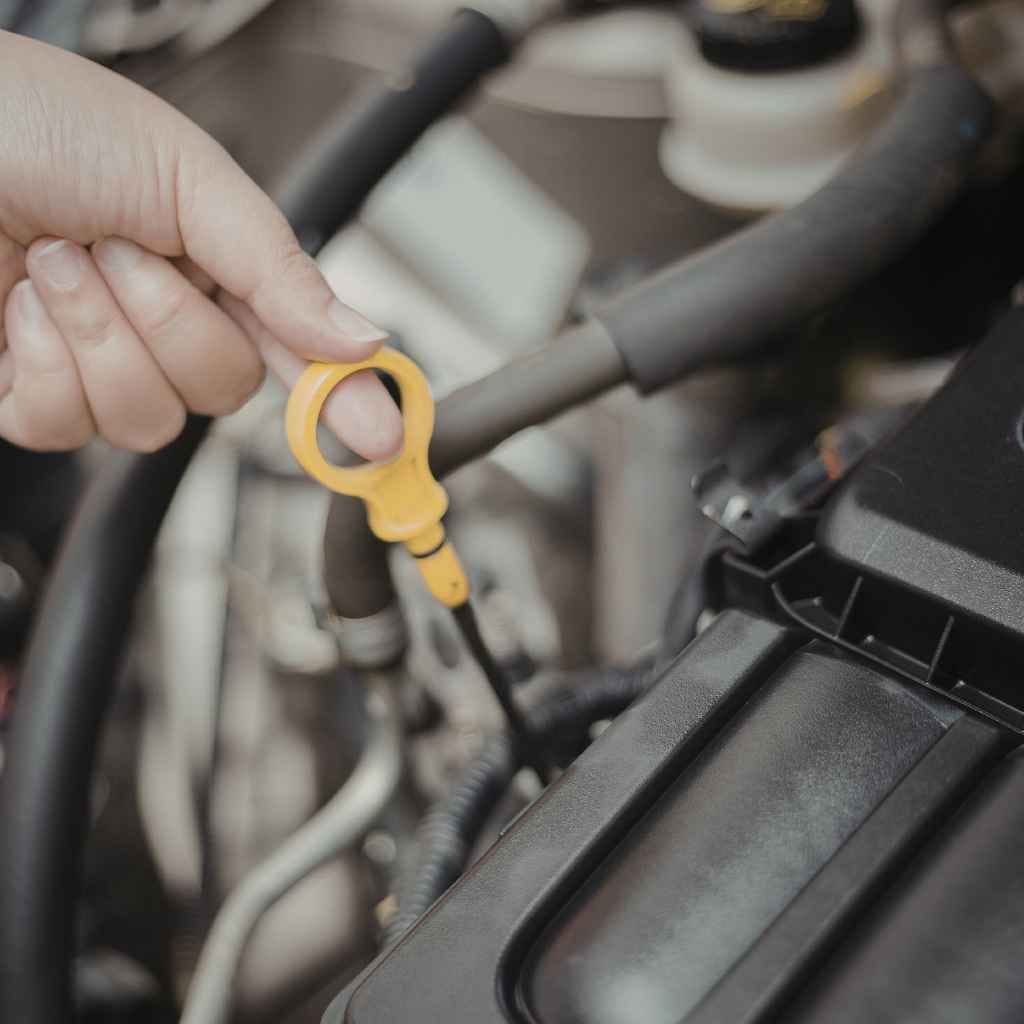
Now, find the dipstick. It usually has a brightly colored loop or handle. Pull it out.
Wipe it clean with a rag or paper towel. Don’t use anything that leaves lint. Now, push the dipstick all the way back in.
Make sure it’s fully seated. Then, pull it out again slowly.
Look at the end of the dipstick. There are usually markings. They might be two dots, lines, or a cross-hatched area.
The oil level should be between these marks. Ideally, it should be at the full mark. If it’s below the low mark, you need to add oil.
If it’s above the full mark, you have too much.
When you add oil, do it slowly. Add a little bit at a time. Wait a minute or two.
Then check the dipstick again. This is the best way to avoid overfilling. It’s much easier to add more than to take it out.
Oil Checking Checklist
- Flat Surface: Always park on a level spot.
- Cool Engine: Let the car sit for 10-15 minutes after turning it off.
- Locate Dipstick: Find the colorful handle.
- Wipe Clean: Use a lint-free cloth.
- Insert Fully: Push it all the way in.
- Pull Out Slowly: Check the oil level against the markings.
- Add in Stages: If low, add small amounts and recheck.
What to Do If You’ve Overfilled
So, you’ve checked the dipstick. You see the oil is way too high. Don’t panic.
There are ways to fix it. The easiest way is to remove some oil. This sounds simple, but it’s not always easy to do yourself.
The best method is to drain some oil from the oil pan. Most cars have a drain plug at the bottom of the oil pan. You’ll need a wrench to remove it.
Make sure you have a container to catch the oil. You’ll need to carefully loosen the plug. Let out just a little bit of oil.
Then, put the plug back in and tighten it.
This can be messy. And you need to be careful not to lose too much oil. If you’re not comfortable doing this, it’s best to take it to a mechanic.
They have the tools and experience to do it quickly and cleanly.
Another option is to use a used oil extractor pump. These pumps can suck oil out through the dipstick tube. This is less messy than draining from the plug.
You insert a hose down the dipstick tube. Then you pump out the excess oil. Again, check the dipstick often.
You only want to remove enough to get to the correct level.
Once you’ve removed some oil, recheck the dipstick. Make sure the level is now between the low and full marks. It’s always better to be slightly under the full mark than over it.
If you take out too much, you can always add a little bit back.
If you’ve driven the car for a while with too much oil, there might be damage. You should definitely have a mechanic check it. They can look for signs of leaks or other issues caused by the overfill.
It’s better to be safe than sorry.
Fixing an Overfilled Oil Situation
Method 1: Drain Plug (Best for a little overfill)
1. Warm the engine slightly (not hot).
2. Place a drain pan under the oil pan.
3. Loosen and carefully remove the drain plug.
4. Let out a small amount of oil.
5. Reinstall and tighten the drain plug.
6. Check dipstick and refill if needed.
Method 2: Oil Extractor Pump (Cleaner option)
1. Insert the pump’s hose into the dipstick tube.
2. Pump out oil into a waste container.
3. Check dipstick frequently.
4. Stop when the level is correct.
When to See a Mechanic:
– If you’re unsure about any step.
– If you’ve driven the car with the overfill.
– If you notice strange noises or smells.
When Is Too Much Oil Okay?
You might see the oil level slightly above the full mark. Is that okay? Generally, the goal is to be at the full mark or just slightly below it.
A tiny bit over the line might not cause immediate issues. Especially if it’s only a few millimeters or just touching the top edge of the marked area.
However, even a small amount over can still cause some foaming if your engine runs at high RPMs for long periods. Things like racing or driving on very steep hills at high speed can put extra stress on the engine. This can make overfilling more dangerous.
The safest bet is always to keep the oil level at the full mark or just below it. It’s worth the extra care to avoid potential damage. If the oil is clearly above the “full” line, even if it’s not by a lot, it’s worth considering removing a small amount.
Think of it like water in a glass. You can fill it right to the brim. But if you tilt it even a little, it spills.
An engine has moving parts that tilt and shake things. So, having that extra buffer space is important. It’s there for a reason.
Real-World Scenarios and How They Happen
How does overfilling actually happen? It’s usually one of a few common mistakes. People often add oil when they don’t need to.
They might check the oil when the engine is too hot. This makes the oil level appear lower than it is. So, they add more oil to compensate.
Another common way is using the wrong oil. Some oils are thicker than others. If you use a thicker oil, it might not drain back into the pan as quickly.
This can affect the reading on the dipstick. Also, some cars just take a lot of oil. If you’re not careful with the amount you pour in, it’s easy to go over.
Forgetting how much oil was added last time is also a factor. If you’ve recently had an oil change, the car should have the correct amount. If you then top it off without checking, you might be adding oil to an already full engine.
Always check the level before adding any oil.
Sometimes, shops might make a mistake during an oil change. They might accidentally put in too much oil. This is why it’s important to check your oil level after any service.
It’s a good habit to get into.
I saw a case where someone bought a used car. The owner said he always used premium oil. He filled it himself.
He’d just pour and pour. The car had low miles but was making weird noises. When we checked the oil, it was way overfilled.
He had been slowly damaging the engine for years without knowing it.
Common Overfill Causes
- Checking Oil When Hot: Engine oil is still in the upper parts of the engine.
- Adding Too Much at Once: Not adding oil slowly and rechecking the dipstick.
- Ignoring Previous Level: Adding oil without first checking how much is already there.
- Mistakes During Oil Changes: Either by yourself or a service shop.
- Confusing Dipstick Markings: Not understanding the “add” and “full” lines.
The Long-Term Effects of Overfilling
Even if you don’t see immediate, dramatic problems, long-term overfilling can still harm your engine. The constant aeration of the oil means it breaks down faster. It loses its protective qualities.
This can lead to increased wear on engine components over time.
The seals might start to weaken from the constant higher pressure. This can lead to slow, small leaks that you might not notice at first. Over time, these leaks can get worse.
They can lead to oil loss and a need for seal replacement.
The build-up of carbon deposits from burning oil can affect engine performance. It can reduce fuel efficiency. It can also make the engine run rougher.
These are not things you typically notice overnight. They are slow degradations of the engine’s health.
Think of it like not drinking enough water. You might not feel sick right away. But over time, your body starts to suffer.
The same happens with your engine. Small, consistent problems add up. They can shorten the engine’s life.
For example, a customer came in with an older truck. He said it was just getting “tired.” It was sluggish and burned a little oil. We did an inspection.
The oil pan was sludgy. The dipstick showed it was always a bit over the full mark. It was clear he had been overfilling for years.
The engine was worn out prematurely.
Preventing Overfilling in the Future
The best way to deal with overfilling is to prevent it. It all comes down to careful checking and slow addition. Always follow the steps for checking your oil.
Park on a level surface. Let the engine cool. Take your time.
When you add oil, add it in small increments. A half-quart at a time is usually good. Then wait a few minutes for the oil to drain down.
Check the dipstick. Repeat if needed. You can always add more, but you can’t easily take it out.
Know how much oil your car needs. Check your owner’s manual. Most cars take between 4 and 6 quarts.
If you’re doing an oil change yourself, measure out the correct amount before you start pouring. Don’t just guess.
If you are unsure about checking your oil or adding it, ask a friend who knows. Or take it to a trusted mechanic. It’s a small service fee to avoid potentially huge repair bills.
Getting it right is worth the effort.
Tips for Safe Oil Level Maintenance
- Read Your Manual: Know your car’s oil capacity and type.
- Add Slowly: Use small amounts, then recheck.
- Wait for Drainage: Allow oil to settle before reading the dipstick.
- Check Regularly: Make it part of your routine car care.
- Learn from Mistakes: If you overfilled, be extra careful next time.
- Seek Help: Don’t hesitate to ask for assistance if unsure.
What This Means for You
If you’ve accidentally overfilled your engine oil, it’s important to address it. If you catch it right away, removing a bit of oil is the best solution. Don’t ignore it.
Even a little bit too much can cause problems over time.
If you’ve driven the car for a while with too much oil, pay attention. Watch for blue smoke from the exhaust. Listen for any new, strange noises.
Smell for any burning oil odors. If you notice any of these, it’s a sign that damage might have occurred.
In such cases, a visit to a mechanic is highly recommended. They can inspect the engine for leaks, check for oil in the combustion chambers, and assess the condition of seals. They can help determine if any repair work is needed.
For most drivers, this is a simple mistake that can be fixed. The key is awareness. Being careful when adding oil and checking it regularly will save you a lot of potential headaches and costly repairs down the road.
Your car’s engine relies on that precise oil level to run smoothly and last a long time.
Quick Fixes and Tips
If you find yourself with slightly too much oil, and the level is just a hair above the full mark, you can sometimes let the car idle for a while. The engine heat can cause oil to expand. This might bring the level back down slightly.
However, this is not a reliable fix for significant overfills.
For minor overfills (just a touch above full), driving normally for a short period might be okay, especially if your driving is gentle. However, avoid high-speed driving or hard acceleration. These conditions put more stress on the engine and increase the risk of foaming.
If the oil level is significantly above the full mark, do not drive the car. Get it to a mechanic immediately. Driving with very overfilled oil can cause rapid and severe damage.
It’s better to get it towed than risk ruining your engine.
Always use the correct type of oil for your car. The owner’s manual will specify the viscosity grade (like 5W-30) and any special certifications required. Using the wrong oil can also affect how the oil behaves in the engine, potentially contributing to problems.
Frequently Asked Questions
How much oil is too much oil?
Generally, if the oil level is above the “full” mark on the dipstick, it’s considered overfilled. Even a quarter-inch above the full mark can be too much for some engines, especially if you drive aggressively. It’s best to have the oil level right at the full mark or just slightly below.
Can I drive my car if I overfilled the oil?
If you’ve only slightly overfilled it (just a tiny bit above the full line) and you drive gently, it might be okay for a short distance. However, if it’s significantly overfilled, it’s not safe to drive. Driving with too much oil can cause serious damage quickly.
It’s best to remove the excess oil first.
How can I remove excess oil from my engine?
You can remove excess oil by carefully loosening and removing the oil drain plug at the bottom of the oil pan to let a small amount drain out. Another method is using a used oil extractor pump that sucks oil out through the dipstick tube. If you’re not comfortable doing this yourself, a mechanic can do it.
What are the signs of engine oil foaming?
Signs of oil foaming include blue smoke from the exhaust, a burning oil smell, an illuminated oil pressure warning light, or a rough idle. Foamy oil is less effective at lubricating engine parts, leading to increased friction and potential damage.
Will overfilling my oil cause leaks?
Yes, overfilling your oil can increase oil pressure within the engine. This increased pressure can force oil past seals and gaskets, leading to oil leaks. You might notice oil spots under your car if this happens.
How often should I check my car’s engine oil?
It’s a good practice to check your engine oil at least once a month. Many people check it every time they fill up their gas tank. Checking regularly helps you catch potential issues like overfilling, underfilling, or leaks before they cause major problems.
Conclusion
Understanding what happens if car engine oil is overfilled is crucial. It’s a common mistake with serious potential consequences. From oil foaming to increased pressure and leaks, the risks are real.
Always check your oil carefully on a level surface with a cool engine. Add oil slowly and in small amounts. If you do overfill, address it promptly by removing the excess oil.
Products related to this article
Sponsored / affiliate links. As an Amazon Associate I earn from qualifying purchases. I may earn additional commission from eligible campaigns.
 4.5V Engine Oil Pump, Electric Oil Change Fluid Evacuators,Electric Fluid Transfer Pump for Engine Oil, Equipped With 3 Pipes-Low Noise(no batteries included)
 TOTMOX Quick Oil Change Pump, DC 12V 100W Oil Diesel Fluid Pump Extractor Transfer Pump & Tubes Kit for Car, Boat, Motorbike, Truck, RV, ATV and Other Vehicles