What Is The Price Of Car Engine Oil? (Full Cost Breakdown)
The price of car engine oil varies widely. A basic conventional oil change might cost $35-$75, while synthetic blends and full synthetic oils can range from $65-$150 or even more, depending on the brand, type, viscosity, and service location. This includes the cost of the oil itself, the oil filter, and labor. Special services or additives can also increase the total price.
Understanding Engine Oil Costs: What’s Really Going On?
Engine oil is a pretty vital part of your car. It keeps the engine running smoothly. It also helps keep it cool and clean.

STP
STP Premium Synthetic Blend 4 Cycle Small…
- SAE 10W-30 MOTOR OIL FOR SMALL ENGINES: One 32 fl oz bottle of STP Premium Synthetic Blend 4 Cycle Small Engine Oil SAE 10W-30, fo…
- FIGHTS THERMAL BREAKDOWN: Antioxidants fight thermal breakdown to enhance oil durability, helping the SAE 10W-30 oil handle high t…
- PREVENTS BUILDUP: Detergents help keep small engine components clean and control carbon deposits, preventing buildup that can affe…
As an Amazon Associate I earn from qualifying purchases.
Think of it like the blood in your body. When you go to change it, you might just think about the liquid itself. But there are many things that go into that final price you see on the receipt.
The most obvious part is the oil itself. Cars need different types of oil. Some need a standard type.
Others need something more fancy. The oil has to meet certain standards set by organizations like the American Petroleum Institute (API). These standards mean the oil is tested and proven to work well.
Then there’s the oil filter. This little guy catches dirt and gunk. It stops them from getting into your engine.
Filters aren’t all the same. Some are better at filtering than others. A good filter might cost a bit more.
But it can help your engine last longer.
Labor is another big piece of the puzzle. Even a simple oil change takes time. A mechanic needs to get the car up.
They need to drain the old oil. They put in the new oil. They change the filter.
They also check other things like tire pressure. The hourly rate for a mechanic adds to the cost.
Location matters too. A dealership in a busy city will charge more than a small shop in a rural town. The cost of doing business is different everywhere.
This affects the price you pay for parts and labor.
My First “Expensive” Oil Change: A Wake-Up Call
I remember the first time I took my trusty old sedan in for an oil change after I’d bought it used. I’d always done them myself on my previous cars. It was a simple, straightforward job.
I’d grab a few quarts of the cheapest conventional oil I could find, a generic filter, and spend an hour in my driveway. Easy peasy.
This time, though, life was hectic. I was working late hours, and my driveway was a mess from some landscaping I’d attempted. So, I decided to treat myself.
I pulled into a quick lube place that advertised a super-low price. I figured, how much could it really be? Famous last words.
When I went to pay, the total was nearly double what I’d anticipated. I saw charges for a “premium” oil filter, a “synthetic blend” oil that I vaguely remembered agreeing to (or maybe not?), and some sort of “engine flush” additive that I definitely didn’t ask for. I felt a rush of annoyance, mixed with a little bit of embarrassment.
I’d been upsold, and I didn’t even realize it until it was too late. That day taught me a valuable lesson: not all oil changes are created equal, and it’s super important to know what you’re agreeing to before they start working on your car.
Oil Types Explained Simply
Conventional Oil: This is your basic, no-frills oil. It’s made from crude oil. It’s good for older cars or less demanding driving.
It’s also the cheapest option.
Synthetic Blend Oil: This is a mix of conventional and synthetic oils. It offers better protection than conventional oil. It’s a good middle ground for price and performance.
Full Synthetic Oil: This is the top tier. It’s made in a lab. It offers the best protection.
It works well in extreme temperatures. It’s also more expensive.
The Different Types of Engine Oil and Their Prices
The biggest factor affecting the price of engine oil is its type. Cars are designed to use specific kinds of oil. Using the wrong one can cause problems.
But different types come with different price tags.
Conventional Motor Oil
This is the oldest and most basic type of motor oil. It’s made from refined crude oil. It’s pretty good for engines that don’t work too hard.
Think of cars that do mostly short trips in mild weather. Conventional oil is the most affordable choice.
Average Price (per quart): $4 – $7
Average Oil Change Cost (4-6 quarts + filter + labor): $35 – $75
Synthetic Blend Motor Oil
This type of oil is a mix. It combines conventional oil with synthetic oil. It gives you some benefits of synthetic oil without the full cost.
It offers better protection than regular oil. It’s a popular choice for many drivers. It’s a good balance of price and performance.
Average Price (per quart): $6 – $10
Average Oil Change Cost (4-6 quarts + filter + labor): $55 – $95
Full Synthetic Motor Oil
Full synthetic oil is made in a lab. It’s engineered for maximum protection. It’s great for high-performance engines.
It’s also ideal for cars driven in extreme conditions. This includes very cold or very hot weather. It can also help engines run more efficiently.
But it’s the most expensive option.
Average Price (per quart): $8 – $15+
Average Oil Change Cost (4-6 quarts + filter + labor): $75 – $150+
High-Mileage Motor Oil
This is a special type of oil. It’s for cars with over 75,000 miles. It has special additives.
These additives help condition seals. They can reduce leaks and oil burning. It can be conventional, blend, or synthetic.
The price is often higher than standard oil of the same base type.
Average Price (per quart): $5 – $12
Average Oil Change Cost (4-6 quarts + filter + labor): $50 – $110
The Role of Oil Viscosity and Specifications
You’ll see numbers on oil bottles like 5W-30 or 10W-40. These are viscosity grades. Viscosity means how thick the oil is.
The first number (like 5W) is how it flows when cold. The second number (like 30) is how it flows when hot.
Different engines need different viscosities. Your car’s owner’s manual tells you what it needs. Using the wrong viscosity can hurt your engine.
It can also affect fuel economy. Thicker oils might cost a bit more sometimes. But using the right one is key for engine health.
There are also different API (American Petroleum Institute) and ILSAC (International Lubricant Standardization and Approval Committee) specifications. These tell you how good the oil is at protecting your engine. They also say how well it handles things like sludge and wear.
Higher specs often mean a higher price. But they offer better protection. Always check your manual!
Quick Viscosity Guide
Cold Weather Flow (First Number): Lower numbers (like 0W or 5W) mean the oil flows better when it’s cold. This is important for starting your engine on chilly mornings. It gets oil to parts faster.
Hot Weather Flow (Second Number): Higher numbers (like 30 or 40) mean the oil stays thicker when the engine is hot. This ensures a strong oil film protects parts from wear.
Your Car Knows Best: Always follow your car’s owner’s manual for the recommended viscosity and specifications. Using the wrong oil can harm your engine.
Oil Filter Costs: Not All Filters Are Created Equal
The oil filter is a critical component. It removes contaminants from your engine oil. Dirty oil can cause significant wear and tear on engine parts.
A good oil filter is an investment in your engine’s longevity.
Standard Oil Filters
These are your basic, run-of-the-mill filters. They do the job for most standard driving conditions. They are typically made from paper or cellulose media.
They are the most affordable option.
Average Price: $5 – $10
Premium Oil Filters
Premium filters often use better quality filter media. This can include synthetic fibers. They can trap smaller particles.
They might also have a higher capacity. This means they can hold more dirt before getting clogged. They are designed for longer service intervals or for more demanding driving.
Average Price: $10 – $20+
Specialty Filters
Some vehicles might require very specific filters. These could be for racing applications or for specific OEM (Original Equipment Manufacturer) requirements. These can sometimes be more expensive due to their specialized design and materials.
Average Price: $15 – $30+
When you go for an oil change, ask what kind of filter they are using. Sometimes, the “basic” oil change package includes a standard filter. You might be offered an upgrade to a premium filter for a few extra dollars.
It’s often worth it for the added protection, especially if you plan to keep your car for a long time.
Labor Costs: The Mechanic’s Time and Expertise
Labor is a significant part of any car service. Even a simple oil change requires a skilled technician’s time and knowledge. The rates vary widely based on location, the type of shop, and the complexity of the job.
Quick Lube Chains
These shops specialize in speed and convenience. They often advertise low prices. However, their labor rates can still add up.
They might also push for additional services. Their technicians might be paid by the hour or by the number of cars they service.
Typical Labor Charge: Included in advertised price, but can be $10-$30 for “added services”.
Independent Repair Shops
These shops often offer a good balance of price and quality. They may have more experienced mechanics. Their hourly rates can vary.
They might also have a flat rate for an oil change that includes labor and parts.
Typical Labor Charge: $30 – $60 (often bundled into the total cost)
Dealerships
Dealerships generally have the highest labor rates. This is because they often employ factory-trained technicians. They also use genuine OEM parts.
While more expensive, they can be the best option for complex issues or for cars still under warranty. For a simple oil change, it’s usually the priciest option.
Typical Labor Charge: $50 – $100+ (often bundled into the total cost)
When you get an oil change, the labor cost often covers more than just draining and filling the oil. It usually includes checking other important fluids like coolant, brake fluid, and power steering fluid. They also check your tire pressure and visually inspect things like belts and hoses.
This is part of the comprehensive check-up your car gets.
What Else is Included in an Oil Change Service?
Fluid Level Checks: Mechanics typically check your coolant, brake fluid, power steering fluid, and windshield washer fluid. Topping them off might be included or a small extra charge.
Tire Pressure Check: Ensuring your tires are properly inflated is crucial for safety and fuel economy. Most shops will adjust this as part of the service.
Visual Inspection: A quick look at your car’s belts, hoses, and wipers for any obvious signs of wear or damage.
Wiping Down Surfaces: They often clean the dipstick and surrounding areas, and may wipe down your exterior window.
Hidden Costs and Upsells: What to Watch Out For
This is where things can get tricky. Many service centers will try to sell you extra services. Some are beneficial.
Others are not needed. Understanding these can save you money.
Engine Flushes
An engine flush is a chemical treatment. It’s designed to remove sludge and deposits from the engine. For most cars with regular oil changes, this is not necessary.
It can sometimes even cause issues in older engines. Unless your mechanic specifically recommends it for a serious problem, you can usually skip this.
Typical Upsell Cost: $30 – $70
Fuel System Cleaners
These additives claim to clean your fuel injectors. Like engine flushes, they are often unnecessary for well-maintained engines. Your car’s regular fuel might already have cleaning agents.
Typical Upsell Cost: $20 – $50
Transmission Fluid Services
Changing transmission fluid is a different service. It’s usually done at much higher mileage intervals than oil changes. It’s a more involved process.
Be wary if it’s pushed during a routine oil change.
Typical Upsell Cost: $100 – $300+
Coolant Flushes
Coolant needs to be changed periodically. But the interval is much longer than for oil. Check your owner’s manual for when this service is truly needed.
Typical Upsell Cost: $80 – $150+
Always ask what a service is for. Ask if it’s recommended for your specific car and mileage. If you’re unsure, it’s okay to say “no thank you.” You can always research it later or ask a trusted mechanic.
When to Use Dealerships vs. Independent Shops vs. Quick Lubes
Choosing where to get your oil changed depends on your priorities and your car.
Dealerships
Pros: Factory-trained technicians, genuine OEM parts, comfortable waiting areas, often handle warranty work. Best for new cars under warranty or complex repairs.
Cons: Highest prices, can be slower.
Best For: Cars still under manufacturer warranty, very specific makes/models, when you want absolute peace of mind with OEM parts.
Independent Repair Shops
Pros: Often more affordable than dealerships, experienced mechanics, personalized service, can build a relationship with your mechanic.
Cons: Quality can vary, may not have all specialized tools for every make.
Best For: Most cars, especially those out of warranty. If you find a good, trustworthy shop, stick with them.
Quick Lube Chains
Pros: Fast service, convenient locations, often lowest advertised prices.
Cons: Can be high-pressure sales tactics, less thorough inspections, technician expertise can vary widely.
Best For: When you’re in a real hurry and your car is very standard. It’s wise to stay vigilant about upsells here.
I personally lean towards independent shops for my cars. I’ve found a local mechanic I trust. He’s honest, doesn’t try to upsell me, and knows my car well.
It gives me peace of mind without breaking the bank.
DIY Oil Changes: The Ultimate Cost Saver?
Tools Needed: Wrench for drain plug, oil filter wrench, drain pan, funnel, rags.
Approximate Cost: $30 – $70 for oil and filter (depending on type). This is the cost of parts only.
Time Commitment: 30-60 minutes for a first-timer, faster with practice.
Benefits: Significant cost savings, you control the quality of oil and filter, satisfaction of doing it yourself.
Drawbacks: Requires some basic mechanical skill, messy, need a place to dispose of old oil and filter properly (many auto parts stores take them).
Factors Affecting Oil Change Frequency and Cost
How often you need an oil change can also affect your overall yearly cost. And this frequency is based on a few things:
Driving Habits
Normal Driving: This includes regular commutes, city driving, and highway travel in moderate conditions. You’ll likely follow the manufacturer’s recommended oil change interval.
Severe Driving: This includes short trips (under 10 miles), frequent stop-and-go traffic, driving in dusty or extreme temperatures (very hot or very cold), towing, or high-performance driving. Severe driving means you need more frequent oil changes. This also means more costs spread over the year.
Vehicle Age and Condition
Newer Cars: Often have sophisticated oil monitoring systems. They might tell you when oil is needed. They can also run longer intervals.
Older Cars: Especially those over 100,000 miles, might benefit from more frequent changes. They might also need high-mileage oil to help maintain seals.
Manufacturer Recommendations
Your car’s owner’s manual is the ultimate guide. It will specify the type of oil, viscosity, and the recommended interval. Some cars use oil life monitoring systems.
These systems track your driving. They estimate when an oil change is needed. These are usually pretty accurate.
So, if you drive your car hard or in tough conditions, factor in more frequent changes. This means more oil, more filters, and more labor costs each year. But it’s cheaper than fixing engine damage!
What This Means for Your Budget
Understanding the breakdown helps you budget better. A standard oil change using conventional oil and a basic filter at an independent shop might be $50. If you use synthetic oil at a dealership, it could be $150 or more.
Over a year, if you get two changes, that’s a $100 difference.
If you drive a lot, you might be getting 4-5 oil changes a year. The difference between using budget oil and premium synthetic can be hundreds of dollars annually. Think about your car’s needs.
Think about your driving. Then choose the option that fits both your budget and your car’s health.
Don’t forget to save your receipts! This helps keep track of when you last had service. It can also be important if you ever need to make a warranty claim.
Quick Checks You Can Do Before Your Oil Change
Before you even go to the shop, a few simple checks can save you time and money. They also help you speak intelligently with the service advisor.
Check Your Owner’s Manual
Know what oil type, viscosity, and how many quarts your car needs. Know the recommended oil change interval. This stops them from telling you something incorrect.
Check Your Current Oil Level and Condition
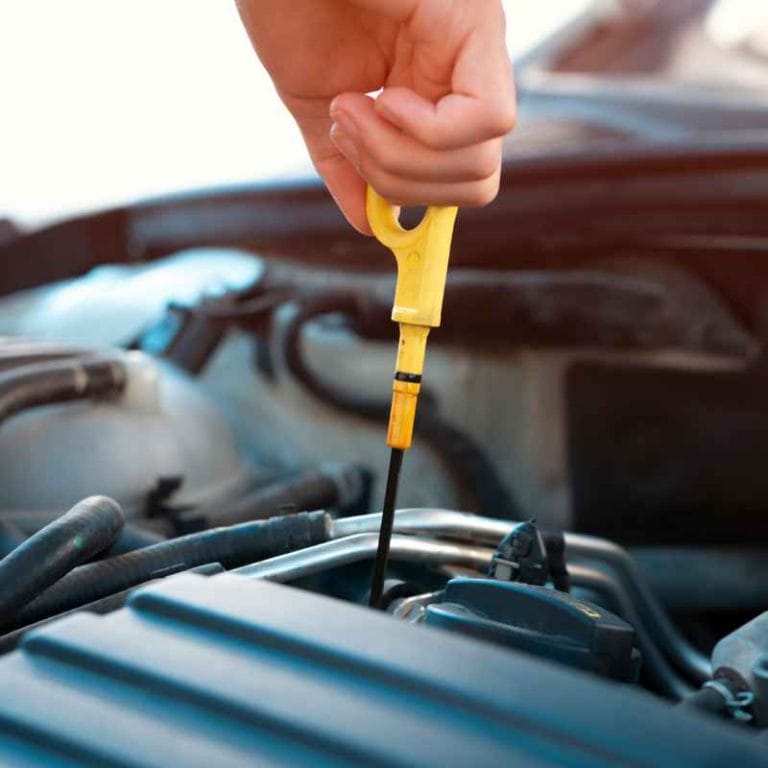
Pull the dipstick. Wipe it clean. Put it back in fully.
Pull it out again. The oil level should be between the ‘min’ and ‘max’ marks. If it’s very low, you might have a leak or be burning oil.
If the oil looks very dark, gritty, or sludgy, it’s definitely time for a change.
Look at Your Last Service Receipt
When was your last oil change? What type of oil and filter was used? This helps you decide if it’s time and what you might need next.
Being informed helps you avoid unnecessary services. It also ensures you get the right care for your vehicle.
Frequent Questions About Car Engine Oil Prices
How much does a standard oil change cost for a typical car?
A standard oil change using conventional oil, a basic filter, and labor typically costs between $35 and $75. This price can vary based on your location and the specific shop.
Why is synthetic oil so much more expensive than conventional oil?
Synthetic oil is engineered in a lab. It has a more consistent molecular structure. This gives it superior performance and protection in extreme temperatures and under heavy load.
The manufacturing process is more complex and costly than refining crude oil for conventional oil.
Can I use a cheaper oil filter to save money?
While cheaper filters might seem like a good deal, they often use lower-quality materials. They may not filter as effectively or hold as much debris. This can lead to increased engine wear over time.
It’s usually worth paying a bit more for a reputable brand.
How often should I really change my oil?
This depends on your car’s make and model, the type of oil you use, and your driving habits. Check your owner’s manual. Most cars with conventional oil need changes every 3,000-5,000 miles.
Cars using synthetic oil can often go 5,000-7,500 miles or even longer. Severe driving conditions shorten these intervals.
What is the price difference between a dealership and an independent mechanic for an oil change?
Dealerships typically charge more for labor and sometimes for parts. You might pay $80-$150+ at a dealership for a synthetic oil change, while an independent shop might charge $65-$120 for the same service. Quick lube places can be on the lower end but may push upsells.
Are oil additives like “engine conditioners” worth the extra cost?
For most modern vehicles with regular maintenance, specialized oil additives are usually unnecessary. High-quality engine oils already contain the necessary detergents, anti-wear agents, and other additives. Unless your mechanic identifies a specific problem, these extras often add cost without significant benefit.
Final Thoughts on Engine Oil Pricing
The price of car engine oil is more than just the liquid itself. It’s a combination of oil quality, filter choice, labor rates, and sometimes a few extra services. By understanding these factors, you can make informed decisions.
You can choose the best option for your car and your wallet. Don’t be afraid to ask questions. Your car will thank you for it with a longer, healthier life.
Related pick: Check today's price on Amazon
Products related to this article
Sponsored / affiliate links. As an Amazon Associate I earn from qualifying purchases. I may earn additional commission from eligible campaigns.