How Often Do You Need to Check Car Oil for Peak Performance
Cars are more reliable today than ever, but small steps can make a big difference in how long your engine lasts. One of the simplest – and most important – things you can do is check your car’s oil regularly.
Many drivers wonder, “How often do you need to check car oil? ” This question seems simple, but the answer depends on your car, driving habits, weather, and even how old your engine is. Ignoring oil checks can lead to engine damage, expensive repairs, or even a breakdown far from home.
Let’s explore why checking your oil matters, how often is right for you, and practical steps to make this easy. You’ll also learn some insights most beginners miss, like how driving short trips or in extreme temperatures can change your oil check schedule.
By the end, you’ll know exactly what to do to keep your engine running smoothly, avoid costly surprises, and feel confident every time you get behind the wheel.
Why Checking Car Oil Is Essential
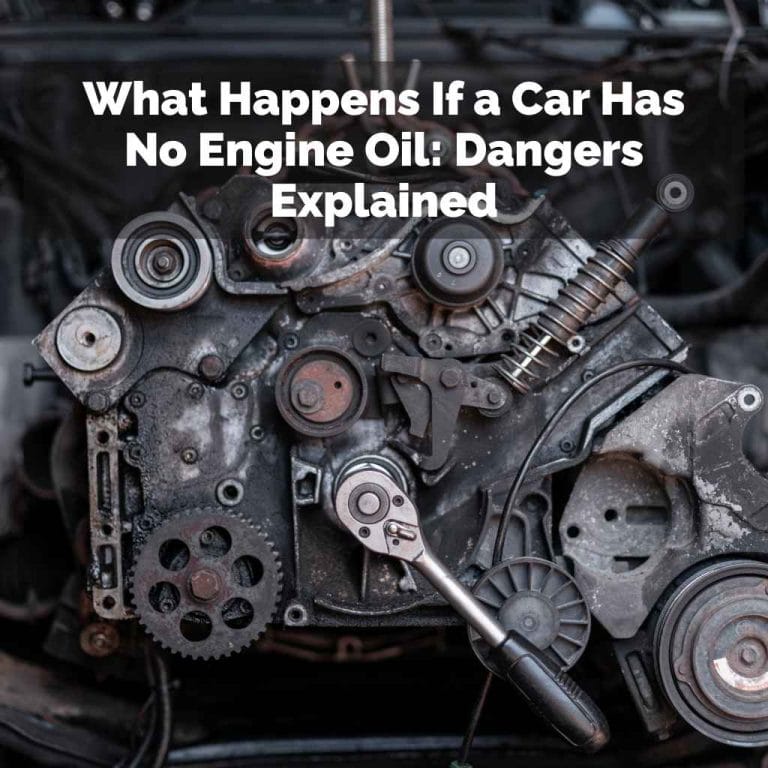
Engine oil is often called the lifeblood of your engine. It lubricates moving parts, reduces friction, and helps carry away heat. Without enough oil or with old, dirty oil, your engine can wear out fast. Even missing one or two checks can lead to:
- Increased engine wear
- Overheating
- Reduced fuel efficiency
- Engine failure
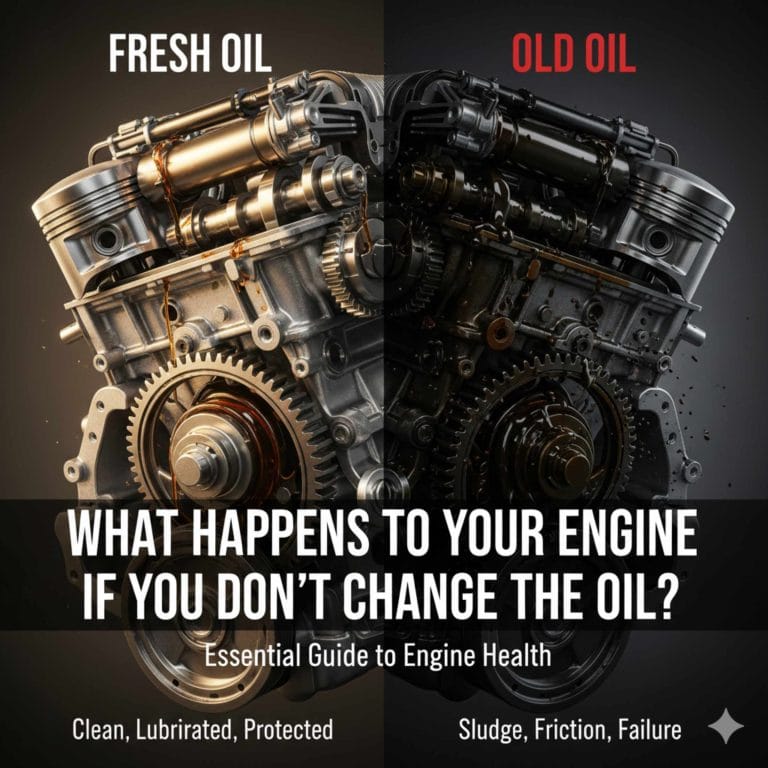
Oil also helps trap dirt and small metal particles. Over time, oil becomes dirty and less effective. Regular checks make sure your engine always has clean, enough oil to do its job.
How Often Should You Check Car Oil?
The old advice was “check your oil at every fuel stop.” With modern engines, this isn’t always necessary, but regular checks are still critical. Here’s a practical guide:
General Rule For Most Cars
For most vehicles, check your oil at least once a month. This works for cars under 10 years old, with normal driving habits and no known oil leaks.
When To Check More Often
You should check your oil every 2 weeks or even every week if:
- Your car is over 10 years old
- You drive long distances often (over 1,000 km weekly)
- You make many short trips (less than 15 minutes)
- The engine has a history of burning or leaking oil
- You drive in very hot, cold, or dusty conditions
- You tow heavy loads frequently
When You Can Check Less Often
Some newer cars have oil life monitors or sensors. If your car has this feature and you mostly drive in mild, steady conditions, you might check every two months. Still, a quick visual check each month is a smart habit.
What Car Manuals Say
Always check your owner’s manual for the manufacturer’s advice. Some brands (like Toyota or Honda) recommend checking oil at each fuel fill, while others suggest monthly. If you don’t have your manual, you can often find it online or ask your local dealer.
Step-by-step: How To Check Your Car Oil Properly
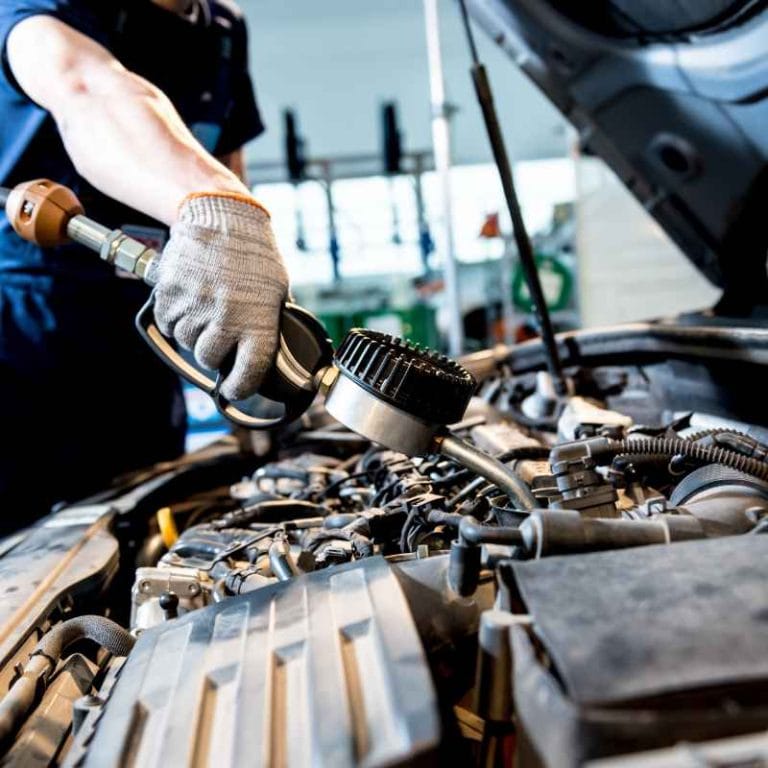
Checking oil is simple, but a few mistakes can lead to wrong readings. Here’s the right way:
- Park on level ground. This ensures an accurate reading.
- Turn off the engine and wait at least 5 minutes (or check when the engine is cold).
- Find the dipstick. Usually it has a bright handle (yellow or orange).
- Pull out the dipstick and wipe it clean with a paper towel or rag.
- Insert the dipstick fully back into the tube.
- Pull it out again and check the oil level. It should be between the “min” and “max” marks.
- Check oil color. Fresh oil is amber. Very dark or gritty oil means it’s time for a change.
- Smell the oil. If it smells burnt, this could mean engine trouble.
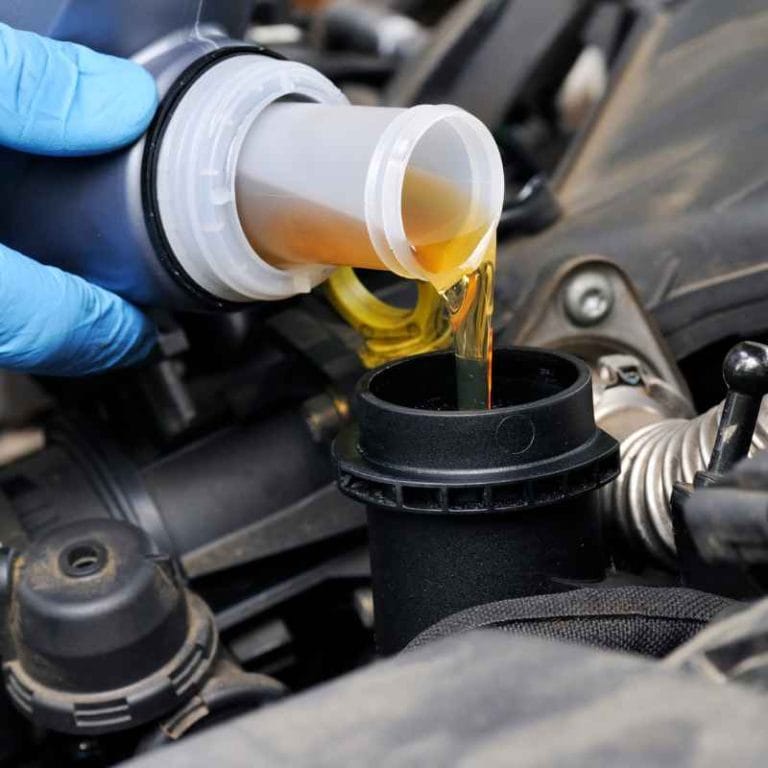
- Add oil if needed. Use only the type recommended in your manual.
Practical tip: If your car doesn’t have a dipstick (some modern cars don’t), check the dashboard for an oil level sensor or message.
Common Signs You Should Check Oil Sooner
Sometimes, your car tells you to check oil even before your next scheduled check. Watch for these signs:
- Oil warning light on dashboard
- Unusual engine noise (tapping, ticking)
- Blue or gray smoke from exhaust
- Oil spots under your car
- Smell of burning oil
If you notice any of these, check your oil immediately—don’t wait.
How Driving Conditions Affect Oil Check Frequency
Not all driving is equal. Your pattern changes how often you need to check oil.
Short Trips Vs. Long Highway Drives
Short trips (less than 15 minutes) don’t let your engine warm up fully. Water vapor and fuel can mix with oil, making it dirty faster. Check oil more often if you drive short trips daily.
Long highway drives are easier on oil, but high speeds and hot weather can make oil burn off more quickly. Check oil more often if you drive long distances regularly.
Towing And Heavy Loads
Towing a trailer or carrying heavy loads puts extra stress on your engine. The oil works harder and may break down sooner. Check oil every two weeks during towing periods.
Extreme Weather
- Hot climates: Oil can thin out and burn off.
- Cold climates: Oil can thicken, and condensation may form.
- Dusty areas: More dirt can enter the engine.
All these conditions mean you should check oil more often—weekly in extreme cases.
Oil Types: How They Affect Checking Frequency
The type of oil in your engine changes how often you should check.
Conventional Oil
Standard in older cars. More prone to breakdown and needs more frequent checks (every 2 weeks for old engines).
Synthetic Oil
Lasts longer and resists breakdown. You can check oil less often (monthly), but don’t skip checks. Synthetic oil can still leak or burn.
High-mileage Oil
Designed for cars with over 120,000 km (75,000 miles). Helps reduce leaks, but you should still check oil monthly or as your manual suggests.
Non-obvious insight: Even with top-quality synthetic oil, leaks or burning can lower oil levels before the next oil change. Never assume oil is “fine” just because you use synthetic.
What Happens If You Don’t Check Oil Often Enough?
Skipping oil checks can lead to:
- Low oil levels, causing metal parts to grind
- Dirty oil, reducing lubrication
- Overheating, leading to warped or cracked engine parts
- Expensive repairs, sometimes costing thousands
Engines can run with low oil for a short time, but long-term damage happens quickly and often without warning. Regular checks are cheap insurance.
How To Keep Track Of Oil Checks
Even experienced drivers forget oil checks. Here are ways to make it a habit:
- Set a calendar reminder on your phone for every month.
- Check oil at each fuel fill-up, especially if you drive a lot.
- Note oil checks in a logbook or on a sticky note in your glovebox.
- Ask your mechanic to check oil at every service.
Many people forget simply because they don’t have a routine. Tie oil checks to another habit—like washing your car or filling up with fuel.
How Oil Consumption Changes As Your Car Ages
Engines usually use more oil as they get older. Seals and gaskets wear out, leading to leaks. Piston rings may not seal as well, letting oil burn in the cylinders.
Data example: Studies show that cars over 8 years old are twice as likely to need extra oil between changes compared to new cars.
Non-obvious insight: Even a car that never needed extra oil when new might need regular top-offs as it ages. Don’t be surprised if your oil habits must change.
Comparing Manufacturer Recommendations
Car brands often have different advice. Here’s a sample comparison:
| Brand | Recommended Oil Check Interval | Special Notes |
|---|---|---|
| Toyota | At every fuel fill | More frequent in severe conditions |
| Honda | Monthly | Check more often for older cars |
| Ford | Monthly | Some models have oil life sensors |
| Volkswagen | Monthly | Oil consumption may increase after 100,000 km |
| BMW | When oil sensor indicates | No dipstick in most models |
As you can see, the advice is similar, but always check your manual for specifics.
How To Read Oil Level And Condition Correctly
Many beginners look only at the oil level, but condition matters too.
Reading The Dipstick
- Between min and max: Oil level is safe.
- Below min: Add oil immediately.
- Above max: Too much oil can also harm your engine.
Checking Oil Condition
- Amber, clear: Oil is fresh.
- Dark brown or black: Oil is old or dirty, may need changing.
- Gritty texture: Dirt or metal particles—get an oil change soon.
- Milky or foamy: Possible coolant leak—see a mechanic.
Pro tip: If you see oil bubbles or foam, it could signal a blown head gasket.
How To Add Oil Safely
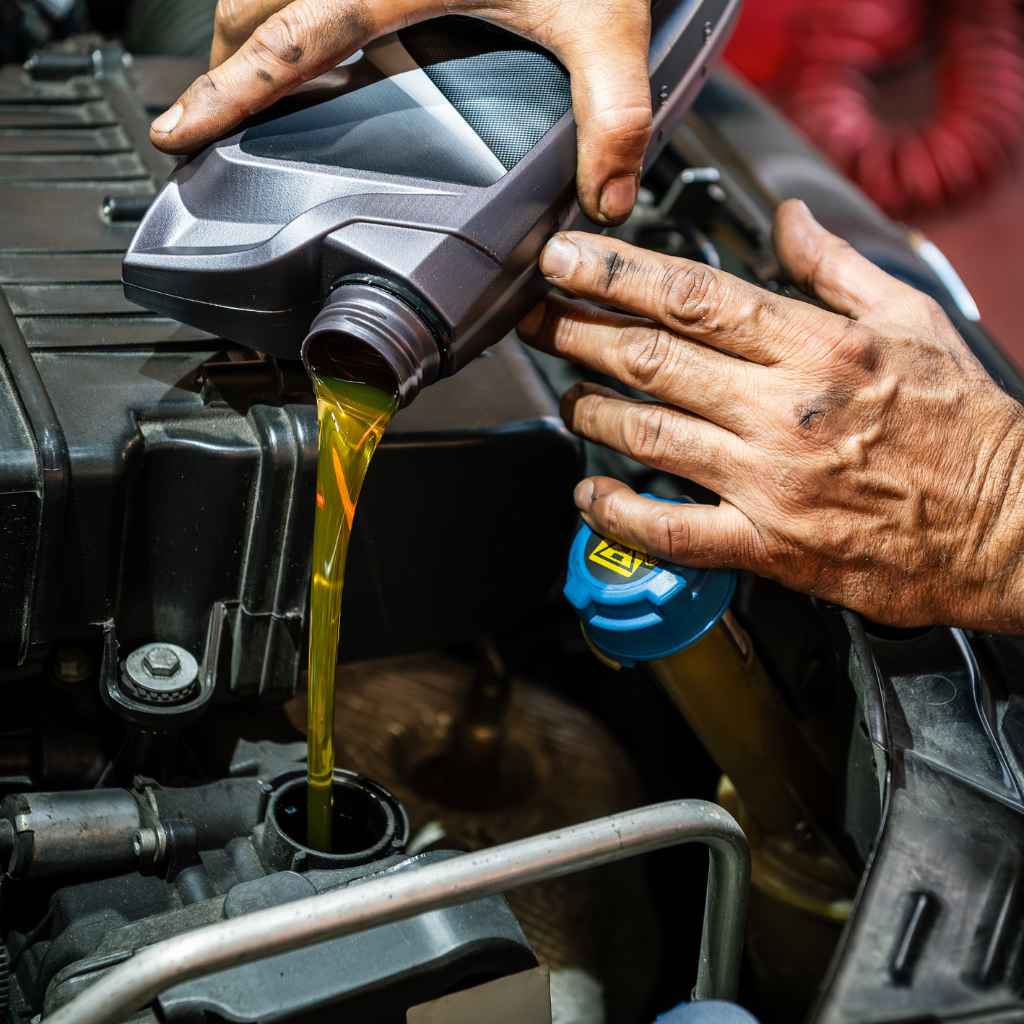
If you need to add oil, follow these steps:
- Buy the right oil grade (check your manual).
- Remove the oil cap, usually labeled “Engine Oil.”
- Add a little oil at a time (about 100-200 ml).
- Wait a minute, then check the dipstick again.
- Repeat until oil is just below the max line.
- Replace the cap and wipe any spills.
Never overfill. Too much oil can cause foaming, leaks, or damage.
Should You Trust Dashboard Oil Lights?
Many cars have an oil pressure warning light. This light means oil is not circulating properly—often due to low oil, but sometimes a failed pump.
Important: By the time this light comes on, your engine may already have damage. Don’t rely only on dashboard lights. Manual checks are safer.
Oil Check Frequency For Different Car Types
Let’s compare how often to check oil for different vehicles:
| Vehicle Type | Recommended Oil Check Frequency | Reason |
|---|---|---|
| Older cars (10+ years) | Weekly or every 2 weeks | Higher risk of leaks and burning oil |
| Modern sedans (under 10 years) | Monthly | Better engine seals and sensors |
| Performance cars | Every 2 weeks | High-stress driving, higher oil use |
| Diesel trucks | Every 2 weeks | Larger engines, heavy loads |
| Hybrid/electric | Monthly (hybrid only) | Less engine use, but still needs checks |
Different vehicles have different needs. Always adjust based on your driving style and car age.
Mistakes To Avoid When Checking Car Oil
Even careful drivers make errors. Avoid these:
- Checking on a slope: This gives a false reading.
- Not wiping the dipstick: Oil splashes can show a higher level.
- Checking right after driving: Hot oil expands and coats the dipstick.
- Adding too much oil: Overfilling can cause leaks or pressure problems.
- Using the wrong oil type: Always match the grade and type.
- Ignoring oil leaks: Even small leaks should be fixed quickly.
Is It Safe To Drive With Low Oil?
Driving with low oil is risky. Even a short trip with oil below the minimum mark can cause damage. If you’re far from a service station, add any oil you can find—even if it’s not the perfect type. Then, get an oil change as soon as possible.
Experience-based tip: If you notice the oil warning light and can’t add oil immediately, shut off the engine and call for help.
How Often Should You Change The Oil Itself?
Checking oil is not the same as changing oil. Most cars need an oil change every 8,000–12,000 km (5,000–7,500 miles) or every 6–12 months, whichever comes first. But always follow your manual.
Important: Even if oil “looks clean,” it can still lose effectiveness. Modern oils last longer, but still break down over time.
How To Check Oil In Cars Without A Dipstick
Some modern vehicles (especially German brands) use electronic oil sensors. To check oil:
- Park on level ground.
- Turn the engine off and wait a few minutes.
- Use the infotainment system or dashboard menu to check oil level.
If the sensor shows a warning, add oil as needed. If you’re unsure, ask your dealer or check your manual.
What Type Of Oil Is Best For Your Car?
The right oil depends on:
- Car make and model
- Engine size and type
- Climate (hot, cold, humid)
Your owner’s manual will list the correct oil viscosity (like 5W-30 or 10W-40). Using the wrong oil can reduce protection and cause engine wear.
External resource: For more details on oil grades and car engines, see this Wikipedia Motor Oil Guide.
Should You Check Oil Before Or After An Oil Change?
Check before to know your starting level and condition. After a change, check again to ensure the correct amount was added and there are no leaks.
Pro tip: Always check again a few days after a change—sometimes new filters and seals settle, and oil level can drop slightly.
Is Oil Check Needed For New Cars?
Even new cars can use or lose oil, especially in the first 10,000 km (break-in period). Some manufacturers now say it’s “normal” for new engines to use up to 1 liter per 1,600 km (1,000 miles). Check oil more often in the first year.
Frequently Asked Questions
How Do I Know If My Car Is Burning Oil?
Signs include needing to add oil often, blue smoke from the exhaust, and oil level dropping with no visible leaks. Burning oil may mean worn engine parts or valve seals. A mechanic can confirm the cause.
Can I Use Any Brand Of Oil For Topping Up?
You should use the same viscosity and type listed in your manual. If you need to top up and your brand isn’t available, use the same grade (for example, 5W-30). Mixing brands is okay in an emergency, but get an oil change soon after.
What Happens If I Check Oil Too Soon After Turning Off The Engine?
Hot oil splashes and coats the dipstick, showing a higher level than actual. Wait at least 5 minutes after shutting off the engine, or check when the engine is cold for the most accurate reading.
Do I Need To Check Oil In Hybrid Or Electric Cars?
Fully electric cars don’t need oil checks. Hybrid cars still have gasoline engines that use oil. Check oil in hybrids at least every month, following the same rules as regular cars.
Is It Normal For Oil To Get Darker Between Changes?
Yes, oil gets darker as it collects dirt, soot, and particles. Dark oil isn’t always bad, but gritty or very thick oil means it’s time for a change.
Keeping your engine healthy is easy when you make oil checks a habit. It only takes a few minutes each month but can save you from headaches, breakdowns, and big repair bills. By understanding your car’s needs and paying attention to changes, you’ll drive with more confidence and enjoy a smoother, more reliable ride for years to come.
Products related to this article
Sponsored / affiliate links. As an Amazon Associate I earn from qualifying purchases. I may earn additional commission from eligible campaigns.