Can You Check Car Engine Oil When Hot? (Expert Answer)
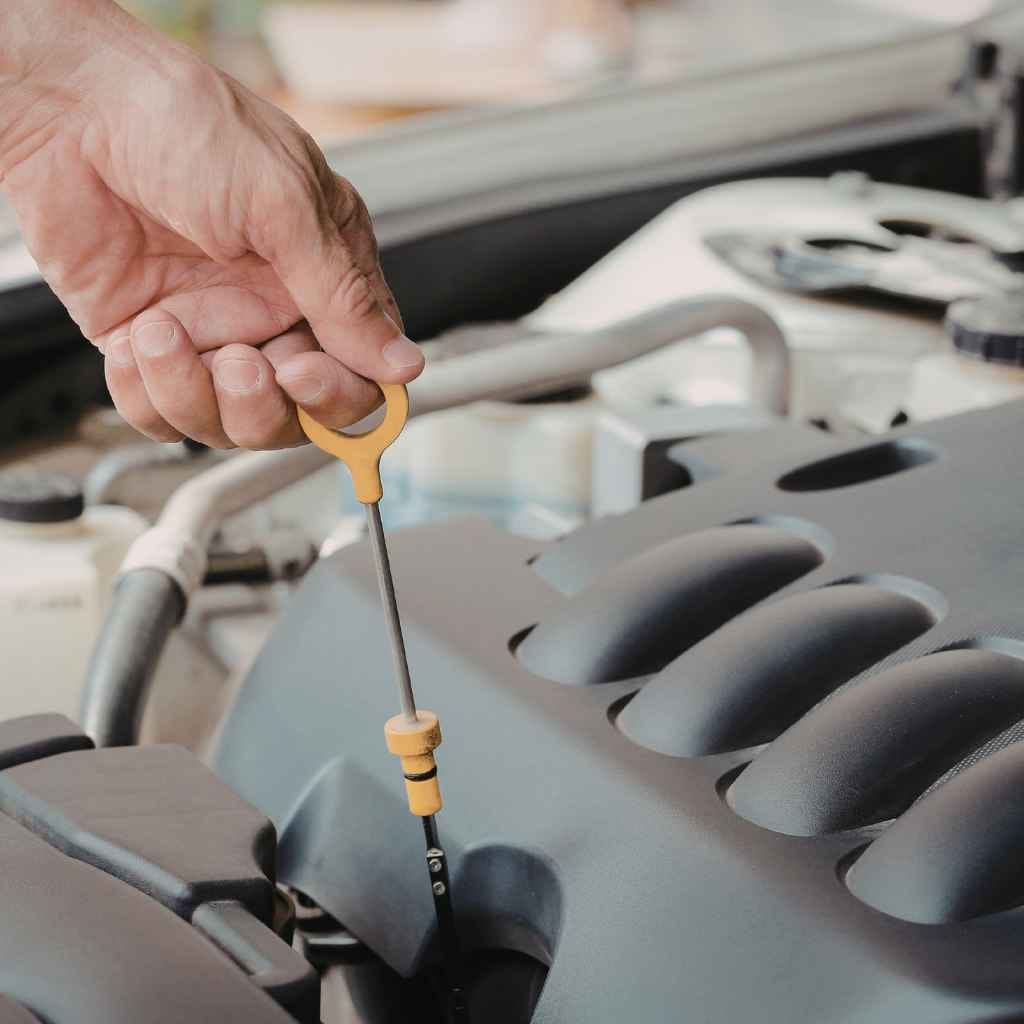
Checking car engine oil when hot is generally not recommended for an accurate reading. Most manufacturers advise checking the oil when the engine is cool or has been off for a few minutes. This ensures the oil has settled back into the oil pan, giving a more precise level.
Understanding Engine Oil Levels
Best Oil Check Essential Pick

EWK Flexible Oil Funnel – $9.99
The funnel this guide’s “When to Add Oil” section says to use, so you can pour slowly without spilling on a hot engine.
- Best for: Adding small amounts of oil at a time, as this guide recommends
- Why we picked it: Flexible spout reaches tight fill necks other funnels miss
- Main drawback: One more item to keep in the trunk
Compare more oil check essentials
 Option 1 Lint-Free Shop Rags – $16.99
|
 Option 2 Mobil 1 5W-30, 1 Quart – $9.98
|
 Option 3 Nitrile Mechanic Gloves – $10.99
|
As an Amazon Associate we earn from qualifying purchases.
Engine oil is super important. It keeps your engine parts moving smoothly. It also helps to cool things down.
Plus, it cleans out dirt and gunk. Without enough oil, your engine can get very hot. It can even break down.
This can lead to costly repairs.
The oil level is measured by a dipstick. You pull it out, wipe it clean, and then put it back in. After that, you pull it out again.
You look at where the oil line is. There are usually two marks. One is the “low” mark.
The other is the “full” mark. You want the oil to be between these two marks.
But where you check matters. And when you check matters too. This is where the “hot engine” question comes in.
It’s a bit like checking the temperature of a soup. If you stir it and then immediately check, it might seem hotter than it really is.
Why Checking Oil When Hot Can Be Tricky
Think about what happens when your car runs. The engine gets very hot. The oil inside gets hot too.
Hot oil is thinner than cold oil. It spreads out more. When the engine is running, oil is pumped all through it.
It’s in the oil pan at the bottom. It’s also in the engine’s nooks and crannies. It’s on the cylinder walls.
It’s on the pistons. It’s coating everything.
If you pull out the dipstick while the engine is still very hot and running, you’ll get a lot of oil. It might even look like it’s overflowing. That’s because the oil is still spread out.
It hasn’t had time to drip back down to the oil pan. The oil pump is still working. It’s circulating that hot oil everywhere.
This can lead you to think you have more oil than you actually do. Let’s say you check it when it’s really hot. You see the oil is way above the “full” mark.
You might think, “Wow, I have tons of oil!” But if you were to add more oil, you could actually overfill your engine. Overfilling can be just as bad as having too little. It can cause foaming.
It can damage seals. It can make your engine run poorly.
So, the main issue is that the hot oil is still circulating. It hasn’t settled. It’s not sitting in the oil pan where the dipstick measures it.
This means the reading you get won’t be accurate. It will likely be higher than the true level.
The Best Time to Check Your Oil
So, when is the best time? Most car experts agree. It’s best to check your oil when the engine is cool.
What does “cool” mean? It means the engine has not been running for a while. Ideally, the car should have been parked for at least 10 to 15 minutes.
This gives the oil enough time to drain back down into the oil pan. It’s like letting a drink settle after you shake it up. All the bubbles go away.
Everything goes back to normal.
Some people even prefer checking their oil first thing in the morning. This is before they even start the car. That way, the engine is definitely cold.
The oil has had hours to settle. This is the most accurate way to get a reading. You know exactly how much oil is in the oil pan.
However, many car manuals suggest checking the oil after the engine has been warmed up and then turned off for a few minutes. This is also a good method. It’s a balance.
The engine is warm, so the oil is close to its normal operating temperature. But it’s off, so the oil has had a chance to drain back.
The key is to be consistent. Pick a method and stick with it. If you always check your oil cold, you’ll get used to what that level looks like.
If you always check it warm and off, you’ll know that mark too. The worst thing is to check it at random times. One time hot, one time cold.
That’s when you can get confused.
What Happens If You Check Hot (and it’s Low)?
Let’s say you’re in a pinch. You see your oil light flicker on. You know you need to check it.
You can’t wait for it to cool. What should you do? First, pull over safely.
Turn off the engine. Then, wait a few minutes. Maybe five minutes.
It’s not ideal, but it’s better than checking while it’s running.
When you pull the dipstick, you might still see a lower reading than you expect. If it looks like it’s below the “low” mark, you might be tempted to add oil right away. This is where caution is key.
Even after five minutes, some oil might still be in the upper parts of the engine. It might not have fully drained. If you add oil based on this quick check, you still risk overfilling.
It’s a gamble.
A safer bet in this situation is to add just a small amount of oil. Maybe half a quart. Then, wait longer.
Let the car sit for at least 15-20 minutes. Then check it again. This gives more time for the oil to drain.
You can then add more if needed. It’s slow, but it prevents overfilling.
In real homes, I’ve seen people panic. They add a whole quart of oil when the engine is still warm. Then, later, when the engine cools, they see the oil level is way too high.
It’s a stressful moment. They then have to figure out how to drain some out. It’s much easier to add a little at a time.
Checking Oil: Quick Guide
When: Best when engine is cool.
Alternative: Engine off for 5-10 minutes is okay.
Why: Hot oil is thin and still circulating.
Dipstick marks: “Low” and “Full” are your guides.
Adding oil: Add small amounts. Wait to re-check.
The Science Behind Oil Circulation
Let’s dive a little deeper into why oil moves around. Your car’s engine has a few main parts where oil is crucial. There’s the oil pump.
It’s usually at the bottom of the engine, near the oil pan. It sucks up the oil.
Then, the oil is pushed through tiny passages. These passages go up into the engine block. They reach the crankshaft.
They go to the camshaft. They lubricate bearings. They get sprayed onto cylinder walls.
They make sure metal parts don’t grind against each other.
When the engine is running, this is happening constantly. It’s like a busy highway. Oil is everywhere.
When you turn the engine off, the pump stops. The oil flow stops. Gravity then takes over.
The oil that’s up in the engine starts to drip back down. It flows down the cylinder walls. It trickles off the camshaft.
It all ends up back in the oil pan. This is called “draining back.”
This draining back process takes time. Thicker oil takes longer to drain. Hot oil drains faster than cold oil.
But it still needs time to get back to the pan. If you check the dipstick too soon after turning off a hot engine, some oil is still in transit. It’s still on its way down.
It’s not in the pan yet. So the dipstick reading is lower than it should be.
This is why waiting is so important. It allows the oil to settle. It ensures the dipstick measurement is accurate.
It reflects the actual amount of oil available in the system. It’s a simple physical process. But understanding it helps you see why the timing matters.
What Your Owner’s Manual Says
Car manufacturers know their cars best. They test them extensively. That’s why your owner’s manual is your best friend for car care.
It will tell you exactly how they want you to check your engine oil. Most manuals will say something like this:
“Park your car on a level surface. Turn off the engine and let it sit for at least 10 minutes. Pull out the oil dipstick, wipe it clean, reinsert it fully, and pull it out again.
Check the oil level. It should be between the ‘Min’ and ‘Max’ or ‘Low’ and ‘Full’ marks.”
Some manuals might be more specific. They might say 15 minutes. They might say 5 minutes.
The key takeaway is always to let the engine sit off for a period. This allows the oil to drain back.
What about checking oil when the engine is hot? Some manuals might mention checking it while warm, but always with the engine off. They understand that sometimes you might need to check it after a long drive.
But they still stress letting it sit for a few minutes. They don’t recommend checking it while the engine is still running and very hot. That’s almost universally advised against.
If you can’t find your owner’s manual, a quick online search for ” owner’s manual PDF” will usually help you find it. It’s worth taking a few minutes to look it up. It has all the answers for your specific vehicle.
Normal vs. Concerning Oil Levels
Normal: Oil level between the two marks on the dipstick.
Slightly Low: Just below the “Full” mark, but above “Low.” Add a small amount.
Low: At or below the “Low” mark. Add oil immediately.
Overfilled: Significantly above the “Full” mark. This can be bad. Needs attention.
No Oil on Dipstick: Extremely low. Stop engine. Add oil.
The Risk of Overfilling Engine Oil
Many people focus on not having enough oil. But having too much oil can also cause serious problems. It’s often called “overfilling” or “over-servicing.” When you overfill, the crankshaft can spin too fast.
It whips the oil. This creates air bubbles. This is called oil foaming.
Foamed oil doesn’t lubricate well. It can lead to increased wear and tear on engine parts.
Think of it like a mixer. If you put too much liquid in a mixer, it can splash everywhere. It can also make a frothy mess.
Engine oil can do something similar when whipped by the crankshaft. This foamy oil is not as effective at protecting your engine.
Another issue with overfilling is increased oil pressure. The extra oil can put too much pressure on seals and gaskets. This can cause them to leak or even fail.
Leaking oil is bad. It means you’re losing oil. It can also create fire hazards if oil drips onto hot exhaust parts.
Modern cars have sensitive systems. Some have oil pressure sensors. If the pressure gets too high due to overfilling, the car’s computer might even put the engine into a “limp mode.” This limits its power to prevent damage.
This is a clear sign something is wrong.
So, even if you check the oil when hot and it seems a little low, be careful adding too much. It’s always better to add a small amount. Then wait and check again.
Patience is key to avoiding costly mistakes.
When to Add Oil
Knowing when to add oil is as important as knowing how to check it. Generally, you should add oil if the level is at or below the “low” mark on your dipstick. Some people like to keep their oil topped up right to the “full” mark.
Others prefer to keep it a little below the “full” mark. Both are usually fine as long as it’s above the “low” mark.
If you check your oil and it’s low, you’ll need to add the correct type of oil for your car. Your owner’s manual will tell you the exact type. It will specify the viscosity grade (like 5W-30) and the API service category.
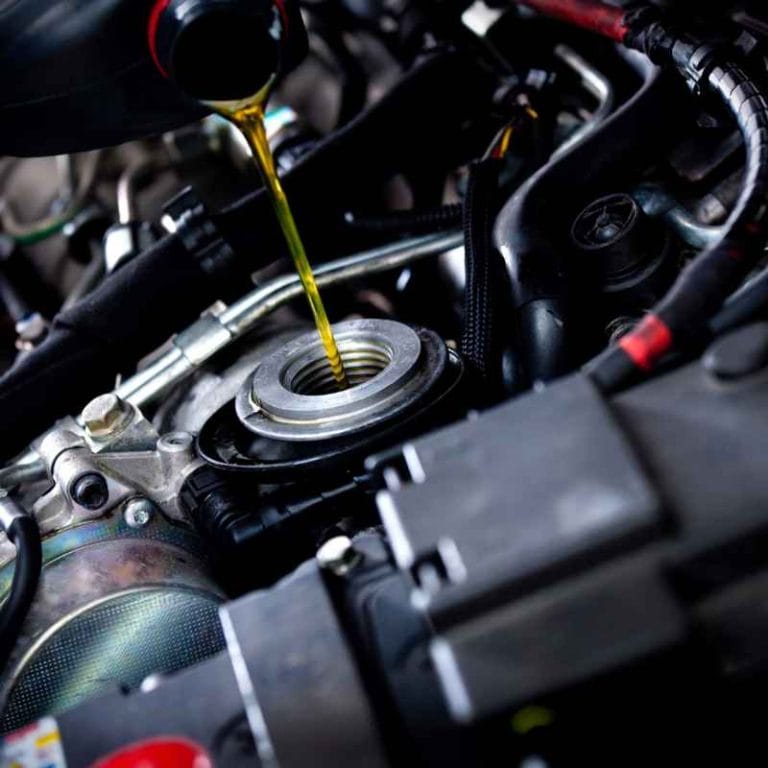
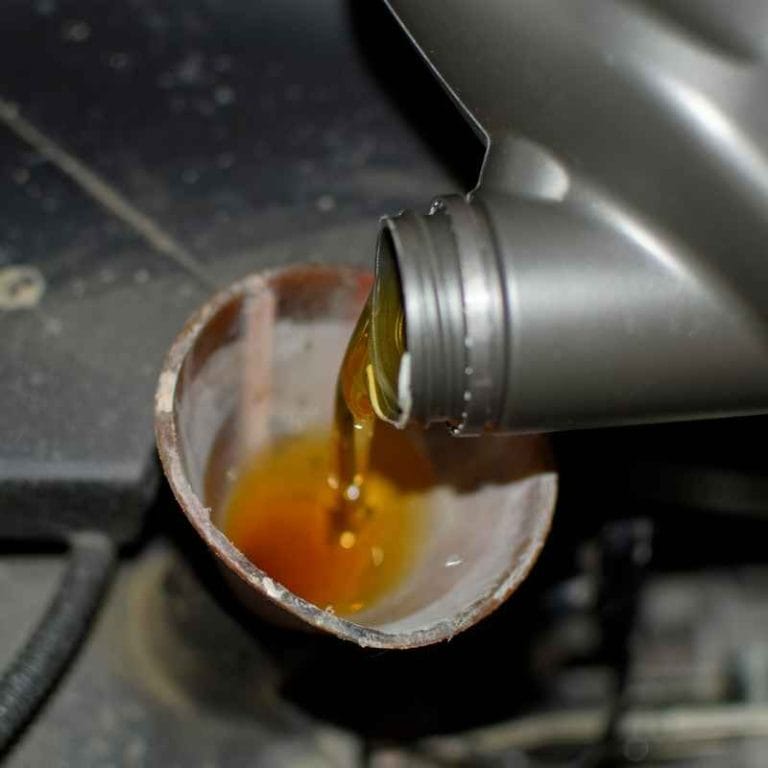
When adding oil, use a funnel. Slowly pour the oil into the oil fill opening. This is usually marked with an oil can symbol.
Start by adding about half a quart (about half a liter). Then, wait for the oil to drain back down. This might take a few minutes.
Then, check the dipstick again.
Repeat this process, adding small amounts, until the oil level reaches the desired point. Remember, it’s much easier to add a little more oil than it is to remove excess oil. So, take your time.
Be patient. This ensures you don’t accidentally overfill.
Oil Check Checklist
- Find a level surface.
- Let the engine cool (10-15 min or overnight).
- Open the hood. Locate the dipstick.
- Pull out the dipstick. Wipe it clean.
- Reinsert the dipstick fully.
- Pull it out again. Read the oil level.
- Add oil if needed, small amounts only.
- Dispose of old rags properly.
My Own Experience with a Tricky Oil Check
I remember one sweltering summer afternoon. I was driving my old sedan on a road trip. The sun was beating down.
My car’s air conditioning was struggling. Suddenly, a yellow oil warning light blinked on the dashboard. My heart sank.
I knew I had to check the oil, but I was miles from anywhere. The engine felt super hot. I pulled over onto the shoulder of a quiet country road.
Dust billowed up around me. The air was thick and smelled of hot asphalt and dry grass.
I turned off the engine. I waited. I paced around the car.
Ten minutes passed. Fifteen minutes. It felt like an eternity.
I could feel the heat radiating off the hood. I finally pulled out the dipstick. It was covered in oil, but the level seemed… low.
Not critically low, but definitely below the full mark. I had a quart of oil in my trunk, the right kind. I started pouring it in, a little at a time.
I’d pour, wait, then check. It felt like a slow dance with my car.
After adding about half a quart, the dipstick showed a good level. I felt a huge wave of relief. I had avoided a potential breakdown.
That experience taught me a valuable lesson. Even in a rush, taking that extra time for the engine to cool and the oil to settle is vital. It saves you from potential mistakes and costly repairs down the line.
It’s a small step that makes a big difference.
What About Oil Changes?
Checking your oil is one thing. Changing your oil is another. When changing oil, it’s generally recommended to do it when the engine is warm.
Not scorching hot, but warm. Warm oil flows better. It carries more dirt and sludge with it when it drains out.
So, the process is usually: run the engine for a few minutes to warm it up. Then turn it off. Let it sit for a short period to let things settle slightly, but not cool down completely.
Then you drain the old oil. After draining, you replace the oil filter and add the new oil.
This is different from checking the level. When you’re just checking the level, you want the most accurate snapshot of the oil in the pan. That’s why a cool engine is better.
When you’re draining the oil, you want it thin and flowing to get out as much of the old, dirty oil as possible.
Understanding these differences is important. They explain why the advice for checking and changing oil might seem a little different. Both are about caring for your car, but they have slightly different goals.
Oil Change vs. Oil Level Check
Oil Change Goal: Remove old, dirty oil.
Best Time for Oil Change: Engine warm (not hot). Oil flows better.
Oil Level Check Goal: Ensure correct amount of oil is present.
Best Time for Oil Level Check: Engine cool. Oil has settled.
Signs Your Engine Oil Needs Attention
Besides checking the dipstick, your car might give you other signs that its oil needs attention. Pay attention to these:
The Oil Warning Light: This is the most obvious. If this light comes on, your oil pressure might be too low. This is serious.
Pull over safely and check your oil. Do not drive if this light is on.
Strange Noises: If your engine starts making knocking, ticking, or grinding noises, it could be due to low oil. The parts aren’t getting enough lubrication. They start to make noise.
It’s like trying to run without water. Things grind.
Exhaust Smoke: Blue smoke coming from your exhaust pipe can mean oil is burning in the combustion chamber. This often happens when oil gets past the piston rings. This indicates a more serious engine issue, but low oil can sometimes make it worse.
Smell of Burning Oil: If you smell burning oil inside or outside your car, it could be a leak. Oil might be hitting hot engine parts or the exhaust system.
Dark or Gritty Oil: When you check your dipstick, look at the oil’s color and texture. Fresh oil is usually amber or light brown. Over time, it gets darker.
If it’s black and gritty, it’s old and broken down. It needs to be changed. Tiny metal particles in the oil are a bad sign.
Regular checks and paying attention to these signs can help you catch problems early. This saves your engine from major damage. It also saves you a lot of money.
What If My Car Burns Oil?
Some cars, especially older ones or certain models, are known to “burn” a little oil. This means a small amount of oil naturally gets into the combustion chamber and is burned along with the fuel. It’s not ideal, but it can be normal for some engines.
If your car burns oil, it’s even more important to check your oil level regularly. You might need to add oil between scheduled oil changes. Your owner’s manual will usually tell you if oil burning is considered normal for your vehicle.
It might also specify how much is considered normal.
For these cars, checking the oil when it’s cool is still the best method. It gives you the most accurate reading of how much oil is actually in the pan. This helps you know when to top it up.
It ensures you don’t run the engine dry.
For example, in my friend Sarah’s older pickup truck, she knows she needs to check the oil every time she fills up with gas. She does it cold. If it’s a bit low, she adds a quart.
She’s learned to do this because her truck tends to use about a quart every 3,000 miles. It’s just part of owning that particular vehicle.
When Is It Okay to Check Hot?
Let’s be clear. While checking when cool is best for accuracy, there are times you might check when hot. The key is what you do afterward.
Emergency Situations: If an oil light comes on while you’re driving, you can’t always wait for the engine to cool completely. In this case, pull over safely. Turn off the engine.
Wait at least 5 minutes. Then check the dipstick. If it looks low, add a small amount of oil, then wait again.
This is the safest approach in an emergency.
Quick Visual Check: You might glance at the dipstick quickly while the engine is hot, just to see if there’s any oil. If it’s bone dry, you know you have a major problem. But don’t rely on this for an exact measurement.
Understanding the Reading: If you have to check when hot, remember the reading will likely be higher than it really is. If it looks okay (i.e., not critically low), you might decide to wait until the engine cools for a more accurate check. If it looks low, add a very small amount, then wait and recheck.
The main point is not to trust a hot, quick reading for precise additions of oil. It’s a way to get a general idea, but it’s prone to error.
Frequently Asked Questions
Can I check my car’s oil level while the engine is running?
No, you should never check your car’s engine oil level while the engine is running, especially if it’s hot. The oil is circulating rapidly and is spread throughout the engine. This will give you a falsely high reading.
It can also be dangerous due to hot engine parts and moving belts.
How long should I wait after turning off my car to check the oil?
Most manufacturers recommend waiting at least 10 to 15 minutes after turning off a warm or hot engine. This allows the oil to drain back into the oil pan, giving you a more accurate reading on the dipstick.
What does it mean if my oil level is above the ‘Full’ mark?
If your oil level is significantly above the ‘Full’ mark, your engine is overfilled. This can cause problems like oil foaming, increased oil pressure, and damage to seals and gaskets. It’s best to have some excess oil drained out by a mechanic.
Can I use a different type of oil than what my manual recommends?
It’s strongly recommended to use the exact type and viscosity of oil specified in your car’s owner’s manual. Using the wrong type of oil can affect engine performance, fuel economy, and engine protection. It can even lead to damage over time.
How often should I check my engine oil?
It’s a good idea to check your engine oil at least once a month. If your car is older or known to burn oil, you might want to check it more often, perhaps every time you refuel. Consistent checking is key.
Is it okay to mix different brands of oil?
Generally, it’s okay to mix different brands of oil of the same type and viscosity. However, it’s best to use the same brand and type for consistency. If you must mix, ensure they meet the same specifications.
For top-offs, using the same oil is always preferred.
Final Thoughts
So, can you check your car’s engine oil when hot? Technically, yes, you can pull the dipstick. But for an accurate reading and to avoid mistakes, it’s not the best way.
Always aim to check your oil when the engine is cool. Or at least after it has been off for several minutes. This simple habit helps keep your engine healthy.
It saves you from worry and potential repair bills. Your car will thank you for it.
Products related to this article
Sponsored / affiliate links. As an Amazon Associate I earn from qualifying purchases. I may earn additional commission from eligible campaigns.