How Do I Know If My Engine Needs Oil: Key Warning Signs
Many car owners worry about their engine oil. It’s easy to forget about it until you see warning lights or hear strange noises. But engine oil is vital—it keeps your car running smoothly, protects parts, and prevents overheating. If you drive often or take long trips, knowing when your engine needs oil is important.
Ignoring this can lead to big repair bills or even engine failure.
This guide will help you understand all the signs that your engine needs oil. You’ll learn how to check oil levels, spot symptoms, and avoid common mistakes. Even if you’re new to cars, you’ll find clear advice and useful tips.
By the end, you’ll feel confident about caring for your engine.
Why Engine Oil Matters
Engine oil is more than just a fluid. It works as a lubricant, cooling agent, and cleaner inside your engine. Without enough oil, metal parts rub together, causing friction and heat. Over time, this can wear out parts and damage your engine.

WORKPRO
WORKPRO 12" Adjustable Oil Filter Pliers, Wrench…
- TIPS: 1. BENT head design for easier use in some tight space; 2. OIL on product for rust protection (not used)
- Permalock fastener eliminates nut and bolt failure
- High carbon steel for strength and reliability
As an Amazon Associate I earn from qualifying purchases.
Oil also keeps dirt and debris away from sensitive areas. It helps reduce noise and makes your engine last longer. According to experts, a well-oiled engine can last over 200,000 miles, while engines running low on oil often fail much sooner.
How To Check Engine Oil Level
Checking your engine oil regularly is the best way to prevent problems. Most cars have a simple system to check oil level:
- Park your car on level ground. Turn off the engine and wait a few minutes.
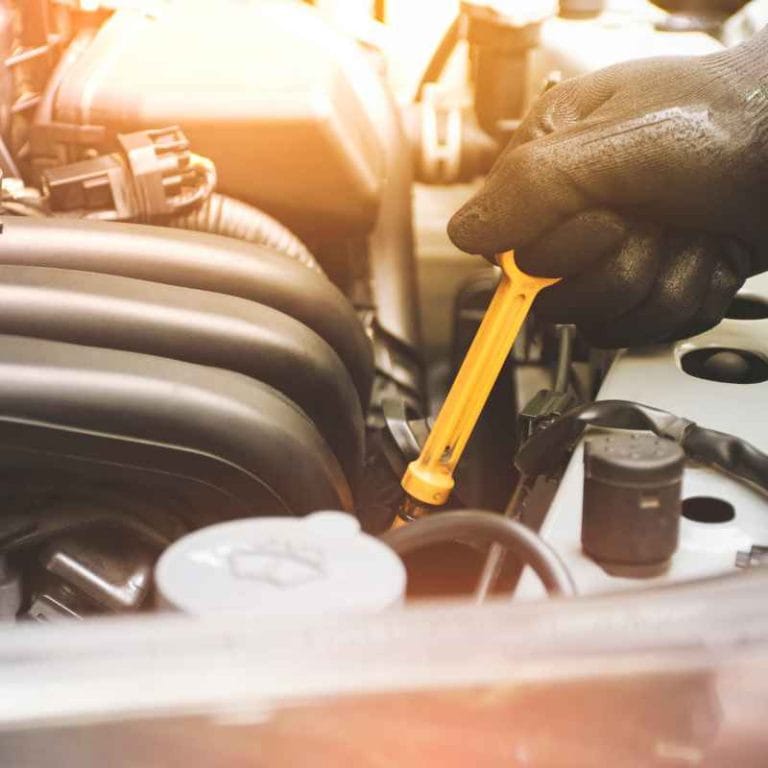
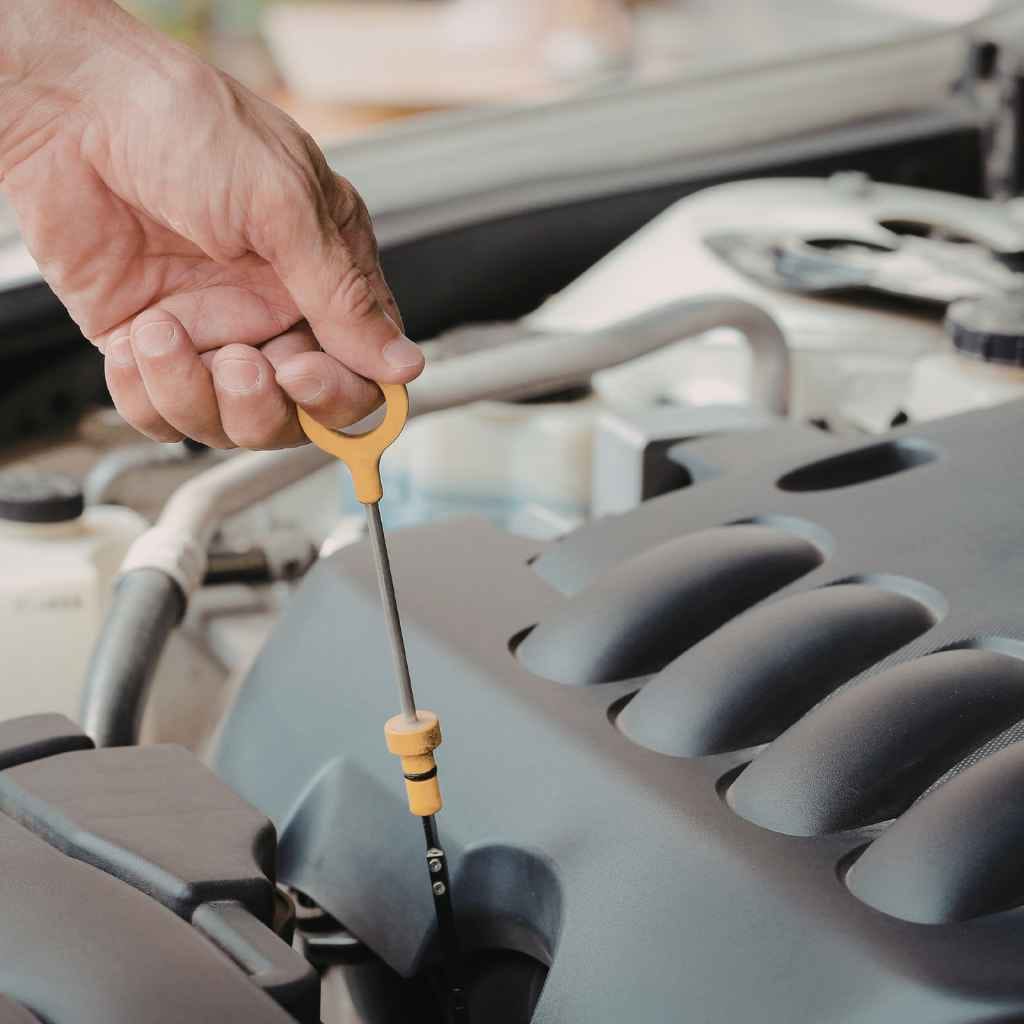
- Open the hood and find the oil dipstick. It’s usually marked with a yellow or orange handle.
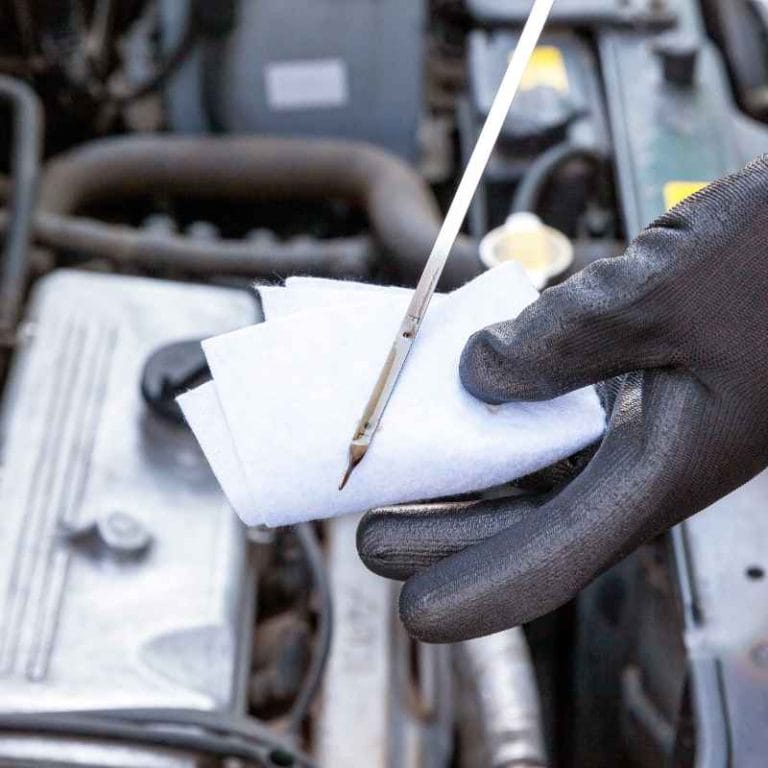
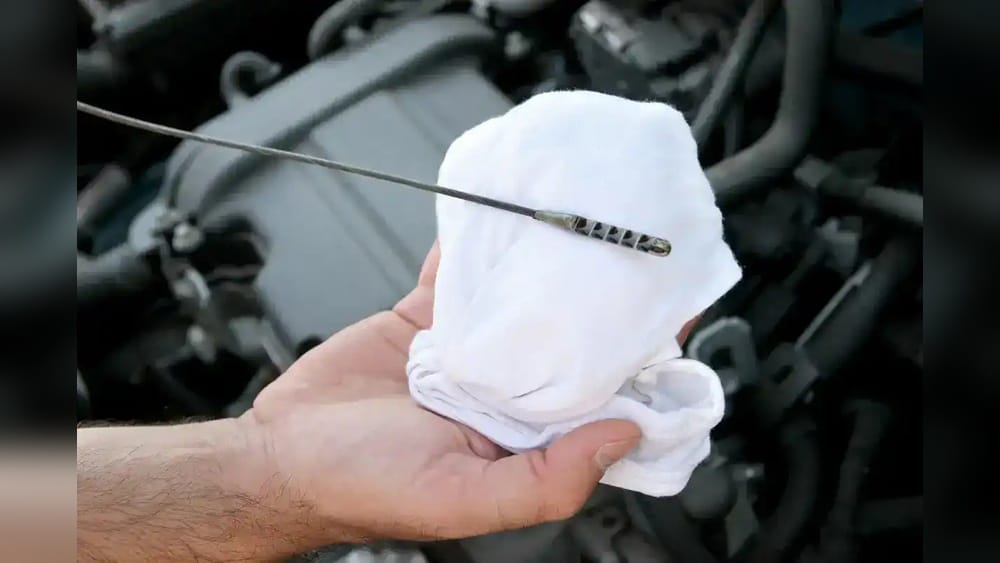
- Pull out the dipstick, wipe it clean, and reinsert it fully.
- Pull it out again and look at the oil level. There are two marks: MIN and MAX. The oil should be between these marks.
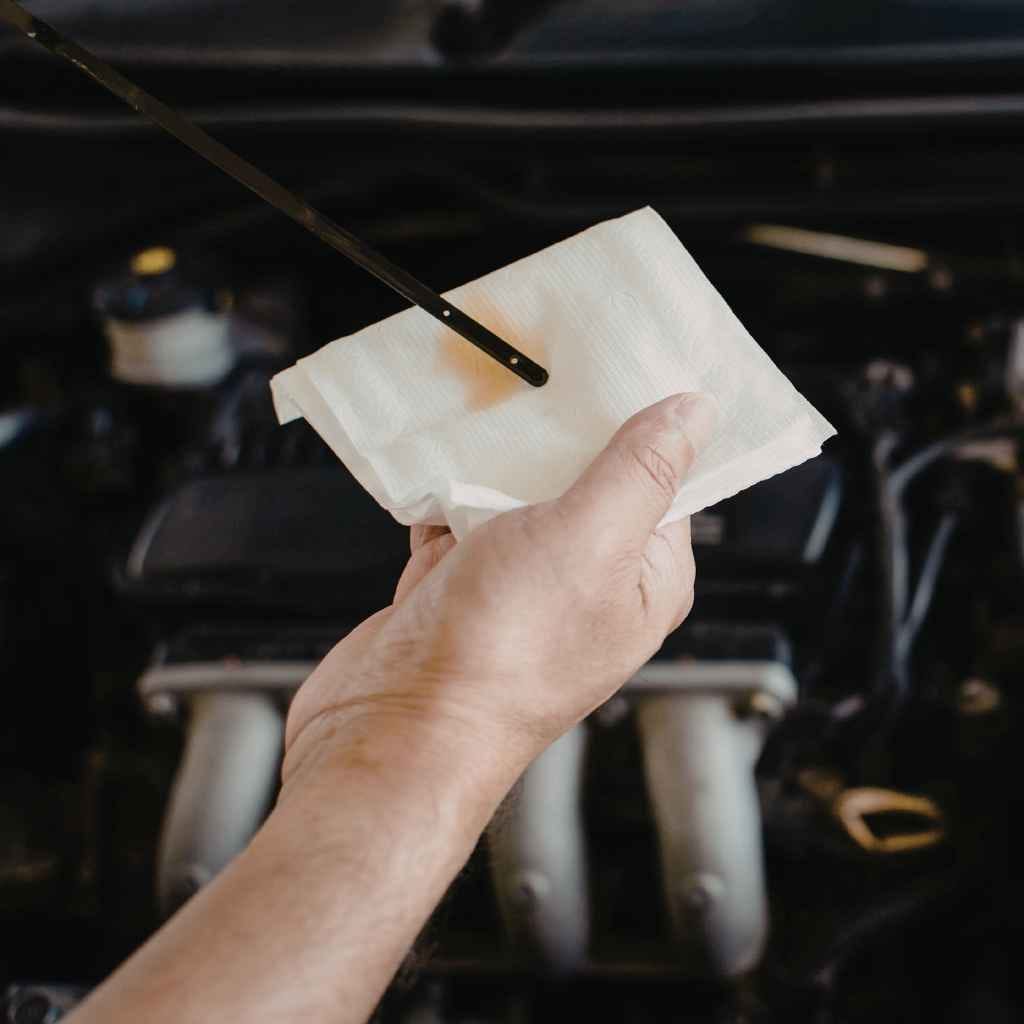
If the oil is below the MIN mark, you need to add oil. If it’s close to MAX, you’re safe. Check the color too—fresh oil is usually amber, while dirty oil is dark brown or black.
Common Mistakes When Checking Oil
Many people make mistakes when checking their oil. Here are two non-obvious insights:
- Checking with a hot engine: Oil expands when hot, which can give a false reading. Always wait at least 5 minutes after turning off the engine.
- Not cleaning the dipstick: If you don’t wipe the dipstick before reinserting, old oil can hide the real level.
Warning Signs Your Engine Needs Oil
Sometimes, your car tells you it needs oil before you even check. Here are the main warning signs:
1. Oil Pressure Warning Light
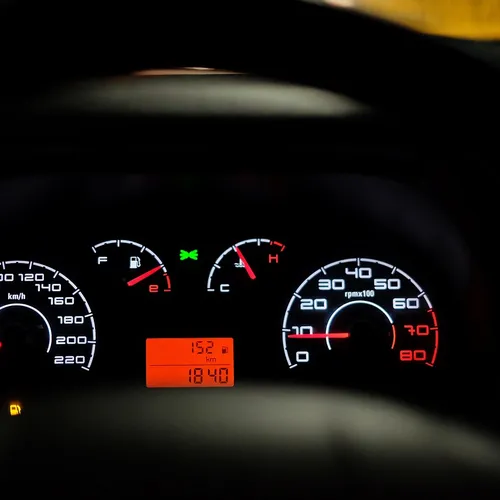
Most modern cars have an oil pressure warning light on the dashboard. If this light comes on, your engine oil level is dangerously low or the oil isn’t circulating properly. Don’t ignore this sign—stop the car and check your oil immediately.
2. Strange Engine Noises
When there’s not enough oil, engine parts rub together. You might hear:
- Knocking
- Tapping
- Grinding
These noises mean your engine isn’t lubricated. If you hear any of these, check your oil right away.
3. Burning Oil Smell
A burning oil smell inside or outside your car often means oil is leaking onto hot engine parts. This is a serious issue—low oil and leaks can damage your engine.
4. Excessive Exhaust Smoke
If you see blue or gray smoke from the exhaust, it can mean your engine is burning oil. This could be a sign of low oil or a bigger problem, like worn seals.
5. Engine Overheating
Engine oil helps control temperature. If you notice your temperature gauge rising or get an overheating warning, check your oil. Low oil can cause overheating.
6. Poor Engine Performance
Low oil can make your engine work harder. You might feel:
- Less power
- Slow acceleration
- Rough running
If your car feels sluggish, check your oil level.
7. Oil Level Drops Quickly
If you check your oil often and notice the level dropping fast, you might have a leak or your engine is burning oil. Both problems need attention.
8. Dirty Or Dark Oil
If your oil looks black, thick, or gritty, it’s not working well. Old oil loses its protective qualities and can’t lubricate properly.
9. Visible Oil Leaks
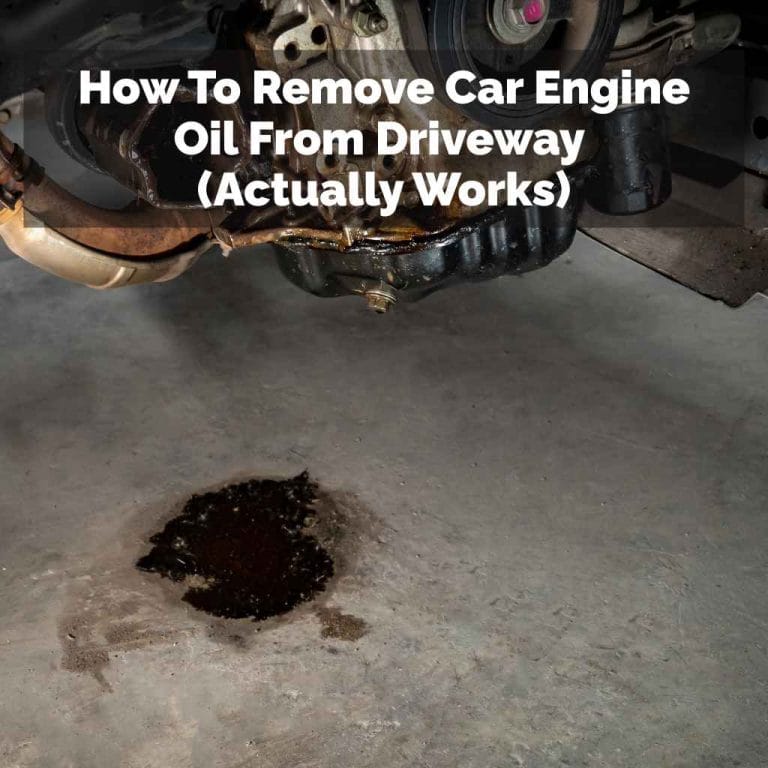
Look for oil spots under your car. Even small leaks can cause big problems if ignored.
10. High Mileage Between Oil Changes
If you’ve driven a lot since your last oil change (more than 5,000 miles for most cars), your engine might need oil. Always check after long trips.
How Often Should You Check Oil?
Many experts suggest checking your oil every 1,000 miles or once a month. If you drive in tough conditions (hot weather, dusty roads, heavy traffic), check more often.
Some newer cars have oil life monitors that track oil quality and tell you when to change. Still, manual checks are best. Don’t rely only on technology.
How To Add Engine Oil
If your oil is low, adding oil is simple:
- Buy the right oil for your car. Check your owner’s manual for the oil type and viscosity (like 5W-30).
- Open the hood and find the oil filler cap. It usually says “Engine Oil.”
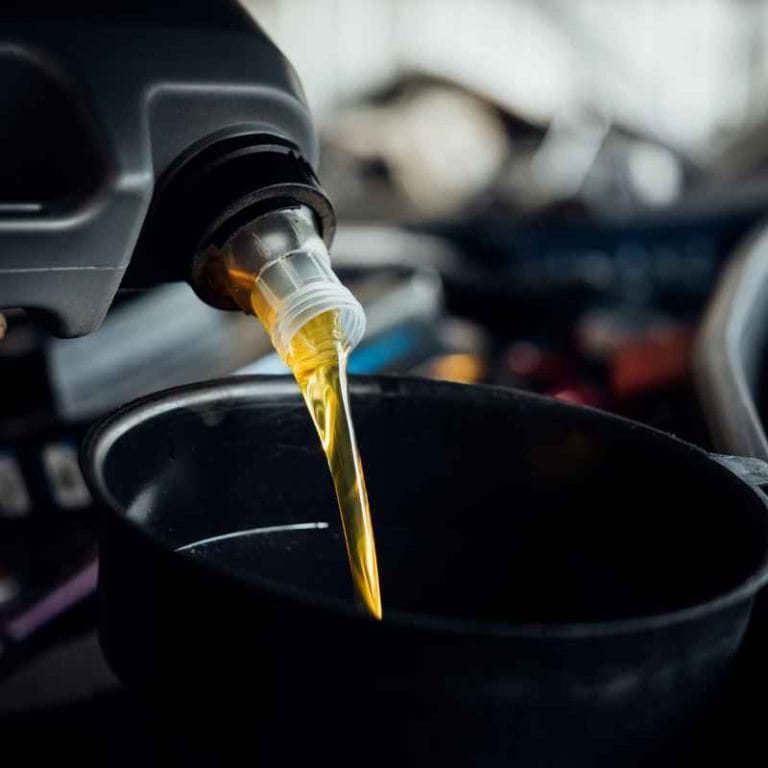
- Remove the cap and pour oil slowly. Use a funnel to avoid spills.
- Check the dipstick again after adding oil. Stop when the level is between MIN and MAX.
- Replace the cap and close the hood.
Never overfill. Too much oil can damage your engine.
Choosing The Right Engine Oil
There are many types of engine oil. Choosing the right one matters. Here’s a comparison of common oil types:
| Oil Type | Best For | Typical Viscosity | Change Interval |
|---|---|---|---|
| Conventional | Older cars | 10W-40 | 3,000-5,000 miles |
| Synthetic | Modern engines | 5W-30 | 7,500-10,000 miles |
| Blend | High-mileage vehicles | 10W-30 | 5,000-7,500 miles |
Always use the oil recommended by your car’s manufacturer. Using the wrong oil can cause engine problems.
Non-obvious Insight: Seasonal Changes
Many people don’t realize that oil thickness (viscosity) matters more in extreme temperatures. In winter, thinner oils (like 5W-30) help your engine start easily. In summer, thicker oils (like 10W-40) protect better against heat.
What Happens If You Ignore Oil Needs
Ignoring low oil can cause:
- Engine damage
- Expensive repairs
- Complete engine failure
A study found that over 30% of roadside breakdowns are linked to oil neglect. Even running low just once can damage parts forever.
How To Spot Oil Leaks
Oil leaks are common but easy to miss. Here’s how to spot them:
- Check under your car after parking. Look for brown or black spots.
- Inspect the engine area for wet, oily patches.
- Look for oil on the wheels or brakes—this can be dangerous.
If you find a leak, fix it quickly. Even small leaks can cause your engine to run dry.
Understanding Oil Quality
Oil quality is important. Old, dirty oil doesn’t protect your engine well. Here’s a simple comparison:
| Oil Appearance | Condition | Action Needed |
|---|---|---|
| Amber, clear | Fresh | Safe to drive |
| Dark brown, thin | Used but OK | Check soon |
| Black, gritty | Dirty | Change oil |
If your oil looks dirty, change it—even if the level is fine.
How Oil Changes Affect Your Engine
Regular oil changes keep your engine healthy. Most cars need oil changes every 5,000 to 7,500 miles. High-performance or older engines may need changes more often.
Skipping oil changes leads to:
- Sludge buildup
- Reduced performance
- Shorter engine life
Some mechanics recommend changing oil every 3,000 miles, but modern oils last longer. Always follow your car’s manual.
Common Mistake: Waiting For Warning Lights
Many people wait for dashboard lights before changing oil. But some cars don’t have oil quality sensors. By the time you see a warning, damage may have already started.
Signs Of Using Wrong Oil
Using the wrong oil can cause:
- Noise
- Overheating
- Leaks
- Poor fuel economy
If you notice these after an oil change, check if the right oil was used.
DIY Vs. Professional Oil Checks
You can check and change oil yourself, but some prefer mechanics. Here’s a comparison:
| Method | Pros | Cons |
|---|---|---|
| DIY | Cheap, fast, hands-on | Messy, risk of mistakes |
| Professional | Expert advice, inspection | More expensive |
If you’re unsure, ask a mechanic. They can spot leaks, check oil quality, and advise on the right type.
Oil Consumption: What’s Normal?
Engines use some oil, but how much is normal? Most cars consume less than 1 quart every 1,000 miles. If you notice higher consumption, your engine may have a problem.
Factors that affect oil use:
- Engine age
- Driving style
- Weather
- Oil type
Older engines burn more oil. Aggressive driving also increases oil use.
Engine Oil Myths
Many myths confuse car owners. Here are some facts:
- Myth: “If the oil is dirty, just add more.”
Truth: Dirty oil doesn’t protect. Always change oil when it’s dirty.
- Myth: “Synthetic oil causes leaks.”
Truth: Synthetic oil is safe for most engines.
- Myth: “You can’t mix oil types.”
Truth: Mixing is safe in emergencies, but stick to one type for best results.
How Weather Affects Oil
Weather changes oil performance. In cold climates, oil thickens and may not flow well. In hot climates, oil thins and may not protect enough.
If you live in extreme weather, ask a mechanic about the best oil viscosity.
Signs Your Oil Needs Changing (even If Level Is Fine)
Sometimes, your oil needs changing even if the level is okay. Watch for:
- Strange smells
- Thick, sticky oil
- Engine feels rough
These signs mean oil isn’t working well. Change it soon.
Engine Oil For Different Cars
Different cars need different oils. For example:
- Diesel engines use thicker oils (like 15W-40)
- Hybrid cars use thin, modern oils (like 0W-20)
- Sports cars use high-performance oils
Always use oil recommended for your car. Using the wrong oil can void your warranty.
How To Track Oil Changes
Keeping track of oil changes is smart. Here’s how:
- Write down the date and mileage after each change.
- Use phone apps to set reminders.
- Some cars have built-in reminders.
Tracking helps prevent problems and protects your engine.
Practical Tips For Engine Oil Care
Here are some useful tips:
- Keep a spare quart of oil in your car for emergencies.
- Check oil before long trips.
- Clean around the oil cap before adding oil to prevent dirt from getting inside.
- Use a funnel to avoid spills.
- Don’t rely only on dashboard lights—manual checks are best.
How To Read Oil Labels
Oil containers have labels like 5W-30. Here’s what it means:
- 5W: Viscosity in winter (W = winter). Lower numbers flow better in cold.
- 30: Viscosity at high temperature.
Choose oil with the right numbers for your climate and car.
Oil Filter: Why It Matters
The oil filter removes dirt and keeps oil clean. Change the filter with every oil change. A dirty filter makes oil dirty faster.
What If You Put Too Much Oil?
Too much oil can cause:
- Foaming
- Leaks
- Poor performance
If you overfill, drain the extra oil. Too much oil is as risky as too little.
Engine Oil And Fuel Economy
Low or dirty oil makes your engine work harder, using more fuel. Studies show that proper oil care can improve fuel economy by up to 2%. It’s a small savings, but over time it adds up.
When To Seek Help
If you see warning lights, hear strange noises, or notice leaks, see a mechanic. Don’t risk your engine. Professional advice can save money in the long run.
Frequently Asked Questions
How Often Should I Change My Engine Oil?
Most cars need an oil change every 5,000 to 7,500 miles. High-performance or older engines may need changes every 3,000 miles. Always check your owner’s manual.
Can I Mix Different Brands Or Types Of Oil?
Mixing oils is safe in emergencies, but stick to one type for best performance. Mixing won’t harm your engine, but may affect oil performance.
What Happens If I Drive With Low Oil?
Driving with low oil causes friction, overheating, and damage. Your engine may fail or need expensive repairs.
How Can I Tell If My Oil Is Dirty?
Dirty oil is black, thick, or gritty. Clean oil is amber and clear. If your oil looks dirty, change it even if the level is fine.
Are Oil Additives Necessary?
Most engines don’t need additives. Use the oil recommended by your manufacturer. Additives can help old engines, but aren’t needed for most cars.
If you want to learn more about engine oil care, visit Wikipedia for detailed information.
Caring for your engine oil is simple but important. Regular checks, using the right oil, and changing it on time will keep your engine running smoothly. Don’t wait for warning signs—be proactive and your car will thank you.
Related pick: Check today's price on Amazon
Products related to this article
Sponsored / affiliate links. As an Amazon Associate I earn from qualifying purchases. I may earn additional commission from eligible campaigns.