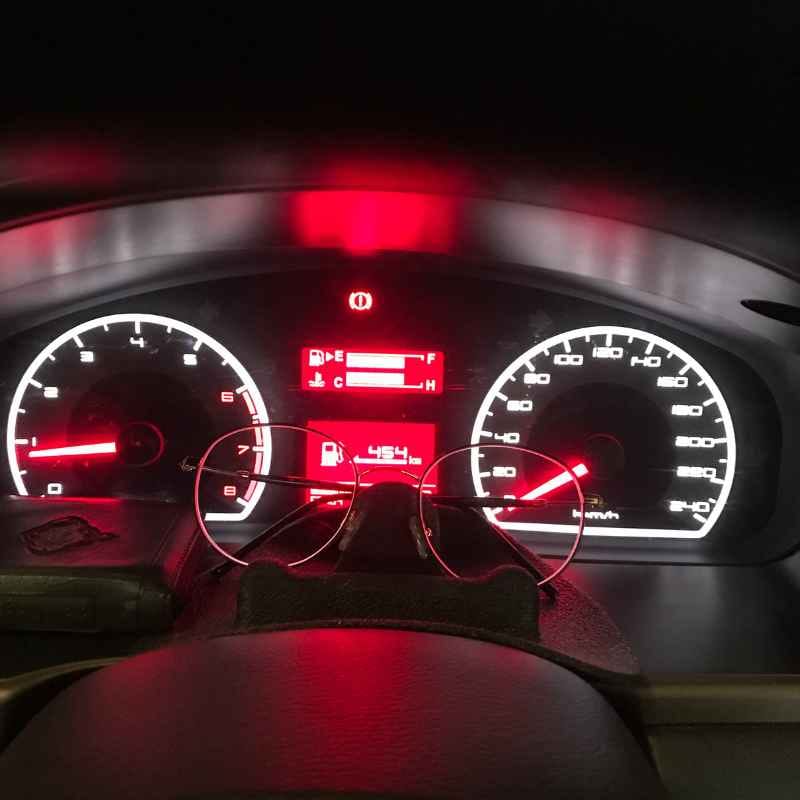
What Does The Car Light With A Lock Mean? Full Explanation
Seeing a strange light on your car’s dashboard can be unsettling. Especially when it’s a symbol you don’t quite recognize. That little light shaped like a car with a lock inside is one of those.
It’s not always a sign of immediate danger, but it does tell you something important is happening with your car’s security system. Let’s break down what this light means, why it shows up, and what you should do when you see it.
The car light with a lock symbol usually means your car’s anti-theft or immobilizer system is active. This system prevents the car from starting if the correct key or fob isn’t detected. It’s often a flashing light, indicating it’s armed and waiting for the proper signal to disarm.
Understanding the Car-Lock Light
That symbol you’re seeing is often called the immobilizer light or the security light. Most cars made in the last 20-25 years have this system. It’s a really smart piece of tech designed to stop car theft.
Think of it as a hidden safeguard for your vehicle.
When you turn your car key or press the start button, your car needs to recognize a specific signal. This signal comes from a chip inside your car key or key fob. If the car’s computer doesn’t get that correct signal, it thinks someone is trying to start the car without permission.
That’s when the light comes on.
The light can appear in a few different ways. Sometimes it stays solid. Other times, it blinks steadily.
A blinking light often means the system is armed. It’s like it’s saying, “I’m ready to go, but only if you have the right key!” A solid light might mean there’s a fault or a problem with the system itself.
Why Does This Light Turn On?
There are several reasons why that little lock light might decide to show its face. Most of them are tied to how your car’s security system works. Understanding these causes can help you figure out if it’s a simple fix or something that needs a mechanic’s attention.
One of the most common reasons is a key fob issue. Your key fob has a small battery. Over time, this battery can get weak.
If the battery is low, the car might struggle to read the signal from the fob. This can make the security light come on. Sometimes, just replacing the battery in your key fob solves the problem.
Another reason could be related to the key itself. If you have a traditional key with a transponder chip, that chip could be damaged. Maybe the key was dropped, or the chip inside got scratched.
Without a clear signal from the chip, the car won’t start, and the light will appear.
Sometimes, it’s not about the key at all. The car’s antenna, which reads the signal from your key fob, could be having trouble. This antenna is usually located near the ignition switch.
If it’s dirty, damaged, or not working right, it can’t pick up the key’s signal properly.
A more serious, though less common, cause is a problem with the immobilizer module itself. This is a computer component in your car that manages the security system. If this module has a fault, it can trigger the light and prevent your car from starting.
We’ll go into more detail on these causes and what they look like in practice. It’s helpful to know what you’re dealing with before you start troubleshooting.
Personal Experience: The Time My Car Wouldn’t Start
I remember one chilly Tuesday morning. I was already running late for a big meeting. I grabbed my coffee, my bag, and headed out to my car.
I slid into the driver’s seat, put the key in the ignition, and turned. Nothing. The engine didn’t even try to turn over.
Then, my eyes caught it – the dreaded blinking car with a lock symbol on my dashboard. My heart sank. It was blinking fast, almost mocking me.
I tried turning the key again, jiggling it a bit. Still nothing. A wave of panic washed over me.
This meeting was important! I took a deep breath and tried to recall what that light meant. I knew it was about security, but what exactly?
I fumbled with my key fob, pressing the unlock button a few times, hoping that would reset something. It didn’t. The blinking light just kept on blinking.
I started to feel that familiar knot of frustration in my stomach. “Why today?” I thought.
Key Fob Battery Woes
Let’s talk more about that key fob battery. This is often the simplest fix. Your key fob is basically a tiny remote control for your car’s security.
It sends a unique code every time you try to start your car. This code is like a secret handshake that only your car understands.
Over time, the small battery inside the fob loses its power. It’s like any other battery – it doesn’t last forever. When it gets weak, the signal it sends becomes faint.
Your car’s receiver might still pick it up, but it’s weak and unreliable. This is when the car starts to get confused.
If the car can’t get a strong, clear signal from your key fob, it assumes the key isn’t present. This activates the immobilizer system, and that lock light pops on. It’s the car’s way of saying, “I don’t think that’s the right key.
I’m not letting anyone start me.”
Replacing the battery is usually straightforward. You can often find tutorials online for your specific car model. Most fobs have a small seam where you can pry them open.
You’ll need a tiny screwdriver. Inside, you’ll find a small, round battery, like a watch battery. Make sure you get the correct replacement battery.
After replacing the battery, you usually need to “re-sync” or “re-program” the fob to your car. Again, check your car’s manual for the exact steps. Sometimes it’s as simple as putting the key in the ignition and turning it on for a few seconds.
Other times, it might involve a sequence of button presses.
Key Fob Battery Check
When to suspect a weak battery:
- The range of your remote locks/unlocks has decreased.
- You have to be very close to the car for it to work.
- The security light comes on more frequently.
- You haven’t changed the battery in years.
What to do:
Problems with the Key Itself
It’s not always the fob battery. The physical key or the chip inside can also be the culprit. Many modern keys have a small transponder chip embedded within the plastic head of the key.
This chip is what the car reads to verify it’s the correct key.
If this chip gets damaged, the car won’t be able to read it. Keys can get damaged in a few ways. Dropping a key from a height can sometimes crack the plastic housing, which might dislodge or damage the chip.
If the key gets wet and is not dried properly, it could also cause issues for the chip.
Sometimes, the key might just be worn out. Over years of use, the plastic around the chip can wear down. This can expose the chip or make it harder for the car’s system to read its signal.
If you have multiple keys, and only one is causing issues, that’s a strong clue that the key itself is the problem.
If you suspect your key is damaged, the best course of action is to try a spare key. If the spare key works fine, then you know the original key needs to be replaced or repaired. Getting a new key made requires a dealership or a specialized automotive locksmith.
They have the equipment to cut the key and program the new transponder chip to your car.
Key vs. Fob
Key Fob: Usually a plastic casing with buttons for lock/unlock, trunk release, panic alarm. It often contains a small, replaceable battery and a chip for starting the car.
Transponder Key: A more traditional metal key with a plastic head. The plastic head contains a passive transponder chip that needs to be read by the car.
Issue Spotlight: If your car has a push-button start and a separate key fob, the battery issue is most likely with the fob. If you have a traditional ignition and a key with a plastic head, check for damage to the key itself or the chip inside.
Antenna Ring Issues
Your car uses an antenna to “listen” for the signal from your key. This antenna is often a ring-shaped sensor located around the ignition cylinder where you insert your key. For cars with push-button start, this antenna might be in the center console or near the steering column.
This antenna ring is crucial. It powers up the transponder chip in your key and reads its unique code. If this antenna ring is damaged, dirty, or has a loose connection, it won’t be able to communicate properly with the key.
What could damage an antenna ring? Well, they are pretty robust, but not indestructible. Sometimes, a faulty ignition cylinder can damage the ring.
Or, if someone tried to force the ignition with the wrong key, it could bend or break the ring.
A loose connection is also a possibility. Over time, vibrations or wear and tear can cause the wires leading to the antenna ring to loosen. This will prevent a consistent signal.
Dirt or debris getting into the ignition cylinder could also interfere with the antenna’s ability to read the key.
If you suspect the antenna ring, it’s often best left to the professionals. They can test the ring for continuity and check its connections. Replacing it usually involves removing parts of the dashboard or steering column.
It’s not usually a DIY job for most people.
Faulty Immobilizer Module
This is where things get a bit more serious. The immobilizer module is the brain of your car’s anti-theft system. It receives signals from the antenna and the key, and it decides whether or not to allow the engine to start.
It also communicates with other car systems.
If the immobilizer module itself fails, it can cause all sorts of problems. It might constantly think the key is missing, even when it’s right there. It could also send false signals that make other parts of the car malfunction.
A faulty immobilizer module can be caused by a number of things. Electrical surges, water damage, or even just internal component failure over time can lead to problems. Sometimes, a software glitch within the module can occur, requiring a reset or reprogramming.
When the immobilizer module is the issue, the security light often stays solid red. This solid light usually indicates a fault within the system, rather than just an armed state. Because this module is so critical to your car starting, a failure here means the car simply won’t run.
Diagnosing and fixing a faulty immobilizer module requires specialized diagnostic tools. A mechanic will need to connect their computer to your car’s system to read error codes. They might also need to test the module’s communication with other parts of the car.
When the Light Stays Solid
Blinking Light: Usually means the system is armed and waiting for the correct key signal. This is often normal operation, especially when you turn the car off.
Solid Light: Often indicates a fault or error in the security system. This could be a problem with the immobilizer module, antenna, or wiring. This is more likely to prevent the car from starting.
Important Note: Always consult your car’s owner’s manual for the specific meaning of dashboard lights for your model.
When the Light Comes On During Driving
What if the car light with a lock turns on while you are actually driving? That’s definitely more concerning. It’s one thing for it to prevent the car from starting, but another for it to flash while you’re on the road.
If the security light comes on and stays solid while you’re driving, it could mean a serious issue with the immobilizer system. It might be detecting a problem that is developing. This could lead to the car shutting down unexpectedly.
In some cars, the immobilizer system is integrated with the engine control unit (ECU). If there’s a fault detected in the immobilizer, it could affect how the engine runs. This might cause sputtering, loss of power, or even the engine cutting out completely.
This is a situation where you should pull over as soon as it’s safe to do so. Turn off the engine. Then, try restarting the car.
If the light goes off and the car starts normally, it might have been a temporary glitch. However, if the light comes back on, or the car won’t start, you likely have a more significant problem.
It’s important not to ignore this. A malfunctioning immobilizer system can make your car unreliable and potentially unsafe. You’ll want to get it checked out by a mechanic promptly.
They can use their diagnostic tools to pinpoint the exact cause.
Other Potential Causes and Related Lights
While the car with a lock light is specifically about your car’s anti-theft system, it can sometimes be related to other issues. Or, other dashboard lights might come on at the same time, offering more clues.
For instance, if your car battery is very low, it might cause various electrical systems to act strangely. This could include the security system. So, if you see the lock light along with a battery warning light, it’s a good idea to check your battery first.
Some cars have integrated alarm systems. If there’s a fault in the alarm system, it might sometimes trigger the immobilizer light as well, even if the primary issue isn’t theft prevention. This is less common but possible.
Modern cars are complex. Components are all interconnected. A problem in one system can sometimes have ripple effects on others.
This is why a mechanic uses diagnostic scanners – they look at how all the different electronic modules in your car are communicating.
If you see multiple warning lights on your dashboard, take a moment to note them all down. Sometimes, the combination of lights can help a mechanic diagnose the problem faster. For example, a blinking security light along with a check engine light might point to a specific set of issues within the engine management and security systems.
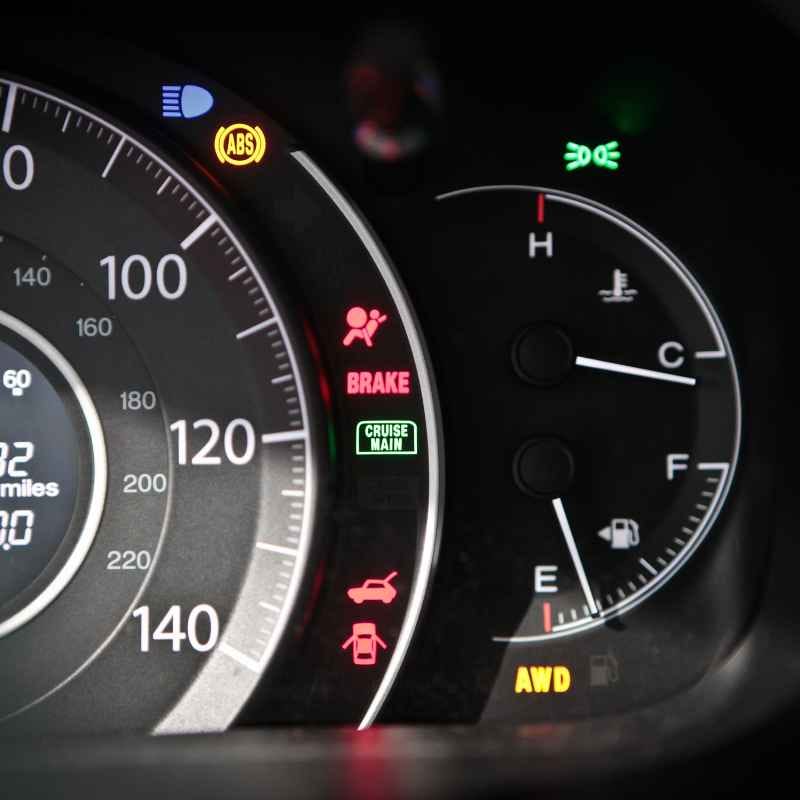
Dashboard Light Checklist
Car with Lock (Blinking): Immobilizer system armed. Usually normal when car is off.
Car with Lock (Solid): Immobilizer system fault. Needs immediate attention.
Battery Light: Low battery voltage or charging system problem.
Check Engine Light: General engine or emissions system issue.
Tire Pressure Light: Low tire pressure or TPMS sensor issue.
Oil Light: Low engine oil pressure. Stop engine immediately if solid.
What to Do When You See the Light
Okay, so you see the blinking car with a lock light. What’s the best next step? Don’t panic!
Most of the time, it’s not a major crisis. Here’s a breakdown of what you should do.
1. Check Your Key Fob: First, try pressing the unlock button on your key fob. If it was just a temporary glitch, this might reset it.
If your car starts, great! If not, try the spare key fob if you have one. If the spare key works, the battery in your primary fob is likely dead or very weak.
2. Replace the Key Fob Battery: If you suspect a weak battery, replace it. As we discussed, this is often the easiest and cheapest fix.
Make sure you use the correct battery type.
3. Inspect Your Key: If you’re using a traditional key with a plastic head, carefully inspect it. Look for any cracks or damage to the plastic.
If you see any, or if you suspect the chip is damaged, try your spare key.
4. Consult Your Owner’s Manual: Every car is a little different. Your owner’s manual will have specific information about what each dashboard light means for your particular vehicle.
It’s your best source of truth.
5. Try a Simple Reset: Sometimes, simply turning the car key to the “on” position (without starting) for about 10-15 seconds, then turning it off, can reset the security system. Some cars respond well to this simple reboot.
6. If it Won’t Start: If you’ve tried these steps and your car still won’t start, and the light is on, you’ve likely got a more complex issue. This is when you need to call for professional help.
It could be the antenna ring, the immobilizer module, or even a wiring issue.
7. Professional Diagnosis: If you need to tow your car, inform the tow truck driver about the security light issue. When you get to the mechanic, tell them exactly what happened, what lights were on, and what you’ve already tried.
This information is incredibly valuable for them.
When It’s Normal and When to Worry
It’s important to know that seeing the car with a lock light isn’t always a bad thing. Understanding the normal behavior of your car’s security system can save you a lot of unnecessary worry. The key difference is usually whether the light is blinking or solid, and whether the car starts.
When it’s Normal:
- Blinking Light After Turning Off Car: This is usually the system arming itself. When you turn your car off, the security system goes into “armed” mode. The blinking light shows this. It’s like your car is locking its own doors from the inside, electronically. It’s designed to do this.
- Brief Blink When Starting: Some cars might briefly flash the light when you insert the key or press the start button, as part of the system’s self-check.
When to Worry:
- Solid Light That Won’t Go Away: A solid light usually indicates a fault. If it stays on after starting the car, or if it’s on when you try to start it and the car won’t start, that’s a concern.
- Blinking Light Prevents Starting: If the light is blinking but the car simply won’t start (no crank, no start), it means the immobilizer system isn’t recognizing the key properly, and it’s actively preventing the engine from running.
- Light Comes On While Driving: As mentioned before, this can be a sign of a developing fault that could lead to the car stopping unexpectedly.
- Multiple Warning Lights: If the lock light appears along with other serious warning lights (like the check engine or oil light), it suggests a broader problem.
Quick Checks for Peace of Mind
1. Try Both Keys: If you have a spare key, test it. If it works, the issue is with your primary key or its fob.
2. Listen to Your Fob: Does the unlock/lock button sound weak? Does the range seem shorter?
This points to a weak fob battery.
3. Observe the Light: Is it blinking or solid? Does it stay on?
Does it go off after starting? These details are crucial.
Quick Fixes and Tips
While many issues with the car lock light require professional help, there are a few simple things you can try yourself. These are more about prevention and simple troubleshooting.
Keep Keys Safe: Store your car keys away from strong magnetic fields or electronic devices that might interfere with the signal. Don’t keep them right next to your mobile phone or a microwave. Some people even use special pouches designed to block RFID signals from fobs.
Regular Key Fob Battery Replacement: Don’t wait for your key fob battery to die completely. If your car manual suggests replacing it every 1-2 years, consider doing it. It’s a cheap preventative measure.
Clean Your Key: If you have a traditional key with a chip, make sure the chip area is clean. Sometimes a bit of dirt can interfere with the signal. A soft, dry cloth is usually enough.
Use the Spare Key Periodically: If you have a spare key, use it every few months. This helps keep the transponder chip active and ensures the car’s system recognizes it. It also helps to exercise the mechanical parts of the key and ignition system.
Avoid Extreme Temperatures: While most car systems are built to withstand a range of temperatures, extreme heat or cold can sometimes affect battery performance and electronic components. If you park in extreme heat or cold for long periods, be aware that this could contribute to temporary glitches.
Don’t Force Anything: If the key is difficult to insert or turn in the ignition, don’t force it. This could damage the ignition cylinder or the key itself, leading to more complex and expensive repairs.
Preventative Maintenance Tips
Routine Battery Swaps: Budget for key fob battery replacements every 1-3 years, depending on usage and manufacturer recommendations.
Key Care: Protect your keys from drops and water. Clean them gently if they get dirty.
Spare Key Readiness: Ensure your spare key’s battery is also good and test it occasionally.
Professional Check-ups: When you take your car for routine maintenance, mention if you’ve noticed any intermittent issues with your key fob or security system.
Frequently Asked Questions
What does the car light with a lock mean when it’s blinking?
A blinking car light with a lock typically means your car’s anti-theft or immobilizer system is active and armed. It’s usually normal behavior when the car is turned off and waiting for the correct key signal to disarm and allow the engine to start.
What if the car light with a lock is solid?
A solid car light with a lock often indicates a fault or an error within the vehicle’s security system. This could mean a problem with the immobilizer module, the antenna ring, or the wiring, and it might prevent the car from starting.
Can I drive my car if the lock light is on?
If the light is blinking and your car starts and runs normally, it’s usually safe to drive. However, if the light is solid, or if the car starts but runs poorly, or if the light comes on while driving, it’s best to pull over safely and have the car checked by a mechanic as soon as possible.
How do I fix the car light with a lock symbol?
The fix depends on the cause. Simple solutions include replacing the key fob battery or using a spare key if the primary one is damaged. More complex issues like a faulty antenna ring or immobilizer module require professional diagnosis and repair by a mechanic.
Is the car lock light the same as the alarm light?
While related, they are not always the same. The car lock light specifically relates to the immobilizer system, which prevents the engine from starting without the correct key. An alarm light usually indicates the vehicle’s audible alarm system status.
Some cars might use similar symbols or integrate these systems.
My car won’t start, and the lock light is blinking. What should I do?
Try using your spare key. If that doesn’t work, check or
Conclusion
Seeing that little car with a lock on your dashboard can be a bit nerve-wracking. But knowing what it generally means – that your car’s security system is doing its job – can ease your mind. Whether it’s a blinking light indicating the system is armed, or a solid light suggesting a problem, understanding the basics is key.
Most of the time, it’s a simple fix like a battery change. Other times, it points to a need for expert help. Pay attention to the light’s behavior and your car’s response, and you’ll be well on your way to solving the mystery.
See also why do people steal car headlights surprising reasons.
Products related to this article
Sponsored / affiliate links. As an Amazon Associate I earn from qualifying purchases. I may earn additional commission from eligible campaigns.